 MomSkoop

Reaching your 40s often brings a refreshing shift in perspective, especially when it comes to your personal space. Many women find that the things they once held onto no longer serve them the way they used to.
Clearing out what no longer fits your life can create room for clarity, comfort, and a stronger sense of self. Think of it less like losing something and more like making space for what truly matters.
1. Expired Beauty and Skincare Products
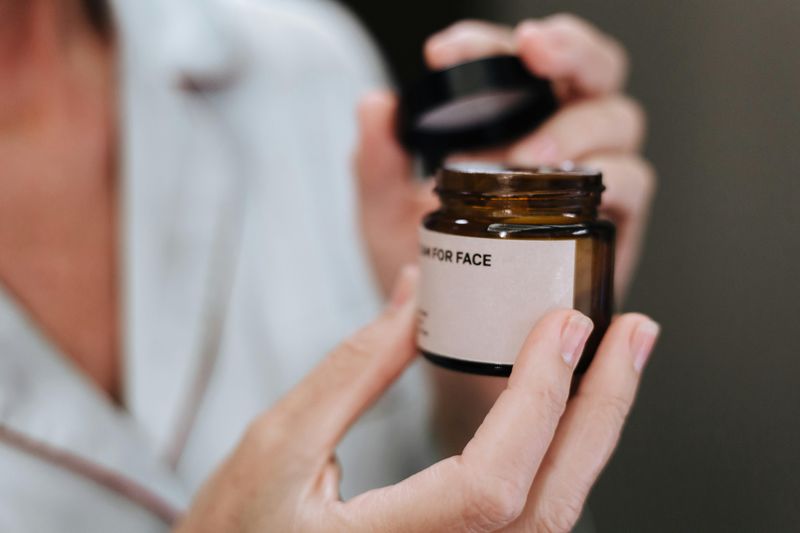
That drawer stuffed with half-used serums and mystery creams from three years ago?
It might be working against you.
Expired skincare products can lose their effectiveness and even irritate your skin or cause breakouts.
Using old formulas means you’re not getting the results you’re paying for.
Most products have a small symbol on the packaging that looks like an open jar with a number inside.
That number tells you how many months the product is safe to use after opening.
Tossing expired items is not wasteful — it’s smart self-care.
Start fresh with a streamlined routine that actually works for your skin right now.
2. Clothes That No Longer Fit or Feel Good

Holding onto jeans from a decade ago “just in case” is one of the most common closet habits women carry into their 40s.
But clothes that don’t fit your body right now can quietly chip away at your confidence every time you open your wardrobe.
They serve as a daily reminder of a body you no longer have, rather than celebrating the one you do.
A closet filled with things that actually fit and feel great can transform your mornings.
Donate what no longer serves you, and keep only what makes you feel put-together and comfortable.
Your wardrobe should work for your life today, not some imagined future version of it.
3. Worn-Out Undergarments and Sleepwear
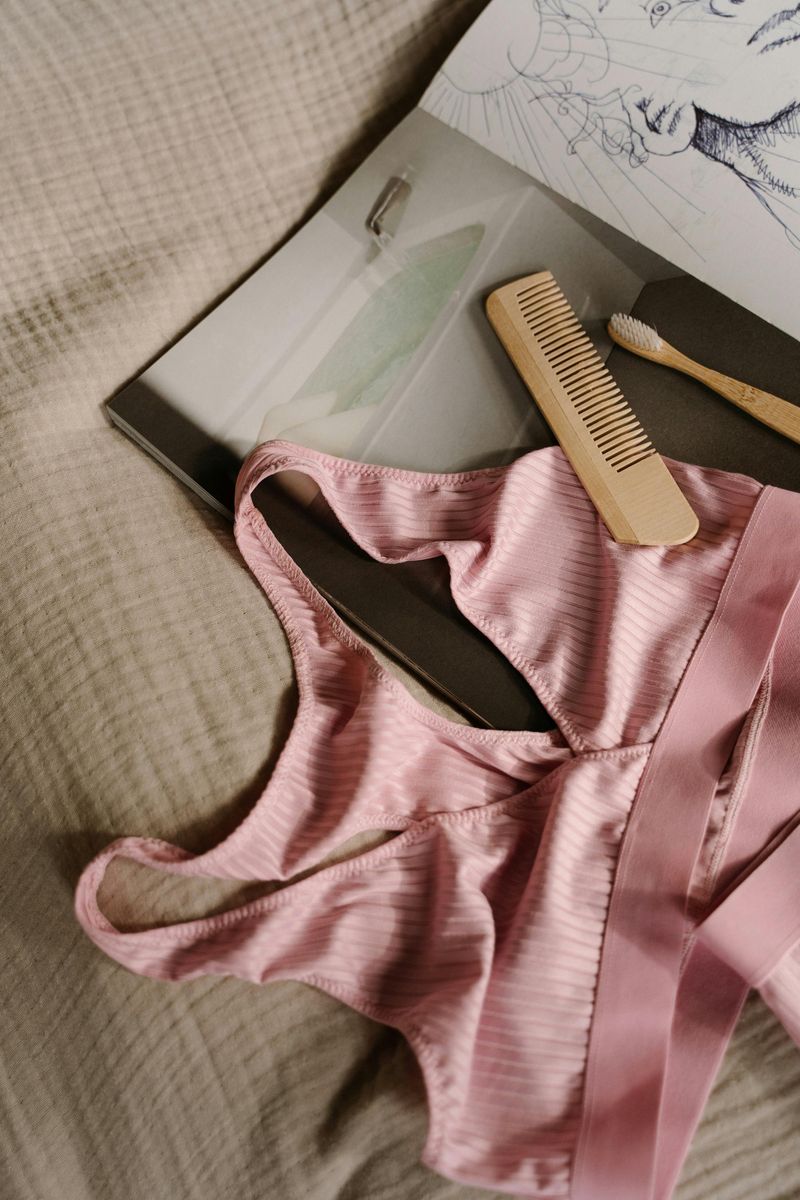
Here is a quiet truth most people don’t talk about enough: worn-out bras and stretched sleepwear can genuinely affect how you feel throughout the day and night.
Old undergarments lose their structure and support, which matters more as your body changes over time.
If something is pilling, sagging, or held together by habit rather than elastic, it has done its job.
Comfortable, well-fitting undergarments are one of the most personal forms of self-respect.
You don’t need a huge collection — just a few quality pieces that actually support and feel good.
Replacing these basics is less of an expense and more of an investment in your daily comfort and well-being.
4. Outdated Makeup, Especially Old Mascara and Foundation
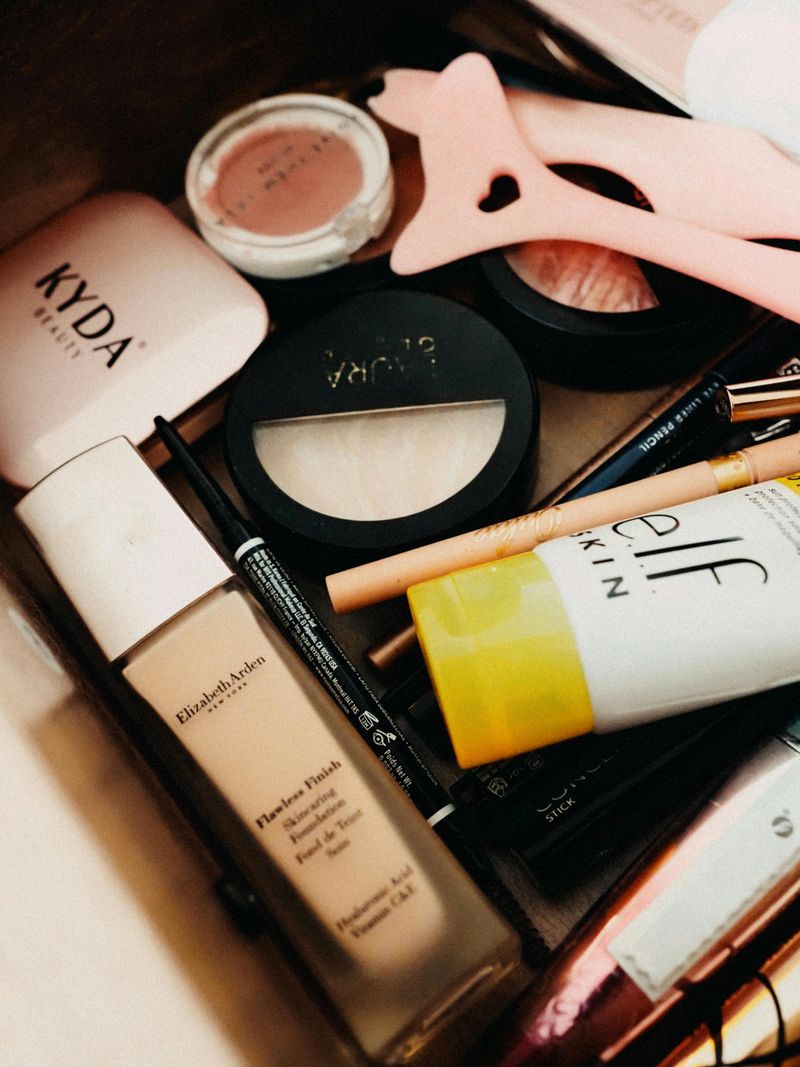
Old mascara is one of the sneakiest culprits in a makeup bag.
Bacteria builds up quickly in the tube, and using it past the three-month mark can lead to eye infections.
Foundation that has separated, changed smell, or shifted in color is another sign that it’s time to let go.
Makeup trends shift fast, and formulas that worked in your 30s might not suit your skin texture now.
Lighter, more skin-friendly products tend to look more flattering and feel better as skin matures.
Clearing out your makeup bag regularly keeps things hygienic and helps you discover what genuinely enhances your features rather than working against them.
Less truly can be more.
5. Cheap, Uncomfortable Furniture
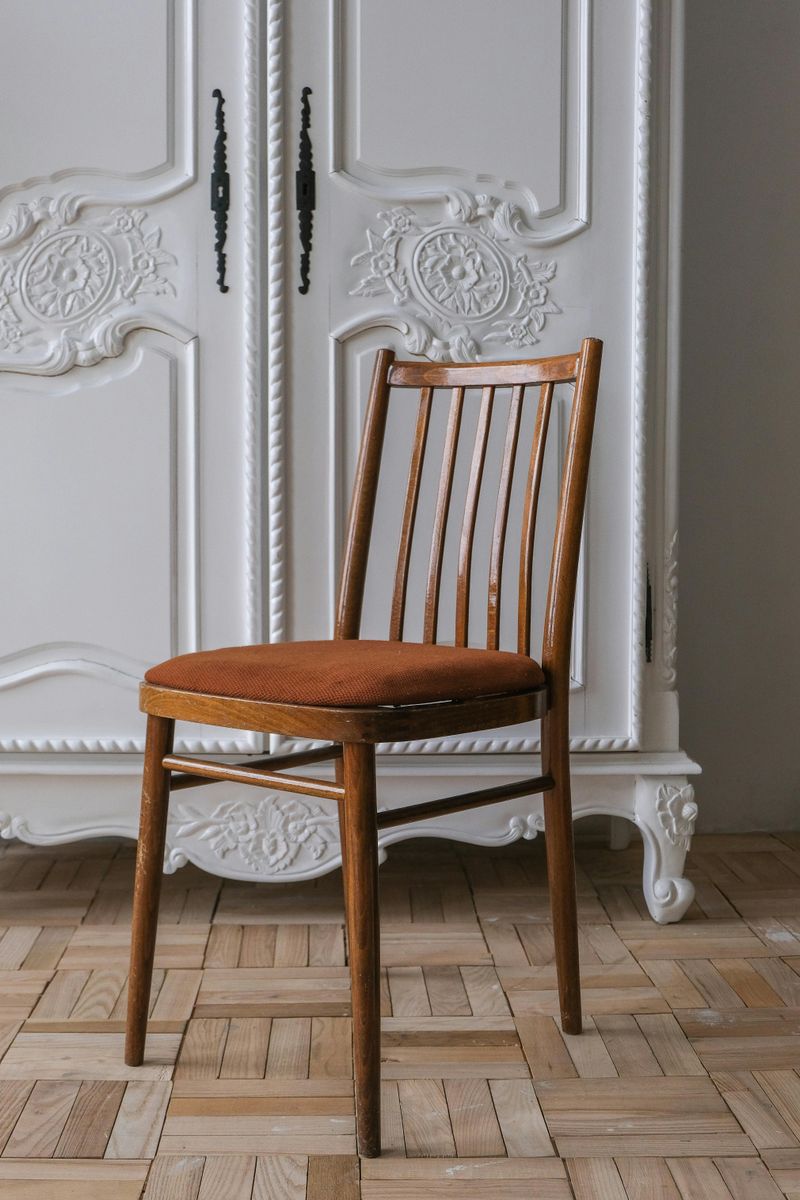
Furniture that hurts your back, wobbles when you sit, or looks like it belongs in a first apartment has a way of dragging down an entire room.
In your 40s, comfort becomes non-negotiable — your body deserves better than a couch that leaves you stiff every morning.
Quality over quantity is a principle that applies beautifully to furniture.
You don’t have to redecorate all at once.
Start by identifying the one piece that causes the most daily frustration and prioritize replacing it.
Even secondhand furniture in good condition can offer far more comfort and style than something cheap and new.
Your home should feel like a sanctuary, not a waiting room.
6. Unused Kitchen Gadgets Collecting Dust
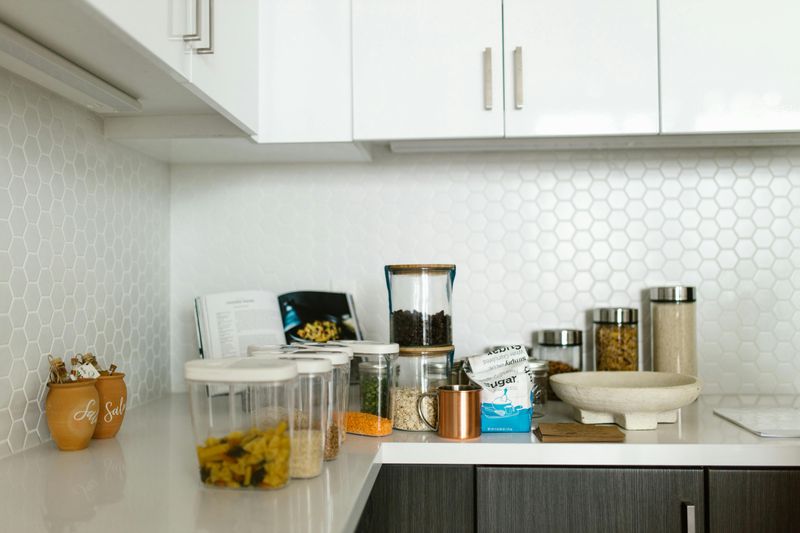
Did you know the average kitchen contains at least three gadgets that haven’t been used in over a year?
That spiralizer, the panini press, the pasta maker that seemed brilliant at the time — they take up valuable counter and cabinet space without contributing anything to your daily life.
Clutter in the kitchen can make cooking feel like a chore before you even start.
Letting go of gadgets you genuinely don’t use creates a calmer, more functional cooking space.
Keep only what you reach for regularly.
Donate the rest so someone else can actually enjoy it.
A streamlined kitchen makes meal prep faster, more enjoyable, and a lot less overwhelming on busy weeknights.
7. Old Paperwork and Unnecessary Documents
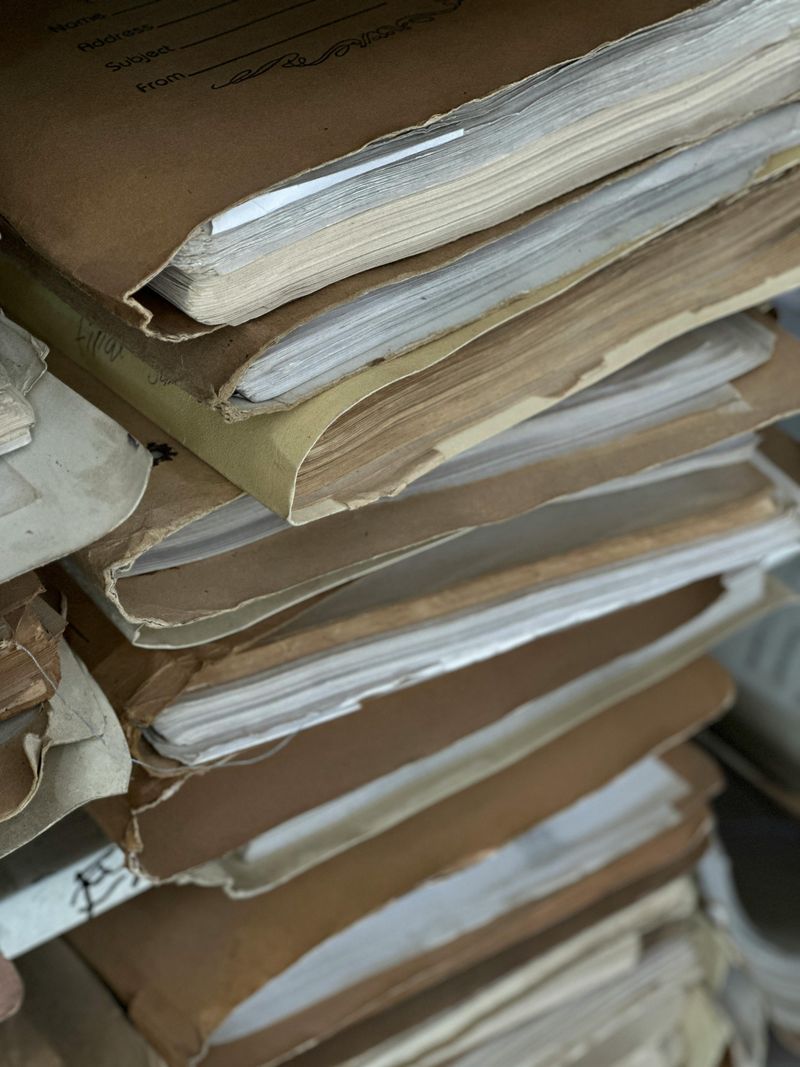
Paper clutter is one of the most stubborn kinds because it always feels like something important might be buried in that stack.
Old utility bills, expired warranties, instruction manuals for appliances you no longer own — these pile up fast and quietly take over desk drawers and filing cabinets.
Most financial documents only need to be kept for a specific number of years, and many records are now accessible digitally.
Set aside an afternoon to sort through the paper piles, shred what’s sensitive, and recycle the rest.
Creating a simple filing system for what you do keep will save you hours of frustration later.
Clear paper, clear mind — it really does work that way.
8. Decor That No Longer Reflects Your Personal Style
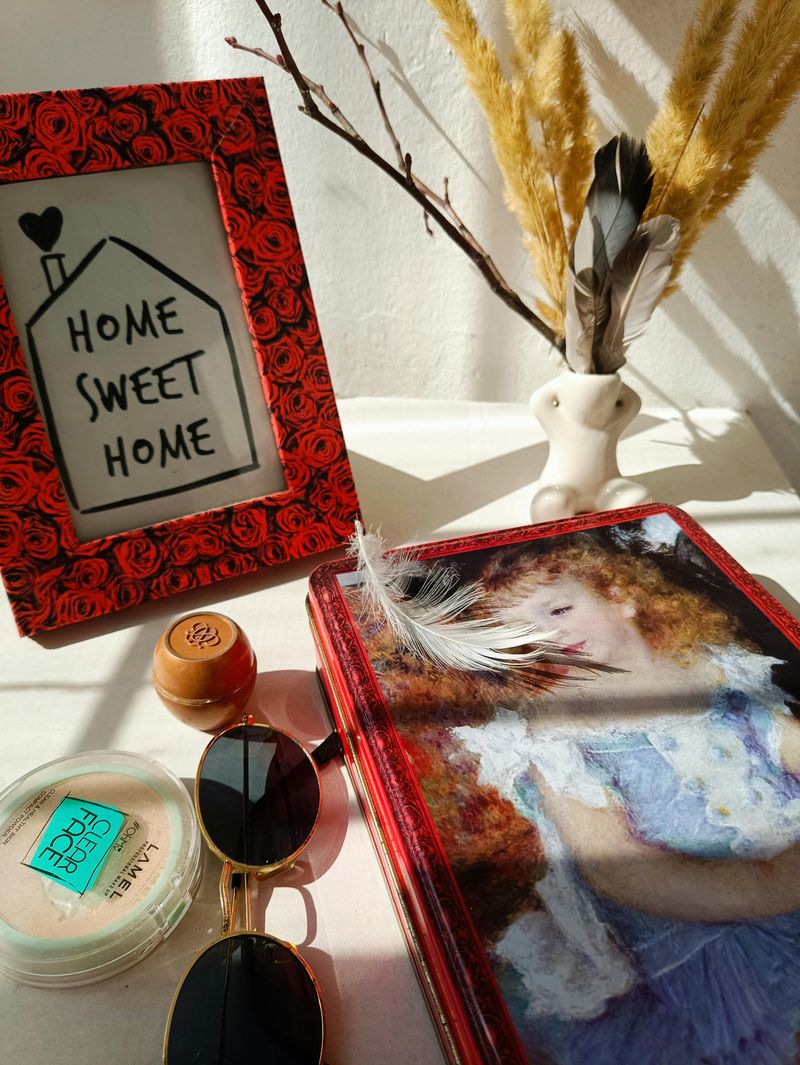
Your home should tell your story, not the story of who you were ten years ago.
Decor you chose out of obligation, trend-chasing, or as a placeholder has a way of making a space feel disconnected from who you actually are.
A room filled with things you genuinely love feels completely different from one filled with things you simply tolerate.
Walk through your home with fresh eyes and notice what makes you smile versus what you barely register anymore.
Removing decor that no longer speaks to you doesn’t mean replacing everything immediately.
Sometimes, a few intentional pieces that truly resonate can transform a room far more than a full refresh ever could.
9. Broken Items Waiting to Be Fixed Someday
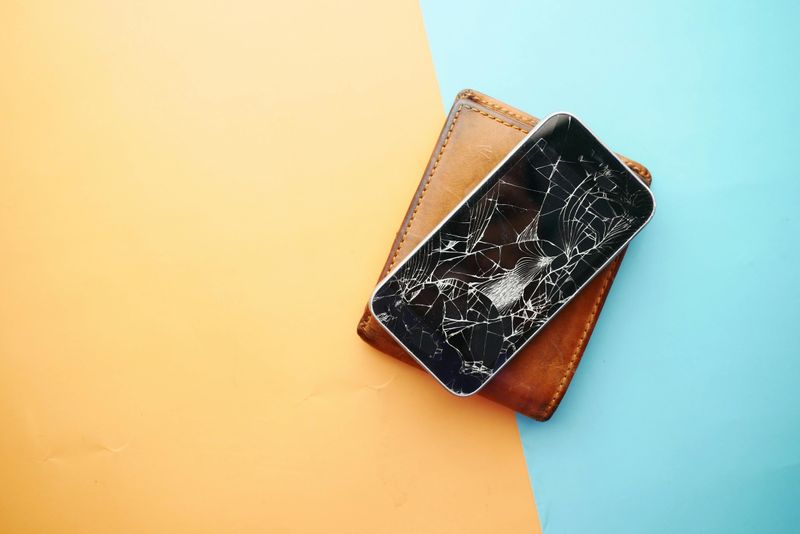
We all have that one broken thing we keep moving from room to room, convinced we’ll fix it eventually.
The lamp with the frayed cord.
The chair with the wobbly leg.
The jewelry box with the broken hinge.
These items sit in a strange limbo — not useful, not gone, just quietly taking up space and mental energy.
Every time you see something broken, your brain registers it as an unfinished task.
That low-level stress adds up over time.
Give yourself a realistic deadline: either fix it within the next two weeks or let it go.
If it has sat untouched for months, chances are it’s time to release it and move on without guilt.
10. Excess Plastic Containers Without Matching Lids
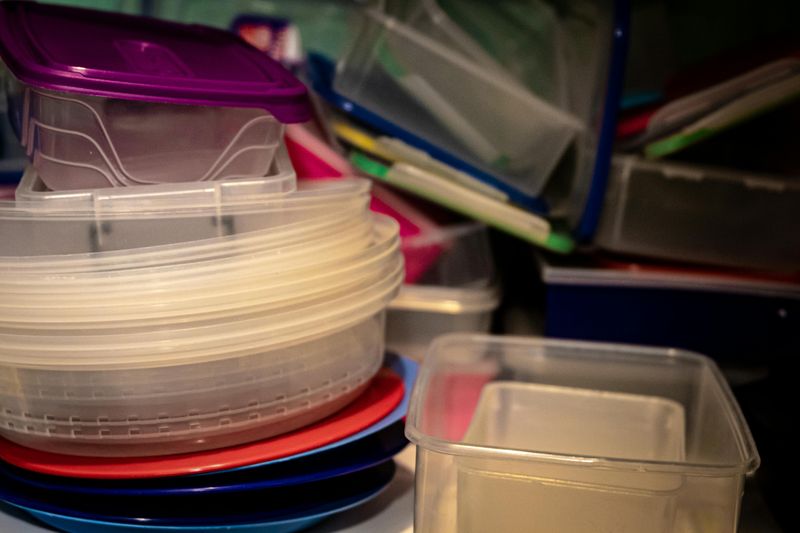
Opening a cabinet only to have a cascade of lidless containers tumble out is a universally frustrating experience.
Plastic food storage containers multiply mysteriously, and somehow the lids always disappear.
Keeping a massive collection of mismatched pieces wastes space and adds daily irritation to your kitchen routine.
Pull everything out, match lids to containers, and recycle what’s unmatched or stained beyond saving.
Also consider whether the containers you’re keeping are in good condition — scratched or discolored plastic may not be the best choice for food storage over time.
A smaller, well-matched set of quality containers will serve you far better than an overflowing cabinet of chaos.
Simplicity wins here every time.
11. Shoes That Hurt or Are Rarely Worn
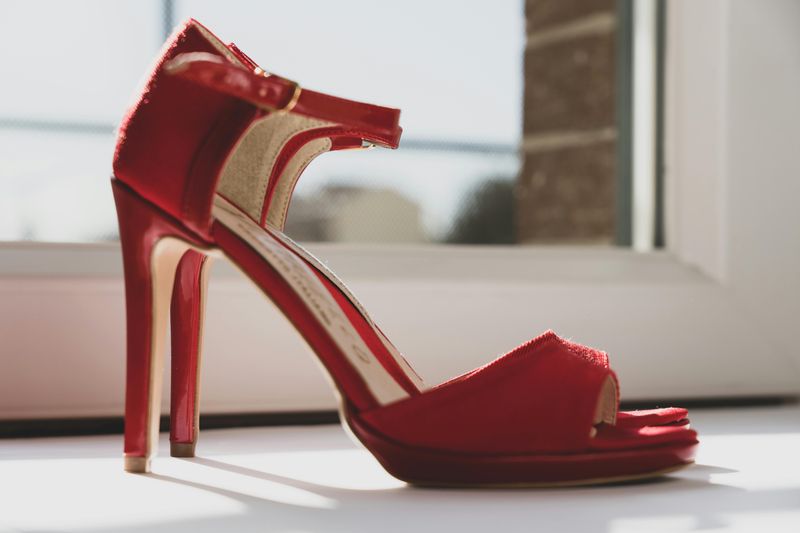
Beautiful shoes that make your feet ache by noon are not worth the suffering.
Many women hold onto painful heels or ill-fitting shoes because they were expensive, a gift, or worn once to a special occasion.
But shoes that live on a shelf collecting dust aren’t doing anyone any good.
Foot health becomes increasingly important as we age, and wearing uncomfortable shoes regularly can lead to real long-term issues.
Keep the shoes you actually reach for — the ones that are comfortable, versatile, and make you feel good walking out the door.
Donate the rest.
Your feet will thank you, and you’ll stop feeling vague guilt every time you open your closet.
12. Overly Trendy Pieces That Feel Dated Quickly

Fast fashion moves at a dizzying pace, and that top that felt incredibly current eighteen months ago might already feel awkward to wear.
Trend-heavy pieces often have a short shelf life and end up crowding your wardrobe without getting much use.
This is especially true for items that were bought on impulse during a particular fashion moment.
A wardrobe built around timeless, well-made basics tends to serve women far better in the long run.
Classic cuts, neutral tones, and quality fabrics outlast trends by years.
Letting go of overly trendy items that no longer feel like you creates room for pieces with staying power.
Style at 40 and beyond is about knowing yourself, not chasing every season.
13. Tangled Cords and Outdated Electronics
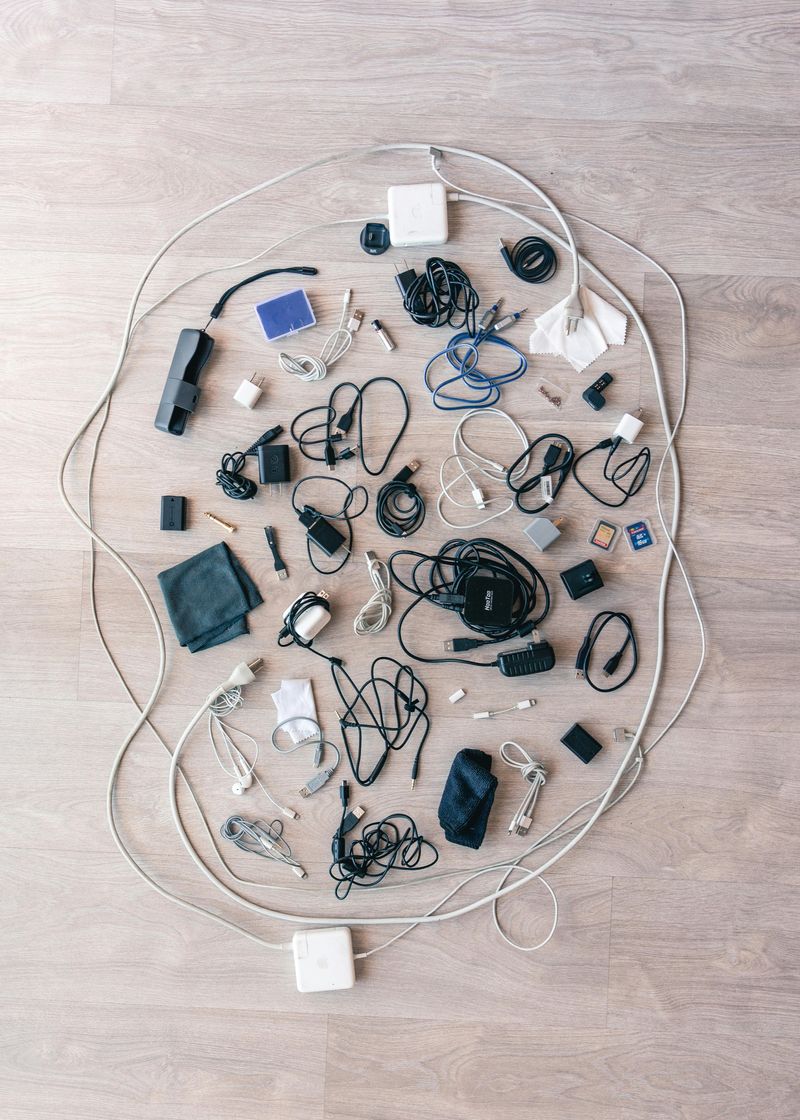
Every home has that drawer — the one where old chargers, mystery cables, and devices from three phones ago go to retire.
Outdated electronics and tangled cords are some of the most persistent clutter because they feel like they might be useful again someday.
Spoiler: they usually aren’t.
Old electronics can be recycled responsibly at many electronics stores and community drop-off points, so there’s no reason to keep them out of environmental guilt either.
Untangle, sort, and honestly assess what actually works with devices you currently own.
Keeping only what’s functional and current makes finding the right cord infinitely less maddening.
That small act of order can surprisingly reduce everyday stress in a big way.
14. Books You Won’t Reread or Finish

Books carry a particular kind of guilt.
The half-finished novel you’ve been meaning to get back to for two years.
The self-help book that felt urgent when you bought it but now sits spine-out gathering dust.
Keeping books out of obligation rather than genuine love turns a bookshelf into a source of low-grade stress.
Letting books go doesn’t mean you failed them.
It means you’re honest about where you are right now.
Donate to a local library, a Little Free Library, or a friend who might actually love them.
Keep only the books that bring you joy, spark curiosity, or hold real sentimental meaning.
A curated shelf feels far more intentional than a stuffed one.
15. Anything Tied to Guilt, Obligation, or Past Versions of Yourself
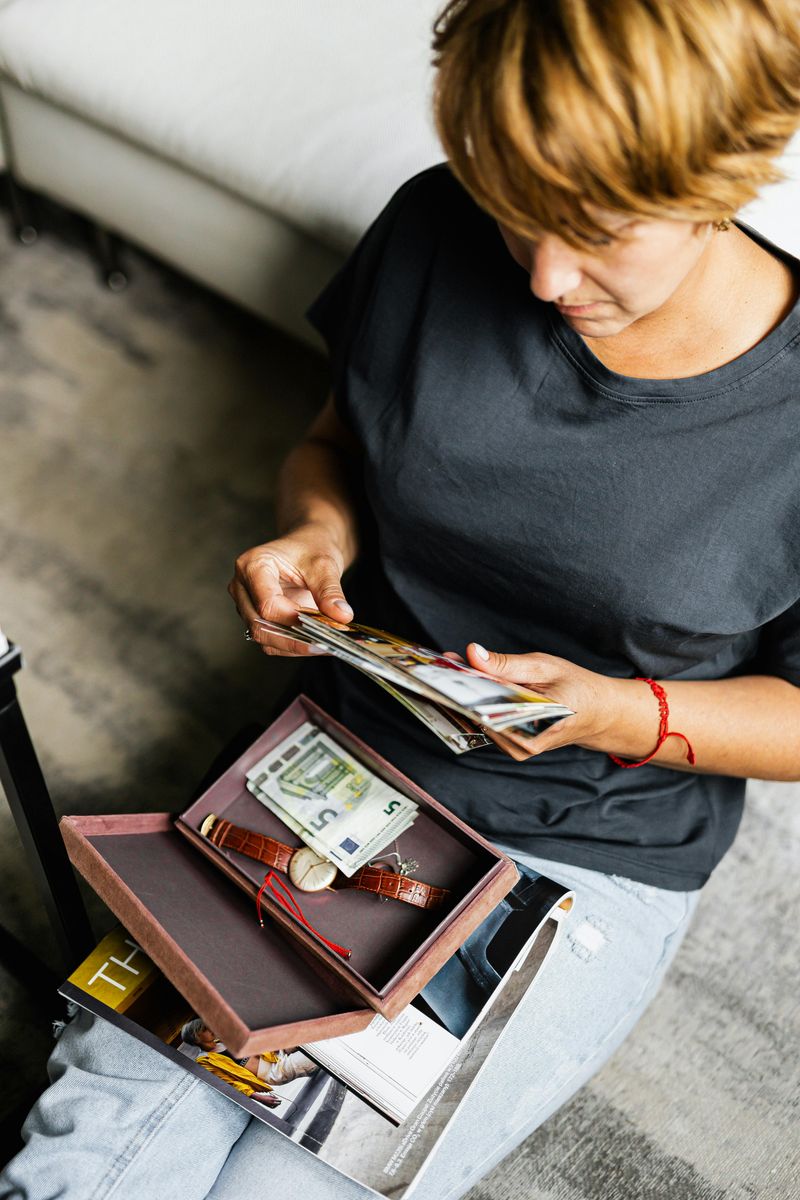
Perhaps the most powerful thing you can clear from your space is anything you’re only keeping because it feels wrong to let it go.
The gift from someone who hurt you.
The trophy from an era of your life that no longer feels like yours.
The hobby supplies for a version of yourself you quietly outgrew years ago.
Your space should reflect who you are, not who you felt pressured to be.
Releasing items tied to guilt or obligation is an act of genuine self-respect.
You’re allowed to honor your past without being anchored to it.
Keep what brings you peace, and gently release what quietly weighs you down.
That is where real freedom lives.