 MomSkoop

The beginning of dating someone new is exciting, but it’s also easy to make moves that send the wrong message without realizing it. Small habits and patterns you set early on can shape the entire dynamic of a relationship.
Some behaviors might feel natural or even thoughtful, but they can quietly signal desperation, low standards, or emotional immaturity. Knowing what to avoid from the start can make all the difference in how things unfold.
1. Over-Investing Too Fast

You just met someone and already you are planning a weekend trip together, texting good morning every day, and acting like you two are a couple.
That kind of energy can feel overwhelming fast.
Over-investing too soon signals that you may not have strong boundaries or a full life outside of dating.
It puts pressure on the other person and shifts the balance of power quickly.
Pace yourself.
Let things unfold naturally rather than rushing to lock something in.
A healthy connection builds over time, not overnight.
Keeping your own life full and exciting makes you far more attractive than being constantly available and eager.
2. Always Being Available

Responding to every text within seconds and canceling your own plans to fit someone else’s schedule might seem sweet, but it actually works against you.
It tells the other person that your time has no real value.
People tend to appreciate what requires a little effort.
When you are always there at a moment’s notice, you remove the natural tension and excitement that makes early dating fun.
Hold your ground.
Keep your plans, take your time responding, and let your life stay your own.
Someone who is genuinely interested will respect your schedule.
Boundaries are not playing games; they are just self-respect in action.
3. Pushing for Commitment Early

Bringing up labels, exclusivity, or “where is this going” after just a few dates is one of the fastest ways to make someone feel trapped.
Most people need time and experience with you before they are ready for those conversations.
Rushing the commitment talk often comes from anxiety, not genuine readiness.
It signals that you are more focused on securing something than actually enjoying the connection you are building.
Trust the process.
Let the relationship develop at a pace that feels earned by both people.
When the time is right, those conversations happen naturally.
Forcing them too soon usually creates distance instead of closeness.
4. Oversharing Too Quickly
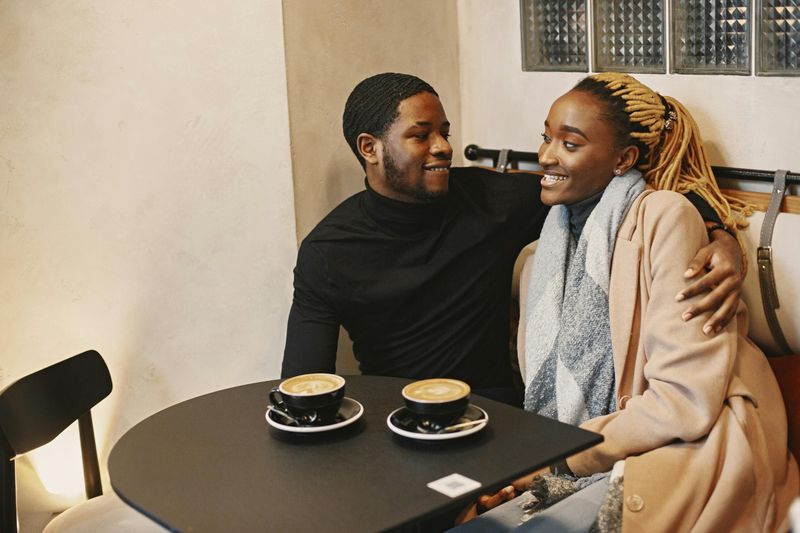
Trauma dumps, deep childhood stories, and emotional baggage shared on the first or second date can feel like too much, too soon.
Vulnerability is beautiful in the right context, but timing matters enormously.
When you overshare before trust is established, it can make the other person feel like a therapist rather than a romantic interest.
It also skips the natural stages of emotional intimacy that make a bond feel special.
Save the heavy stuff for when you actually know each other.
Start with lighter, fun conversations that let your personality shine.
Real depth comes from shared experiences over time, not from a life story delivered all at once on date two.
5. Trying Too Hard to Impress

There is a clear difference between putting your best foot forward and completely reinventing yourself to be liked.
Bragging about your salary, dropping names, or pretending to love things you hate are all signs you are performing instead of connecting.
People can sense inauthenticity, even if they cannot always name it.
When you try too hard, it actually creates distance because the other person is meeting your mask, not the real you.
Relax and be yourself, quirks and all.
Genuine confidence is far more attractive than a polished performance.
The right person will like you for who you actually are, and that is the only connection worth building.
6. Letting Them Set All the Terms

Always going along with their timeline, their preferred spots, and their pace might feel like being easygoing, but it can quietly signal that you have no preferences of your own.
And that is not attractive.
When one person consistently controls the terms of how things go, an unequal dynamic forms early.
You start to feel less like a partner and more like a guest in your own dating life.
Speak up.
Suggest plans.
Have opinions.
A little healthy assertiveness shows that you value your own time and experience.
Two people with actual voices make for a far better dynamic than one person leading and the other just going along for the ride.
7. Ignoring Early Red Flags

Maybe they canceled twice, replied inconsistently, or said something that did not sit right with you.
But you brushed it off because you liked them and did not want to rock the boat.
Sound familiar?
Rationalizing bad behavior early in dating sets a quiet precedent.
It teaches the other person that inconsistency is acceptable, and it teaches you to silence your own instincts to keep the peace.
Pay attention to patterns, not just moments.
One off day is understandable, but repeated behavior tells you something real.
Trusting your gut early on is not being picky, it is being smart about who you invest your time and energy in.
8. Seeking Constant Validation
Asking “do you like me?” or constantly fishing for reassurance about where things stand is exhausting for the other person.
It shifts the energy from exciting to heavy, and it signals deep insecurity.
Here is the thing: actions tell you everything you need to know.
If someone is interested, they will show up.
Needing them to constantly confirm it means you are not trusting what you are actually experiencing.
Work on building your own inner security before leaning on someone new to provide it.
Confidence is not about having all the answers; it is about being okay without them.
Let their actions speak, and trust yourself enough to read the room clearly.
9. Giving Relationship-Level Effort in a Casual Phase

Cooking full meals, meeting their friends, being their emotional support system, and acting like a committed partner when you have only been on a handful of dates is a recipe for burnout and imbalance.
When you give relationship-level effort before that role has been earned or agreed upon, you create an unspoken expectation that the other person may not be ready to match.
It also puts you in a vulnerable spot emotionally.
Match the stage you are actually in.
Keep early dating light, fun, and exploratory.
Deep commitment and generous effort are beautiful things, but they mean the most when they are mutual and built on a real foundation, not just hope.
10. Not Being Willing to Walk Away

Staying invested when the dynamic feels off, one-sided, or draining is one of the most common early dating mistakes.
It happens when you are more attached to the potential of something than the reality of what is actually happening.
Not being willing to walk away quietly hands over all of your power.
The other person learns, consciously or not, that they can treat you however they want because you will stick around regardless.
Know your worth before you enter any dynamic.
Being genuinely okay with walking away is not a tactic or a game; it is the clearest signal of self-respect.
And ironically, it is one of the most attractive qualities you can bring to early dating.