 MomSkoop
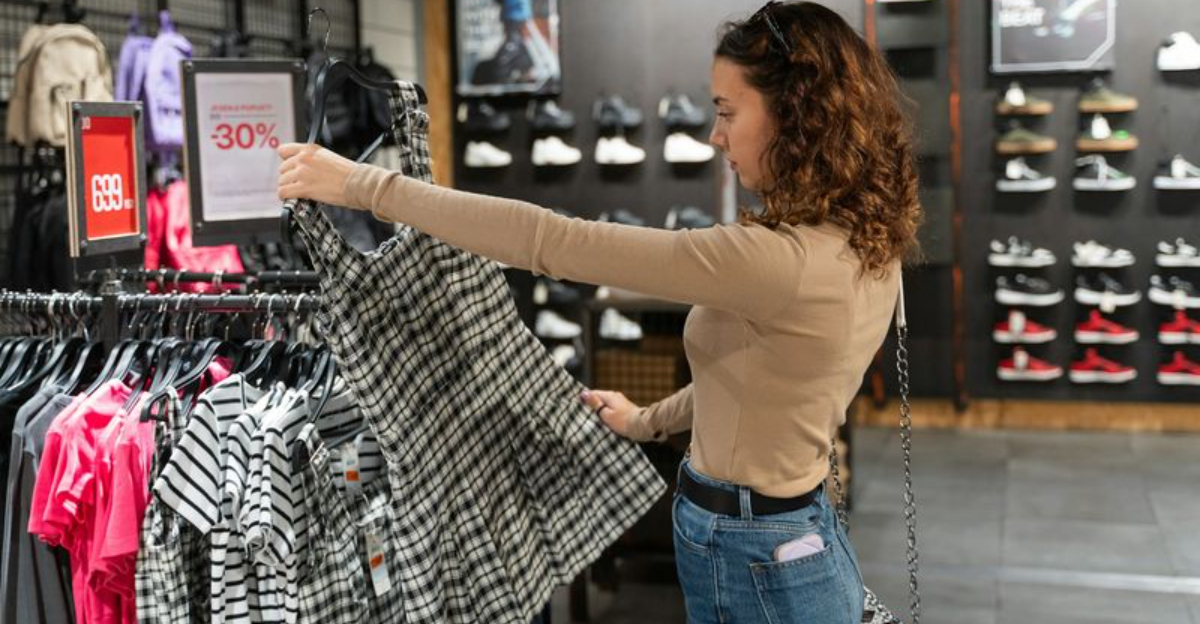
Have you ever stood in front of your closet for 20 minutes, not because you had nothing to wear, but because you were worried about what people would say? Many of us make fashion choices based on what others think without even realizing it.
Your style is supposed to be an expression of who you are, not a performance for an audience. If any of these signs sound familiar, it might be time to start dressing for yourself.
1. You Check for Approval Before Wearing Something New
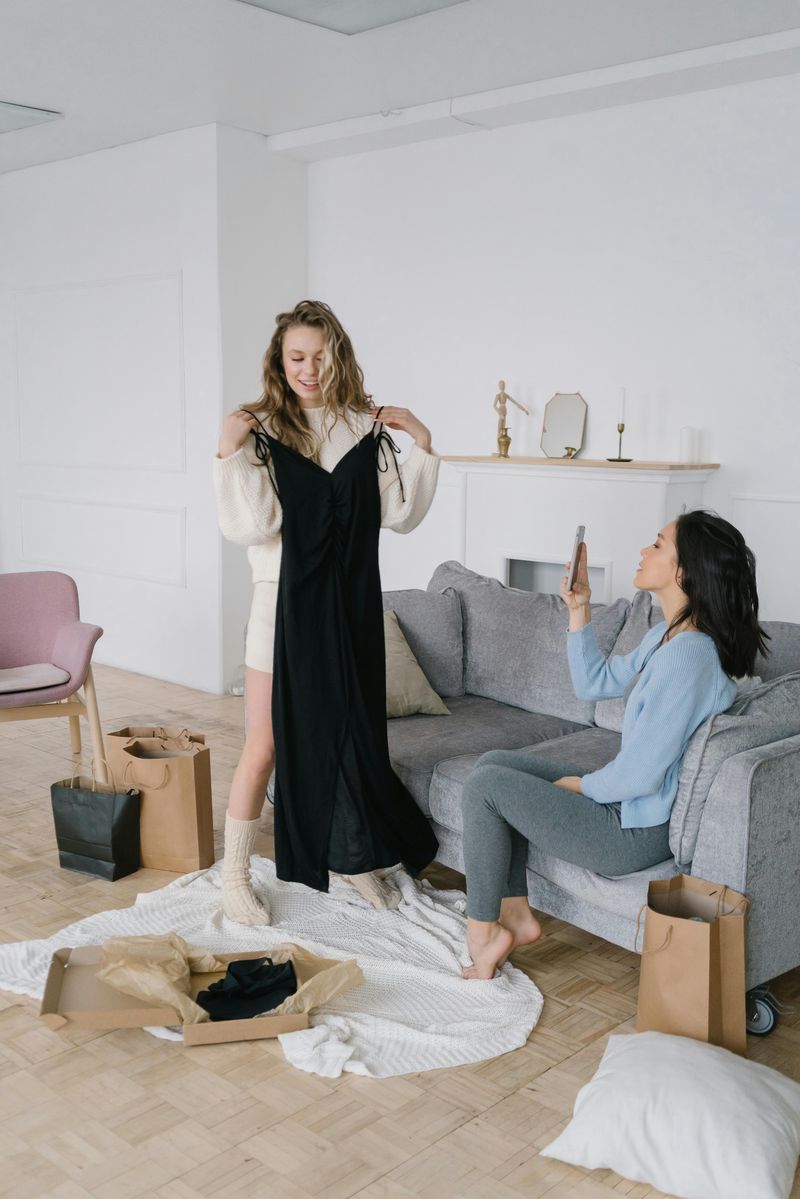
Picture this: you just bought a new jacket you absolutely love, but before putting it on, you snap a photo and send it to three different people asking, “Does this look okay?” Seeking a second opinion every now and then is totally normal.
But when you cannot wear something without getting the green light from someone else first, that is a red flag for your confidence.
Real style confidence means trusting your own eyes and instincts.
Friends and family may mean well, but their taste is not your taste.
Start small by wearing one new piece without asking anyone first.
Notice how it feels to make that choice entirely on your own terms.
2. Trends Completely Dictate Your Wardrobe
Trends move fast.
One week it is wide-leg jeans, the next it is cargo pants, and suddenly everyone online is wearing the same thing.
Keeping up can feel like a full-time job, and an expensive one at that.
If your closet is packed with items you bought just because they were popular, but you rarely actually enjoy wearing them, trends might be running your wardrobe instead of you.
Following trends is fun occasionally, but your style should reflect your personality, not just a seasonal checklist.
Try asking yourself before buying: “Would I still love this in six months?” That one question can save you money and help you build a wardrobe that actually feels like yours.
3. You Avoid Standing Out at All Costs

Blending in feels safe.
Choosing the most average, unremarkable outfit in your closet means fewer eyes on you, fewer opinions, and fewer chances for someone to say something negative.
But here is the honest truth: playing it safe all the time is its own kind of trap.
You end up wearing clothes that do not excite you just to avoid the possibility of judgment.
Standing out does not mean wearing something outrageous.
It simply means wearing what genuinely makes you happy, even if it is a little different.
The people who seem most confident in their style are usually the ones who stopped worrying about blending in.
Give yourself permission to be noticed for the right reasons.
4. Compliments Are the Only Thing That Boost Your Confidence
Compliments feel amazing.
There is no denying that a simple “I love your outfit” can make your entire day.
The problem creeps in when compliments become the only fuel powering your confidence.
If you feel great about an outfit when praised but immediately doubt it the moment no one says anything, your self-worth might be too tied to outside validation.
Clothing should make you feel good before anyone else weighs in.
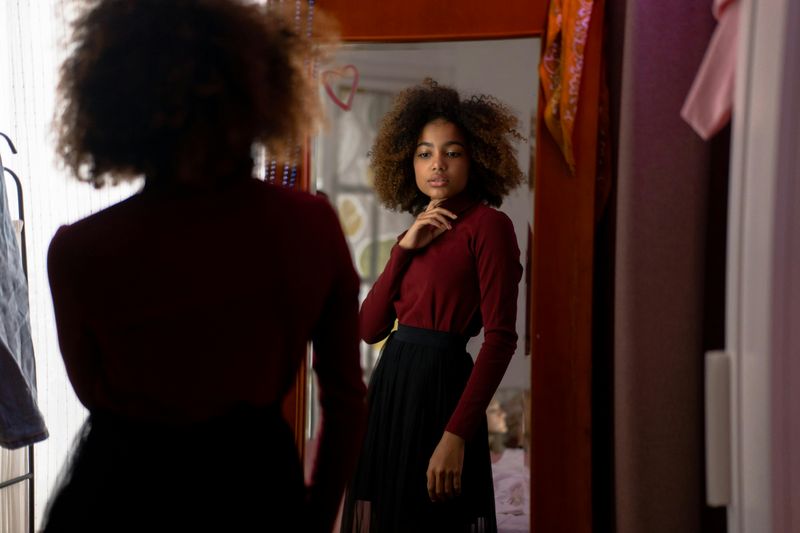
A useful habit is to stand in front of the mirror and ask, “Do I feel good in this?” before leaving the house.
When you build confidence from the inside out, compliments become a bonus rather than a requirement.
That shift changes everything about how you carry yourself.
5. Every Outfit Decision Becomes an Overthinking Marathon
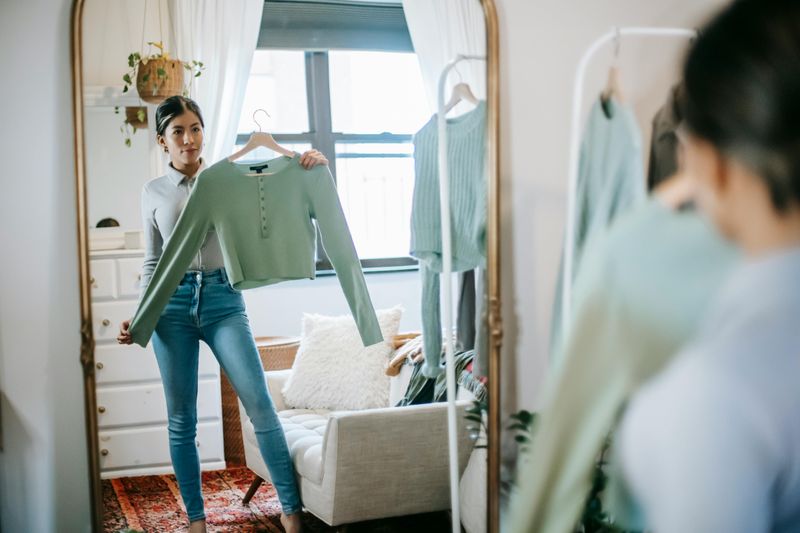
Choosing what to wear should not feel like solving a math problem, but for some people, it genuinely does.
You pull out one shirt, imagine five different people’s reactions, put it back, try another, overthink that one too, and suddenly 45 minutes have passed.
This kind of mental loop is exhausting, and it almost always comes from worrying about how others will judge your appearance.
Overthinking outfits is a signal that you are dressing for an imaginary audience rather than for yourself.
A practical trick is to lay out your outfit the night before without second-guessing it.
Sticking with your first instinct more often than not leads to better, more authentic choices.
Your gut usually knows your style better than your anxiety does.
6. Your Style Shifts Dramatically Based on Who You Are Seeing

Adapting slightly for different occasions is perfectly reasonable.
You probably would not wear the same thing to a beach party and a school presentation.
But there is a big difference between dressing for an occasion and completely changing your personal style based on which group of people you will be around.
If your outfits change dramatically depending on who you are trying to impress, that is worth examining.
Chameleon dressing can leave you feeling disconnected from your own identity over time.
When you have a consistent personal style, you carry yourself with more ease because you are not constantly performing for different audiences.
Try identifying three or four pieces you love regardless of who is watching.
Build your outfits around those anchors and let your real style show up everywhere.
7. You Copy Influencers or Peers Down to the Last Detail
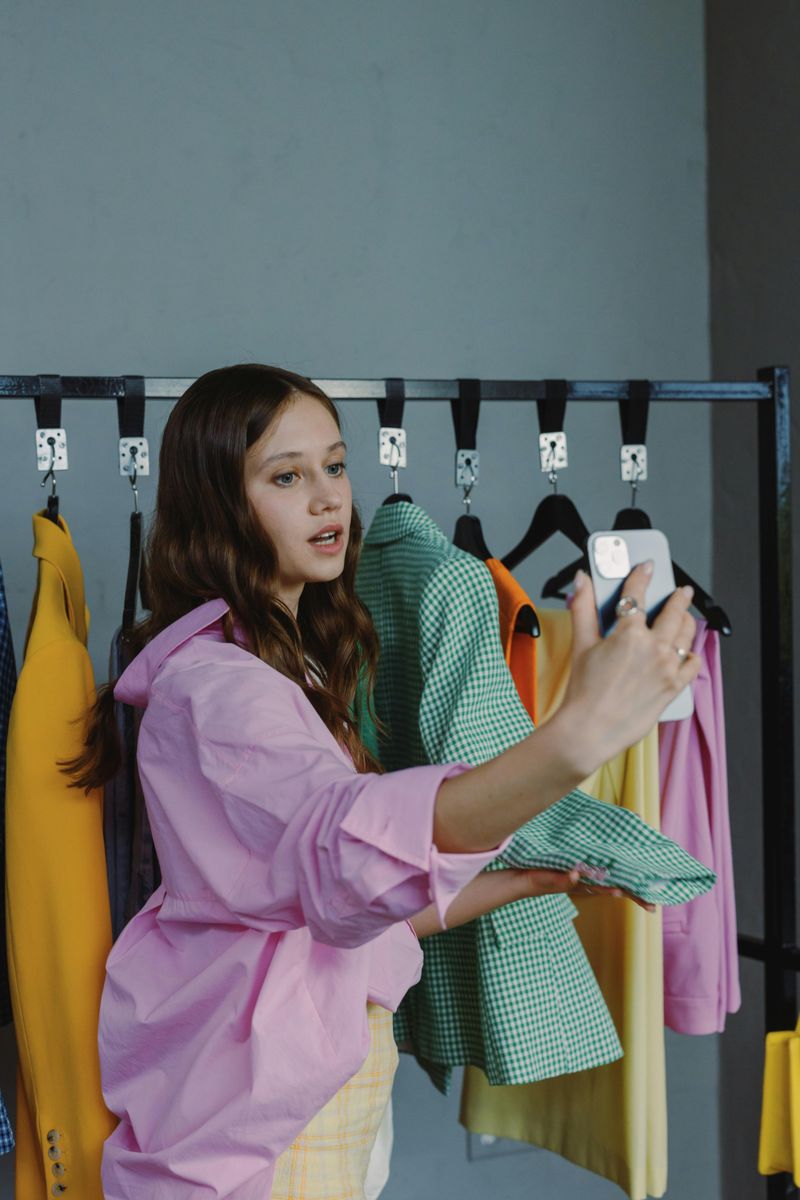
Inspiration is a wonderful thing.
Seeing a cool outfit online and thinking, “I want to try something like that,” is how many great personal styles develop.
But there is a meaningful gap between drawing inspiration from someone and copying their entire look piece by piece.
When you replicate an influencer’s outfit exactly, you are wearing their identity, not your own.
Influencers are paid to promote specific aesthetics, and their look is often carefully curated for a brand or image.
Your life is different, and your style can be too.
Try taking one element you like from a look, such as a color or a silhouette, and mixing it with pieces that already feel like you.
That is how personal style actually grows.
8. One Negative Comment Can Retire an Entire Outfit
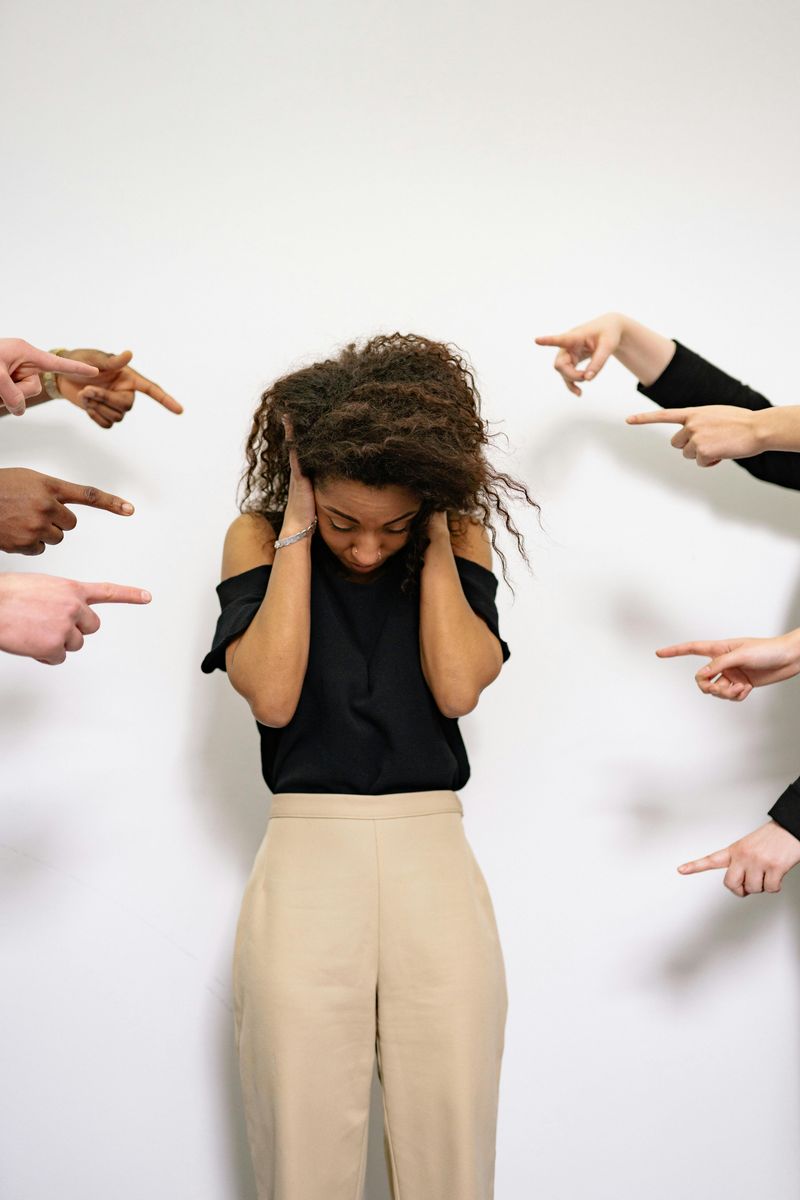
Someone makes one offhand remark about your outfit, and suddenly that piece of clothing disappears to the back of your closet forever.
Sound familiar?
Negative comments sting, especially when they come from people whose opinions matter to you.
But letting a single critique permanently ban something from your wardrobe gives that person an enormous amount of power over your self-expression.
Not everyone will love your style, and that is completely fine.
Taste is subjective, and one person’s “that looks weird” is another person’s “that looks amazing.” Before you exile a clothing item based on one comment, ask yourself honestly: did I like it before someone said that?
If the answer is yes, it probably deserves another chance.
Wear it again, louder.
9. Experimenting With Personal Style Feels Too Risky
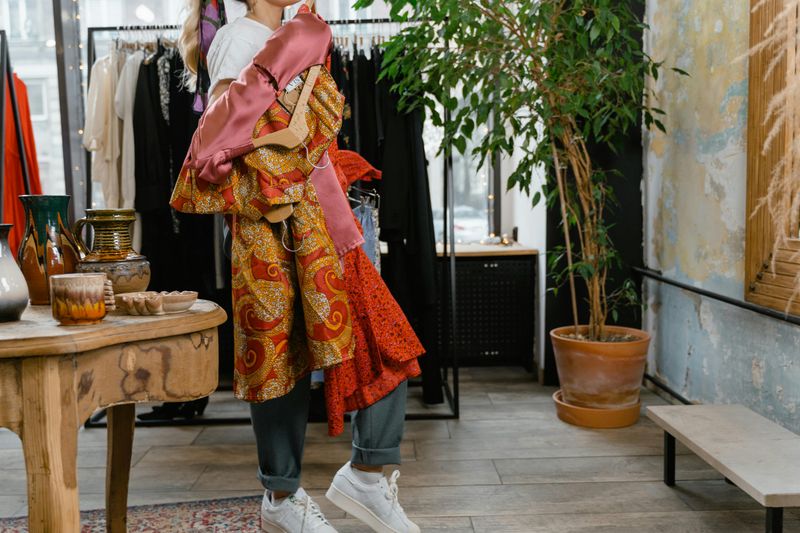
Bold prints, unexpected color combos, vintage finds, statement accessories, these are the kinds of things that make fashion genuinely fun.
But if the thought of trying something outside your usual comfort zone immediately triggers a wave of “What will people think?” you might be letting fear write your style story.
Playing it safe every single day means your wardrobe never gets to grow.
Experimenting does not require a complete overhaul.
Start with something small, like a patterned scarf, a different shoe style, or a color you have never tried before.
Wear it on a low-stakes day when the pressure feels minimal.
Most of the time, you will discover that people are far less focused on your outfit than you imagined they would be.
10. You Feel Uncomfortable Wearing Outfits You Actually Love
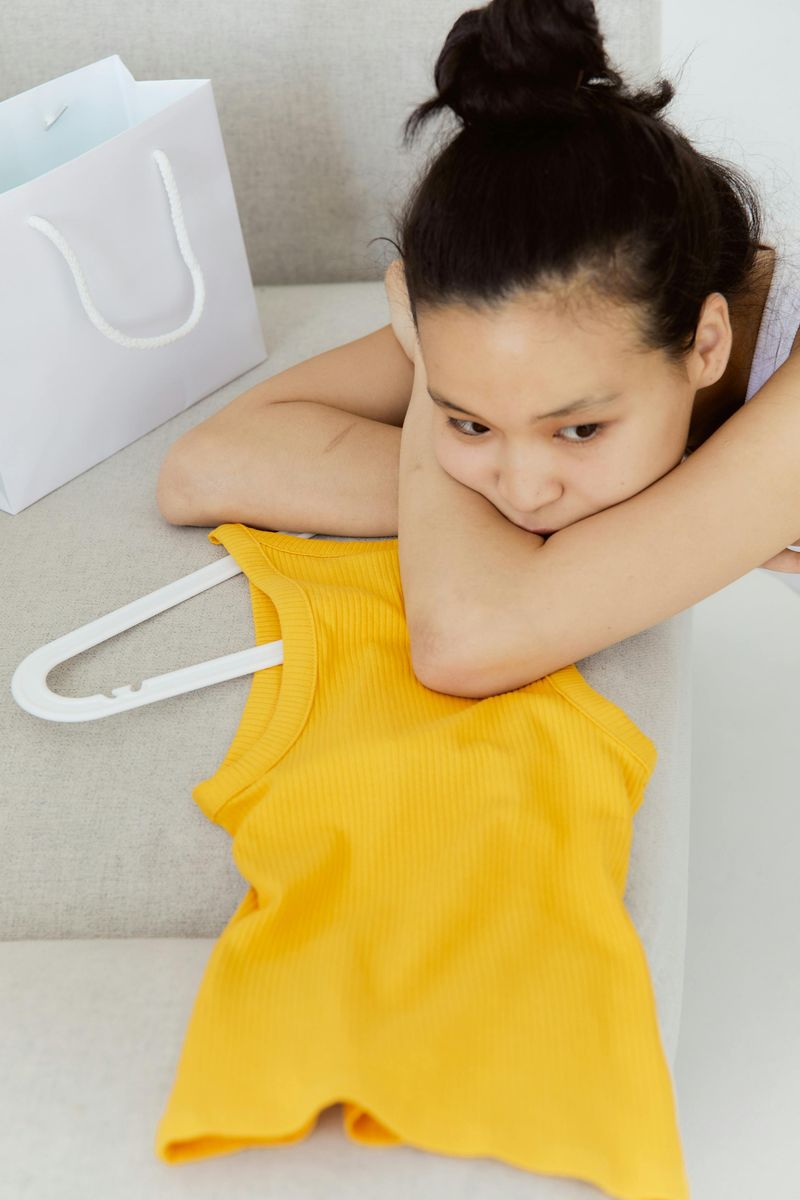
Here is a strange paradox: you find something you genuinely love, put it on, and then spend the entire day feeling uneasy because it does not quite match what everyone else is wearing.
You like it, but you are not sure others will.
That internal conflict, loving something privately but doubting it publicly, is one of the clearest signs that outside opinions are overriding your own joy.
Fashion is supposed to be fun, not stressful.
When you wear something you love with confidence, that energy is contagious.
People are naturally drawn to someone who seems comfortable in their own skin.
The goal is to close the gap between what you love in private and what you are willing to wear in public.
That gap shrinking is real progress.
11. You Shop With Everyone Else’s Reactions in Mind
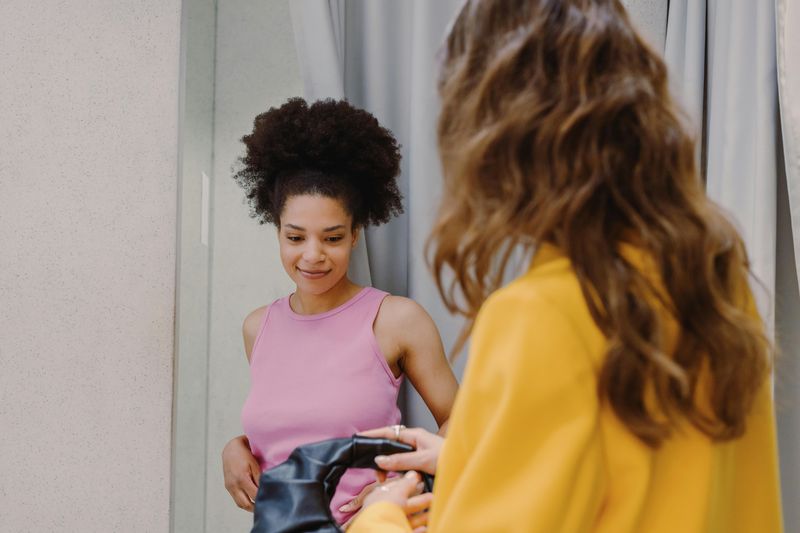
Shopping should be one of the more personal experiences you have, yet for many people, it turns into a mental focus group.
You hold up a top and immediately start imagining your friends’ faces, your classmates’ comments, or what someone from school might say.
Before you know it, you are buying things based on predicted reactions rather than your own genuine excitement about the item.
A helpful reset is to shop alone sometimes, without texting photos to anyone mid-trip.
Try on what catches your eye, stand in front of the mirror, and ask one simple question: “Do I love this?” Not “Will they love this?” Just you.
Shopping for yourself, with your own preferences leading the way, is one of the most freeing things you can do for your personal style.