 MomSkoop
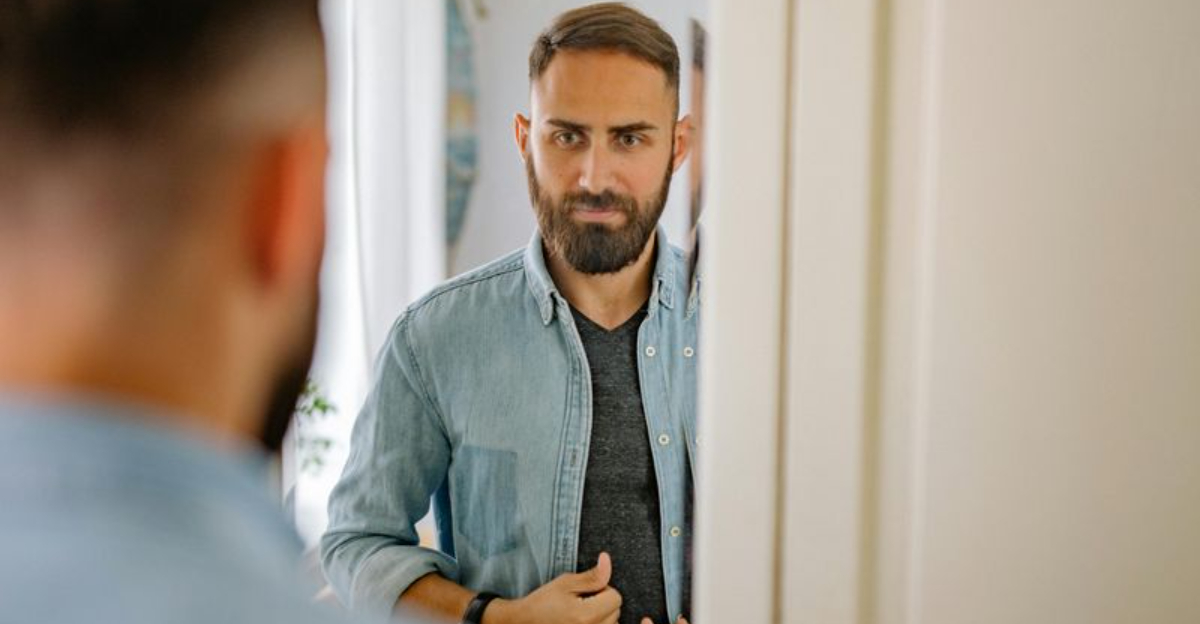
Attraction and relationship preferences are deeply personal, shaped by upbringing, culture, and life experiences. When it comes to romantic history, some men openly admit they prefer partners with fewer past relationships, while others keep that preference quietly to themselves.
Understanding the real reasons behind this mindset can help us have more honest, thoughtful conversations about modern dating. Whether you agree with these preferences or not, knowing where they come from is the first step toward understanding them.
1. Perceived Stability in Relationships

Stability is one of the most sought-after qualities in a long-term partner.
Some men associate fewer past relationships with a more settled, predictable emotional life.
Whether that assumption is accurate or not, the belief still shapes how they approach dating.
They may think that a woman with a shorter romantic history carries less emotional baggage, making the relationship feel smoother and less complicated.
It is a bit like choosing a road with fewer bumps, even if the destination is the same.
This belief is not always fair or logical, but it reflects a very human desire for peace and consistency in love.
2. Cultural and Social Conditioning

Society has long held different standards for men and women when it comes to romantic history.
These double standards are baked into movies, music, religious teachings, and everyday conversations.
Growing up surrounded by these messages, many men absorb them without even realizing it.
A man raised in a traditional household or conservative community may genuinely believe that fewer past partners reflects better character in a woman.
That belief is not born in a vacuum.
It is taught, repeated, and reinforced over years.
Recognizing social conditioning is the first step toward questioning whether those beliefs actually hold up in real life.
3. Concerns About Being Compared to Past Partners
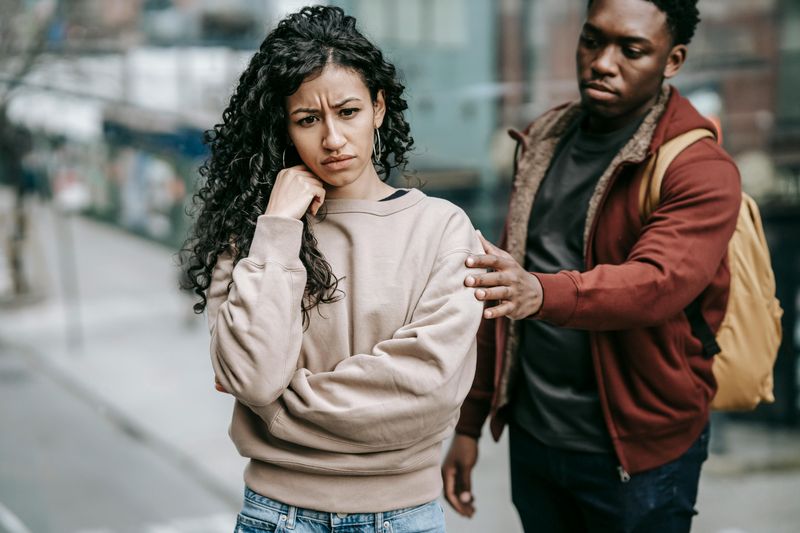
Nobody wants to feel like they are being graded against someone else.
For some men, knowing a partner has had many past relationships triggers a quiet fear: what if she compares me to someone better?
This concern often shows up around things like confidence, physical appearance, financial success, or romantic skill.
Even men who seem secure on the outside can carry this worry beneath the surface.
It is a deeply human vulnerability.
Rather than addressing the insecurity directly, some men find it easier to prefer partners with fewer past relationships, hoping to sidestep the comparison game altogether.
It is avoidance dressed up as preference.
4. Desire for Exclusivity and Feeling Special

Feeling truly special to someone you love is one of the most powerful emotional experiences in a relationship.
Some men connect that feeling of uniqueness to their partner’s romantic history, believing that fewer past partners means they hold a more significant place in her life.
It is almost like wanting to be a rare edition rather than one of many copies.
While this thinking oversimplifies things, the emotional need behind it is completely understandable.
Everyone wants to feel irreplaceable.
The challenge is recognizing that a person’s past does not determine how deeply or genuinely they can love someone in the present.
5. Personal, Moral, or Religious Beliefs

For many men, preferences around a partner’s romantic history are not about ego at all.
They are rooted in deeply held religious or moral values.
Certain faith traditions teach that intimacy should be reserved for committed relationships or marriage, and those teachings genuinely shape what people look for in a partner.
A man with strong personal convictions may simply feel more aligned with a partner who shares those values.
That is not judgment.
It is compatibility.
Where it gets complicated is when those beliefs are used to shame or devalue others.
Values-based preferences are valid, but they work best when paired with respect and open communication.
6. Fear of Emotional Complexity

Every relationship leaves a mark.
Heartbreaks, trust issues, old arguments, and unresolved feelings all become part of a person’s emotional story.
Some men worry that a longer romantic history means a more tangled emotional landscape to navigate.
They may picture themselves constantly dealing with lingering feelings about exes, complicated friendships, or emotional triggers they did not create.
That fear, while often exaggerated, feels very real to them.
Here is the truth though: emotional complexity is not determined by how many people someone has dated.
It is shaped by self-awareness and healing.
A woman with one painful past relationship can carry just as much complexity as someone with many.
7. Insecurity and Self-Doubt

Honestly, this one sits at the root of many unspoken preferences.
Insecurity is a quiet force that shapes behavior in ways people rarely admit out loud.
A man who doubts his own attractiveness, success, or romantic ability may unconsciously seek a partner with fewer past relationships to reduce the pressure he puts on himself.
Fewer comparisons, fewer benchmarks to measure up to.
It is a form of self-protection, even if it is not always fair to the woman involved.
The healthier path is working through self-doubt rather than building relationship preferences around it.
Confidence built from within makes for far better partnerships than preferences built from fear.
8. Beliefs About Long-Term Compatibility

Some men genuinely believe, rightly or wrongly, that fewer past partners signals a stronger likelihood of commitment and relationship longevity.
They see it as a kind of track record, a sign that someone does not give their heart away easily.
Research on this topic is actually mixed.
Relationship success depends far more on communication, shared values, and emotional maturity than on how many people someone has dated before.
Still, the belief persists because it feels logical on the surface.
If someone has stayed in fewer relationships, maybe they are more selective, more loyal, more serious.
It is a simplified story, but it is one many people tell themselves.
9. Influence of Peer Groups and Media Narratives

Online spaces, friend groups, and certain media communities can be incredibly loud when it comes to relationship opinions.
Forums, podcasts, and social media feeds often push strong narratives about what a good partner looks like, and romantic history is a frequent topic.
When a man hears the same ideas repeated by his friends or favorite content creators, those ideas start to feel like common sense rather than opinion.
Peer influence is powerful, especially in younger years when identity and values are still forming.
Being aware of where your beliefs come from matters.
A preference that comes from a meme or a group chat deserves a second look before it shapes something as important as who you choose to love.