 MomSkoop
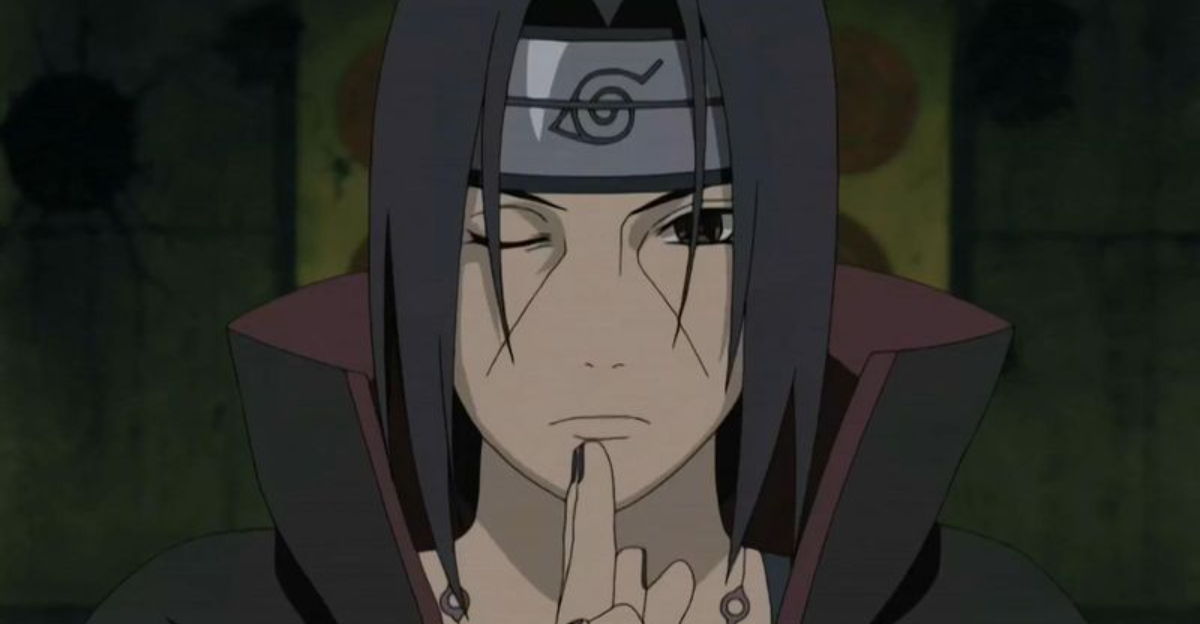
Some of the most unforgettable characters in anime aren’t the heroes — they’re the villains. While protagonists chase dreams and friendships, the antagonists carry the weight of broken ideologies, haunting pasts, and ruthless ambitions that feel far more complex.
Watching a villain operate from the shadows often feels more thrilling than following the chosen hero. These 13 anime series have villains so compelling, so layered, and so brilliantly written that they absolutely deserve their own spotlight.
1. Bleach — Sōsuke Aizen
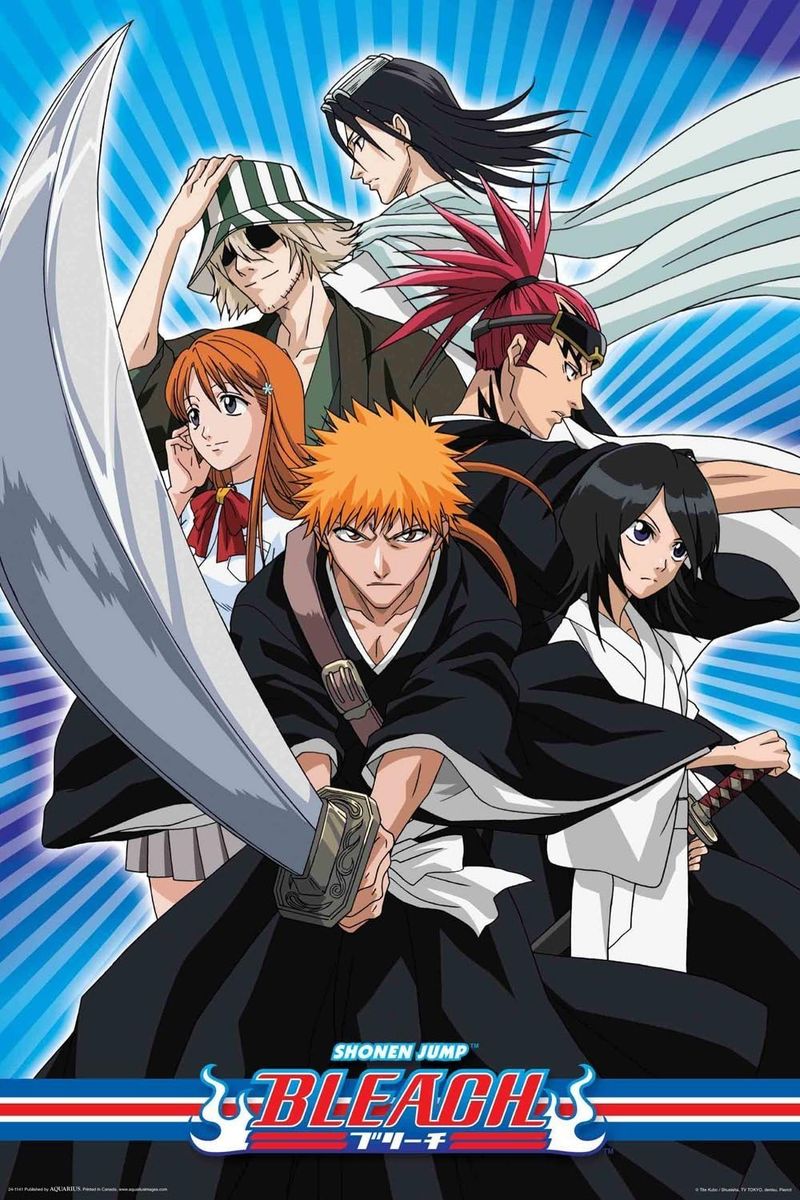
Aizen never raises his voice — and somehow that makes him ten times more terrifying.
From the moment his betrayal was revealed in Bleach, fans realized they had been watching a mastermind quietly pull every string from the very beginning.
His philosophy on transcendence, his surgical manipulation of allies and enemies alike, and his god-complex rooted in genuine intellectual superiority make him one of anime’s most magnetic characters.
A full series from his viewpoint — from his earliest experiments to his bid for godhood — would be riveting.
Cold logic and quiet menace rarely combine this effectively in any fictional villain.
2. Naruto / Naruto: Shippuden — Itachi Uchiha
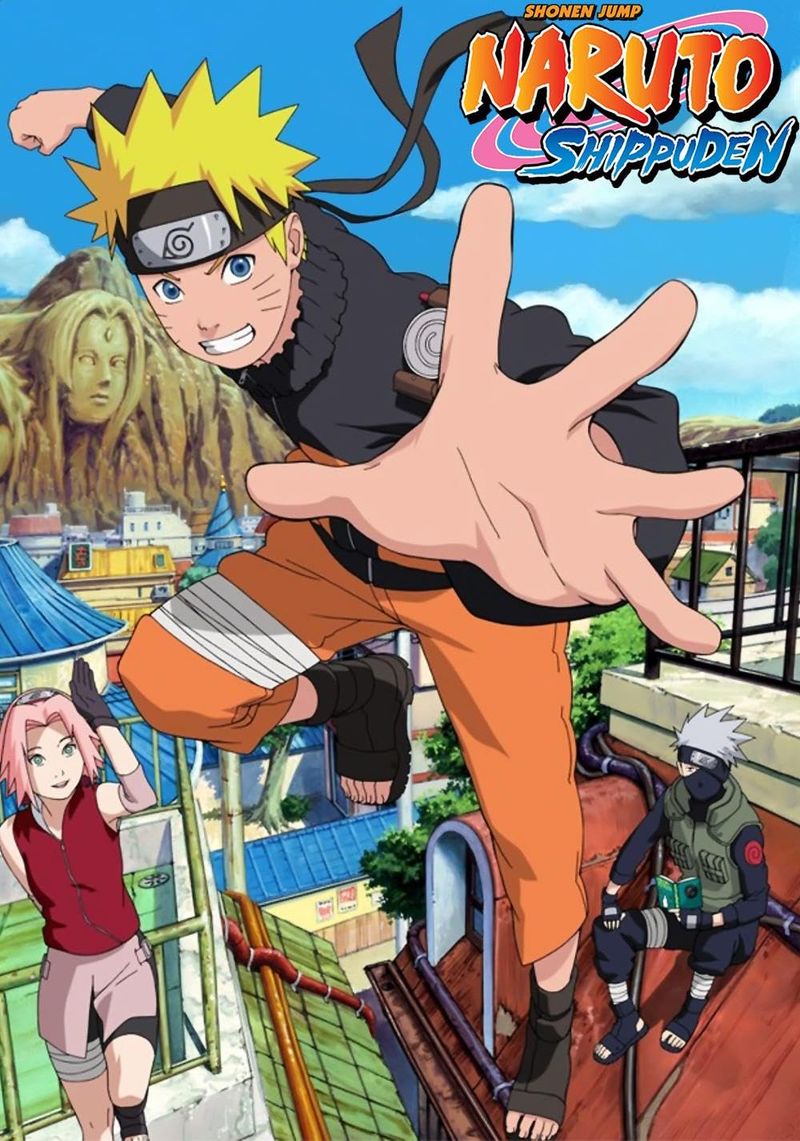
Nobody in the entire Naruto universe carries a heavier burden than Itachi Uchiha.
He slaughtered his own clan, wore the mask of a criminal, and allowed his little brother to hate him — all to protect a village that never acknowledged his sacrifice.
A series built around his perspective would be a political thriller wrapped in heartbreak.
Viewers would experience the impossible choice he made as a teenager, the double-agent missions, and the crushing loneliness of being misunderstood by everyone he loved.
Itachi’s story isn’t just compelling — it’s the kind of tragedy that stays with you long after the credits roll.
3. My Hero Academia — Tomura Shigaraki
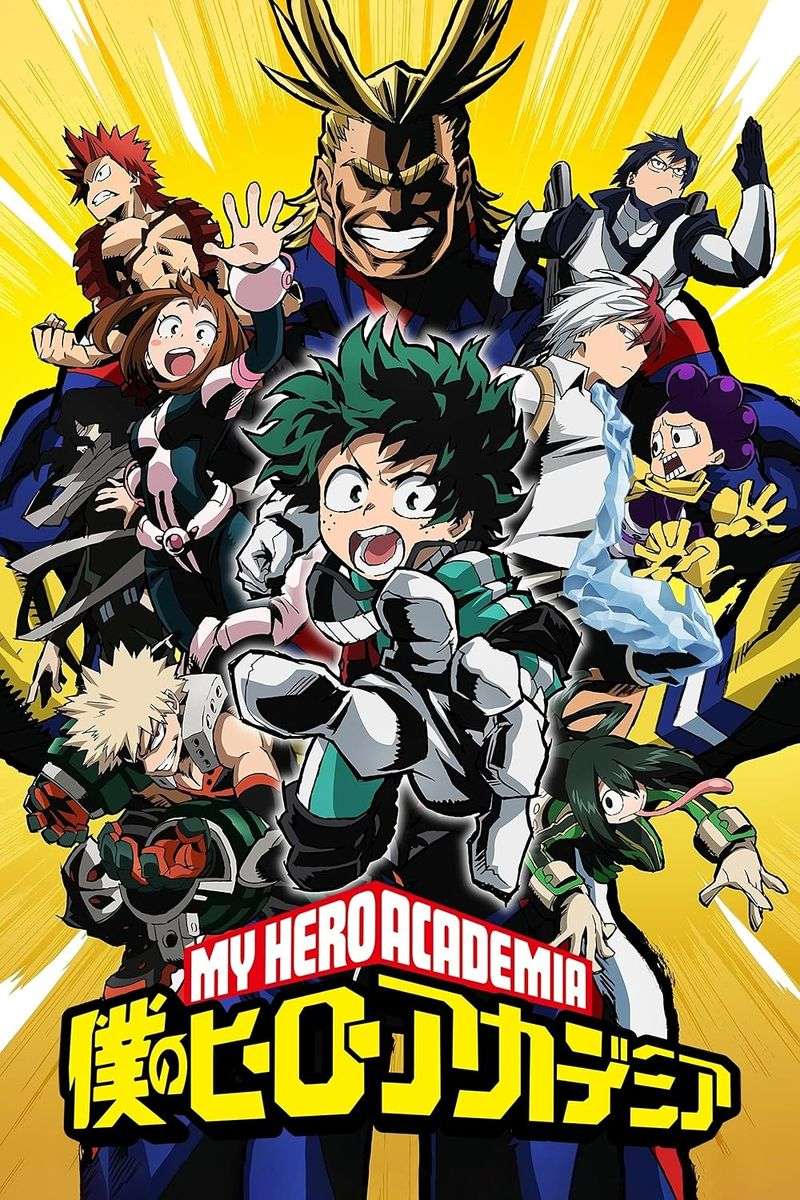
Before he became the symbol of destruction, Tomura Shigaraki was just a broken little boy named Tenko — abandoned, terrified, and failed by every system meant to protect him.
That origin story alone deserves its own full-length series.
His transformation from shattered child to calculating revolutionary is arguably the most emotionally layered arc in My Hero Academia.
While Deku chases inspiration, Shigaraki chases a world that makes sense to someone society discarded completely.
Watching heroism crumble under the weight of systemic failure, through his eyes, would reframe the entire franchise into something far darker and more thought-provoking than its current format allows.
4. Attack on Titan — Zeke Yeager
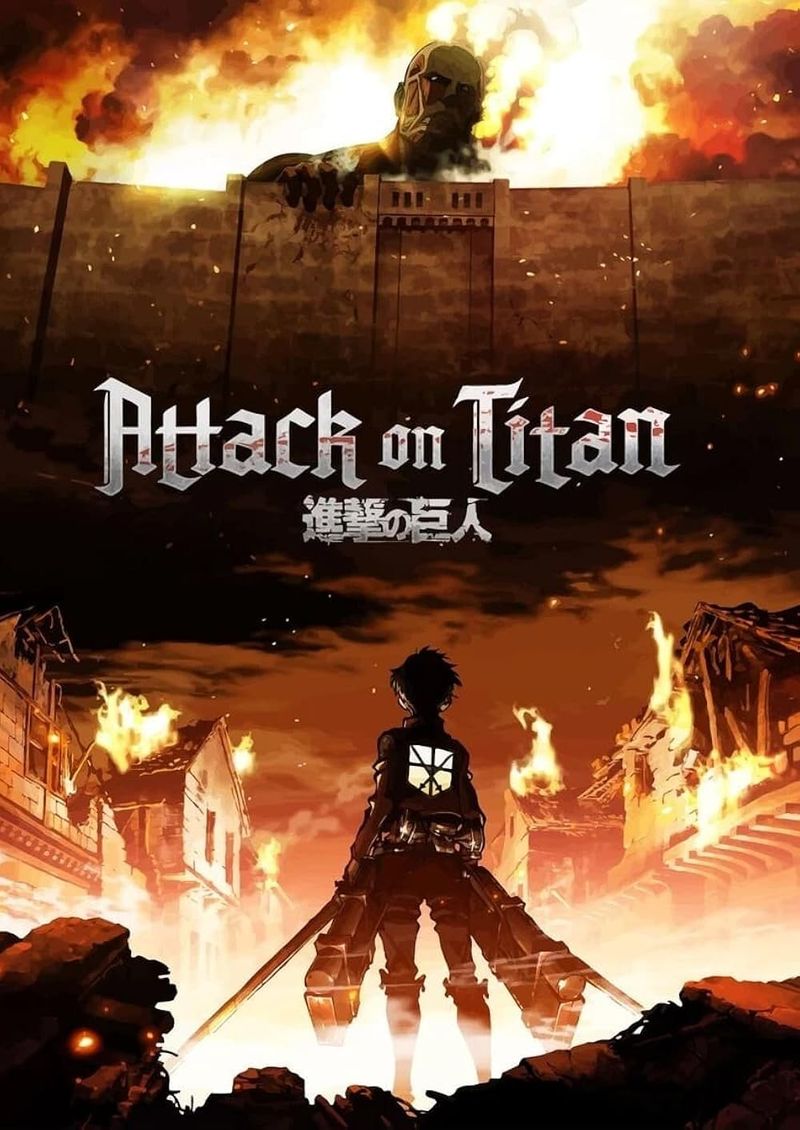
Zeke Yeager might be the most philosophically unsettling character in Attack on Titan — and that’s saying something in a series full of moral catastrophes.
His solution to centuries of suffering wasn’t war or dominance; it was extinction through compassion, at least in his own mind.
That kind of chilling internal logic is what separates great antagonists from forgettable ones.
A series following Zeke from childhood to his final stand would force audiences to wrestle with uncomfortable questions about cycles of violence, inherited trauma, and what it truly means to free a people.
His worldview is wrong — but disturbingly coherent.
5. Death Note — Light Yagami
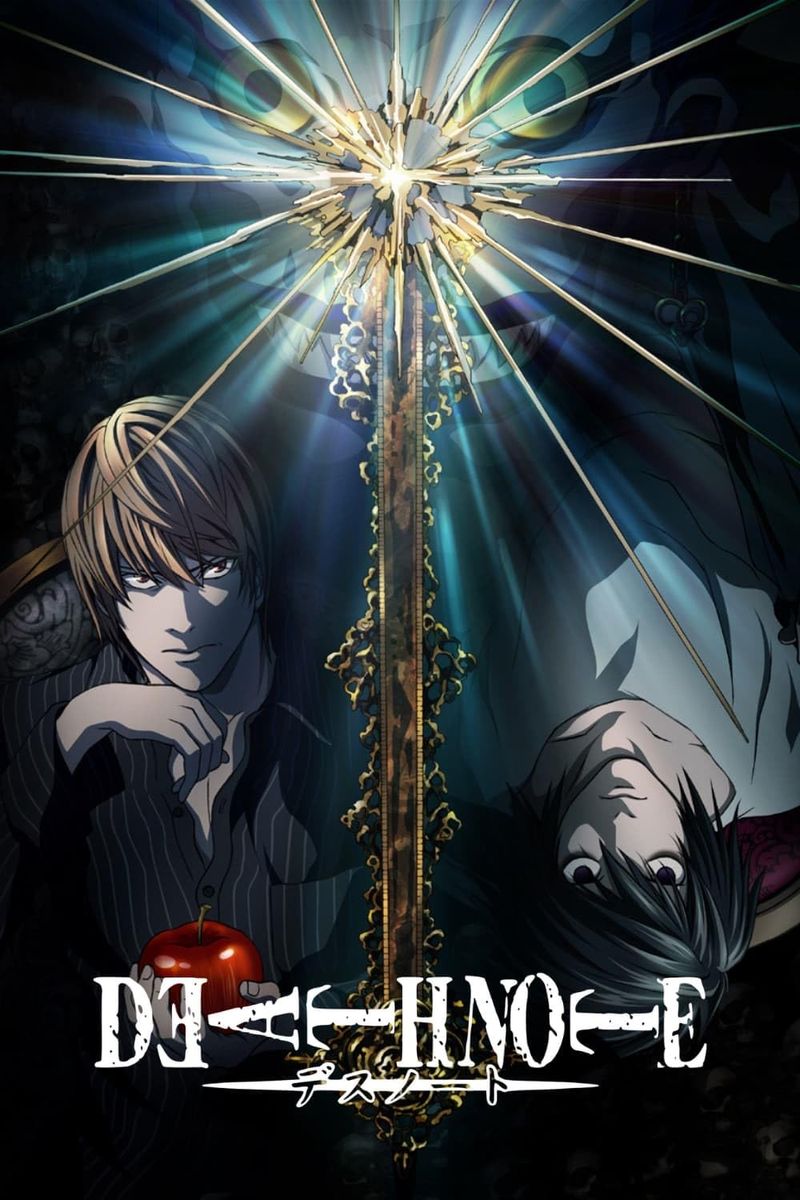
Death Note already proved the concept — put your villain in the lead role and watch the audience become uncomfortably invested.
Light Yagami starts as a brilliant student who stumbles onto a supernatural power, and slowly, almost imperceptibly, becomes a god-complex-driven murderer.
What makes this so effective is how relatable his early reasoning feels.
Justice sounds noble until you realize he’s crossed every ethical line to enforce it.
Death Note remains one of anime’s gold standards precisely because it never flinches from that moral decay.
It’s proof that villain-led narratives aren’t just edgy experiments — they can be genuinely elite storytelling when executed with care and precision.
6. Hunter x Hunter — Meruem
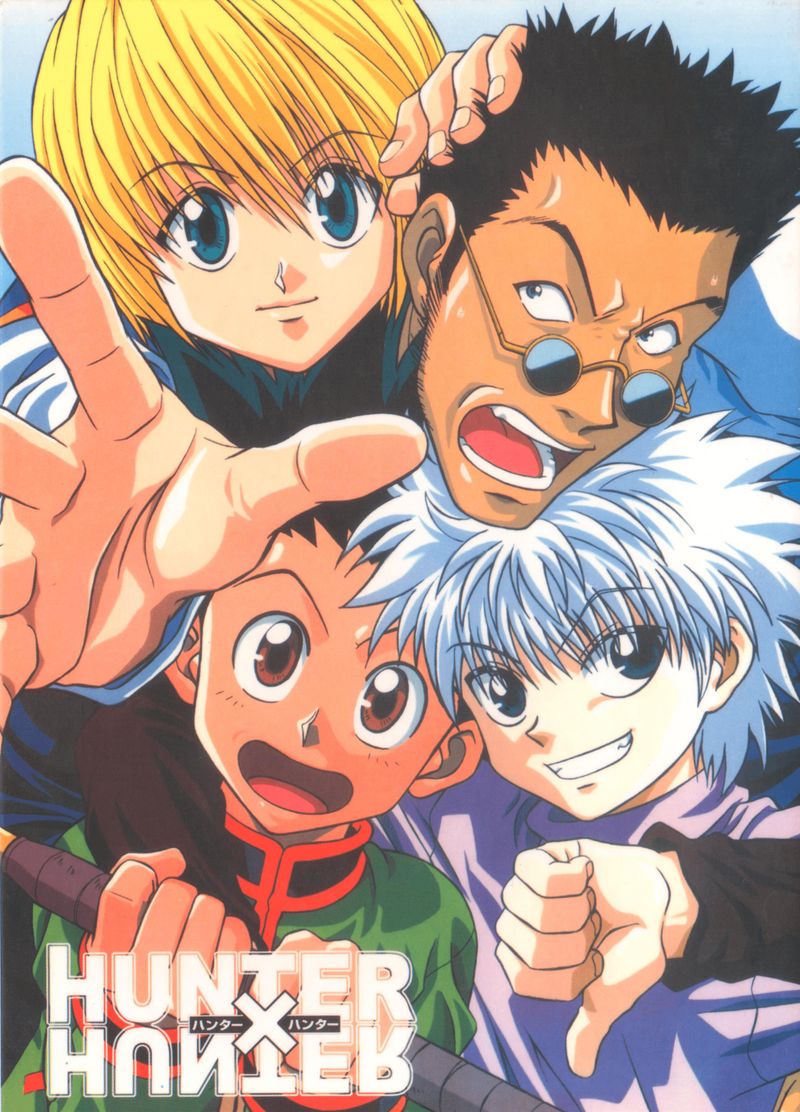
Meruem enters Hunter x Hunter as the ultimate predator — a being born to dominate humanity without question.
Then something unexpected happens: a blind girl named Komugi sits across from him at a game board, and everything changes.
Watching one of anime’s most fearsome villains slowly discover empathy, curiosity, and something resembling love is an experience unlike anything else in the medium.
His arc during the Chimera Ant arc is genuinely profound, and frankly too short.
A standalone series exploring his brief but transformative existence — from awakening to final moments — would rank among the most emotionally powerful anime stories ever told, without question.
7. Fullmetal Alchemist: Brotherhood — Father
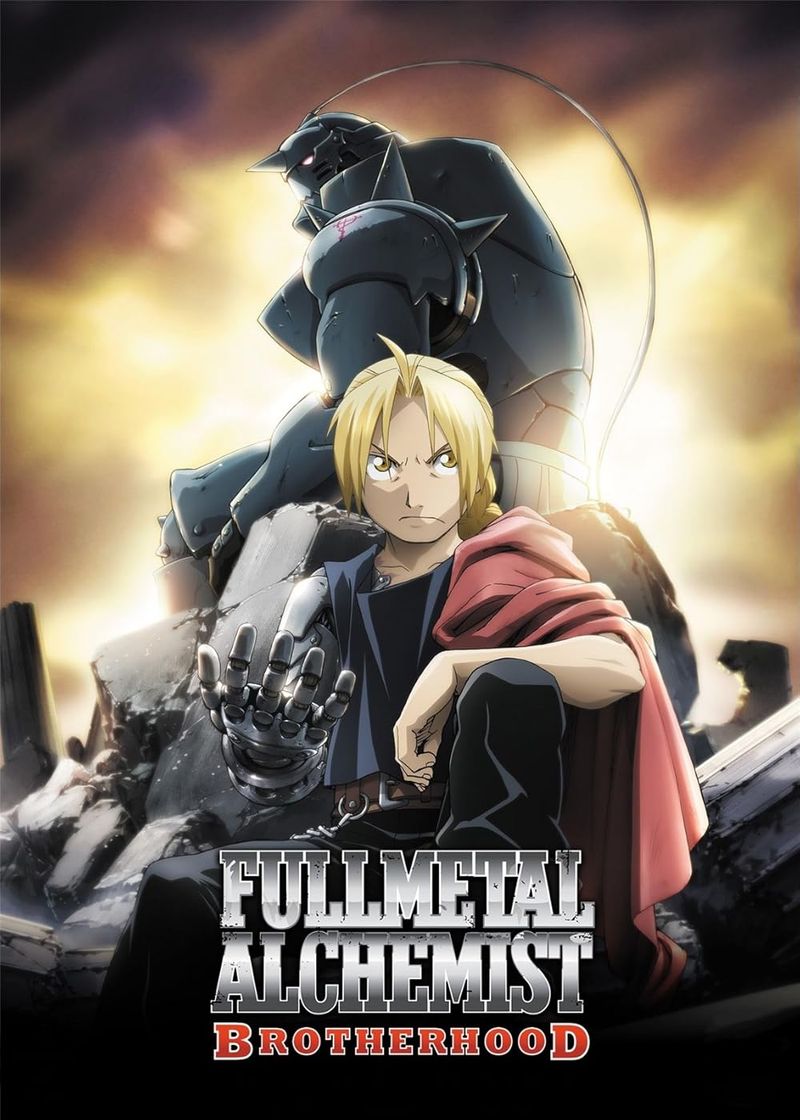
Long before Edward Elric ever picked up a transmutation circle, Father was already centuries into his plan.
Created from a drop of a slave’s blood inside a flask, he spent lifetimes engineering the downfall of an entire nation just to become a god free of human emotion.
That backstory is staggering in scope.
A prequel series following Father’s creation, his early relationship with Van Hohenheim, and his gradual construction of Amestris as a massive sacrifice would be a dark historical epic unlike anything Brotherhood offers.
His obsession with purging humanity from himself while craving its power is a contradiction rich enough to fuel an entirely separate series.
8. Jujutsu Kaisen — Suguru Geto and Kenjaku
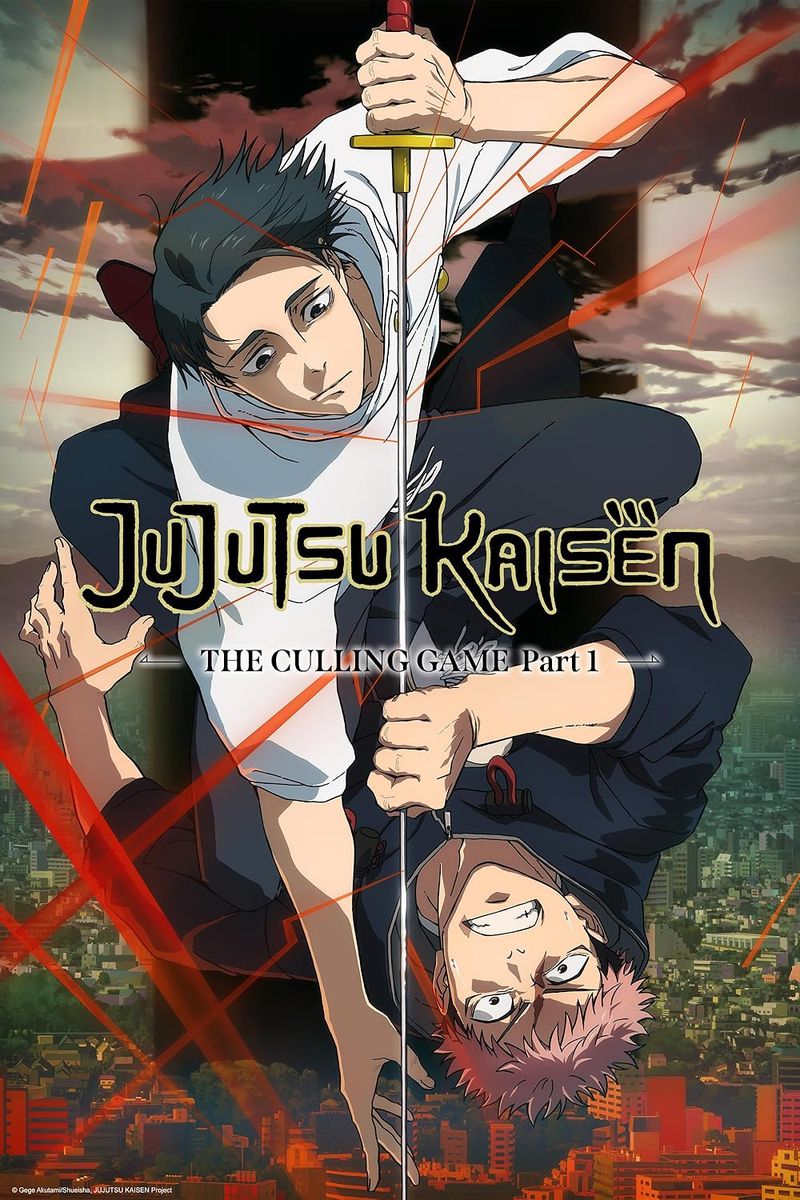
Suguru Geto starts as Satoru Gojo’s closest friend — and ends as his greatest ideological enemy.
That fall from grace, rooted in exhaustion, disillusionment, and a single devastating moment of cruelty, is one of Jujutsu Kaisen’s most haunting threads.
Then factor in Kenjaku, the ancient sorcerer who hijacks bodies across centuries and runs schemes so long-term they span entire historical eras.
Together, these two characters represent a philosophical darkness the main storyline only grazes.
A series centering on Geto’s radicalization and Kenjaku’s manipulation of history would offer a grittier, more morally complex lens than following Yuji Itadori through shonen battles, however spectacular those battles may be.
9. Demon Slayer — Muzan Kibutsuji
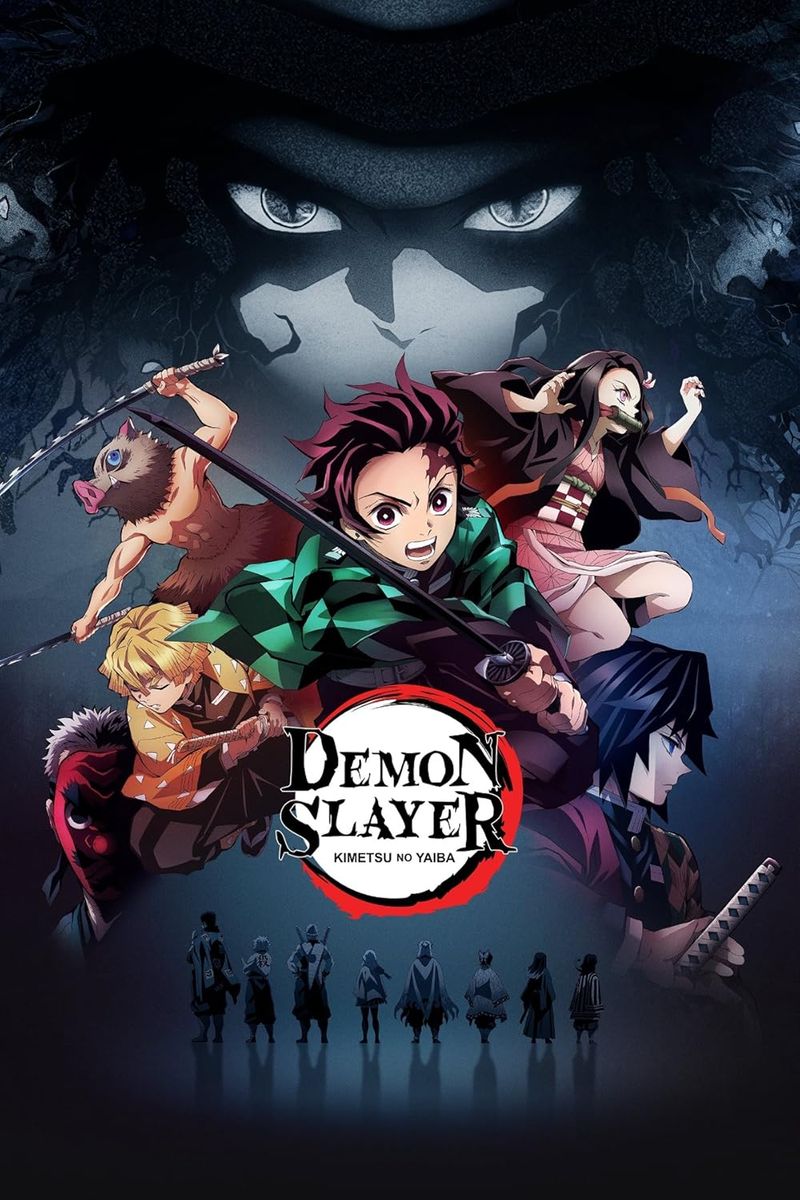
Over a thousand years old and still terrified of dying — that’s Muzan Kibutsuji in a single sentence.
His entire existence has been a desperate, ruthless scramble for immortality, and he’s left a trail of shattered lives across centuries to get there.
Demon Slayer gives him surprisingly little screen time for someone so central to the entire conflict.
His origins as a sickly nobleman turned into a demon, his survival tactics, and the cold pragmatism behind every decision he’s made would make for gripping, lore-heavy storytelling.
Exploring the world through the eyes of someone who has watched civilizations rise and fall adds a scale the current series simply cannot match.
10. One Piece — Donquixote Doflamingo
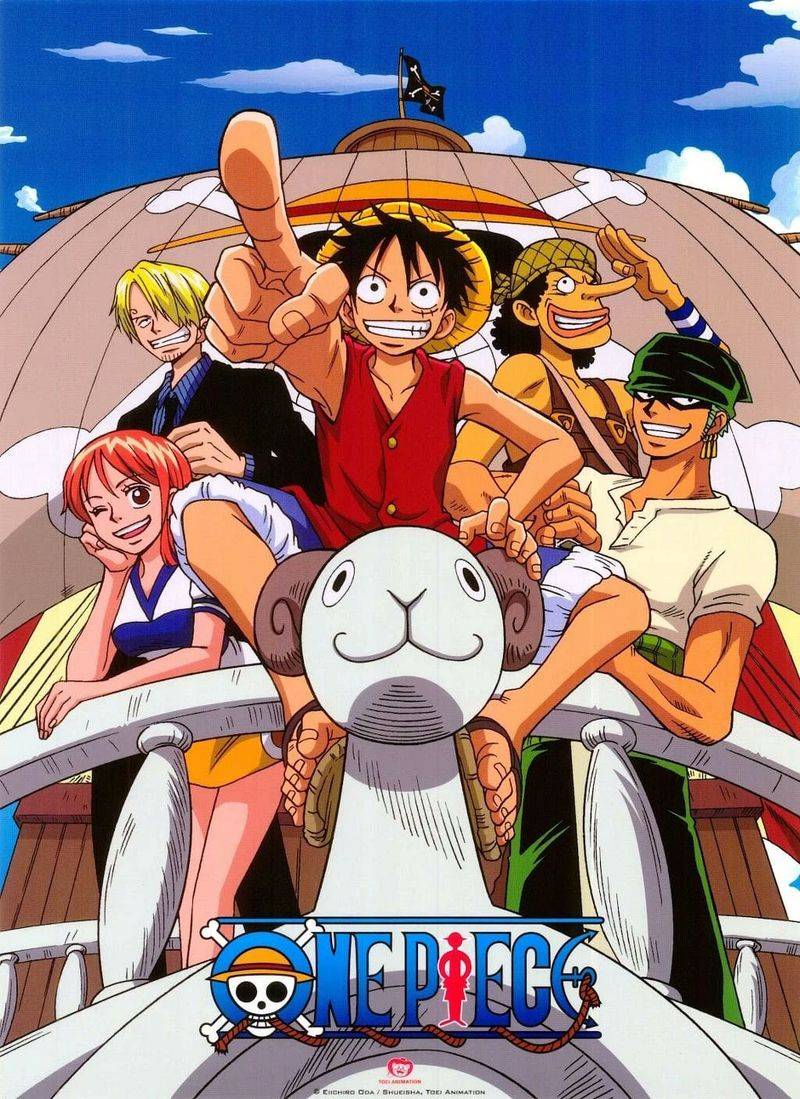
Few One Piece villains have a backstory as genuinely tragic and twisted as Doflamingo’s.
Born a Celestial Dragon — one of the world’s untouchable elites — he was dragged into poverty by his idealistic father and spent his childhood being tortured by the very people his family had once ruled over.
That experience didn’t build empathy in him; it built fury and a worldview where power is the only truth worth believing.
His climb from abandoned noble child to underworld kingpin is already one of the arc’s most gripping elements.
A full series expanding that journey would expose the darkest corners of One Piece’s world government with brutal, unflinching clarity.
11. Code Geass — Schneizel el Britannia
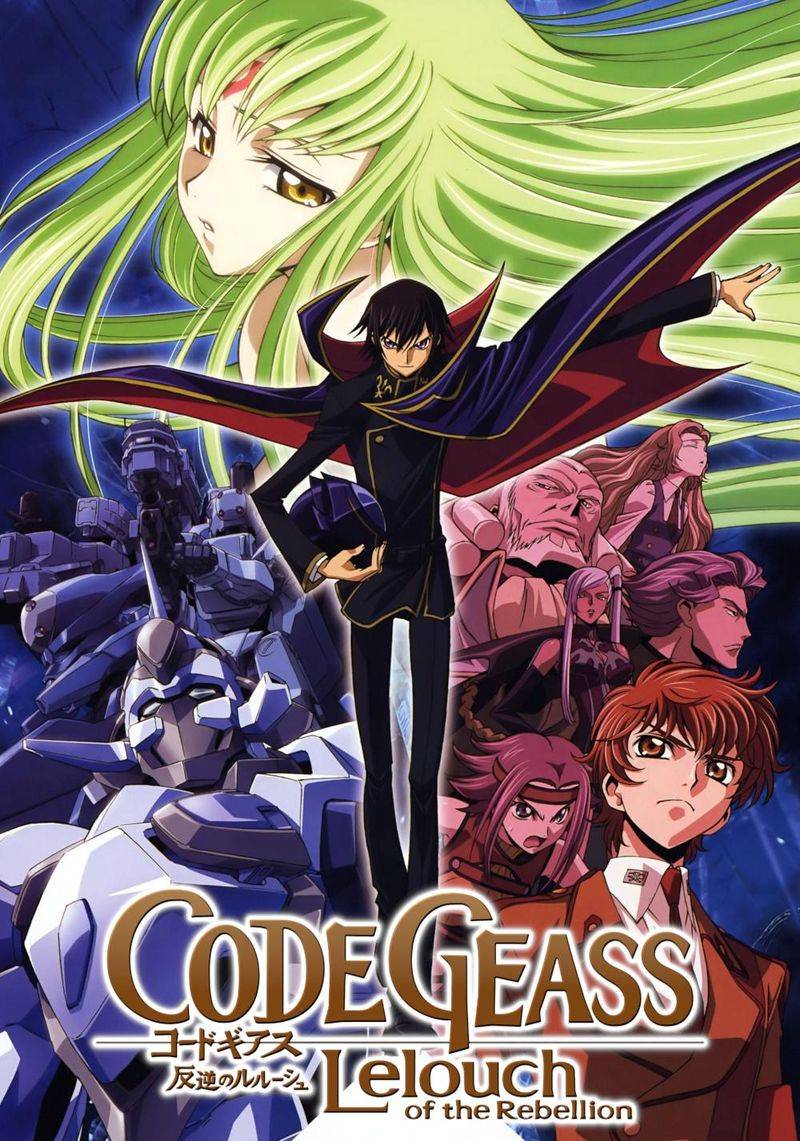
While Lelouch commands all the attention in Code Geass, Schneizel quietly operates as one of the most dangerously rational characters in the entire series.
He doesn’t rely on passion or vengeance — he runs pure, cold calculations and reaches conclusions most people refuse to accept.
His utilitarian worldview, where mass death is acceptable if it prevents greater suffering, positions him as a villain who genuinely believes he’s the most reasonable person in the room.
That’s unsettling in the best possible way.
A series centered on Schneizel’s political maneuvering, military strategy, and philosophical clashes with Lelouch’s emotional chaos would offer a completely different — and arguably more chilling — perspective on the same war.
12. Tokyo Ghoul — Kishou Arima
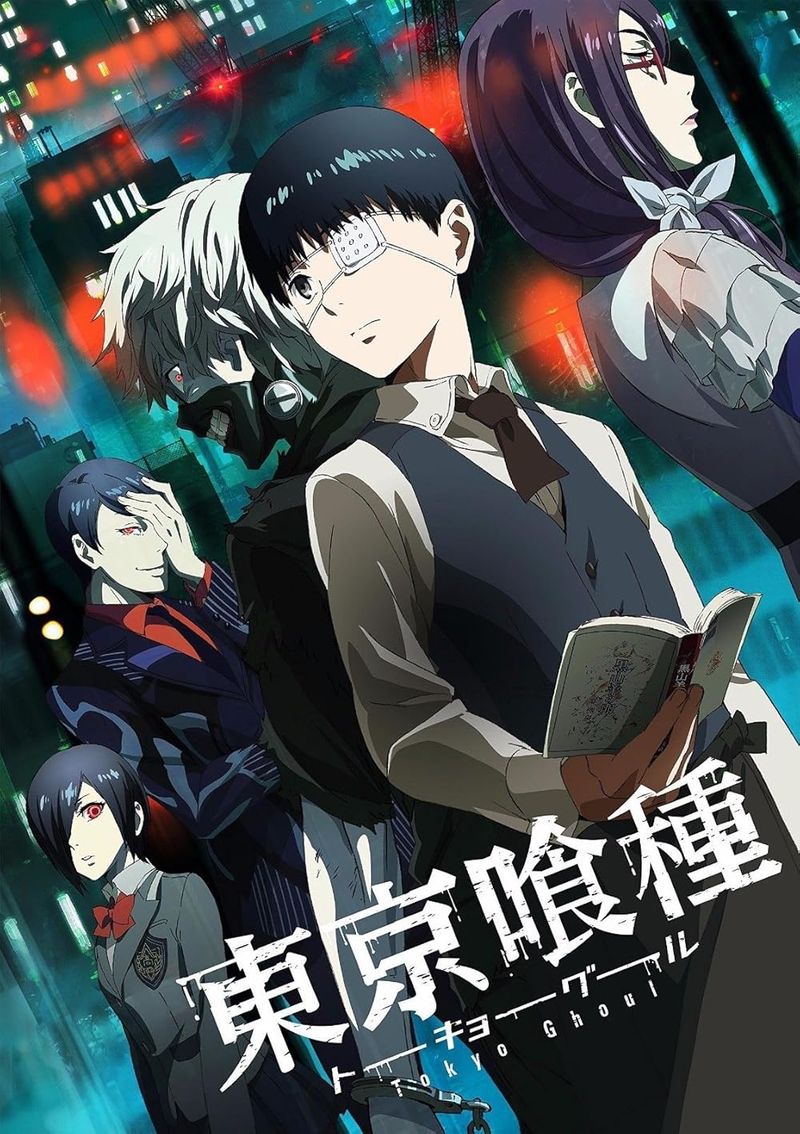
Nicknamed the CCG’s Reaper, Kishou Arima has the highest ghoul kill count in the organization’s history — and carries every single one of those deaths with quiet, unreadable detachment.
He is the system’s perfect weapon, shaped from childhood into something that barely resembles a person anymore.
What makes Arima so fascinating is what hides beneath that emotionless exterior.
His secret history with Kaneki, his true identity, and the weight of living as a half-human killing machine blur every boundary Tokyo Ghoul tries to draw between predator and prey.
A series following his career from early assignments to his final choices would be Tokyo Ghoul’s most emotionally devastating story by far.
13. Psycho-Pass — Shogo Makishima
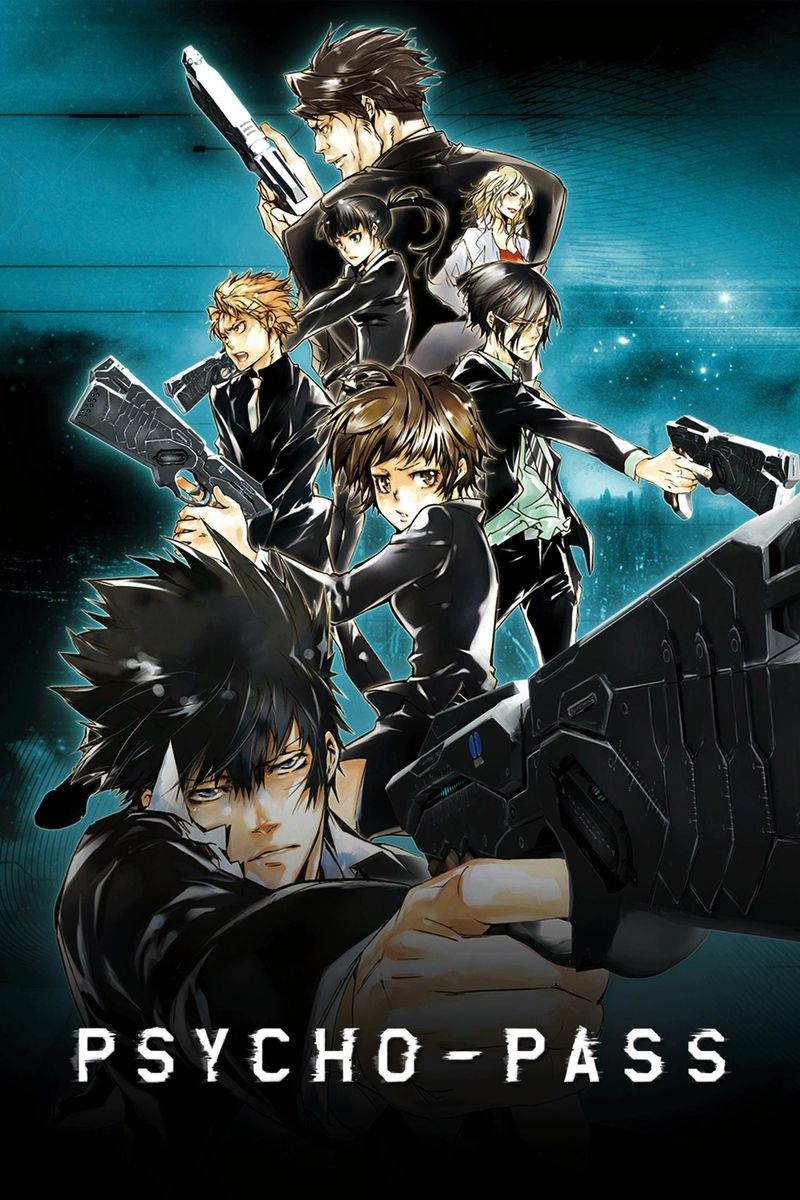
Shogo Makishima reads classic literature while orchestrating chaos — and somehow that detail captures everything about why he’s so compelling.
He isn’t violent for pleasure; he’s violent because he believes a society that surrenders free will to an algorithm deserves to be shaken awake.
In a world where the Sibyl System judges human worth before any crime is committed, Makishima is the only character who refuses to accept that as civilization.
His arguments are uncomfortable because they’re not entirely wrong.
A series following his perspective would flip Psycho-Pass entirely on its head, transforming the law enforcement heroes into enforcers of a broken machine — and making the audience question who they’re actually rooting for.