 MomSkoop

Some people scroll past social media without ever posting a single photo of their weekend, their family, or their feelings. They’re not antisocial or hiding something mysterious — they simply choose to live their lives away from the public eye.
What drives this choice? It turns out, people who keep their personal lives offline tend to share some surprisingly consistent traits. Understanding these qualities can help us appreciate why privacy, in a world obsessed with sharing, is actually a powerful and intentional way to live.
1. A Strong, Deliberate Sense of Privacy
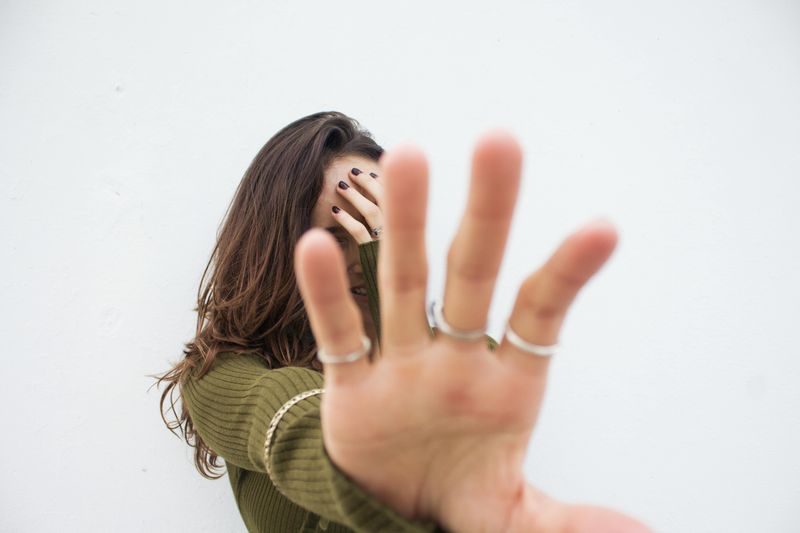
Privacy isn’t just a preference for these individuals — it’s a core part of who they are.
They make a clear, conscious decision to separate their public presence from their personal identity.
You won’t find their home address, family photos, or daily routines scattered across the internet.
This isn’t about being secretive or suspicious.
It’s about owning their story and choosing who gets to be part of it.
They understand that not everything needs an audience to have value.
Think of it like keeping a beautiful garden behind a locked gate — it still blooms, just not for everyone to walk through.
That deliberate boundary is something they protect with quiet confidence.
2. High Self-Awareness About What They Share
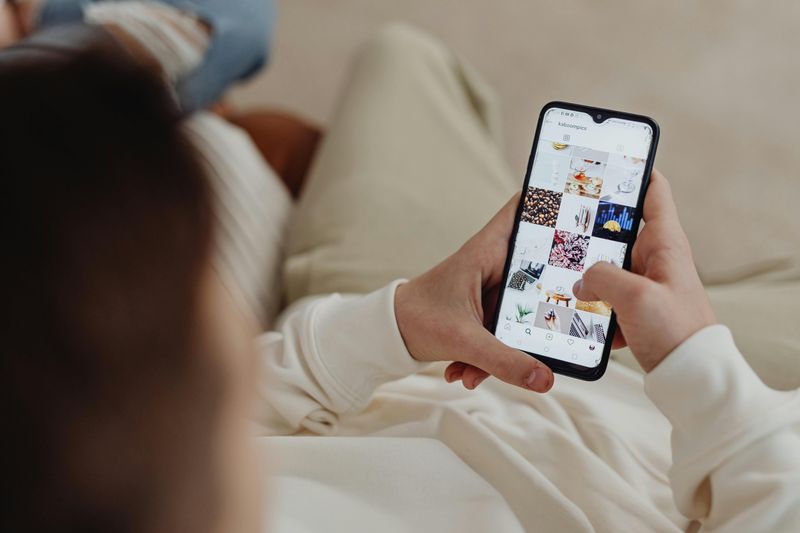
Before posting anything, most people ask, “Will this get likes?” But people who stay offline ask a completely different question: “Why would I share this at all?” That shift in thinking reveals a high level of self-awareness that guides their every move online.
They pause before they post — and usually decide not to.
Every piece of information they share, whether in a text message or a conversation, is chosen carefully and deliberately.
There’s no impulsive oversharing happening here.
This kind of mindfulness isn’t something most people practice naturally.
It takes genuine self-knowledge to understand your own motivations and resist the urge to broadcast life’s moments just because everyone else does.
3. Deep Investment in Real-Life Relationships

Offline people aren’t lonely — far from it.
They simply channel their social energy into face-to-face moments rather than comment sections and group chats.
Their friendships tend to run deeper because they’re built on actual shared experiences, not curated highlight reels.
When they make plans, they show up fully present.
No half-listening while scrolling through feeds.
The conversations are richer, the memories are more vivid, and the bonds are stronger for it.
Research consistently shows that the quality of relationships matters far more than the quantity of followers.
These individuals figured that out early and made their real-life circle the priority — a choice that pays off in genuine connection and lasting loyalty.
4. Low Need for External Validation

Likes, shares, and follower counts don’t move the needle for these people.
Their sense of worth isn’t tied to how many strangers double-tap their photos.
That kind of emotional independence is rarer than it sounds in today’s hyper-connected world.
They celebrate their wins quietly.
A promotion, a personal milestone, a proud moment — these are savored privately or shared with a trusted few, not broadcast for applause.
The satisfaction comes from the experience itself, not the reaction it generates online.
Psychologists call this “internal locus of control” — believing your value comes from within rather than from outside feedback.
People who live offline naturally operate this way, and it makes them remarkably grounded and emotionally stable in daily life.
5. Clear and Comfortable Personal Boundaries
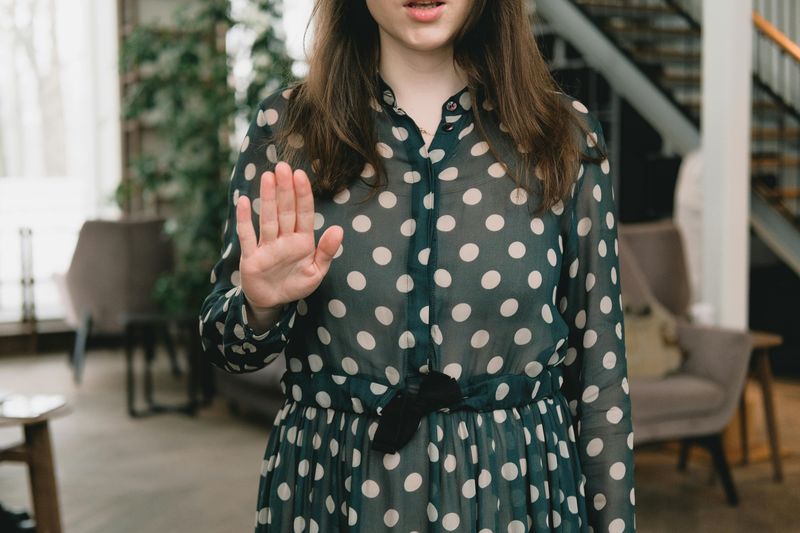
Saying “that’s not for public consumption” comes naturally to offline people.
They’ve defined where their private life begins and ends, and they don’t feel guilty about holding that line.
Boundaries aren’t walls for them — they’re just healthy fences.
Whether it’s a family matter, a health struggle, or a personal achievement, they decide what stays inside their inner circle.
They won’t feel pressured by social norms to overshare just because others do.
Peer pressure has a much weaker grip on someone who’s already decided where their limits are.
This boundary-setting ability spills into other areas of life too.
They tend to be better at saying no, protecting their time, and maintaining respectful but firm limits in both personal and professional relationships.
6. An Independent, Trend-Resistant Mindset

While everyone else is hopping on the latest viral challenge or chasing trending aesthetics, offline people are doing their own thing — and they’re perfectly okay with that.
Trends don’t define their choices.
Their values do.
Social comparison is one of the most damaging side effects of heavy online use.
But when you’re not constantly exposed to what everyone else is doing, buying, or becoming, you naturally develop a stronger sense of your own identity.
Offline people benefit from this without even trying.
They tend to make decisions based on personal reasoning rather than what’s popular at the moment.
That independent mindset often makes them more creative, more authentic, and more satisfied with the path they’re walking — even if no one’s watching them walk it.
7. Genuine Awareness of Online Safety Risks

Oversharing online isn’t just awkward — it can be genuinely dangerous.
People who stay offline often understand this better than most.
They’re aware that personal data can be harvested, photos can be misused, and location check-ins can tell the wrong people exactly where you are.
This isn’t paranoia.
It’s smart risk management.
Studies show that identity theft, stalking, and data misuse are very real consequences of careless online sharing.
Offline individuals take these threats seriously and act accordingly.
They treat their personal information the way most people treat their wallet — something to keep close and share only when absolutely necessary.
That security-conscious mindset keeps them protected in ways that many heavy social media users never think to consider until something goes wrong.
8. Emotional Groundedness Away From Online Noise
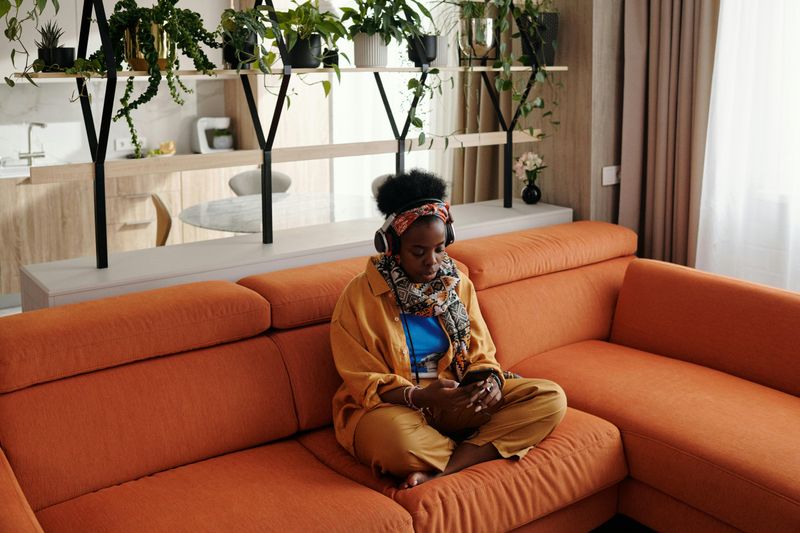
Social media can feel like a never-ending storm of opinions, arguments, and drama.
People who live offline step out of that storm entirely — and the difference in their emotional wellbeing is noticeable.
They’re calmer, less reactive, and slower to spiral into anxiety or outrage.
When you’re not constantly bombarded by breaking news, hot takes, and comment-section battles, your nervous system gets a real chance to rest.
Offline people experience this regularly, even if they don’t think of it in those terms.
Their mental health often reflects the quiet they protect.
That emotional steadiness makes them easier to talk to, more patient in conflict, and more capable of responding thoughtfully rather than reacting impulsively.
In a world that rewards drama, their calm is quietly powerful.
9. Selective Trust With a Small Inner Circle

Not everyone earns access to the personal world of someone who lives offline.
Trust is something they give slowly, carefully, and only to people who’ve genuinely earned it.
Their inner circle is small — but it’s solid as bedrock.
For them, sharing something personal is an act of real vulnerability, not a casual status update.
When they open up, it means something.
And the people in their trusted circle know that what’s shared stays there.
That kind of loyalty is rare and deeply valued.
There’s actually something beautifully old-fashioned about this approach.
It mirrors the way human relationships worked before social media — built on time, trust, and genuine closeness rather than follower counts and mutual likes.
10. Choosing Substance and Experience Over Image

Here’s a telling moment: someone reaches the top of a breathtaking mountain and their first instinct is to pull out their phone and post it.
An offline person’s first instinct is to just… stand there and feel it.
That difference says everything.
Living for the experience rather than the documentation changes how deeply you actually enjoy life.
When you’re not thinking about angles, captions, and hashtags, you’re fully inside the moment.
The memory becomes richer because your full attention was there for it.
Offline people are more invested in building a life worth living than crafting an image worth admiring.
Over time, that focus on substance over appearance leads to a quieter, more fulfilling kind of happiness — the kind that doesn’t need an audience to feel real.