 MomSkoop
Some movie villains are so wickedly written that they stay with you long after the credits roll. Female characters, in particular, have given us some of the most chilling, calculating, and downright terrifying evil in cinema history.
From obsessive superfans to cold-blooded manipulators, these women prove that villainy wears many faces. Get ready to revisit the characters who made audiences squirm, gasp, and maybe even sleep with the lights on.
1. Annie Wilkes (Misery, 1990)
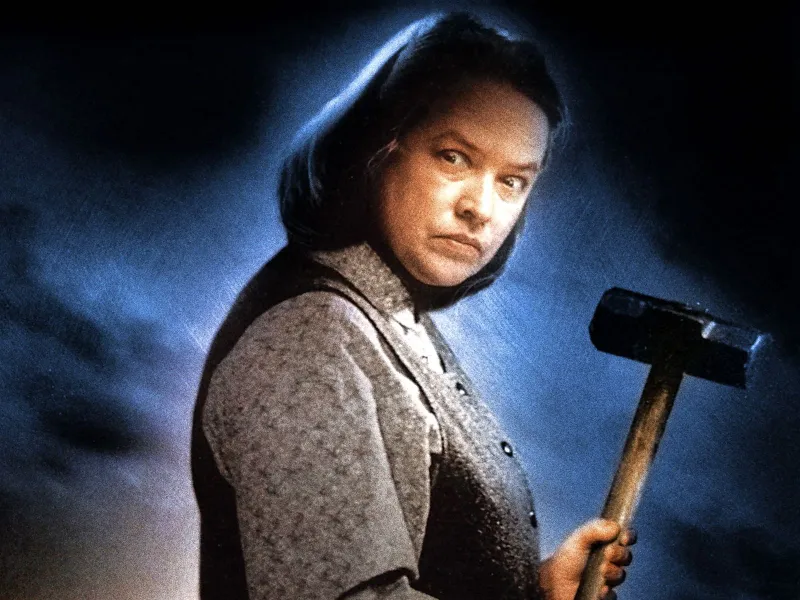
Behind a warm smile and a cozy farmhouse, Annie Wilkes hides one of the most terrifying personalities ever put on screen.
She rescues her favorite author after a car accident — and then refuses to let him leave.
Ever.
Kathy Bates won an Academy Award for this role, and it is easy to see why.
Annie swings between cheerful caretaker and unhinged captor in the blink of an eye, making every scene feel unpredictable and nerve-wracking.
Her famous “hobbling” scene became one of the most shocking moments in horror history.
Annie Wilkes proves that obsession, left unchecked, can turn even a book lover into a monster.
2. Amy Dunne (Gone Girl, 2014)
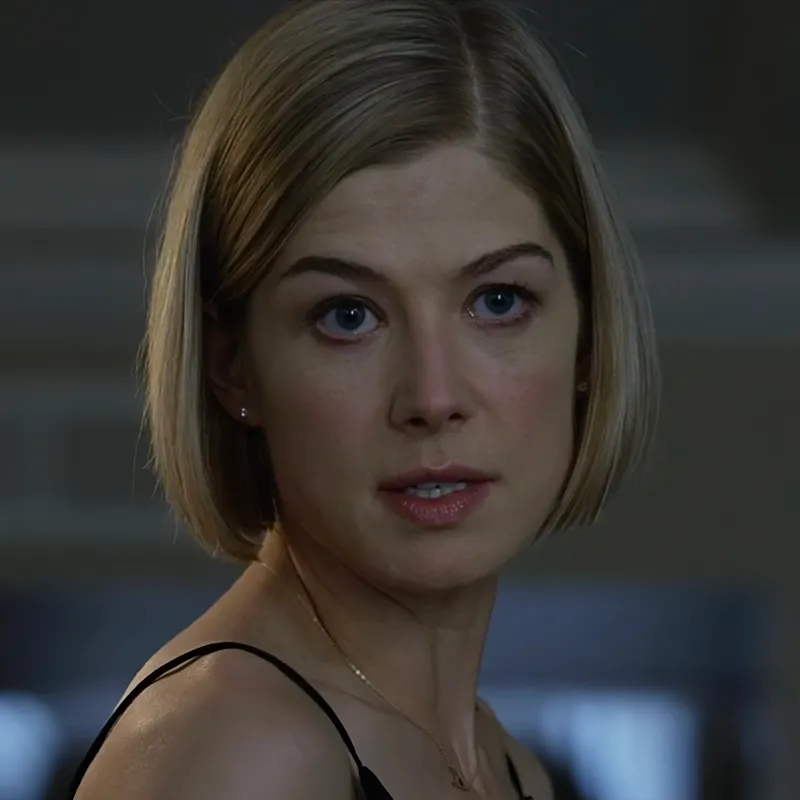
On paper, Amy Dunne seems like the perfect wife — smart, polished, and charming.
Underneath that flawless exterior, though, lives a woman who treats manipulation like an art form.
Rosamund Pike delivers a performance so cold and precise that it feels genuinely frightening.
Amy does not just lie — she engineers entire realities, framing people and rewriting narratives to suit her own agenda.
She weaponizes the public’s sympathy like a chess grandmaster.
What makes Amy truly terrifying is how logical her evil feels.
She plans everything meticulously, leaving almost no room for error.
She is not just a villain — she is the villain you never see coming until it is far too late.
3. Nurse Ratched (One Flew Over the Cuckoo’s Nest, 1975)
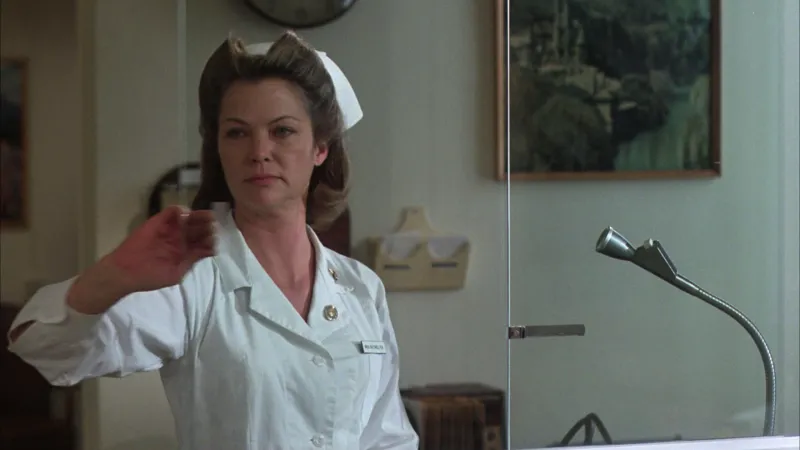
Nurse Ratched does not need a weapon.
Her cruelty comes wrapped in clipboard schedules, polite smiles, and institutional power.
She is the kind of evil that hides behind rules.
Louise Fletcher’s portrayal earned her an Oscar, and the character has since become a cultural symbol of authoritarian control.
Ratched runs her psychiatric ward with an iron grip, using psychological pressure to crush any patient who dares challenge her authority.
What makes her so unsettling is that she genuinely believes she is doing good.
That blind certainty, combined with her ruthless tactics, makes her far more dangerous than any screaming villain.
Bureaucratic evil, it turns out, cuts the deepest.
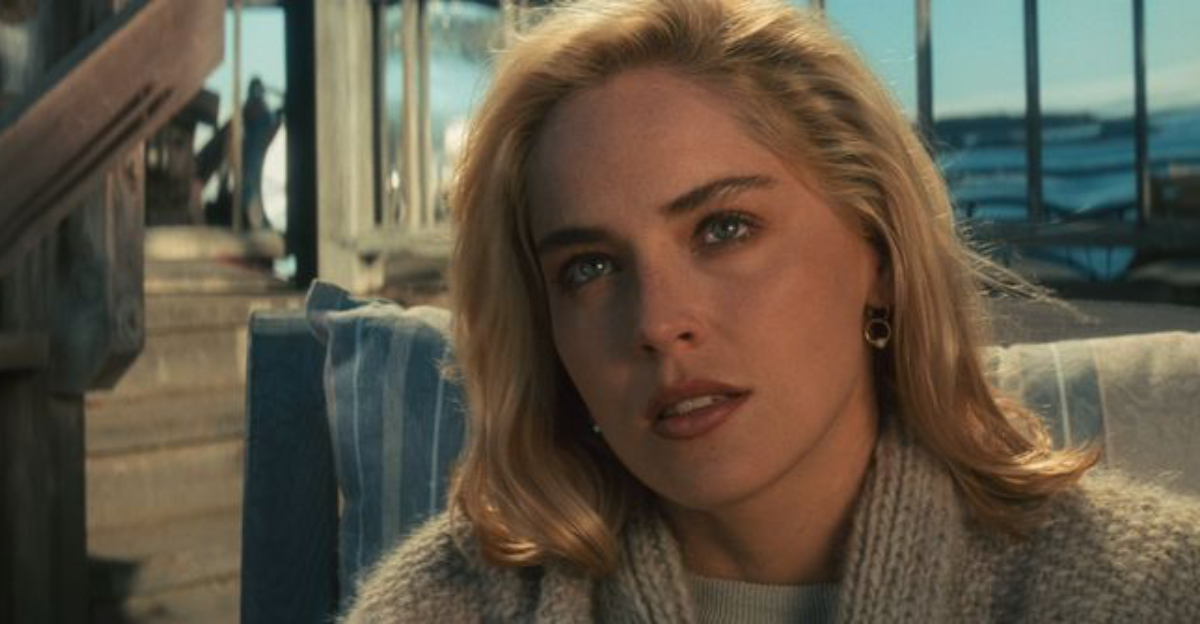
4. Catherine Tramell (Basic Instinct, 1992)
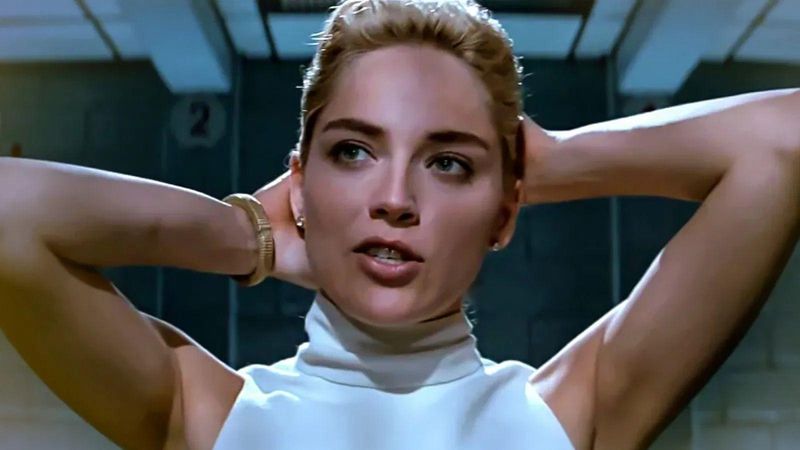
Few characters have walked into a room and owned it quite like Catherine Tramell.
Sharon Stone’s iconic performance made this crime thriller one of the most talked-about films of the 1990s.
Catherine is a mystery novelist suspected of murder — and she seems completely unbothered by that fact.
She toys with detectives, twists their emotions, and uses her charm as a weapon sharper than any ice pick.
Every conversation with her feels like a trap closing slowly around you.
Is she actually a killer?
The film keeps you guessing right until the final frame.
That deliberate ambiguity is exactly what makes Catherine Tramell one of cinema’s most enduring and unsettling femme fatales.
5. Cruella de Vil (101 Dalmatians, 1961/1996)
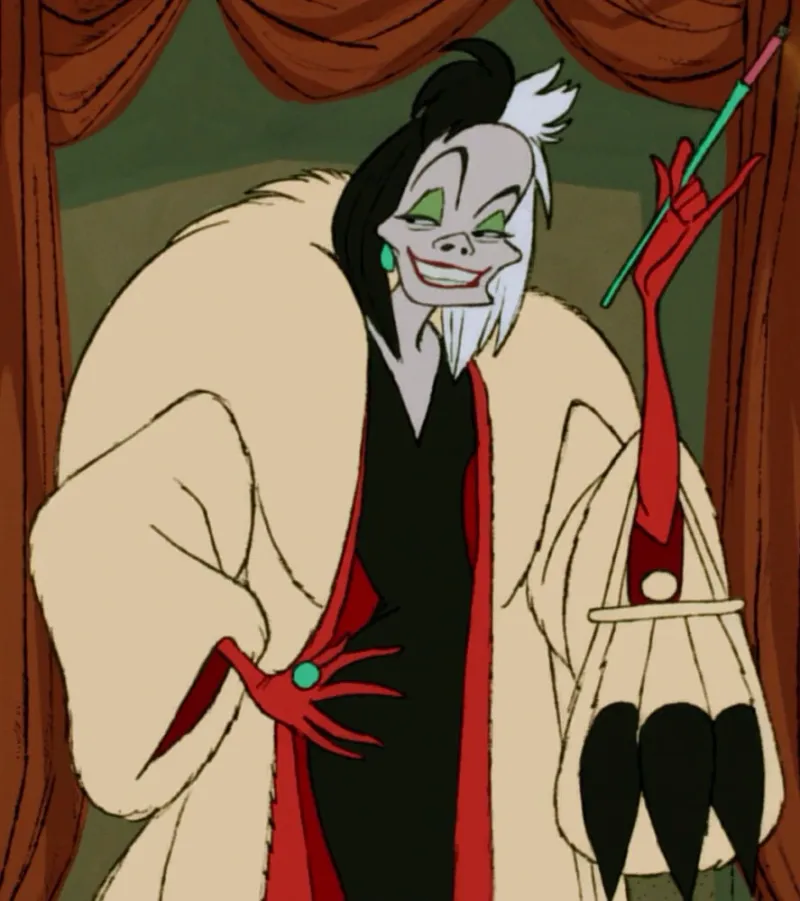
Cruella de Vil is the rare villain whose name literally sounds like “cruel devil” — and she absolutely lives up to it.
She wants to skin puppies for a coat.
That is the whole plan.
No political agenda, no tragic backstory justifying her crimes.
Just pure, fashionable wickedness.
Glenn Close’s live-action version cranked up the theatrics to unforgettable levels, while the original animated Cruella remains one of Disney’s most iconic baddies.
Her cackling laugh and dramatic entrances make her entertaining to watch, even as her goals are genuinely horrifying.
Cruella reminds us that vanity, taken to its extreme, can become something truly monstrous.
Style has never looked so sinister.
6. Alex Forrest (Fatal Attraction, 1987)
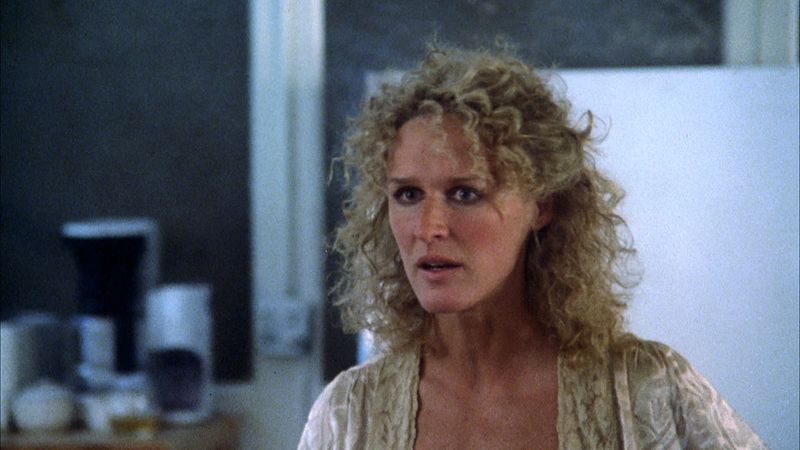
A weekend affair.
That is all it takes for Alex Forrest to completely unravel a man’s life.
Glenn Close plays this role with terrifying emotional intensity, making Alex one of cinema’s most haunting portraits of obsession.
What starts as a passionate fling quickly escalates into stalking, manipulation, and shocking violence.
Alex refuses to be ignored, and every escalation feels disturbingly believable.
The film sparked real conversations about mental health, boundaries, and the consequences of reckless choices.
The infamous bunny scene alone cemented Alex Forrest in pop culture forever.
She is not simply a scorned woman — she is a fully realized nightmare that made audiences think twice about every decision they make.
7. Regina George (Mean Girls, 2004)
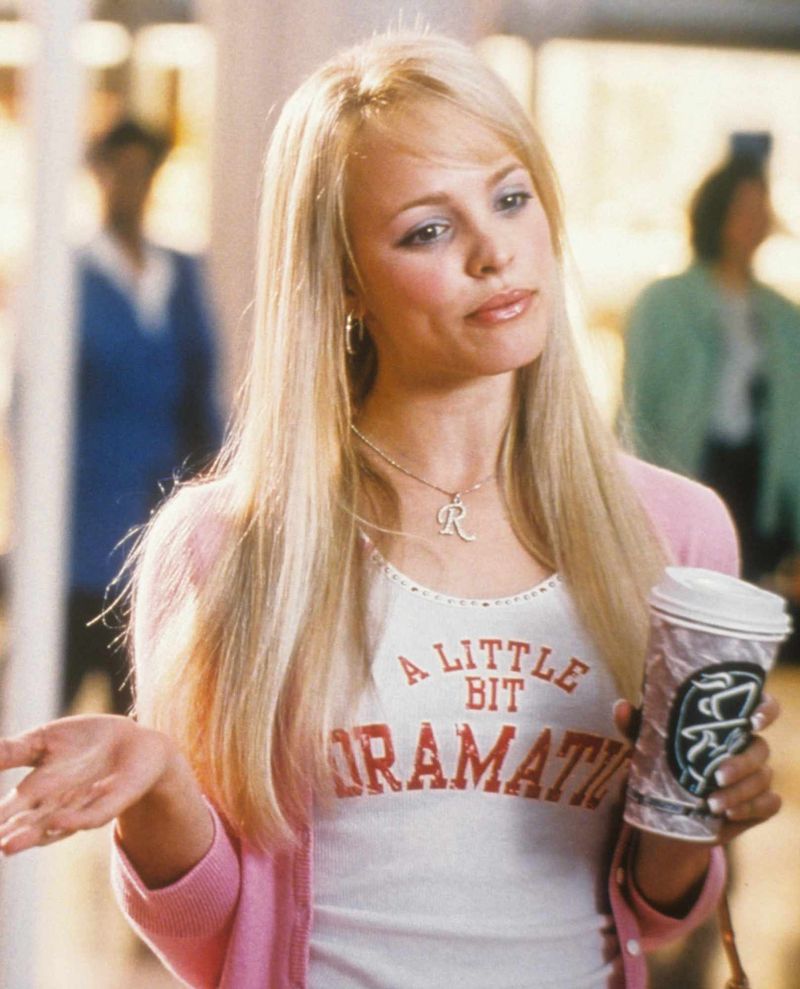
Regina George does not need supernatural powers to destroy someone.
A rumor, a list, or a single withering look is all she needs.
Rachel McAdams played this role so convincingly that audiences genuinely hated her — which is the highest compliment a villain can receive.
Regina rules her high school through fear, manipulation, and a carefully maintained social hierarchy.
She is charming enough to keep allies close but vicious enough to eliminate anyone who threatens her throne.
Her cruelty is so casual it almost feels like breathing.
“Mean Girls” turned Regina into a cultural phenomenon because her brand of social destruction felt painfully real.
Many viewers recognized her immediately — because they had already met her in real life.
8. Bellatrix Lestrange (Harry Potter Series)
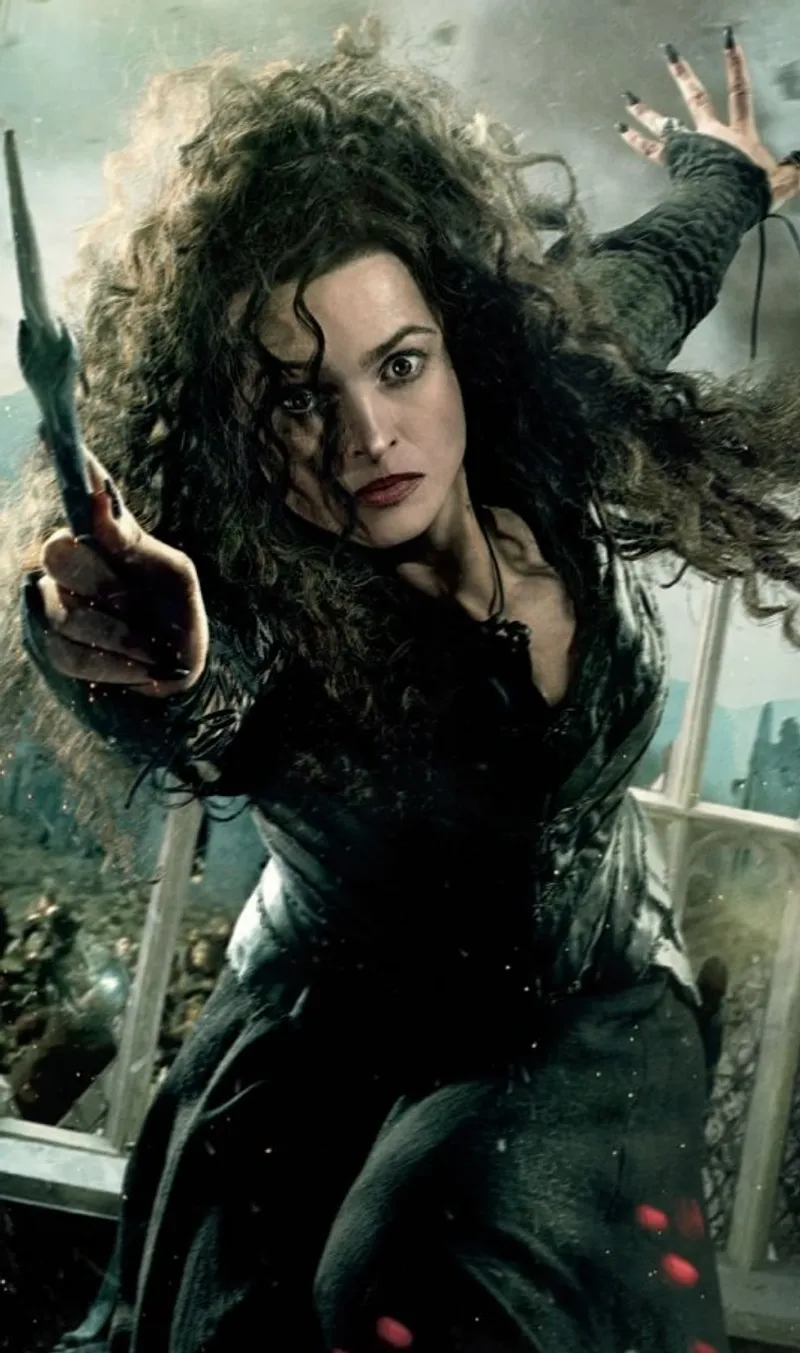
Bellatrix Lestrange does not just follow evil — she celebrates it.
Helena Bonham Carter brought this Death Eater to life with a chaotic, gleeful energy that made every scene she appeared in crackle with danger.
She tortured people for fun.
She murdered without hesitation.
She worshipped Voldemort with a devotion that went far beyond loyalty into something deeply disturbing.
Yet somehow, her theatrical madness made her impossible to look away from.
Bellatrix represents a specific kind of villain — one who has fully surrendered to darkness and genuinely enjoys the destruction she causes.
There is no redemption arc waiting for her, no hidden sadness.
Just pure, unapologetic evil wrapped in wild hair and wicked laughter.
9. Miranda Priestly (The Devil Wears Prada, 2006)
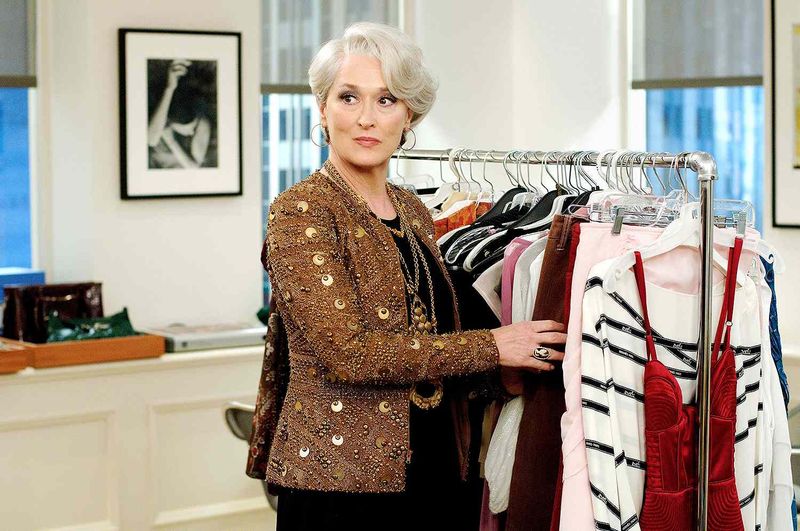
Miranda Priestly never raises her voice.
She does not need to.
A whispered command, a slow blink of disapproval, or a single dismissive “that’s all” sends assistants scrambling in genuine terror.
Meryl Streep’s performance is a masterclass in controlled, icy power.
As the editor of a top fashion magazine, Miranda destroys careers the way most people swat flies — casually and without a second thought.
She demands absolute perfection and punishes anything less with devastating efficiency.
What makes her fascinating is that she is not entirely wrong.
Her standards are brutal, but her world is real.
Miranda Priestly sits at the dark intersection of ambition and cruelty, making her one of film’s most compelling and chilling antagonists.
10. Mrs. Danvers (Rebecca, 1940)
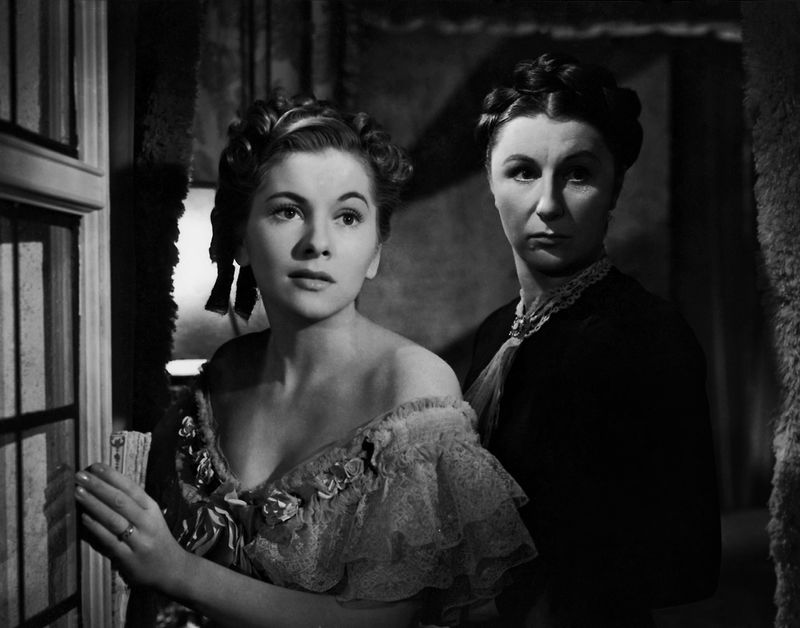
Mrs. Danvers never picks up a weapon.
She does not need one.
Her entire power lies in psychological manipulation — whispering doubts, preserving a dead woman’s memory like a shrine, and slowly eroding the confidence of the new Mrs. de Winter.
Judith Anderson’s portrayal in Alfred Hitchcock’s classic is genuinely haunting.
There is something deeply unnatural about the devotion Mrs. Danvers carries for the late Rebecca, a love that has curdled into something obsessive and menacing over time.
She glides through Manderley like a ghost herself, always watching, always judging.
Mrs. Danvers proves that the most chilling villains do not always act with violence — sometimes, a cold stare and a whispered suggestion are terrifying enough.