 MomSkoop
Some movies are good, but only a rare few stick with you long after the credits roll — and that’s almost always because of how they end. A great finale can tie everything together, flip your understanding upside down, or leave you sitting in silence, just processing what you witnessed.
The endings on this list didn’t just close a story; they elevated the entire film. Get ready to revisit some of cinema’s most unforgettable final moments.
1. The Shawshank Redemption (1994) – Quiet, Earned Emotional Payoff
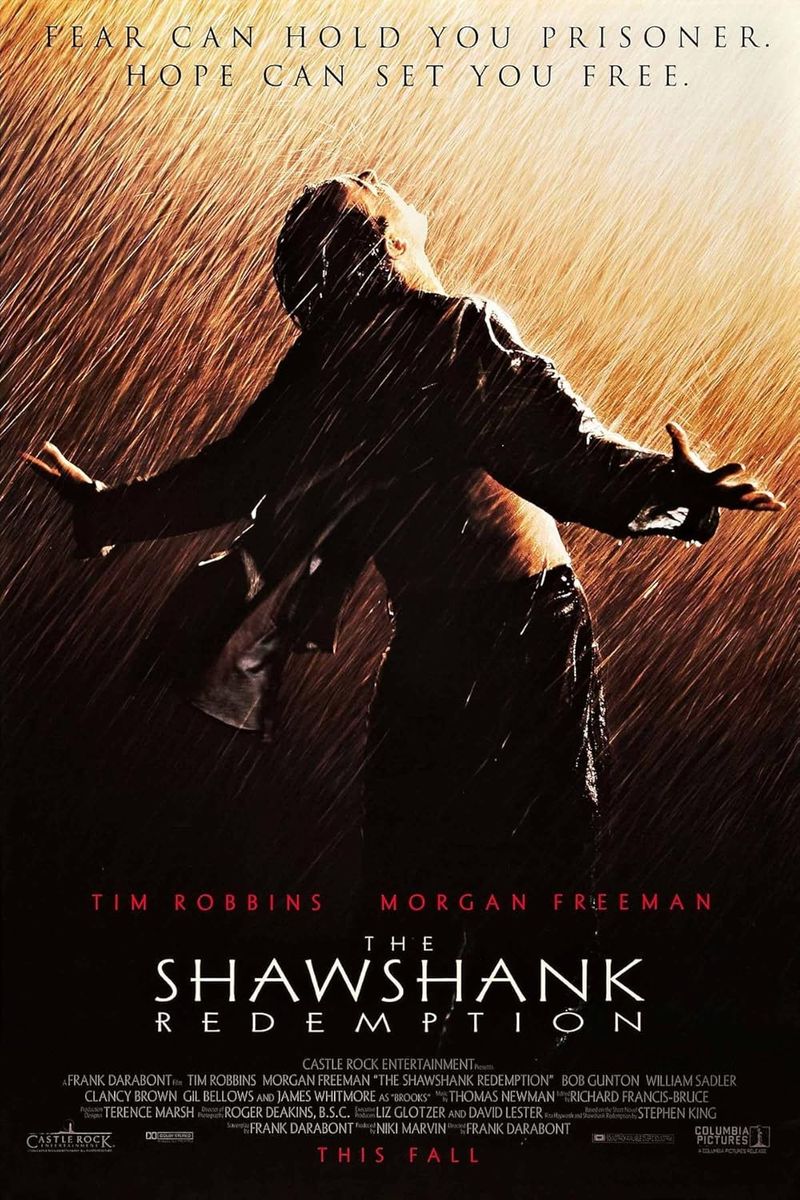
Few endings feel as deeply earned as the one in The Shawshank Redemption.
After nearly two hours of watching Andy Dufresne endure unimaginable hardship behind bars, the film rewards both the character and the audience with a reunion so simple and quiet it almost sneaks up on you.
Andy and Red meeting on a sunlit beach in Zihuatanejo isn’t flashy or loud.
It’s the payoff of patience — of hope stubbornly surviving the worst conditions imaginable.
Director Frank Darabont resists the urge to over-explain.
He just lets the moment breathe.
That restraint is what makes it resonate so powerfully.
Audiences who’ve stuck through every brutal moment feel that sunshine too.
It’s cinema as emotional catharsis at its very finest.
2. The Godfather (1972) – Chilling, Definitive Character Transformation
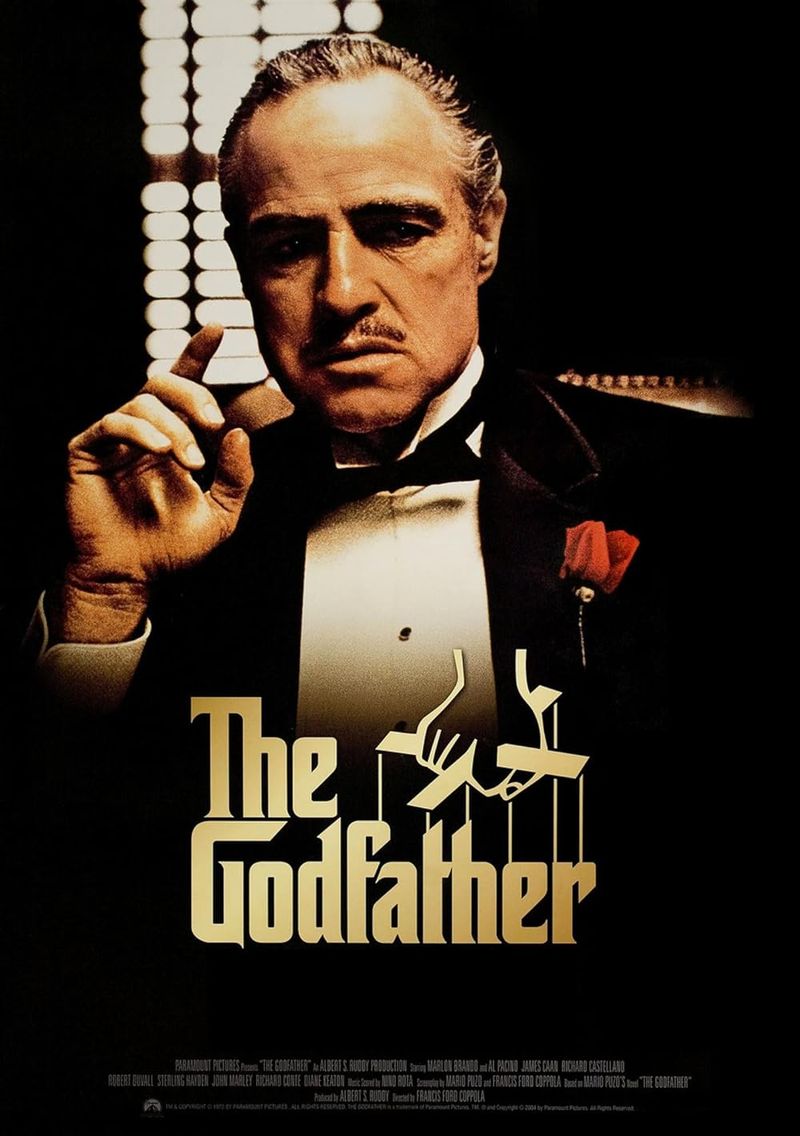
Michael Corleone didn’t become a monster overnight — but the final scene of The Godfather shows us exactly the moment the transformation is complete.
The door closing on Kay’s face is one of the most chilling images in film history, and it doesn’t need a single word of explanation.
Throughout the movie, Michael insists he’s different from his family.
By the end, he has fully become what he once rejected.
The genius of Francis Ford Coppola’s direction is that this shift feels both shocking and completely inevitable.
Al Pacino’s cold, distant stare in those final seconds says everything.
Power has hollowed him out.
The man Kay loved is gone, and she’s only just beginning to realize it.
3. The Dark Knight (2008) – Moral Weight and Iconic Closing Note
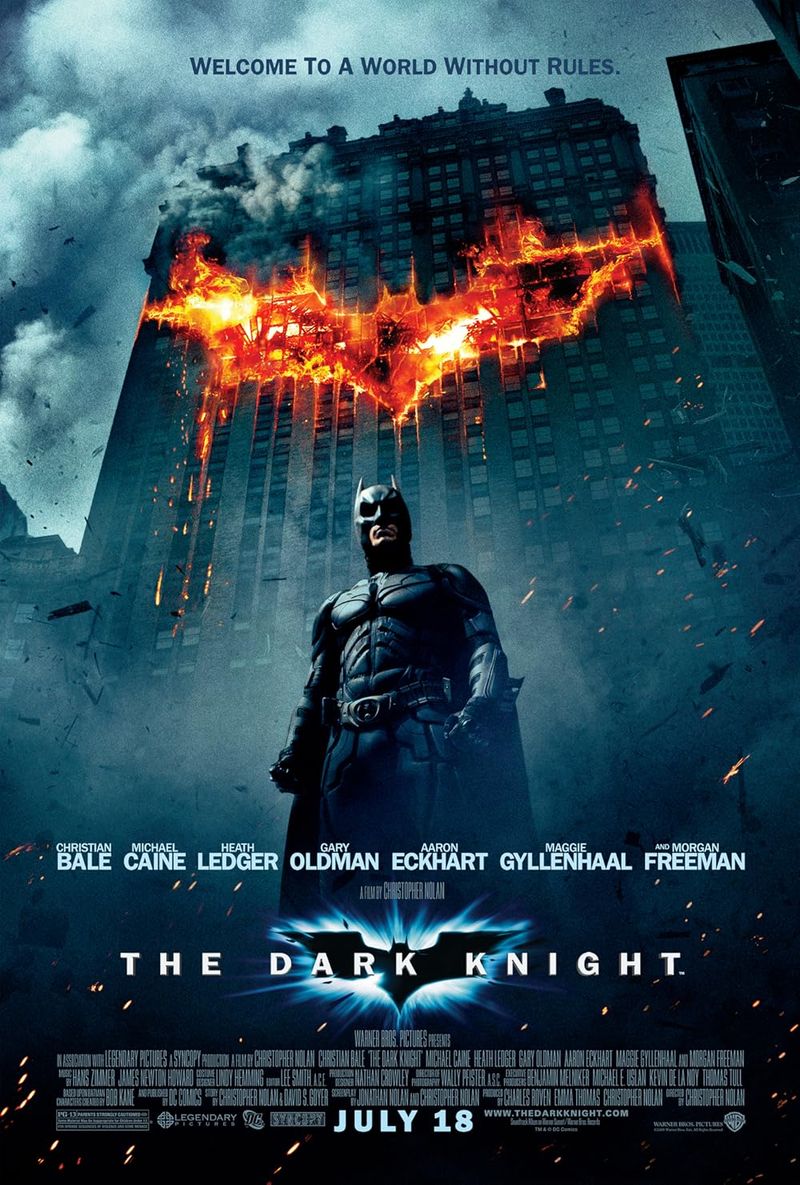
Christopher Nolan’s The Dark Knight ends not with a victory lap, but with a sacrifice.
Batman takes the blame for Harvey Dent’s crimes to preserve Gotham’s hope — choosing to be the villain the city needs to fear rather than the hero it wants to celebrate.
Commissioner Gordon’s narration over Bruce Wayne’s escape on the Batpod is genuinely stirring.
Hans Zimmer’s score swells, and Gordon tells his son that Batman is a silent guardian, a watchful protector — a dark knight.
It hits different every single time.
What makes this finale so memorable is its moral complexity.
There’s no clean win here, just a man choosing duty over recognition.
That’s a rare, honest kind of heroism that lingers well after the screen goes dark.
4. Fight Club (1999) – Bold Twist With Unforgettable Final Imagery
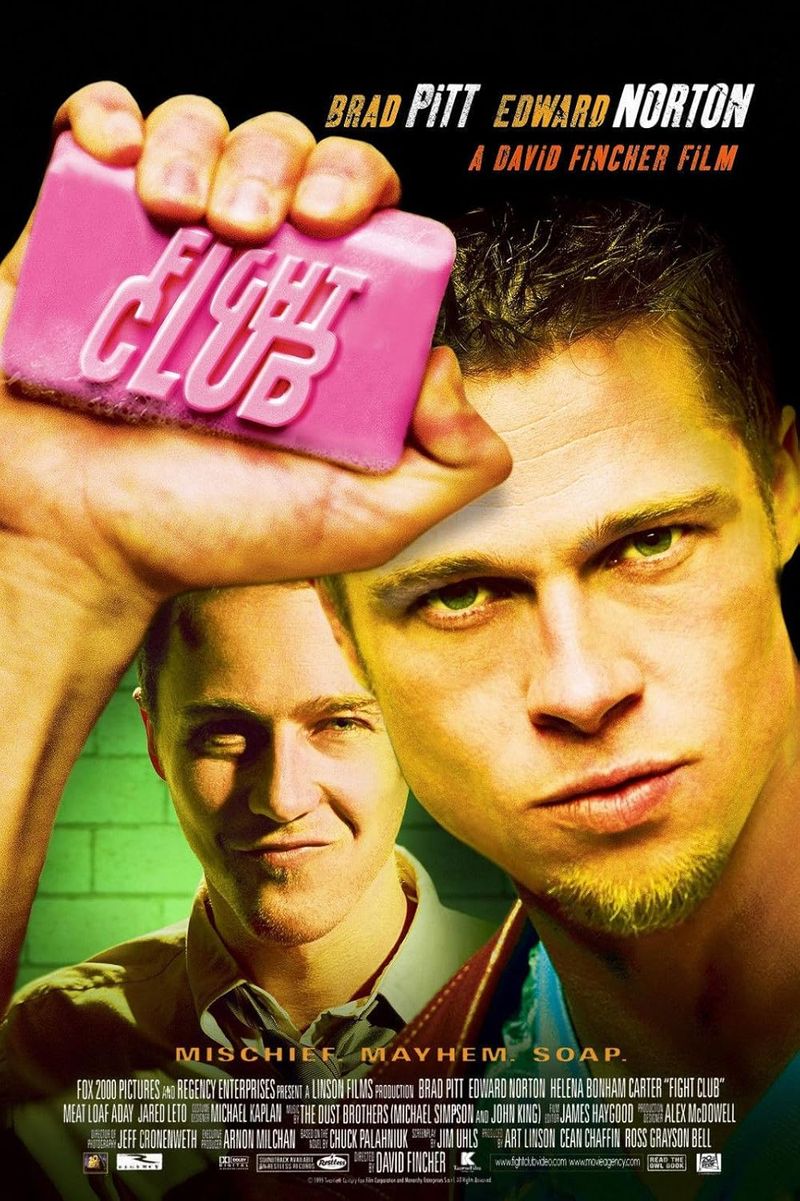
By the time Fight Club reaches its finale, the rug has already been pulled out from under you — and then the buildings start falling.
The Narrator finally confronts his own fractured identity, shoots himself to kill Tyler Durden, and stands with Marla as the city’s financial infrastructure literally crumbles before them.
The Pixies’ “Where Is My Mind?” plays over the destruction, and somehow it feels exactly right — playful, disorienting, and a little unhinged.
David Fincher crafted an ending that feels both cathartic and deeply unsettling at the same time.
It’s a finale that rewards multiple viewings because everything hits differently once you know the twist.
Bold, visually stunning, and thematically on-point, it remains one of the most talked-about endings in modern cinema.
5. Se7en (1995) – Bleak, Shocking, and Thematically Consistent
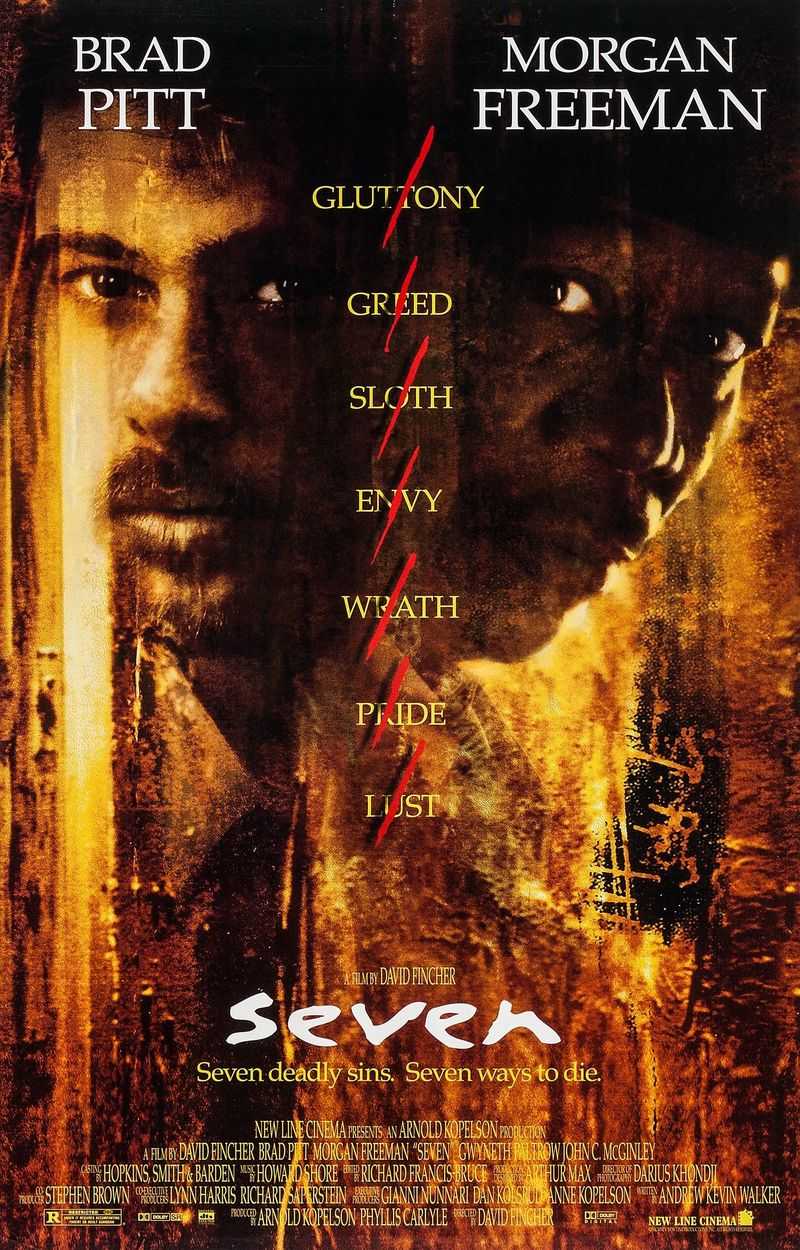
“What’s in the box?” has become one of the most quoted lines in movie history — and for good reason.
Se7en’s finale is one of the bleakest, most gut-punching endings ever committed to film, and yet it feels completely true to everything the story built toward.
John Doe’s final sin is making Detective Mills the instrument of wrath, completing his twisted masterpiece.
David Fincher refuses to let the audience off the hook with a last-minute rescue or a hopeful note.
Evil wins here, and the film doesn’t flinch from that.
Brad Pitt’s raw, anguished breakdown and Morgan Freeman’s quiet devastation make the scene feel utterly real.
It’s a devastating conclusion, but it’s honest — and that’s exactly what makes it unforgettable.
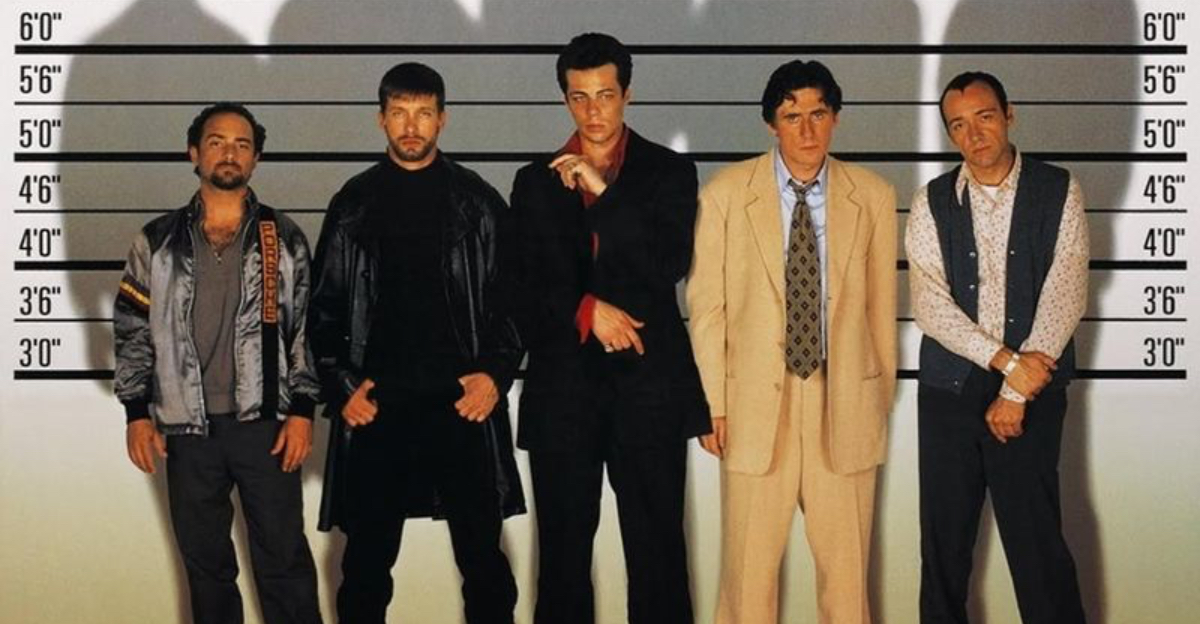
6. The Usual Suspects (1995) – One of the Most Famous Reveals Ever
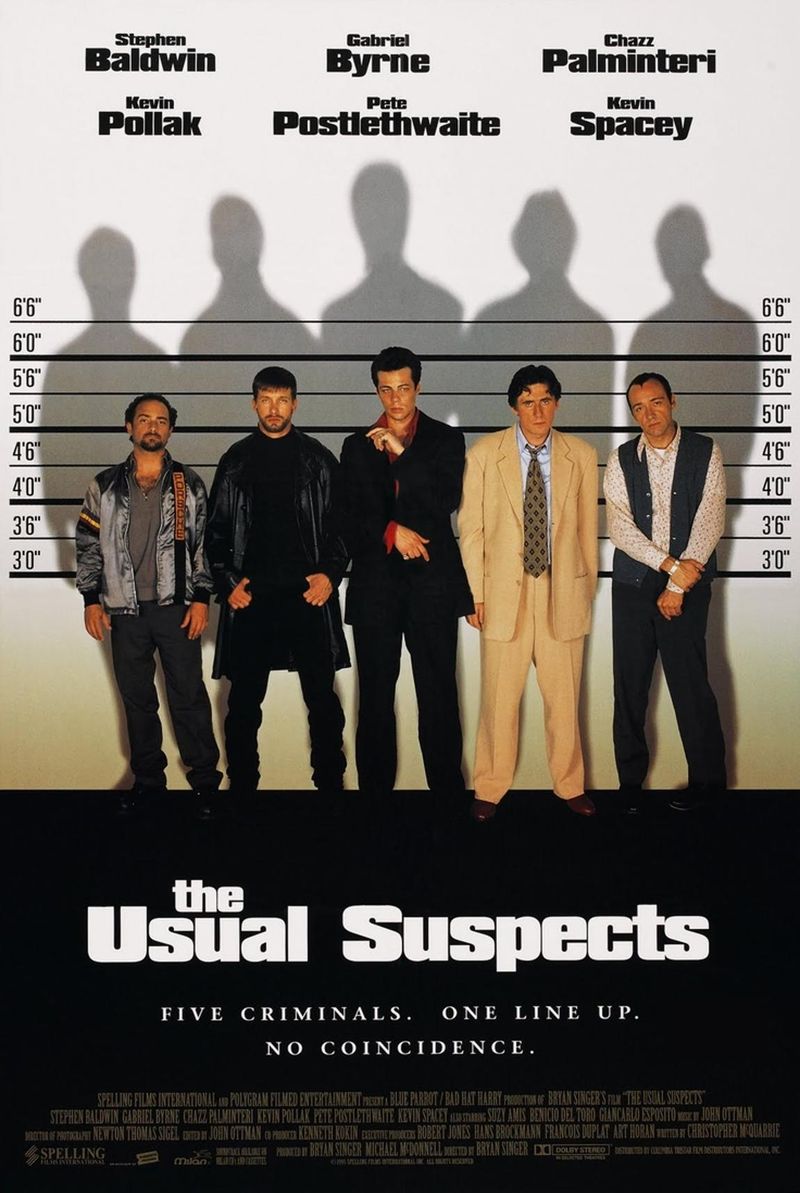
Keyser Soze might be the most famous fictional villain you never actually see.
The Usual Suspects builds its entire story around a mystery, and the reveal in the final minutes is one of cinema’s all-time great sleight-of-hand moments.
Watching Verbal Kint’s limp disappear as he walks away from the police station — while Agent Kujan slowly connects the dots too late — is a masterclass in dramatic irony.
Bryan Singer and writer Christopher McQuarrie constructed a puzzle that rewards attentive viewers enormously.
The final freeze-frame and Kevin Spacey’s sly smile are burned into the memory of anyone who’s seen the film.
Even on rewatch, knowing the twist, you still find yourself marveling at how perfectly the deception was laid out from the very beginning.
7. Parasite (2019) – Layered, Haunting, and Socially Sharp Ending
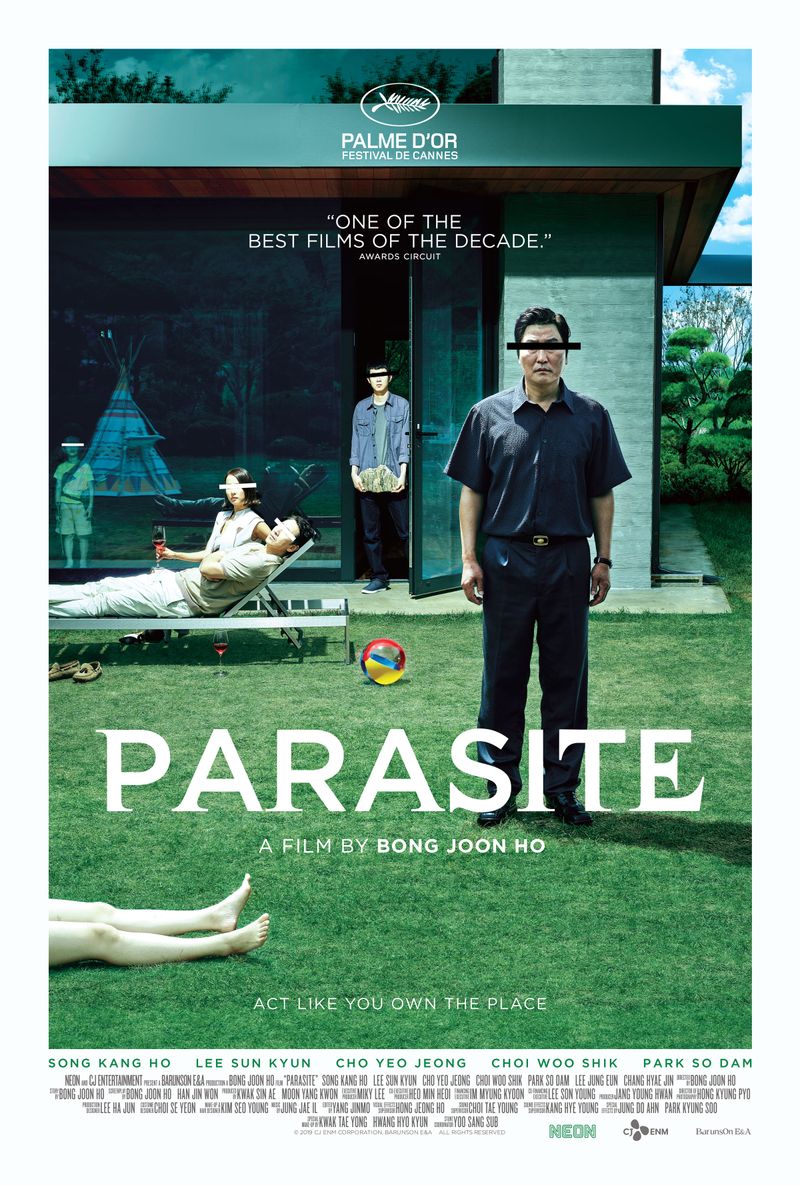
Bong Joon-ho’s Parasite doesn’t just end — it lands like a slow, heavy weight on your chest.
After the chaotic bloodbath that closes the film’s third act, Ki-woo imagines a future where he earns enough money to buy the Park family’s house and free his father from the basement.
It’s a beautiful dream.
Then reality cuts back in.
He’s writing a letter from a tiny semi-basement apartment, and that dream is exactly that — a dream.
The gap between the wealthy and the poor, the film’s central theme, remains unbridgeable.
It’s a deeply poetic and quietly devastating conclusion.
Bong refuses to offer false comfort, instead leaving audiences sitting with the uncomfortable truth that social mobility is far more complicated than ambition alone.
8. Whiplash (2014) – Intense, Ambiguous Triumph in the Final Sequence
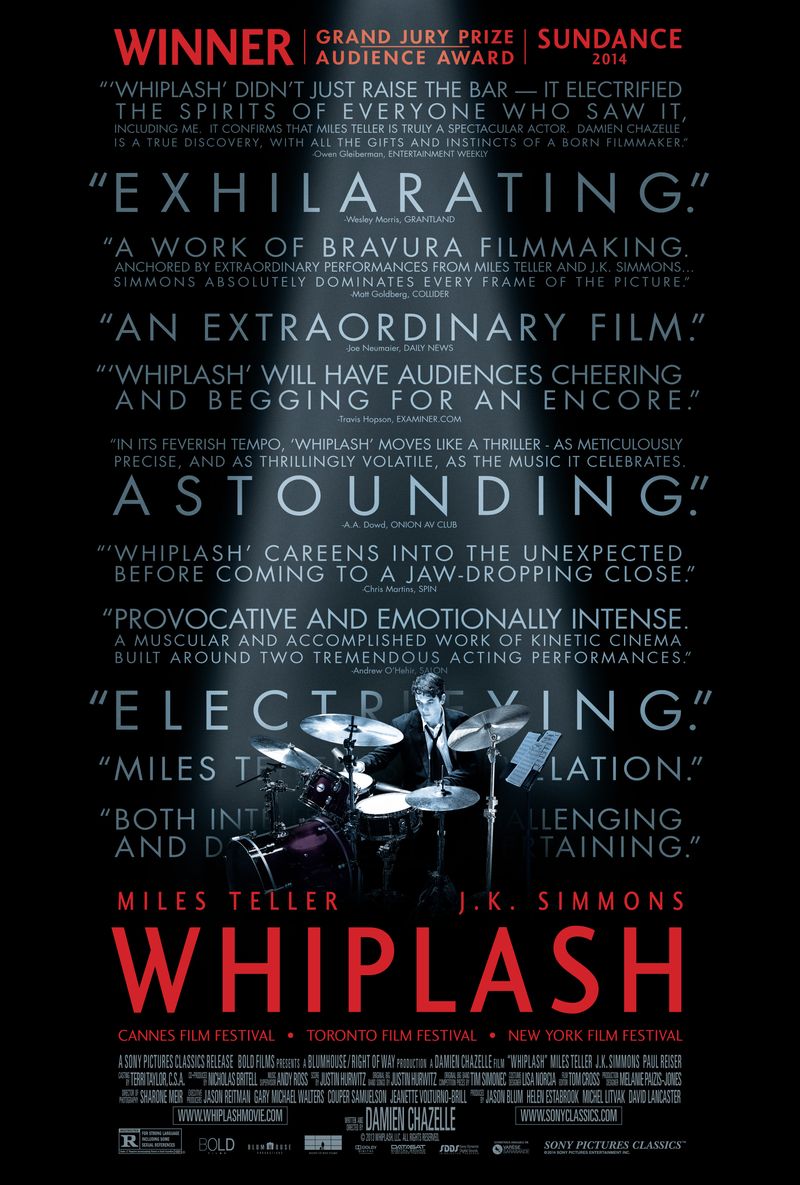
Damien Chazelle’s Whiplash builds to one of the most electrically charged finales in recent memory.
After being publicly humiliated and sabotaged by Fletcher, Andrew Neiman defies everyone — including his own better judgment — by launching into a furious, unscripted drum solo that takes complete control of the performance.
Fletcher’s expression shifts from fury to something approaching awe, and the two lock eyes in a moment that feels equal parts competition and collaboration.
Miles Teller’s drumming is ferocious, and Justin Hurwitz’s score amplifies every beat into something enormous.
But is Andrew’s triumph actually healthy?
The film deliberately leaves that question open.
He may have achieved greatness, but the cost — his relationships, his wellbeing, his compassion — is left for the audience to weigh on their own.
9. Inception (2010) – Ambiguous Final Shot That Sparks Endless Debate
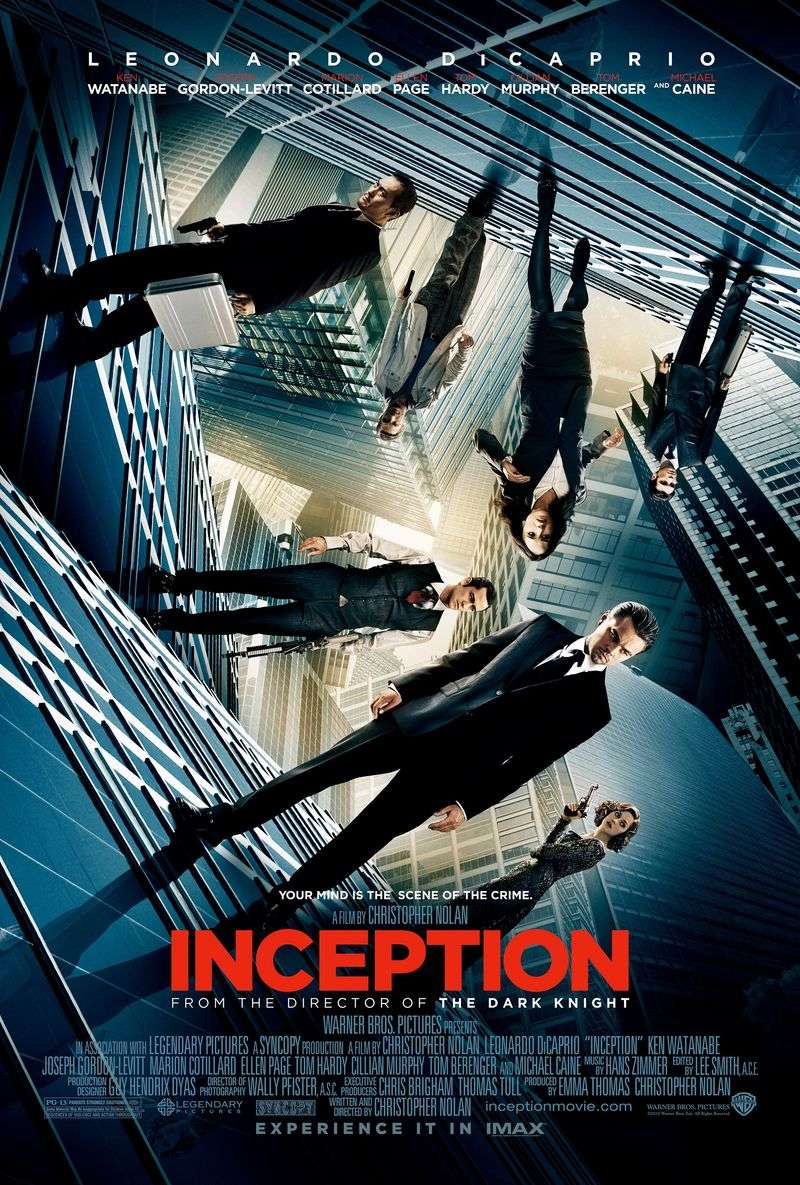
Christopher Nolan has never confirmed what the spinning top means — and that’s entirely the point.
Inception’s final shot, a top spinning on a table as the screen cuts to black, has been debated by film fans for over a decade.
Is Cobb dreaming or awake?
The genius of the ending isn’t really about the top at all.
It’s about Cobb finally choosing to stop watching it.
He turns away from the question, runs to his children, and embraces them without waiting for the answer.
That emotional choice matters more than the metaphysics.
Nolan constructed an ending that forces viewers to decide what they believe about reality and happiness.
That’s a rare cinematic achievement — a finale that becomes deeply personal for every single person who watches it.
10. Casablanca (1942) – Timeless, Bittersweet Farewell
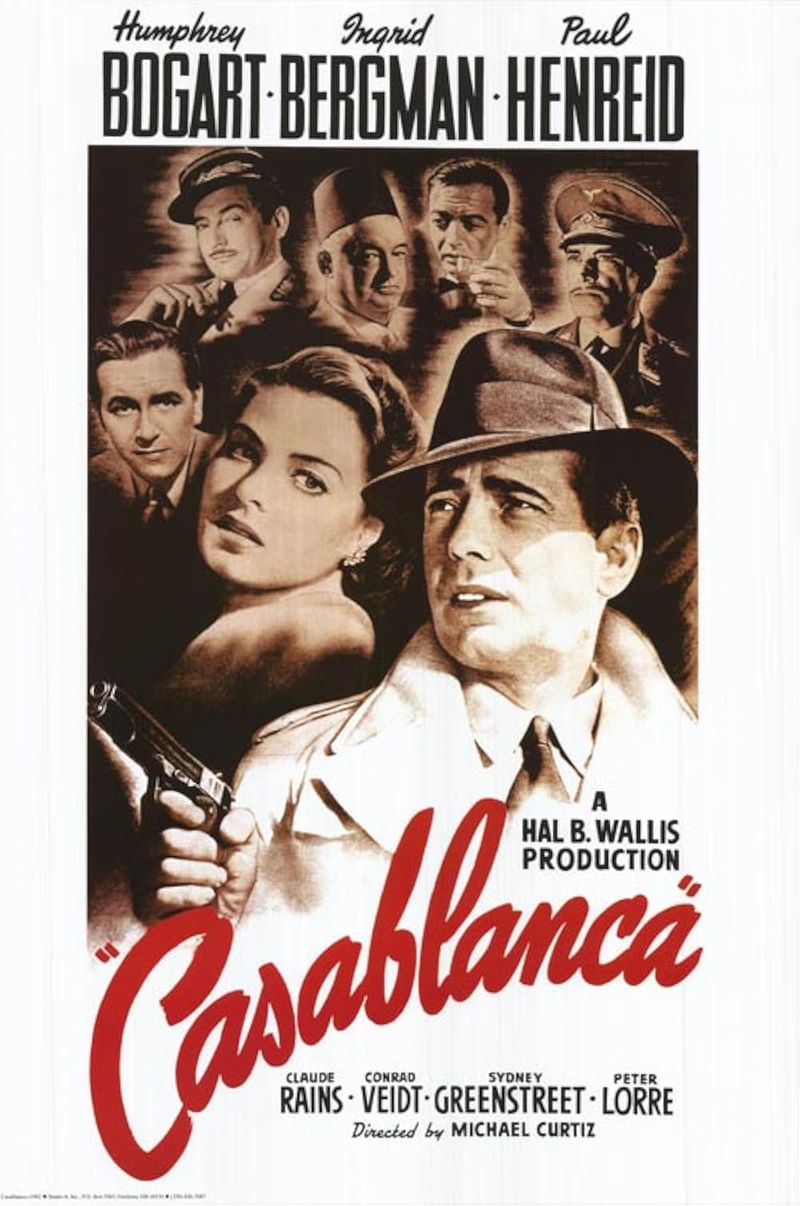
“We’ll always have Paris.” Eight decades after Casablanca was released, that line still lands with the quiet ache of something genuinely beautiful and genuinely lost.
Rick Blaine’s decision to put Ilsa on the plane with Victor Laszlo is one of cinema’s most romantic and most selfless acts.
Humphrey Bogart plays the moment with remarkable restraint.
Rick doesn’t wallow or collapse — he chooses the harder, nobler path, and you feel the weight of that choice completely.
The farewell on the fog-drenched tarmac is understated and all the more powerful for it.
Michael Curtiz directs the scene with elegant simplicity.
No melodrama, no grand gestures — just two people saying goodbye to something irreplaceable.
It’s the kind of ending that reminds you why movies were invented in the first place.
11. The Empire Strikes Back (1980) – Dark Turn That Redefined Blockbuster Endings
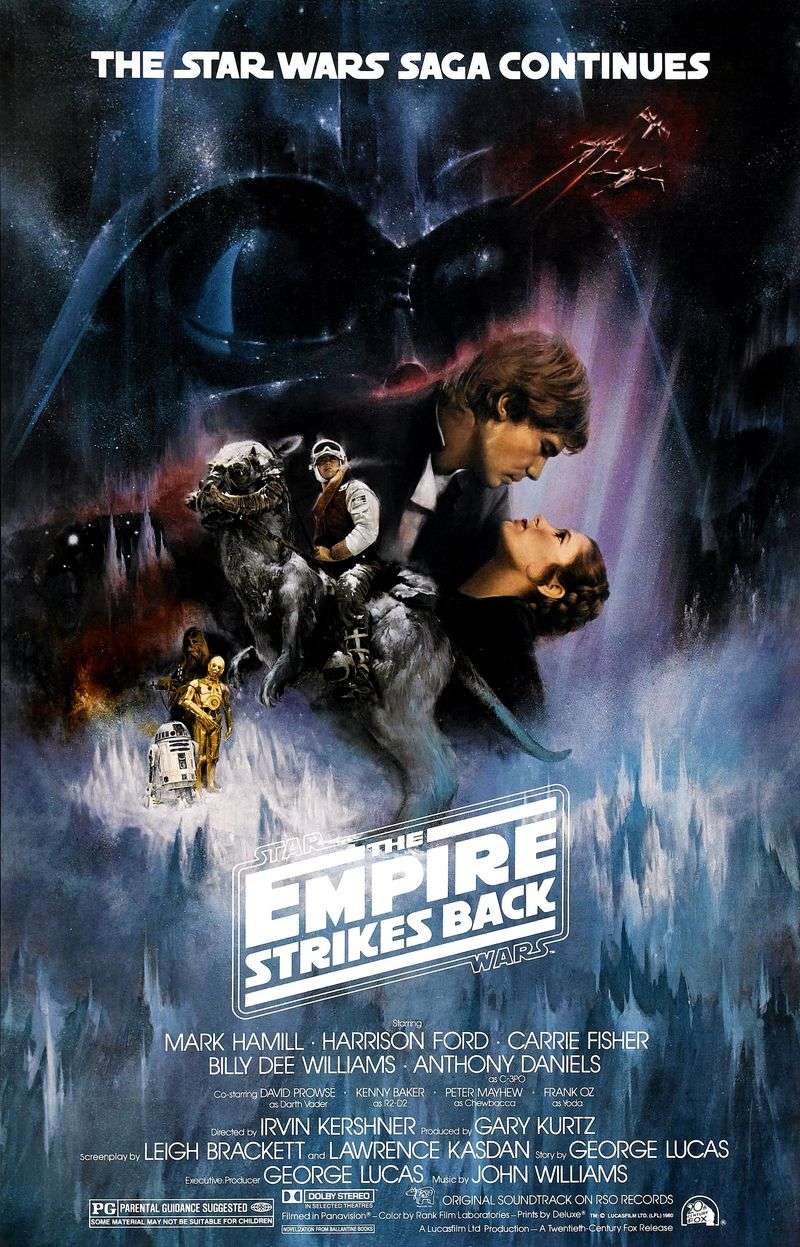
Before The Empire Strikes Back, blockbuster sequels were expected to top the original with bigger action and a satisfying victory.
Irvin Kershner and screenwriter Lawrence Kasdan had other plans.
The heroes lose.
Han is frozen in carbonite.
Luke loses his hand — and his certainty about everything.
Darth Vader’s reveal as Luke’s father is the most famous twist in franchise history, and it lands because the film earns it emotionally.
Luke’s anguished “No!” isn’t just shock — it’s the sound of a worldview shattering.
The film ends not with triumph but with quiet resilience — our heroes battered and regrouping, staring out at the galaxy.
It proved that mainstream cinema could be genuinely bold and dark, permanently raising the bar for what a sequel could achieve.
12. No Country for Old Men (2007) – Philosophical, Unconventional Closure
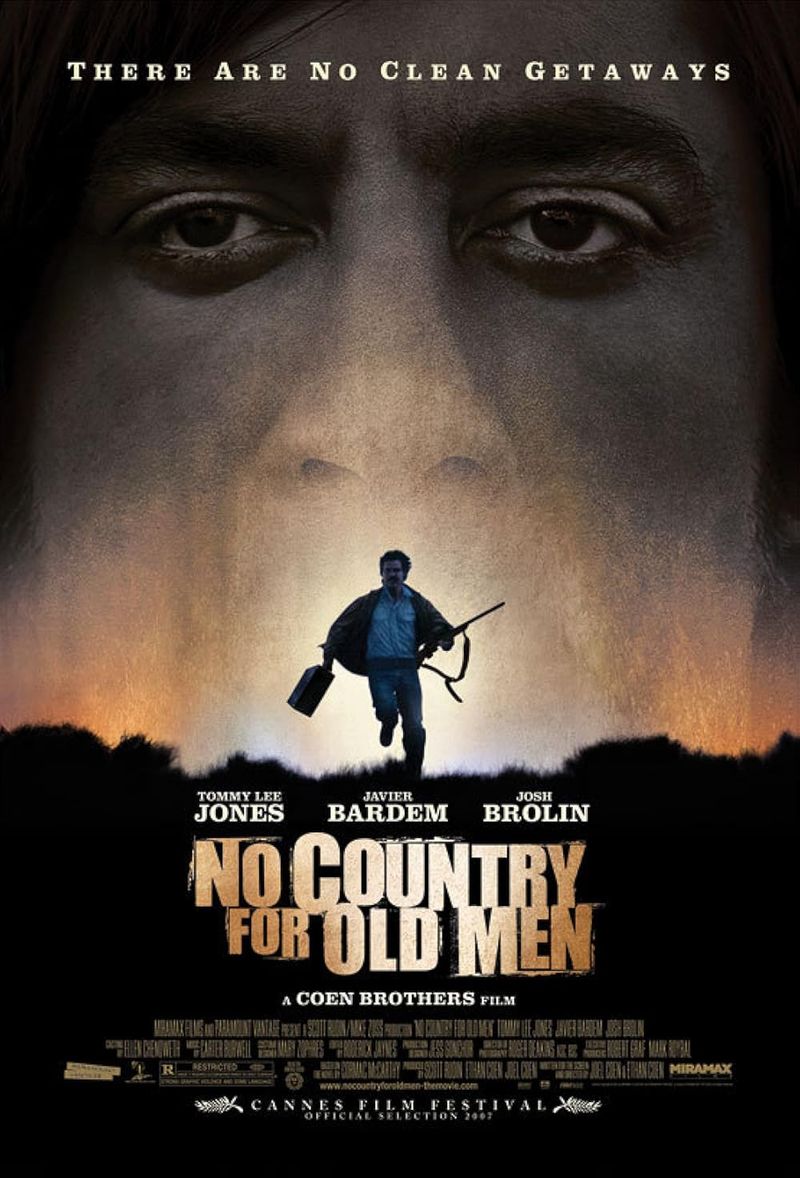
Most audiences expecting a traditional thriller resolution were left genuinely puzzled by No Country for Old Men’s ending — and the Coen Brothers wouldn’t have it any other way.
Llewelyn Moss dies off-screen.
Anton Chigurh walks away.
Sheriff Bell retires, defeated by a world he no longer understands.
The film closes on Bell recounting two dreams about his father to his wife.
It’s quiet, unhurried, and completely unlike anything a Hollywood thriller typically delivers.
There’s no final confrontation, no justice, no clean resolution.
That’s the whole point.
Evil doesn’t always get caught.
Time moves forward regardless.
The Coens adapted Cormac McCarthy’s nihilistic worldview faithfully and brilliantly, delivering an ending that challenges viewers to sit with discomfort rather than the comfort of easy answers.
13. The Sixth Sense (1999) – Twist That Recontextualizes Everything
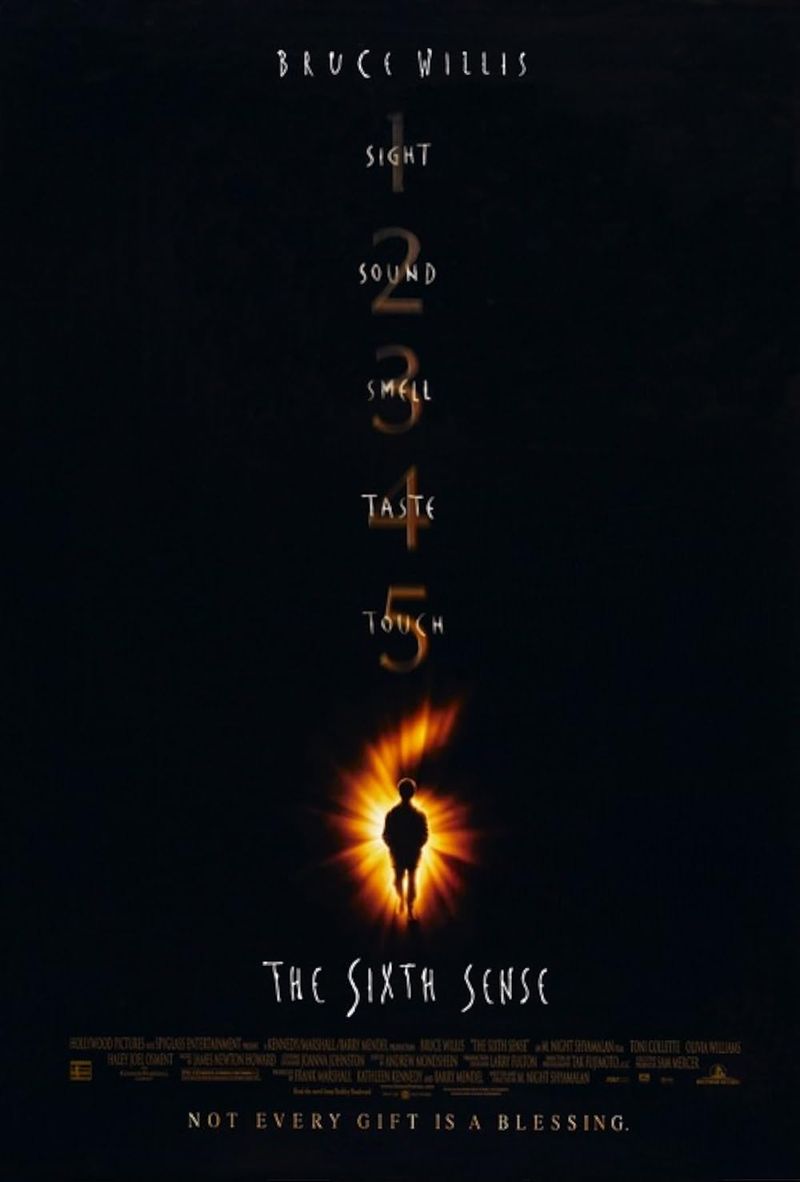
M.
Night Shyamalan’s The Sixth Sense pulled off something almost impossible — a twist so well-constructed that it completely rewrites everything you just watched without cheating or contradicting a single scene.
When Malcolm Crowe realizes he’s been dead the whole time, the film becomes a different movie on rewatch.
Every quiet moment between Malcolm and Cole suddenly carries new meaning.
The wedding ring on the table.
Anna’s cold distance.
The conversations that only worked one way.
Shyamalan planted every clue in plain sight.
Bruce Willis plays the revelation with heartbreaking subtlety, and Haley Joel Osment’s emotional performance carries the film’s weight beautifully.
The Sixth Sense remains the gold standard for twist endings because the story is genuinely moving even once the mystery is completely gone.
14. La La Land (2016) – Emotional “What Could Have Been” Montage
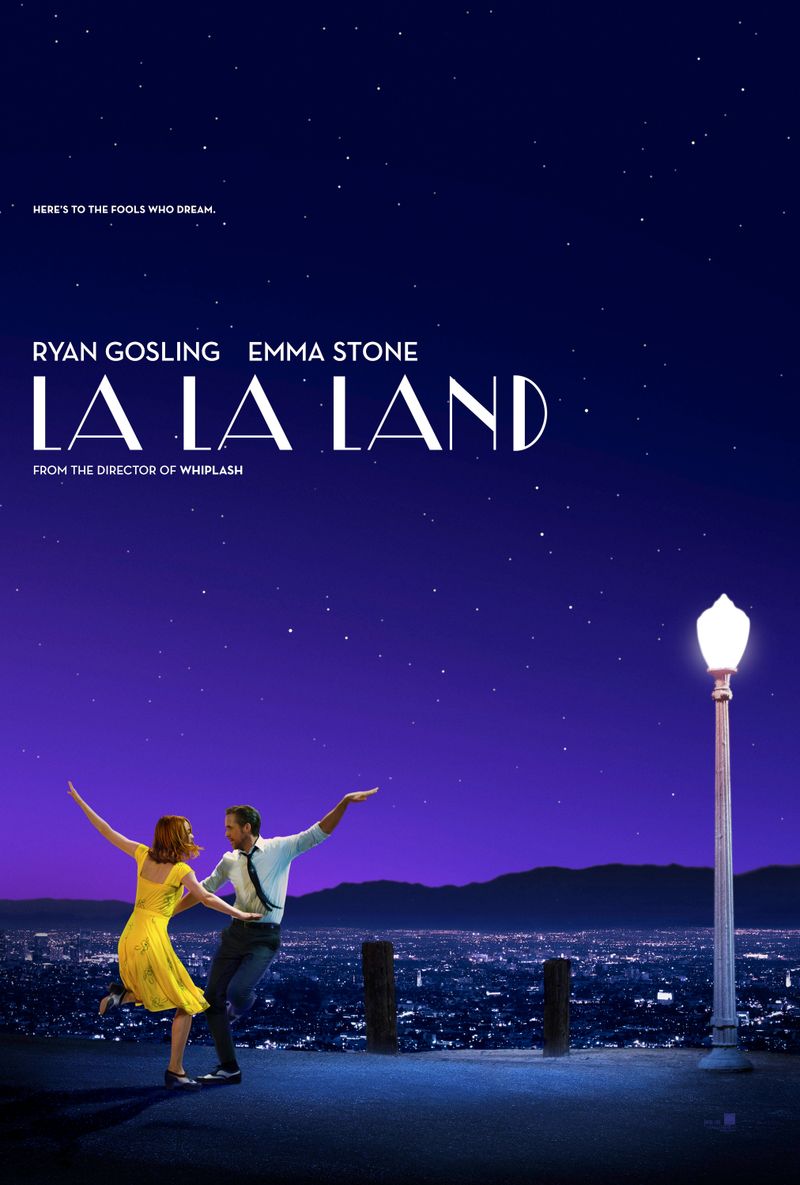
La La Land’s final sequence is a five-minute gut punch disguised as a beautiful dream.
Mia and Sebastian lock eyes across a crowded jazz club years after their relationship ended, and the film imagines — in gorgeous, wordless detail — the alternate life they could have shared if they’d made different choices.
Damien Chazelle stages the fantasy with sweeping romanticism, using callbacks to earlier scenes that hit harder because of everything you know.
Then it ends, and the real world snaps back into place.
They smile at each other across the room and say nothing.
They don’t need to.
It’s a bittersweet meditation on the cost of chasing your dreams.
Not every love story gets to end happily — and La La Land is brave enough to honor that painful, universal truth.
15. The Lord of the Rings: The Return of the King (2003) – Epic, Multi-Layered Conclusion
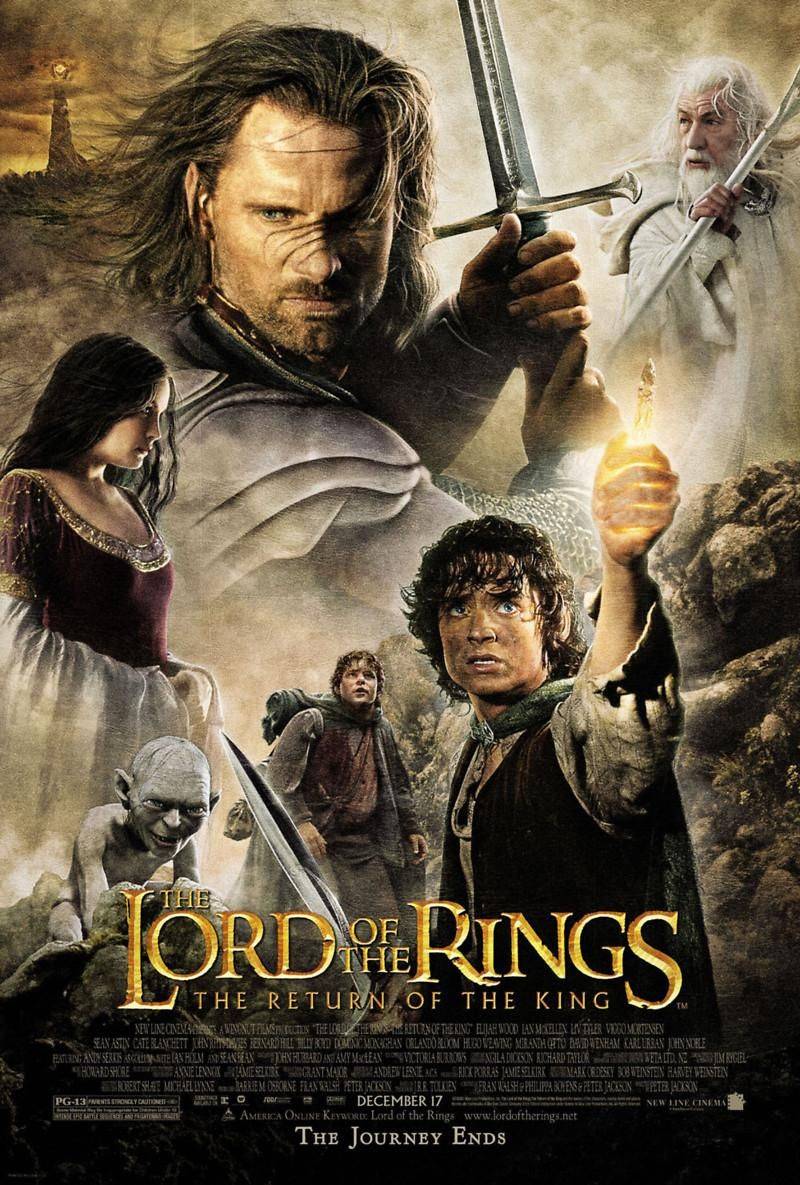
Peter Jackson’s The Return of the King doesn’t just end — it says goodbye slowly, carefully, and with enormous emotional generosity.
After the destruction of the One Ring, the film takes its time honoring every character who survived the journey, giving audiences a series of small, tender farewells.
Frodo’s departure from the Grey Havens is heartbreaking in the most earned way possible.
He’s seen too much, carried too heavy a burden, and Middle-earth can no longer fully hold him.
Sam watching the ship disappear, then turning home to his family, is quietly perfect.
Some critics mocked the multiple endings, but they misunderstood the point.
This story was about friendship and sacrifice — and it deserved every single moment of the goodbye it gave.
Few epics have ever closed with this much warmth and grace.