 MomSkoop
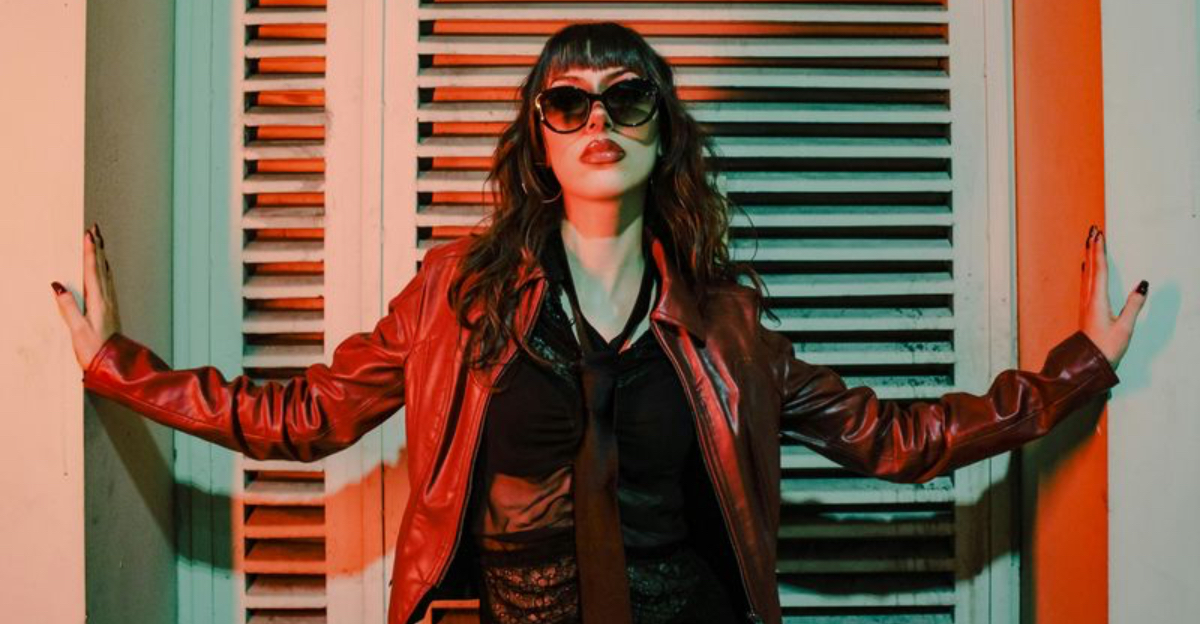
Not every trend that looks expensive actually is — and not every pricey piece looks the part either. Some fashion choices have a sneaky way of reading “budget” even when they cost a fortune.
Knowing which trends fall into this trap can save you from some serious style regrets. Whether you’re building a wardrobe on a budget or splurging on designer pieces, these are the trends worth approaching with extra care.
1. Overly Shiny Faux Fur
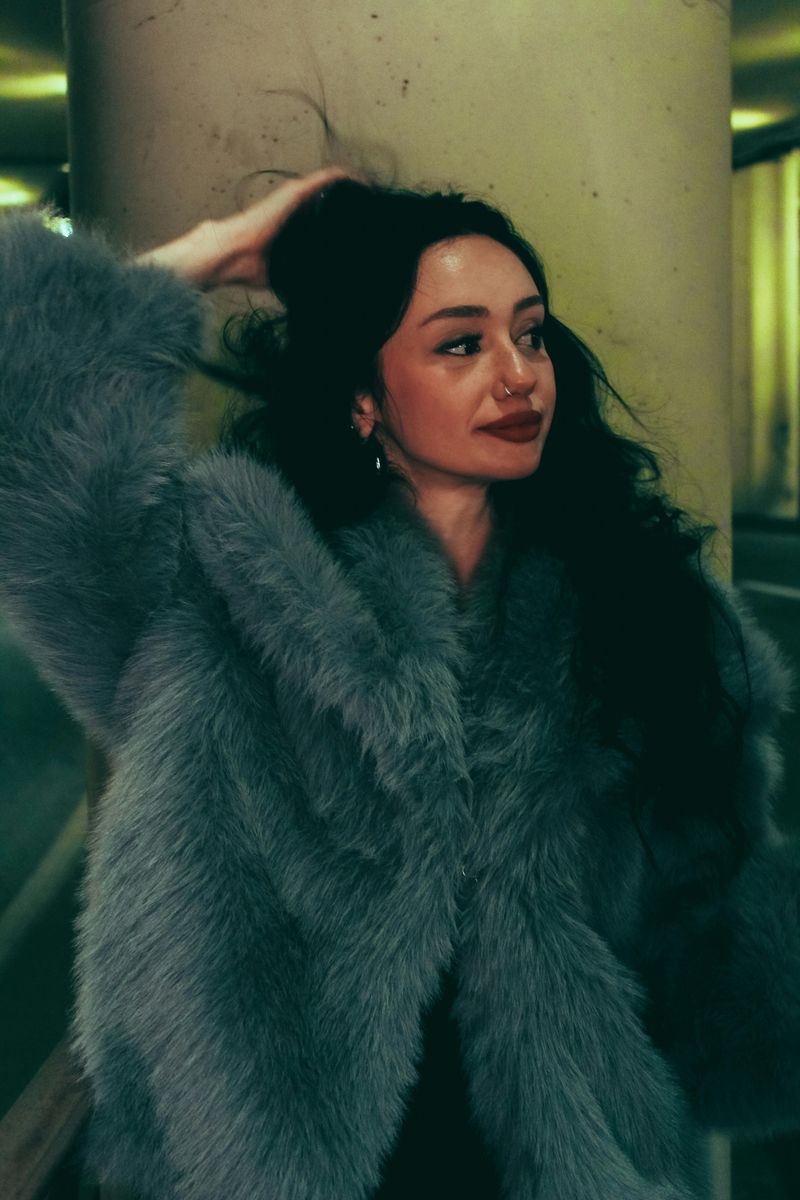
There’s something about faux fur that promises glamour but can quickly deliver the opposite.
When the fibers are long, stiff, and coated in an almost plastic-like sheen, the result looks more Halloween costume than high fashion.
Over time, that glossy synthetic texture gets scruffier and more matted, making even a brand-new piece look worn out fast.
Real-looking faux fur has a softer, more muted finish with shorter, denser fibers.
If you love the look, seek out brands that invest in texture and drape.
A matte, plush faux fur reads luxe — the shiny version rarely does, no matter the price tag.
2. Cheap-Looking Satin

Satin is having a serious comeback, and honestly, it deserves the attention — when done right.
The problem kicks in when the fabric is thin, clingy, and so shiny it practically glows under fluorescent lights.
That kind of satin wrinkles the moment you sit down and clings to every curve in an unflattering way.
It’s one of those fabrics where quality makes an enormous difference between elegant and awkward.
Higher-quality satin has a heavier weight and a more subtle sheen.
If you’re shopping on a budget, look for structured satin blouses rather than flowy dresses — they tend to hold their shape and look far more polished.
3. Poorly Styled Monochrome Outfits
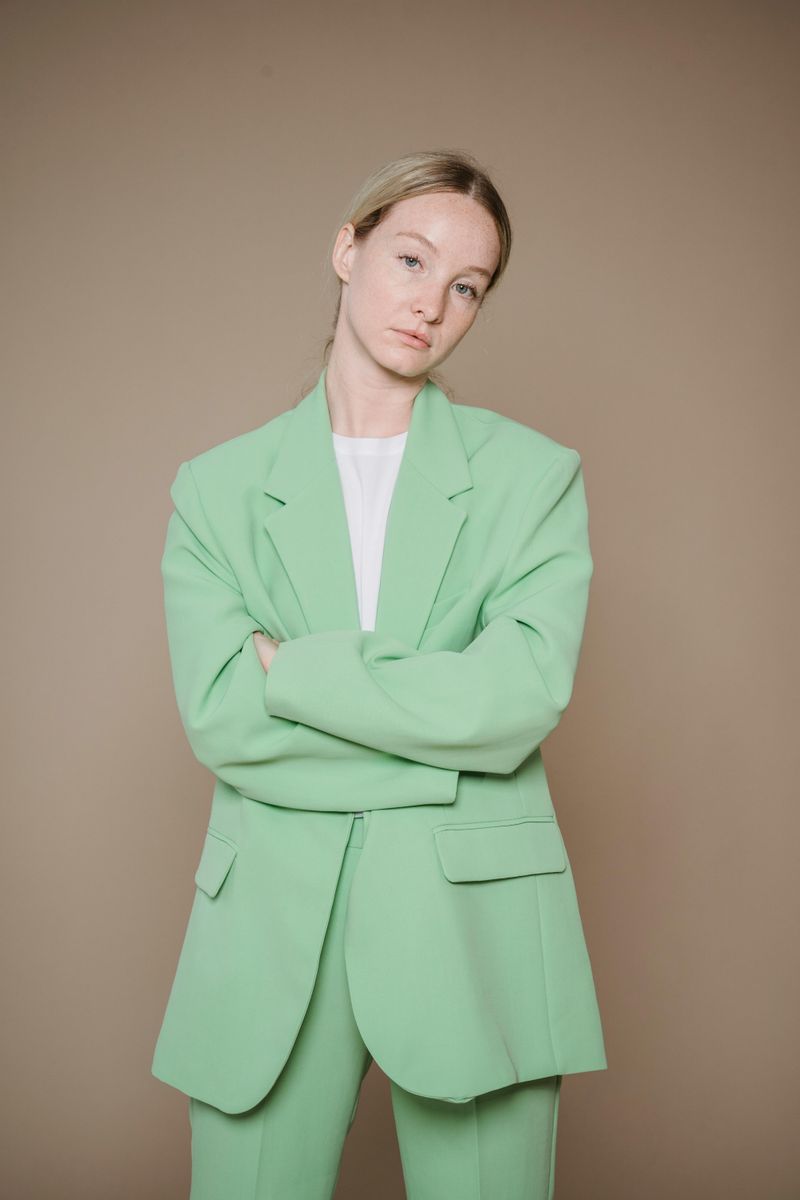
Monochrome dressing is one of fashion’s most powerful tricks for looking put-together and expensive.
But pull it off incorrectly, and the whole outfit falls apart fast.
The biggest mistake people make is wearing pieces that are almost the same color but not quite — like a navy blazer with a royal blue skirt.
Those near-misses look accidental rather than intentional.
Mixing fabrics that don’t complement each other adds another layer of chaos.
For a clean monochrome look, stick to the exact same shade or choose tones that are clearly different enough to read as intentional contrast.
Fabric texture is your best tool here — mix matte and sheen thoughtfully.
4. Excessive Costume Jewelry
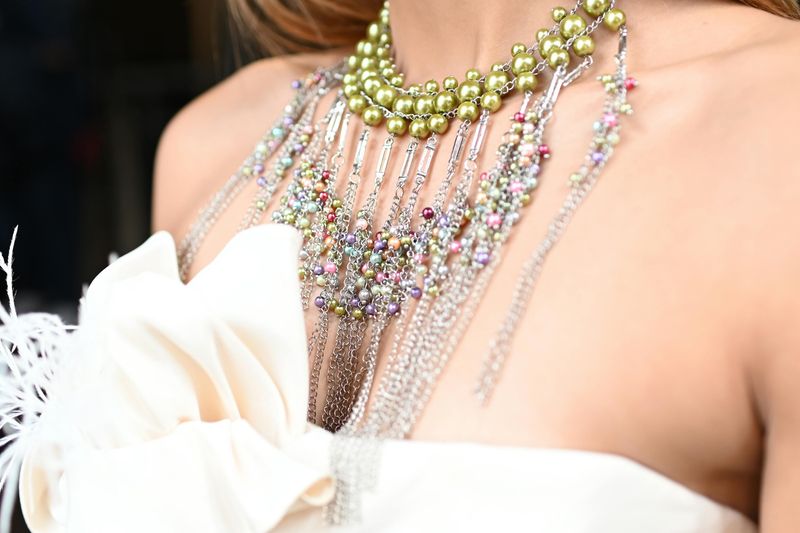
Accessories can elevate an outfit or completely derail it — and the line between the two is thinner than most people think.
Piling on multiple low-quality pieces at once sends a loud “more is more” message that usually backfires.
Cheap metals tarnish quickly, plastic stones catch light in unflattering ways, and when everything is competing for attention, nothing stands out gracefully.
Stylists have been saying it for years: restraint is a form of luxury.
Pick one or two statement pieces and let them breathe.
A single well-chosen necklace or a pair of bold earrings will always read more sophisticated than a full set of discount accessories worn all at once.
5. Super Distressed or Over-Ripped Denim
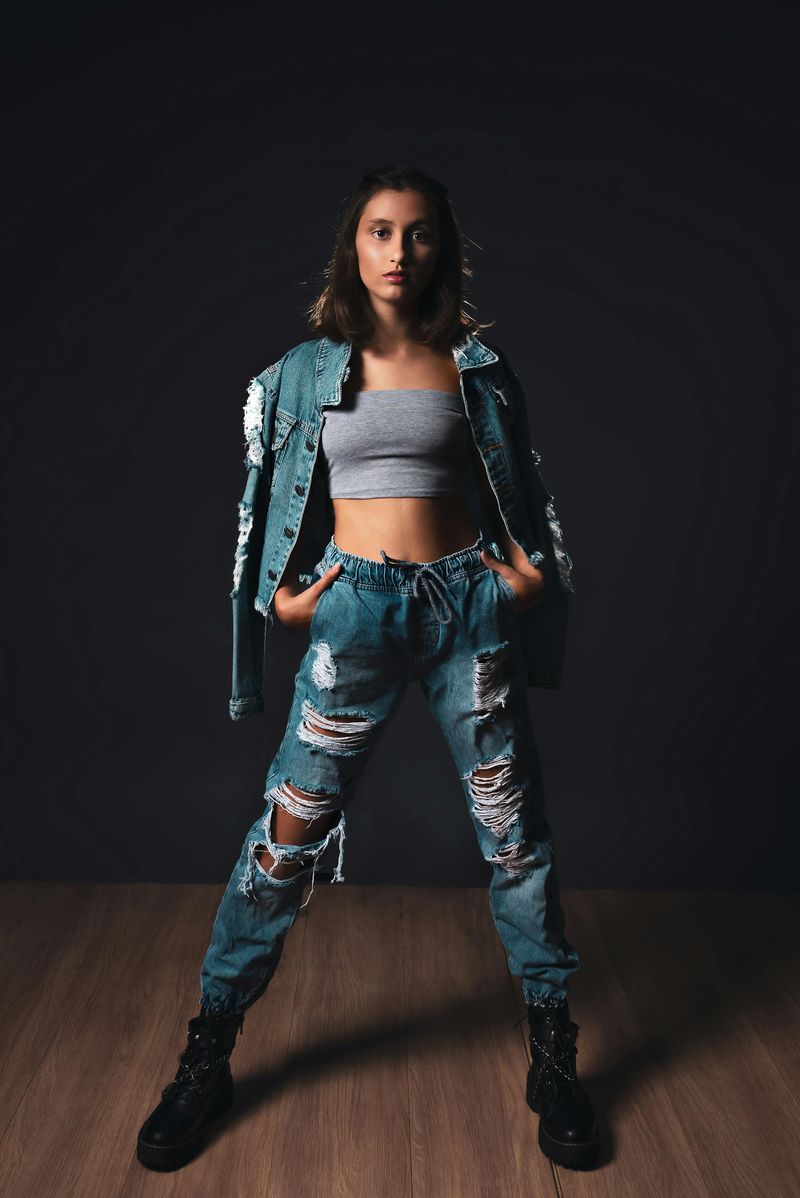
Ripped jeans have been a staple for decades, but there’s a big difference between a cool, lived-in tear and denim that looks like it lost a fight with a lawn mower.
Heavily distressed jeans — the kind with massive knee holes, frayed thighs, and shredded hems — can veer into sloppy territory quickly.
The cleaner, more minimal distressing inspired by 90s denim is having a major moment right now, and it reads far more intentional and stylish.
If distressed denim is your thing, aim for one or two subtle details rather than all-over destruction.
The less chaotic the damage, the more deliberate and fashion-forward the final look.
6. Ill-Fitting Crop Tops
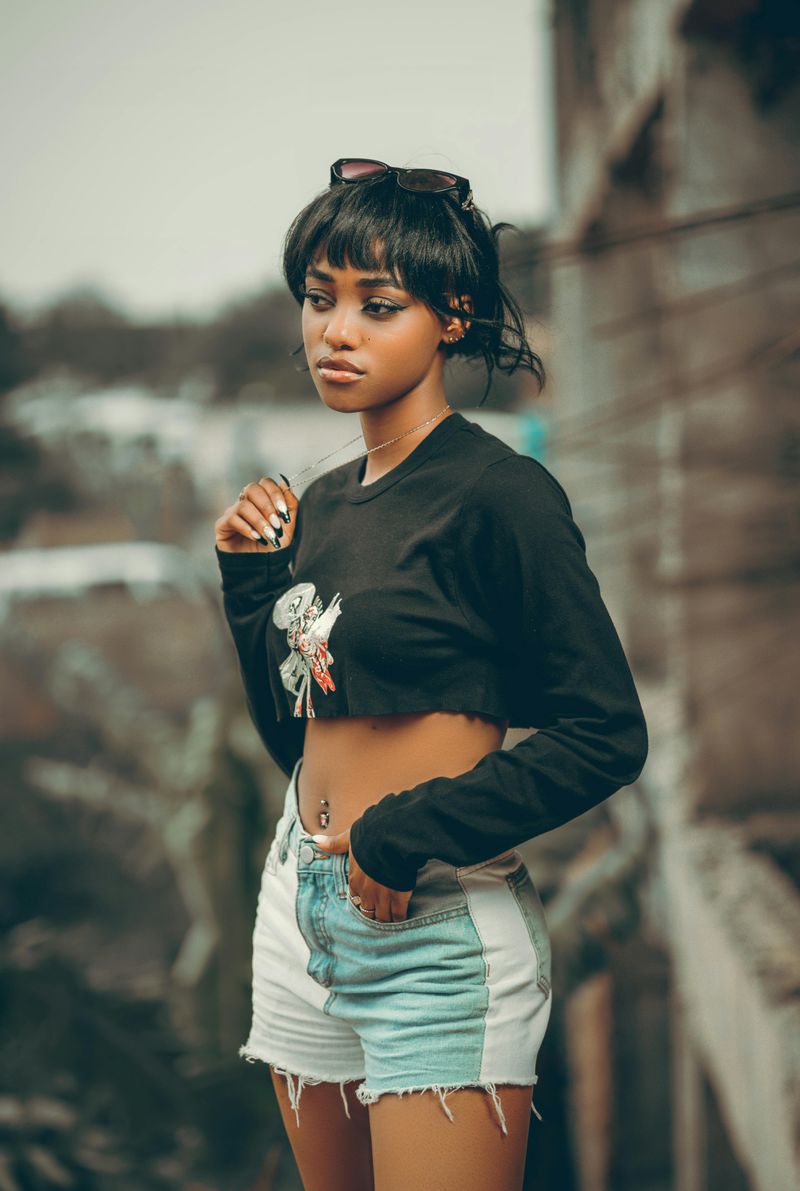
Crop tops are not going anywhere — and they shouldn’t.
But the difference between a crop top that looks chic and one that looks like an afterthought often comes down to a few centimeters of fabric and how the rest of the outfit is balanced.
When the proportions are off — too short, too tight, or paired with bottoms that sit at the wrong rise — the whole look can feel haphazard.
High-waisted bottoms are a crop top’s best friend because they close the gap and create a cleaner silhouette.
Getting the fit right matters more than the price of the piece itself.
A well-proportioned crop top in a basic fabric will always outshine an expensive one worn incorrectly.
7. Thin, Clingy Knitwear
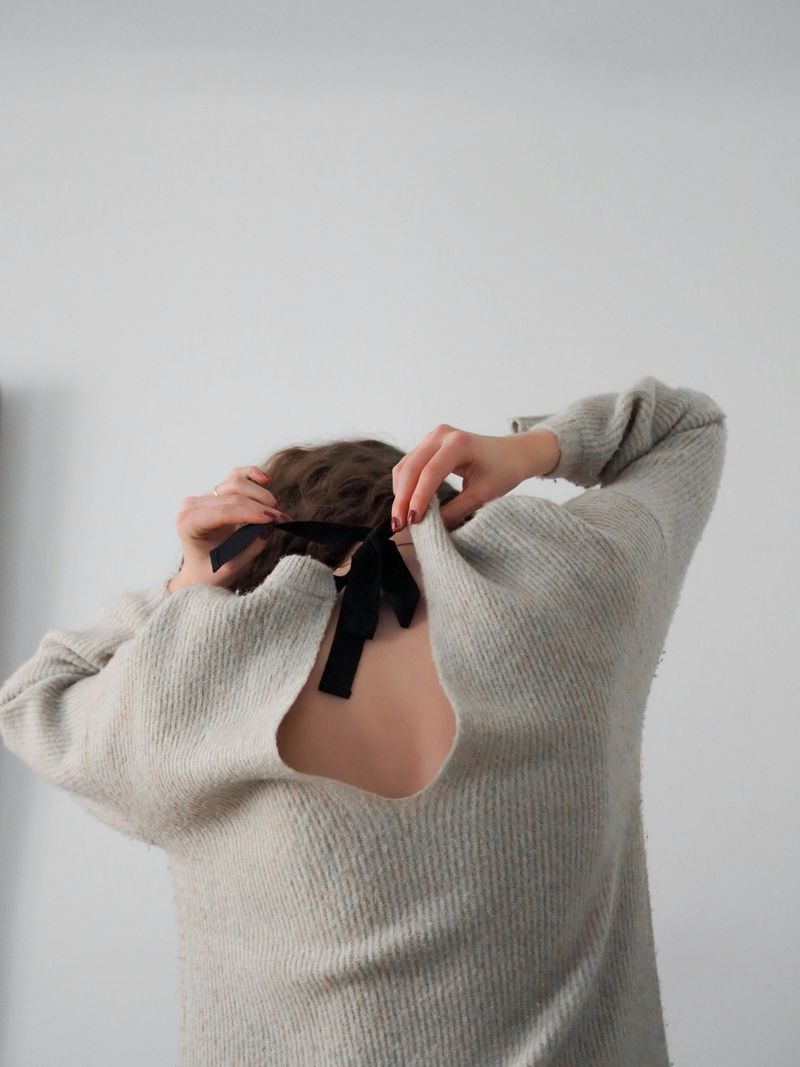
Knitwear season brings out some of the coziest — and unfortunately, some of the cheapest-looking — pieces in most wardrobes.
Thin, shiny synthetic knits have a way of clinging in the wrong places and pilling after just a few wears.
Chenille in particular can look gorgeous in photos but feel and look flimsy in person when the quality isn’t there.
The sheen from synthetic fibers mimics the look of worn-out fabric rather than intentional texture.
Wool, cashmere blends, or even high-quality cotton knits have a structure and weight that read expensive because they hold their shape.
When shopping for knitwear, always check the fabric content label first — it tells you everything.
8. Overly Trendy Micro-Trend Pieces
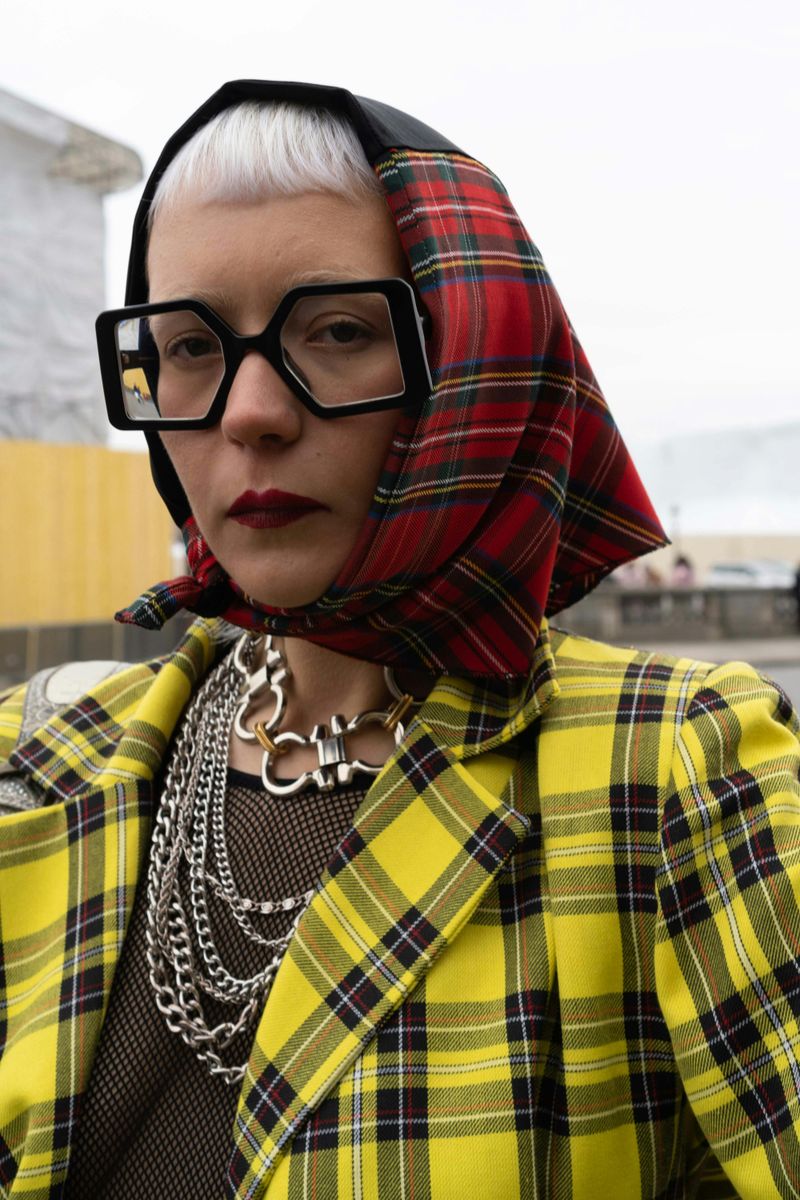
Every few weeks, a new micro-trend explodes on social media and suddenly everyone has to have it.
The problem with chasing these hyper-specific trends is that the pieces are usually mass-produced at lightning speed, with little attention to material or construction.
By the time the trend fades — and it always fades — the item looks dated AND cheap, which is a tough combination to recover from.
Fashion is steadily moving toward a more intentional, curated approach to personal style.
Investing in pieces with staying power almost always beats grabbing the trend of the week.
If a micro-trend genuinely excites you, try finding a version of it in a classic silhouette so it has a longer lifespan.
9. Incorrectly Styled Tracksuit Pants
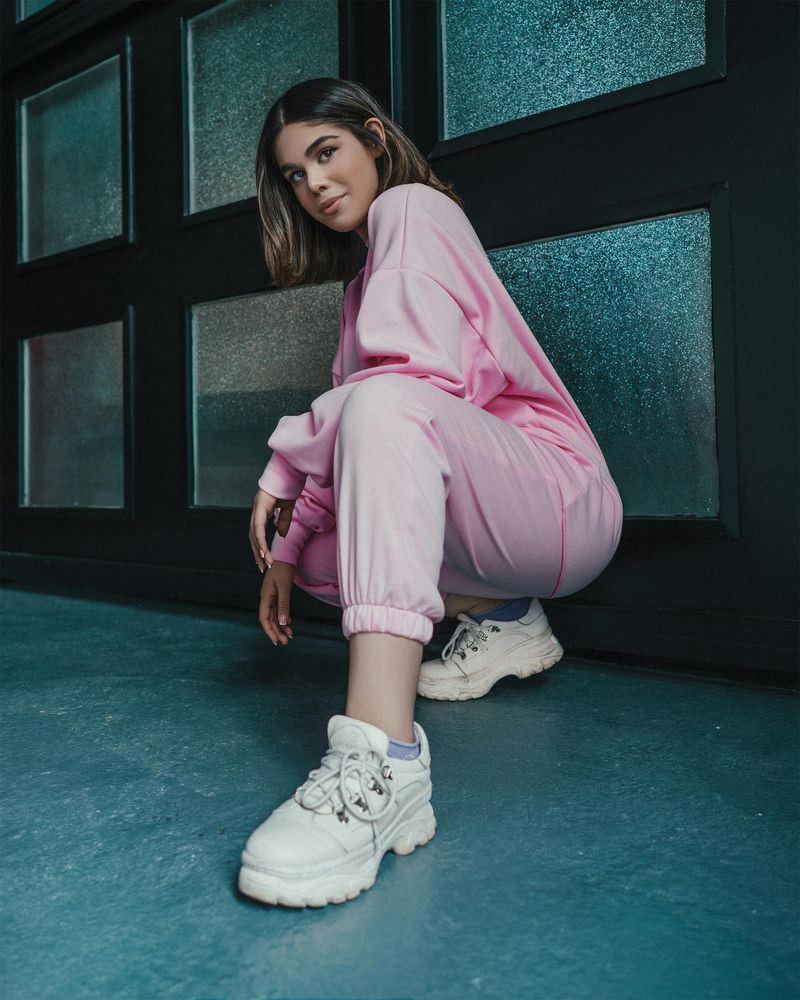
Athleisure has proven it can be genuinely stylish — but not all athletic pieces are created equal.
Basic tracksuit bottoms, especially the thin nylon kind with elastic ankles and a drawstring waist, have a very specific energy that screams “I just came from the gym” rather than “I planned this outfit.”
The key to making athletic bottoms work outside the gym is pairing them with structured or elevated pieces.
A tailored blazer, a fitted turtleneck, or even a smart pair of sneakers can shift the whole vibe.
Without that intentional contrast, tracksuit pants tend to drag the entire outfit down.
Styling is everything with this one — the pants themselves are rarely the problem.
10. Worn-Out or Flimsy Accessories
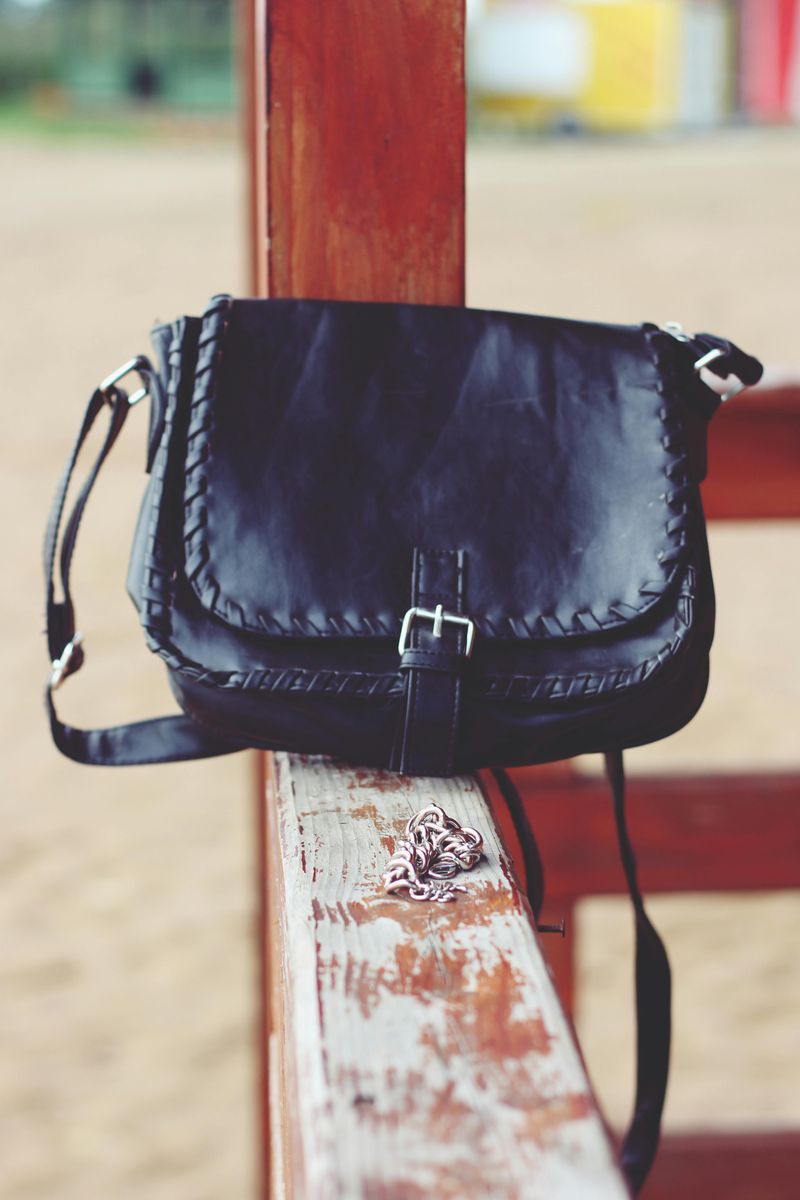
A single worn-out accessory can quietly undo an otherwise well-thought-out outfit.
Peeling faux leather bags, cracked belts, broken umbrella frames, and scratched hardware all send the same message: this wasn’t looked after.
Accessories take a lot of daily wear and tear, so it makes sense that they show age faster than clothing.
The issue is when people hold onto pieces long past their prime because replacing them feels unnecessary.
Quality over quantity is the smarter move here.
A small collection of well-maintained accessories — even affordable ones in good condition — will always look more polished than a drawer full of damaged pieces.
Regular care and timely replacements go a long way.
11. Outdated Bulky Shoe Trends
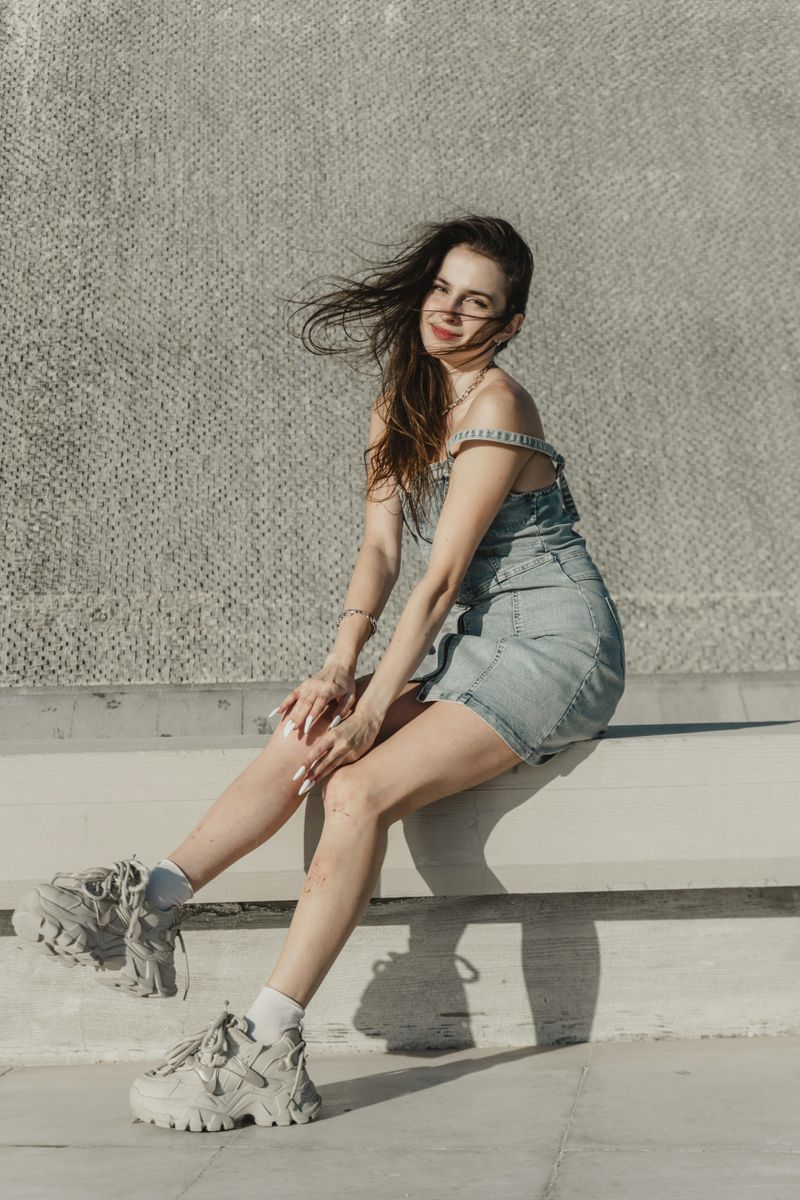
Chunky shoes have had their moment — a long one, actually — but there’s a fine line between a bold platform and a shoe that just looks heavy and awkward.
Some versions of the chunky loafer and certain thick-soled sandals have started to feel more dated than daring.
When a shoe trend has been overdone, wearing it without a fresh spin can make an entire outfit feel behind the times.
Proportion matters enormously with footwear — a shoe that doesn’t balance the rest of the silhouette can throw everything off.
The trick is to approach bold footwear with intention.
Pair statement shoes with streamlined clothing so the shoe is the focal point, not a distraction from it.
12. Poor-Quality Dupes and Knockoff-Looking Items
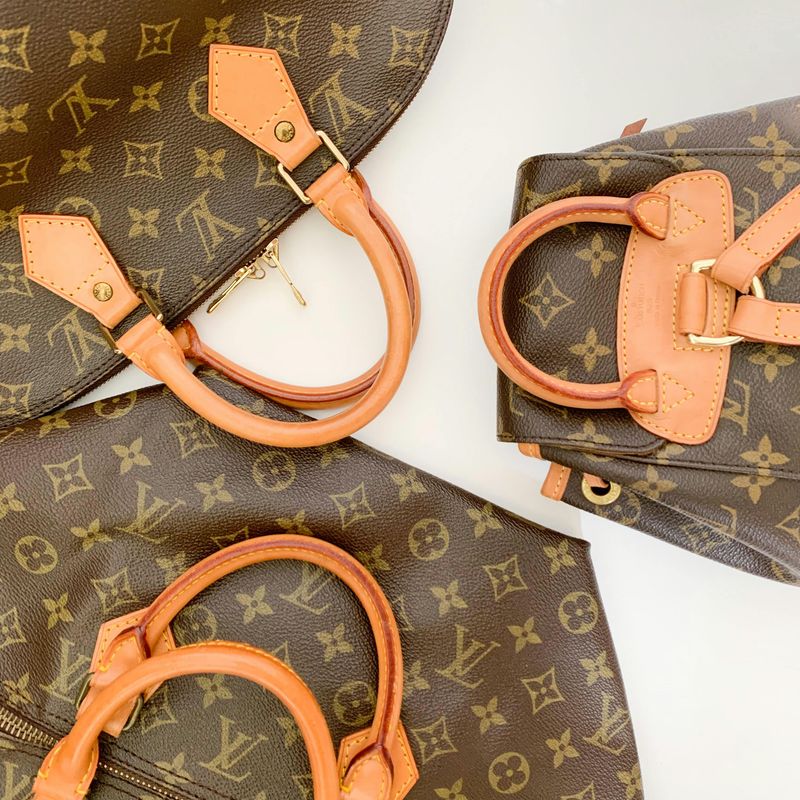
Dupe culture is everywhere right now, and finding a great lookalike at a fraction of the price genuinely feels like a win.
The catch?
A badly executed dupe often announces itself loudly — through crooked stitching, wrong proportions, or materials that don’t quite match the original’s finish.
When the details are off, the item doesn’t just look cheap — it can actually draw more attention than the real thing would, just for all the wrong reasons.
If you love a particular designer aesthetic, look for brands that are inspired by the look rather than copying it directly.
Original takes on a trend almost always land better than a knockoff that falls short of what it’s trying to be.