 MomSkoop
Some movies stop you cold with a single frame — not because of the story or the actors, but because of how the image itself looks. Cinematography is the art of capturing light, shadow, movement, and color to create a feeling that words alone never could.
The films on this list pushed that art to its absolute limits. From vast desert landscapes to pitch-black rooms lit by a single candle, these 15 movies changed the way we see cinema forever.
1. Lawrence of Arabia (1962)
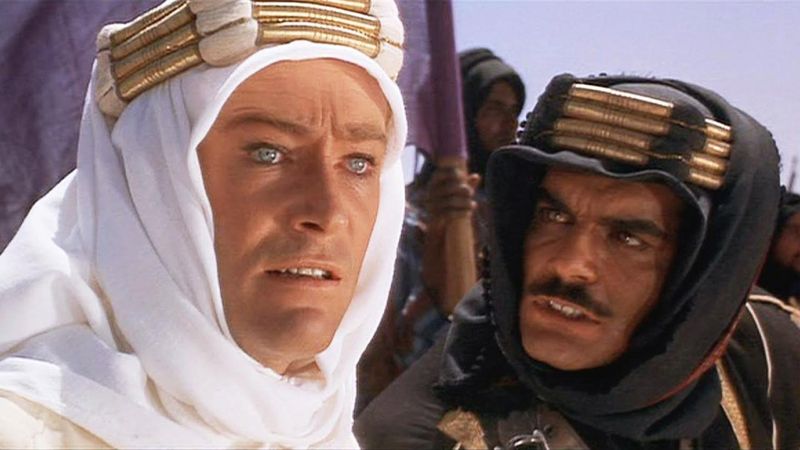
Few films have made the desert feel as alive — and as terrifying — as Lawrence of Arabia.
Freddie Young’s camera treats the Sahara not as a backdrop but as a living, breathing character.
The shimmering heat waves, endless sand dunes, and blinding sunlight were captured with breathtaking precision using 70mm film.
Young won the Academy Award for Best Cinematography for this film, and it’s easy to see why.
The famous shot of a matchstick being extinguished and cutting directly to a blazing desert sunrise remains one of the most celebrated edits in film history.
Every frame feels painted by sunlight itself.
2. 2001: A Space Odyssey (1968)
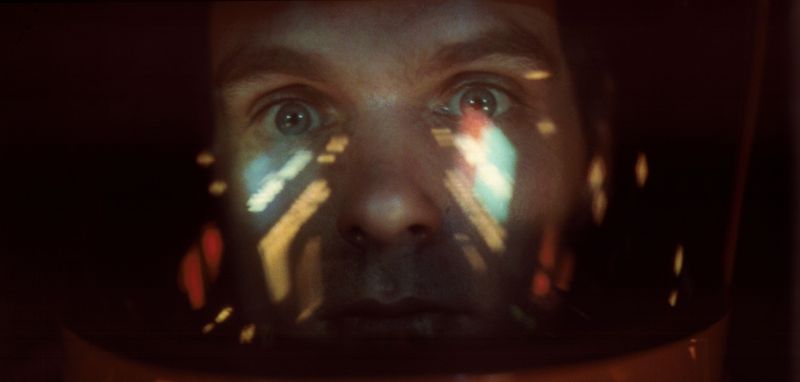
Stanley Kubrick once said he wanted 2001 to feel like a genuine space documentary.
Geoffrey Unsworth made that possible.
Working alongside Kubrick, he helped create visual effects and camera techniques that were so advanced for 1968 that NASA reportedly used stills from the film in presentations.
The film’s slow, deliberate pacing mirrors the silence of space itself.
Shots of spacecraft drifting against star fields feel more real than most modern CGI.
The bone-to-spaceship cut remains one of cinema’s greatest visual leaps across time.
Unsworth’s work here proved that science fiction could be genuinely beautiful, not just exciting.
3. The Godfather (1972)
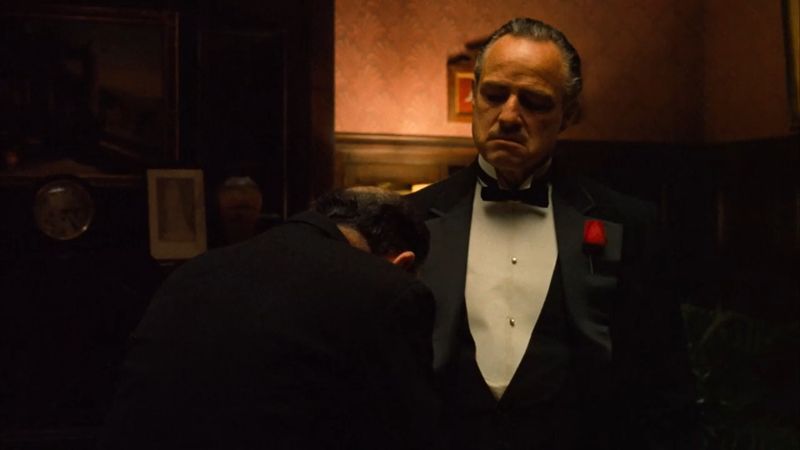
Gordon Willis earned the nickname “The Prince of Darkness” for a reason.
His work on The Godfather was so bold — so deliberately underexposed and shadow-heavy — that studio executives initially panicked.
Characters’ eyes are often completely hidden in shadow, which should feel wrong but instead feels absolutely right.
Willis used lighting to communicate power, secrecy, and moral corruption in a way dialogue never could.
The opening scene, where Don Corleone sits in near-total darkness while granting favors, sets the tone for the entire trilogy.
At a time when bright, clear images were the standard, Willis broke every rule — and created something timeless.
4. Days of Heaven (1978)
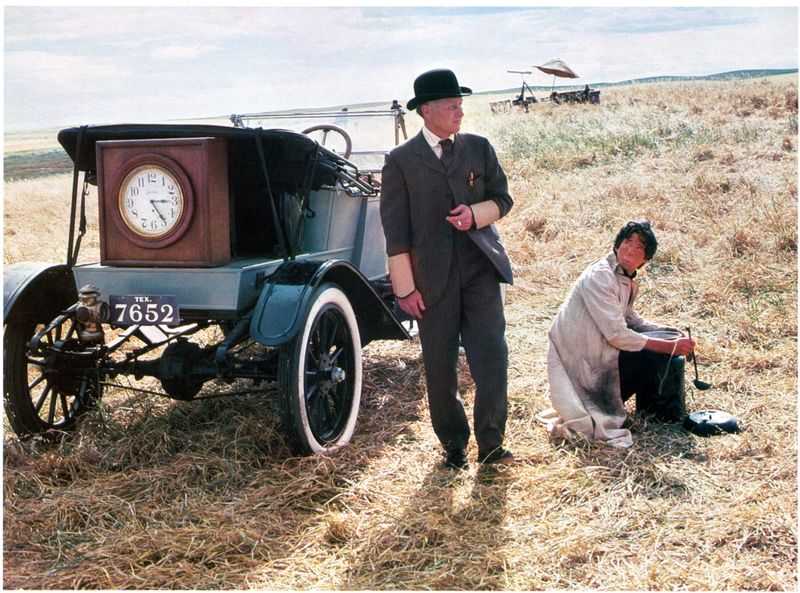
Terrence Malick told his cinematographer Néstor Almendros to shoot almost exclusively during “magic hour” — the brief window of golden light just after sunset.
The result is a film that looks like a series of moving paintings, warm and glowing and impossibly beautiful.
Almendros had only about 20 to 30 minutes of usable light each day, which made the shoot grueling but the results extraordinary.
Days of Heaven won the Academy Award for Best Cinematography, and it’s often listed among the most visually stunning films ever made.
The wheat fields, the grasshoppers, the firelit nights — every image carries an almost aching beauty that feels rare in cinema.
5. Apocalypse Now (1979)
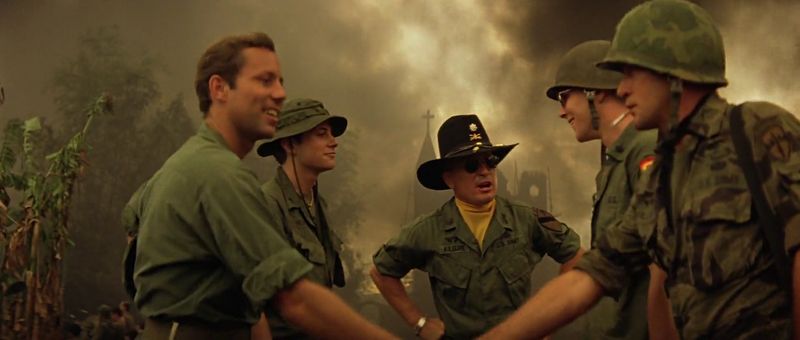
Vittorio Storaro approached Apocalypse Now not just as a job but as a philosophical statement.
He used color as a language — warm oranges and reds representing chaos and violence, cool blues standing in for order and reason.
As the film descends deeper into madness, the colors shift accordingly.
Storaro won the Oscar for Best Cinematography for this film, calling it a meditation on the conflict between light and darkness in the human soul.
The napalm sunrise sequence, bathed in apocalyptic orange glow, remains one of cinema’s most iconic images.
His work here transformed a war film into a visual poem about humanity’s darkest impulses.
6. Blade Runner (1982)
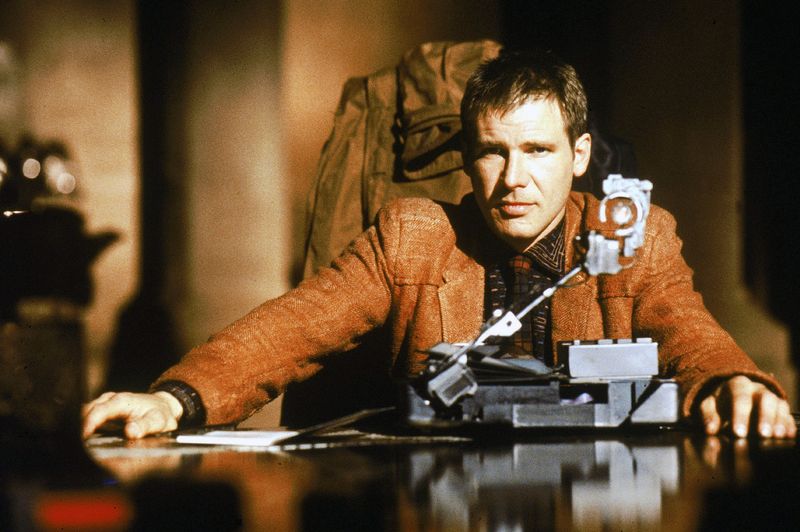
Rain-slicked streets, neon reflections, perpetual darkness — Blade Runner’s Los Angeles 2019 feels like a city that has never seen the sun.
Jordan Cronenweth built this world using layers of smoke, backlit rain, and carefully placed neon sources that turned every frame into a brooding, gorgeous nightmare.
Cronenweth drew heavily from film noir traditions, but pushed them into something entirely new.
The film’s visual language has influenced virtually every science fiction movie and TV show made since.
Ridley Scott and Cronenweth wanted the future to feel lived-in and decayed, not clean and shiny.
They succeeded so completely that Blade Runner still looks more convincing than many modern films set in imagined futures.
7. Raging Bull (1980)
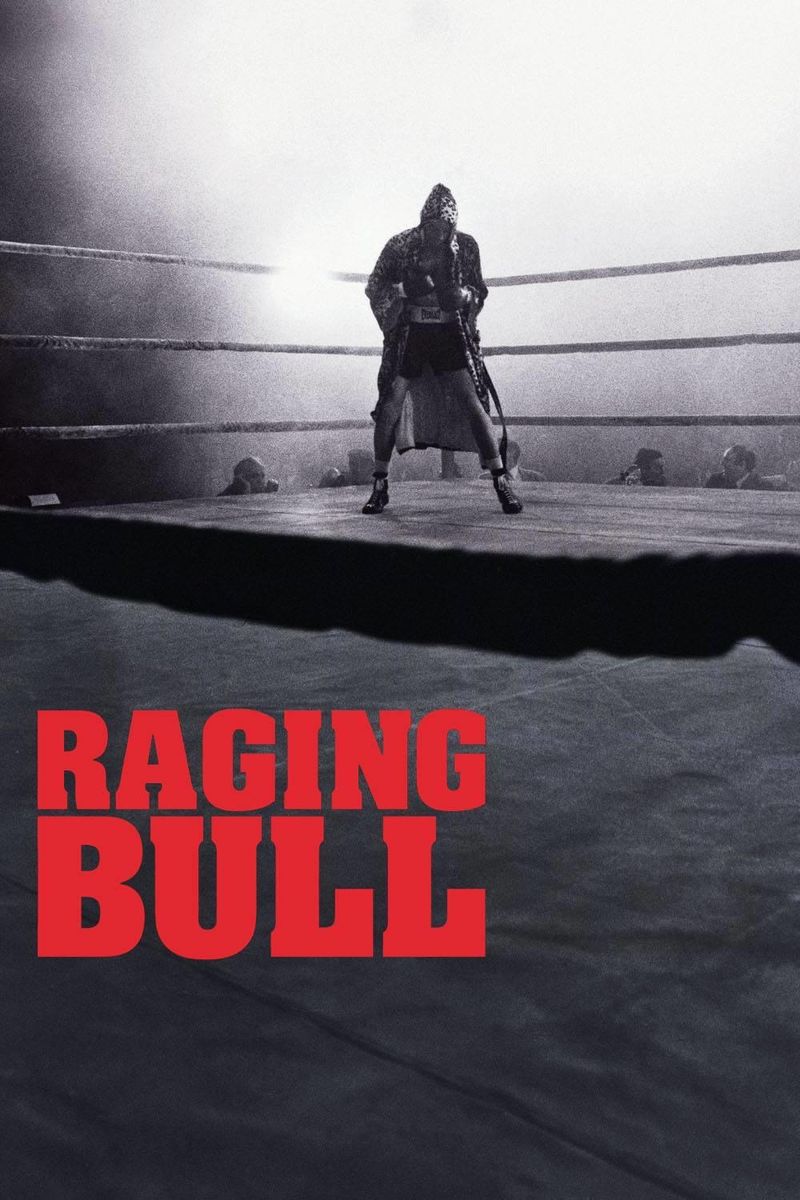
Martin Scorsese made the controversial decision to shoot Raging Bull in black and white at a time when color film was the norm.
Michael Chapman turned that choice into pure visual poetry.
The boxing sequences feel unlike anything else in cinema — blood, sweat, and water droplets hang in the air like slow-motion art.
Chapman used a variety of lenses and shooting speeds to make each fight feel different from the last.
Some sequences feel dreamlike; others feel brutally real.
The contrast between the harsh ring lighting and the quieter domestic scenes gives the film a visual rhythm that mirrors Jake LaMotta’s own unstable psychology.
Black and white, it turns out, was the only right choice.
8. Barry Lyndon (1975)
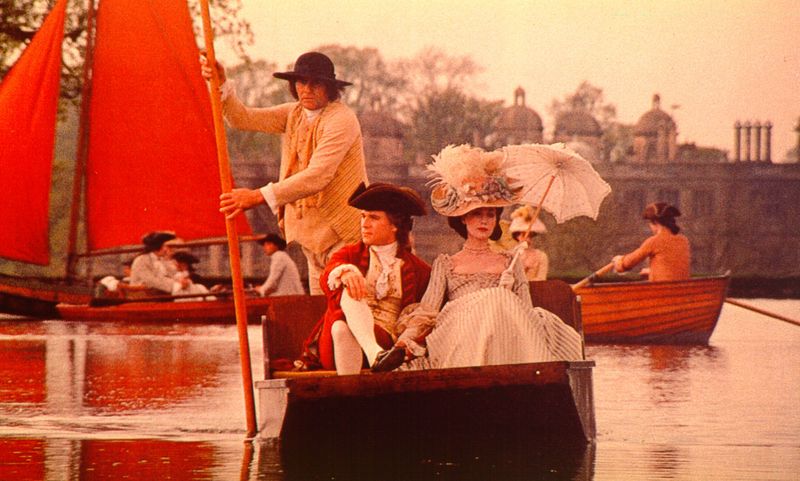
Stanley Kubrick was obsessed with authenticity.
For Barry Lyndon, he wanted to shoot interior scenes using only candlelight — real candlelight, with no artificial lighting added.
The problem?
No camera lens at the time was sensitive enough to capture it.
So Kubrick obtained a special NASA-designed lens, and the results are staggering.
John Alcott’s work on this film looks less like a movie and more like a series of Rembrandt paintings brought to life.
The warm, flickering candlelight gives every interior scene an intimacy and realism that is genuinely unlike anything else in cinema history.
Barry Lyndon won the Oscar for Best Cinematography, and it remains a benchmark for period filmmaking.
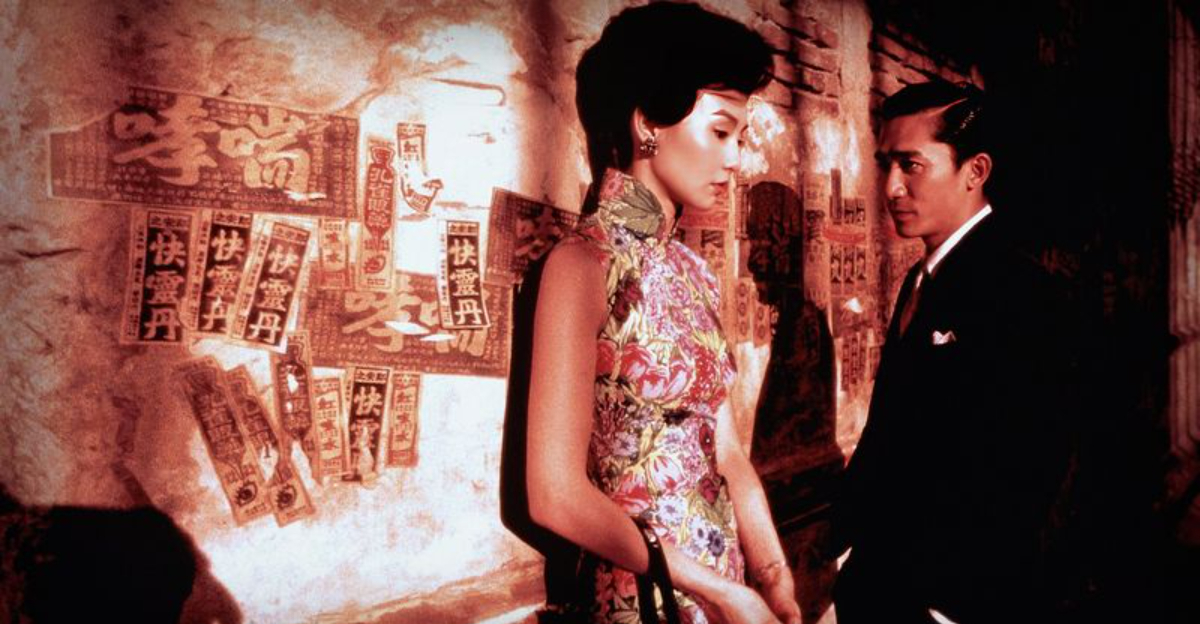
9. In the Mood for Love (2000)
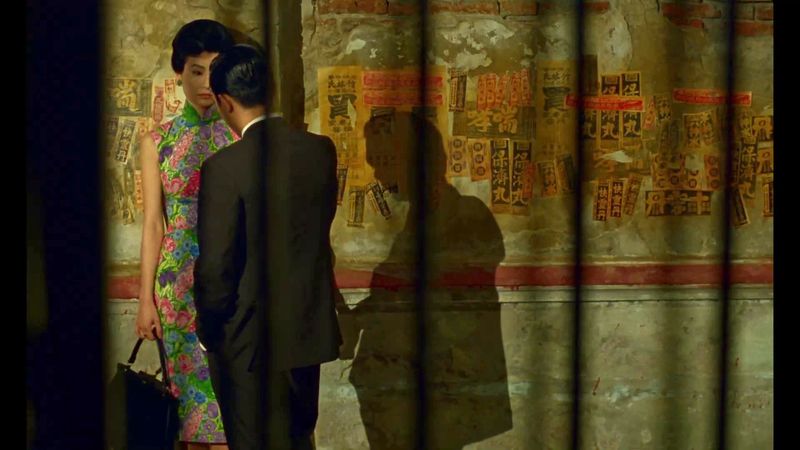
Wong Kar-wai’s masterpiece about unspoken longing is one of the most sensory films ever made.
Christopher Doyle and Mark Lee Ping-bing used slow-motion photography, tight framings, and saturated warm tones to make every glance, every brush of fabric, feel unbearably loaded with emotion.
The narrow corridors, the repeated staircase scenes, the flicker of neon through rain — every visual choice reinforces the feeling of desire that cannot be acted upon.
Maggie Cheung’s qipao dresses shift color across scenes, almost like a visual diary of her emotional state.
This is a film where the camera doesn’t just observe the story — it feels the story alongside the characters.
10. The Tree of Life (2011)
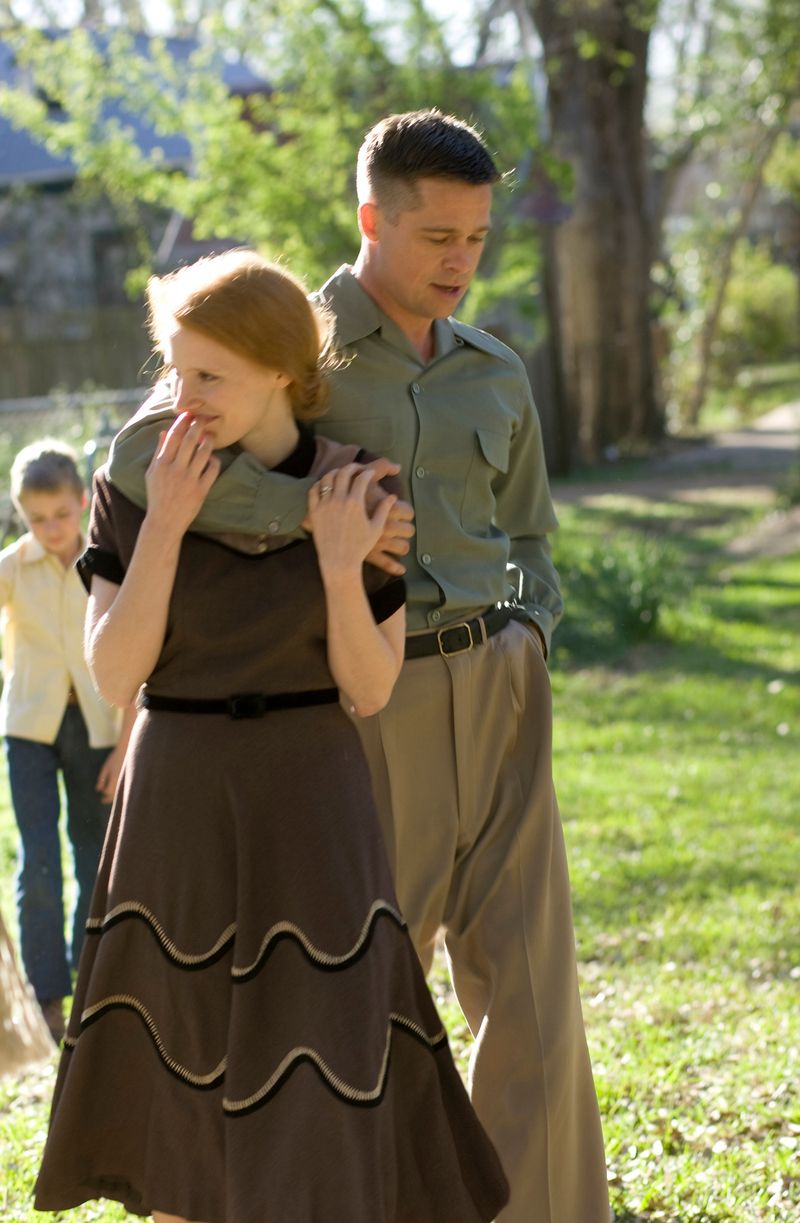
Emmanuel Lubezki — known as “Chivo” — is arguably the greatest living cinematographer, and The Tree of Life may be his most ambitious work.
Terrence Malick wanted the film to feel like memory itself: fragmented, luminous, and deeply emotional.
Lubezki used handheld cameras, natural light, and wide-angle lenses to achieve exactly that.
The camera often moves freely through spaces, catching moments rather than staging them.
Scenes from a 1950s Texas childhood feel achingly real — sunlit lawns, screen doors, whispered prayers.
Then the film explodes into a sequence depicting the birth of the universe.
Lubezki makes both feel equally intimate.
The Tree of Life won the Palme d’Or at Cannes, in part because of its extraordinary visual language.
11. Children of Men (2006)
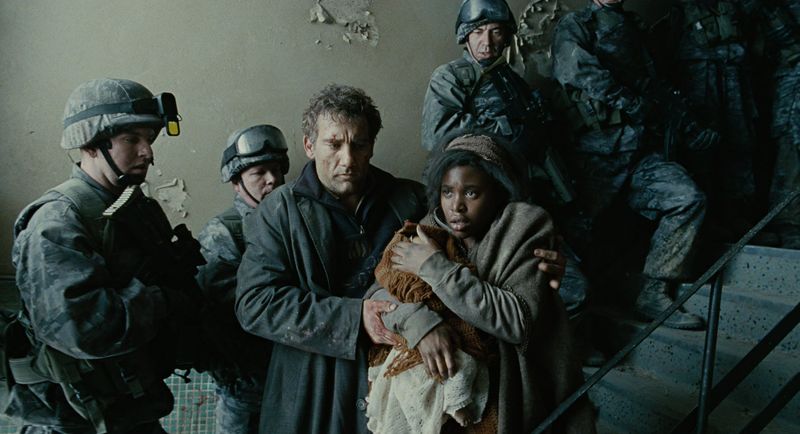
Children of Men contains some of the most technically jaw-dropping camerawork in modern cinema.
Lubezki and director Alfonso Cuaron pulled off several extended single-take sequences — including a car ambush and a battle through a crumbling apartment building — that left audiences genuinely breathless.
The camera weaves through chaos like a documentary crew caught in a war zone, and that’s entirely by design.
Lubezki smeared blood and debris directly onto the camera lens during the battle sequence, which adds a raw, visceral immediacy that no post-production effect could replicate.
In a film about the collapse of civilization, the camerawork feels like civilization collapsing in real time around you.
12. The Revenant (2015)
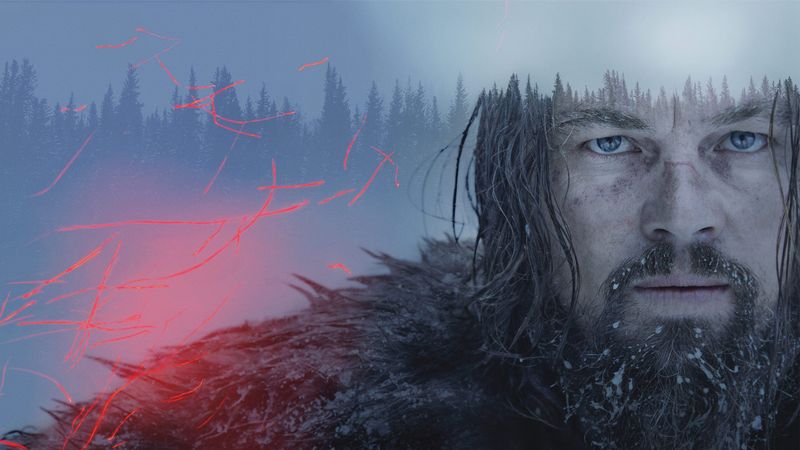
Three Oscars for Best Cinematography.
That’s what Emmanuel Lubezki has won, and The Revenant was his third.
The entire film was shot using only natural light — no artificial sources, no reflectors, no studio tricks.
Just whatever light existed in the Alberta wilderness and Patagonia at any given moment.
That decision created enormous production challenges.
Crews would sometimes wait hours for the right light, and shooting windows were brutally short.
But the results speak for themselves.
The cold, steel-blue wilderness feels genuinely hostile and alive.
The bear attack sequence, shot with a wide-angle lens in extreme close-up, is terrifying precisely because it looks so real.
Lubezki made the environment the film’s true antagonist.
13. Roma (2018)
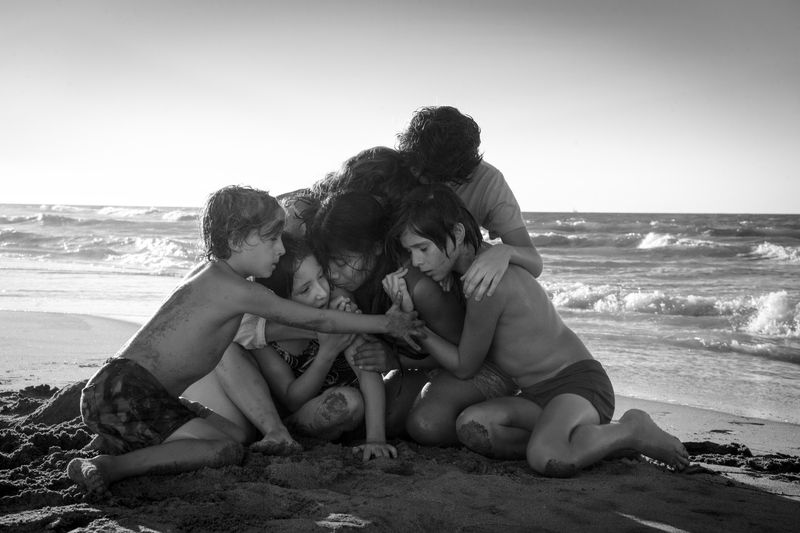
Alfonso Cuaron shot Roma himself — no separate director of photography — and the results are among the most personal and precise images in recent cinema.
Filmed in black and white, the movie draws from Italian neorealism but adds Cuaron’s own sweeping, slow-pan style that makes even quiet domestic scenes feel monumental.
Every frame is immaculately composed, with the camera moving at a steady, unhurried pace that mirrors the rhythms of daily life in 1970s Mexico City.
A beach sequence near the film’s end — waves crashing, chaos unfolding — is shot with a calm, wide eye that makes it feel both intimate and epic simultaneously.
Roma won three Academy Awards, including Best Cinematography.
14. Citizen Kane (1941)
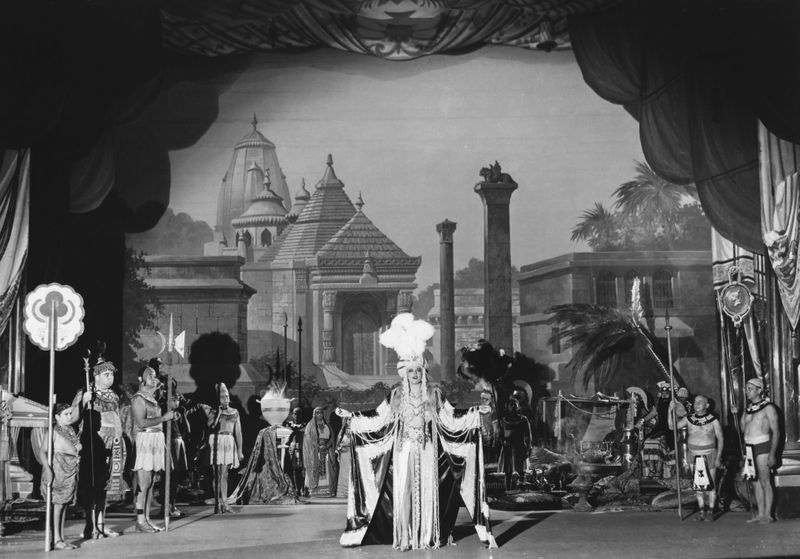
Before Citizen Kane, most films were shot in a fairly standard way — medium shots, close-ups, conventional lighting.
Then Gregg Toland came along and rewrote the rulebook.
His use of deep focus allowed objects both near and far to remain sharp simultaneously, which sounds technical but feels like magic on screen.
Toland also pioneered extreme low-angle shots, high contrast lighting, and unconventional compositions that made Charles Foster Kane feel simultaneously powerful and lonely.
He was so proud of his collaboration with Orson Welles that he insisted his name appear on the same title card as the director — a nearly unheard-of honor for a cinematographer in 1941.
This film is still taught in every serious film school.
15. The Grand Budapest Hotel (2014)
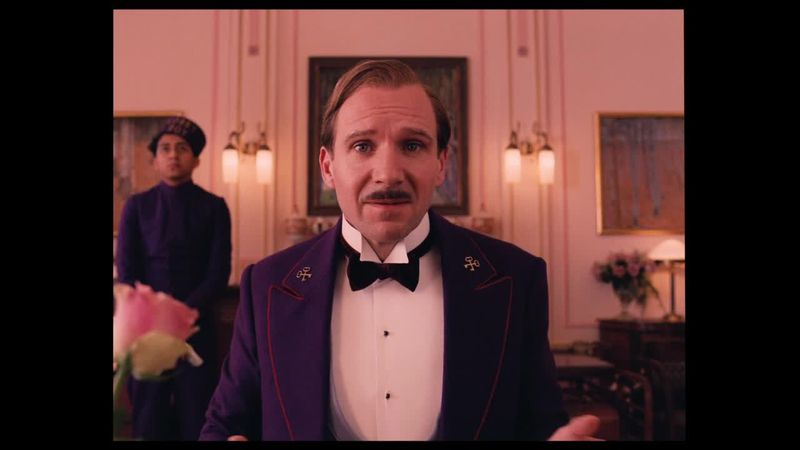
Wes Anderson’s films are unmistakable, and that’s largely because of his long collaboration with cinematographer Robert Yeoman.
The Grand Budapest Hotel is their most visually disciplined work together — every shot is perfectly centered, every color palette is controlled to the point of obsession, every room feels like a meticulously designed dollhouse.
Yeoman even shot different time periods in different aspect ratios, subtly shifting the film’s visual shape as it moves through the decades.
The result is a movie that feels less like cinema and more like a living illustration.
Anderson and Yeoman aren’t interested in realism — they’re building a world of total aesthetic control, and every frame announces that intention with joyful confidence.