 MomSkoop

Aging well is not just about how you look – it shows up in the little things your body and mind can still do with ease. Some daily tasks reveal strength, stamina, balance, memory, and resilience better than any birthday ever could.
If these habits and movements still feel natural to you, there is a good chance you are holding onto the kind of health that really matters. Here are 11 everyday signs that suggest you are aging better than most people.
1. Get Up From a Chair Without Using Your Hands
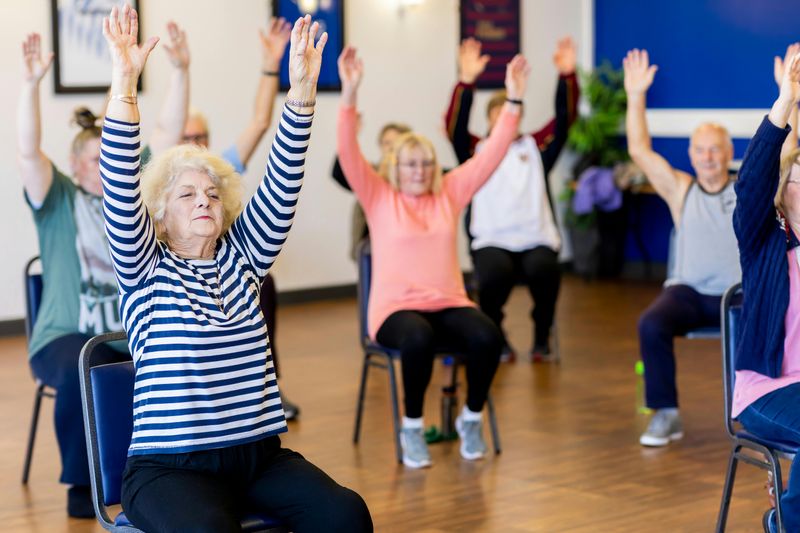
Getting up from a chair without pushing off the armrests is one of those quiet signs your body is still working with you, not against you.
It tells you your legs are strong, your core is awake, and your balance can handle a simple shift in weight.
That matters more than most people realize because this movement shows up in daily life constantly.
If this feels easy, you are likely holding onto functional independence that protects you as the years move on.
If it feels shaky, that is useful feedback, not failure.
Practicing squats, sit-to-stands, and gentle core work can help you keep this ability longer than you might expect.
It also lowers the odds that an awkward moment becomes a dangerous fall.
2. Walk Briskly for 20 to 30 Minutes

Walking briskly for 20 to 30 minutes without feeling wiped out is a strong everyday clue that your heart, lungs, and muscles are aging well.
You do not need marathon-level fitness for this to matter.
A steady, purposeful pace says your endurance is supporting the life you want to live, from errands to travel to spontaneous plans.
It also suggests you can recover from effort instead of feeling drained by it for the rest of the day.
If your pace has slowed, think of that as a nudge to rebuild, not a verdict.
Regular walks, a few hills, and consistent movement can improve stamina surprisingly quickly and help you stay confident on your feet daily.
3. Climb a Flight of Stairs Without Stopping

Climbing a flight of stairs without stopping is one of the clearest real-world tests of heart and lung fitness.
It asks your body to generate power, move oxygen efficiently, and coordinate rhythm under mild stress.
When you can do it comfortably, you are seeing the kind of capacity that often predicts resilience far better than a number on a scale.
Stairs also expose small changes before bigger problems become obvious, which makes them a useful check-in.
If you end up unusually breathless, that is information you can act on.
Walking more often, strengthening your legs, and challenging yourself with gradual incline work can make stairs feel manageable again and keep daily life from shrinking around you.
4. Carry Groceries or Moderately Heavy Items

Carrying groceries, laundry, or a moderately heavy box without straining too much says a lot about how well you are aging.
It points to useful upper-body strength, solid grip, and enough core stability to move weight safely.
These are not gym-only wins – they are the abilities that let you handle your own life with less dependence on other people.
Grip strength in particular is often tied to long-term health, which is why this task matters more than it seems.
If bags feel harder than they used to, small changes can help.
Strength training, farmer carries, and even opening jars, using resistance bands, or taking one extra trip with confidence can rebuild function and make everyday chores feel lighter.
5. Balance on One Leg for 10 Seconds
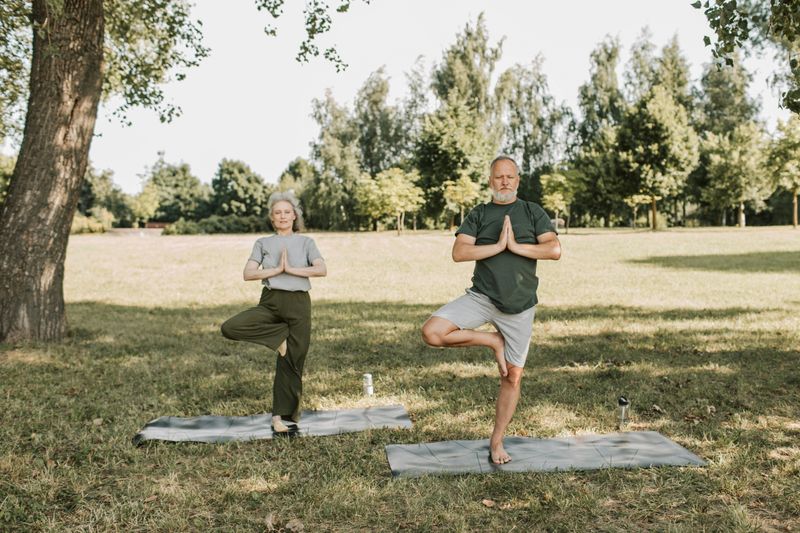
Balancing on one leg for at least 10 seconds may look simple, but it quietly measures coordination, core control, ankle strength, and brain-body communication.
This is one of those tasks that does not ask for brute force.
Instead, it shows whether the systems that keep you upright are still responsive and well connected.
That matters because balance is closely tied to fall risk, confidence, and how freely you move through the world.
If you can hold steady without panic, you are doing better than many people your age.
If not, practicing near a wall, strengthening your hips, and challenging your balance a little each day can improve stability faster than you might think over time.
6. Bend Down and Pick Something Up From the Floor

Bending down to pick something up from the floor without feeling stuck, dizzy, or overly cautious reflects a healthy mix of flexibility, joint mobility, strength, and coordination.
It is a movement that shows up constantly, even if you do not notice it until it gets harder.
Being able to hinge, reach, and stand back up smoothly keeps ordinary life from turning into a series of small obstacles.
This task also reveals how well your hips, knees, back, and balance are working together.
If you can do it without bracing for trouble, your body is giving you a good sign.
Mobility work, gentle stretching, and practicing safe squat or hip-hinge patterns can preserve this skill and reduce frustration during everyday moments.
7. Reach Overhead to Grab Something From a Shelf
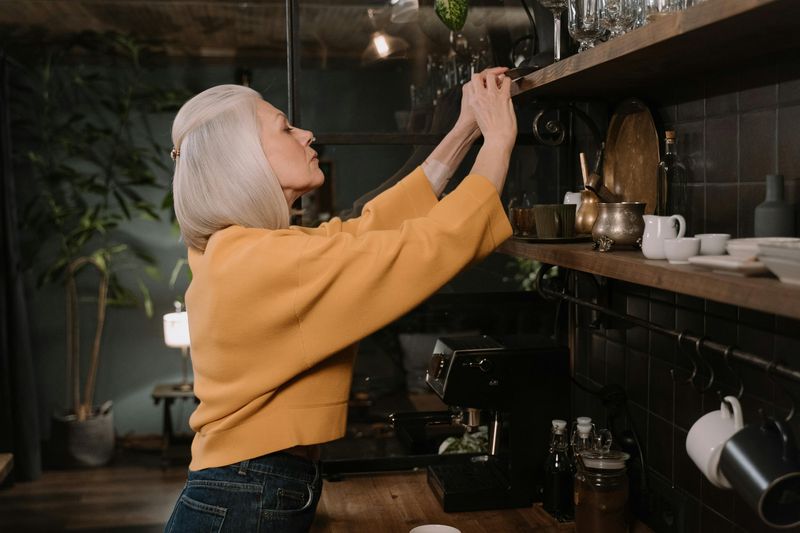
Reaching overhead for a dish, a book, or something on a high shelf is a small movement with big meaning.
It depends on shoulder mobility, upper-back function, core support, and enough confidence to extend without pain.
When this feels easy, you are usually seeing a body that still moves with range, control, and less guarding.
When it feels pinchy or limited, everyday tasks can start becoming annoying faster than you expect.
That is why this simple reach deserves attention before it turns into avoidance.
Gentle mobility work, posture exercises, and light strength training for the shoulders and upper back can help you keep this range and stay comfortable doing routine things on your own daily.
8. Maintain Good Posture While Sitting and Standing

Maintaining good posture while sitting and standing is not about looking stiff or trying to seem younger than you are.
It is more about how your body organizes itself against gravity with less strain.
When your head, shoulders, spine, and hips stack reasonably well, breathing feels easier, movement tends to be smoother, and aches are less likely to pile up.
Posture also reflects core endurance, mobility, and awareness, which makes it a practical marker of healthy aging.
If you can sit upright and stand tall without constant effort, that is a strong everyday advantage.
Simple strength work, regular walking, stretching tight areas, and breaking up long sitting sessions can help you hold yourself better and feel more comfortable throughout the day.
9. Sleep 6 to 8 Hours and Wake Up Rested

Sleeping six to eight hours and waking up feeling genuinely rested is one of the most powerful signs your body is recovering well.
Good sleep supports hormones, immune function, mood, memory, appetite, and repair.
If you are waking with energy instead of dragging yourself into the day, that often means your systems are working together more smoothly than you may think.
Restorative sleep is not just about duration, either – quality matters just as much.
Falling asleep reasonably well, staying asleep, and waking clear-headed are all part of the picture.
Consistent sleep and wake times, morning light, less late caffeine, and a calm evening routine can improve sleep quality and help healthy aging show up in everything else you do daily.
10. Remember Appointments and Daily Tasks Easily

Remembering appointments, names, errands, and the small tasks that keep your day moving is a basic but meaningful sign of cognitive health.
You do not need a perfect memory to age well.
What matters is that your brain can hold onto useful information, retrieve it when needed, and adapt without constant confusion or stress.
When this part of life feels steady, you are more likely to stay independent, organized, and confident in your choices.
Forgetfulness happens to everyone, but frequent struggles deserve attention rather than dismissal.
Sleep, exercise, social connection, managing stress, and giving your brain regular challenges through reading, learning, or puzzles can support memory and help you stay sharp in everyday life for longer.
11. Stay Socially Engaged

Staying socially engaged through calls, conversations, shared meals, hobbies, or simple outings is one of the most underrated signs of aging well.
Connection supports mental health, lowers loneliness, challenges your brain, and gives daily life more meaning.
Even brief interactions can lift mood and reinforce the sense that you are still part of something bigger than your routine.
This matters because healthy aging is not only physical – it is emotional and cognitive too.
If you still reach out, laugh, listen, and make plans, you are protecting your well-being in a powerful way.
Keeping friendships active, joining groups, volunteering, or just saying yes to one more conversation can strengthen resilience and add real joy to the years ahead.