 MomSkoop
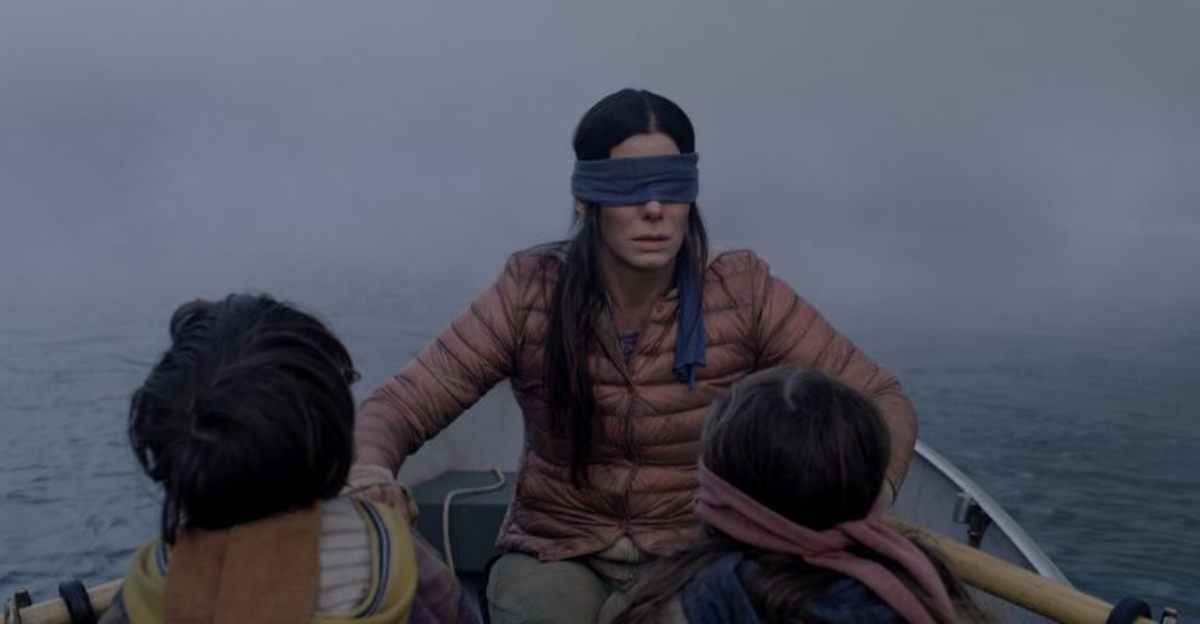
Some movie villains never need to show their faces to be terrifying. Their unseen presence builds suspense and lets the audience imagine what might be lurking behind the scenes.
Whether they operate through mysterious messages, distant threats, or unseen forces, these villains prove that what we can’t see can sometimes be the scariest of all.
1. Rusty Nail – Joy Ride
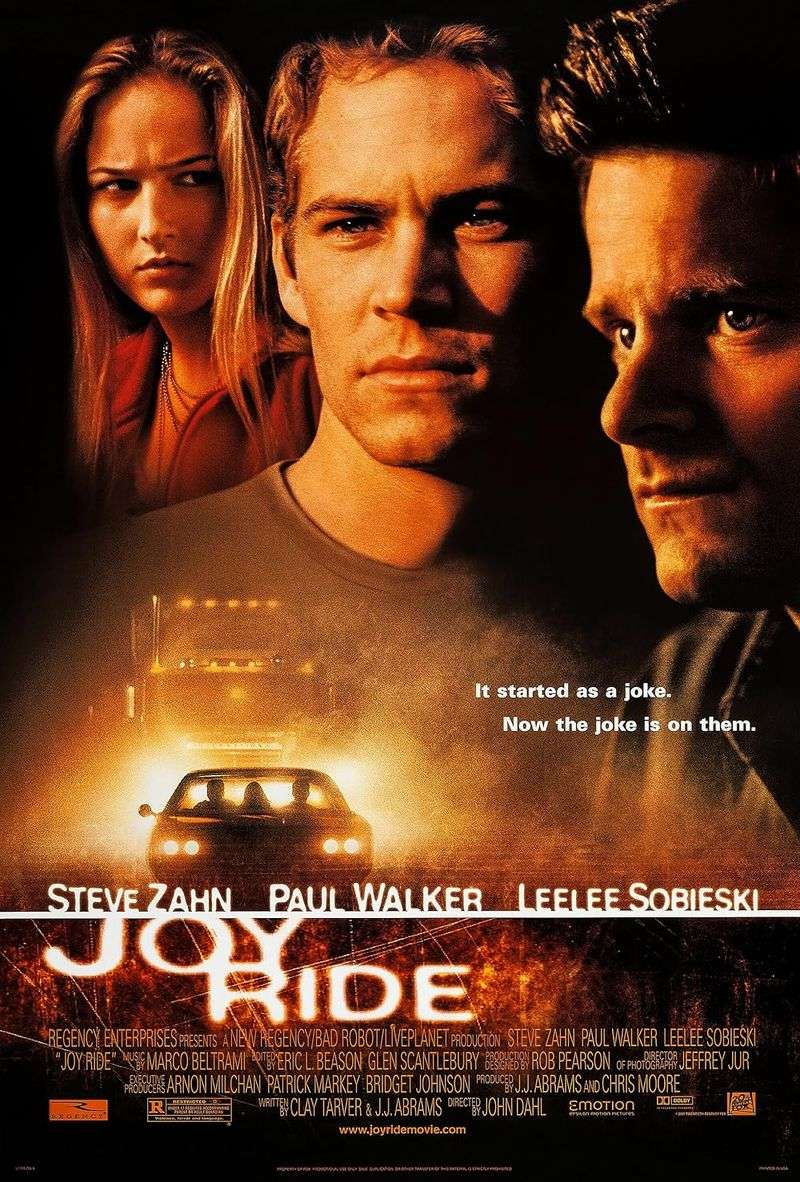
Rusty Nail is terrifying because “Joy Ride” turns an ordinary highway into a hunting ground, and you never really get the satisfaction of seeing the monster behind the wheel.
I think that choice makes every radio exchange creepier, because his voice becomes the whole threat.
You are left imagining a trucker who could look like anyone and be anywhere.
The film keeps pushing that idea as the brothers realize their prank has awakened someone deeply unstable and obsessively patient.
Rusty Nail does not need a face when his truck, his voice, and his relentless pursuit already tell you everything that matters.
By staying hidden, he feels less like one man and more like the road itself turning against you.
2. Darth Plagueis – Star Wars
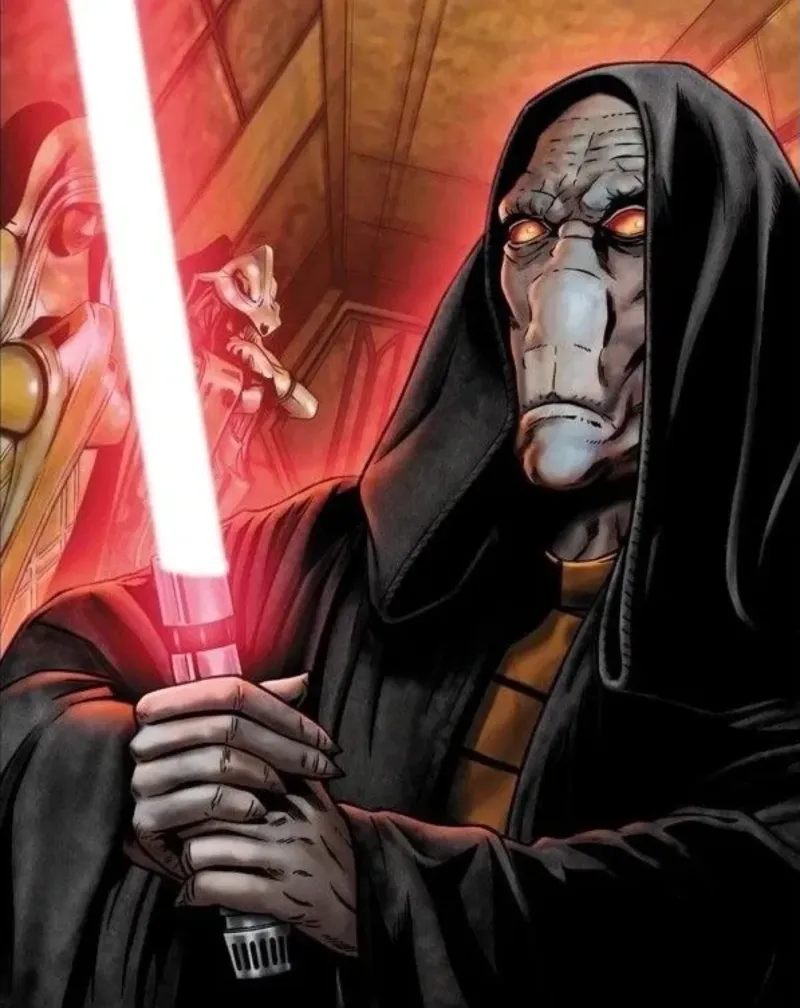
Darth Plagueis is one of those villains whose power comes almost entirely from suggestion, lore, and the dread wrapped around his name.
In the films, you never meet him directly, yet his influence hangs over the rise of the Sith and the manipulation of Anakin’s fate.
I love how “Star Wars” turns a whispered story into something that feels historically important and personally sinister.
Because he stays offscreen, Plagueis becomes more than a character and starts feeling like a dark philosophy passed down in secret.
You are not meant to know him fully, only to sense the scale of what his teachings unleashed.
That hidden quality gives him a ghostly importance few visible villains can match in the saga.
3. The Nothing – The NeverEnding Story
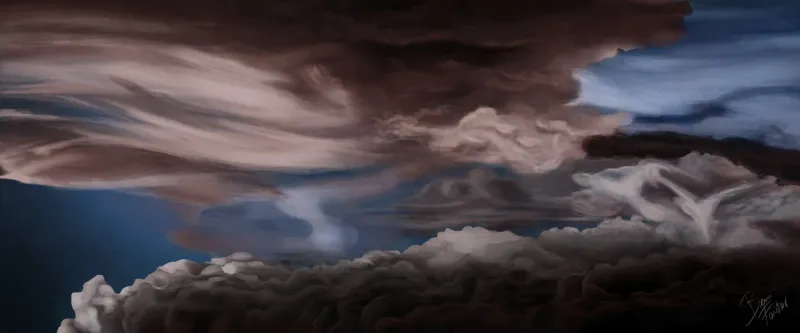
The Nothing is such a haunting villain because it is not a person, a beast, or even a scheming mastermind with a grand speech.
It is absence itself, a spreading force that consumes Fantasia and leaves dread behind wherever it moves.
When you watch “The NeverEnding Story,” you feel how scary a shapeless enemy can be because there is nothing human there to reason with.
I find that especially effective in a fantasy aimed at younger viewers, since it turns wonder into fragility almost instantly.
You are watching a world of imagination get erased by something that cannot be punched, chased, or clearly seen.
That hidden, formless quality makes the threat feel strangely adult and devastating.
4. The Truck Driver – Duel
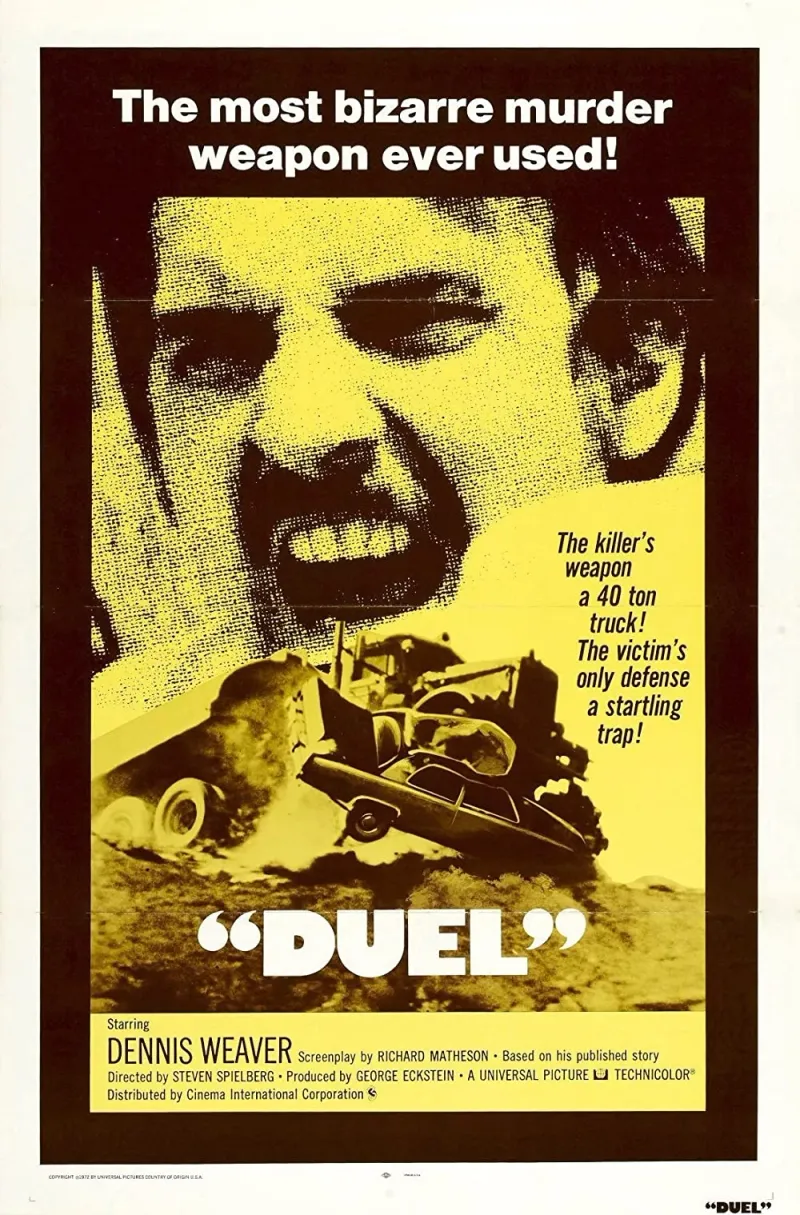
“Duel” understands that anonymity can be pure nightmare fuel, and the truck driver is the perfect example.
Spielberg shows you the vehicle again and again, but the person controlling it remains frustratingly out of reach, which makes the pursuit feel random and personal at the same time.
That is why the movie still works so well – the villain could be anybody, and that makes him everybody.
The truck itself becomes the attacker’s body, all smoke, steel, and roaring momentum, while the man inside stays a mystery.
You are trapped in the same uncertainty as the protagonist, trying to guess motive where there may be none.
That invisible human core turns a road chase into full psychological horror.
5. The Puppet Master – Ghost in the Shell
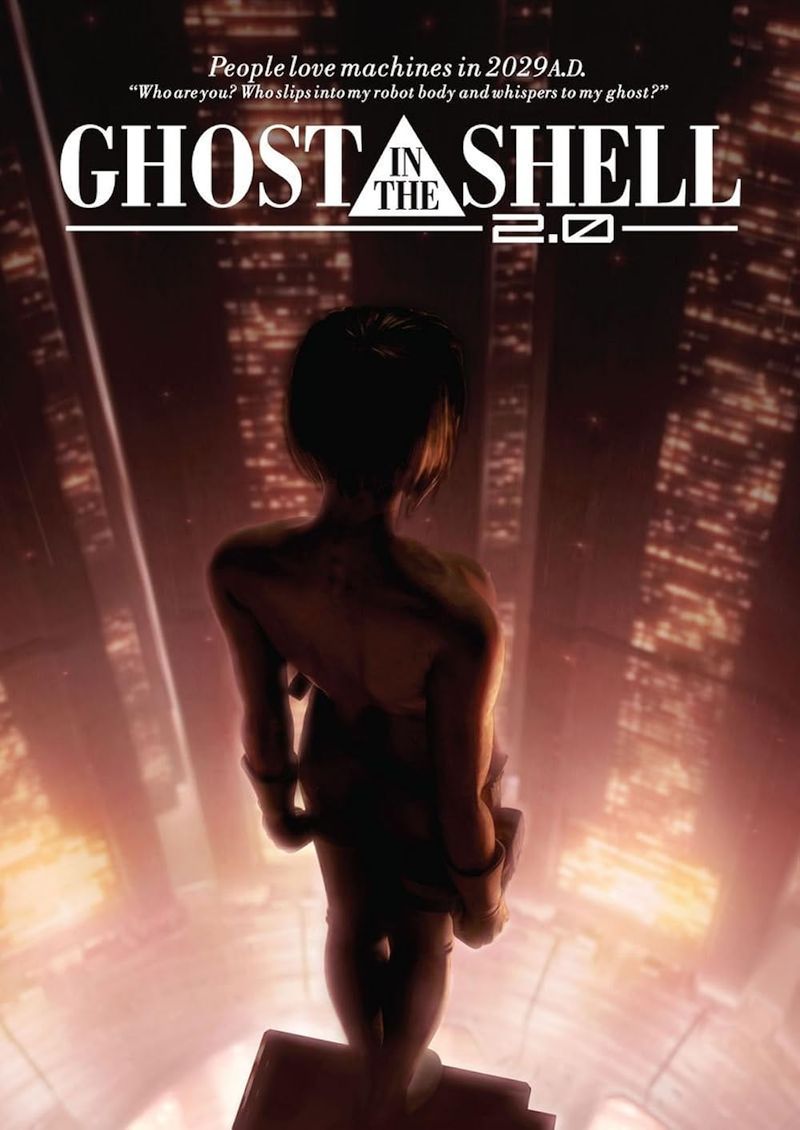
The Puppet Master is fascinating because it breaks the usual idea of a hidden villain and replaces it with something more unsettling: a mind without a stable body.
In “Ghost in the Shell,” the threat can move through shells, hijack identities, and exist beyond ordinary human limits.
I find that far creepier than a masked antagonist, because you never know whether the person in front of you is really themselves.
That makes the chase feel philosophical as much as dangerous, which is exactly why the film stays with you.
You are not just dealing with a criminal but with an intelligence challenging what life and consciousness even mean.
By remaining faceless, the Puppet Master becomes an idea that technology has already made possible.
6. The Zodiac Killer – Zodiac
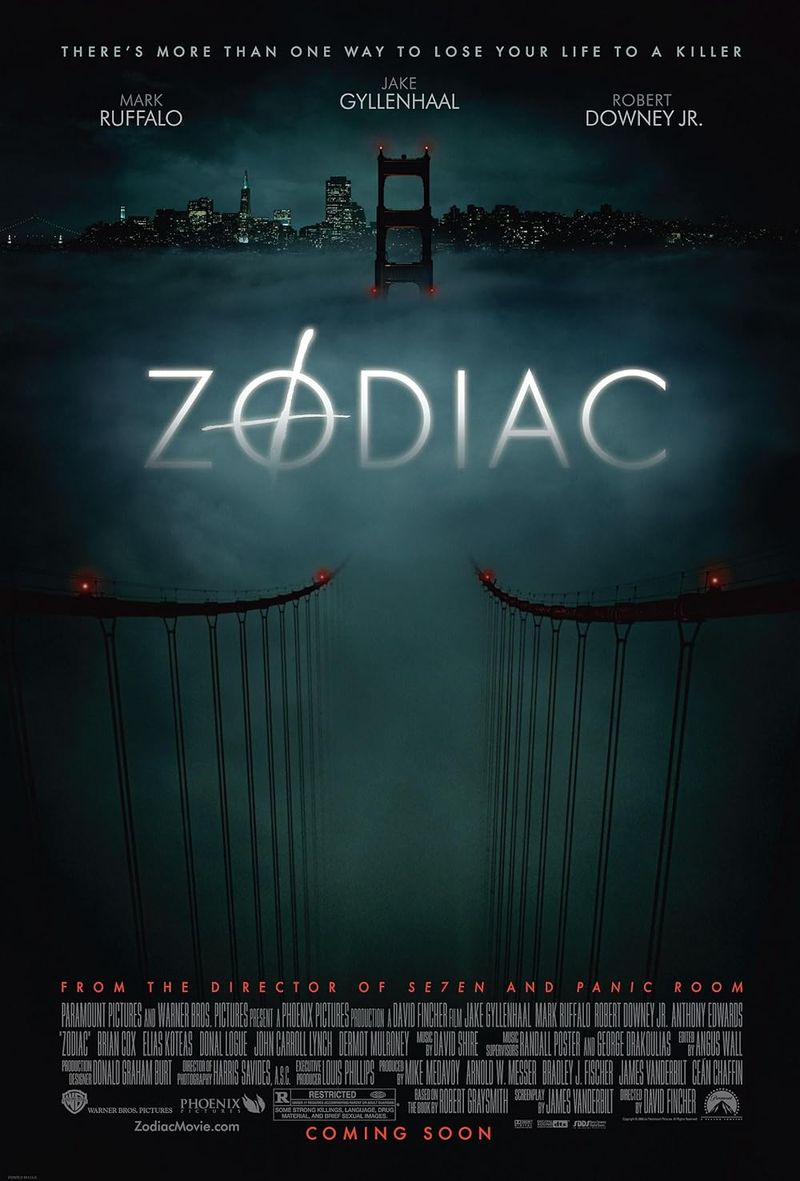
What makes the Zodiac Killer so unnerving in “Zodiac” is that the film never gives you the relief of certainty.
Even when suspicion narrows and the evidence piles up, the killer remains frustratingly out of reach, more like a stain on the city than a single solved identity.
I think that unresolved tension is the whole point, because obsession becomes the real prison for everyone chasing him.
The letters, ciphers, and media panic turn an unseen murderer into a constant public presence without ever making him fully tangible.
You are left with paranoia instead of closure, which feels much closer to real life than most thrillers allow.
That hidden status keeps the film disturbing long after the investigation seems to end.
7. The Entities – Bird Box
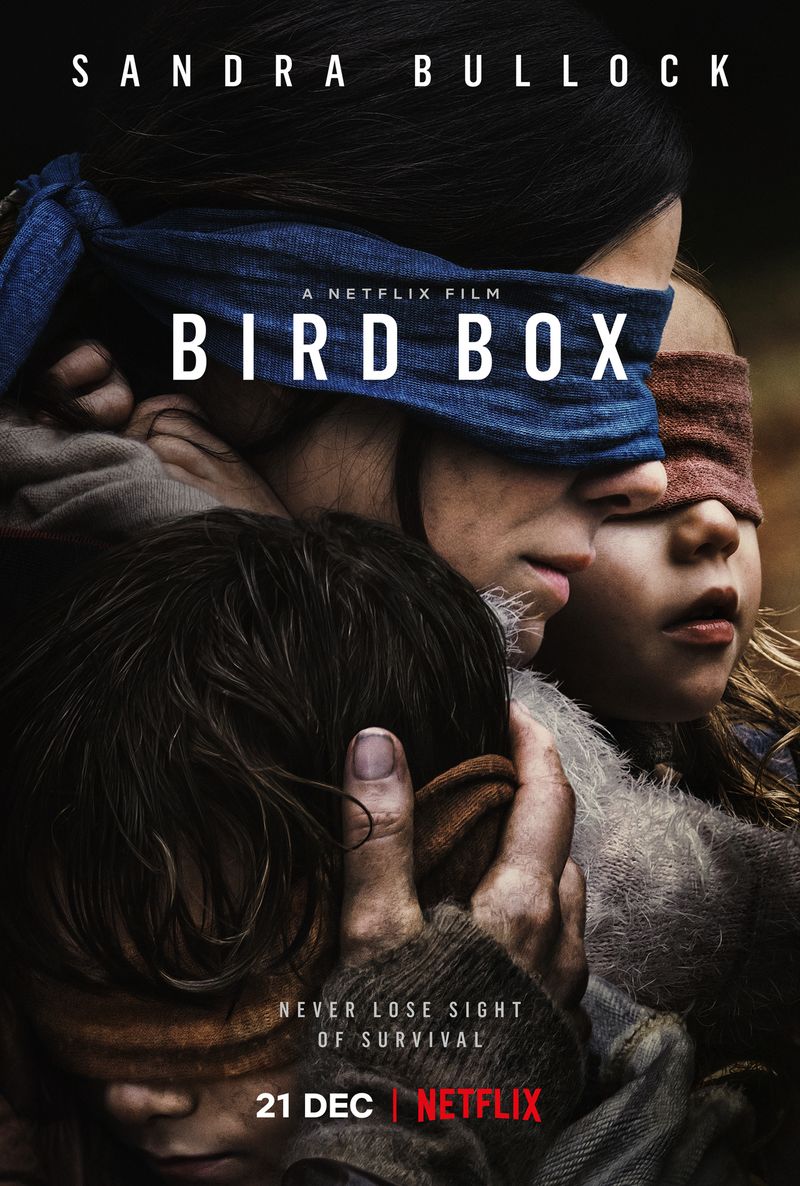
The Entities in “Bird Box” are scary precisely because the film denies you a clean look at them.
Everyone who sees them reacts with instant madness and self-destruction, so the audience is forced to imagine what kind of sight could shatter the human mind that completely.
I think that choice wisely keeps the horror personal, because whatever you picture is probably worse than any creature design.
It also transforms simple acts like opening your eyes or walking outdoors into unbearable risks, which gives the movie its strongest tension.
You experience the world as a minefield built around curiosity itself.
By never stepping into full view, the Entities remain abstract enough to feel universal, like terror waiting for any excuse to become visible.
8. Ernst Stavro Blofeld – From Russia With Love
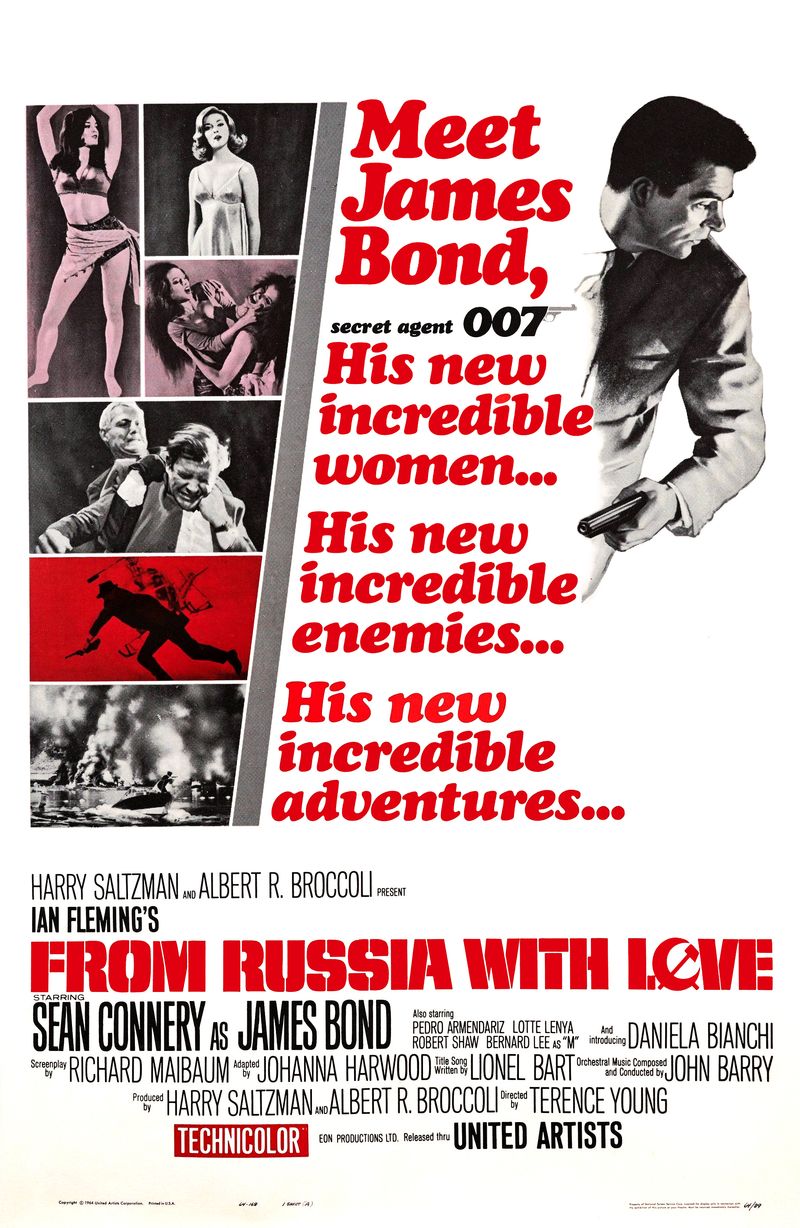
Blofeld’s early appearances are a masterclass in how to build a villain through fragments rather than full exposure.
In “From Russia With Love,” you get the voice, the cat, the authority, and the sense that every scheme traces back to this hidden mastermind pulling strings from above.
I love how little the film needs to show for you to understand that Bond is up against someone much bigger than the current mission.
That partial visibility makes Blofeld feel almost mythic, like a criminal emperor whose face matters less than his reach.
You are meant to fear the organization before you fully know the man, and that strategy works beautifully.
By staying obscured, he becomes the ultimate symbol of secret power in the Bond universe.
9. The Blair Witch – The Blair Witch Project
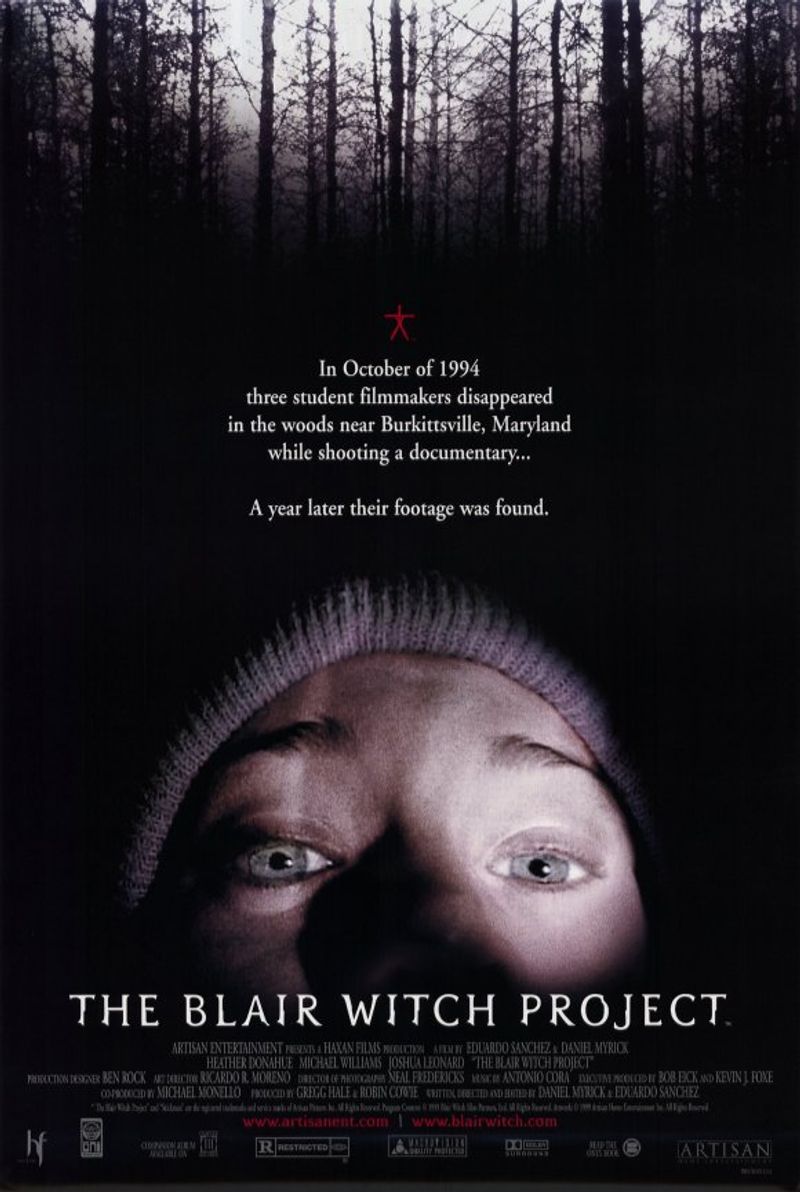
The Blair Witch might be the gold standard for unseen horror because the movie never needs to prove she is standing there in frame.
Everything in the woods – the noises, the bundles, the symbols, the final image in that house – pushes you toward dread without giving you a conventional monster shot.
I think that restraint is exactly why the film still sparks arguments and nervous rewatches.
You are trapped with the characters inside confusion, exhaustion, and escalating belief, which makes the unseen presence feel increasingly undeniable.
Whether the witch is literal, supernatural, or something filtered through panic almost stops mattering by the end.
Her invisibility gives the story room to crawl under your skin and stay there.
10. Azazel – Fallen
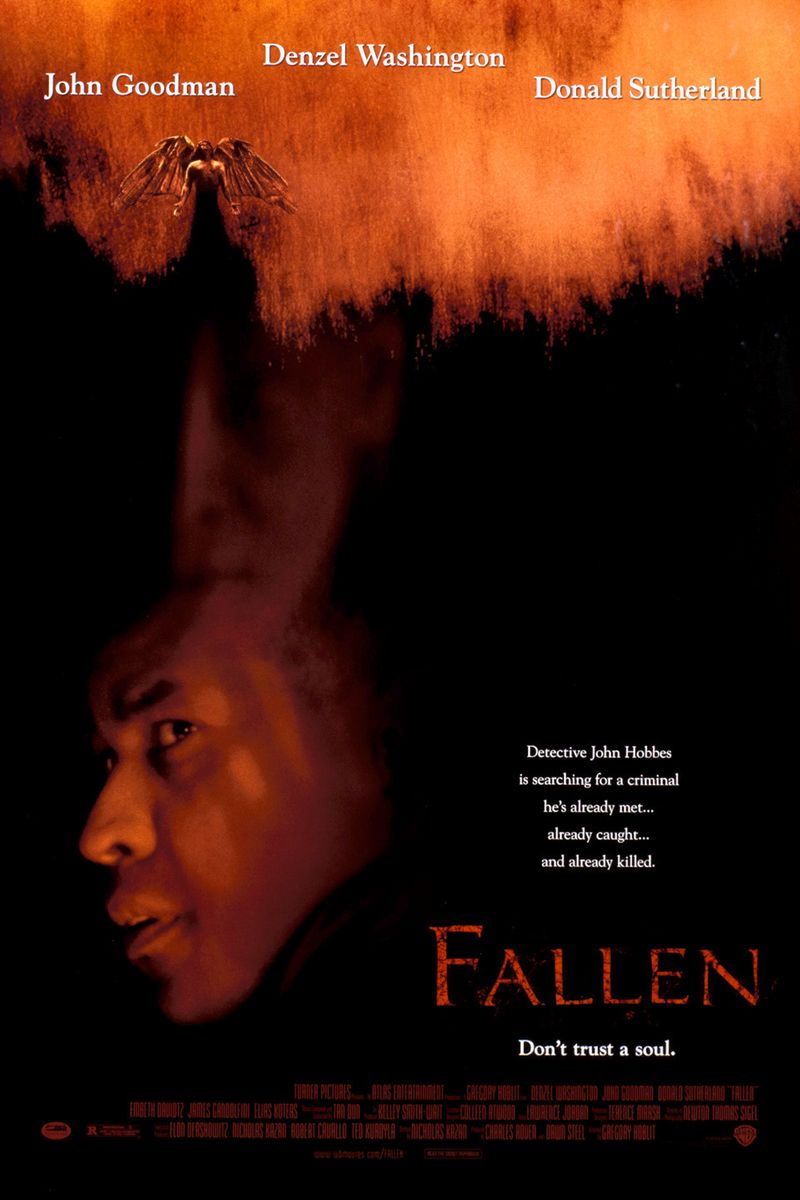
Azazel works so well in “Fallen” because the demon can move from person to person, making any stranger a possible threat.
That body-hopping ability means the villain is everywhere and nowhere at once, turning crowded sidewalks, police stations, and ordinary conversations into places of danger.
I find that much creepier than a monster with one recognizable face, because certainty is never available.
The film lets you feel John Hobbes’s growing paranoia as he realizes evil is passing through human bodies like an electrical current.
You cannot simply catch Azazel and lock him away, since the thing you are hunting refuses to stay visible.
That hidden mobility gives the movie a mean, hopeless edge that really sticks.
11. Man – Bambi
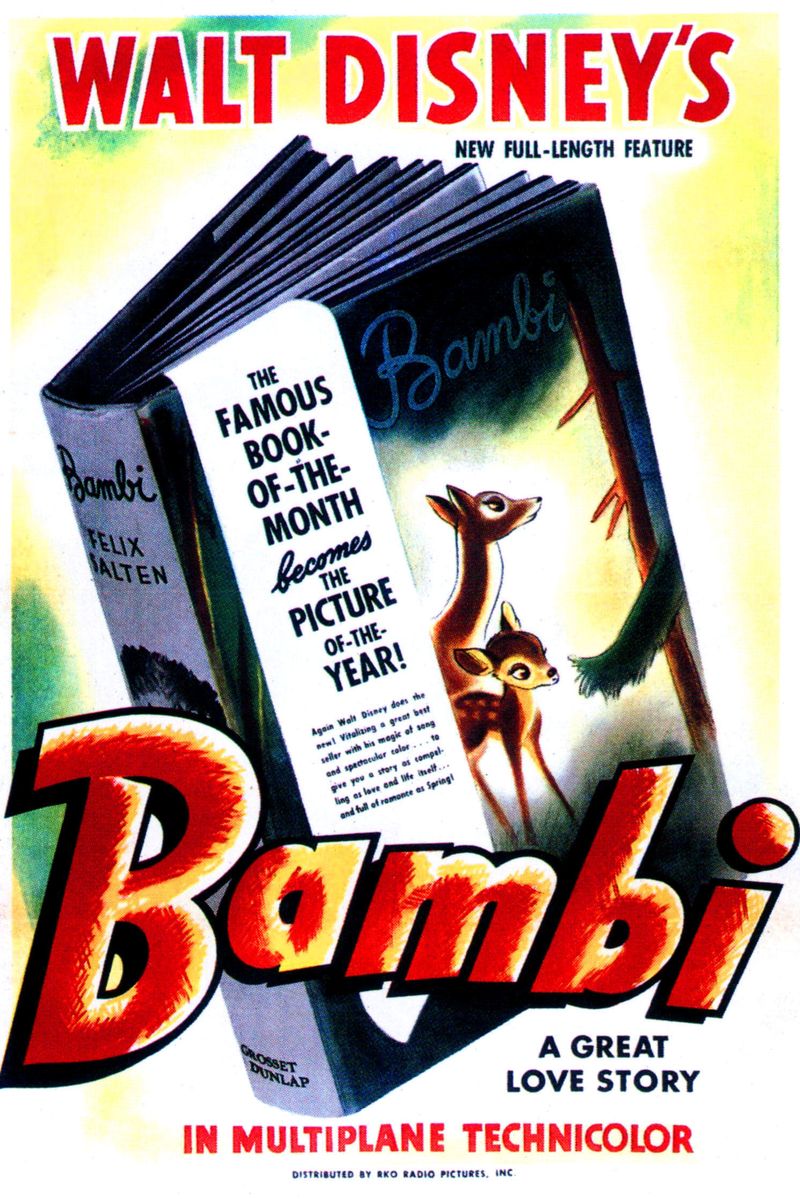
“Bambi” uses Man as a hidden villain in a way that feels simple on the surface but deeply effective once you sit with it.
Humans are rarely shown directly, yet their presence arrives through gunshots, barking dogs, fire, and devastation that tears through the forest.
I think that distance makes the threat feel larger, because it is not just one hunter but a force of destruction the animals cannot comprehend.
You see the consequences long before you see anything resembling a face, and that keeps the fear focused on loss.
For younger viewers especially, the unseen danger feels overwhelming and unfair in a very real way.
By leaving Man mostly invisible, the movie turns humanity itself into a looming menace.
12. Galactus – Fantastic Four: Rise of the Silver Surfer
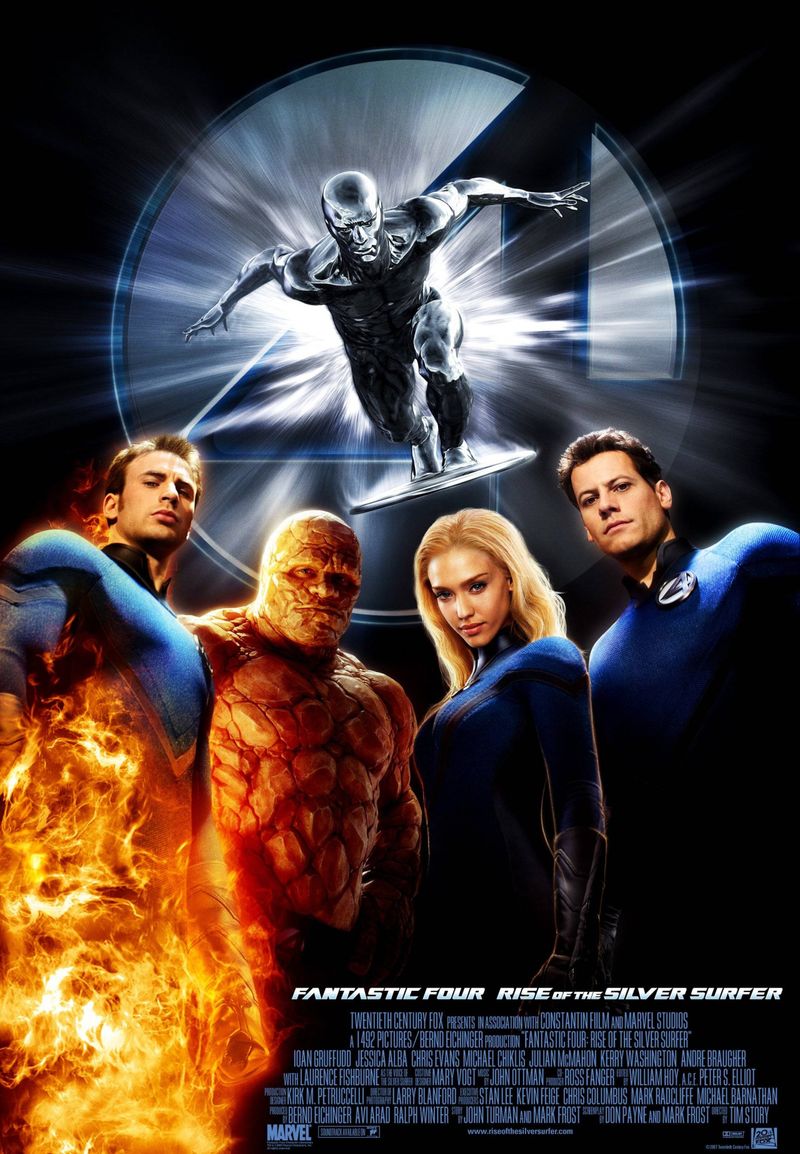
Galactus in “Fantastic Four: Rise of the Silver Surfer” is a strange case because the film presents him less as a character and more as a cosmic event.
Instead of a traditional villain striding into view, you get an immense, consuming force approaching Earth like living apocalypse.
I actually think that hidden approach gives him scale, even if fans still debate whether it was the right adaptation.
The Silver Surfer’s fear and obedience tell you everything you need to know about the power behind him.
You are not waiting for a final unmasking so much as dreading impact from something too vast to understand.
By staying mostly unseen, Galactus feels less personal and more elemental, which suits a planet-eating threat.
13. The trap’s creators – Cube
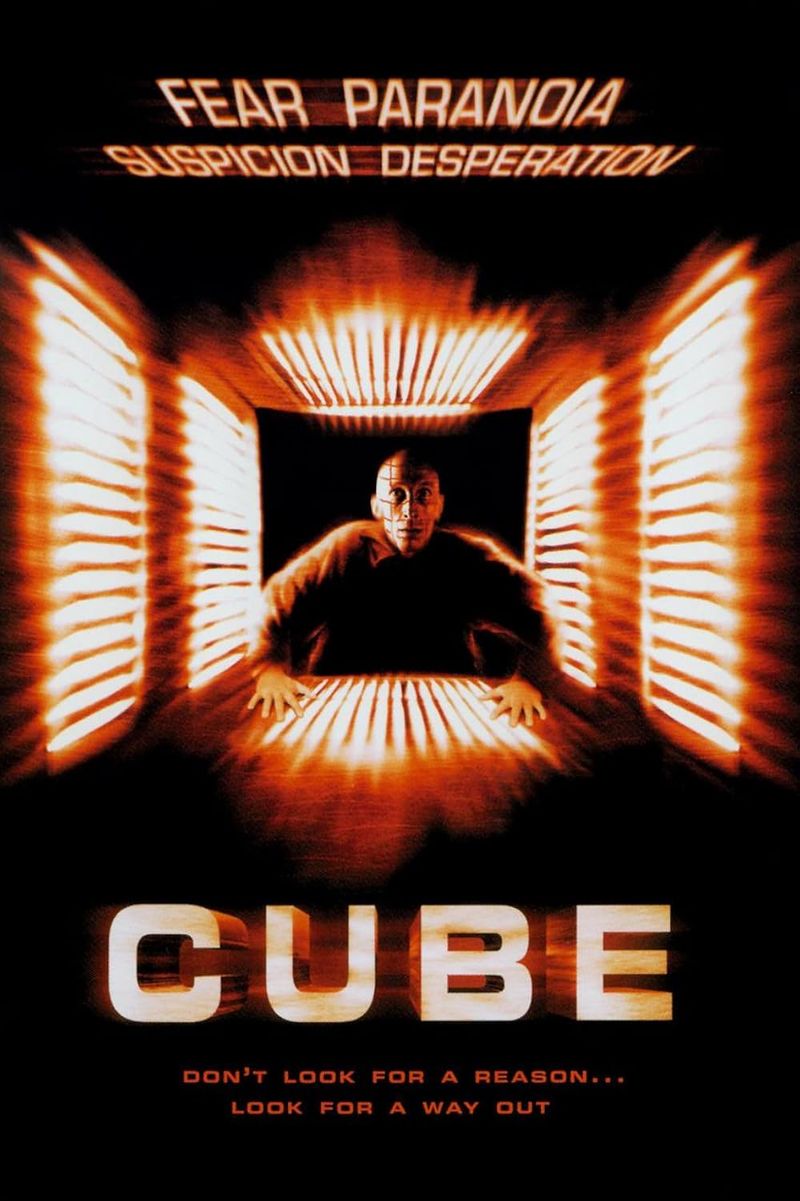
The true villains in “Cube” are arguably the unseen creators of the structure, and that mystery is what makes the movie so unnerving.
While the trapped characters can turn on each other, the larger horror comes from a system designed with no compassion, explanation, or obvious endpoint.
I think the film becomes more disturbing because nobody can point to a mastermind and demand answers.
That absence leaves the victims fighting a machine, a bureaucracy, or perhaps an idea so detached that human suffering barely registers.
You are stuck with the same awful uncertainty they have, trying to understand a prison built by people who never need to appear.
By remaining hidden, the architects make the trap feel even more cold and inescapable.
14. Mrs. Bates – Psycho
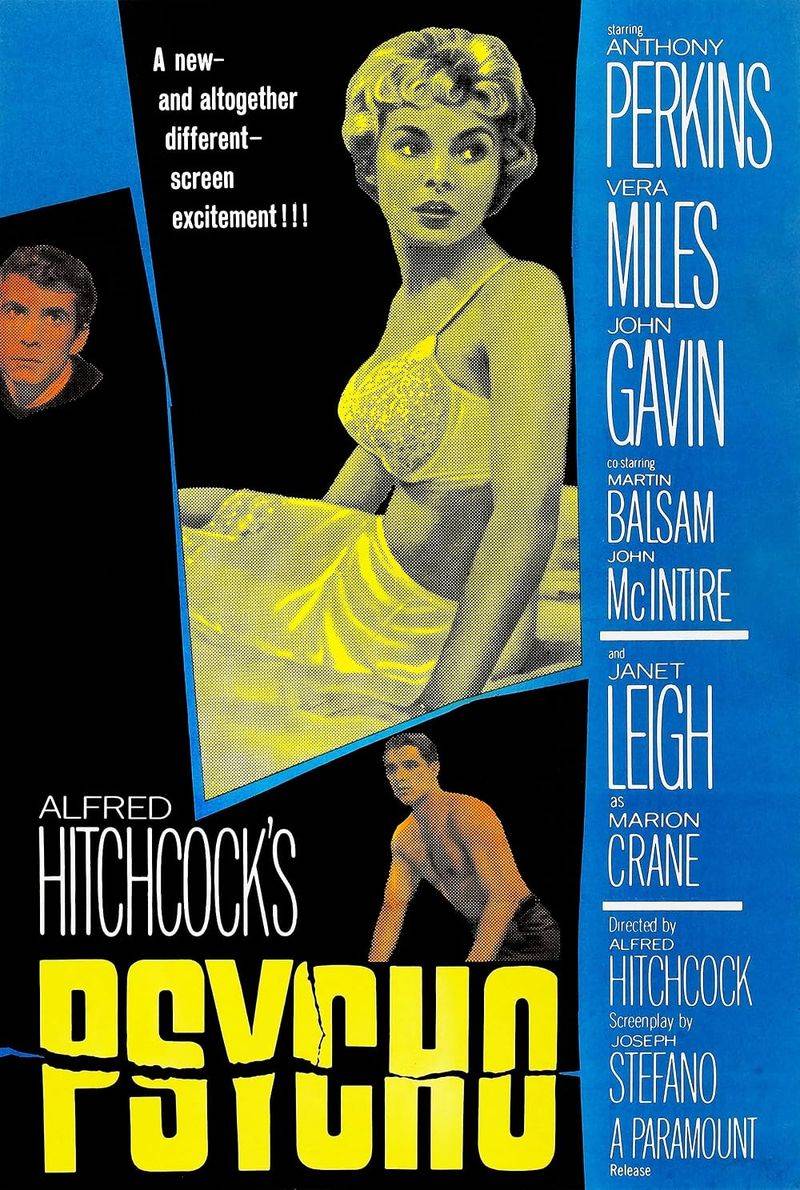
At first, Psycho makes the house on the hill seem haunted by a cruel old mother.
Then the movie keeps pushing her farther into shadow, so your mind does the hard work.
That is why Mrs. Bates lingers in memory even before the final reveal lands.
Voices, footsteps, and Norman’s fearful face build her into something bigger than a person.
It also shows how secrets can make a villain feel more personal, because the terror lives inside a family.
Few endings make hidden evil hit harder.
Even after the lights come up, that upstairs room still feels horribly occupied somehow.
15. The Caller – Black Christmas
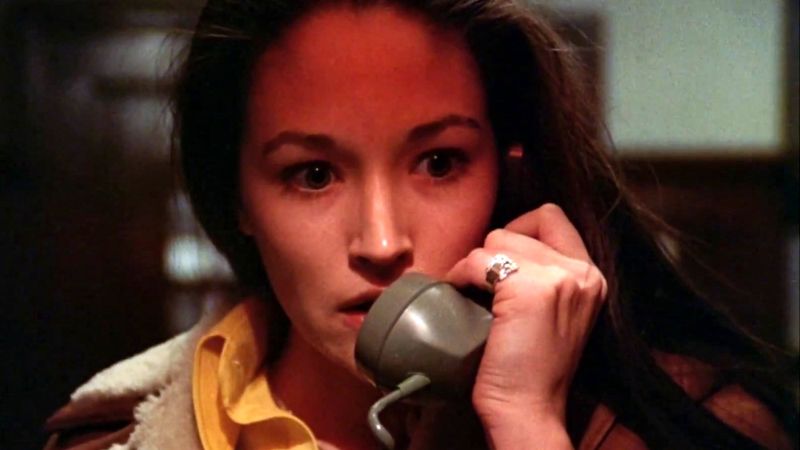
Before slashers turned killers into mascots, Black Christmas used a voice on the phone to do nearly all the damage.
The caller sounds childish, angry, confused, and vicious all at once, which makes every ring feel unsafe.
Because you never get a clean look, the movie leaves behind a nasty feeling that evil can slip into ordinary spaces.
Dorm rooms, holiday lights, and friendly chatter suddenly seem fragile.
For writers and movie fans, that is a great reminder that sound can be just as frightening as sight.
Sometimes the face you never see is the one that follows you longest.