 MomSkoop
Some horror movies age into camp, but these seventies classics still hit nerves that feel raw today. Their fears are not locked in the past – they speak to isolation, paranoia, broken families, media overload, and bodies that no longer feel safe.
Watching them now, you can see the blueprint for modern horror everywhere. If you want scares that feel unnervingly current, this lineup still delivers.
1. The Exorcist (1973)
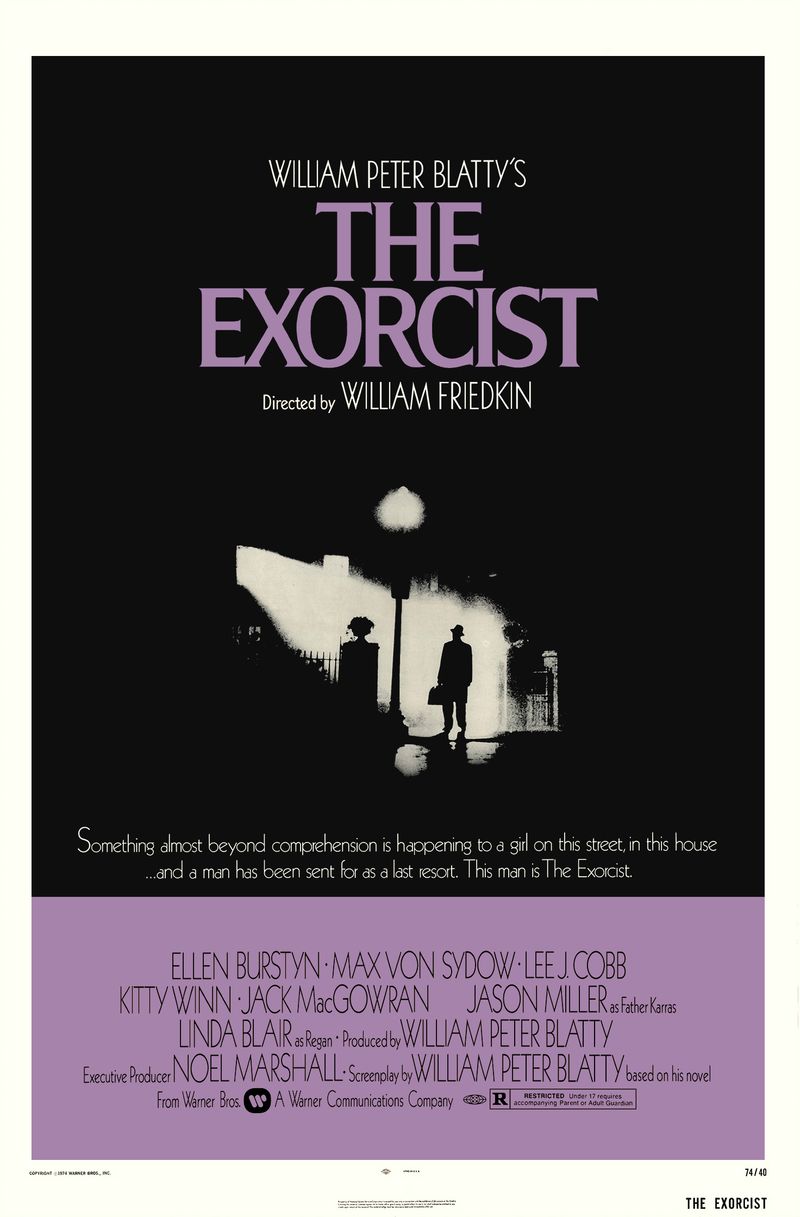
What still shocks us about The Exorcist is how grounded it feels before everything turns terrifying.
The film treats possession less like fantasy and more like a family crisis, with medical tests, doubt, and exhausted adults searching for answers.
That realism makes every supernatural moment feel invasive instead of theatrical.
It also feels modern because it understands fear as something intimate, domestic, and bodily.
Regan’s suffering turns the home into a place where no one feels safe, which is still one of horror’s most effective ideas.
Beneath the famous images, you can feel anxieties about faith, science, parenting, and powerlessness colliding in ways that still feel painfully current.
You do not just watch the nightmare – you live inside it.
2. Halloween (1978)
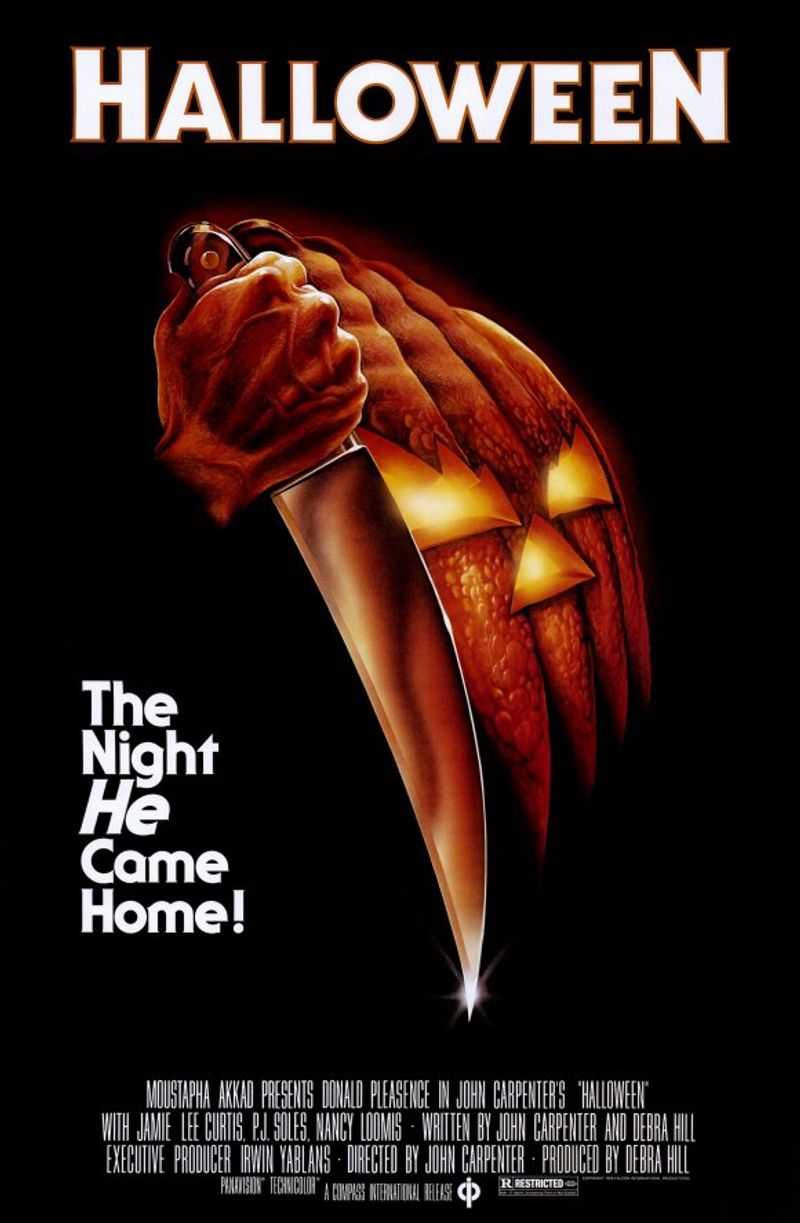
Halloween remains unsettling because it strips horror down to pure, recognizable dread.
The setting is ordinary suburbia, the kind of neighborhood where you expect boredom instead of terror, and that choice still feels smart.
Michael Myers is frightening precisely because the film refuses to overexplain him.
That blankness feels surprisingly modern in an era obsessed with random violence and lurking threats.
Laurie Strode’s vulnerability, alertness, and isolation give the movie an emotional clarity many slashers never matched.
You can see its influence everywhere, but the original still feels sharper because it understands suspense better than spectacle.
It knows that seeing someone across the street, standing too still, can be more disturbing than any elaborate kill.
That quiet confidence still works.
3. The Texas Chain Saw Massacre (1974)
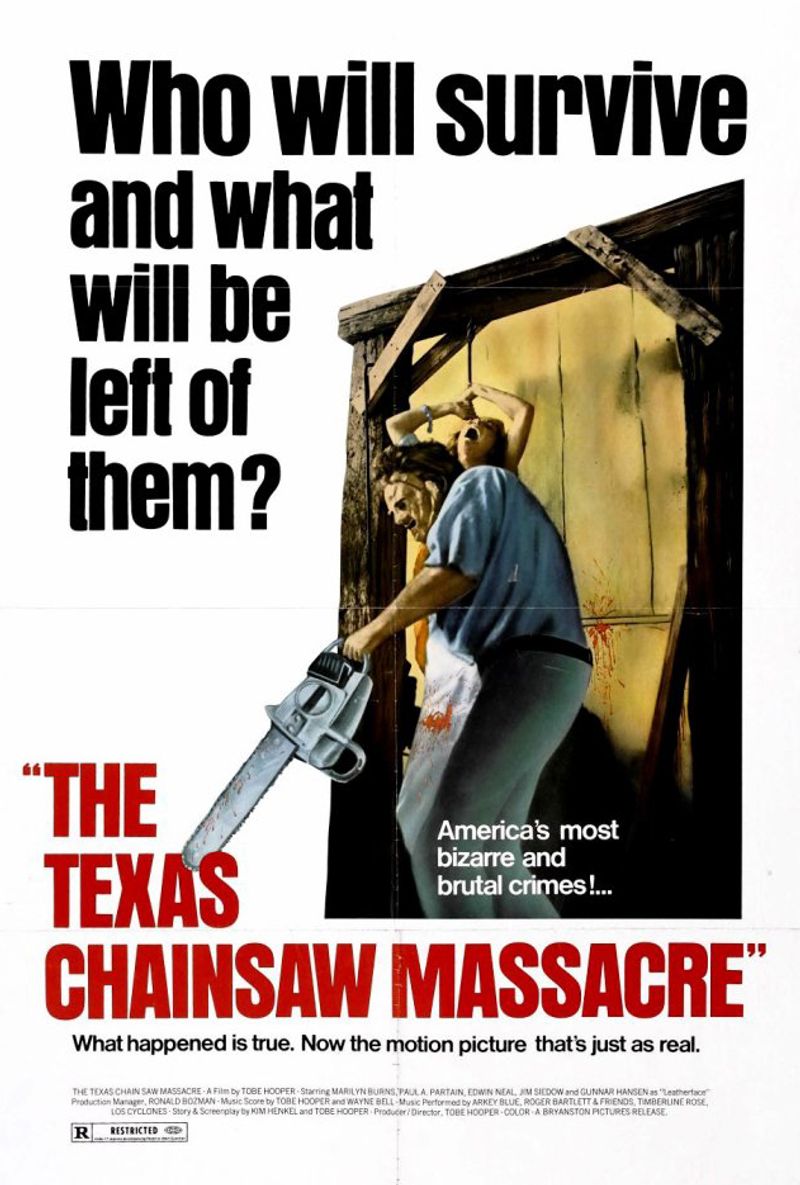
The Texas Chain Saw Massacre still feels modern because it is so dirty, chaotic, and believable.
Even when the movie becomes nightmarish, it never feels polished enough to offer comfort, and that roughness makes the violence seem horribly close.
You are not watching elegant movie horror here – you are trapped in panic.
Its deeper fears also remain current: economic collapse, social decay, and the terror of stumbling into a world with no moral logic.
The film suggests that civilization is thinner than anyone wants to admit, which still lands hard today.
Sally’s ordeal feels relentless in a way many newer horror films still chase but rarely match.
It is sweaty, ugly, and overwhelming, and that sense of total helplessness has never really gone out of date.
4. Alien (1979)
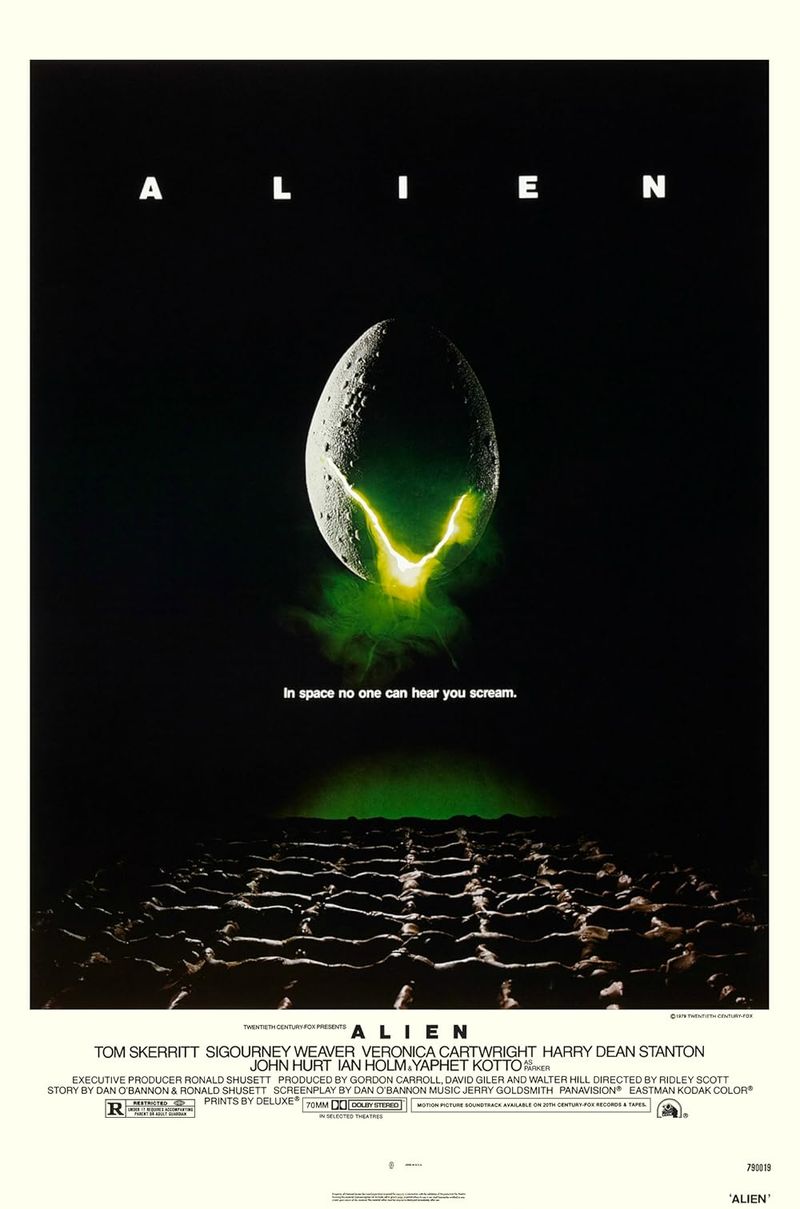
Alien feels astonishingly modern because it merges workplace anxiety with body horror so cleanly.
The crew are not glamorous heroes – they are tired employees dealing with corporate indifference, unclear orders, and a threat nobody fully understands.
That combination of labor exploitation and physical violation still feels painfully relevant.
The design also helps the film stay fresh, because its world feels lived in rather than shiny or escapist.
Ripley remains compelling not because she is superhuman, but because she pays attention, questions authority, and adapts under pressure.
The alien itself still works as an image of invasive terror that is sexual, biological, and impossible to control.
You can watch plenty of space horror after it, but few films capture the same suffocating sense that the system will sacrifice you first.
5. Black Christmas (1974)
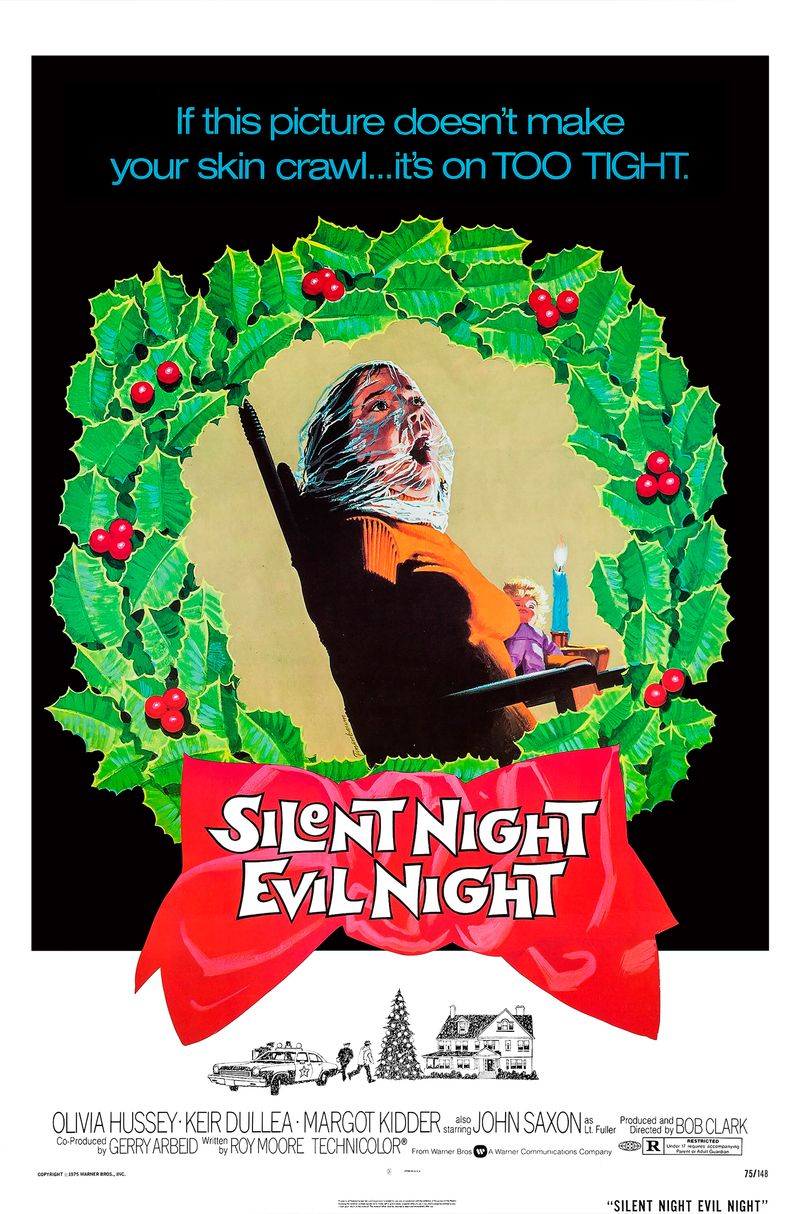
Black Christmas feels strikingly modern because it understands how terror can enter through communication itself.
The obscene phone calls are invasive, anonymous, and psychologically destabilizing, turning everyday technology into a weapon.
That idea feels even sharper now, when harassment and surveillance can follow you anywhere.
The film also gives its female characters a messy, believable inner life that still stands out.
There are tensions around autonomy, pregnancy, safety, and disbelief, making the horror feel rooted in social realities rather than just plot mechanics.
Its house should feel festive and communal, yet it becomes a trap filled with blind spots and ignored warnings.
Plenty of later slashers borrowed from it, but few match its bitter understanding that danger often hides behind familiar rituals, cheerful décor, and institutions that fail you.
6. Suspiria (1977)
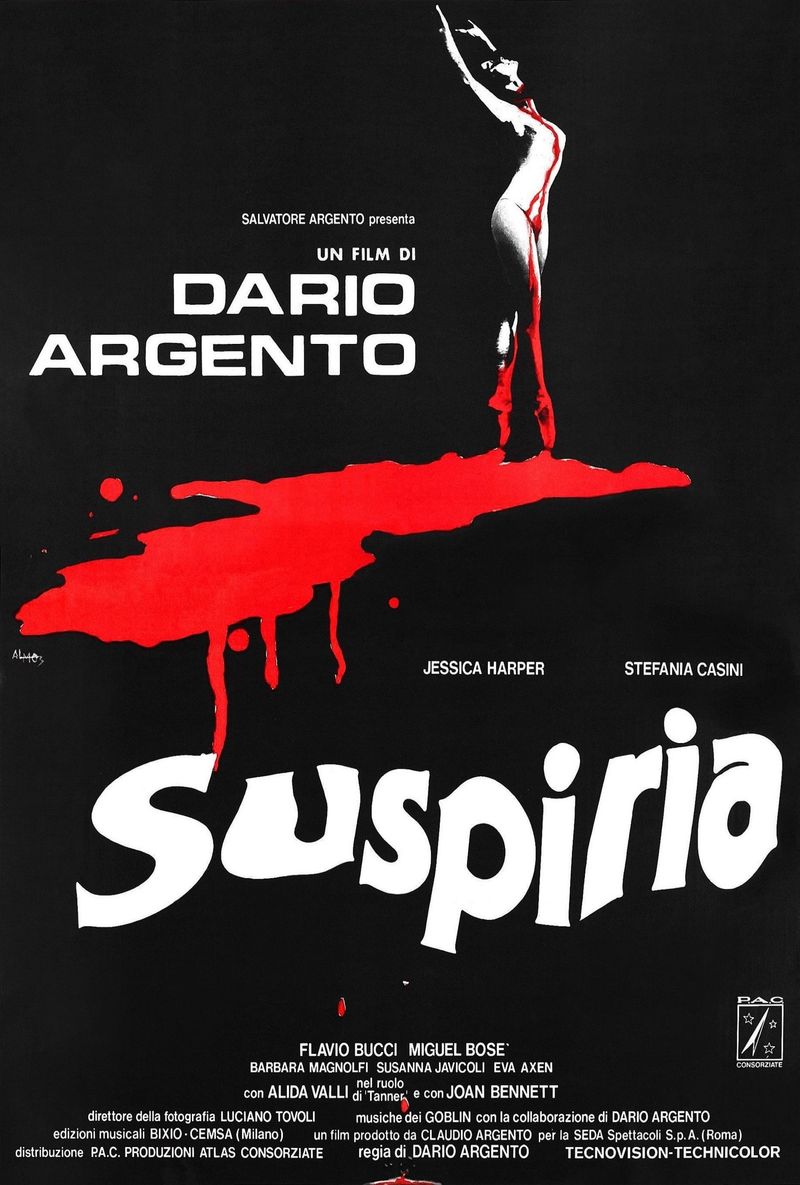
Suspiria still feels modern because it trusts mood, design, and sensation over tidy explanation.
The film’s colors are aggressive, its spaces feel unreal, and its logic moves like a nightmare, which is exactly why it remains hypnotic.
You are not invited to solve the story as much as surrender to it.
That approach fits contemporary horror beautifully, especially now that audiences embrace films driven by atmosphere and emotion.
Beneath the operatic style, there is a sharp fear of institutions that consume youth, talent, and identity while pretending to nurture them.
Suzy’s disorientation becomes your own as the academy reveals itself as both glamorous and predatory.
The movie proves that horror can be lush, beautiful, and deeply unsettling at once, a lesson many modern filmmakers still draw from today.
7. Carrie (1976)
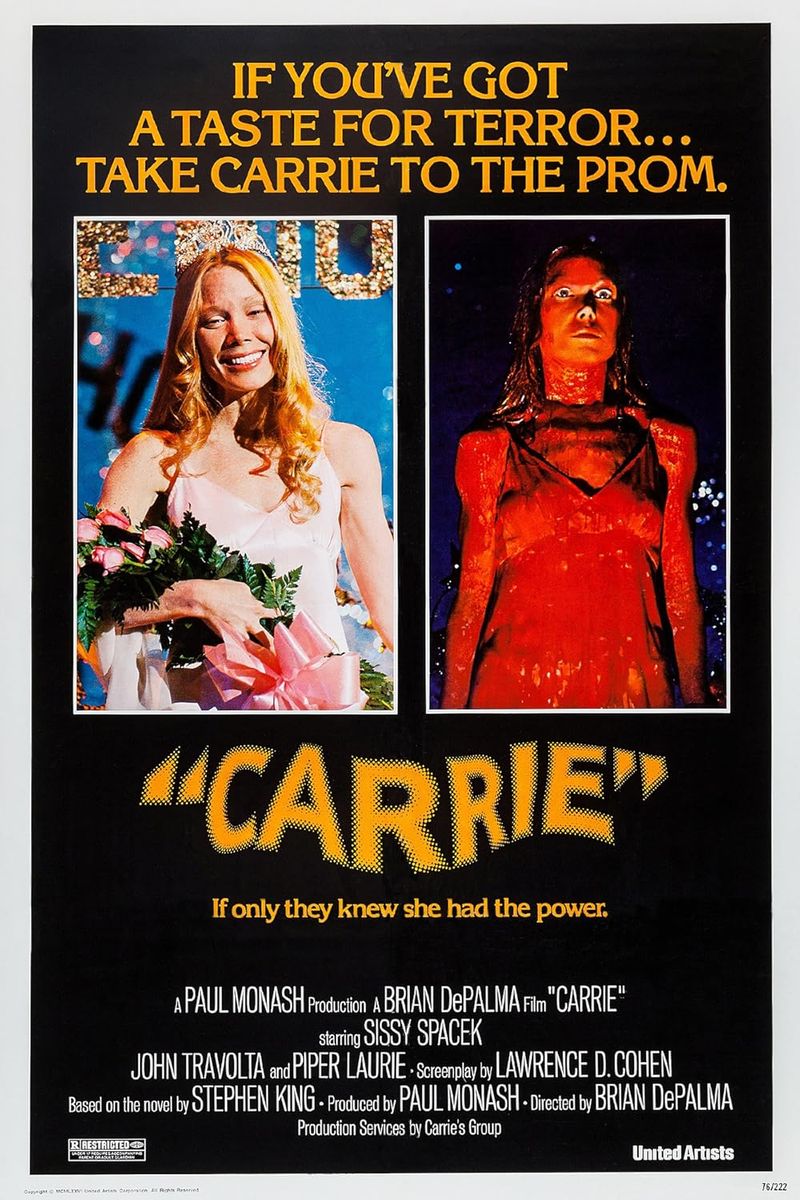
Carrie still lands because its horror grows out of humiliation, loneliness, and public cruelty.
The supernatural elements matter, but the emotional core is painfully human: a girl mocked at school, controlled at home, and pushed past endurance.
That combination of bullying and repression remains immediately recognizable.
The film also feels current because it understands how quickly group behavior can become vicious spectacle.
Watching Carrie White move from fragile hope to catastrophic rage is heartbreaking precisely because the story never forgets how small acts of cruelty accumulate.
Her telekinetic revenge is iconic, but the real terror is how ordinary the social violence feels before the blood falls.
In a culture still shaped by shaming, exclusion, and performance, Carrie’s nightmare has not become less relevant – only easier to recognize.
8. Dawn of the Dead (1978)
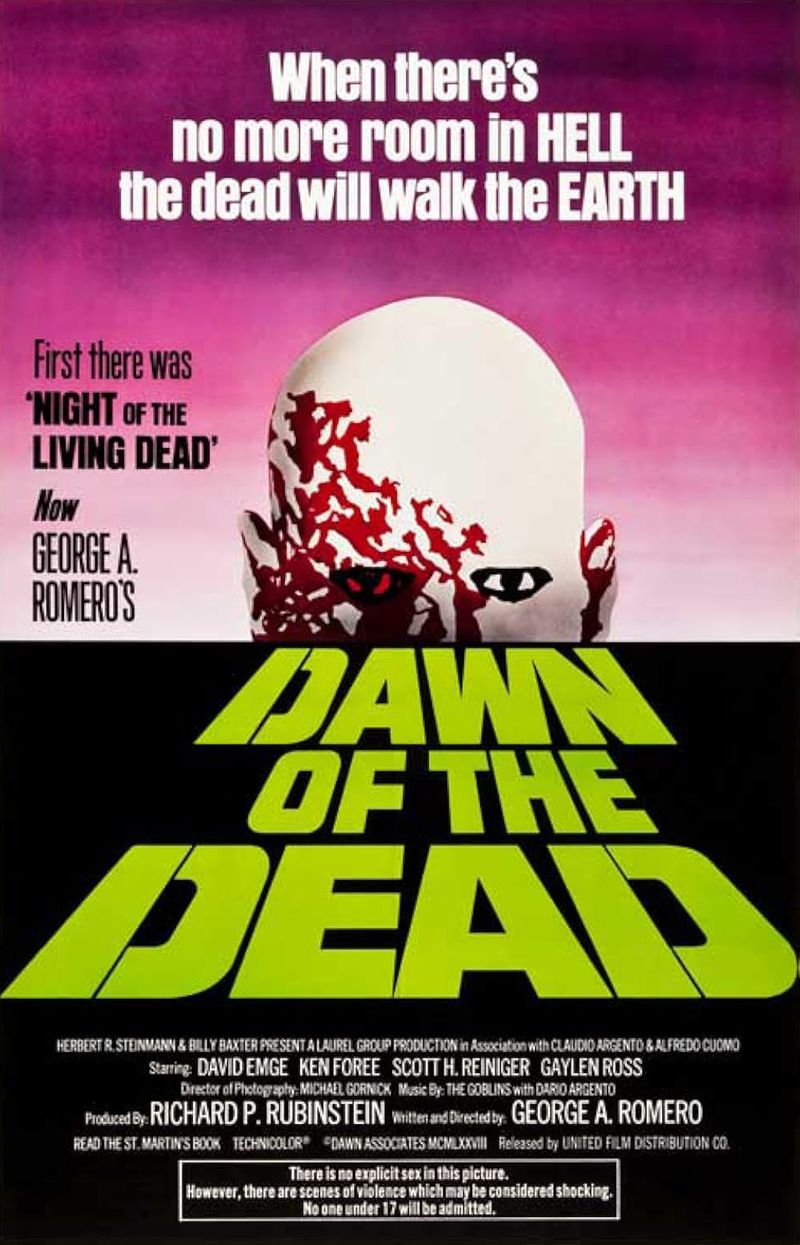
Dawn of the Dead feels modern because its satire is still uncomfortably accurate.
The mall setting is not just memorable production design – it is a joke, a warning, and a depressing reflection of how people drift through systems of consumption.
Even the zombies seem guided by habit more than hunger.
That idea has only grown stronger with time, especially in a world shaped by endless shopping, branding, and numbing routine.
The survivors initially treat the mall like a fantasy of comfort and control, but that fantasy quickly curdles into boredom, paranoia, and emptiness.
Romero understood that apocalypse is not only about monsters tearing at the door – it is also about people sedating themselves with convenience while everything meaningful slips away.
That insight feels brutally fresh every time you revisit it.
9. Don’t Look Now (1973)
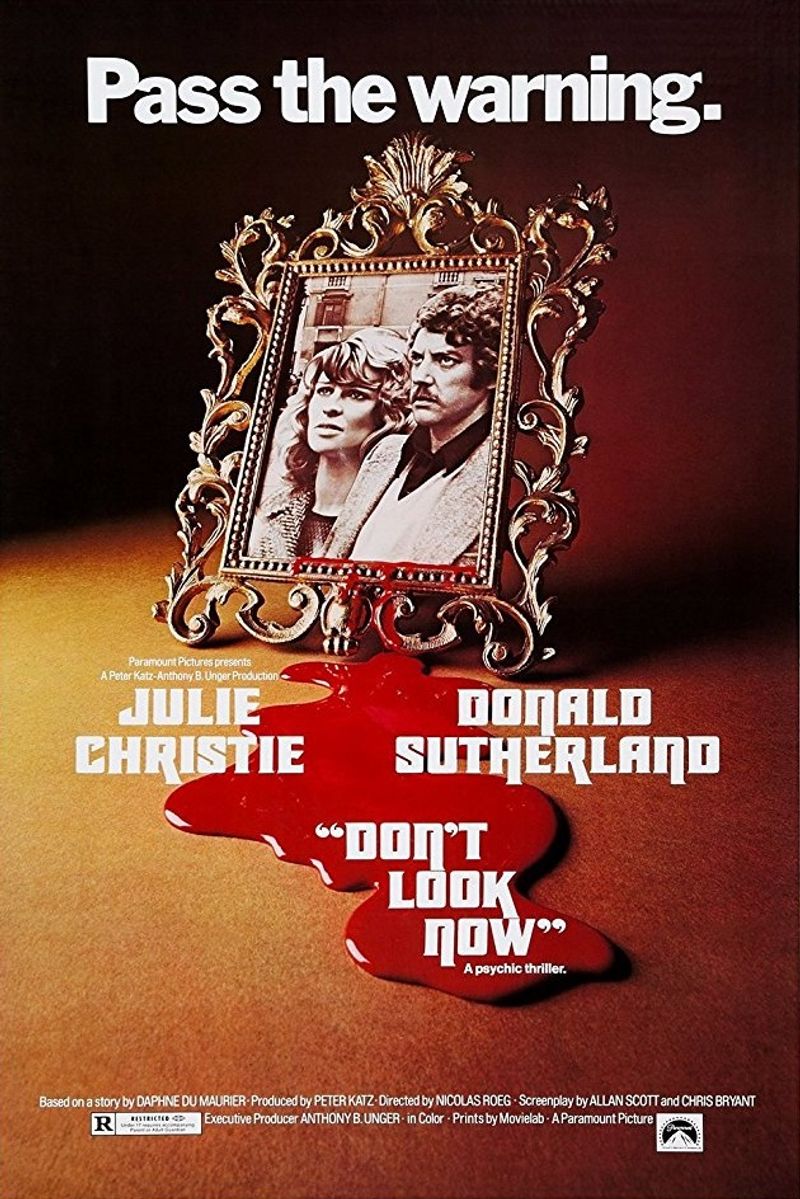
Don’t Look Now feels modern because it treats grief as something destabilizing, physical, and disorienting.
The horror is not separated from mourning – it emerges through fractured perception, coincidence, and the desperate need to find meaning after loss.
That emotional complexity makes the film linger long after its shocks.
Venice becomes a maze of memory and foreboding, where every alley seems to promise either revelation or disaster.
The movie trusts editing, mood, and suggestion more than direct explanation, which gives it a psychological sophistication many contemporary horror films still admire.
Its most devastating ideas involve misreading signs, chasing certainty, and refusing to accept the limits of control.
When the ending arrives, it does not simply scare you – it exposes how grief can twist vision until danger looks like hope.
That remains timeless.
10. The Wicker Man (1973)
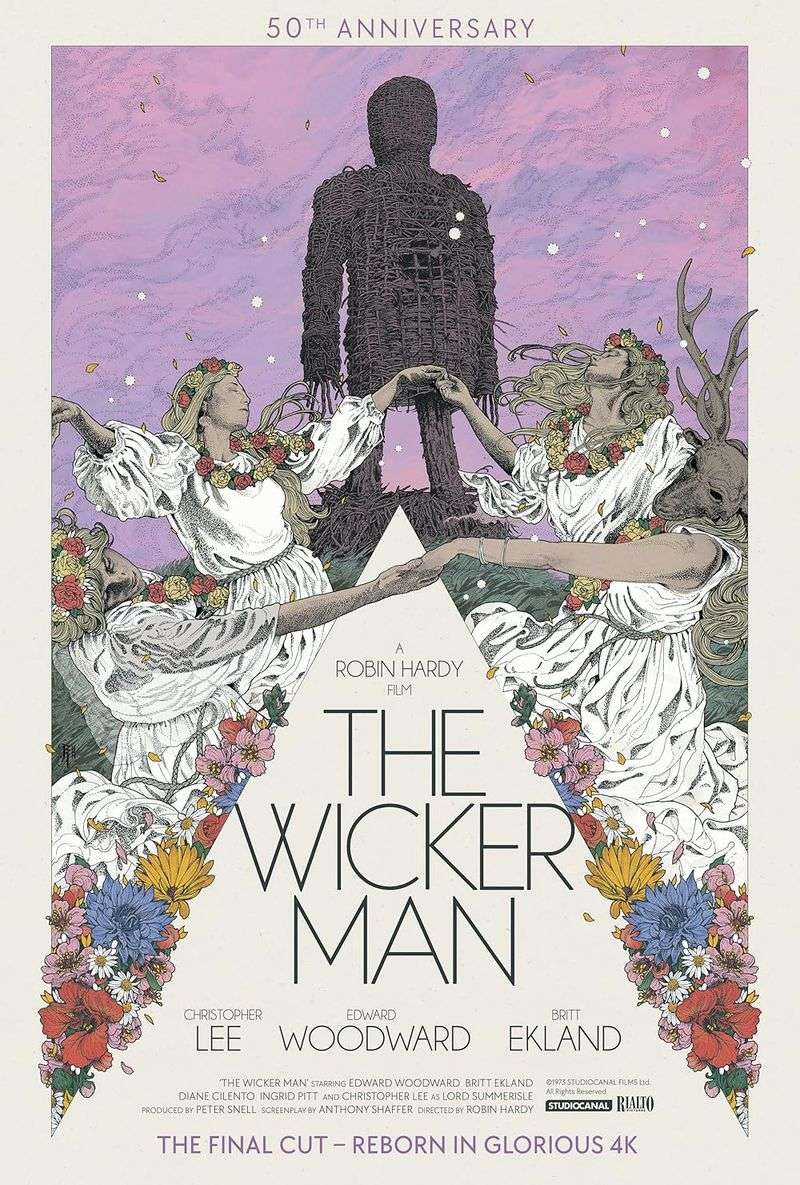
The Wicker Man still feels fresh because it knows horror does not need darkness to be unnerving.
Sunlight, singing, and community become tools of dread, which gives the film a strange brightness that remains deeply unsettling.
Instead of jump scares, it works through cultural collision, certainty, and slow-building realization.
Its modern edge comes from how it explores identity, belief, and the danger of entering a closed system you do not understand.
Sergeant Howie is rigid and judgmental, but the islanders are not framed as simple villains either, which keeps the tension fascinating.
The film asks what happens when conviction hardens into blindness on every side.
In an era still obsessed with cults, insular communities, and ideological bubbles, its final movement feels less like a relic and more like a warning whispered through folk song.
11. Eraserhead (1977)
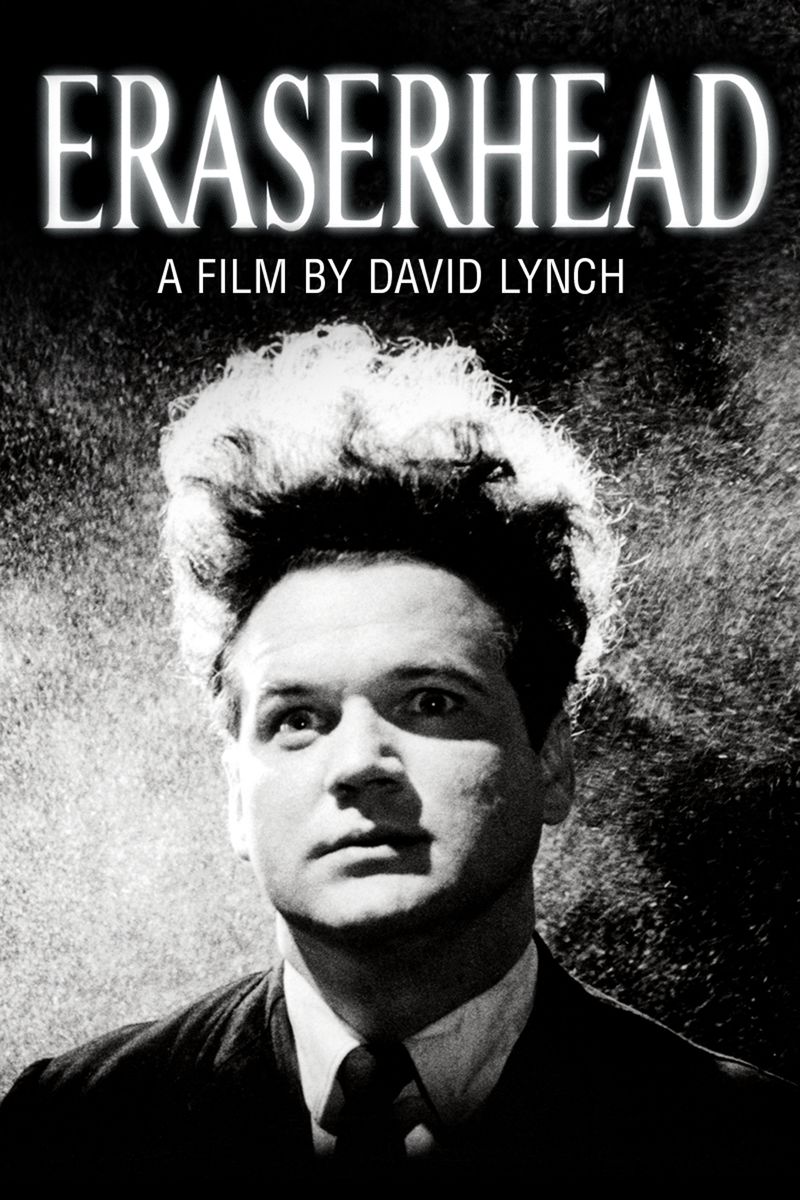
Eraserhead feels modern because it captures anxiety in a way that bypasses logic and goes straight to the nerves.
The film turns industrial noise, cramped rooms, and strange textures into a nightmare about responsibility, sex, fear, and total emotional overload.
It does not tell you exactly what to think, and that openness makes it feel alive.
Its vision of adulthood as confusion and bodily dread still resonates, especially for anyone who has felt trapped by expectations they cannot articulate.
Henry’s world is oppressive in a way that feels both surreal and embarrassingly familiar, like stress taking physical form.
Many films borrow dream imagery, but few sustain such a coherent atmosphere of private panic.
Even now, it feels less like an artifact from the seventies and more like someone filmed an unshareable bad feeling.
12. Jaws (1975)
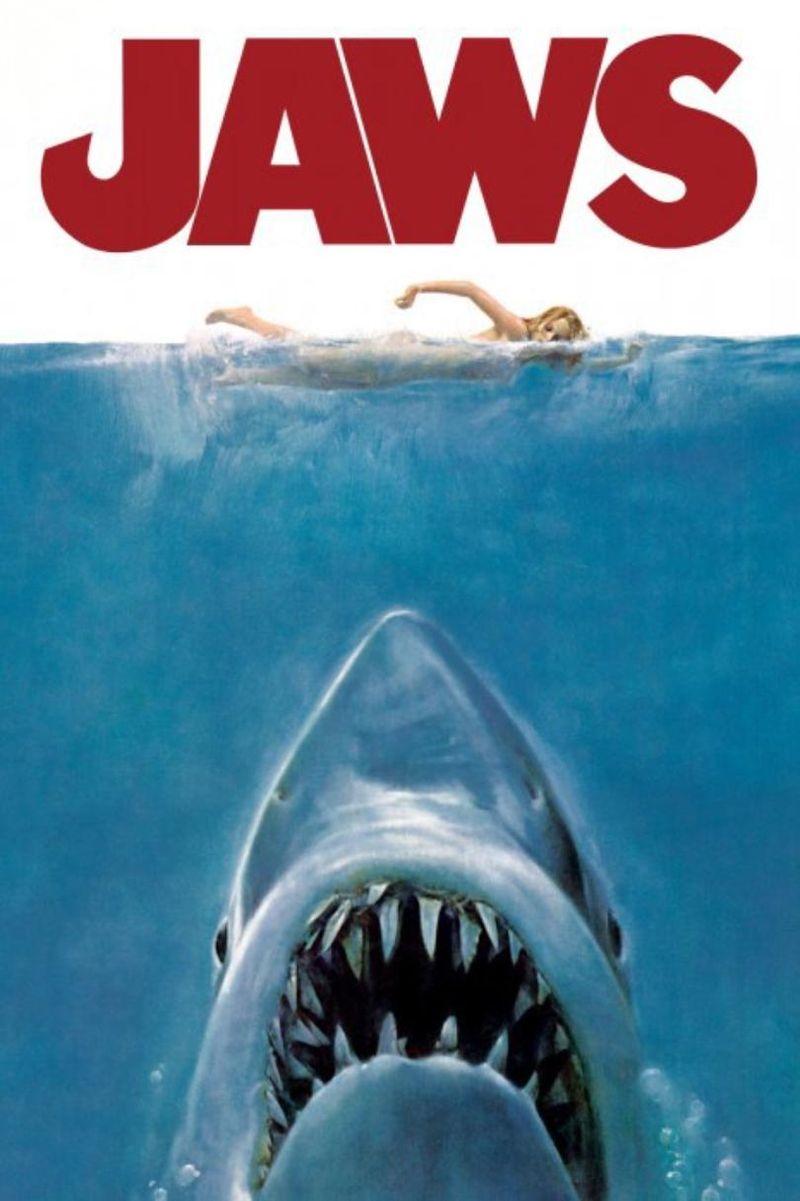
Jaws still feels modern because it understands institutional denial as well as monster suspense.
The shark is terrifying, but the film becomes richer because officials downplay the danger, protect tourism, and gamble with public safety.
That conflict between profit and truth feels as contemporary as ever.
The movie also knows that what you cannot see is often more frightening than what you can.
Spielberg turns open water into a blank screen for dread, letting your imagination do the work while the characters scramble to regain control.
Brody, Hooper, and Quint form a dynamic that feels human enough to keep the film grounded even when the stakes become mythic.
You can watch it as a thrilling creature feature, but beneath that surface is a razor-sharp story about leadership, fear, and communities failing under pressure.
13. Invasion of the Body Snatchers (1978)
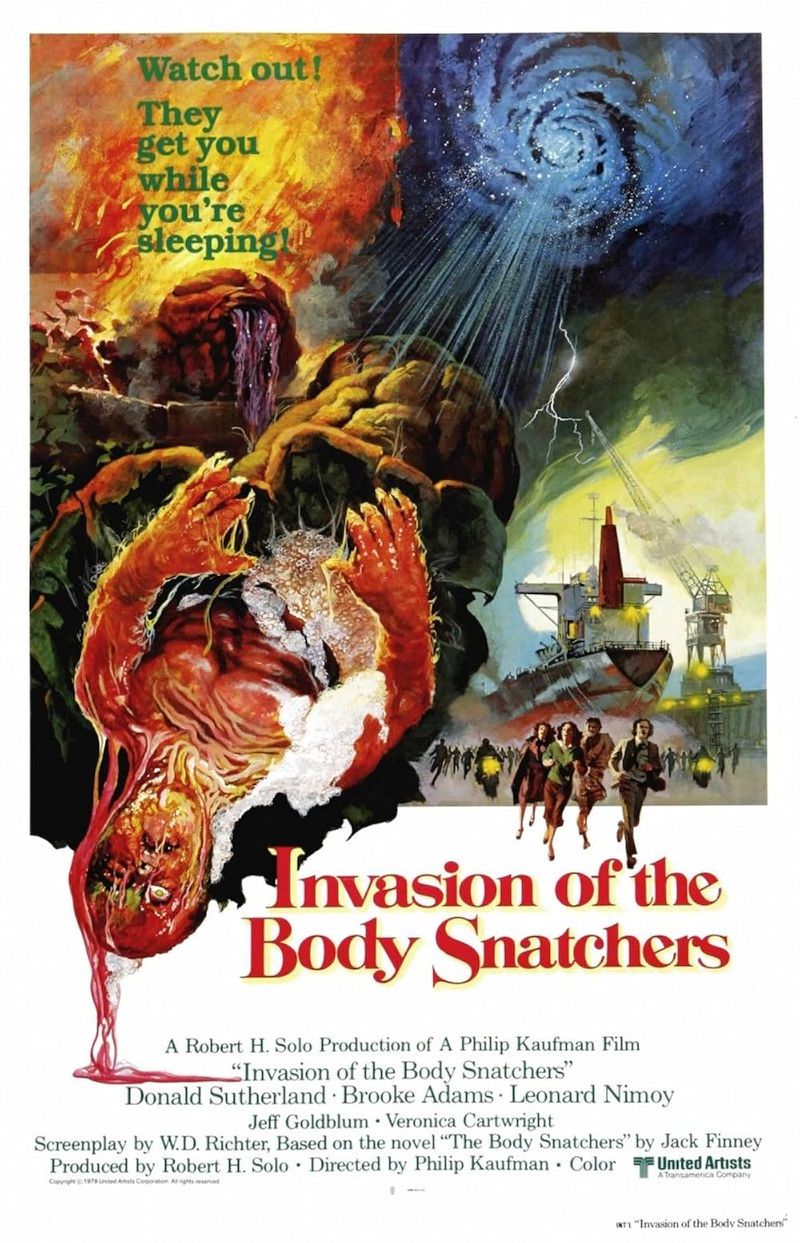
Invasion of the Body Snatchers feels modern because it weaponizes everyday paranoia.
The terror comes from noticing tiny changes in the people around you, then realizing that nobody else seems alarmed until it is too late.
That fear of social replacement has only become more potent over time.
The film taps into anxieties about conformity, trust, and the collapse of authentic connection in ways that feel eerily current.
Its city setting makes the threat feel impersonal and everywhere, as if alienation itself has taken biological form.
The performances sell the nightmare by grounding it in ordinary relationships before the horror expands beyond control.
Even now, the idea that something could quietly strip away empathy, individuality, and resistance feels disturbingly plausible.
It is science fiction horror, yes, but it plays like a bleak diagnosis of modern life.
14. Martin (1977)
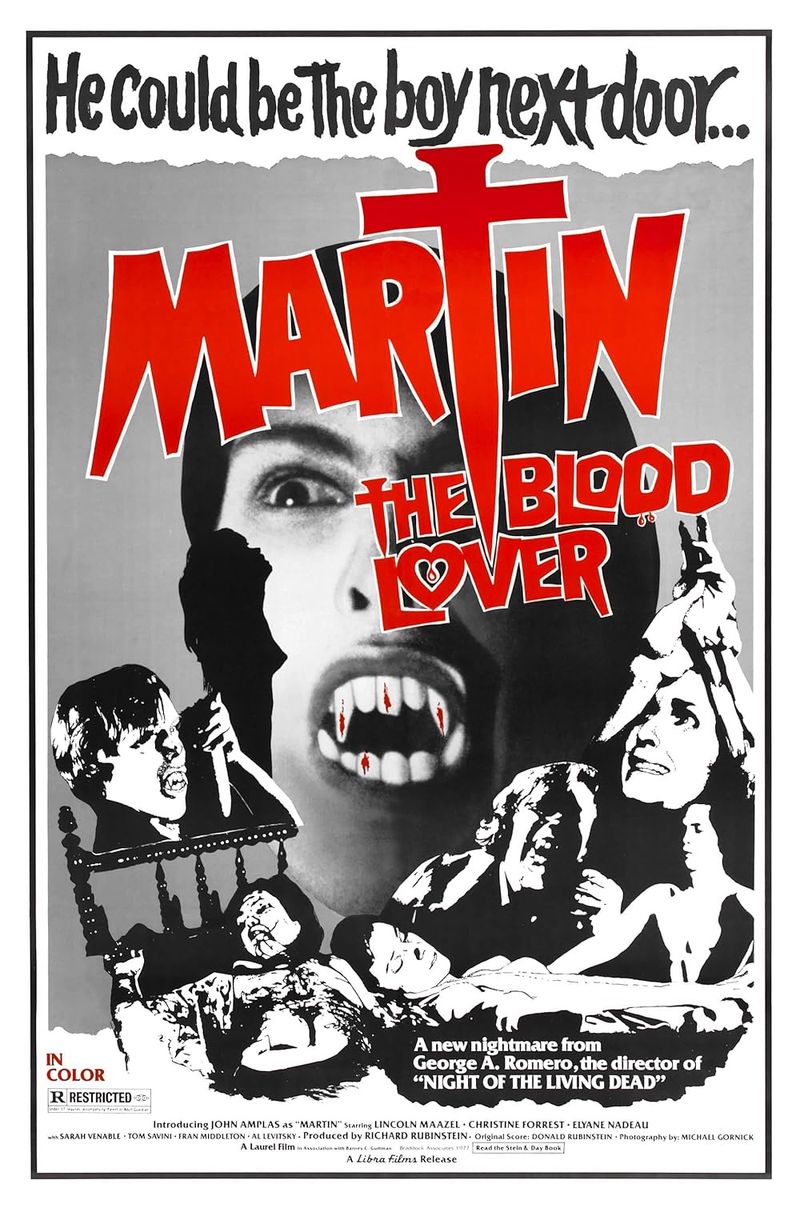
Martin feels modern because it refuses to romanticize the vampire myth.
Instead of seductive fantasy, you get loneliness, compulsive behavior, fractured identity, and a bleak portrait of someone who may be delusional, predatory, or both.
That ambiguity makes the film feel intimate and deeply uncomfortable.
Romero treats horror here as a social condition, shaped by alienation, repression, and the inability to connect within a decaying environment.
Martin is frightening, but he is also sad, drifting through a world that seems unable to offer meaning or care.
The film’s grounded style makes every act feel more disturbing because nothing is cushioned by gothic glamour.
In a time when audiences appreciate horror that blurs psychology and genre, Martin stands out as a haunting study of damage, desire, and the stories people tell themselves to survive.
15. The Omen (1976)
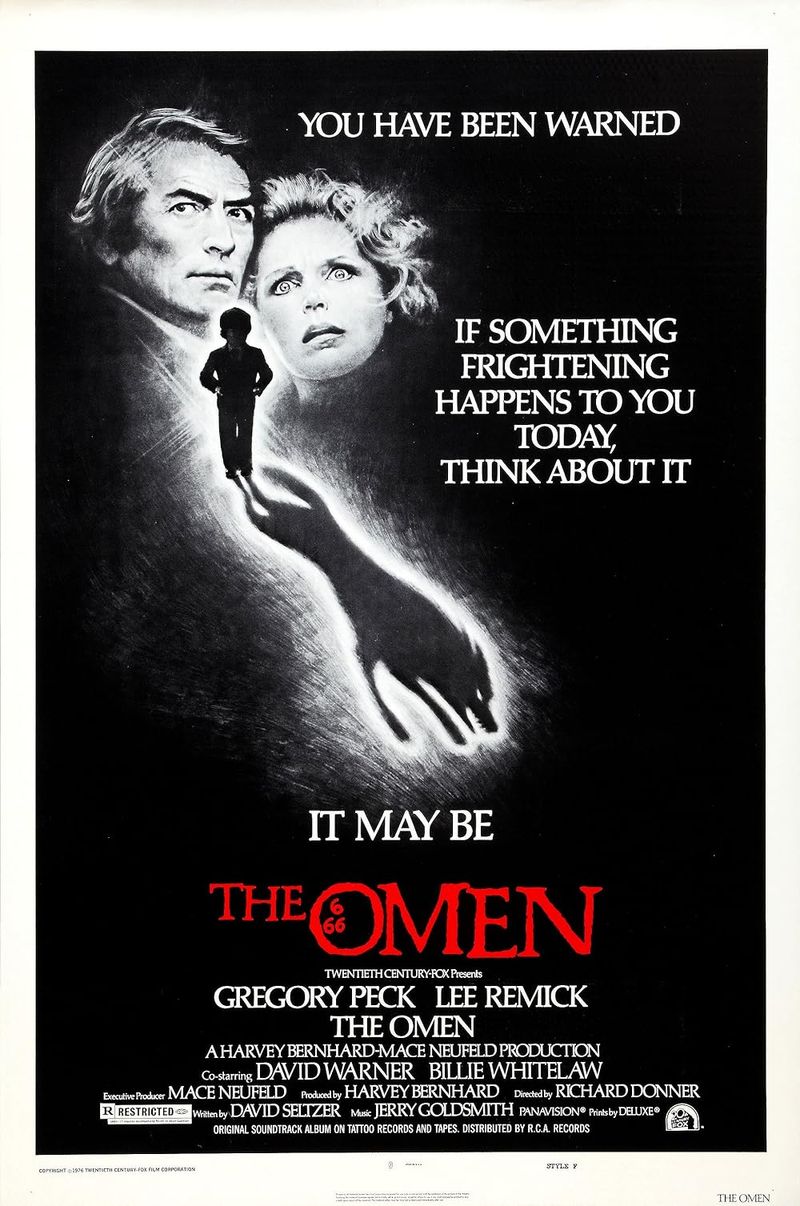
What makes The Omen linger is how calmly it watches privilege fail.
The film places apocalyptic fear inside polished rooms, diplomatic routines, and a family that assumes money can explain anything away.
That clash between status and dread still feels current, especially in a world where public image often matters more than truth.
It also understands how horror grows through suggestion, not noise.
Sudden deaths land hard, but the real unease comes from adults recognizing that their comforting systems cannot protect them.
Long before prestige horror became a label, The Omen was already proving supernatural terror could feel elegant, intimate, and horribly plausible.
16. The Last House on the Left (1972)
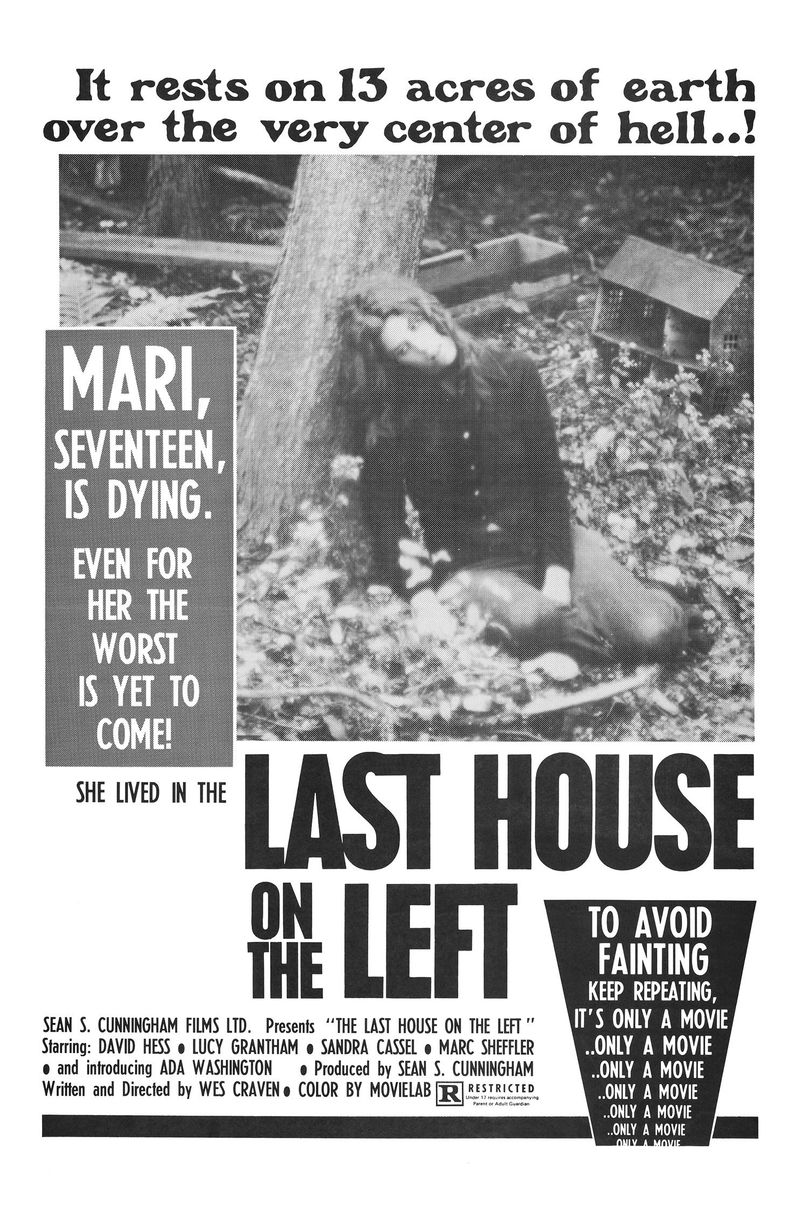
The Last House on the Left still feels upsetting because it refuses the safety of distance.
Its violence is messy, humiliating, and horribly human, with none of the glossy reassurance that later horror sometimes offers.
Even now, the film’s rawness feels uncomfortably close to real headlines, which is exactly why it remains hard to shake.
What feels modern is its anger.
Beneath the exploitation reputation, there is a bleak view of ordinary people, broken institutions, and revenge as another form of contamination.
The movie does not let you enjoy justice without cost, and that moral ugliness makes it feel more confrontational than cleaner modern thrillers.
17. Phantasm (1979)
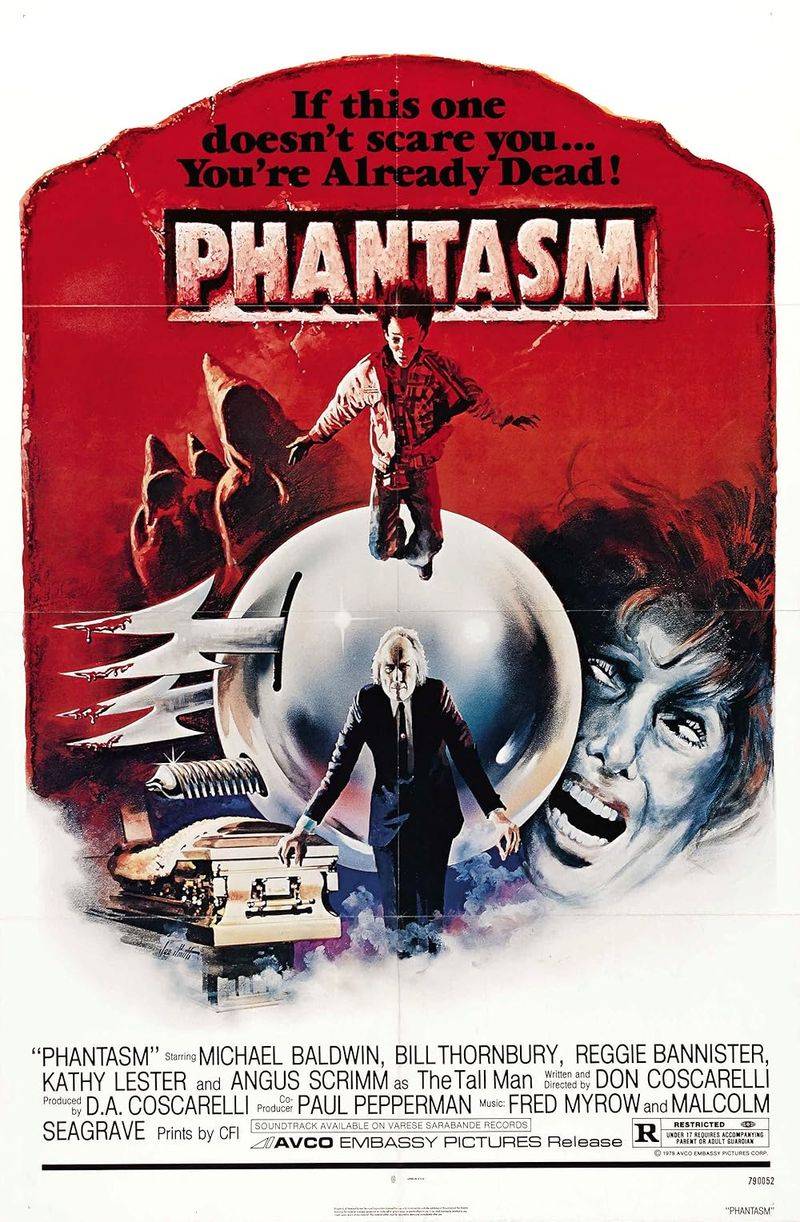
Phantasm endures because it feels like a nightmare that never fully explains itself.
The movie moves with dream logic, jumping between grief, adolescence, and cosmic dread in ways that seem disorienting at first and deeply unsettling later.
That refusal to over clarify everything feels surprisingly modern, especially now that audiences are used to horror built around mood, ambiguity, and unease.
It also understands how strange suburban emptiness can be.
Funeral homes, quiet streets, and fears become portals to something vast and uncaring.
The result is a film that feels both intimate and surreal, as if childhood paranoia has been vindicated by the worst possible universe.
18. The Brood (1979)
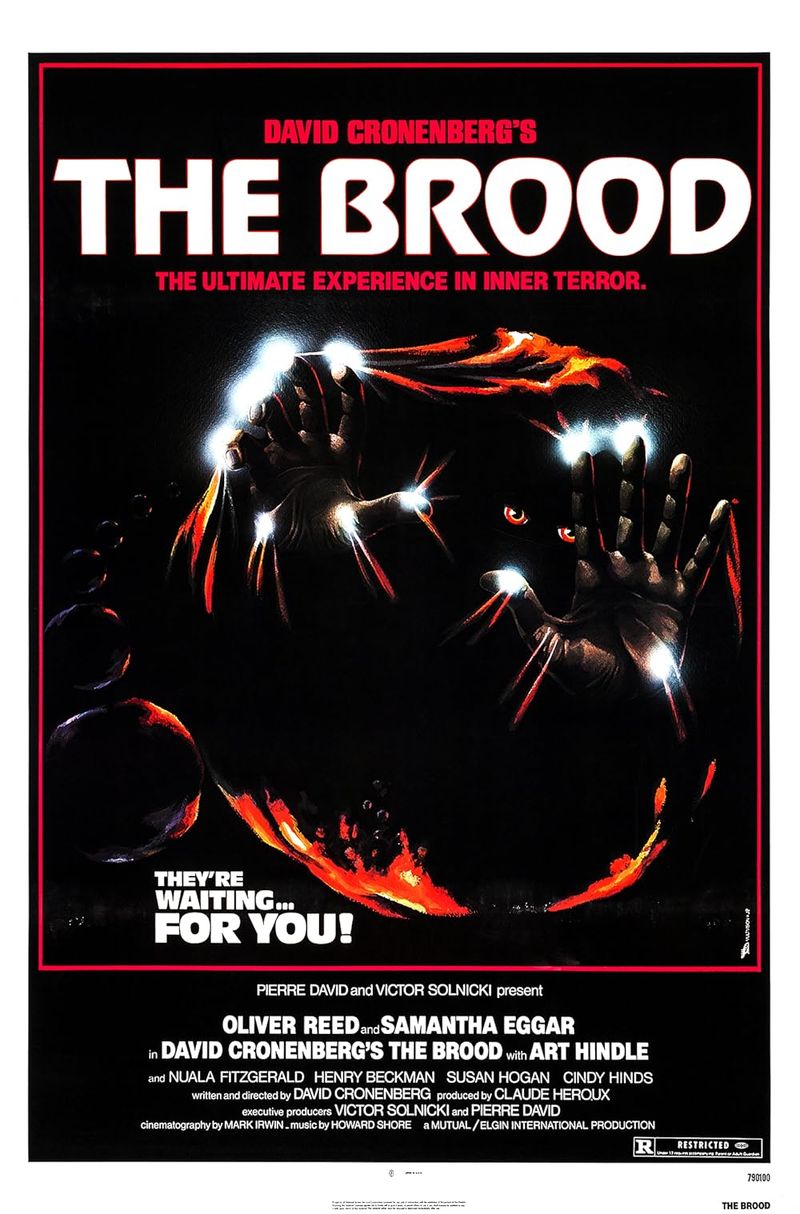
The Brood feels eerily current because it turns family trauma into something physical, visible, and impossible to ignore.
Cronenberg takes divorce, custody battles, and the language of self help, then pushes all of it into body horror that still feels viciously honest.
You can see the blueprint for so much modern horror here, where emotional damage is never just metaphor.
What really lasts is its view of childhood caught inside adult damage.
The movie understands that children absorb every cruelty, every manipulation, and every lie, even when grown ups pretend otherwise.
That insight makes its shocks hit harder than gore could.