 MomSkoop

Love is supposed to feel safe, warm, and freeing — but sometimes what looks like love can actually be harmful. Many people stay in unhealthy relationships because certain toxic behaviors are disguised as signs of deep affection.
Knowing the difference between real love and controlling or hurtful patterns can protect your heart and your mental health. Here are 14 toxic behaviors that people often mistake for genuine love.
1. Constant Jealousy Disguised as Protectiveness

Jealousy can feel flattering at first.
When someone gets upset because others notice you, it can seem like proof they care deeply.
But there is a big difference between feeling a little jealous and constantly monitoring who you talk to or where you go.
Real protectiveness comes from a place of trust and respect.
Toxic jealousy, on the other hand, is rooted in insecurity and the need to control.
It often leads to accusations, arguments, and a slow erosion of your freedom.
Healthy love does not require you to shrink your world to keep someone comfortable.
If jealousy feels more like a cage than a compliment, that is a serious red flag worth paying attention to.
2. Love Bombing That Feels Like Intense Devotion

Imagine someone showering you with gifts, constant texts, and over-the-top compliments within the first few weeks of knowing them.
It feels magical, almost like a fairy tale.
This pattern is called love bombing, and it is one of the most deceptive tactics in unhealthy relationships.
Love bombing is not about genuine affection — it is about creating emotional dependency fast.
The goal is to make you feel so special and needed that you lower your guard completely.
Once that happens, the behavior often shifts dramatically.
Real love grows steadily and feels consistent over time.
When someone’s affection feels too intense too soon, trust your instincts.
Genuine connection does not need to rush or overwhelm you to prove it is real.
3. Wanting to Spend Every Second Together

At the start of a relationship, wanting to be together all the time can feel incredibly romantic.
It seems like proof that you have found your person.
But when one partner cannot tolerate any time apart, something more complicated is going on beneath the surface.
Healthy relationships require breathing room.
Each person needs time for their own hobbies, friendships, and personal growth.
When togetherness becomes a demand rather than a choice, it stops being sweet and starts being suffocating.
Needing to be glued together 24/7 often signals anxiety or insecurity, not love.
A partner who truly cares about you will encourage your independence, not panic every time you are not by their side.
Space is not rejection — it is healthy.
4. Controlling Behavior Framed as Caring

“I just want what is best for you” — these words can sound loving, but they are often used to justify controlling behavior.
When someone dictates what you wear, who you hang out with, or how you spend your time, they are not caring for you.
They are managing you.
Control dressed up as concern is one of the hardest toxic patterns to recognize.
It creeps in slowly, often starting with small suggestions that gradually become demands.
Before long, you may find yourself asking permission for basic decisions in your own life.
Genuine care respects your ability to make your own choices.
A loving partner offers support and guidance when asked — they do not quietly take over your life and call it love.
5. Extreme Highs and Lows Mistaken for Passion

Some people mistake emotional chaos for chemistry.
The relationship feels like a roller coaster — incredibly high moments followed by painful crashes — and that intensity gets labeled as passion.
But real passion does not require constant drama to stay alive.
Relationships built on extreme emotional swings are often exhausting and emotionally damaging.
The highs feel amazing, which is why people stay, but the lows can be deeply hurtful.
Over time, your nervous system stays on high alert, which takes a serious toll on your mental health.
Stable, consistent love might feel less exciting at first, but it is far healthier.
Calm does not mean boring.
A relationship where you feel safe and secure is far more valuable than one that keeps you guessing every single day.
6. Ignoring Your Boundaries in the Name of Closeness

Boundaries are not walls — they are the guidelines that help relationships stay healthy and respectful.
When someone consistently ignores your boundaries and justifies it by saying they just want to feel close to you, that is a major warning sign.
Crossing boundaries while calling it intimacy is a manipulation tactic.
It trains you to believe that having limits means you do not love someone enough.
Over time, you may start apologizing for your own needs, which is never okay in a healthy relationship.
Real closeness is built on mutual respect, not on pushing past what makes someone uncomfortable.
A partner who loves you will honor your limits, even when they do not fully understand them.
Your comfort always matters.
7. Possessiveness Mistaken for Loyalty

Loyalty is one of the most valued qualities in a relationship.
So when someone acts possessive, it can easily be confused with being deeply loyal.
But possessiveness is not the same thing — not even close.
Loyalty is built on trust, while possessiveness is built on fear.
A possessive partner treats you more like property than a person.
They may get angry when you talk to others, demand to know your location at all times, or become hostile toward anyone who gets near you.
That is not devotion — that is ownership.
True loyalty means standing by someone through challenges while still respecting their freedom.
You should never feel like you belong to someone.
You are a person with your own life, and real love celebrates that rather than restricting it.
8. Needing Constant Reassurance and Validation

Everyone needs reassurance sometimes — that is completely normal.
But when a partner constantly needs you to confirm your love, prove your loyalty, or soothe their fears on a daily basis, it becomes an emotional burden that weighs heavily on the relationship.
This kind of behavior often stems from deep insecurity or past trauma.
While those roots deserve compassion, it does not mean you are responsible for filling every emotional gap in another person.
No amount of reassurance will ever feel like enough for someone who does not feel secure within themselves.
Healthy love does not demand that you perform your feelings over and over to keep the peace.
Both partners should feel secure without needing constant proof.
Emotional stability within yourself is something each person must work toward individually.
9. Isolating You From Friends and Family

One of the most dangerous patterns in a toxic relationship is isolation.
It rarely happens all at once.
Instead, a partner might subtly criticize your friends, create drama around family visits, or make you feel guilty for spending time with anyone but them.
Over time, you find yourself drifting away from the people who know and love you.
This is not accidental — isolation removes your support system, making you more emotionally dependent on the person isolating you.
It is a calculated pattern, even when it does not feel that way.
Healthy relationships encourage you to maintain strong friendships and family bonds.
Someone who loves you wants you surrounded by people who care about you, not cut off from them.
Isolation is control, plain and simple.
10. Silent Treatment Used as Emotional Punishment
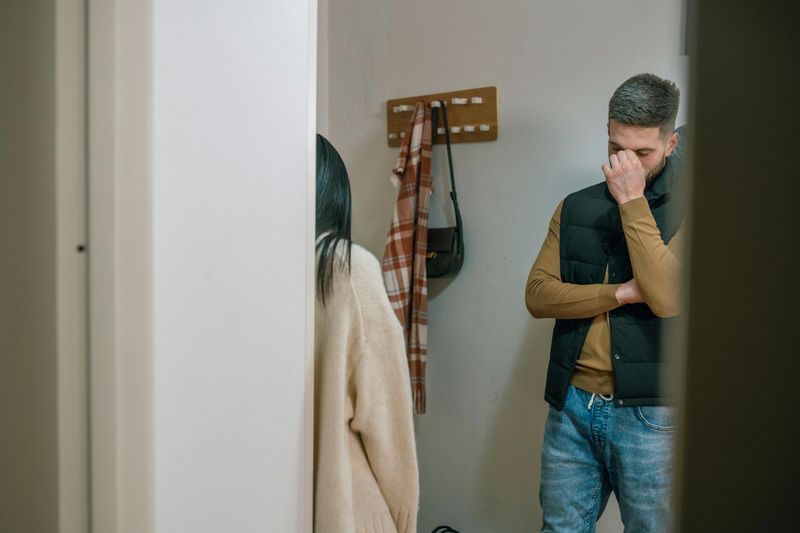
The silent treatment might seem like someone simply needing space to cool down.
But when it is used deliberately to punish, control, or make you feel anxious, it crosses into emotional manipulation.
The difference lies in the intention behind the silence.
Being ignored by someone you love is genuinely painful.
It triggers anxiety, self-doubt, and a desperate need to fix things — even when you have done nothing wrong.
That is exactly what the silent treatment is designed to do: make you feel responsible and powerless at the same time.
Mature partners communicate through conflict, even when it is uncomfortable.
Shutting someone out as punishment is not a healthy coping mechanism — it is an emotional weapon.
Real love works through disagreements with words, not silence designed to wound.
11. Monitoring Your Phone, Social Media, or Location

Trust is the foundation of every healthy relationship.
So when a partner insists on checking your phone, scrolling through your messages, or tracking your location at all times, it is a clear sign that trust is missing — and that its absence is being replaced with surveillance.
Some people frame this kind of monitoring as transparency or honesty.
But real transparency is chosen freely, not demanded.
Being watched constantly creates a suffocating atmosphere where you feel more like a suspect than a partner.
Everyone deserves a baseline of privacy, even in a committed relationship.
Monitoring your every move is not a sign of love — it is a sign of deep insecurity and a need for control.
Healthy love is built on trust, not tracking apps.
12. Making You Feel Guilty for Having Independence

Having your own life outside of a relationship is not selfish — it is essential.
But in toxic relationships, independence often gets weaponized.
Your partner sulks when you make plans without them, makes pointed comments about your priorities, or gives you the cold shoulder after you spend time doing something for yourself.
Slowly, you start to shrink.
You cancel plans, turn down opportunities, and check in constantly just to avoid conflict.
What feels like compromise is actually you surrendering your autonomy piece by piece.
A loving partner celebrates your growth and independence.
They cheer you on when you pursue goals, spend time with loved ones, or simply recharge alone.
Guilt-tripping someone for living their life is emotional manipulation, no matter how it is packaged.
13. Confusing Emotional Dependency With Deep Connection

There is a meaningful difference between choosing to be with someone and feeling like you cannot survive without them.
Emotional dependency can feel like the deepest kind of love — an unbreakable bond.
But underneath that intensity, there is often fear, not genuine connection.
When your entire emotional well-being depends on one person, the relationship becomes unbalanced and fragile.
You may find yourself tolerating behaviors you should not, simply because the thought of being without them feels unbearable.
That fear can keep people stuck in deeply unhealthy situations for years.
Real connection feels grounding, not desperate.
Two emotionally healthy people choose each other freely, not out of need or fear.
Building a strong sense of self outside of any relationship is one of the most loving things you can do for yourself.
14. Repeated Disrespect Followed by Grand Apologies

You have probably heard of the cycle: a hurtful incident happens, followed by a dramatic apology, big gestures, and promises that it will never happen again.
Then it does.
This push-and-pull pattern is one of the most recognized signs of a toxic relationship, yet it is incredibly easy to stay caught in it.
Grand apologies feel like proof of love.
The tears, the flowers, the heartfelt speeches — they create hope that things will genuinely change.
But actions over time tell the real story.
When disrespect keeps repeating despite apologies, the apology itself becomes part of the pattern, not a solution.
Respect should be a constant, not something restored after it is broken.
Real love does not require dramatic make-up gestures on repeat.
Consistent, everyday kindness and respect matter far more than any grand romantic gesture ever could.