 MomSkoop
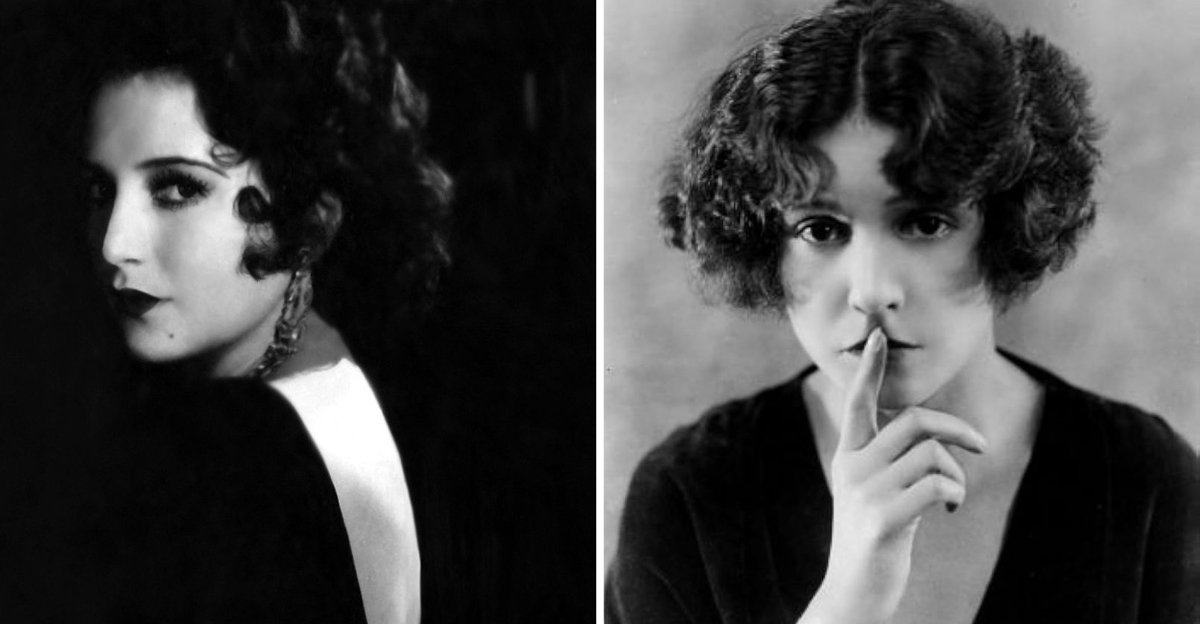
Before talking pictures took over Hollywood, silent film actresses ruled the silver screen with nothing but their expressions, costumes, and magnetic screen presence. The 1920s were a golden era of glamour, drama, and bold personalities that audiences absolutely adored.
These remarkable women shaped the way movies were made and watched, leaving behind legacies that still inspire filmmakers and fans today. Get ready to meet the unforgettable divas who made the silent era truly shine.
1. Clara Bow
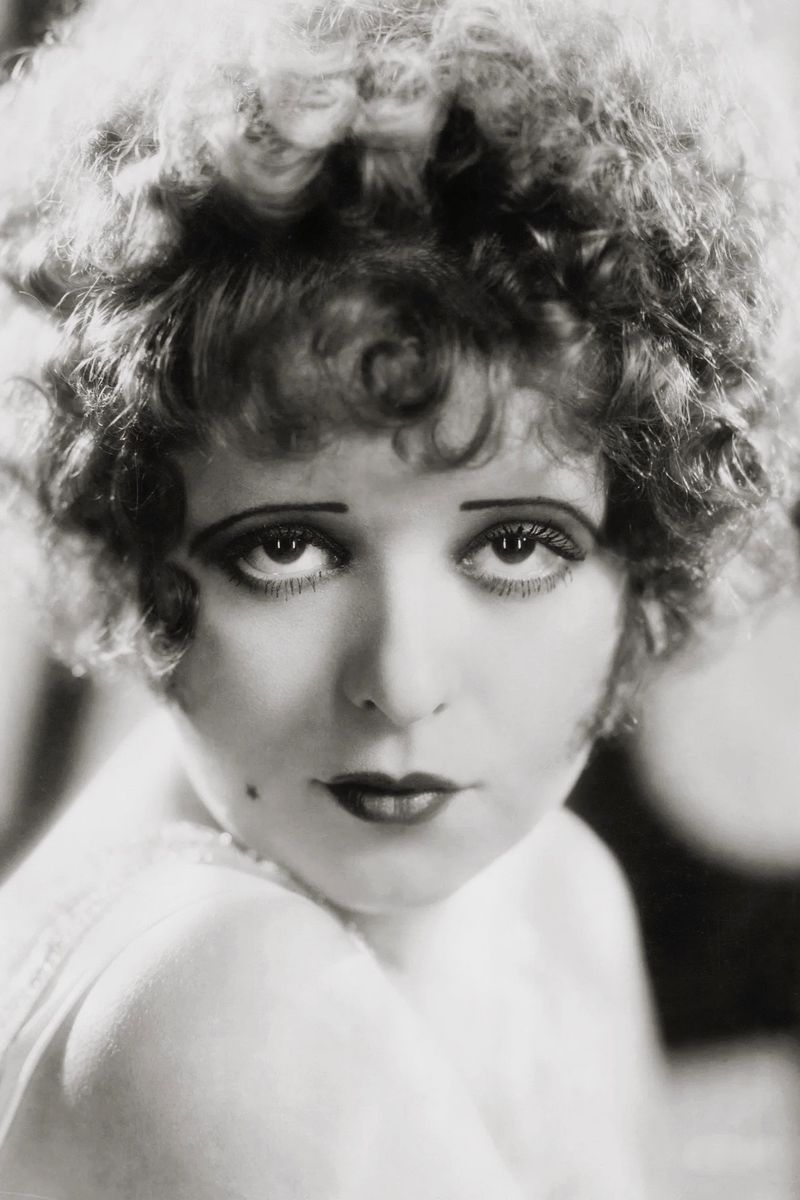
There was something electric about Clara Bow that no camera could fully contain.
Nicknamed the “It Girl” after her breakout 1927 film It, she became the living symbol of the Jazz Age flapper — carefree, confident, and wildly charming.
Audiences packed theaters just to watch her infectious energy light up the screen.
Born into poverty in Brooklyn, Clara fought hard for every role she landed.
Her natural charisma made her Paramount Pictures’ biggest box office draw by the mid-1920s.
Off screen, her personal life was tabloid gold, adding to her larger-than-life image.
She proved that personality could be just as powerful as dialogue, even without a single spoken word.
2. Greta Garbo
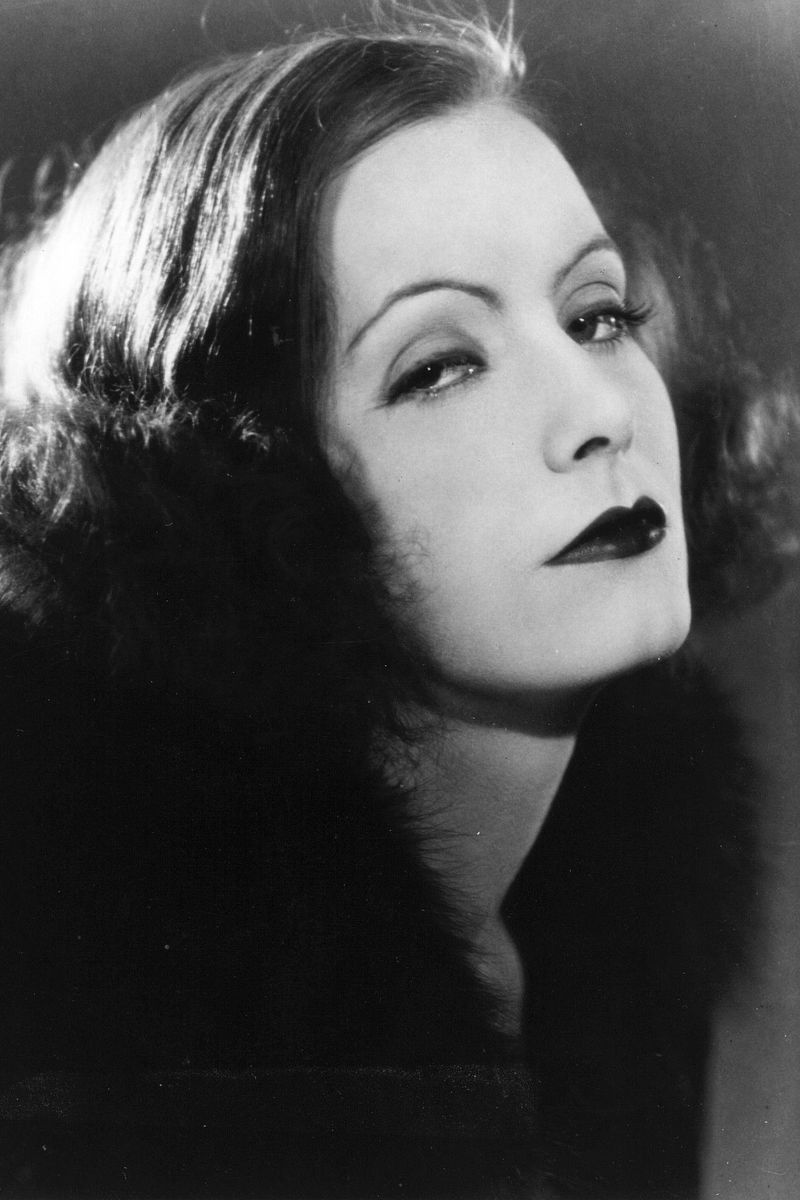
Few stars in Hollywood history have matched the quiet, almost hypnotic power of Greta Garbo.
Born in Stockholm, Sweden, she arrived in Hollywood in 1925 and almost immediately became one of MGM’s most prized possessions.
Directors loved her because the camera seemed to fall in love with her face on its own.
Her reserved, mysterious personality off screen only added to the fascination fans felt toward her.
Unlike many stars who craved attention, Garbo famously preferred solitude — a quality that made the public want her even more.
She transitioned smoothly into talking pictures, proving her talent was never just about silence but about pure, undeniable presence.
3. Gloria Swanson
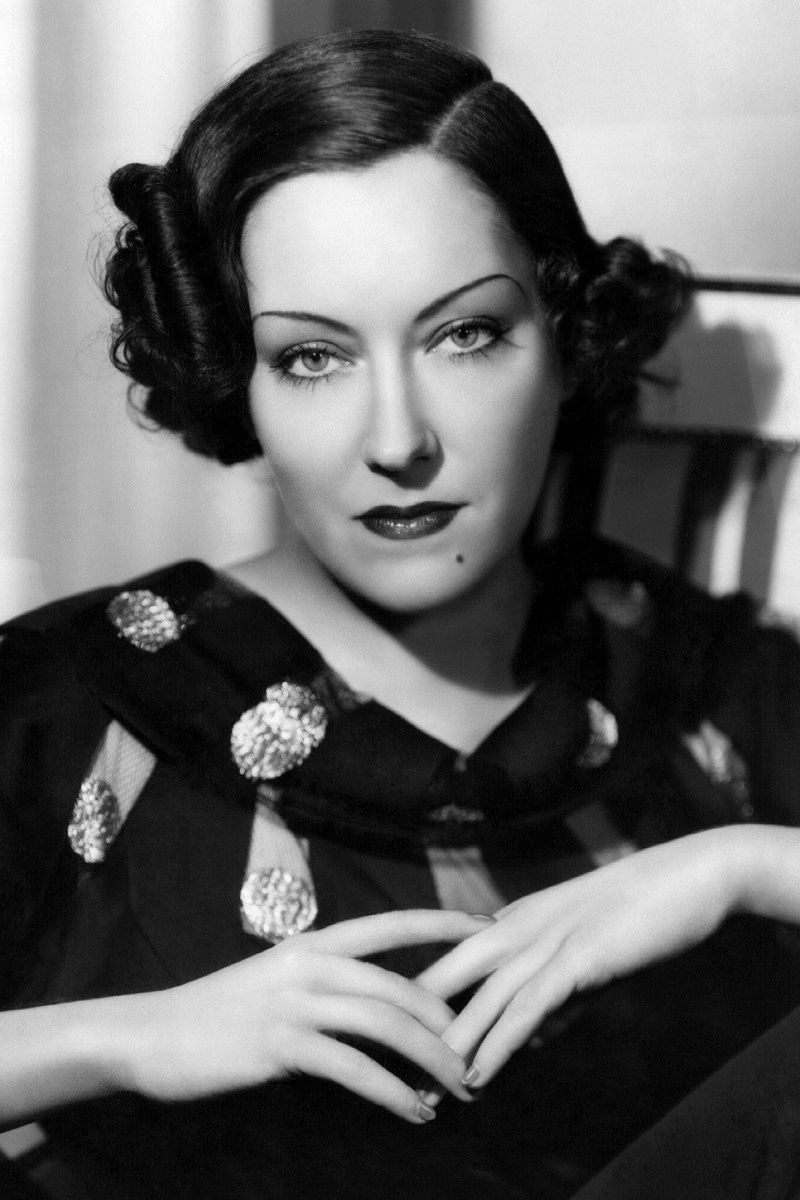
Gloria Swanson didn’t just act in movies — she turned every scene into a fashion show.
Known for her extravagant costumes and fierce dramatic performances, she became one of the most recognizable faces in 1920s Hollywood.
Director Cecil B.
DeMille helped launch her career with a string of lavish romantic films that audiences adored.
Her influence extended far beyond the screen.
Fashion designers paid close attention to what Swanson wore, and women across America tried to copy her bold, elegant style.
She was Hollywood royalty long before that phrase even existed.
Decades later, her unforgettable role in Sunset Boulevard (1950) reminded the world exactly how powerful she had always been.
4. Louise Brooks
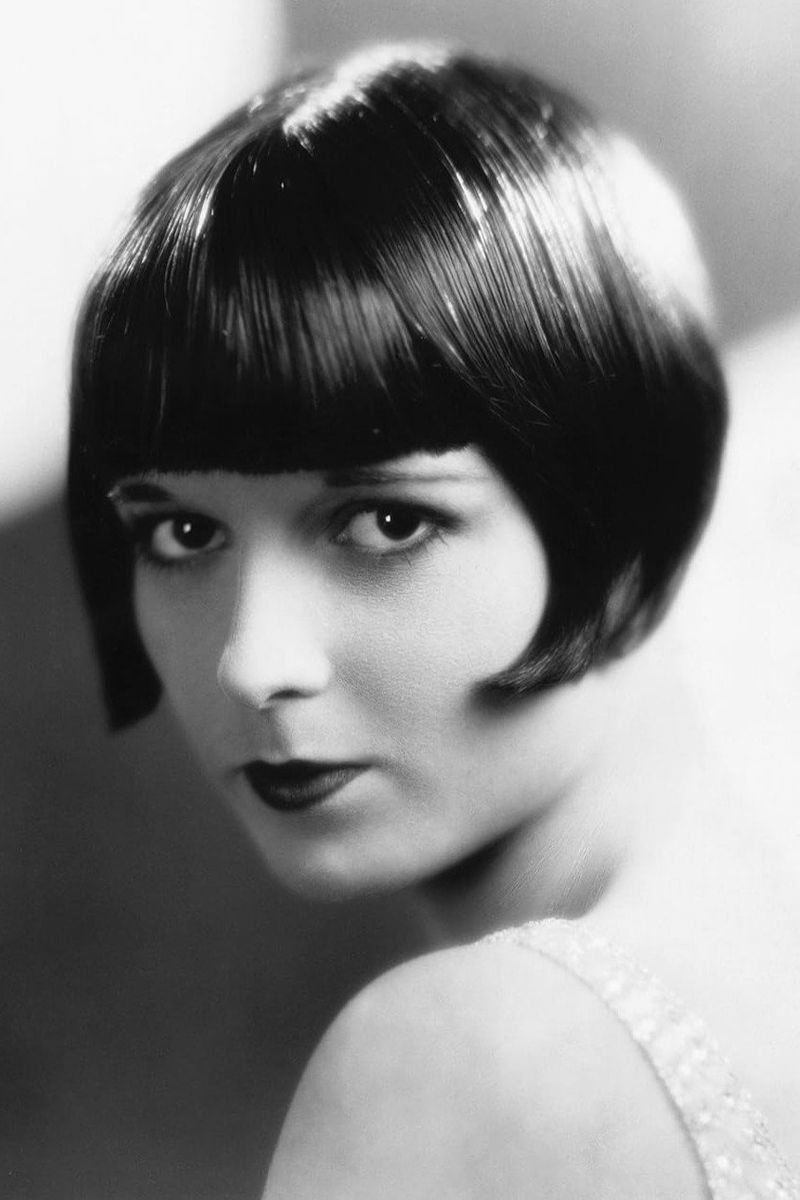
One haircut.
That’s all it took for Louise Brooks to become a timeless style icon.
Her signature jet-black bob became one of the most copied hairstyles of the entire decade, and it perfectly matched her bold, independent personality.
She wasn’t just a pretty face — she was a genuinely fearless performer.
Her role in the 1929 German film Pandora’s Box is still considered one of silent cinema’s greatest performances.
She played a complex, morally ambiguous character at a time when Hollywood preferred its actresses sweet and simple.
Brooks never quite got the mainstream recognition she deserved during her career, but film historians have since celebrated her as one of the era’s true artistic trailblazers.
5. Lillian Gish
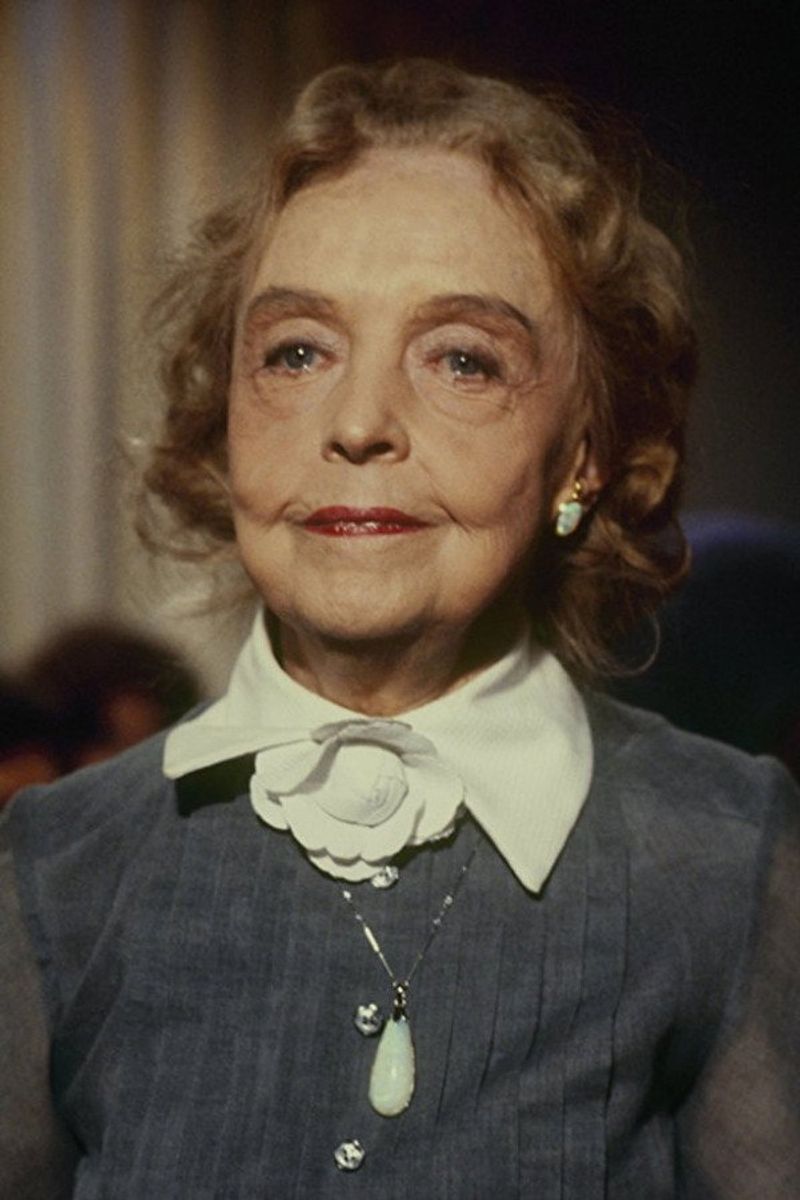
Ask any film historian who the greatest actress of the silent era was, and Lillian Gish’s name will come up almost every time.
She began working with legendary director D.W.
Griffith as a teenager and quickly developed a screen presence that felt both fragile and enormously powerful at the same time.
Her performances in films like Broken BlossomsThe Wind (1919) and (1928) showed emotional depths that many sound-era actresses would struggle to match.
She could convey heartbreak, terror, or joy without uttering a single word.
Gish remained active in film and television well into her 90s, earning lifetime achievement awards and the deep respect of generations of performers who followed in her remarkable footsteps.
6. Colleen Moore
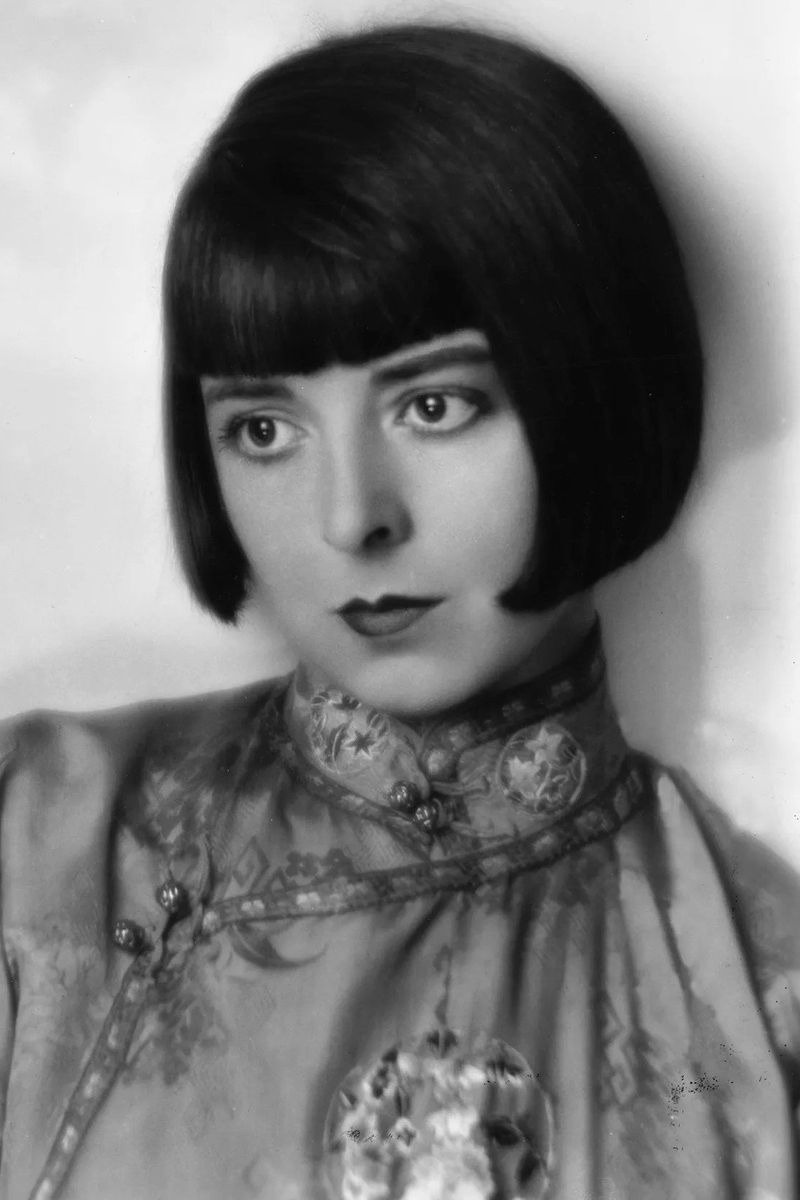
Colleen Moore practically invented the look that defined an entire generation.
With her short hair, sparkling outfits, and playful on-screen personality, she became one of Hollywood’s top box office draws during the mid-1920s.
Her 1923 film Flaming Youth is widely credited with kicking off the flapper craze that swept the nation.
Beyond her screen career, Moore was also a surprisingly savvy businesswoman.
She built an elaborate miniature fairy-tale castle that toured the country as a charity exhibit, raising millions of dollars for children’s causes.
Her legacy as a cultural trendsetter is enormous — she helped young women across America feel bold enough to cut their hair, shorten their skirts, and embrace a whole new kind of freedom.
7. Pola Negri
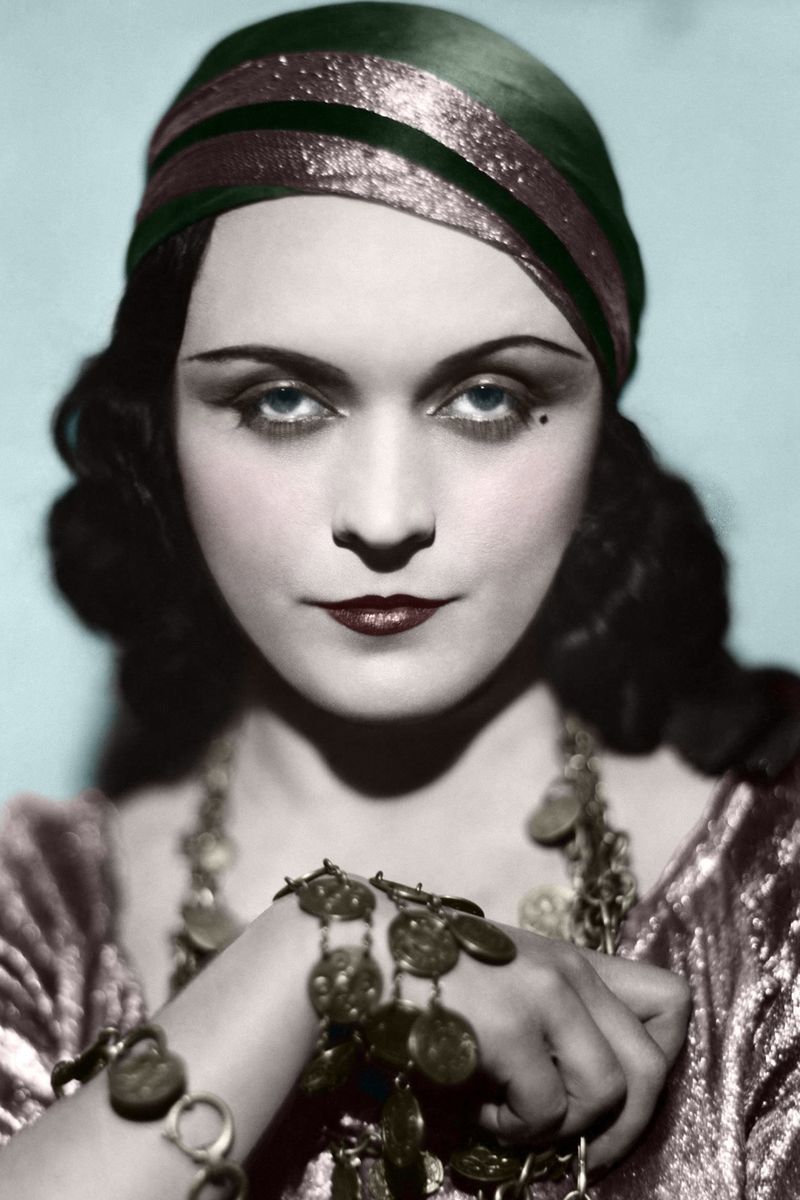
Born in Poland, she became a major star in European cinema before Paramount Pictures brought her to Hollywood in 1922.
Her dark, exotic image made her one of the decade’s most talked-about screen personalities.
She was famously passionate — both on screen and off.
Her very public romance with Rudolph Valentino made headlines around the world, and when he died in 1926, her dramatic displays of grief at his funeral became legendary tabloid fodder.
Negri’s bold, unapologetic persona challenged Hollywood’s preference for girl-next-door types, proving that mystery and edge could be just as bankable as sweetness.
8. Mary Pickford
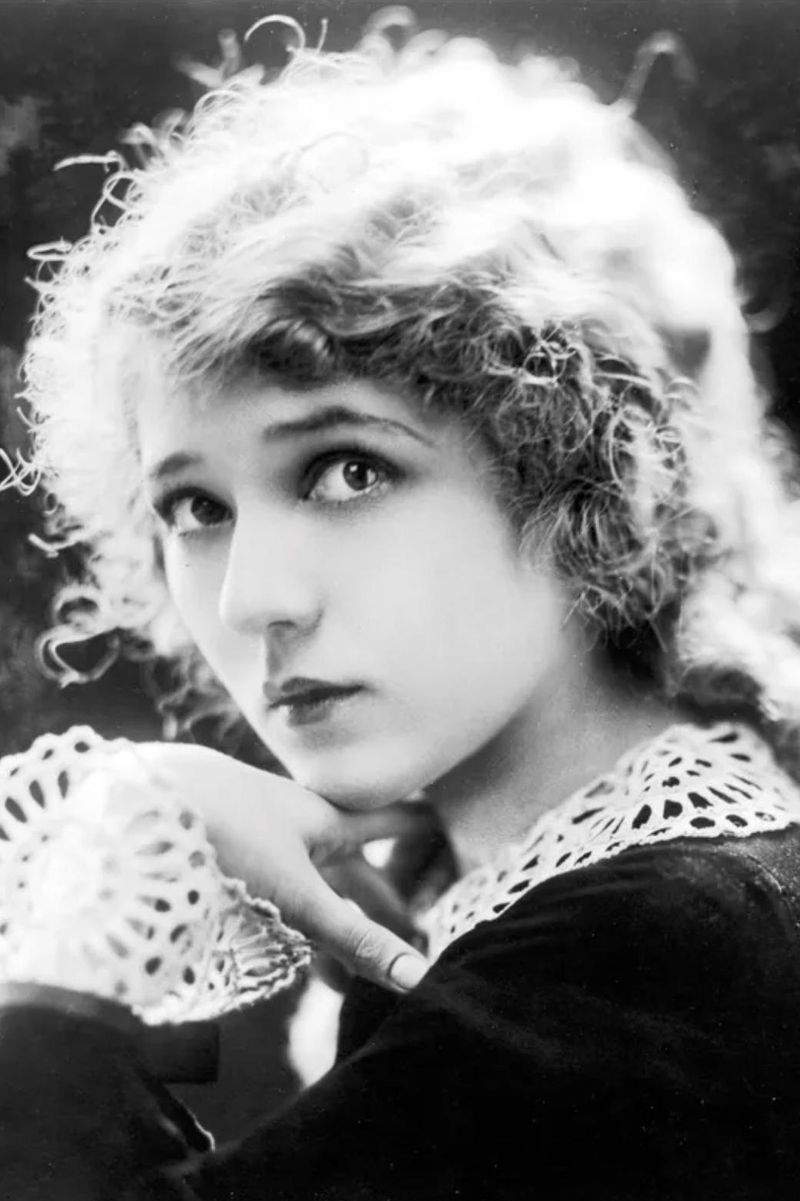
Mary Pickford wasn’t just beloved — she was a business genius who helped reshape the entire film industry.
Known affectionately as “America’s Sweetheart,” she was one of the most famous women in the world during the 1910s and 1920s.
Fans adored her girl-next-door charm and her ability to play innocent, spirited heroines with total conviction.
In 1919, she co-founded United Artists alongside Charlie Chaplin, Douglas Fairbanks, and D.W.
Griffith — a revolutionary move that gave top talent creative and financial control over their own work.
Pickford won the Academy Award for Best Actress in 1930 for Coquette.
She remains one of the most influential figures in Hollywood’s entire history, not just for her acting but for her extraordinary vision.
9. Theda Bara
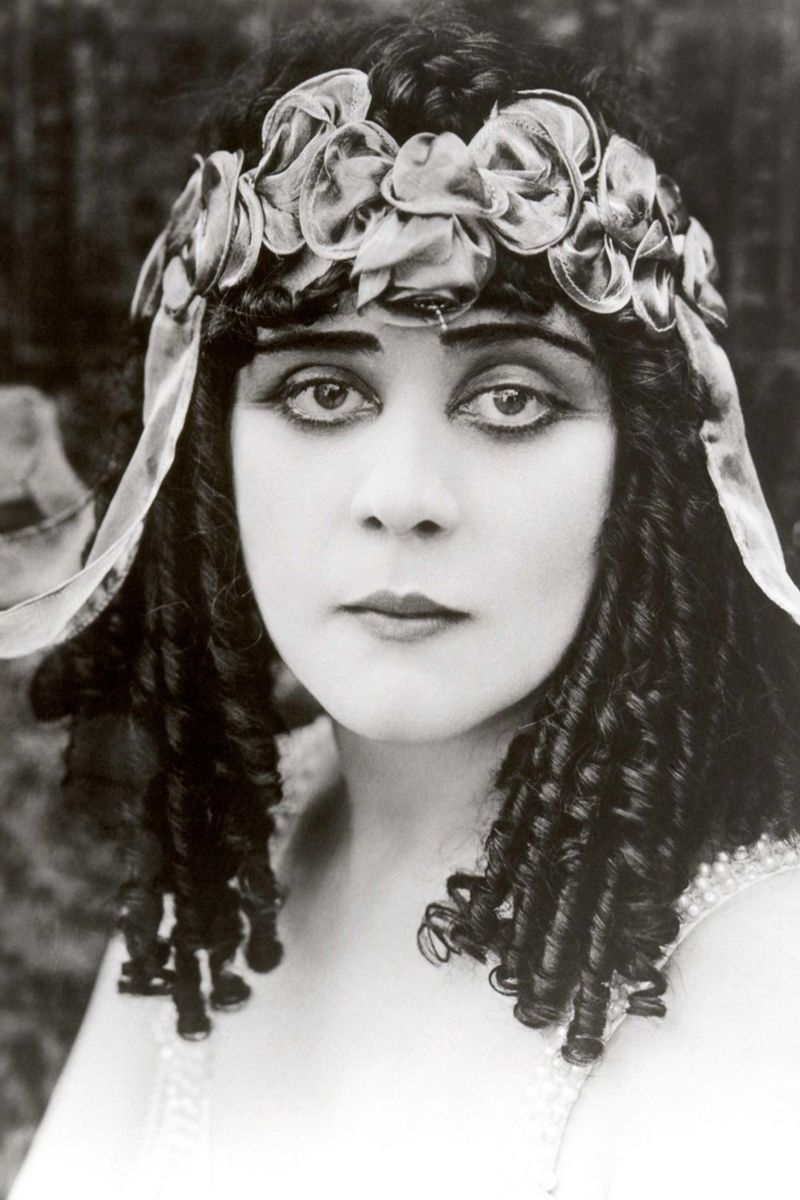
Long before the term “femme fatale” became a Hollywood cliche, Theda Bara was living it.
Nicknamed “The Vamp,” she played dangerous, seductive women who led men to their doom — and audiences couldn’t get enough of it.
Her 1915 film A Fool There Was made her an overnight sensation and one of cinema’s very first manufactured stars.
Fox Film Corporation crafted an elaborate fake backstory for her, claiming she was born in Egypt near the Sphinx to a French artist and an Arabian princess.
In reality, she was Theodosia Goodman from Cincinnati, Ohio.
Most of her films are tragically lost, but her impact on Hollywood’s idea of the dangerous woman endures as powerfully as ever today.
10. Norma Talmadge
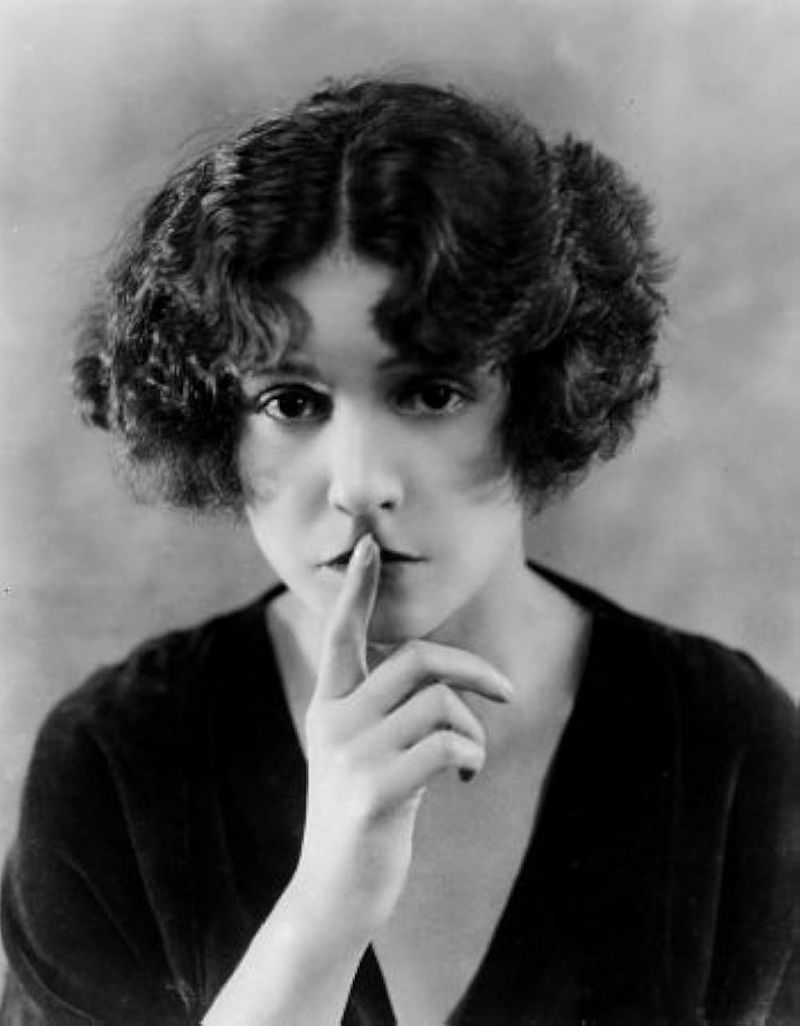
During the peak of the silent era, Norma Talmadge was earning more money than almost any other actress in Hollywood.
Fans adored her for her emotionally rich performances in romantic dramas, and studio executives respected her because she consistently delivered massive box office returns.
She wasn’t just a star — she was a reliable industry powerhouse.
Alongside her sisters Constance and Natalie, Norma helped build a genuine family dynasty in early Hollywood.
Their mother, Peg Talmadge, managed the family’s careers with sharp business instincts that kept them at the top for years.
Unfortunately, the arrival of talking pictures proved challenging for Norma.
But her silent film legacy remains a remarkable chapter in Hollywood history that deserves far more recognition today.
11. Vilma Bánky
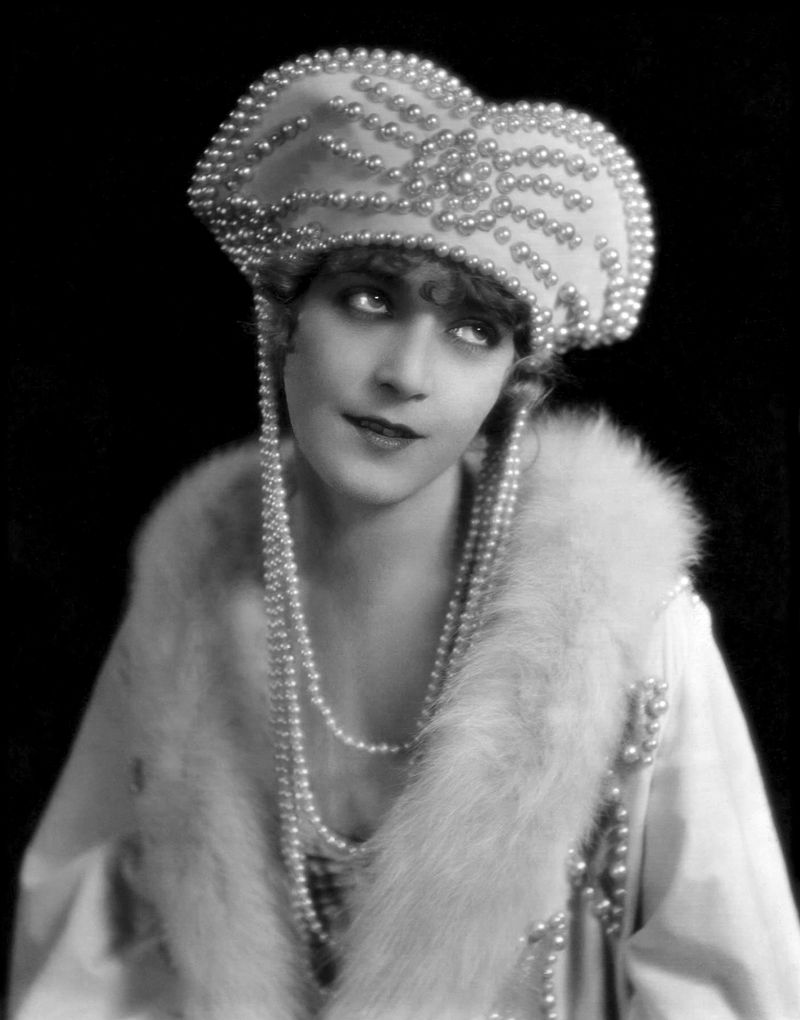
Vilma Bánky had a face so perfectly suited to the silent screen that producer Samuel Goldwyn called her one of the most naturally photogenic actresses he had ever discovered.
Born in Hungary, she was brought to Hollywood in 1925 and quickly became one of the most sought-after leading ladies of the decade.
Her on-screen chemistry with Rudolph Valentino in films like The EagleThe Son of the Sheik (1925) and (1926) was absolutely electric.
Audiences adored watching them together, and the films were massive commercial hits.
When sound films arrived, her strong Hungarian accent made the transition difficult.
Even so, her graceful screen presence during the silent era earned her a permanent place among Hollywood’s most admired romantic stars.
12. Bebe Daniels
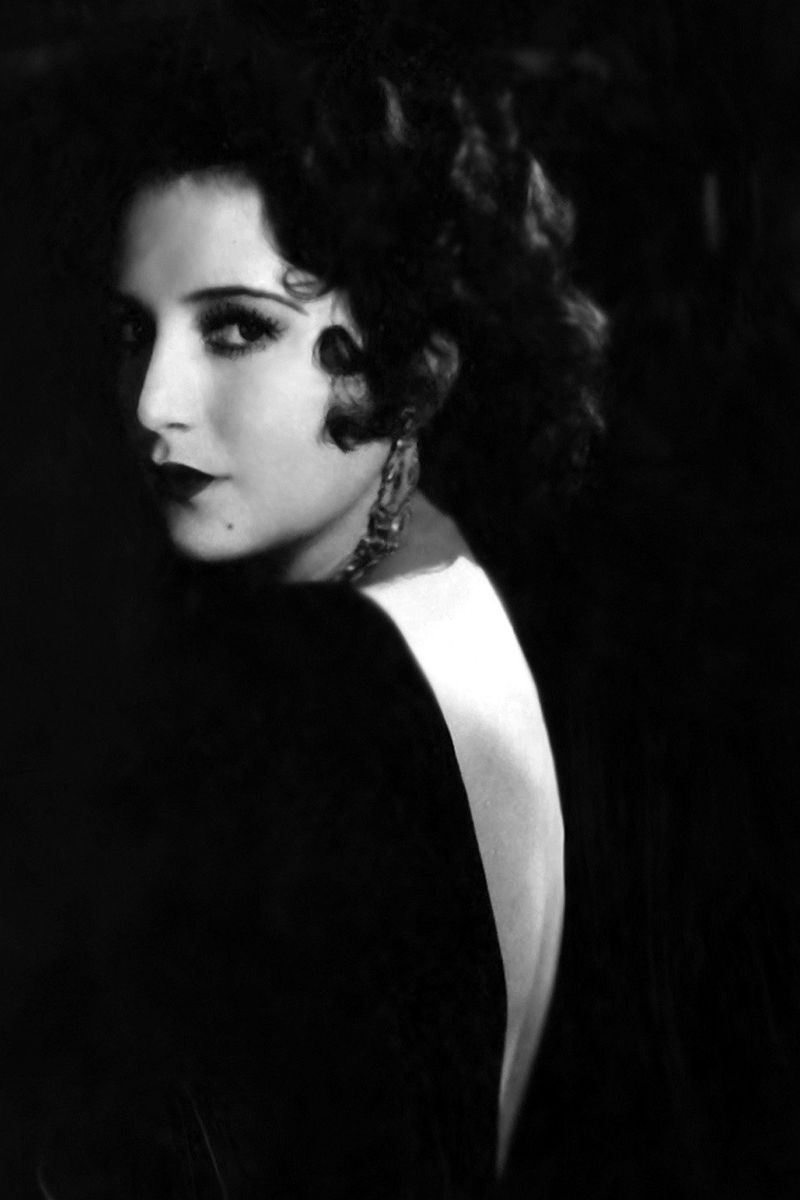
Bebe Daniels could make you laugh one moment and break your heart the next — a rare gift that made her one of silent Hollywood’s most versatile performers.
She started her career as a child actress and worked her way up through comedies alongside Harold Lloyd before proving she could handle dramatic roles just as skillfully.
Her easy charm and natural wit made her a favorite with audiences who appreciated performers who didn’t take themselves too seriously.
She had a lightness about her that felt genuinely refreshing compared to the more heavily stylized stars of the era.
When sound arrived, Daniels thrived, landing starring roles in early musical talkies.
Her long, successful career across multiple genres makes her one of the era’s most underrated talents.
13. Dolores del Río
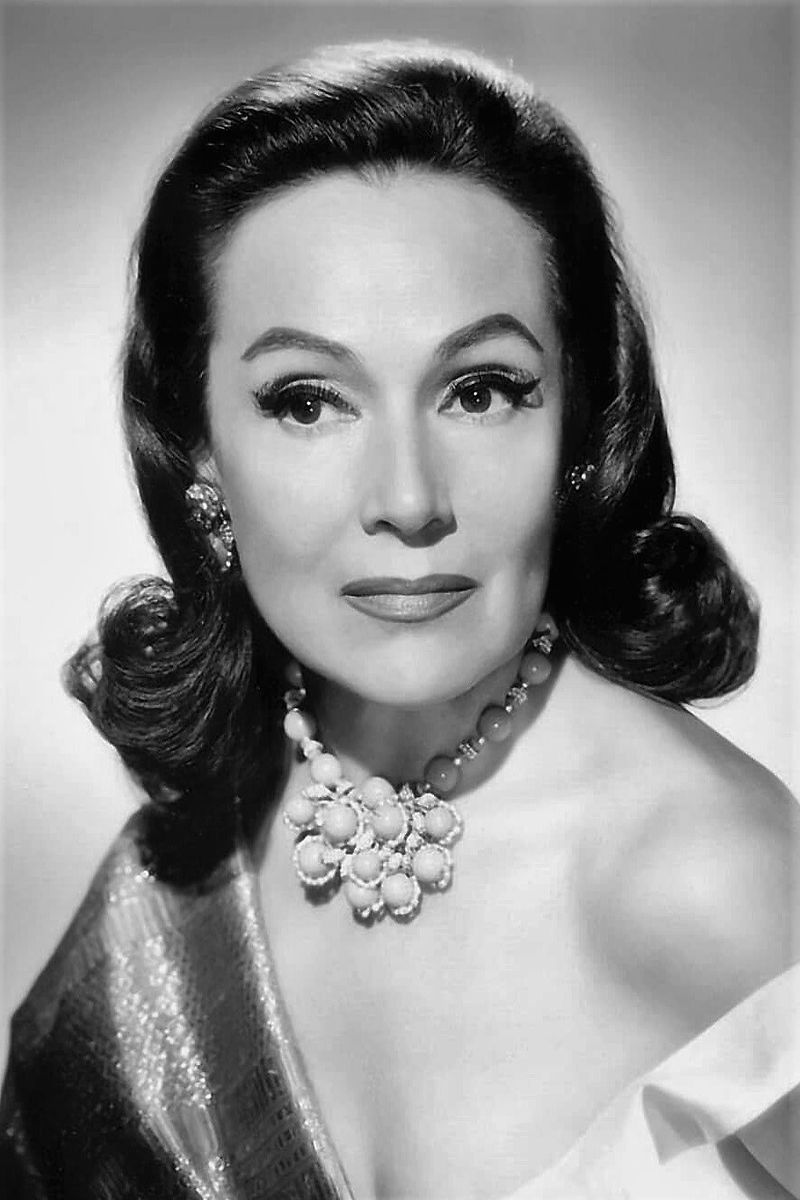
Dolores del Río arrived in Hollywood in the mid-1920s and immediately turned heads with her breathtaking beauty and undeniable screen presence.
Born into an aristocratic Mexican family, she brought a natural elegance to every role she played.
Studios quickly recognized that she had the kind of luminous quality that made audiences lean forward in their seats.
Her breakthrough came with the 1926 film Joanna, and she followed it with a string of successful pictures that made her one of Hollywood’s genuine A-list stars.
She became a trailblazer for Latin American performers in an industry that rarely offered them leading roles.
Del Río’s courage in navigating a Hollywood that wasn’t always welcoming to outsiders makes her story as inspiring as any role she ever played.
14. Anita Page
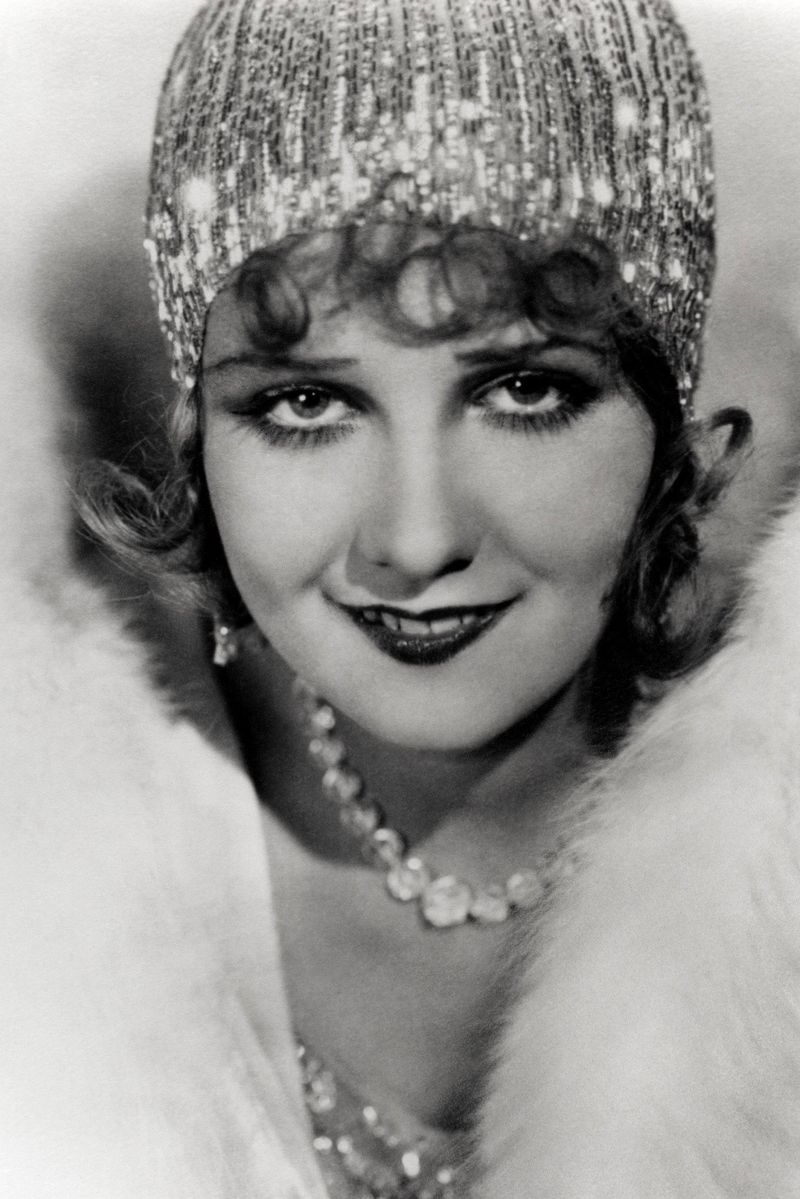
Anita Page was the kind of natural, camera-ready talent that studios dream about discovering.
MGM signed her in the late 1920s, and she quickly became one of their most popular contract players.
Her wholesome good looks and genuine warmth on screen made her a favorite with audiences who were drawn to her refreshingly approachable charm.
She starred alongside Joan Crawford in Our Dancing Daughters (1928), a film that captured the wild spirit of the Jazz Age perfectly.
The role helped cement her status as one of MGM’s rising stars heading into the sound era.
Page holds a fun distinction as one of the most fan-mailed actresses in Hollywood history during her peak years — reportedly receiving more letters than almost any other star on the MGM lot.
15. Myrna Loy
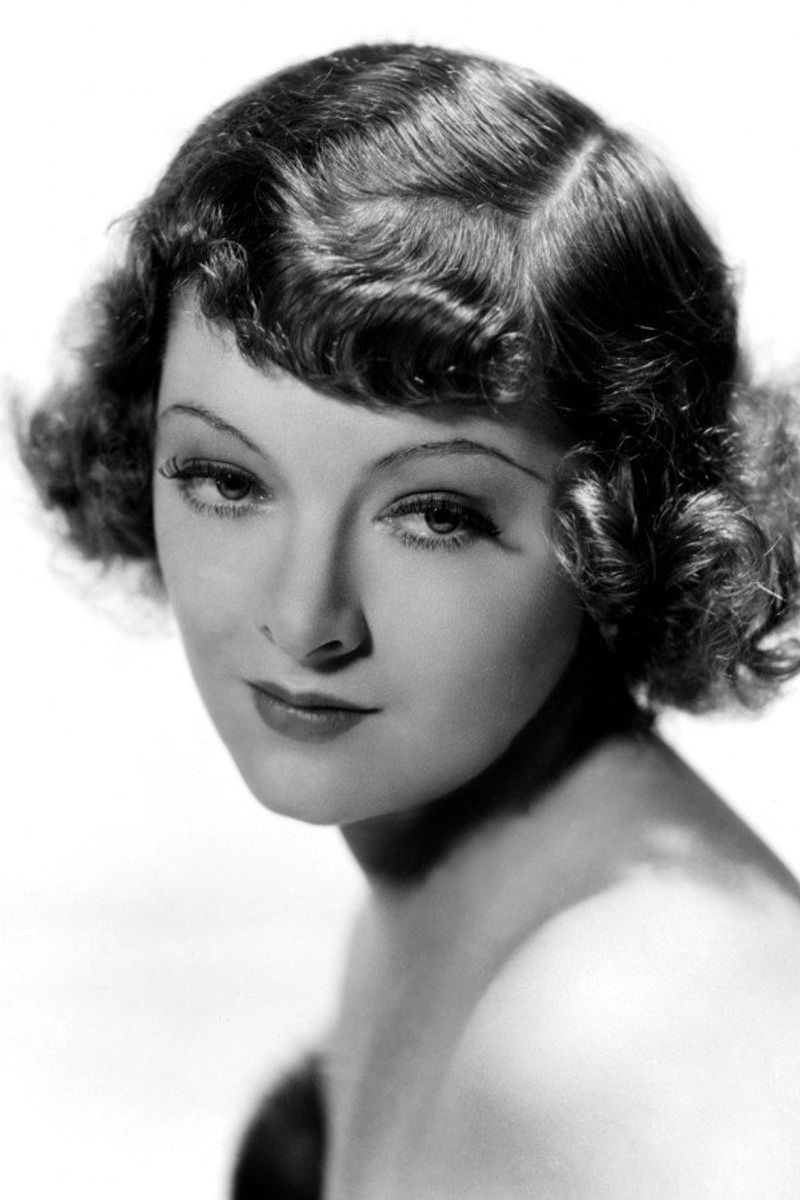
Before the world knew Myrna Loy as the witty, sophisticated Nora Charles of the Thin Man series, she was carving out a niche in silent films playing exotic, often villainous roles.
Studios in the late 1920s frequently cast her as mysterious Asian or Native American characters — a reflection of Hollywood’s limited imagination at the time, not her actual range.
Loy’s real talent lay in her sharp comic timing and natural warmth, qualities that silent films rarely gave her the chance to fully display.
When sound arrived, everything changed for her.
Her transformation from silent-era vamp to one of Hollywood’s most beloved comedic actresses is one of the great comeback stories in film history, proving patience and persistence truly pay off.
16. Mae Murray
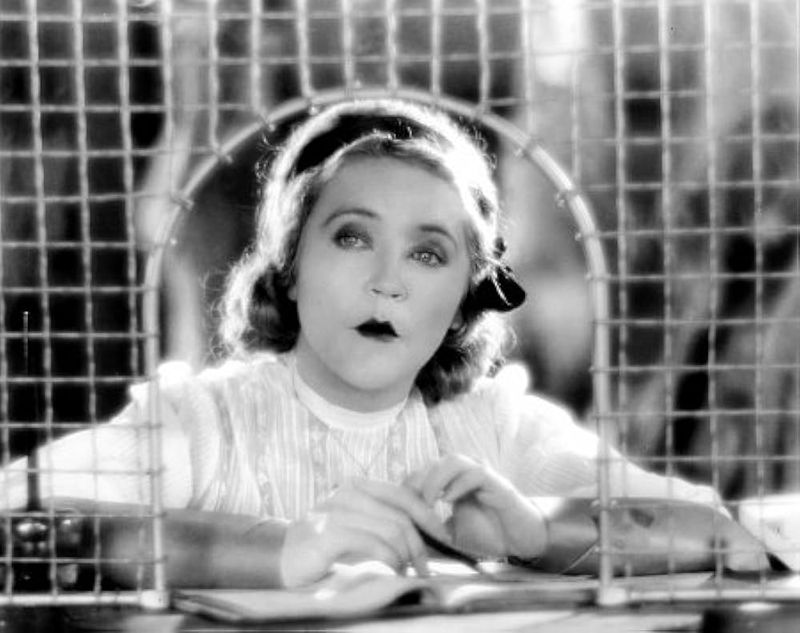
Mae Murray was one of the most dazzling and extravagant personalities ever to grace the silent screen.
Famous for her distinctively full, pouty lips — which earned her the charming nickname “The Girl with the Bee-Stung Lips” — she brought an almost theatrical grandeur to everything she touched.
Her 1925 film The Merry Widow, directed by Erich von Stroheim, remains her most celebrated work.
Murray lived as lavishly off screen as her characters did on it, spending money on clothes, parties, and luxury at a pace that eventually outpaced her income.
Her turbulent personal life became as dramatic as any film she made.
Despite a heartbreaking decline in her later years, Murray’s golden-era performances remind audiences that true star power never really fades — it just waits to be rediscovered.