 MomSkoop
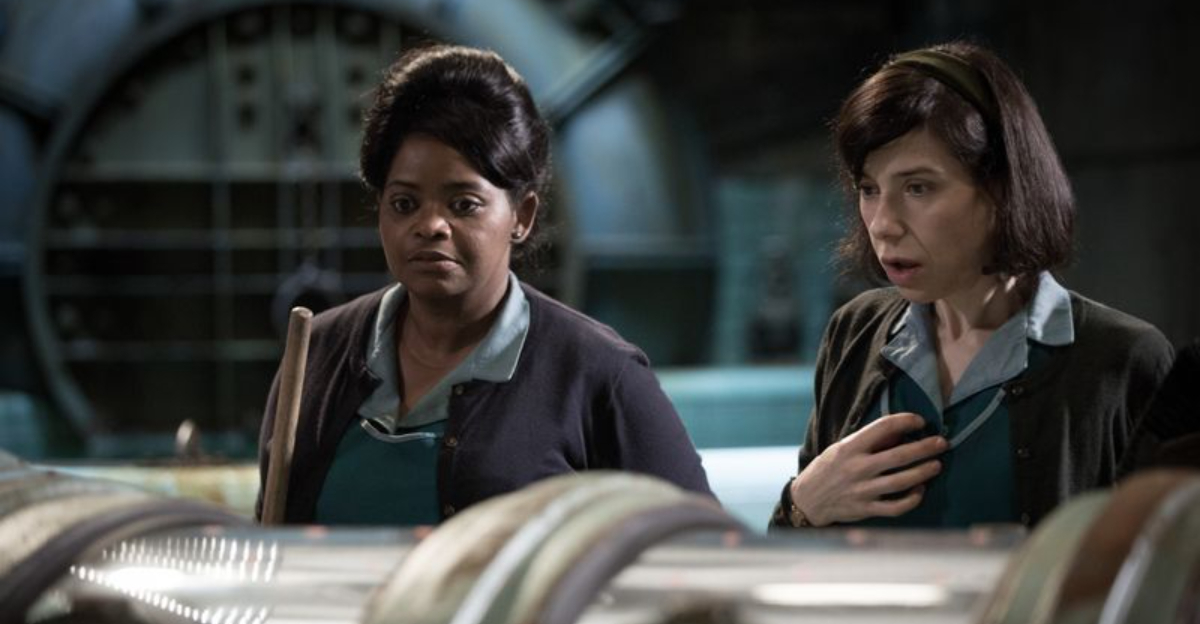
Every few years, a movie comes along that the whole world seems to lose its mind over. Critics pile on the praise, social media explodes with hot takes, and suddenly questioning the film feels like a crime.
But not every movie that gets a standing ovation actually deserves one. Here are 15 films that people have been way too generous with — and it’s time to have an honest conversation about them.
1. Avatar (2009)
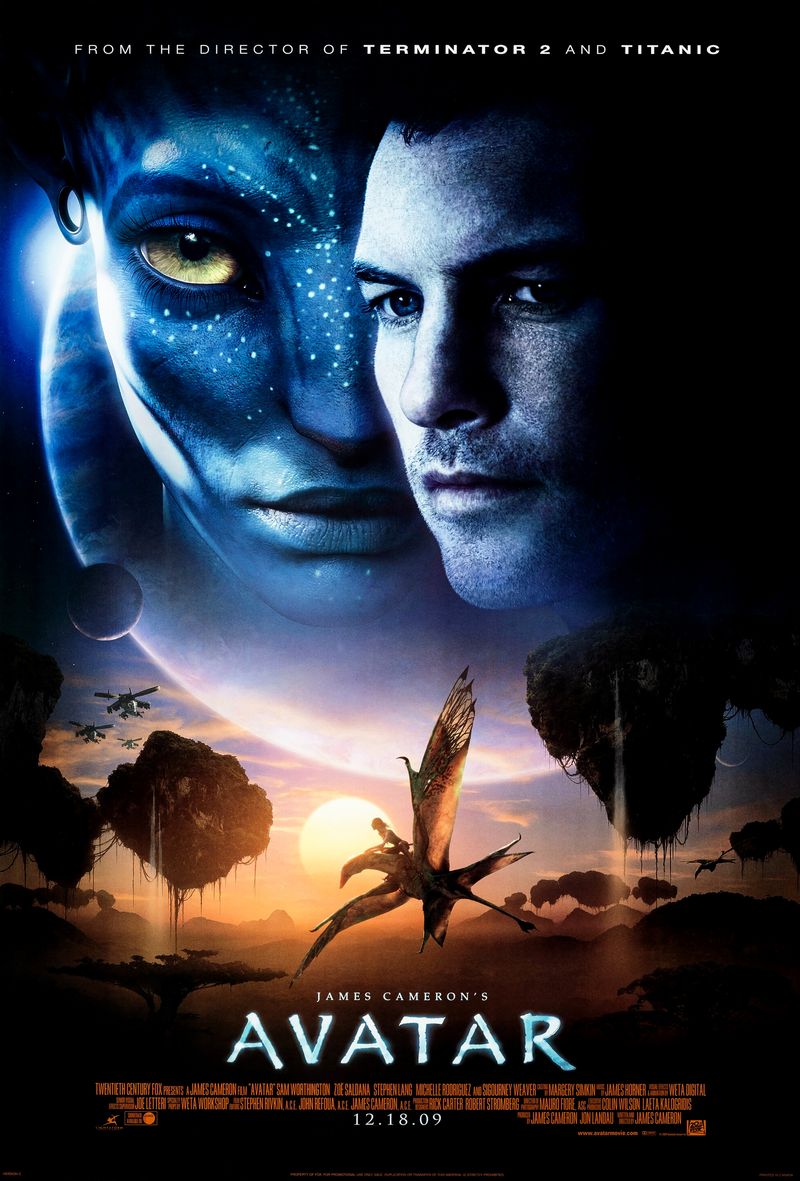
Stunning visuals can only carry a movie so far, and Avatar is the perfect proof of that.
When James Cameron’s sci-fi epic hit theaters in 2009, people lined up around the block to experience its groundbreaking 3D technology.
The visuals were genuinely jaw-dropping — nobody argues that.
But strip away the special effects, and you’re left with a storyline that feels borrowed from a dozen other films.
The “outsider joins native people” plot had been told before, and much more compellingly.
Characters were thin, dialogue was clunky, and the emotional beats felt forced.
Avatar made billions and won technical awards, yet barely anyone talks about its story today.
That silence says everything.
2. La La Land (2016)
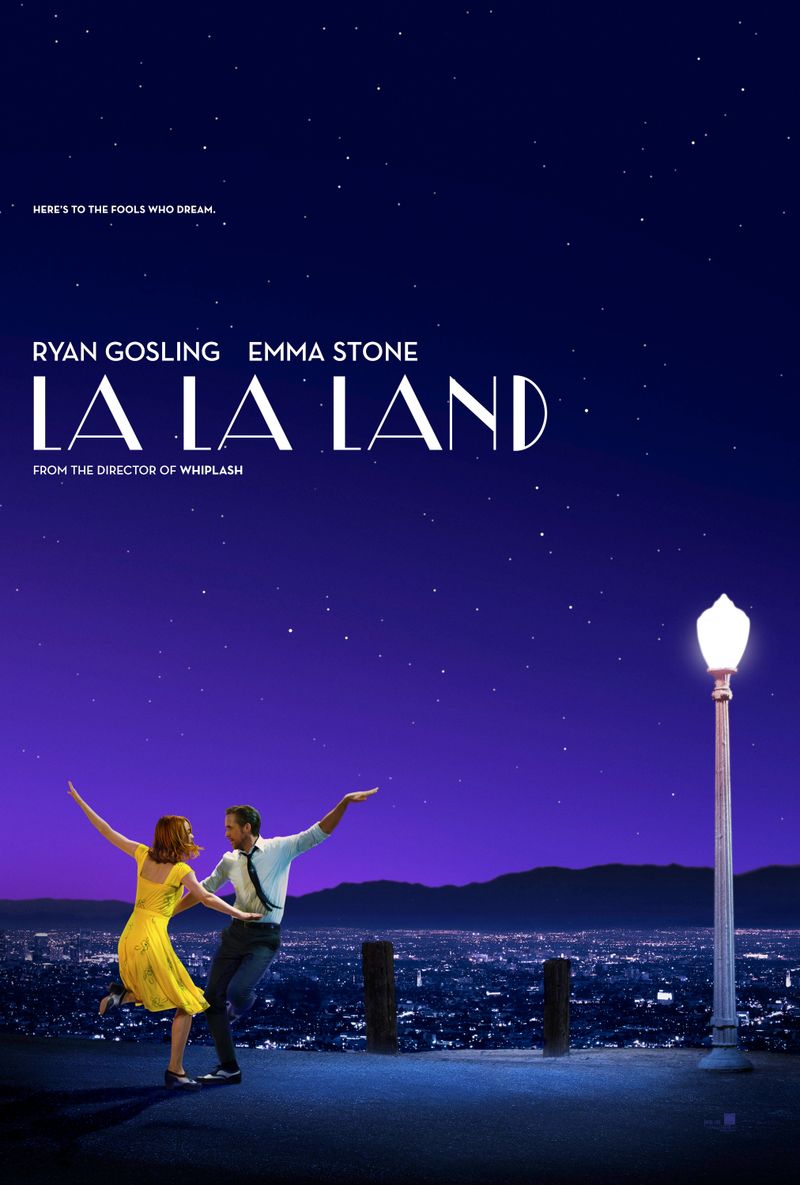
Ask any film fan about La La Land, and you’ll likely get a dreamy sigh followed by the word “magical.” Damien Chazelle’s musical romance charmed critics and swept awards season like few films before it.
Ryan Gosling and Emma Stone were undeniably charismatic on screen.
Here’s the thing though — the songs are mostly forgettable, the dancing is serviceable at best, and the story resolves in a way that feels more clever than emotionally satisfying.
Compared to classic Hollywood musicals, it barely holds its own.
Winning six Oscars set expectations sky-high, but rewatching it reveals a film that’s stylish rather than substantial.
Pretty?
Absolutely.
A masterpiece?
That’s a stretch that a lot of viewers are finally admitting out loud.
3. The Blair Witch Project (1999)
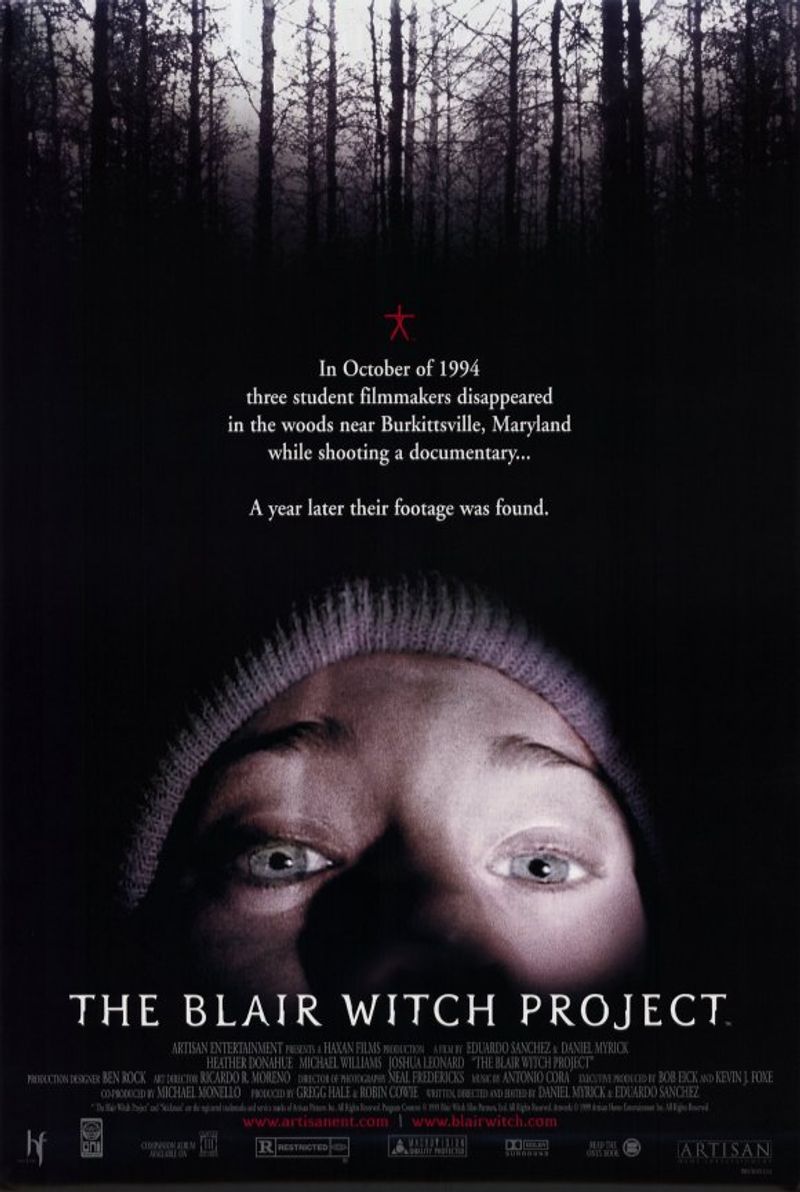
Few marketing campaigns in movie history have been as brilliantly deceptive as the one behind The Blair Witch Project.
The found-footage horror film convinced audiences it was real documentary footage, and that mystery drove massive ticket sales in the summer of 1999.
Once the novelty wore off, though, the cracks became obvious.
Most of the runtime is people arguing in the woods and crying into a camera.
The scares are minimal, the resolution is abrupt, and the shaky camera work gave more viewers headaches than chills.
Credit where it’s due — it invented a whole genre and did it on a shoestring budget.
But calling it genuinely terrifying in 2024 requires a serious stretch of imagination and maybe a healthy dose of nostalgia.
4. Crash (2004)
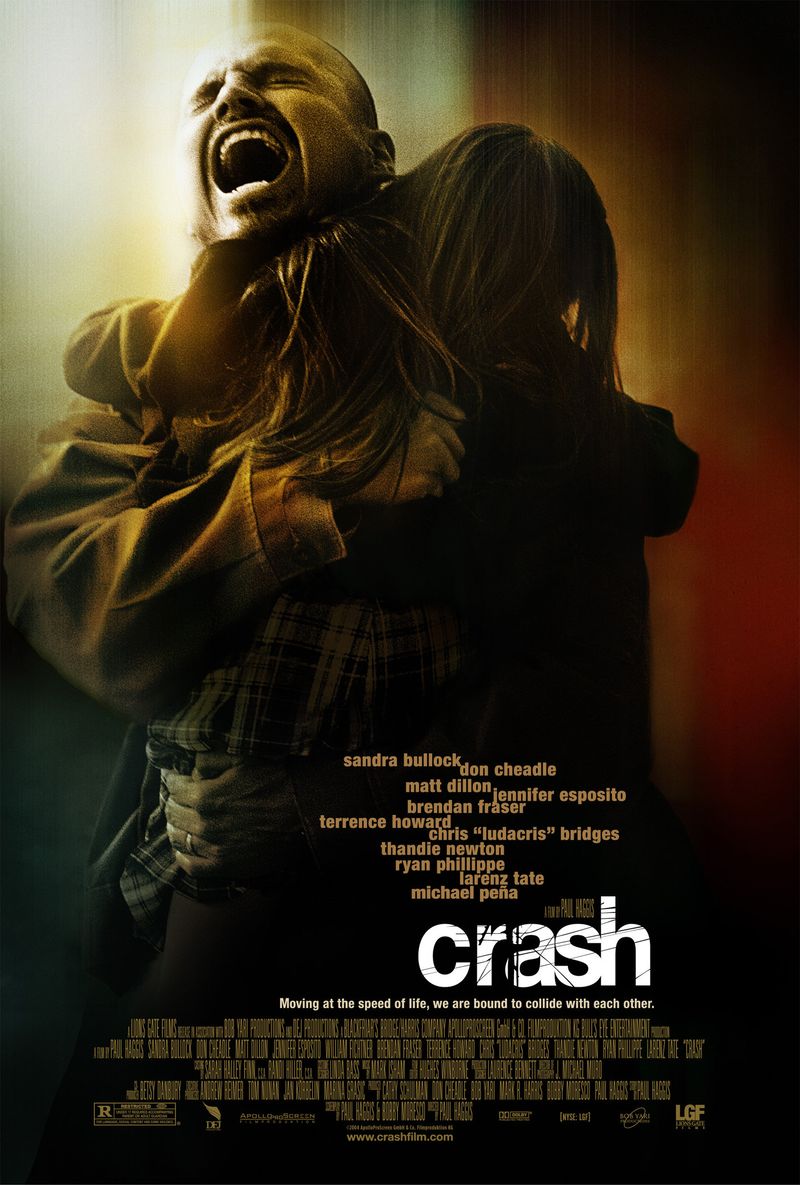
Crash winning Best Picture at the 2006 Oscars over Brokeback Mountain is still one of the most debated upsets in Academy Award history.
Paul Haggis’s ensemble drama tackled racism in Los Angeles with a cast full of recognizable faces and storylines that collided in dramatic fashion.
The problem?
It tackles racism with all the subtlety of a sledgehammer.
Every character exists to deliver a lesson, and coincidences pile up so heavily that the film starts feeling like a morality play rather than real life.
The message is important, but the delivery is clumsy.
Critics have since walked back their initial enthusiasm significantly.
Crash remains a film that felt urgent in the moment but has aged into something that feels more preachy than profound.
5. Titanic (1997)
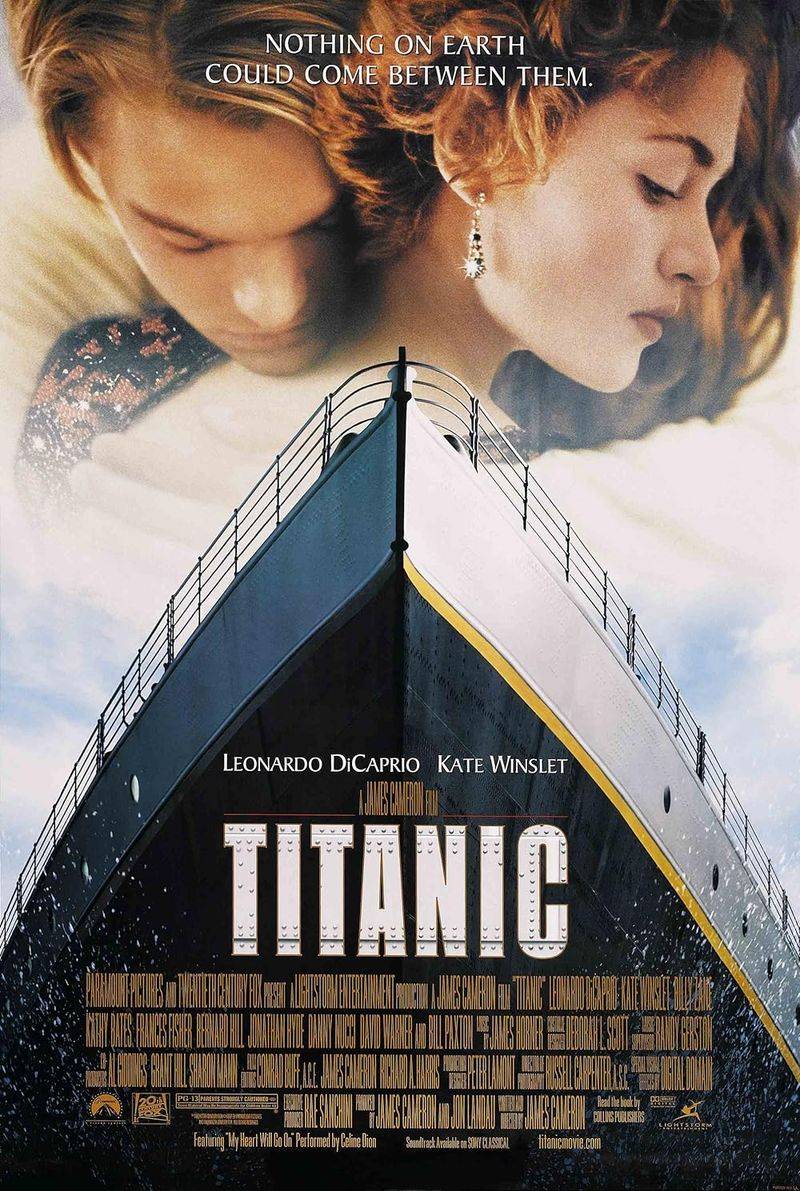
Before you close this tab in outrage, hear this out — Titanic is a spectacular achievement in filmmaking.
James Cameron’s disaster romance was a technical marvel and an emotional experience that earned its record-breaking box office run without question.
That said, the love story at its center is pretty thin.
Jack and Rose fall in love in about three days, the dialogue includes some genuinely cringeworthy lines, and the film leans heavily on sentiment over substance in its second half.
The ship itself is the real star.
Calling Titanic one of the greatest films ever made is where things get shaky.
It’s a great blockbuster experience, absolutely — but a timeless cinematic masterpiece deserving its place at the very top?
That’s where the argument starts getting rocky.
6. Joker (2019)
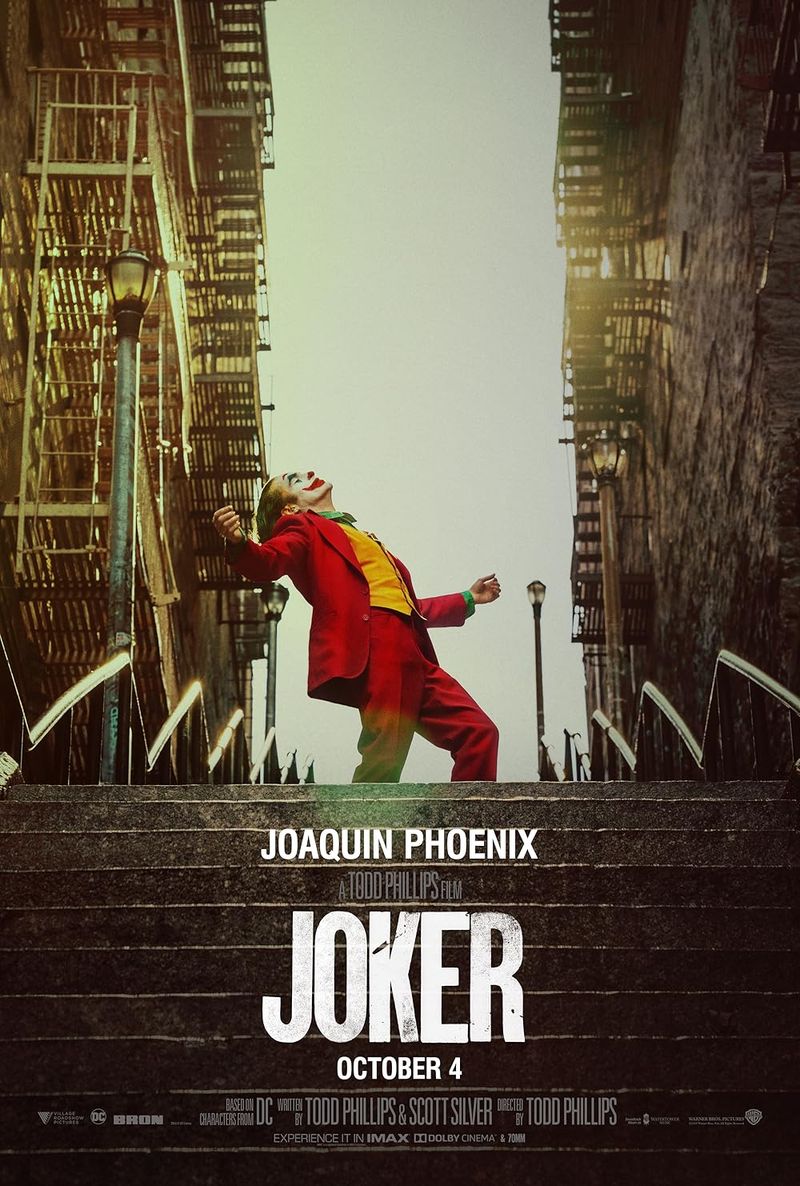
Joker arrived wrapped in controversy, critical buzz, and a Golden Lion award from Venice — quite the entrance for a comic book movie.
Joaquin Phoenix’s transformation into Arthur Fleck was genuinely extraordinary, and nobody is taking that away from him.
But the film surrounding that performance is shakier than fans admit.
It borrows so heavily from Taxi Driver and The King of Comedy that calling it original feels dishonest.
The themes about mental illness and societal neglect are painted in broad, obvious strokes.
Phoenix absolutely deserved his Oscar.
The film itself, however, trades depth for dark aesthetics and mistake brooding for meaning.
Strip away the performance and the edgy atmosphere, and Joker is a fairly conventional character study dressed up in very expensive clown makeup.
7. Everything Everywhere All at Once (2022)
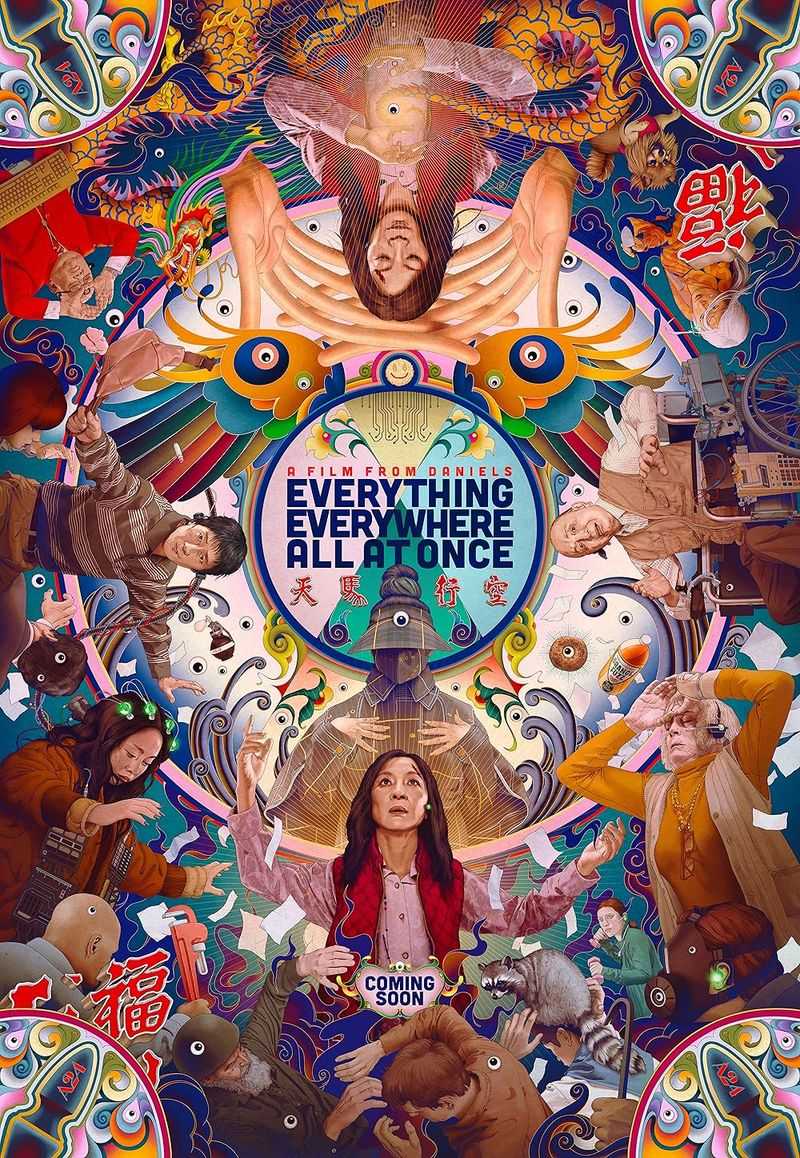
Everything Everywhere All at Once swept the 2023 Oscars in a wave of genuine fan enthusiasm, and for many viewers, it was a life-changing experience.
The Daniels crafted something wildly ambitious — a multiverse story about a middle-aged Chinese-American laundromat owner that was unlike anything audiences had seen before.
Here’s where the backlash creeps in, though.
The film is chaotic to the point of exhaustion.
Its emotional core gets buried under layers of absurdist humor, rapid editing, and googly eyes.
Rewatching it reveals how much the frenetic pacing substitutes for actual storytelling clarity.
Audiences who connected with it deeply aren’t wrong — that connection is real.
But crowning it one of cinema’s greatest achievements feels more like internet enthusiasm than honest critical judgment standing the test of time.
8. American Beauty (1999)
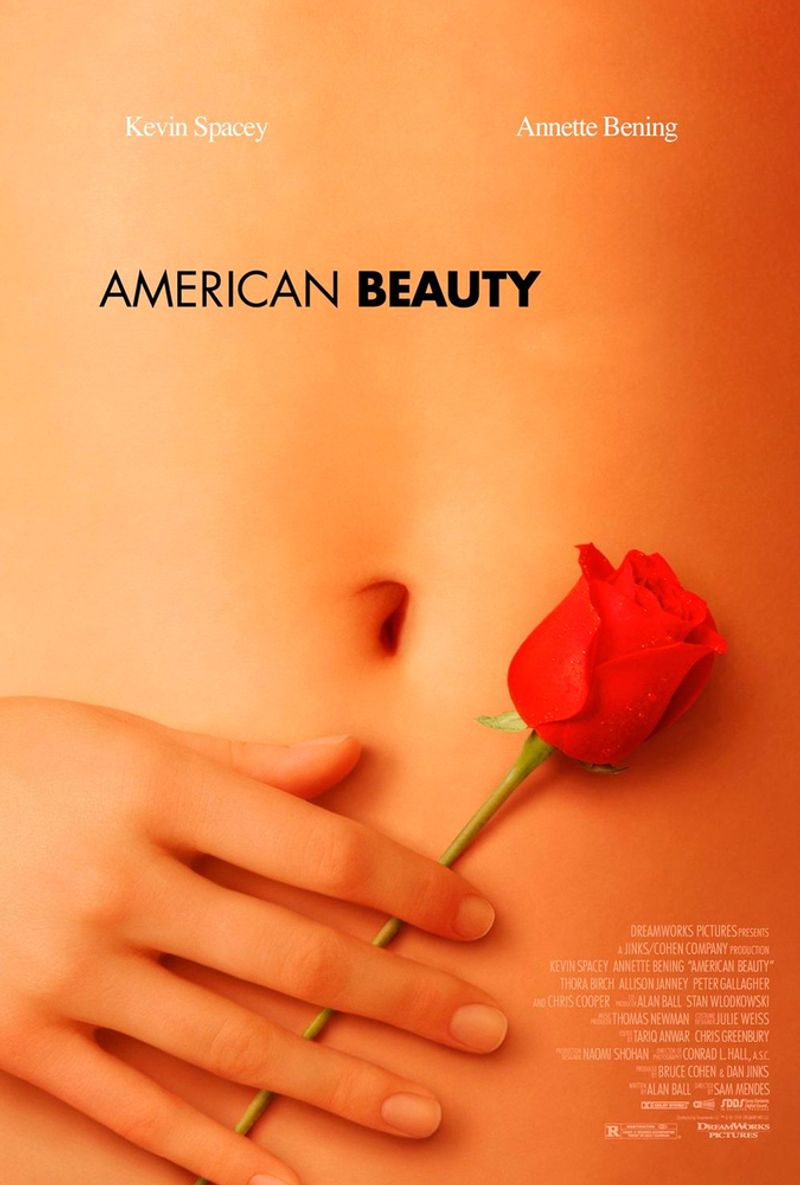
American Beauty walked into the 1999 Oscars and walked out with five of them, including Best Picture.
Sam Mendes’s portrait of suburban disillusionment felt daring and profound at the time — a sharp critique of the emptiness lurking behind white picket fences and manicured lawns.
Looking back now, the film’s “edginess” has aged poorly in some significant ways.
The storyline involving a middle-aged man’s obsession with his teenage neighbor reads far more uncomfortably today than audiences seemed to acknowledge in 1999.
The film mistakes transgression for insight.
Kevin Spacey’s central performance remains technically impressive, but the movie’s reputation has taken hits from multiple directions over the years.
What once felt like brave filmmaking now reads more like a middle-aged male fantasy dressed up in awards-bait clothing.
9. The English Patient (1996)
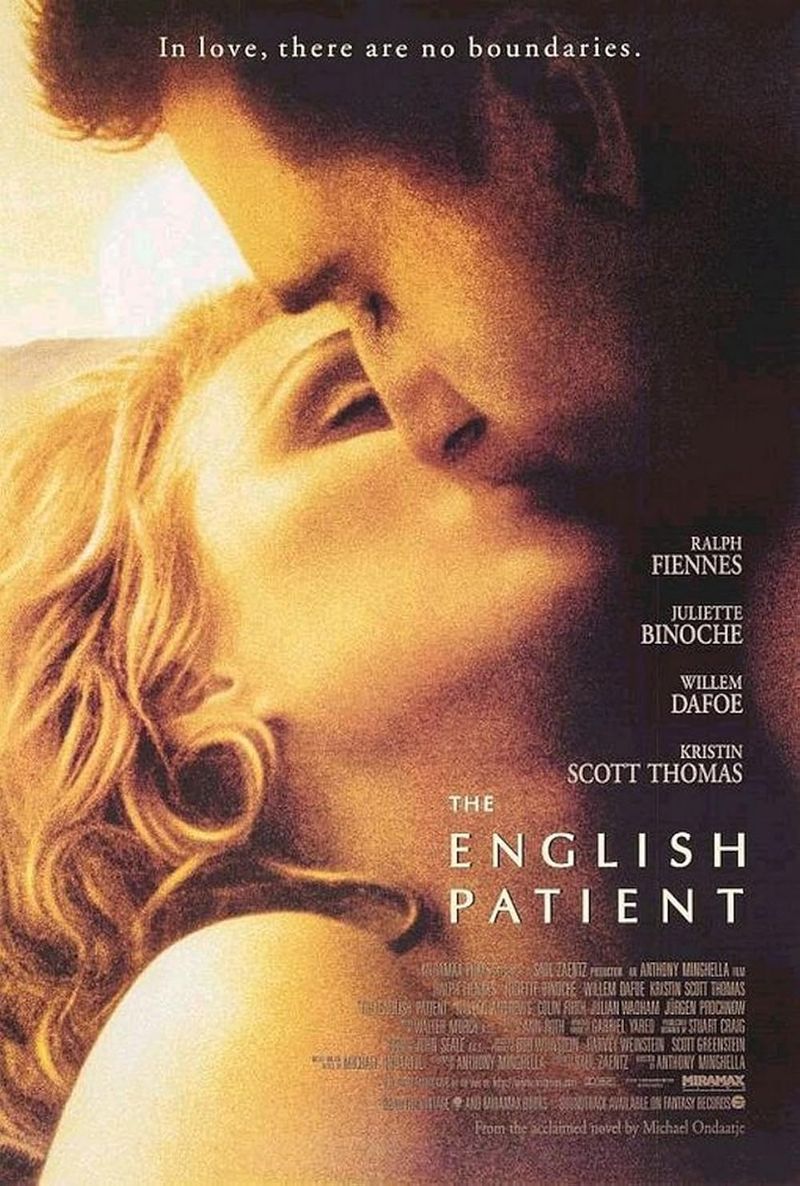
Elaine from Seinfeld famously hated The English Patient, and honestly, she had a point that more people should acknowledge.
Anthony Minghella’s sweeping wartime romance won nine Academy Awards, including Best Picture, and was considered the height of prestige cinema in the late 1990s.
The film is undeniably gorgeous to look at — the desert cinematography alone is breathtaking.
But at nearly three hours long, the pacing is glacial.
The romance between Ralph Fiennes and Kristin Scott Thomas is passionate but emotionally distant, making it hard to stay fully invested.
It’s the kind of movie that feels more important than it actually is — beautiful, serious, and slow in ways that get mistaken for depth.
Prestige packaging doesn’t automatically equal a great story worth sitting through twice.
10. Donnie Darko (2001)
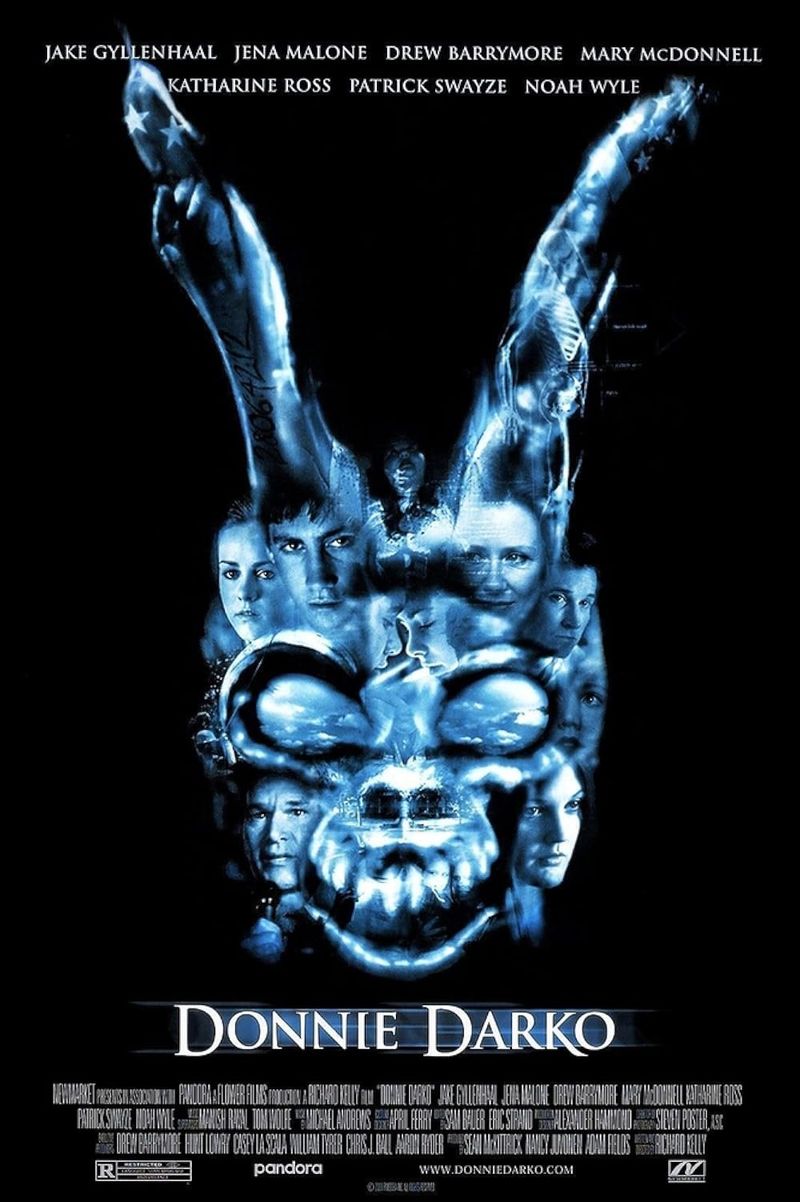
Every generation of teenagers discovers Donnie Darko and becomes absolutely convinced it’s the most profound film ever made.
Richard Kelly’s sci-fi drama about a troubled teen, a creepy rabbit, and time travel became a genuine cult phenomenon after its DVD release in the early 2000s.
The film thrives on atmosphere and mystery, and that unsettling tone is genuinely effective.
But much of what gets called “deep” is actually just deliberately vague.
The more you try to make sense of the plot, the more it resists coherent explanation — and not always in a meaningful way.
Being confusing isn’t the same as being intelligent.
Donnie Darko is stylish and moody, and Jake Gyllenhaal is excellent, but its reputation as a misunderstood masterpiece rests more on teenage mystique than actual storytelling substance.
11. Birdman (2014)
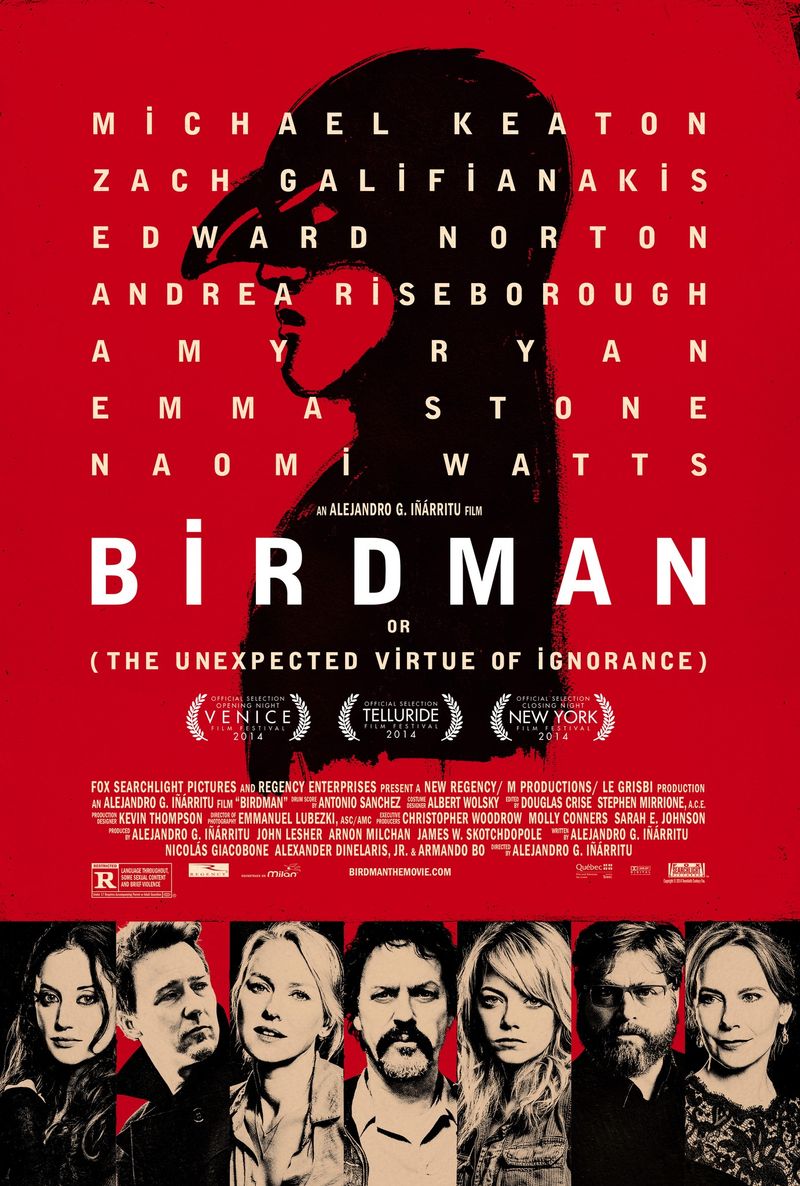
Shot to look like one unbroken take, Birdman is undeniably an impressive technical achievement.
Alejandro Inarritu’s backstage drama starring Michael Keaton earned widespread praise for its ambition, its performances, and its relentless jazz-drum score that pulses through every scene.
But ambition and meaning aren’t the same thing.
The film’s central themes about ego, art, and relevance are hammered home with such heavy-handed repetition that subtlety disappears entirely.
Every character exists to deliver philosophical speeches rather than behave like actual human beings.
Winning Best Picture over Boyhood — a film that many critics considered genuinely innovative in its emotional honesty — felt like a victory for flash over feeling.
Birdman is impressive to watch, but impressive and meaningful are two very different categories of achievement.
12. Black Panther (2018)
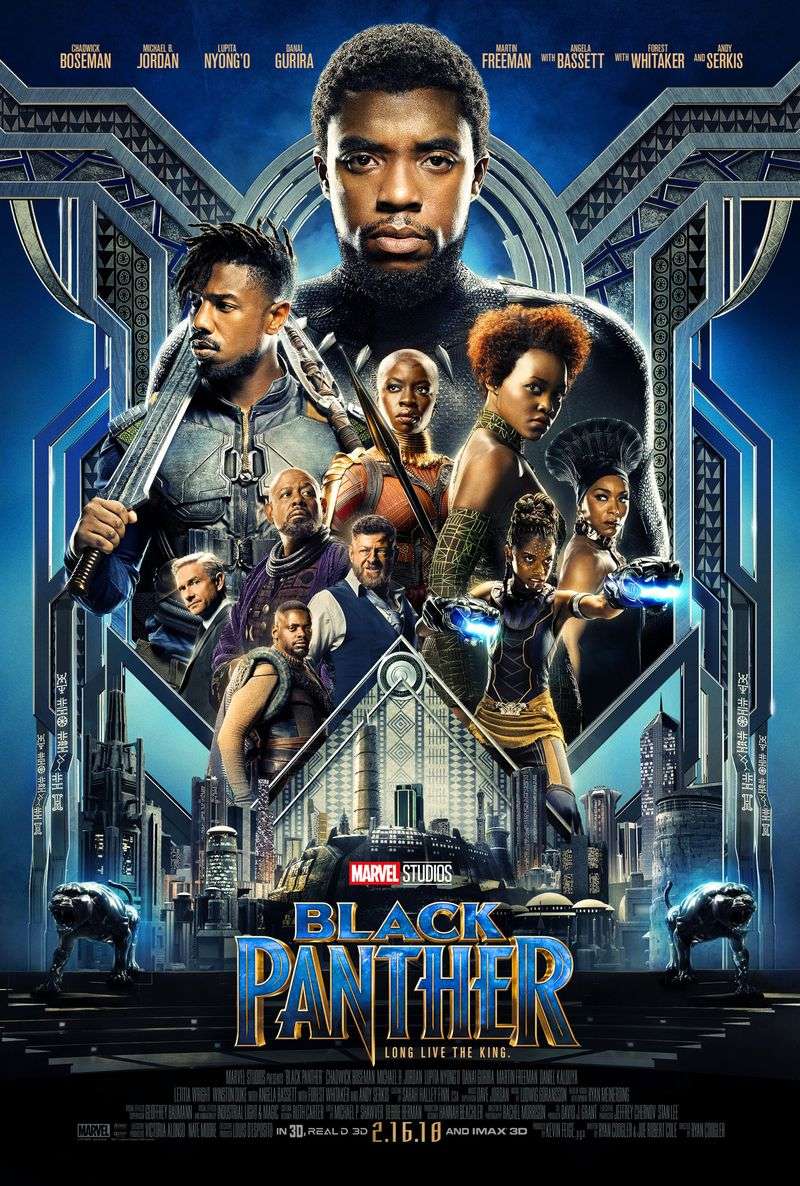
Black Panther was a genuinely important cultural moment.
Representation matters enormously in Hollywood, and seeing a predominantly Black cast lead a massive superhero blockbuster with an Afrofuturist aesthetic was both thrilling and overdue.
That cultural significance is real and worth celebrating.
Where things get complicated is when the film gets discussed purely as a piece of cinema.
As a Marvel movie, it’s among the studio’s best.
But the third act collapses into a generic CGI battle, the villain — despite Michael B.
Jordan’s magnetic performance — is underused, and the storytelling follows the standard Marvel formula closely.
Calling it one of the greatest superhero films ever made is understandable given what it represented.
But separating cultural impact from actual filmmaking quality is a conversation worth having honestly and without guilt.
13. Bohemian Rhapsody (2018)
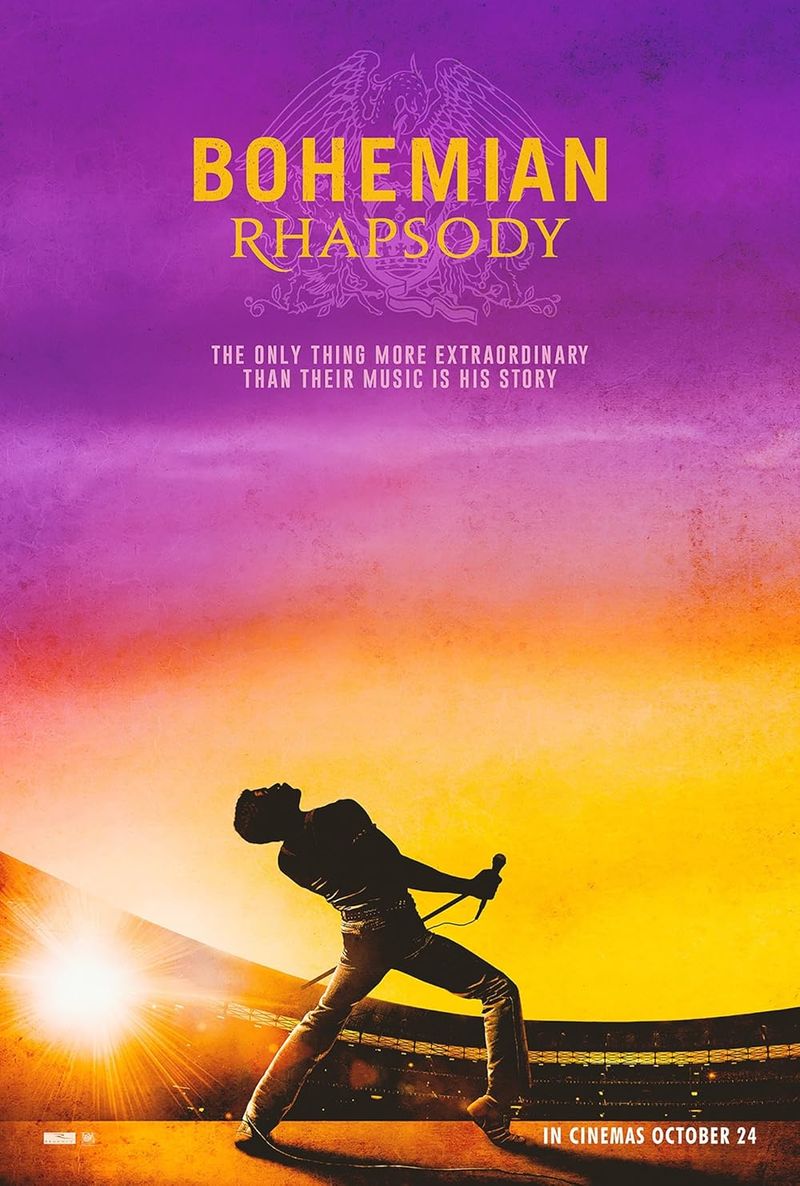
Queen’s music is genuinely timeless, and Rami Malek’s physical transformation into Freddie Mercury was extraordinary enough to earn him a well-deserved Oscar.
Walking out of the theater humming “We Will Rock You” felt fantastic — which is probably why the film’s massive flaws got overlooked so easily.
Bohemian Rhapsody is a by-the-numbers music biopic that hits every expected beat with mechanical precision.
Childhood struggles?
Check.
Band formation?
Check.
Conflict, breakup, triumphant reunion?
All present and accounted for.
The film plays it so safe that it borders on sanitizing Mercury’s actual fascinating life story.
The Live Aid finale is spectacular, no argument there.
But one great sequence at the end doesn’t erase two hours of formulaic storytelling that treats one of rock’s most complex figures as a greatest-hits package.
14. Interstellar (2014)
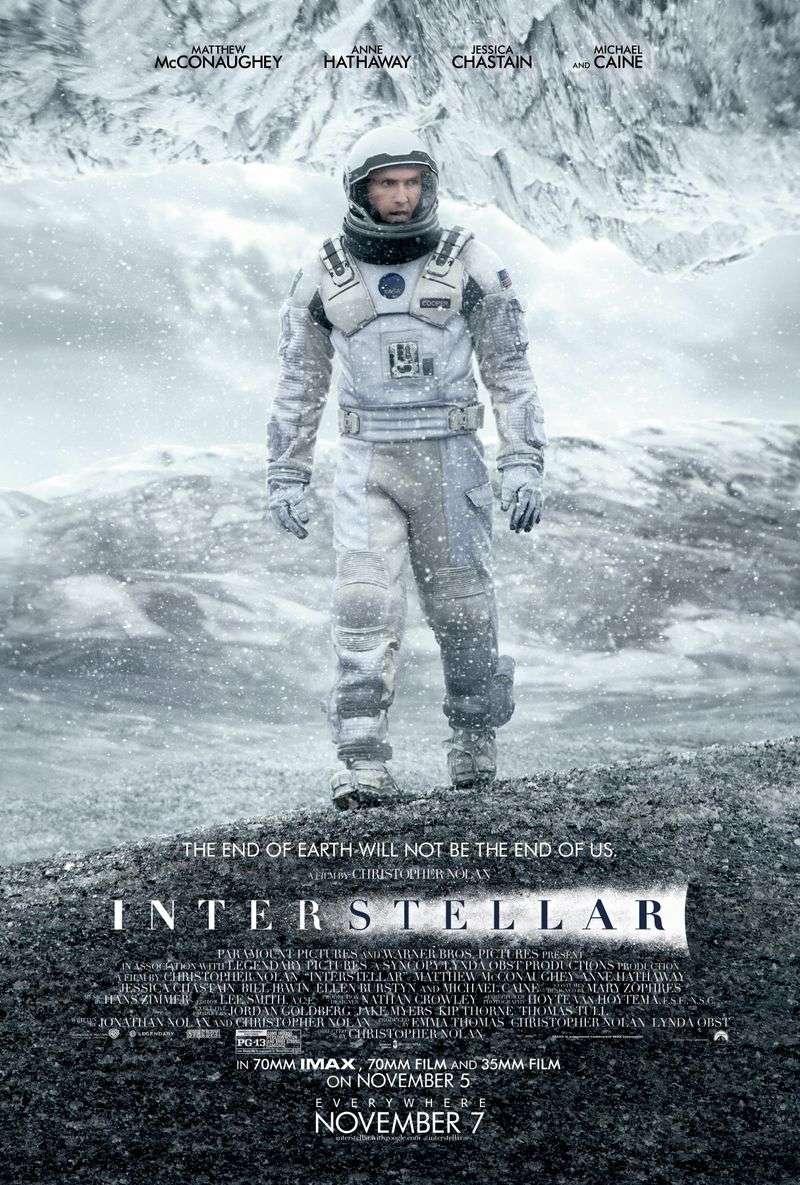
Christopher Nolan is one of the most gifted visual storytellers working today, and Interstellar proves it in nearly every frame.
The black hole sequence alone belongs in a museum.
Hans Zimmer’s organ-driven score is haunting, and the film’s ambition is genuinely staggering in scope.
But ambition and coherence aren’t always traveling companions.
Interstellar’s third act collapses into a time-bending bookshelf sequence that tries to make emotion and physics coexist — and stumbles doing it.
The science gets hand-wavy at exactly the moments it needs to be precise.
Nolan fans treat questioning this film like questioning gravity itself.
Yet the emotional payoff the movie reaches for so desperately never quite lands with the force it intends.
Beautiful, occasionally brilliant, but not the transcendent masterpiece its devotees insist it absolutely is.
15. The Shape of Water (2017)
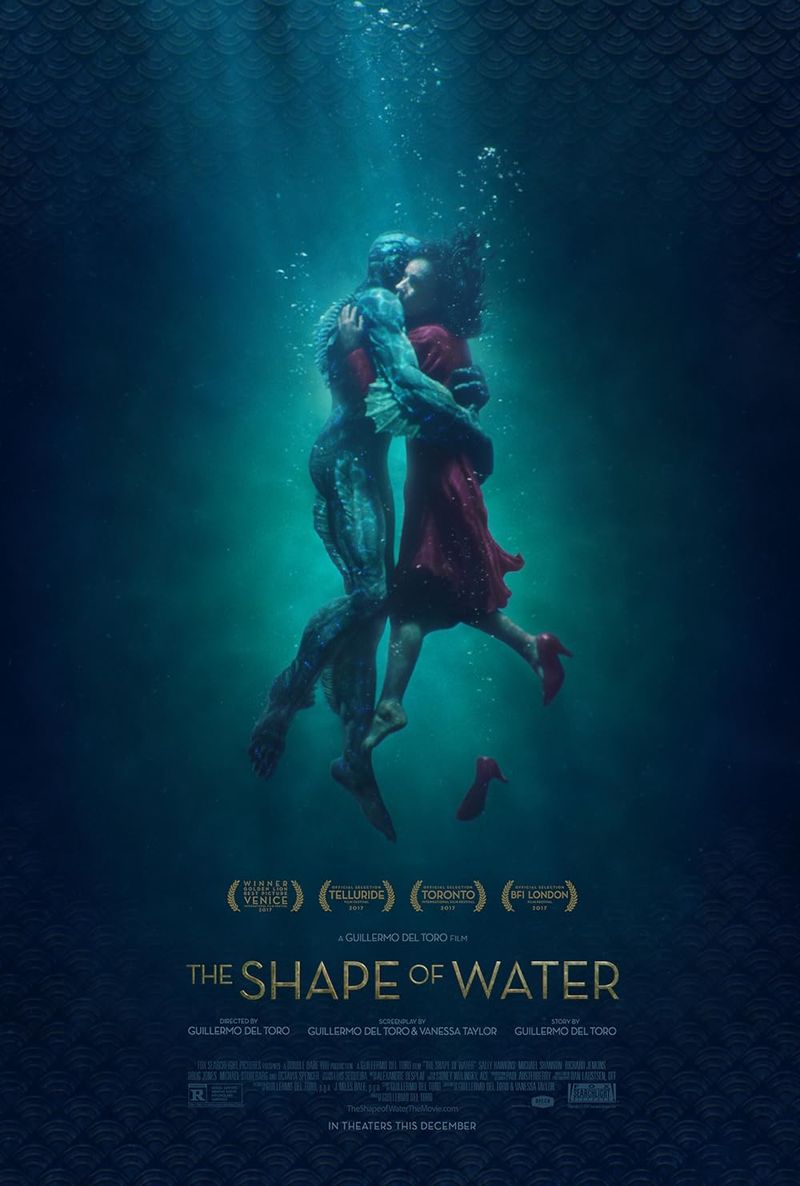
Guillermo del Toro is a filmmaker with a genuinely magical imagination, and The Shape of Water is visually one of the most beautiful films of the 2010s.
The production design is stunning, Sally Hawkins is heartbreaking in her silence, and the film’s old-Hollywood aesthetic is lovingly crafted throughout.
Still, Best Picture?
The central romance between a mute cleaning woman and a fish-man requires a significant leap of faith that the film never quite earns emotionally.
The villain is cartoonishly evil, and the allegory about outsiders and acceptance gets telegraphed so loudly it loses its poetry.
Del Toro deserved recognition for his artistry and vision — that much is undeniable.
But the film winning over Get Out, Lady Bird, and Three Billboards felt like the Academy rewarding whimsy over genuine emotional and storytelling power.