 MomSkoop

Growing up, Baby Boomers often treated certain comforts as special treats reserved for the wealthy or particularly lucky. Fast forward to today, and millennials have flipped that script entirely — what was once a rare indulgence is now considered a basic life requirement.
From air conditioning to therapy, the standards for everyday living have changed in a big way. Here is a look at ten things that older generations saw as extras, but millennials simply cannot imagine living without.
1. Air Conditioning in Every Room
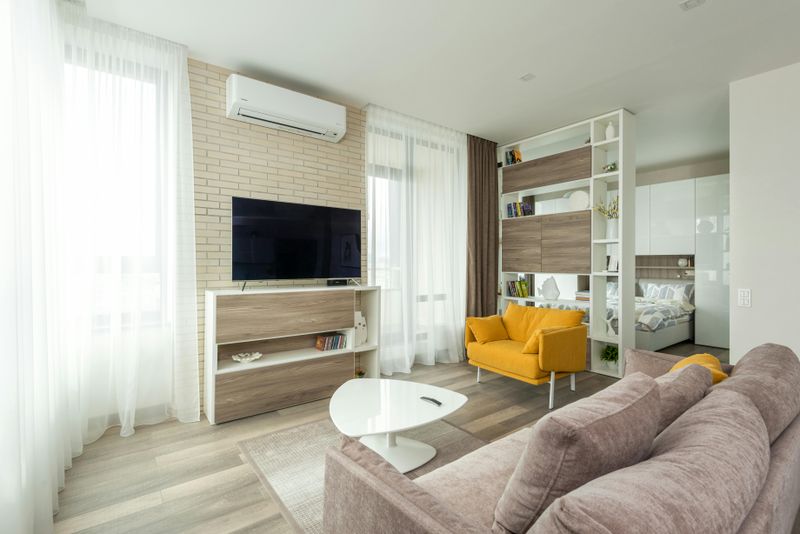
Back in the day, having one window AC unit in the house was considered a real treat.
Boomers often remember sweating through summer nights with just a box fan, grateful for any breeze at all.
For millennials, that just does not cut it anymore.
Today, central air or individual units in every room are seen as a basic comfort — not a splurge.
With rising global temperatures and more people working from home, staying cool is no longer optional.
Productivity, sleep quality, and overall health all take a hit in extreme heat.
Millennials grew up in more climate-controlled environments and simply expect the same standard in their own homes.
Comfort is not a luxury — it is a baseline.
2. High-Speed Internet at Home
Ask a boomer what they did before the internet, and they will probably shrug and say they read books or watched three TV channels.
That world feels ancient to millennials, who have grown up entirely online.
Slow or unreliable internet is not just annoying — it is a dealbreaker.
High-speed internet is now essential for remote work, streaming, online banking, social connection, and even medical appointments.
Without it, modern life basically grinds to a halt.
Millennials do not view it as a perk — they see it the same way previous generations viewed running water.
Studies show that reliable internet access directly impacts job opportunities and quality of life.
For this generation, fast Wi-Fi is simply infrastructure, plain and simple.
3. Owning Multiple TVs and Screens
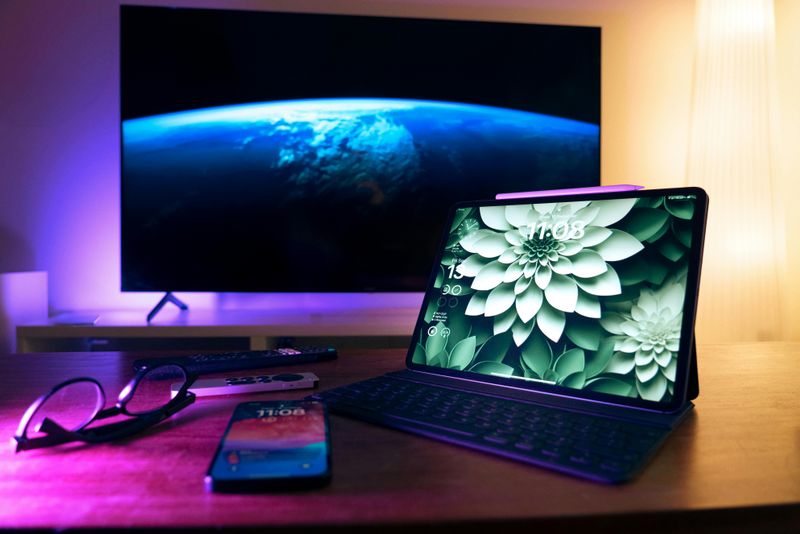
Boomers often grew up with one television in the entire house — usually in the living room — and the whole family gathered around it together.
Owning a second TV was something only wealthy families did.
Times have changed dramatically since then.
Millennials typically own a smartphone, a laptop, a tablet, and at least one smart TV, often in multiple rooms.
Screens are how they work, socialize, relax, and stay informed.
Having just one shared screen feels impractical in a world where everyone has their own schedule and content preferences.
Multi-screen households are now the norm, not the exception.
Whether it is gaming, streaming a show, or attending a video call, having dedicated screen space for each person just makes everyday life smoother.
4. Daily Coffee Shop Drinks

Remember when going out for coffee was a weekend treat or a special occasion?
Boomers brewed a pot at home every morning without a second thought.
Spending five dollars on a single drink would have seemed outrageous to most of them.
For millennials, the daily coffee shop run is practically a ritual.
It is not just about the caffeine — it is about the experience, the comfort, and sometimes the only quiet moment in a hectic day.
A favorite drink from a local cafe can feel like a small but meaningful reward.
Critics often joke that lattes are why millennials cannot afford houses, but that oversimplifies things.
The truth is, daily coffee is simply part of how this generation manages stress and builds routine in an uncertain world.
5. Meal Delivery and Takeout Apps
Cooking every single meal from scratch was just what you did a few decades ago.
Takeout was a Friday night treat, and delivery was limited to pizza.
Boomers built entire weekly routines around home-cooked dinners, and eating out felt special because it was rare.
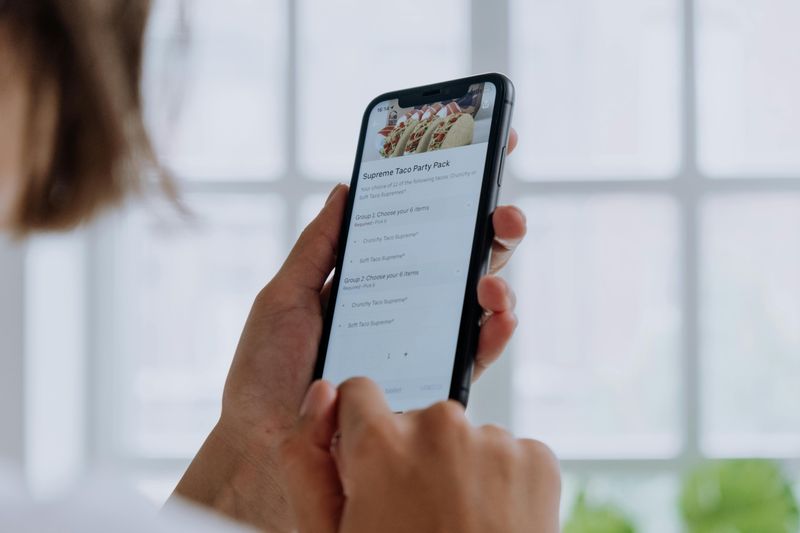
Millennials, juggling long work hours, side hustles, and packed schedules, rely on meal delivery apps as a practical time-saver.
DoorDash, Uber Eats, and similar platforms have made restaurant-quality food accessible with just a few taps.
For many, ordering dinner is not laziness — it is efficiency.
The meal delivery industry has exploded precisely because this generation values time as much as money.
Having a hot meal delivered after a twelve-hour workday is not indulgence — it is survival.
6. Smartphones with Unlimited Data

There was a time when cell phones were just for calls, and data plans were measured in painful megabytes.
Boomers remember paying per text message and panicking about going over their monthly minutes.
A smartphone with unlimited everything would have sounded like science fiction back then.
Today, millennials treat unlimited data the same way they treat electricity — absolutely essential and non-negotiable.
Navigation, communication, entertainment, banking, and work all happen on that one device in their pocket.
Losing data service feels genuinely disruptive to daily life.
Smartphones have become the remote control for modern existence.
Millennials are not being dramatic when they say they cannot function without reliable data — the entire infrastructure of their daily routine runs through that screen.
7. Streaming Subscriptions for Entertainment
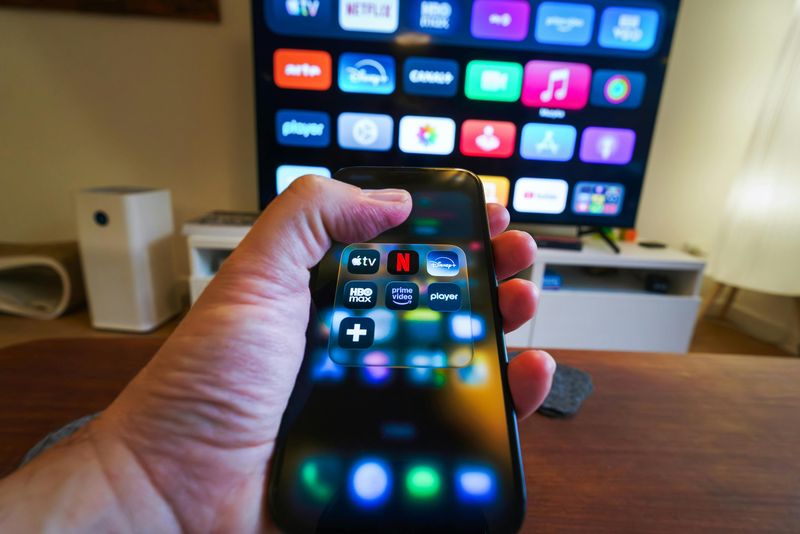
Saturday morning cartoons and must-see TV defined the boomer media experience.
You watched what was on, when it was on, and that was that.
The idea of paying monthly fees for multiple entertainment services would have seemed wasteful to most families of that era.
Netflix, Hulu, Disney+, Spotify — millennials subscribe to several of these without blinking.
On-demand entertainment is not a treat; it is just how content works now.
Watching something on your own schedule, without commercials, feels completely standard to this generation.
The average millennial household holds multiple streaming subscriptions simultaneously, often shared among friends or family to split costs.
Entertainment flexibility is deeply woven into daily life.
Waiting for a specific time slot to watch a favorite show?
That concept feels genuinely foreign to most people under 40.
8. Mental Health Therapy and Counseling

For a long time, therapy carried a heavy stigma.
Boomers were largely taught to push through hardship, stay tough, and keep personal struggles private.
Seeking professional mental health support was often seen as a sign of weakness — or worse, something only seriously ill people needed.
Millennials have completely rewritten that narrative.
Therapy is now openly discussed, actively recommended, and widely considered a normal part of taking care of yourself.
Managing anxiety, processing trauma, or simply talking through life challenges with a professional is treated like going to the doctor for a physical.
Access to telehealth platforms like BetterHelp has made counseling more affordable and convenient than ever.
Mental wellness is no longer a luxury reserved for the privileged — millennials see it as a basic human need worth prioritizing.
9. Frequent Travel and Weekend Getaways

For boomers, a big family vacation once a year — often a road trip or a week at the beach — was considered plenty.
Travel was a reward for hard work, something you saved up for carefully and looked forward to for months.
Hopping on a plane for a quick weekend trip felt extravagant.
Millennials have embraced a travel-first mindset, often prioritizing experiences over possessions.
Weekend getaways, solo trips, and international adventures are planned regularly and shared proudly on social media.
Affordable airlines and travel apps have made spontaneous trips far more realistic than they used to be.
This generation watched their parents delay travel for retirement — and then saw retirement never come as expected.
Millennials decided early on that life is too short to wait.
Exploring the world now, while young and healthy, feels absolutely essential.
10. Work-Life Balance and Flexible Schedules

Boomers built careers around the idea that loyalty meant sacrifice — long hours, rigid schedules, and very little personal time were badges of honor.
Complaining about work conditions was seen as ungrateful.
The hustle was the point, and the company always came first.
Millennials fundamentally disagree with that model.
Work-life balance is not a bonus perk they hope to negotiate — it is a core expectation from day one.
Flexible hours, remote work options, and mental health days are now standard items on the list of what makes a job worth taking.
The pandemic accelerated this shift dramatically, proving that many jobs can be done effectively outside a traditional office.
Millennials are not lazy for wanting boundaries between work and personal life — they are setting a healthier, more sustainable standard for everyone who comes after them.