 MomSkoop
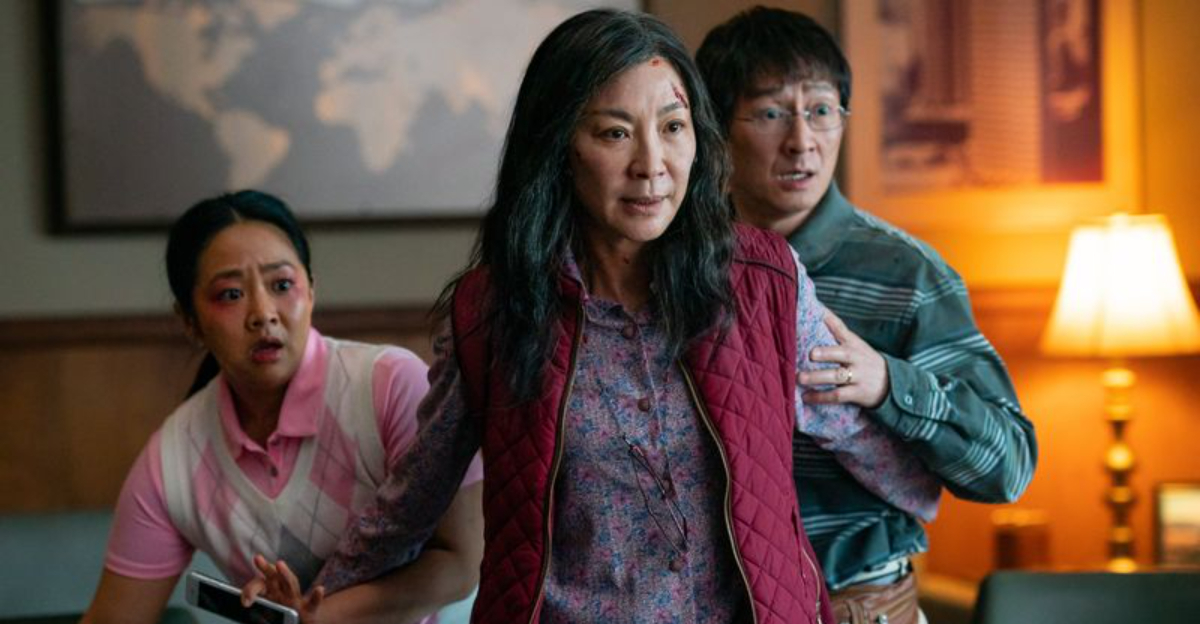
Some movies spark arguments that never seem to end. You either walk out of the theater thinking you just watched a masterpiece, or you scratch your head wondering what all the fuss was about.
These films have divided audiences, critics, and film students for years. Whether you love them or roll your eyes at the praise, the debate is always worth having.
1. The Godfather Part II (1974)
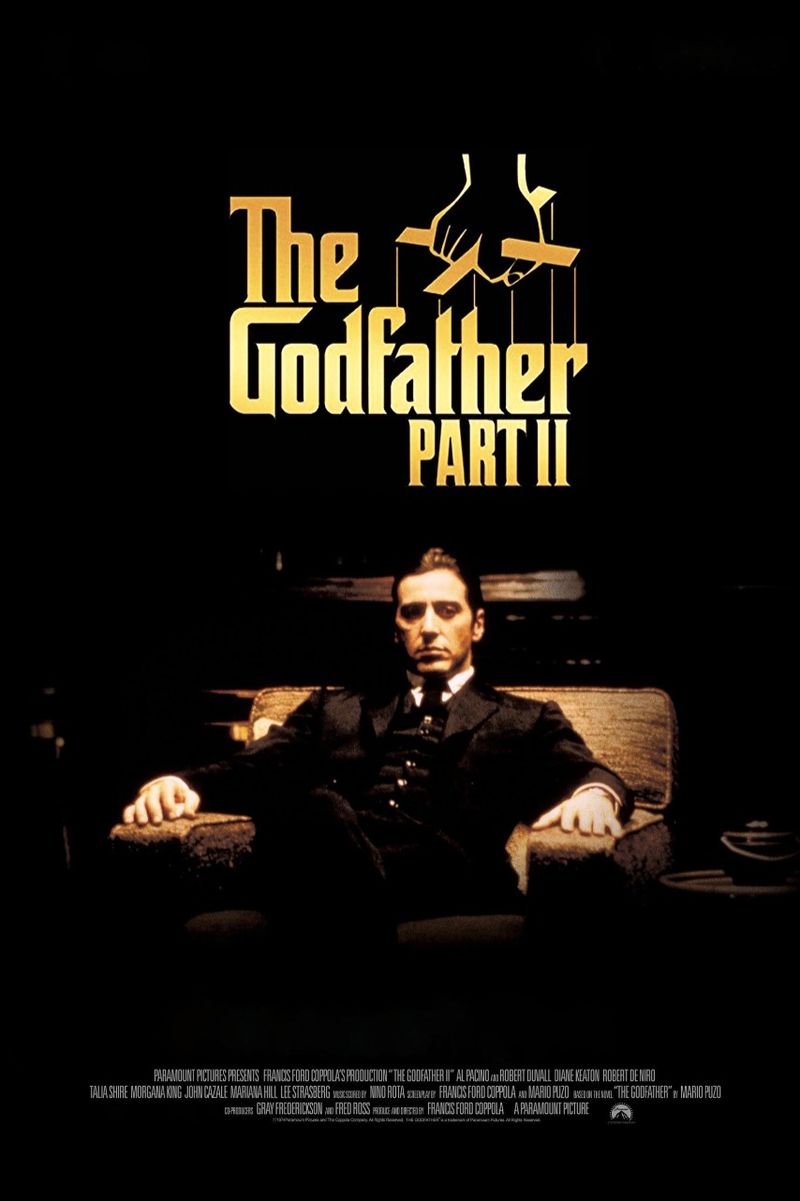
Sequels rarely outshine the original, yet many critics call this one the greatest film ever made.
Al Pacino and Robert De Niro anchor a story that moves between two timelines, showing how power corrupts across generations.
It won six Academy Awards and cemented Francis Ford Coppola as a legend.
Still, some viewers find the slow pacing hard to sit through.
The film demands your full attention, and not everyone is willing to give it.
Those who love it say that patience is exactly the point.
The reward is a deeply human story about ambition and loss that stays with you long after the credits roll.
2. 2001: A Space Odyssey (1968)
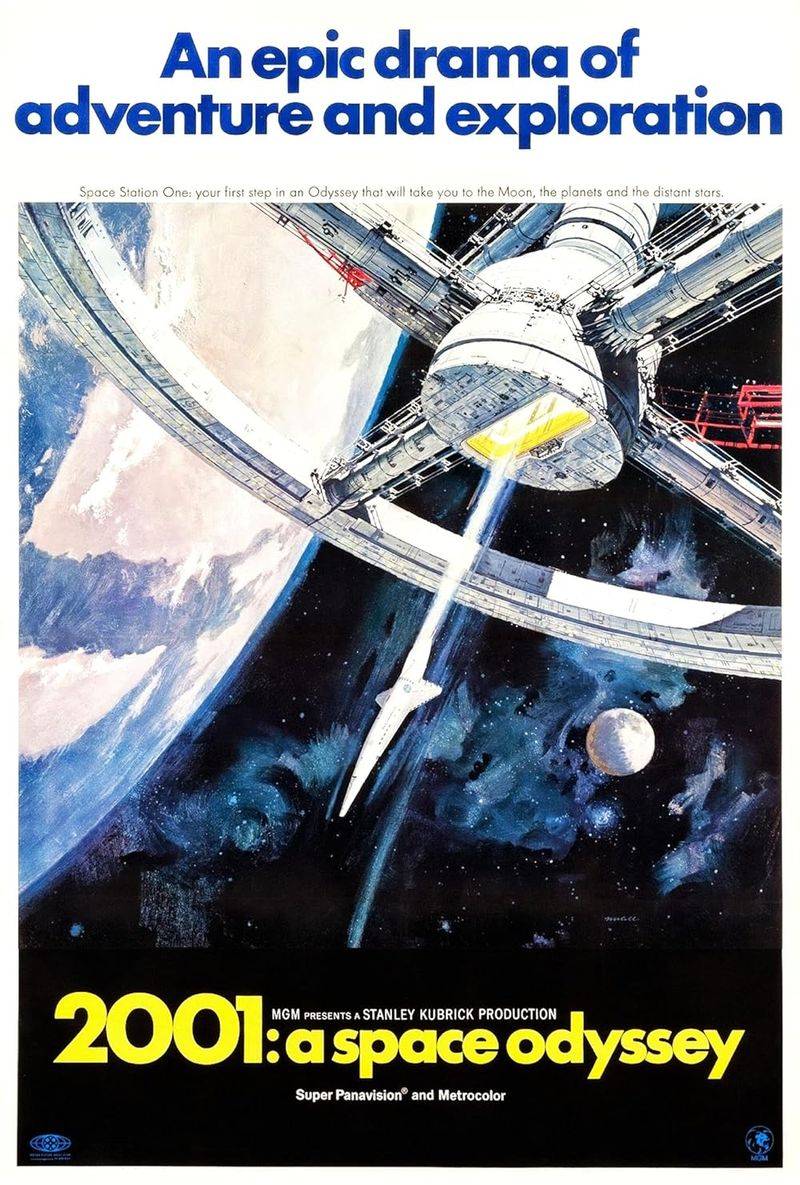
Stanley Kubrick made a film so ahead of its time that audiences walked out of early screenings confused and frustrated.
Released in 1968, it showed space travel with a realism that felt almost documentary-like, years before the moon landing.
The HAL 9000 computer became one of cinema’s most chilling villains without ever raising his voice.
Critics still argue about what the ending actually means.
The final twenty minutes are a swirling, abstract light show with almost no dialogue.
Some call it visionary art.
Others call it self-indulgent nonsense.
What everyone agrees on is that no film before or since has looked quite like it.
3. Fight Club (1999)
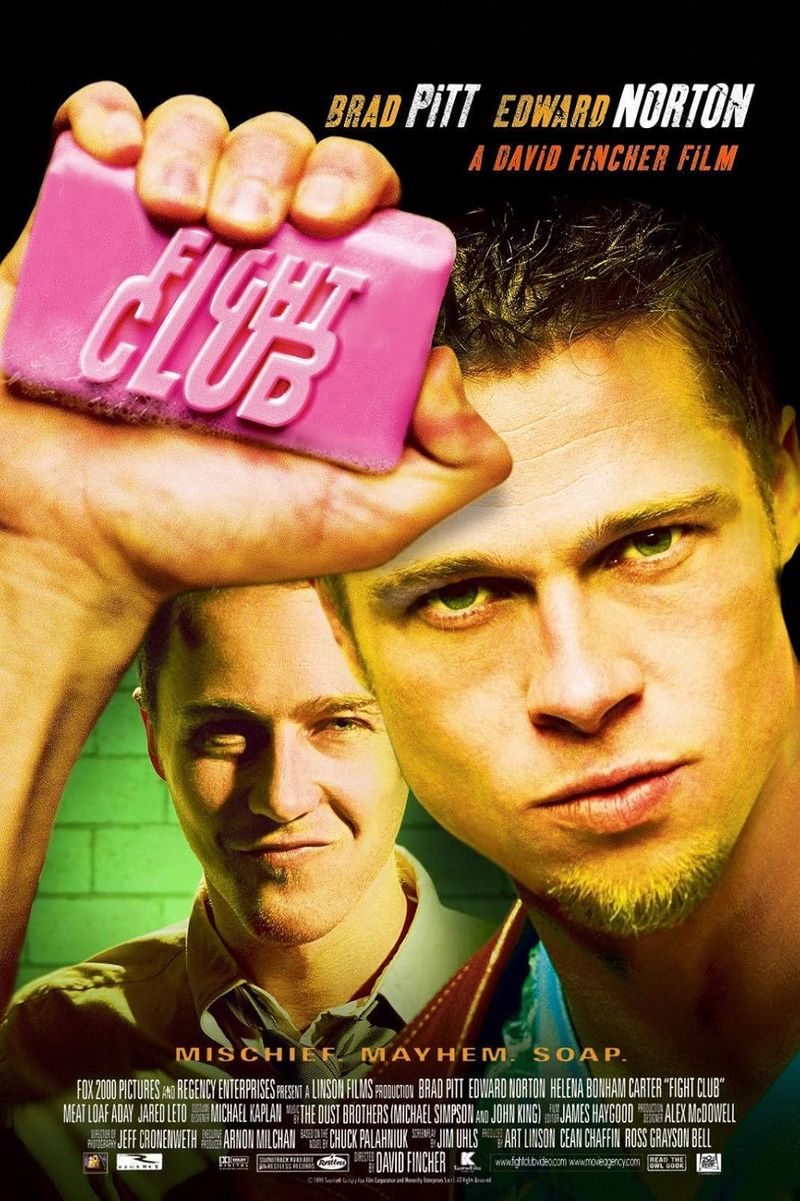
When Fight Club first hit theaters, it bombed.
Critics were unsure what to make of a movie about underground brawling that somehow turned into a meditation on consumerism and identity.
Then something strange happened: people kept watching it on DVD, passing it to friends, and treating it like a secret they had discovered.
Today it sits in the top films on almost every major ranking list.
But the backlash is real too.
Detractors argue the film glorifies toxic masculinity and mistakes edginess for depth.
Supporters say those critics missed the satire entirely.
Few movies from the 1990s still generate this much heated conversation at dinner tables and online forums.
4. La La Land (2016)
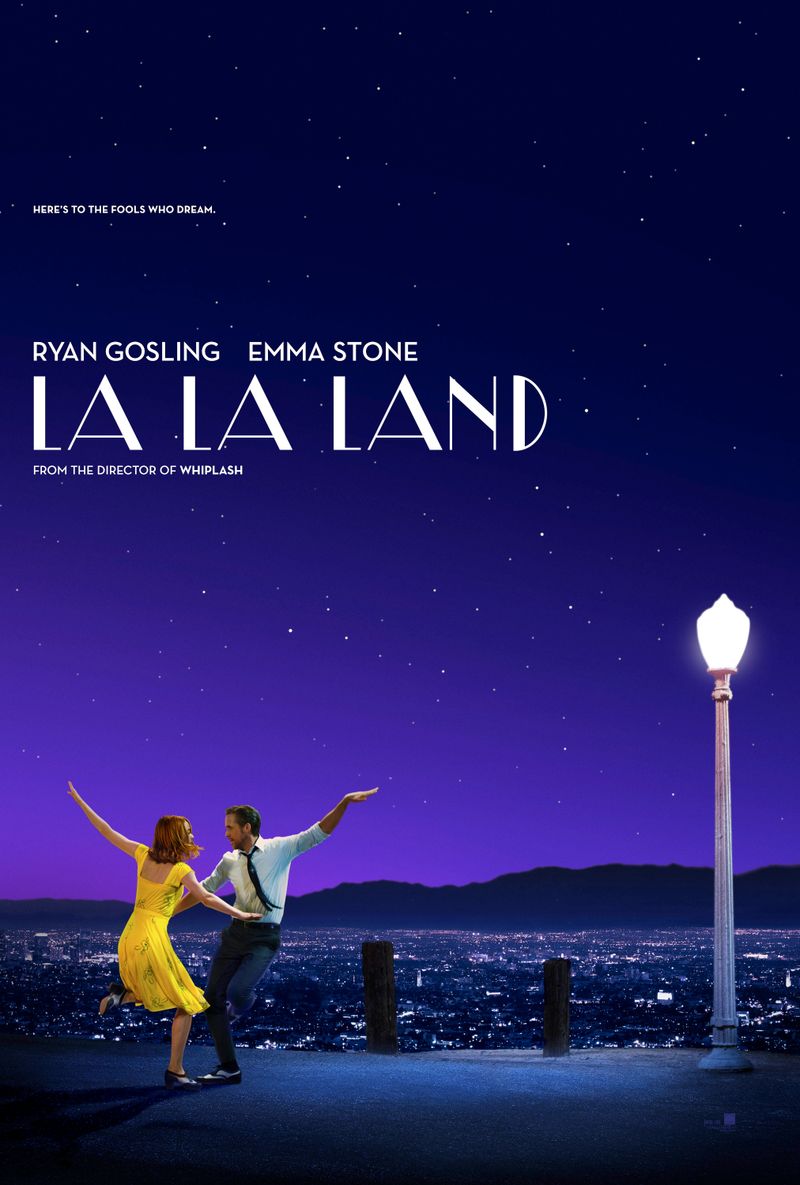
Damien Chazelle created a love letter to Hollywood musicals, and audiences fell hard for it during awards season.
La La Land swept the Golden Globes and became the front-runner for Best Picture at the Oscars in a night that ended in one of the most chaotic moments in awards show history.
After the dust settled, the criticism rolled in.
Some felt the film was nostalgic for a version of Hollywood that never really existed.
Others argued the leads were charming but not strong enough singers or dancers to carry a musical.
Love it or find it hollow, La La Land forced a real conversation about what modern musicals can and should be.
5. Joker (2019)
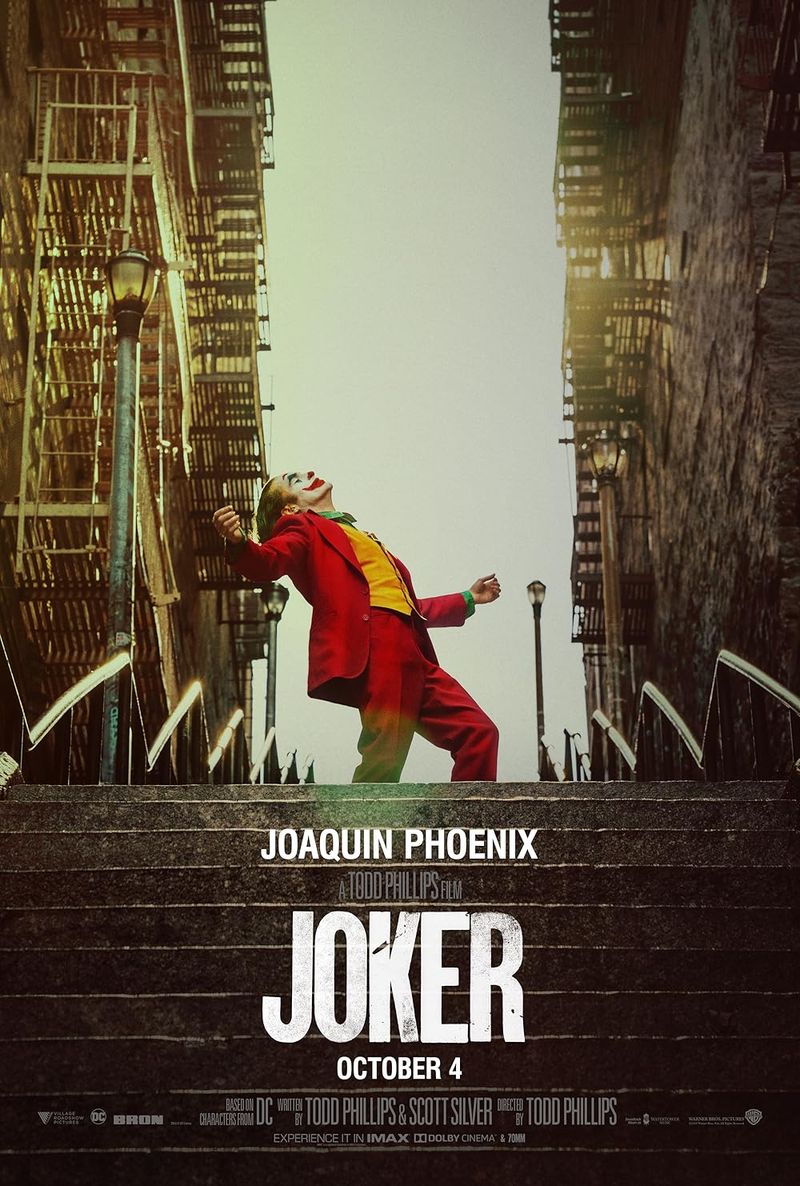
Joker arrived with so much controversy before anyone had even seen it that the debate felt pre-loaded.
Warnings were issued about potential violence at screenings.
Critics argued the film dangerously romanticized a mentally ill man’s descent into murder.
Then audiences packed theaters and made it the highest-grossing R-rated film in history at the time.
Joaquin Phoenix won the Oscar for Best Actor, and few argued he did not deserve it.
The real fight is over whether the movie around his performance holds up.
Is it a bold character study or a shallow imitation of Martin Scorsese’s 1970s work?
That question has never been cleanly answered, which is probably why people keep asking it.
6. Everything Everywhere All at Once (2022)
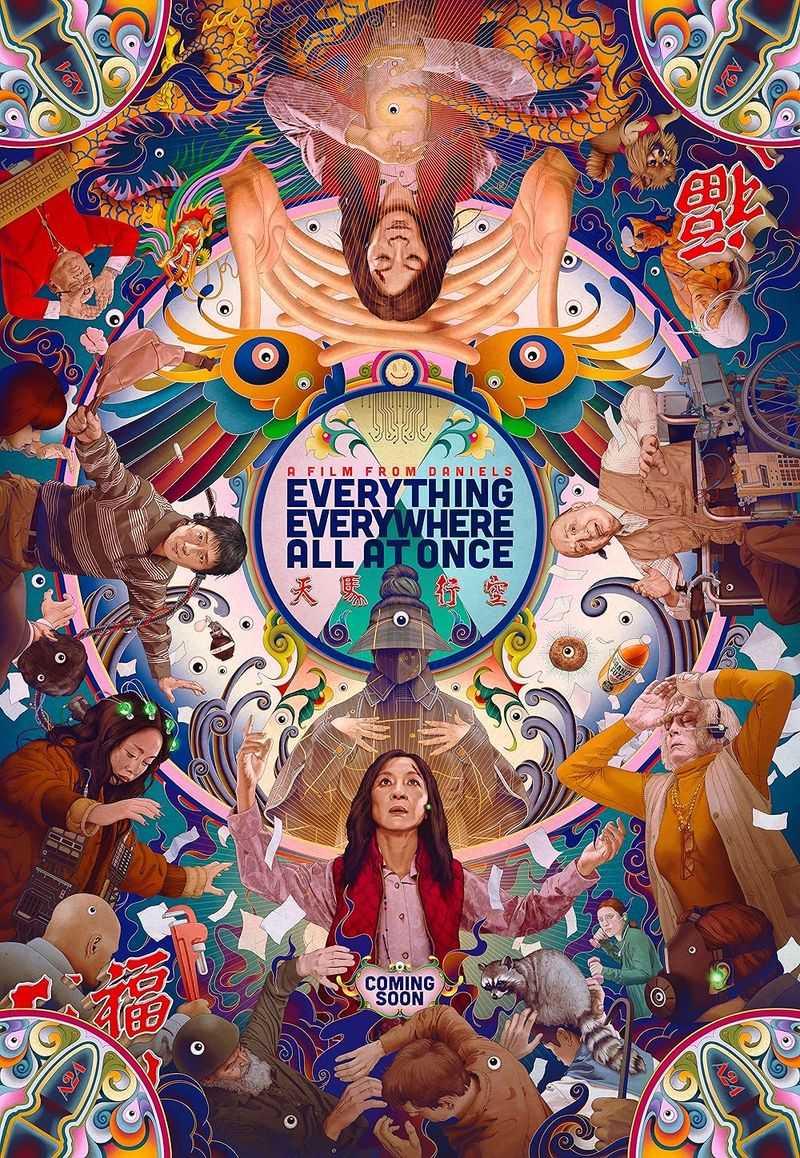
Made on a modest budget by a directing duo known as the Daniels, this film somehow became the most awarded movie of its year, sweeping the Oscars in a way that shocked Hollywood veterans.
It tells the story of a Chinese-American laundromat owner who discovers she can access parallel universes.
Sounds wild because it absolutely is.
The movie is loud, chaotic, and emotionally overwhelming on purpose.
Fans describe crying and laughing within seconds of each other.
Skeptics say it is exhausting and uses spectacle to avoid saying anything truly original.
Whether you see it as a profound meditation on immigrant identity and generational trauma, or just a very busy movie, depends a lot on your patience for controlled chaos.
7. The Tree of Life (2011)
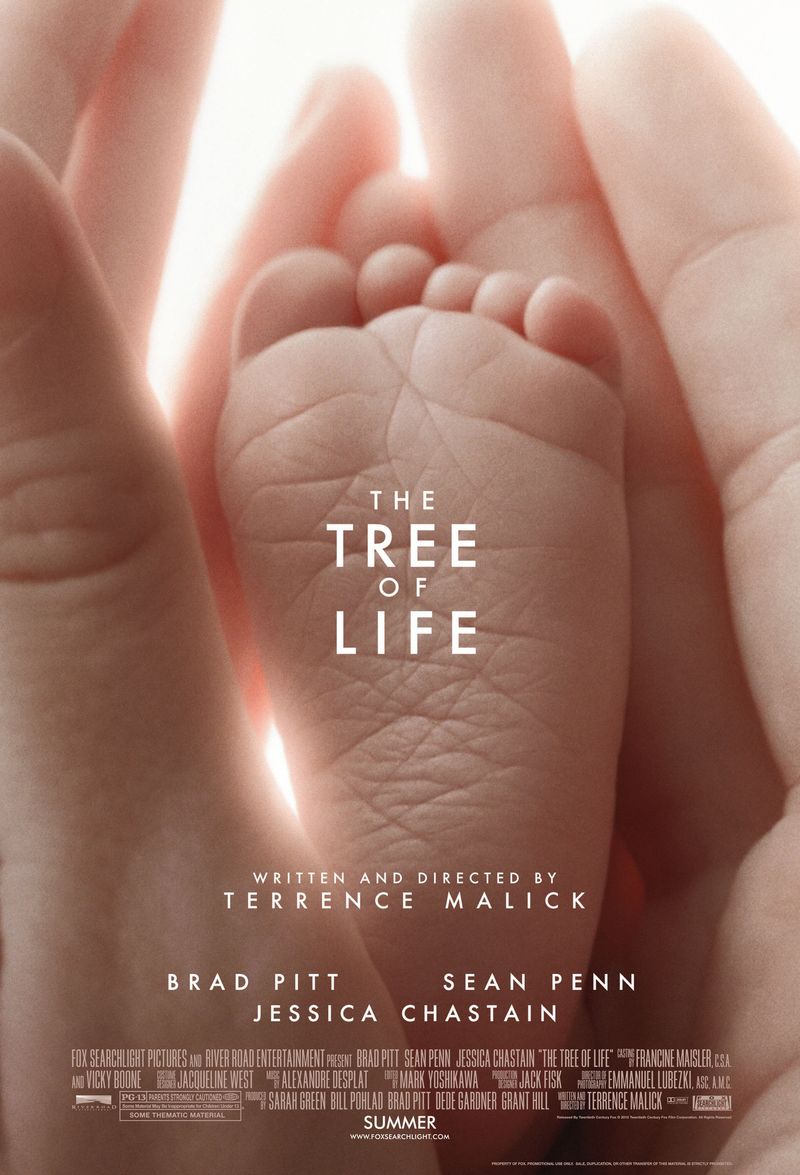
Terrence Malick won the Palme d’Or at Cannes for this film, which is basically the highest honor in world cinema.
The story follows a family in 1950s Texas, but it also includes an extended sequence showing the formation of the universe and dinosaurs.
Yes, dinosaurs.
That is not a joke.
Walkouts at screenings were reportedly common.
Some cinemas even offered refunds.
Critics who loved it called it a spiritual masterpiece that asked the biggest questions a film could ask.
Critics who hated it said it was pretentious filmmaking disguised as philosophy.
Brad Pitt gives a quietly powerful performance, but the movie belongs to Malick’s camera, which either hypnotizes you or puts you to sleep.
8. Avatar (2009)
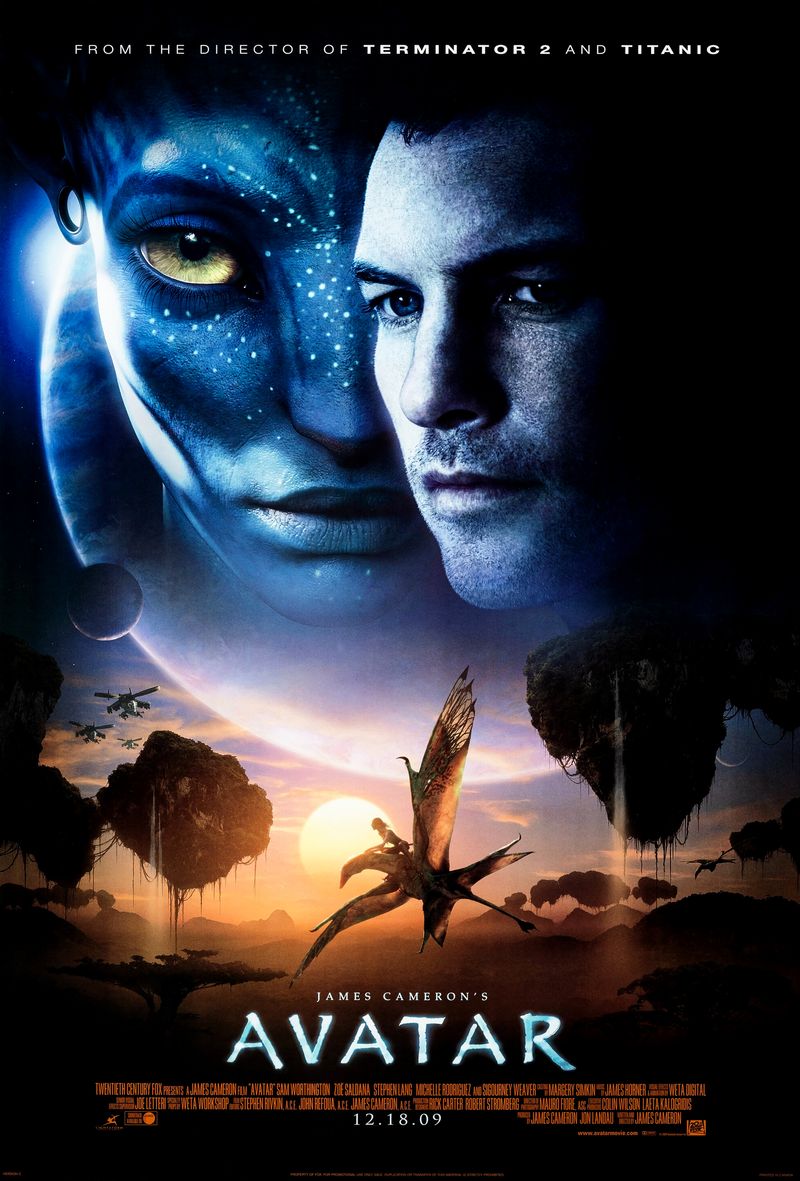
James Cameron spent over a decade and an enormous amount of money building a new world called Pandora, and audiences rewarded him by making Avatar the highest-grossing film of all time.
The visuals were genuinely unlike anything seen before, and theaters struggled to meet demand for 3D screenings.
It was a full-on cultural event.
Then the conversation shifted.
People started pointing out that the story borrowed heavily from older films like Dances with Wolves and Pocahontas.
The characters were called flat, and the dialogue was mocked online.
By the time the sequel arrived in 2022, many asked if anyone actually remembered the original fondly.
Avatar proves you can change cinema technically while leaving critics unmoved by your storytelling.
9. Interstellar (2014)
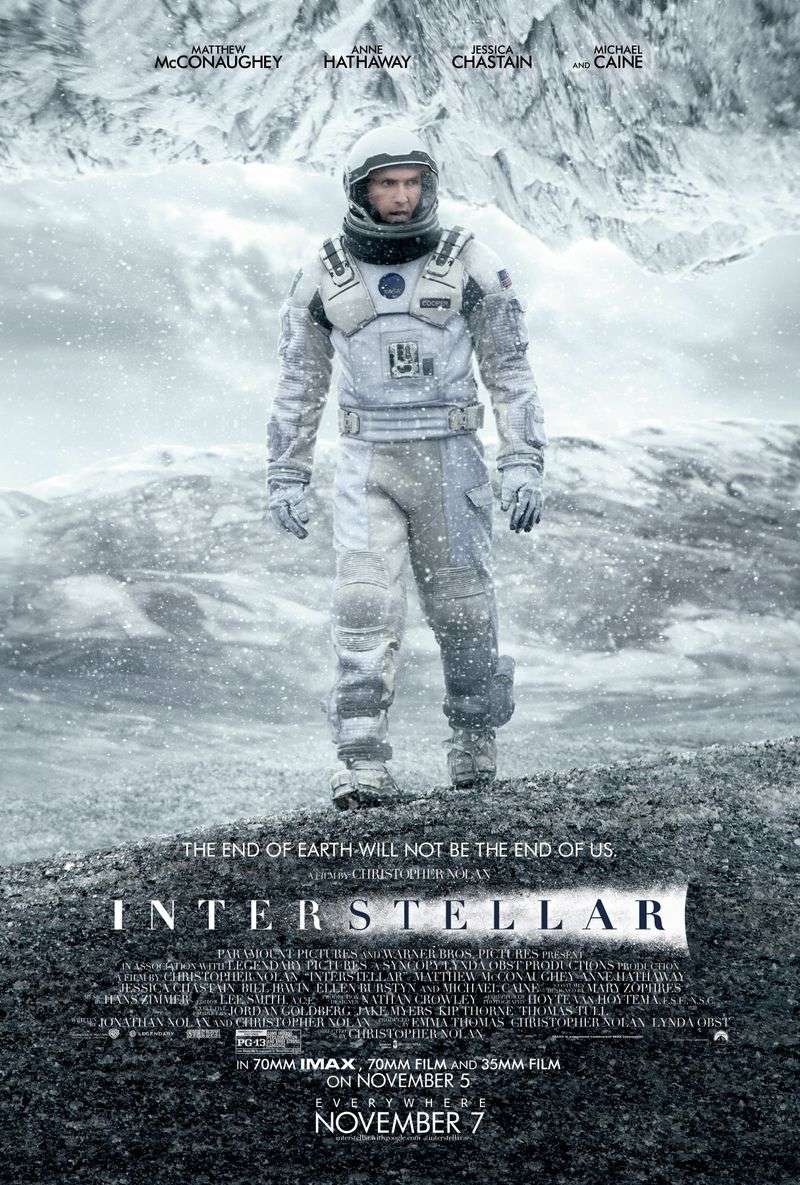
Christopher Nolan used actual astrophysicists to help design the visuals for Interstellar, and the result was a black hole rendering so accurate it contributed to a real scientific paper.
That is a remarkable achievement for a Hollywood blockbuster.
The film also features Hans Zimmer’s most emotionally devastating score, which alone can make grown adults cry in a parking lot.
The third act is where the arguments start.
Some feel the emotional payoff earns every confusing moment.
Others think Nolan hides weak storytelling behind scientific jargon and loud music.
The love-as-a-cosmic-force idea splits people sharply.
Interstellar sits in a strange middle ground where almost everyone admires parts of it but few agree on whether the whole thing works.
10. Donnie Darko (2001)
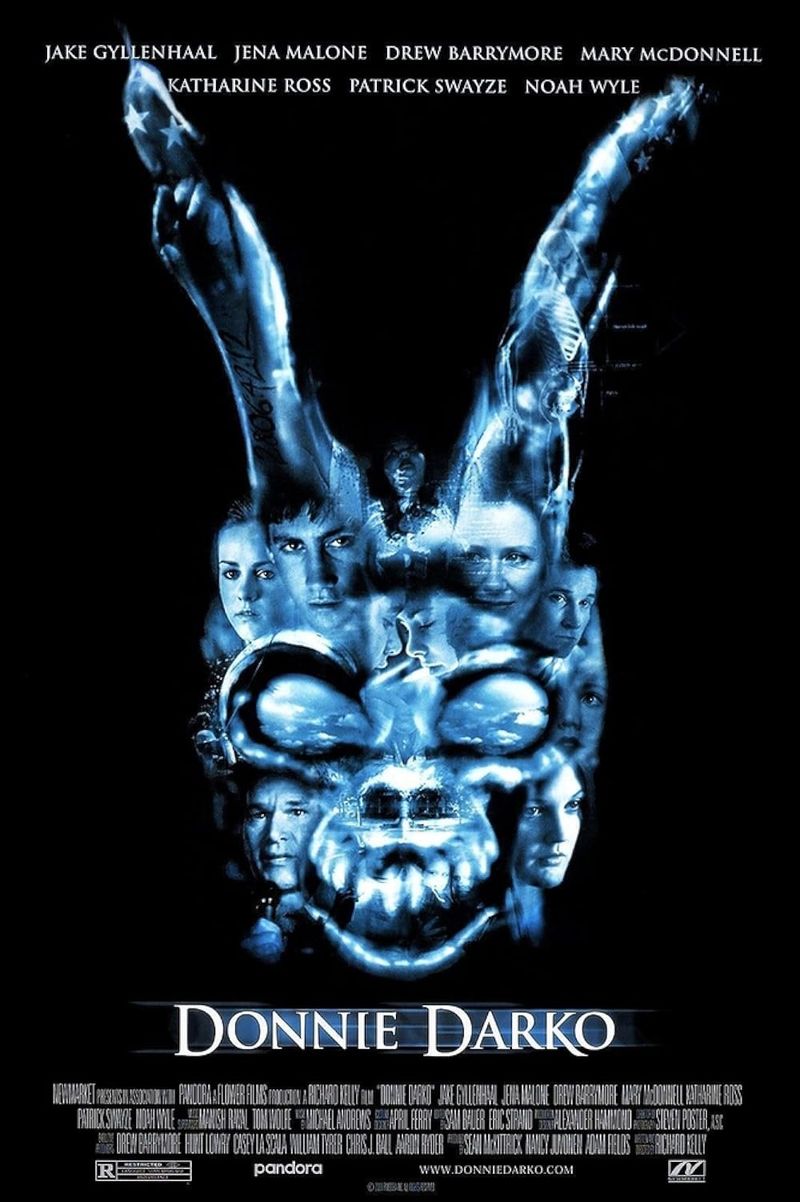
Released just weeks after September 11, 2001, Donnie Darko barely made a ripple at the box office.
Then it found a second life on DVD among teenagers who passed it around like a mystery to be solved.
The story involves time travel, a terrifying giant rabbit named Frank, and a teenager who may or may not be losing his mind.
Jake Gyllenhaal’s performance is genuinely unsettling in the best way.
The film rewards repeated viewing and spawned countless fan theories about its timeline.
Detractors argue the complexity is manufactured rather than meaningful, designed to feel deep without actually committing to a coherent idea.
Either way, few films have inspired more late-night conversations among high schoolers armed with a whiteboard.
11. Tenet (2020)
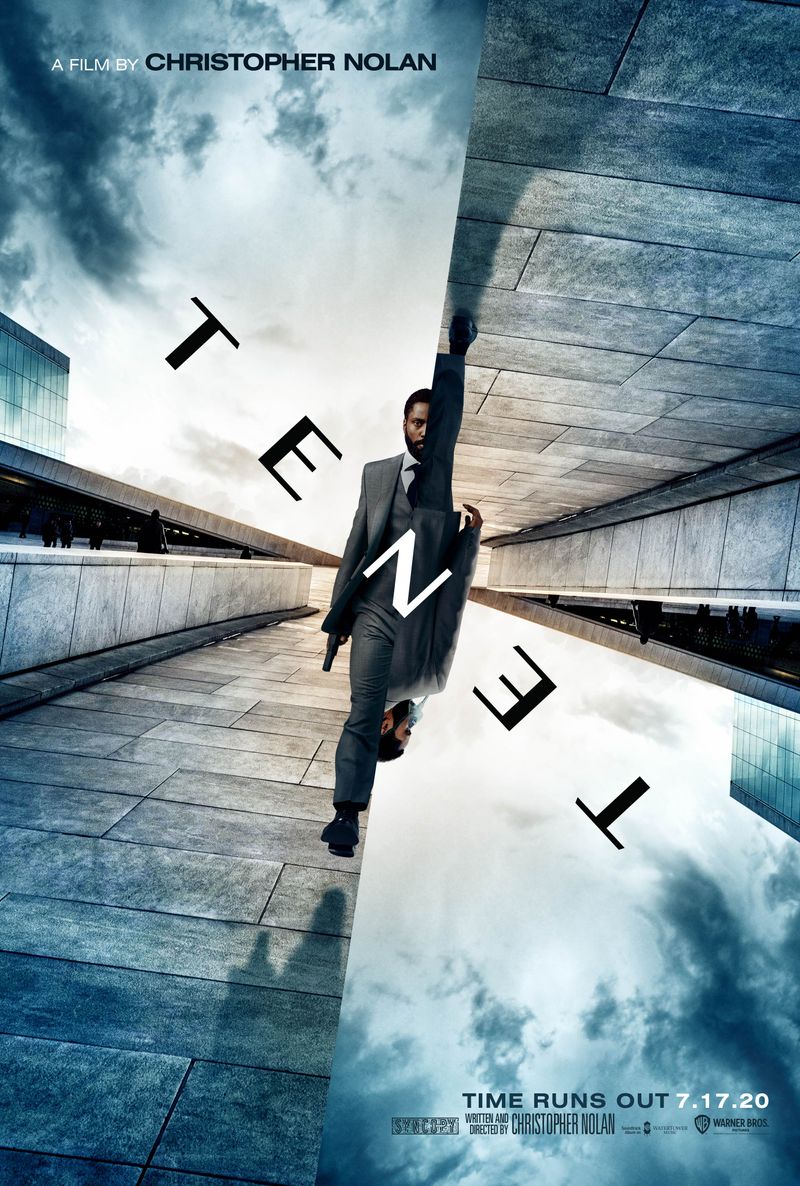
Christopher Nolan makes his second appearance on this list, which tells you something about how he operates.
Tenet was released during the pandemic when theaters desperately needed a hit, and Nolan insisted on a theatrical release.
The film features a concept called inversion, where objects and people move backward through time while the world moves forward around them.
Sound confusing?
Many viewers found it completely incomprehensible.
Even fans who loved it admitted they needed multiple viewings and a YouTube explainer to follow the plot.
Critics were split almost perfectly down the middle.
Some saw it as dazzling technical filmmaking.
Others called it a cold, joyless puzzle that forgot to include characters worth caring about.
The sound mixing complaints alone filled entire articles.
12. Titanic (1997)
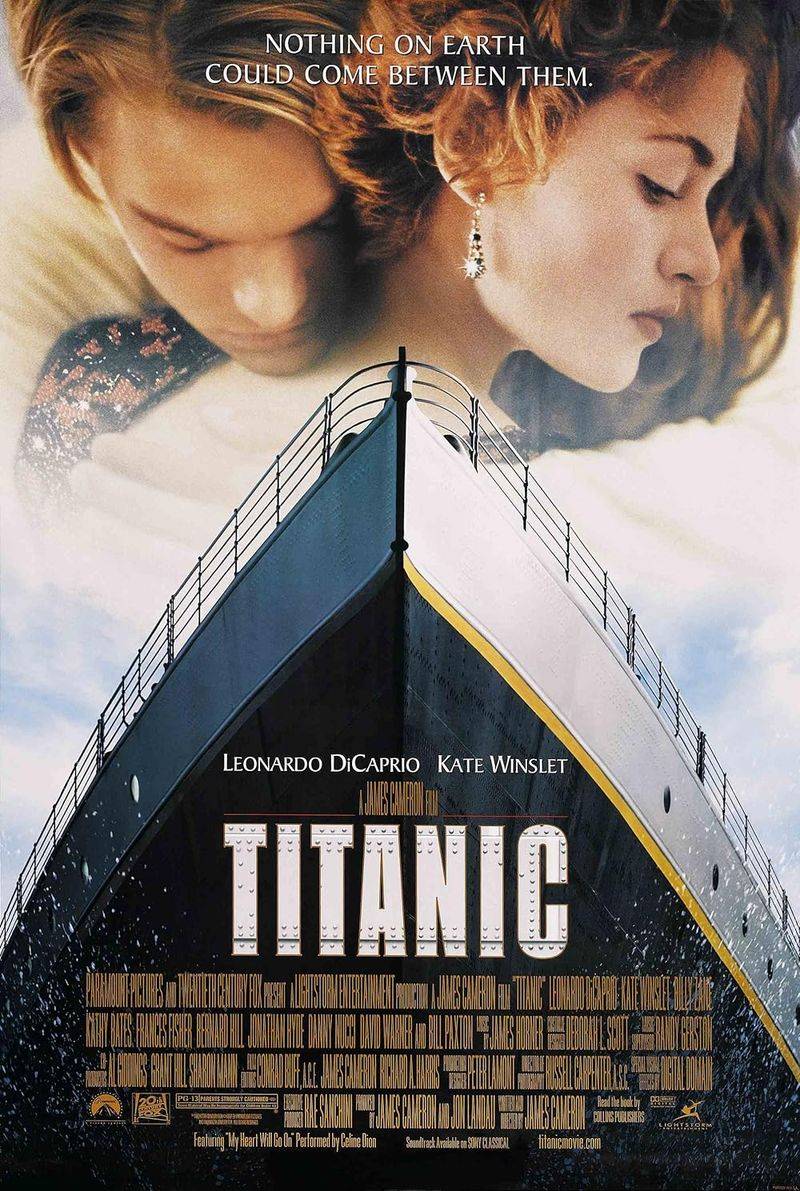
At the time of its release, Titanic was the most expensive film ever made, and James Cameron reportedly told the studio he would give back his salary before cutting a single frame.
The gamble paid off spectacularly.
The film won eleven Academy Awards and sat at the top of the worldwide box office for over a decade.
The romance between Jack and Rose still divides people today.
Supporters see it as a timeless love story wrapped in breathtaking disaster filmmaking.
Critics argue the characters are thin and the dialogue is clunky, surviving only because of the spectacle surrounding them.
The door debate, whether Jack could have fit on the floating debris, has never truly died and probably never will.
13. The Blair Witch Project (1999)
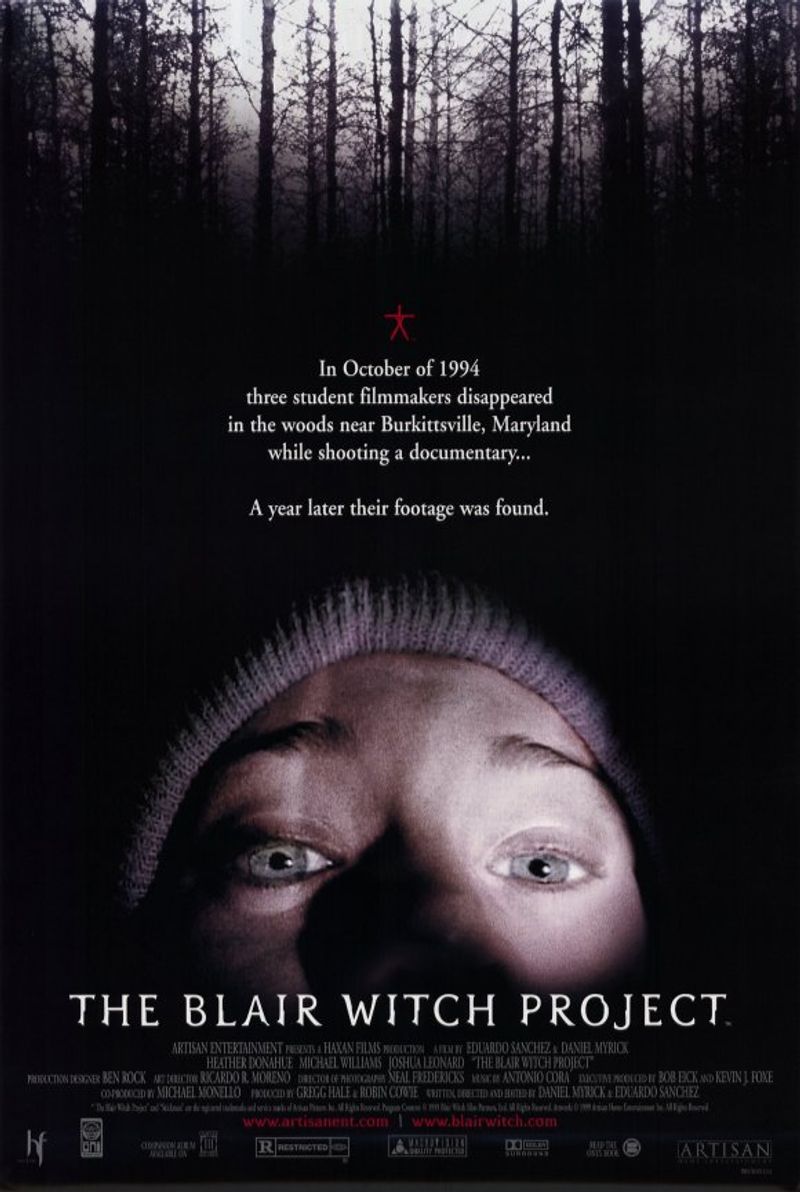
Made for roughly sixty thousand dollars, The Blair Witch Project earned nearly two hundred fifty million dollars worldwide and invented the modern found-footage horror genre almost single-handedly.
The marketing campaign pretended the footage was real, and many moviegoers genuinely believed they were watching a documentary about missing students.
That level of deception had never been attempted at that scale before.
Watching it today without that original context is a very different experience.
Some find the slow build unbearably tense right up to its final terrifying image.
Others find it boring, shaky, and anticlimactic.
Horror fans tend to respect its influence even when they do not enjoy the film itself.
Its legacy is undeniable even if its rewatchability is hotly contested.
14. Mulholland Drive (2001)
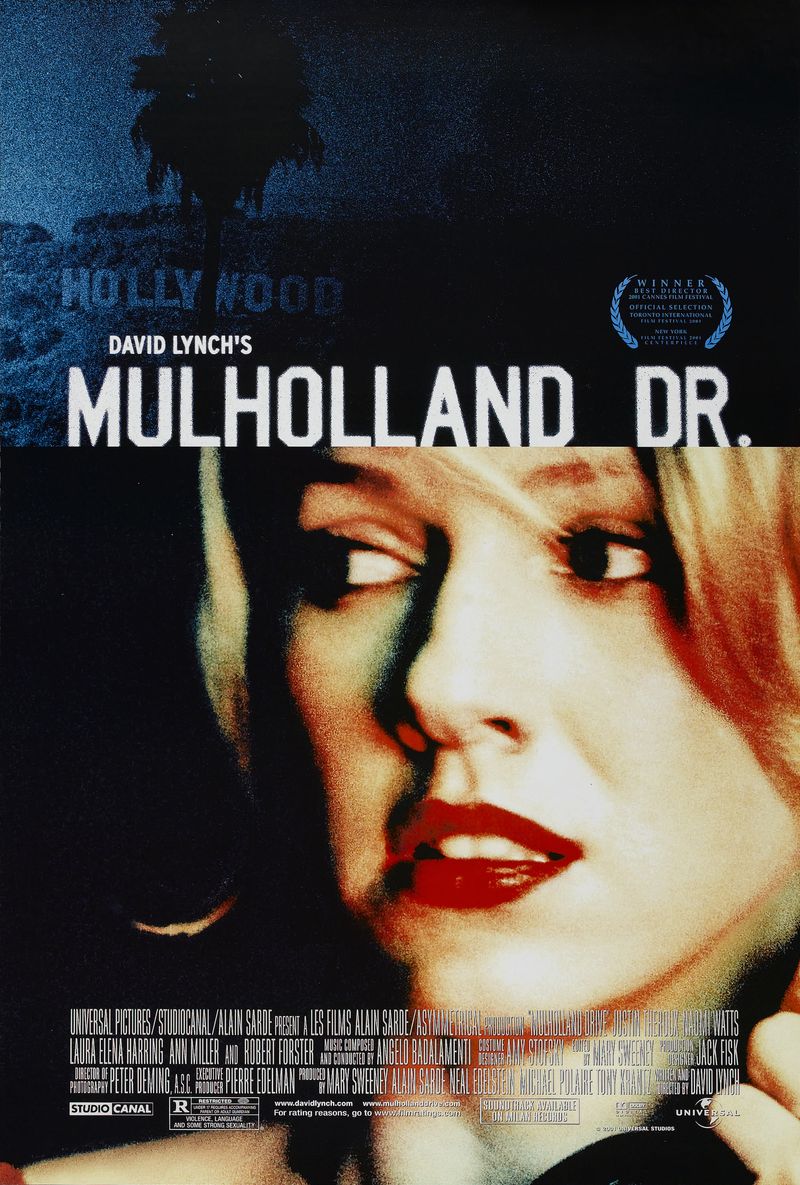
David Lynch described Mulholland Drive as a love story set in the city of dreams, which is either the most helpful or least helpful description of any film ever given.
The story begins as a Hollywood mystery, then fractures into something that defies easy summary.
Lynch refuses to explain it, which is either artistic integrity or a convenient dodge depending on your perspective.
Voted the greatest film of the 21st century by BBC critics in 2016, it sits alongside films that most general audiences have never heard of.
Fans argue the film operates on a dream logic that bypasses rational understanding and hits you emotionally instead.
Skeptics say it is deliberately incoherent.
Both groups are probably partially right, which is exactly what Lynch intended.
15. Barbie (2023)
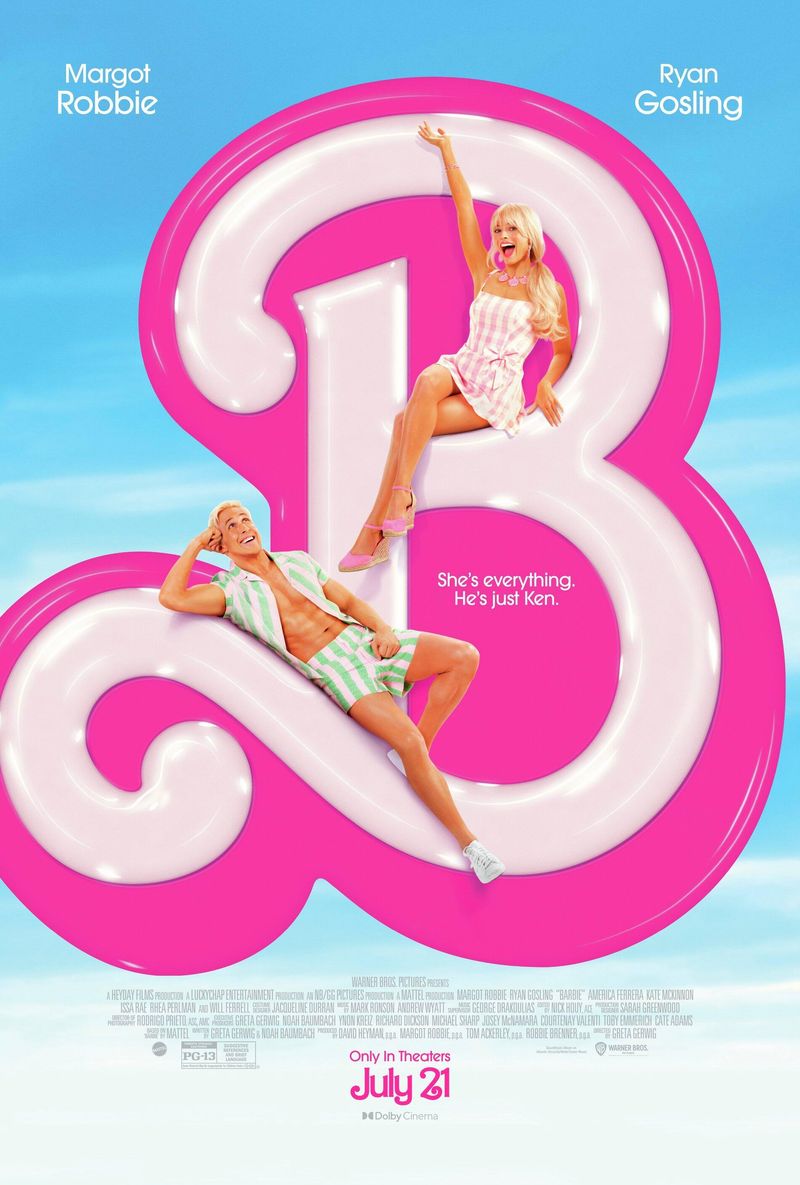
Greta Gerwig turned a plastic toy into a full-blown cultural phenomenon.
Barbie grossed over one billion dollars globally in record time, sparked the Barbieheimer double-feature trend alongside Oppenheimer, and had people wearing pink to theaters like it was a costume party.
The marketing alone was a masterclass in building anticipation.
Then the think pieces arrived.
Some celebrated it as a sharp feminist satire delivered in the most accessible packaging imaginable.
Others felt the corporate backing undermined any real critique, arguing Mattel would not fund a film that truly challenged what the brand represents.
The ending also split audiences who wanted something bolder.
Barbie is perhaps the most fascinating case study in recent memory of a film that means completely different things to different people sitting in the same theater.