 MomSkoop

What you wear to work says a lot about you before you even open your mouth. Your boss and coworkers form quick opinions based on how you present yourself, and small style slip-ups can quietly affect how seriously people take you.
The good news is that most of these mistakes are easy to fix once you know what to look for. Here are the top style mistakes to avoid if you want to make a great impression at work.
1. Wearing Wrinkled or Untidy Clothes
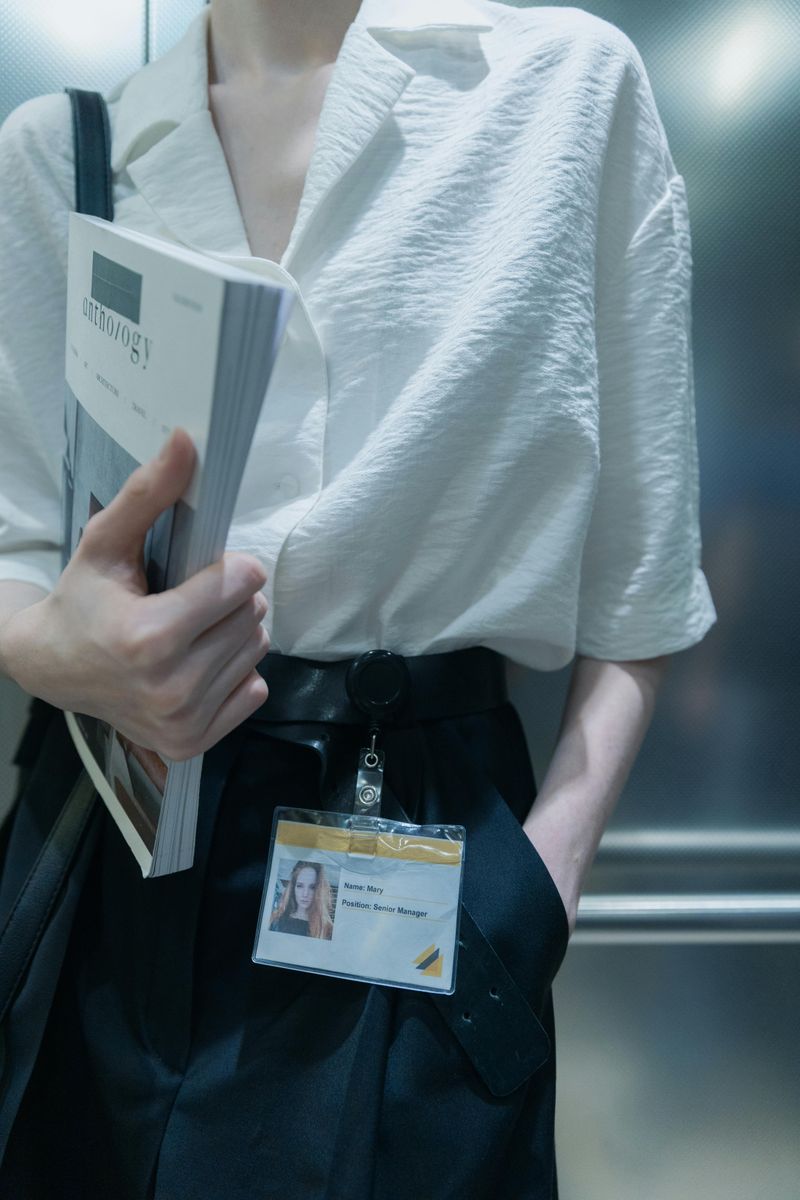
Picture walking into a meeting and everyone notices your shirt looks like it spent the night on the floor.
Wrinkled clothes send a silent message that you did not put much effort into getting ready.
Even if your work is excellent, a rumpled appearance can make people question your attention to detail.
Bosses notice this faster than you might think.
Keeping a small travel steamer at home or in your desk drawer can save you from an embarrassing morning.
Most wrinkles come out in just a few minutes with the right tools.
Make ironing or steaming part of your nightly routine so you are always ready.
A neat, smooth outfit shows that you take your job seriously.
2. Dressing Too Casual for the Office

Showing up in weekend clothes when everyone else is dressed professionally can make you feel out of place fast.
Casual outfits like hoodies, ripped jeans, or athletic wear signal to your boss that you may not be taking the job seriously.
Even in offices with a relaxed dress code, there is usually a line between smart casual and just plain sloppy.
Pay attention to how your manager and senior coworkers dress and use that as your guide.
When you are unsure, it is always better to dress slightly more formally than less.
You can always dress down a little once you understand the culture better.
Dressing appropriately shows respect for the workplace and the people around you, and it builds your professional reputation.
3. Showing Too Much Skin at Work

Work is not a beach party, and outfits that show a lot of skin can create an uncomfortable atmosphere for everyone around you.
Low-cut tops, very short skirts, or backless dresses might look great on the weekend, but they rarely belong in a professional setting.
Your boss will notice, and it can affect how seriously your ideas and contributions are taken.
Keeping a blazer or cardigan at your desk is a smart move for days when your outfit needs a quick adjustment.
It is not about hiding yourself but about reading the room and dressing for the environment you are in.
Feeling confident at work comes from knowing you look polished and appropriate.
Dressing with intention is one of the easiest ways to build professional respect.
4. Wearing Clothes That Don’t Fit Properly
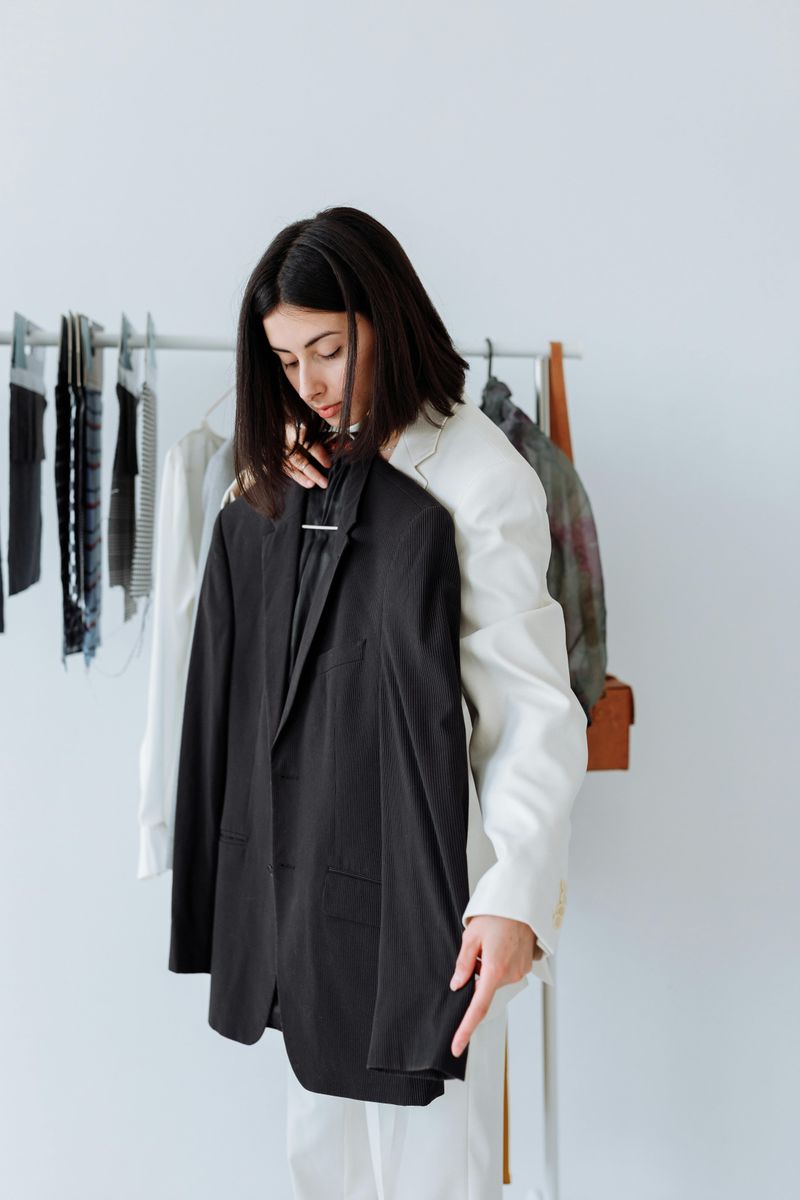
Clothes that are too big, too tight, or just the wrong shape for your body can make even expensive outfits look messy.
A shirt that gaps at the buttons or trousers that bunch at the ankles pulls attention away from your skills and personality.
Fit is honestly more important than brand name or price tag when it comes to looking put together.
Getting a few key pieces tailored does not have to be expensive, and the difference it makes is remarkable.
Even basic alterations like hemming pants or taking in a jacket can completely transform how an outfit looks on you.
Shopping with fit in mind rather than just size will save you time and money in the long run.
Well-fitted clothes make you look confident and ready to lead.
5. Ignoring the Company Dress Code
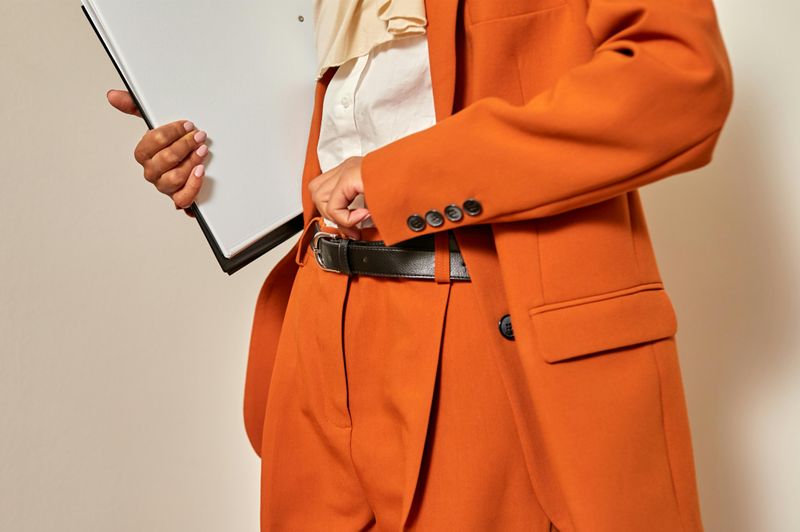
Every workplace has some kind of dress code, whether it is written in the employee handbook or just an unspoken expectation.
Ignoring it, even once, puts you on your boss’s radar for the wrong reasons.
Some managers take dress code violations personally because they see it as a sign of disrespect for the company culture.
Reading through your employee handbook when you first start a job is always a smart move.
If the dress code is unclear, asking HR or a trusted coworker is completely acceptable and shows that you care about fitting in professionally.
Staying within the dress code does not mean you have to lose your personal style entirely.
Small touches like a colorful scarf or unique accessories can still express who you are while keeping things workplace-appropriate.
6. Overusing Strong Perfume or Cologne

You might love how your signature scent smells, but when your fragrance arrives in the room five seconds before you do, that is a problem.
Strong perfumes and colognes can trigger headaches, allergies, and real discomfort for coworkers who have to share small spaces with you all day.
Bosses notice this kind of thing because it affects team morale and productivity.
A good rule of thumb is that your fragrance should only be noticeable to someone standing very close to you.
Applying just one or two light sprays to pulse points is usually plenty for a full workday.
Choosing a light, clean scent rather than something heavy or musky is usually the safer bet in a professional environment.
Being considerate of others is always a style point in your favor.
7. Wearing Dirty or Worn-Out Shoes

Here is something most people do not realize: shoes are often the first thing a boss or interviewer notices about your appearance.
Scuffed toes, dirty soles, or shoes that are falling apart can undo an otherwise polished outfit in an instant.
Shoes carry a lot of weight when it comes to how professional and detail-oriented you appear.
Keeping a shoe-cleaning kit at home and doing a quick polish once a week makes a noticeable difference.
If your shoes are genuinely worn out, replacing them is worth the investment because they affect your entire look.
You do not need a huge collection of shoes to look professional at work.
Having two or three clean, well-maintained pairs that match your work outfits is more than enough to always put your best foot forward.
8. Choosing Distracting or Flashy Accessories

Accessories are meant to complement your outfit, not compete with it.
When every piece of jewelry you own shows up to the office at once, it can be overwhelming for the people trying to focus on what you are actually saying.
Bosses may see excessive accessories as a lack of professional judgment, even if that feels unfair.
A simple guideline many stylists recommend is to pick one statement piece and keep everything else minimal.
A bold necklace paired with small earrings, for example, looks intentional and polished without being overwhelming.
Noisy accessories like bangles that clang together every time you move can also be a real distraction in quiet workspaces.
Choosing pieces that are stylish but understated shows a level of professional self-awareness that bosses genuinely appreciate.
9. Neglecting Basic Grooming and Hygiene

No outfit, no matter how expensive or stylish, can overcome poor grooming.
Unwashed hair, visible body odor, chipped nail polish, or an unkempt beard signals to your boss that you may not be on top of things in general.
Grooming is one of those basics that people notice immediately, even if they never say anything directly to you.
Building a simple morning routine that covers the basics, like clean hair, fresh breath, trimmed nails, and tidy facial hair, goes a long way.
You do not need a complicated skincare routine or salon visits every week to look professionally put together.
Think of grooming as part of your work uniform.
Showing up clean, neat, and fresh-smelling is one of the most respectful things you can do for yourself and the people you work alongside every day.
10. Wearing Inappropriate Graphic Tees or Slogans

Graphic tees can be a fun way to show personality on casual Fridays, but wearing one with a controversial slogan, crude joke, or political message to the office is a quick way to make your boss uncomfortable.
Even if the message feels harmless to you, others may find it offensive or distracting, and that creates an awkward workplace dynamic.
Some companies have strict policies about graphic clothing, while others leave it up to common sense.
Either way, saving your edgier shirts for weekends and social events is the safer professional choice.
If you love expressing yourself through your clothing, there are plenty of ways to do that with tasteful patterns, bold colors, or unique cuts that still meet workplace standards.
Style and professionalism are not mutually exclusive when you choose thoughtfully.