 MomSkoop
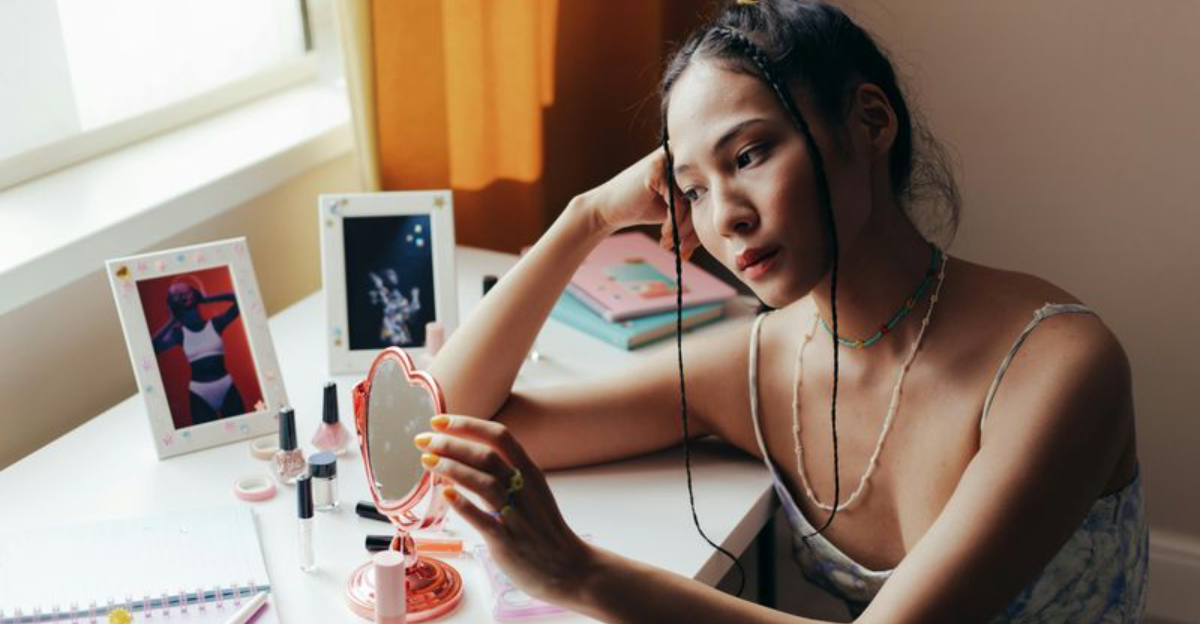
Every day, countless women navigate situations that leave them feeling uneasy, dismissed, or unsafe — and many of these experiences are so common they often go unnoticed. From unwanted comments to workplace double standards, these discomforts are real, valid, and widely shared.
Understanding what makes women uncomfortable is the first step toward building a kinder, more respectful world. Whether you recognize yourself in these experiences or want to better understand someone you care about, this list sheds light on things that truly matter.
1. Being Told to Smile More
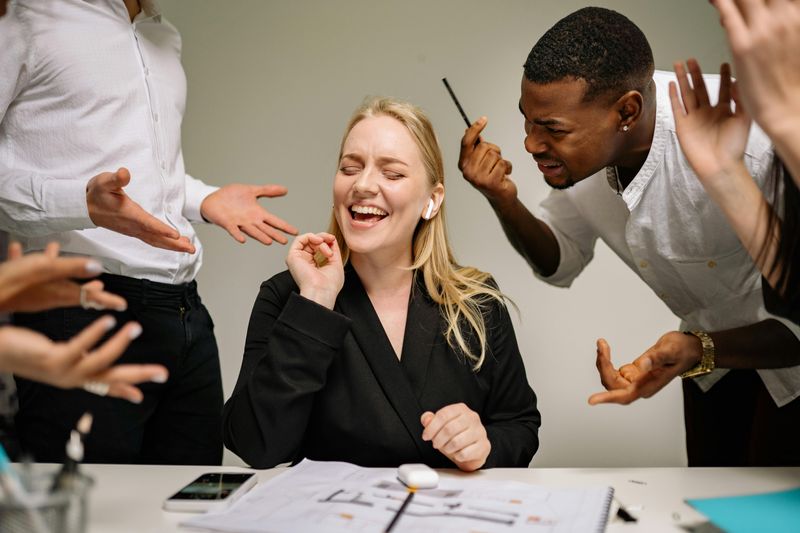
Nobody walks up to a man in a meeting and says, “You should smile more.” Yet women hear this constantly — from strangers, coworkers, and even bosses.
It sounds harmless on the surface, but the message underneath is unsettling: your natural expression isn’t acceptable, and your face exists for other people’s comfort.
Being told to smile turns a woman’s emotions into a performance she never agreed to give.
It dismisses whatever she’s actually feeling and replaces it with an expectation to appear cheerful on demand.
Many women describe it as patronizing and infantilizing.
A simple rule of thumb: if you wouldn’t say it to a man, reconsider saying it at all.
2. Men Standing Too Close in Public

Personal space is something most people take for granted — until someone invades it.
For women, having a man stand uncomfortably close in public is an experience that happens with alarming regularity.
It happens on buses, in grocery lines, at concerts, and in elevators.
What makes it so unsettling isn’t just the physical closeness.
It’s the power dynamic it creates.
The woman is left wondering: Is this intentional?
Should I move?
Will moving make things worse?
That mental spiral is exhausting and unfair.
Studies on personal space show that people generally maintain about 18 inches of distance from strangers.
When that boundary is ignored, it sends a signal — intentional or not — that her comfort doesn’t count.
3. Unsolicited Comments About Their Body
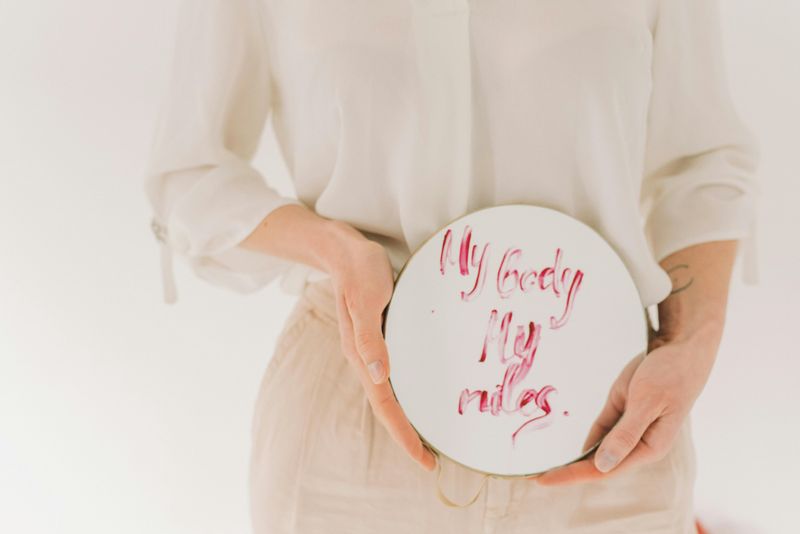
“You’ve gained weight.” “You look too skinny.” “You’d be prettier if you…” Women hear comments like these from relatives, acquaintances, and sometimes complete strangers.
No one asked, and yet opinions about their bodies arrive freely and frequently.
What’s especially frustrating is that these comments often come wrapped in fake concern or compliments. “I’m just saying it because I care” doesn’t make unsolicited body commentary any less harmful.
Research consistently links these kinds of remarks to lower self-esteem and increased anxiety in women.
A woman’s body is not a topic open for public debate.
Keeping observations about someone’s physical appearance to yourself — unless they specifically ask — is a basic form of respect that goes a long way.
4. Walking Alone at Night

Most men have never had to hold their keys between their fingers while walking to their car at night.
For millions of women, that’s just Tuesday.
Walking alone after dark involves a mental checklist that never fully turns off: Is anyone following me?
Is this route well-lit?
Should I call someone?
This isn’t paranoia — it’s a learned response to real statistics and real experiences.
Many women have been followed, harassed, or worse simply for being outside alone at night.
The discomfort is deeply rooted in lived reality.
No one should have to feel like prey just for running a late errand or leaving work after dark.
Recognizing this reality is essential to understanding why women’s safety concerns deserve serious attention.
5. Being Interrupted While Speaking
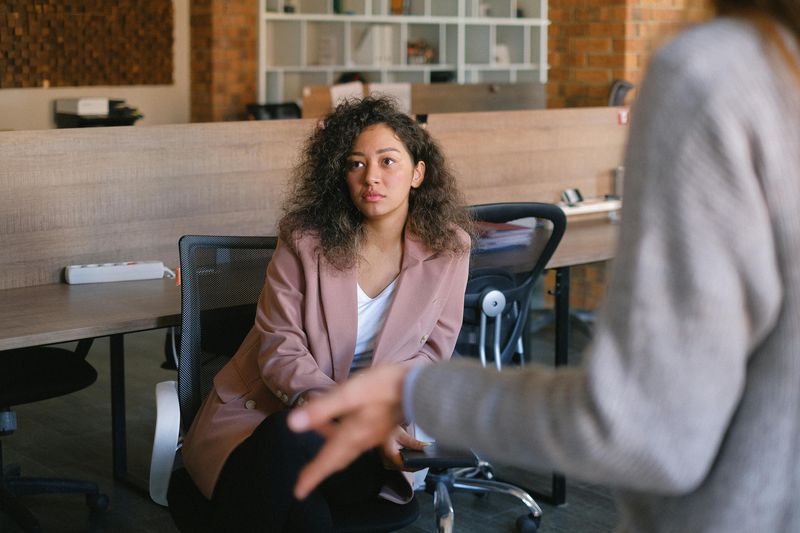
There’s even a word for it now: “manterrupting” — the act of a man interrupting a woman mid-sentence, often to take over the conversation or repeat her idea as if it were his own.
Research from George Washington University found that men interrupt women 33% more often than they interrupt other men.
Being cut off mid-thought sends a clear message: what you’re saying isn’t worth hearing.
Over time, repeated interruptions cause women to second-guess themselves, speak less, or stop contributing in group settings altogether.
Whether it happens in boardrooms or at the dinner table, interrupting someone is a habit worth breaking.
Letting people finish their thoughts — fully, without rushing them — is one of the simplest ways to show genuine respect.
6. Pressure to Look Perfect All the Time
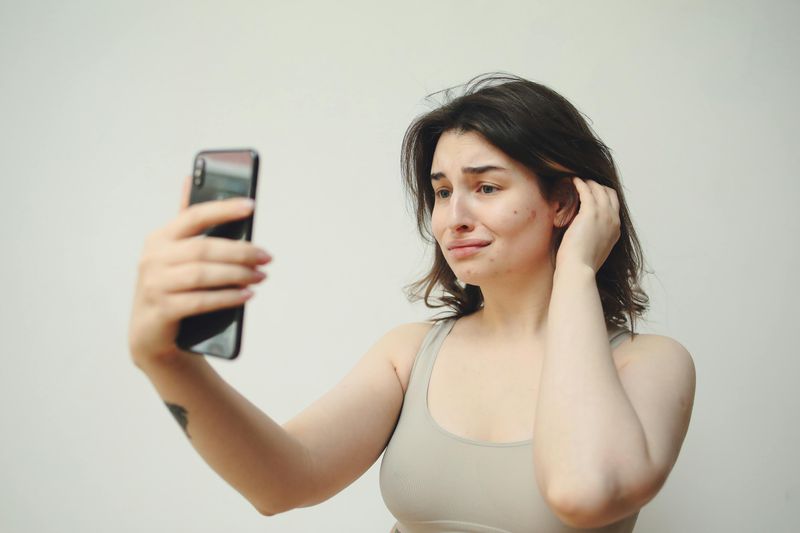
From the moment a girl is old enough to look in a mirror, the message is loud and clear: you need to look a certain way to be taken seriously, liked, or considered attractive.
That pressure doesn’t ease up as women get older — if anything, it intensifies.
Women are expected to wear makeup but not look “overdone.” They should dress professionally but still appear feminine.
Stay fit, but not too muscular.
Age gracefully, but don’t look old.
The contradictions are maddening and exhausting to navigate daily.
This constant performance tax on women’s appearance takes real mental energy.
Studies show that appearance-related anxiety significantly impacts women’s confidence and productivity.
Letting women simply exist without a running beauty critique is a radical but necessary kindness.
7. Receiving Unwanted DMs or Messages
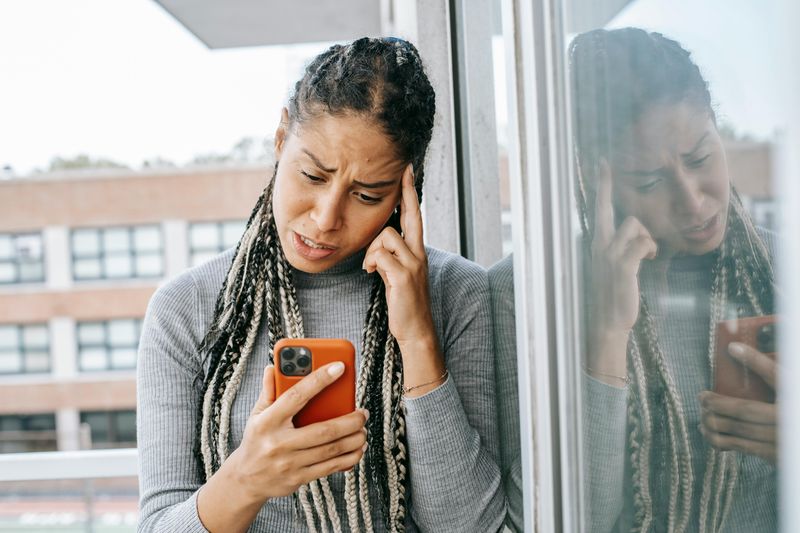
Open almost any woman’s social media inbox and you’ll find messages she never asked for — ranging from awkward compliments to outright harassment.
Unwanted DMs are so common that many women simply stop checking their message requests altogether.
That’s a sad but understandable response.
What makes these messages particularly uncomfortable isn’t just the content.
It’s the feeling of being watched, assessed, and targeted without consent.
Women who post publicly about their work, hobbies, or lives shouldn’t have to brace for an inbox full of unsolicited attention as a result.
Online spaces should feel accessible to everyone.
When women are bombarded with unwanted messages, many retreat from platforms entirely — silencing voices that deserve to be heard.
That’s a loss for everyone involved.
8. Being Judged for Aging Naturally
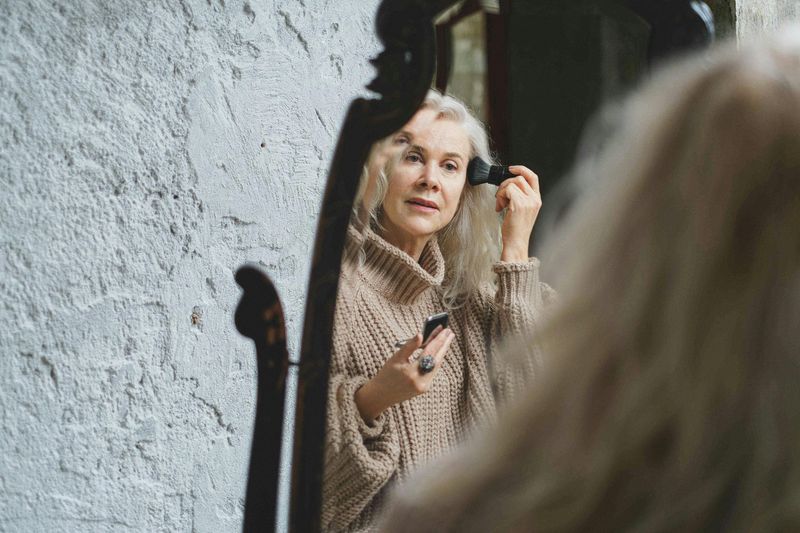
Gray hair on a man is called “distinguished.” On a woman, it’s often called “letting herself go.” The double standard around aging is one of the most persistent and quietly cruel pressures women face throughout their lives.
Women who choose not to dye their hair, get Botox, or fight every wrinkle are frequently met with unsolicited opinions.
They’re told they look tired, or that they should “take better care” of themselves.
Meanwhile, men of the same age are rarely subjected to the same scrutiny.
Aging is a natural, universal human experience.
A woman’s worth doesn’t decrease as she gets older, and her choices about her own appearance deserve respect — not commentary.
Every woman gets to decide for herself what aging looks like on her terms.
9. People Touching Them Without Permission
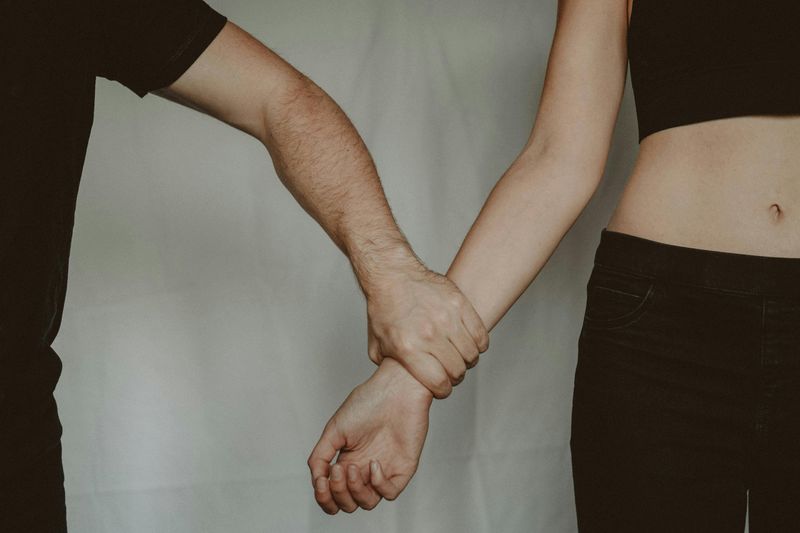
Hair touching.
Unexpected hugs.
A hand on the lower back that was never invited.
Women frequently experience being touched by others — acquaintances, coworkers, even strangers — without any kind of consent.
And when they react with discomfort, they’re often told they’re overreacting.
Bodily autonomy is a fundamental right.
The idea that someone else’s desire to touch, hug, or physically interact with a woman overrides her right to her own space is both outdated and harmful.
Consent applies to every kind of physical contact, not just the obvious ones.
Teaching people — especially children — that you always ask before touching someone is one of the most empowering lessons we can pass on.
It costs nothing and communicates volumes about the kind of respect everyone deserves.
10. Having Their Concerns Dismissed as Overreacting
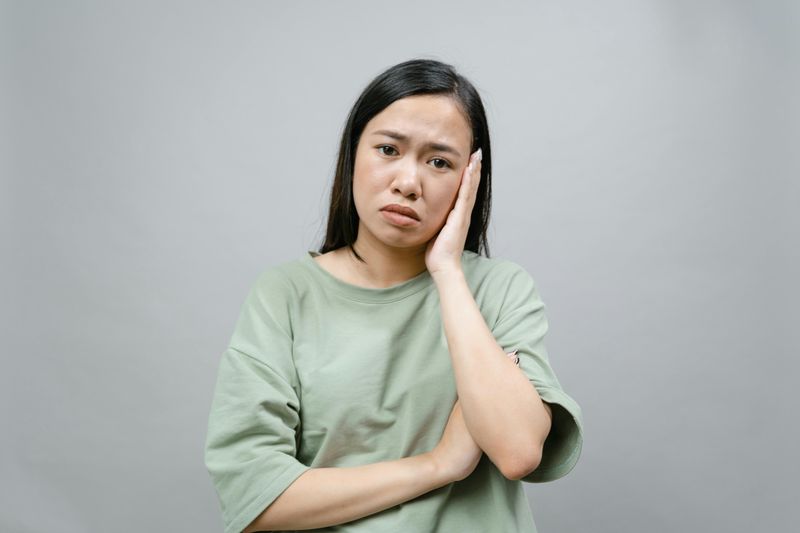
“You’re being too sensitive.” “That’s not a big deal.” “You’re overreacting.” If there’s one phrase women hear far too often, it’s some version of this.
Whether they’re raising a safety concern, expressing emotional pain, or flagging a workplace issue, their feelings are frequently minimized.
This pattern has a name: gaslighting.
And while not every dismissal is intentional, the cumulative effect is deeply damaging.
Women begin to doubt their own perceptions, second-guess their instincts, and stay silent when they should speak up.
That silence can have real consequences.
Validating someone’s concern doesn’t mean automatically agreeing with them.
It simply means taking them seriously.
Listening without judgment and acknowledging that their experience is real is one of the most powerful forms of support you can offer.
11. Workplace Double Standards
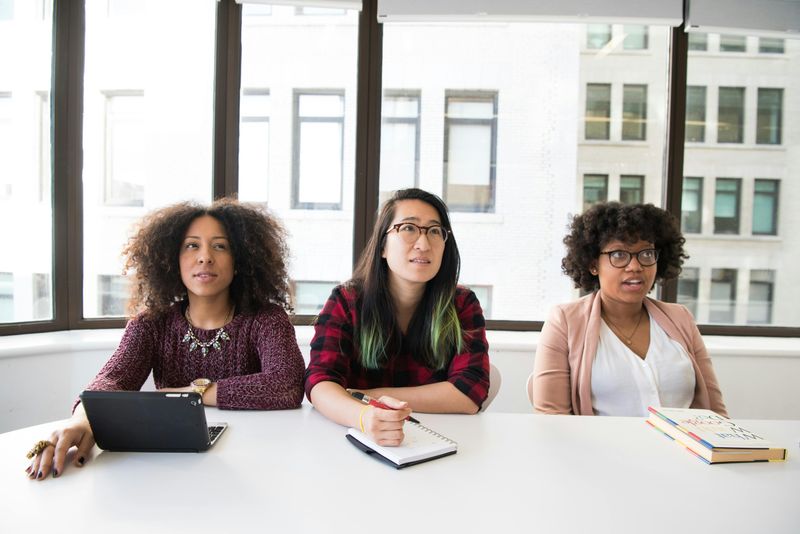
She’s assertive — he’s a leader.
She’s emotional — he’s passionate.
She negotiates her salary — she’s difficult.
He does the same — he’s ambitious.
Workplace double standards are so embedded in professional culture that many people don’t even notice them anymore.
Women do.
These double standards affect promotions, pay, and how seriously women are taken in meetings and decision-making.
According to McKinsey’s Women in the Workplace report, women are still significantly underrepresented in leadership roles, partly because the same behaviors are judged differently based on gender.
Creating equitable workplaces requires more than good intentions.
It means actively examining the language used to describe employees, auditing promotion patterns, and holding everyone to the same standards — regardless of gender.
Fairness isn’t a favor; it’s a baseline.
12. Feeling Unsafe Rejecting Someone Romantically
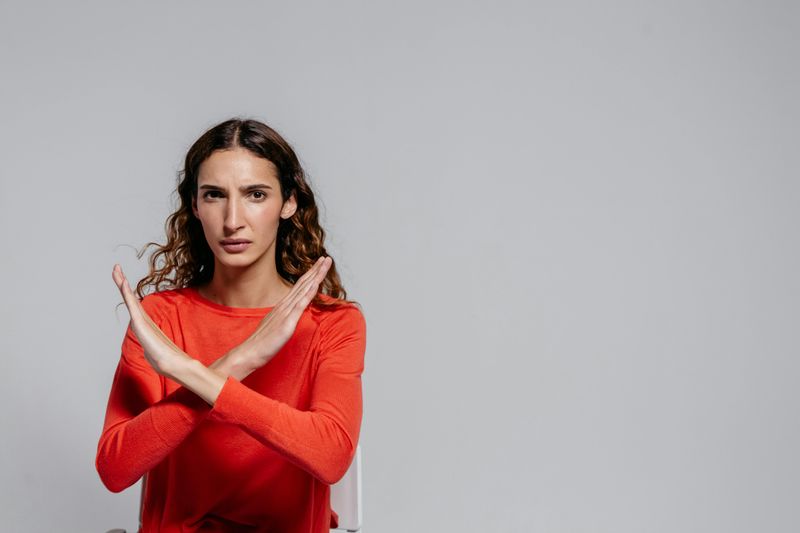
Saying “no” should be simple.
For many women, it’s anything but.
Turning down a romantic advance can feel genuinely dangerous — and that fear is not unfounded.
Stories of women being insulted, followed, or harmed after rejecting someone are disturbingly common, and they shape how women navigate social spaces.
Many women have developed elaborate strategies just to say no “safely” — pretending to have a boyfriend, making excuses, or softening the rejection to avoid escalation.
The fact that a simple, honest “I’m not interested” feels risky says something deeply troubling about the culture we’ve built.
Everyone deserves to hear “no” gracefully and respond with dignity.
Normalizing respectful rejection — and modeling it — is something that benefits everyone and makes the world a safer, more honest place for women to exist in.