 MomSkoop
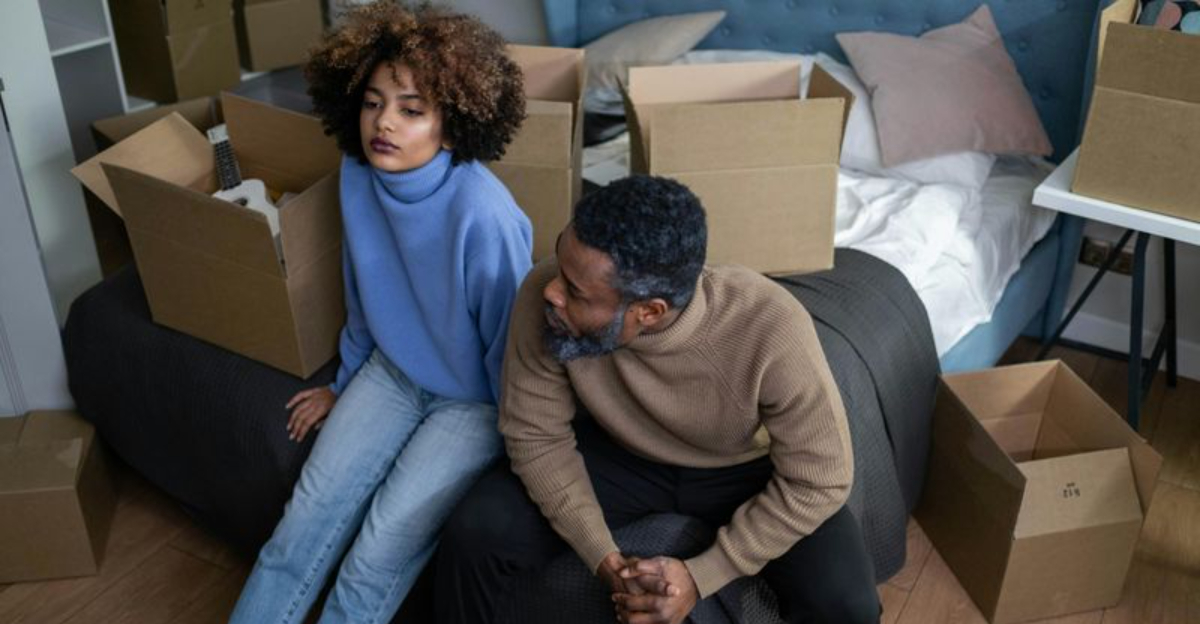
More millennial women than ever are choosing to live alone or with friends rather than moving in with a romantic partner. This isn’t about not wanting love — it’s about protecting peace, freedom, and hard-earned stability.
From unequal housework to financial risk, the reasons are real, relatable, and backed by lived experience. Older women who’ve been there are nodding along — because they get it completely.
1. They Don’t Want to Become the Default House Manager

Picture this: you’re tracking grocery lists, scheduling repairs, reminding your partner about bills, and planning every meal — all while holding down a full-time job.
That invisible workload is called the “mental load,” and it quietly drains women who live with men.
Studies show women still carry a disproportionate share of household planning, even in relationships where both partners work.
Moving in together can accidentally flip a switch that turns one partner into the unpaid household manager.
Many millennial women have watched this happen to friends or family and decided to opt out entirely.
Keeping their own space means keeping control over their own time and energy.
2. Financial Independence Feels Safer on Their Own

Millennial women have fought hard to build careers, pay off debt, and create financial stability.
Merging finances or sharing a lease with a partner before commitment is solid can put all of that at risk.
Breaking a shared lease, splitting joint accounts, or untangling shared expenses after a breakup can be financially devastating.
Many women have seen it happen and decided their bank account is not something to gamble with early on.
Living solo means every financial decision stays in their hands.
There’s real power in knowing exactly where your money goes and not having to negotiate your budget with someone else.
That kind of security is hard to give up.
3. Personal Peace and Space Are Non-Negotiable
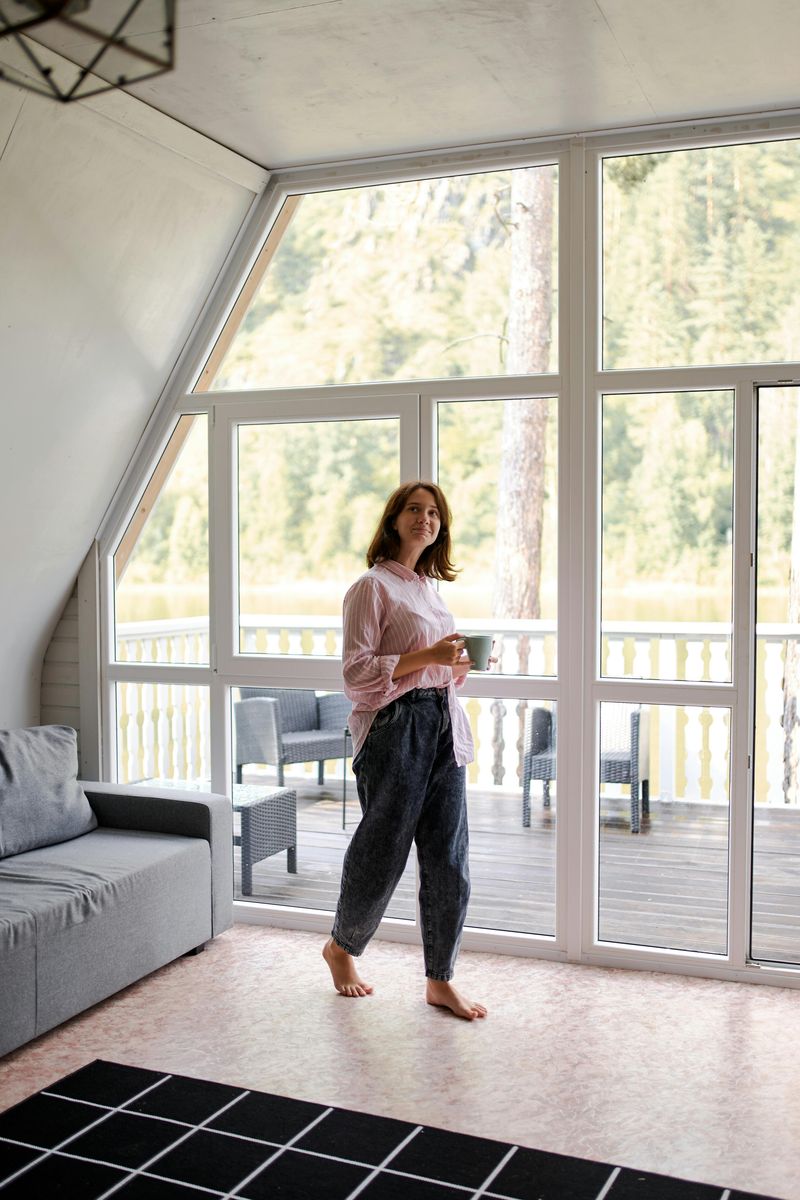
After years of noisy roommates, hectic family dynamics, or emotionally exhausting relationships, having a quiet home to come back to feels like pure luxury.
For many women, that peace isn’t something they’re willing to trade away.
Living alone means the thermostat stays where you set it, the dishes are done on your schedule, and nobody’s gaming at midnight.
Small things like that add up to a significantly calmer daily life.
Older women often laugh knowingly at this one — because they remember the years they spent adjusting to someone else’s habits at the cost of their own comfort.
Protecting your space is protecting your mental health, and millennial women are taking that seriously.
4. Watching Older Women Burn Out Changed Everything
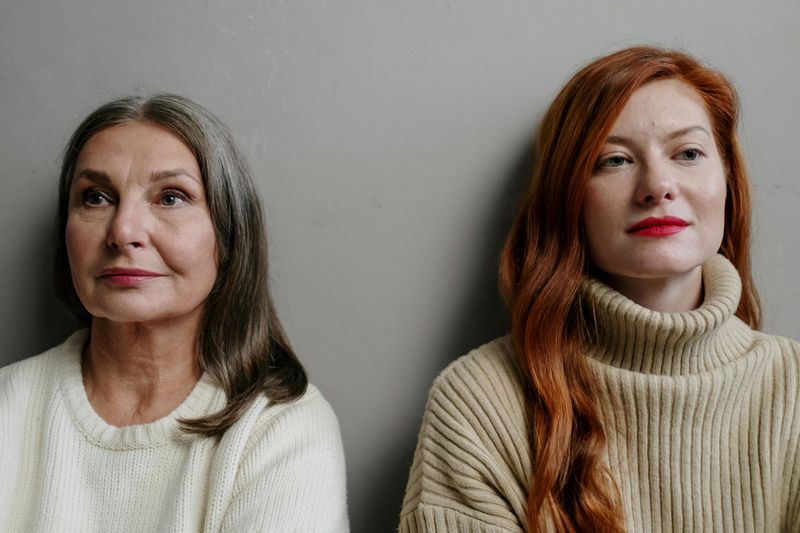
Older women have been some of the most powerful voices encouraging younger women to slow down before moving in with a partner.
Their stories aren’t abstract — they’re personal, specific, and hard to forget.
Many describe becoming unpaid caretakers in relationships that started off equal but gradually shifted.
One partner picked up more and more responsibilities while the other coasted, and resentment built slowly over years.
Hearing those stories firsthand changes how younger women approach cohabitation.
It’s not about being closed off to love — it’s about going in with eyes wide open.
Millennial women are listening to the women who came before them, and that wisdom is reshaping how they live.
5. Living Apart Can Actually Strengthen the Relationship

Believe it or not, some of the happiest couples don’t share a home. “Living apart together” is a growing relationship style where committed partners maintain separate residences and choose when to spend time with each other.
Couples who live apart often report fewer arguments over chores, more excitement when they do see each other, and a stronger sense of personal identity within the relationship.
The romance doesn’t fade — it gets a chance to breathe.
For millennial women who value both love and independence, this setup can feel like the best of both worlds.
It challenges the old assumption that commitment means sharing every square foot of your life with someone else.
6. Weaponized Incompetence Is Exhausting — Full Stop
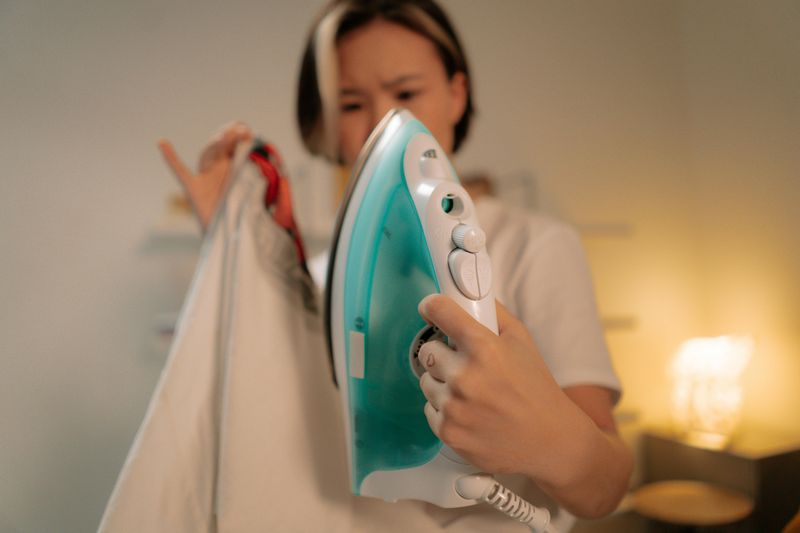
“I don’t know how to do laundry” from a grown adult who somehow managed to feed and clothe themselves before the relationship?
Yeah, women aren’t buying it anymore.
Weaponized incompetence — pretending not to know how to do basic tasks to avoid doing them — is one of the most draining patterns in cohabiting relationships.
When one partner consistently underperforms on household tasks, the other has to pick up the slack.
Over time, that dynamic becomes the norm, and it’s incredibly hard to reverse.
Many millennial women have either experienced this firsthand or watched it unfold for someone close to them.
Choosing to live alone removes the risk entirely.
Your home, your standards, your rules — no excuses accepted.
7. Marriage and Cohabitation Are No Longer the Default Path
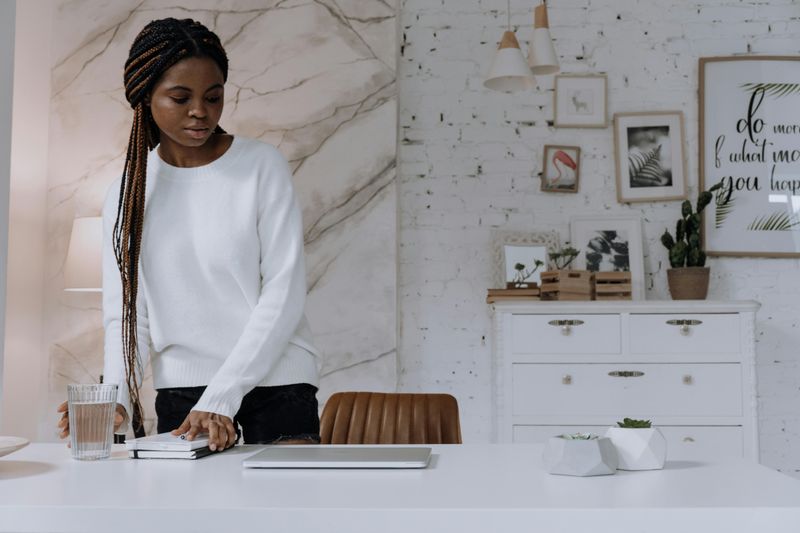
For generations, the unspoken rule was: date, move in, get married, repeat.
But millennial women are rewriting that script and doing it without apology.
Moving in together is no longer seen as the obvious next step after a certain number of months of dating.
More women are asking themselves whether cohabitation actually serves their goals — or whether it’s just what’s expected.
That’s a meaningful shift in how relationships are structured and valued.
Redefining what love looks like doesn’t mean rejecting it.
Plenty of millennial women are in committed, loving relationships without sharing a home.
They’ve simply decided that the traditional timeline doesn’t automatically apply to their lives, and that choice deserves respect.
8. Emotional Safety Comes First — Always

Leaving an unhealthy living situation is far more complicated than leaving a bad relationship.
Once leases, finances, pets, and shared routines get tangled together, the exit becomes emotionally and logistically overwhelming.
Women increasingly recognize that cohabitation creates a kind of vulnerability that takes time to fully understand.
When things go wrong — whether through conflict, control, or emotional harm — the shared home becomes both a trap and a battleground.
Prioritizing emotional safety before moving in means protecting yourself from situations where leaving feels impossible.
Many women have learned this lesson the hard way, and millennial women are choosing to learn it differently.
Keeping their own space is a form of self-protection that nobody should have to justify.
9. Complete Control Over Their Environment Is a Real Joy
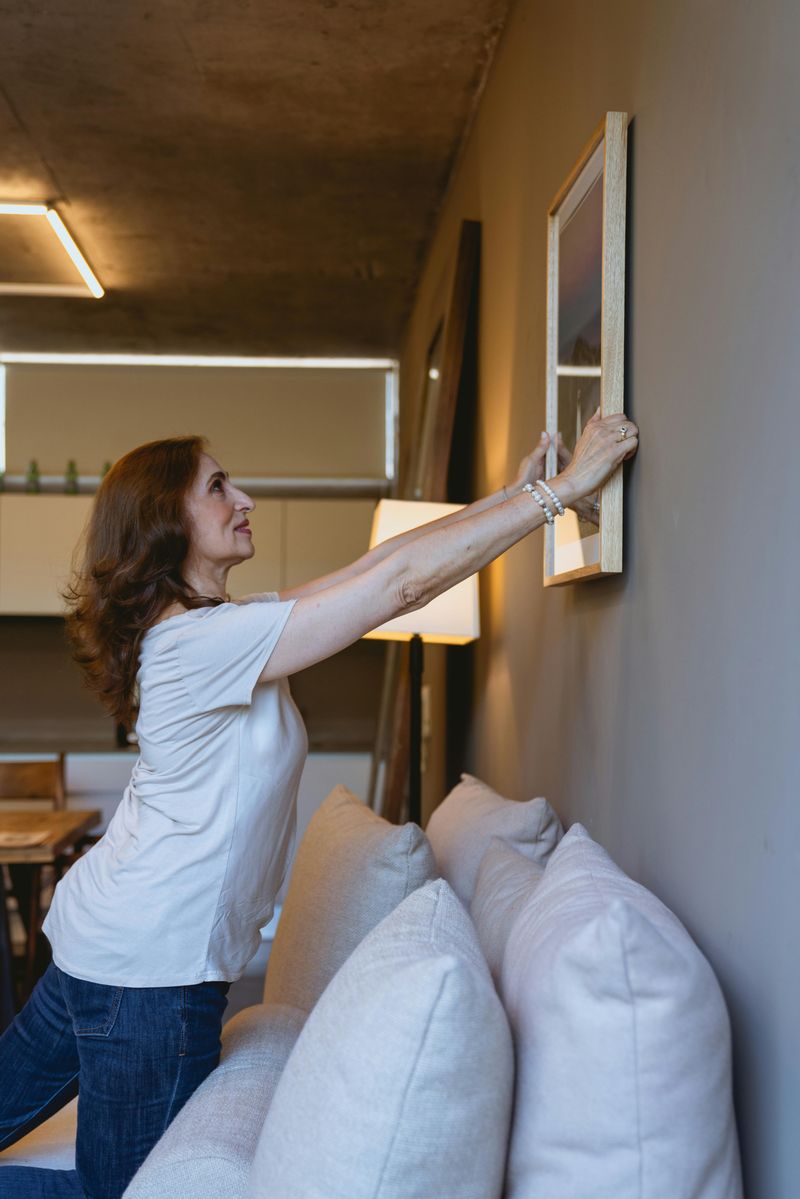
There’s something deeply satisfying about a home that looks, feels, and functions exactly the way you want it to.
No negotiating over throw pillows.
No compromising on how clean the bathroom needs to be.
Just your taste, your rules, your peace.
For women who’ve spent years adjusting their habits and preferences to accommodate others, reclaiming full control over a living space feels genuinely freeing.
It’s not petty — it’s about having at least one area of life that’s completely your own.
From choosing the scent of the candles to deciding when the lights go out, these small daily choices add up to a life that feels authentically yours.
That kind of ownership over your environment matters more than people give it credit for.
10. Love and Compatibility Aren’t Always the Same Thing
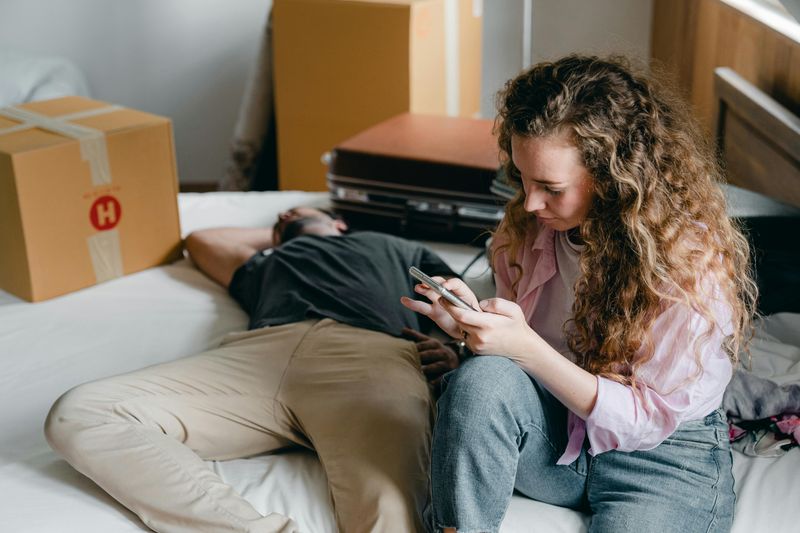
Someone can be the most wonderful, loving partner and still be genuinely difficult to live with.
Incompatible sleep schedules, clashing cleanliness standards, different approaches to noise and guests — these things don’t disappear because you love each other.
Plenty of couples have discovered that moving in together revealed friction they never anticipated.
The relationship that felt easy from separate homes suddenly became strained by the pressure of shared daily life.
Millennial women are increasingly willing to acknowledge this truth without shame.
Loving someone doesn’t obligate you to share every inch of your daily routine with them.
Recognizing compatibility as a separate ingredient from love is honest, mature, and ultimately kinder to both people in the relationship.
11. Older Women Are Cheering Them On to Protect Their Freedom
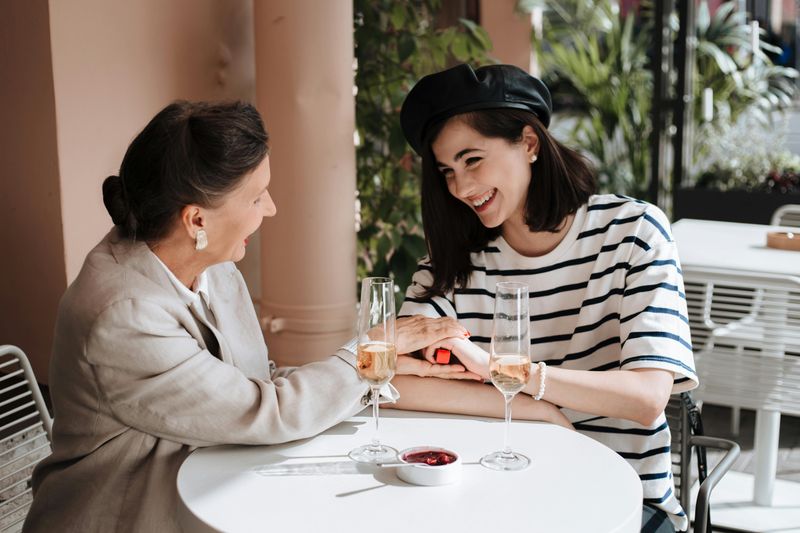
“If I could go back, I would have kept my own place longer.” That’s a sentence countless older women have said out loud, and younger women are finally listening.
The wisdom being passed down isn’t bitter — it’s generous and hard-won.
Many women in their 50s and 60s gave up independence early in life because it was expected, only to spend years rebuilding it.
They don’t want that for the women coming after them, and they’re saying so clearly.
Millennial women aren’t rejecting love when they choose to live independently — they’re honoring the lessons of the women who came before them.
That kind of intergenerational support is quietly powerful, and it’s helping reshape what modern love and freedom can look like together.