 MomSkoop

The way a man grew up leaves invisible fingerprints on almost everything he does. From how he orders food at a restaurant to how he reacts when the car breaks down, his childhood money experiences shape his daily habits in ways he may not even realize.
These quiet moments tell a story louder than anything he could say out loud. Pay close attention, because the clues are hiding in plain sight.
1. How He Treats Restaurant Prices
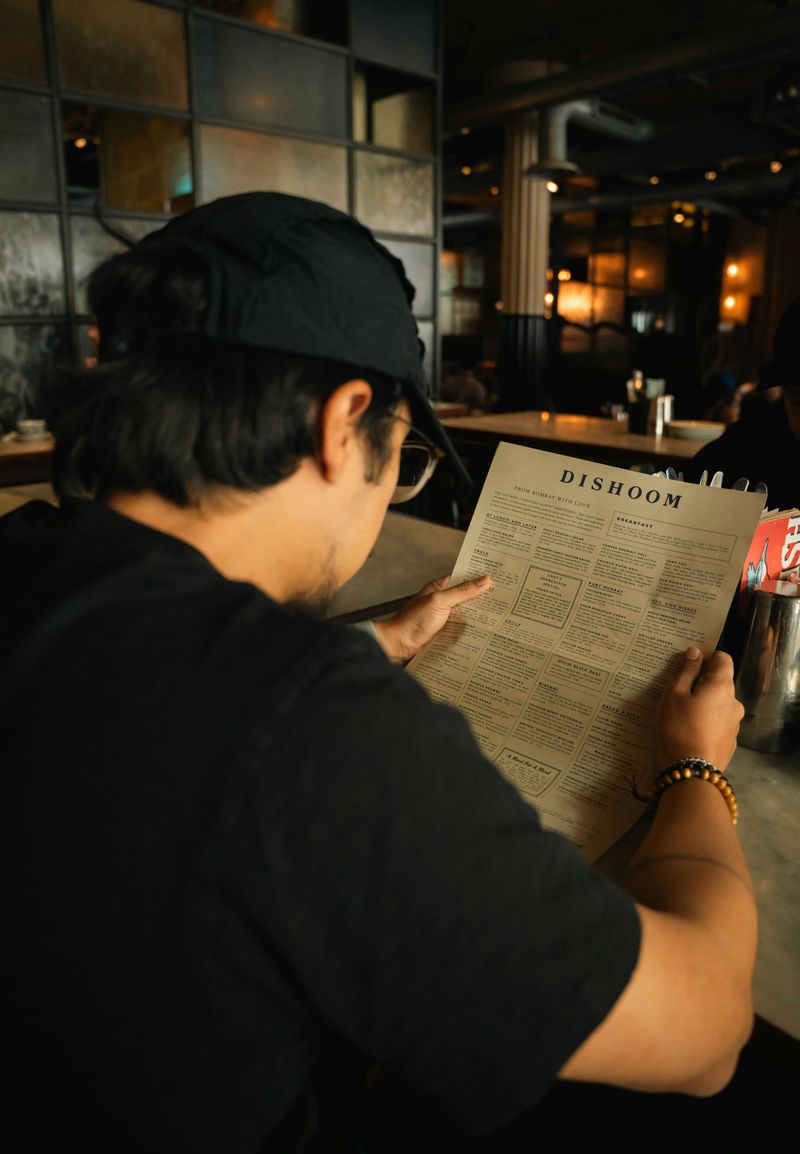
Watch what a man does the moment a menu lands in his hands.
Men who grew up with tight budgets almost always scan the right side of the menu first, checking prices before anything else.
The habit is deeply wired, built from years of watching every dollar.
Ordering an appetizer, a drink, and dessert without hesitation is a luxury that feels completely normal to men raised in wealthy households.
For men who grew up struggling, spending freely on a meal can still trigger guilt, even years after their finances have improved.
Neither reaction is wrong, but the difference is hard to fake.
A man’s relationship with a restaurant bill often says more about his past than his present bank account ever could.
2. His Reaction to Wasting Food

Leaving half a plate of food untouched means something very different depending on how a man was raised.
For someone who grew up in a household where food was carefully budgeted, throwing away leftovers can feel almost physically painful.
That feeling was drilled in early and tends to stick for life.
Men raised in wealthier homes often toss uneaten food without a second thought.
It is not that they are careless people.
It is simply that food scarcity was never part of their experience, so the emotional weight attached to waste never developed.
Next time you are at dinner, notice whether he boxes up the leftovers or leaves them behind without blinking.
That small choice carries a big story.
3. How He Handles Unexpected Expenses

A surprise car repair or an unexpected medical bill hits differently depending on your financial upbringing.
For men who grew up in financially unstable homes, these moments can trigger real panic.
The fear is not just about the money right now.
It is about every time money ran out in the past.
Men raised in wealthier environments tend to treat these situations as annoying inconveniences rather than emergencies.
They may grumble about the cost, but there is no underlying dread attached to it.
The difference in emotional response is striking and very telling.
Financial resilience is partly personality, but it is also deeply connected to what felt normal growing up.
A man who sweats every surprise expense likely learned early that safety nets were not guaranteed.
4. The Way He Talks About Money

Money talk reveals a lot about where someone comes from.
Men who grew up with financial stress often treat money as a private, almost sensitive topic.
They lower their voices, change the subject, or get slightly tense when finances come up in conversation.
The topic carries emotional weight they may not fully understand themselves.
On the other side, men raised in comfortable households tend to discuss money casually, the same way they would talk about the weather.
Mentioning investment accounts, vacation budgets, or home renovations does not feel personal to them because financial security always felt like a given.
The ease, or lack of ease, in how a man discusses money is one of the most honest windows into his childhood financial reality.
5. How Comfortable He Is Asking for Help

Growing up without financial safety often teaches one brutal lesson early: nobody is coming to save you.
Men raised in struggling households frequently develop fierce independence because relying on others felt risky or even shameful.
Asking for help can feel like admitting weakness, even when it makes perfect sense to reach out.
Men from wealthier backgrounds typically grow up surrounded by networks of people who help each other, whether it is job connections, financial advice, or personal favors.
Leaning on those connections feels completely natural to them.
It is just how things work in their world.
This does not mean one type of man is stronger than the other.
It just means their definitions of strength were shaped by very different early experiences with support and survival.
6. His Relationship With Luxury Brands

Designer labels carry completely different emotional meaning depending on a man’s upbringing.
Some men raised in poverty develop a powerful desire for luxury brands because those items represented success and status in a world where both felt out of reach.
Others from the same background avoid them entirely, viewing them as wasteful or showing off.
Men raised wealthy often see expensive brands as completely ordinary.
A designer bag or a luxury watch is not a trophy to them.
It is just a thing they own, like anything else.
There is no emotional charge attached to it because it was never forbidden or out of reach.
How a man reacts when he sees or holds something expensive, whether with excitement, discomfort, or total indifference, quietly reveals a great deal about his earliest money memories.
7. How He Reacts to Free Things

Free stuff hits differently when you grew up counting every penny.
Men raised in financially tight households tend to genuinely light up over discounts, free samples, loyalty rewards, or giveaways.
Getting something for nothing felt like a small victory growing up, and that feeling does not completely disappear just because circumstances improve.
It goes deeper than just saving money.
It is about the mindset that value matters and nothing should be wasted or overlooked.
Skipping a free perk feels almost foolish to someone who was raised to stretch every dollar as far as it could go.
Men from wealthier backgrounds may barely notice these opportunities.
Not because they are ungrateful, but because saving a few dollars never carried the same weight in their everyday lives growing up.
8. What Happens When the Group Splits the Bill

Few social moments reveal financial upbringing quite like splitting a dinner bill.
The man who grew up struggling often tracks exactly what he ordered, adds up his share carefully, and feels genuinely uncomfortable paying more than his fair portion.
Fairness around money is not just preference.
It is something deeply personal built from years of making every dollar count.
Men raised in wealthier households are far more likely to wave off the math entirely.
Splitting evenly or just covering the whole bill feels easy because a few extra dollars never represented a real sacrifice to them growing up.
Neither approach makes someone a better or worse person.
But watch closely the next time the check arrives at the table.
The reaction is almost always automatic and almost always honest.
9. How He Views Job Security

Job security means something entirely different depending on the financial environment a man grew up in.
Men raised in households where money was unpredictable often develop a deep fear of unemployment.
Losing a stable paycheck does not just feel inconvenient.
It feels like the ground disappearing beneath them, because they have seen what that kind of instability actually looks like.
Men from wealthy families tend to view career risks more freely.
Starting a business, leaving a steady job to pursue something new, or taking a pay cut for growth feels less terrifying when failure never meant losing your home or skipping meals.
Risk tolerance in careers is rarely just about personality.
Much of it comes straight from what financial safety, or the lack of it, felt like during the years that shaped him most.
10. His Definition of Normal Spending

What one man calls outrageous, another calls Tuesday night.
A man raised in a working-class home may consider a forty-dollar meal a splurge worth planning for.
A man raised wealthy might not blink at a two-hundred-dollar dinner for two.
Neither man is lying about his reaction.
Both are being completely honest based on what normal always looked like for them.
Spending baselines are set early in life, shaped by what parents considered reasonable, excessive, or impossible.
Those invisible price tags follow a man into adulthood and quietly influence nearly every financial decision he makes.
You can often spot this without asking a single question.
Just notice what makes him pause before spending and what he buys without a second thought.
That gap between hesitation and ease tells the whole story.