 MomSkoop
Some movies are supposed to make you laugh, cry, or feel warm inside—but end up scaring you half to death instead. Whether it’s a beloved childhood classic or a critically praised drama, certain films have a way of crawling under your skin long after the credits roll.
Nobody warned us these movies would leave us sleeping with the lights on. Here are films that were never labeled horror but absolutely should have been.
1. Willy Wonka & the Chocolate Factory (1971)
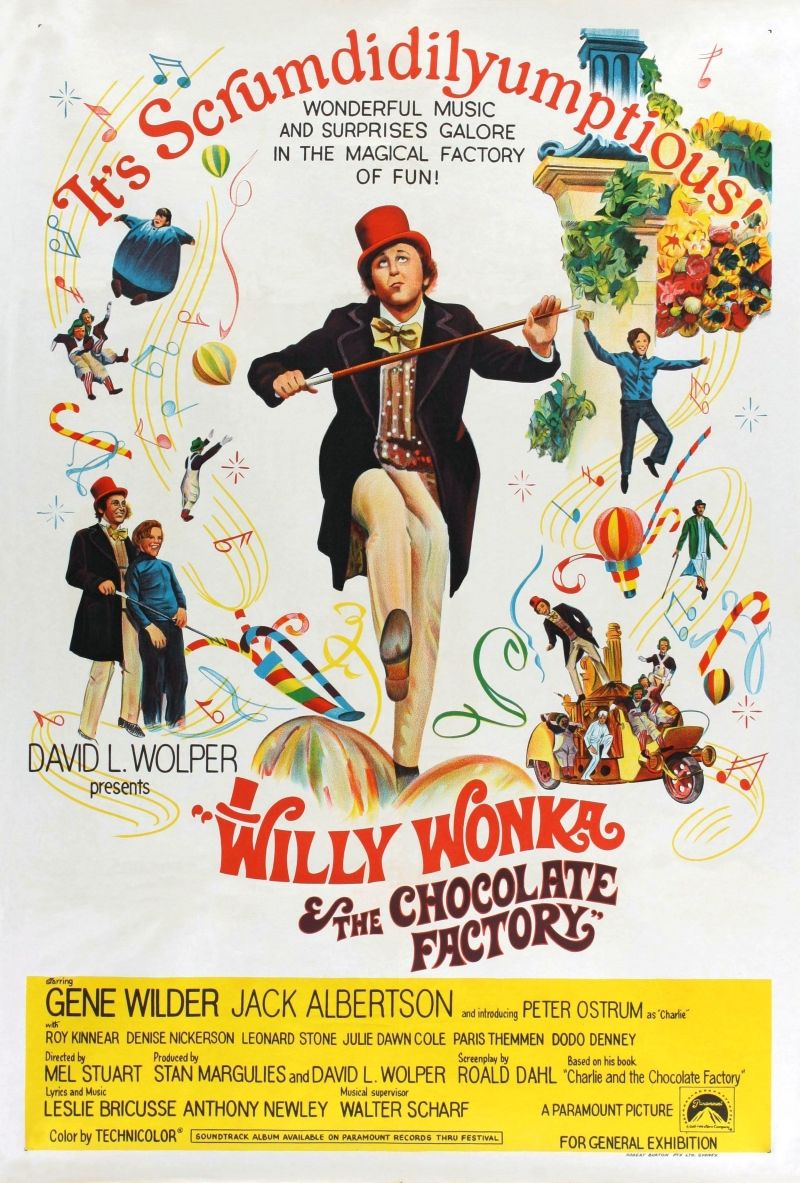
Gene Wilder’s Willy Wonka seems charming at first—until that boat ride happens.
The tunnel scene comes out of nowhere, featuring flashing disturbing images, a poem recited in an increasingly unhinged voice, and zero explanation afterward.
Nobody on that boat looked okay, and neither did the audience.
What makes it so terrifying is that the movie never acknowledges how wrong that moment feels.
Children watching for the first time often freeze in confused fear, unsure whether to laugh or cry.
Adults rewatching it are somehow even more disturbed.
Wilder reportedly insisted the scene stay exactly as filmed, wanting audiences to feel genuinely unsettled.
Mission absolutely accomplished—this scene has haunted generations of candy-loving kids worldwide.
2. Return to Oz (1985)
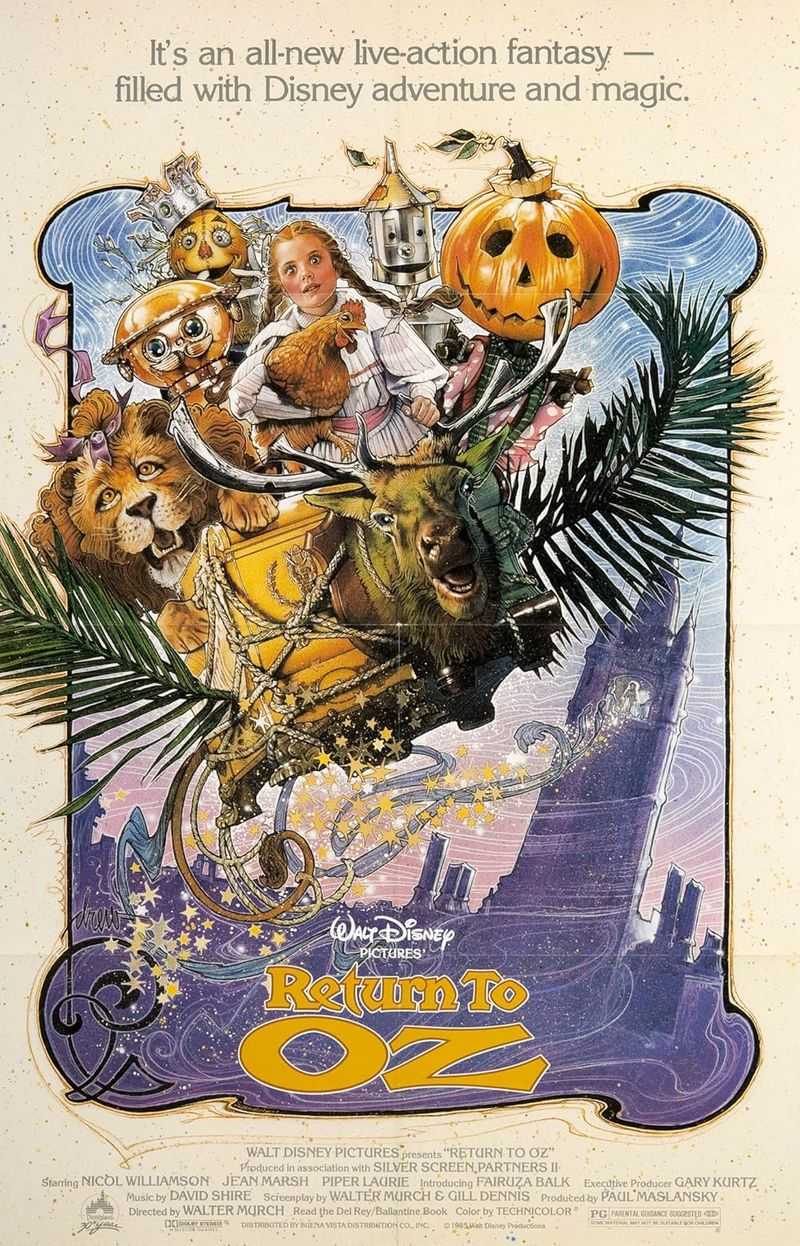
Forget the bright, musical Oz you remember—this sequel went somewhere much darker.
Return to Oz opens with Dorothy being sent to a psychiatric facility for electroshock therapy.
That alone should tell you everything about the tone this film commits to without apology.
Then come the Wheelers—shrieking creatures with wheels instead of hands and feet—and Princess Mombi, a queen who collects severed heads and swaps them casually.
These images burned themselves permanently into the brains of unsuspecting children everywhere.
Incredibly, this was marketed as a family fantasy film.
Parents brought their kids expecting singing and dancing.
What they got instead was pure, unfiltered childhood nightmare material that no amount of therapy has fully erased.
3. Coraline (2009)
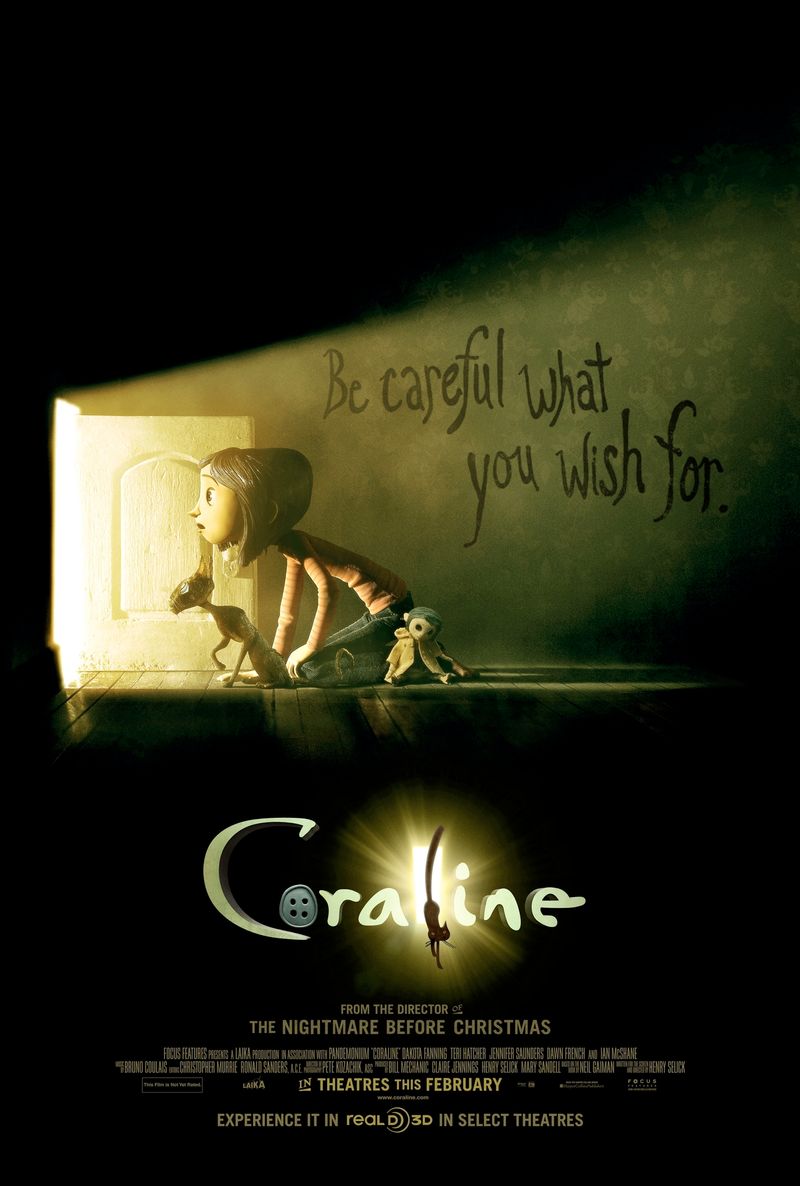
On paper, Coraline sounds delightful—a girl discovers a secret magical world behind a hidden door.
But director Henry Selick makes sure that world curdles into something deeply wrong almost immediately.
The Other Mother’s button eyes alone have caused countless sleepless nights.
As the story progresses, the “better” world reveals itself to be a trap built by a predatory creature who wants to sew buttons into children’s eyes and keep their souls forever.
That’s not whimsy.
That’s a horror premise dressed in beautiful stop-motion animation.
What makes Coraline genuinely scary is how it earns its dread slowly.
The wrongness builds quietly, scene by scene, until you’re completely unsettled—and weirdly, you can’t look away from any of it.
4. The Truman Show (1998)
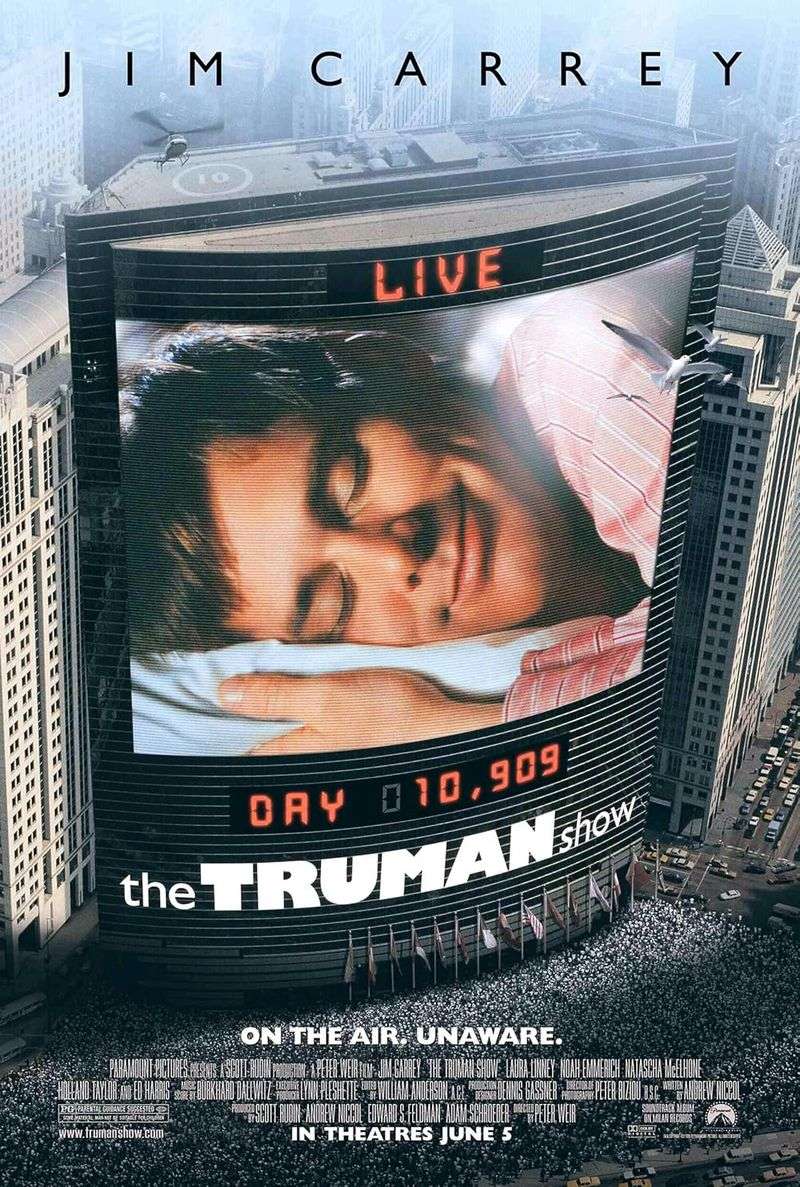
Jim Carrey plays Truman Burbank, a cheerful man who slowly realizes every single moment of his life has been filmed and broadcast without his consent.
What sounds like a quirky concept transforms into something deeply unsettling the longer you sit with it.
Every friend, every neighbor, every “coincidence” in Truman’s life was staged by a production team.
His wife was hired.
His best friend was an actor.
His entire reality was a constructed lie designed to keep him compliant and entertaining for millions of viewers.
Before surveillance culture and social media became daily conversations, this film predicted existential paranoia with uncomfortable accuracy.
Rewatching it today feels less like fiction and more like a documentary warning nobody took seriously enough at the time.
5. Charlie and the Chocolate Factory (2005)
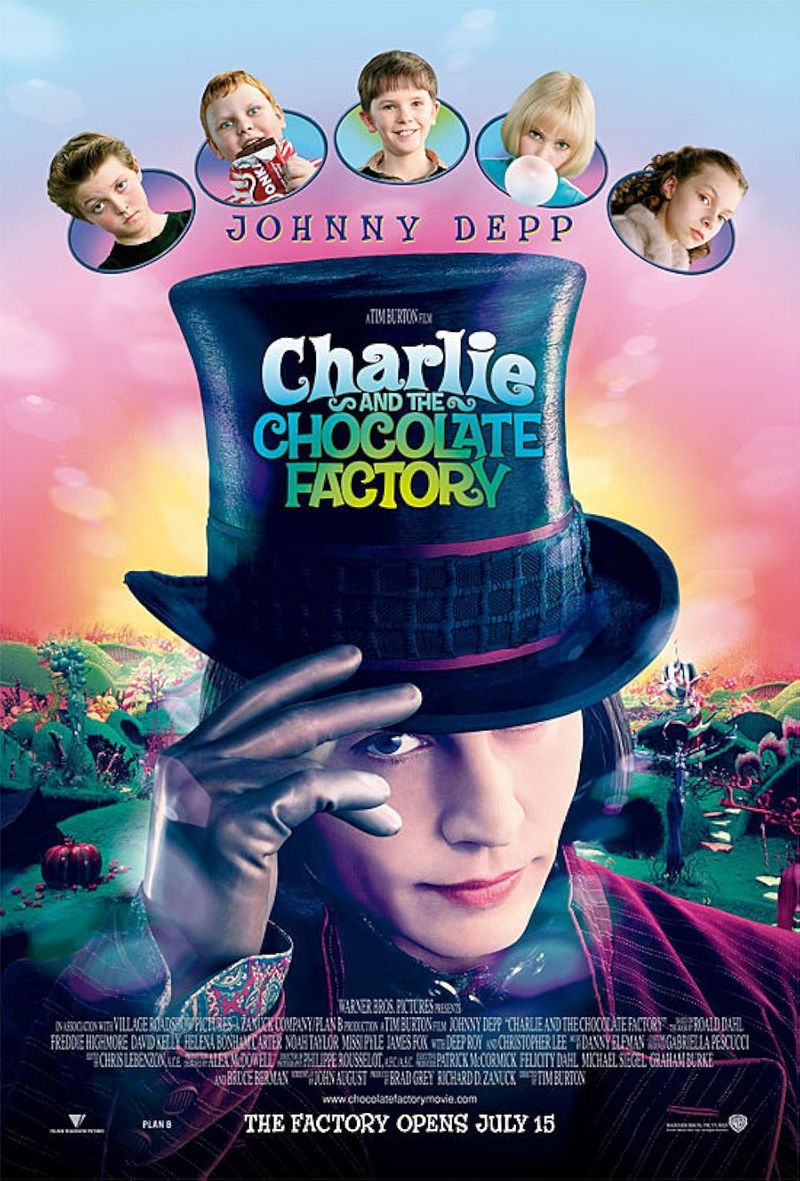
Tim Burton’s reimagining of the Wonka story swapped Gene Wilder’s charismatic menace for something far stranger.
Johnny Depp plays Wonka as a deeply uncomfortable, possibly unwell man-child who seems genuinely disturbed by human interaction and completely unaware of it.
His flat deliveries, oddly timed giggles, and vacant stares make every scene feel like something is slightly off—like watching someone pretend to be a person rather than actually being one.
The flashback sequences involving his dentist father add a psychological layer that nobody asked for.
Children in 2005 came expecting fun and magic.
Instead, they got a movie that made them quietly uncomfortable without being able to explain why.
That particular kind of unsettling strangeness is somehow worse than anything straightforwardly scary.
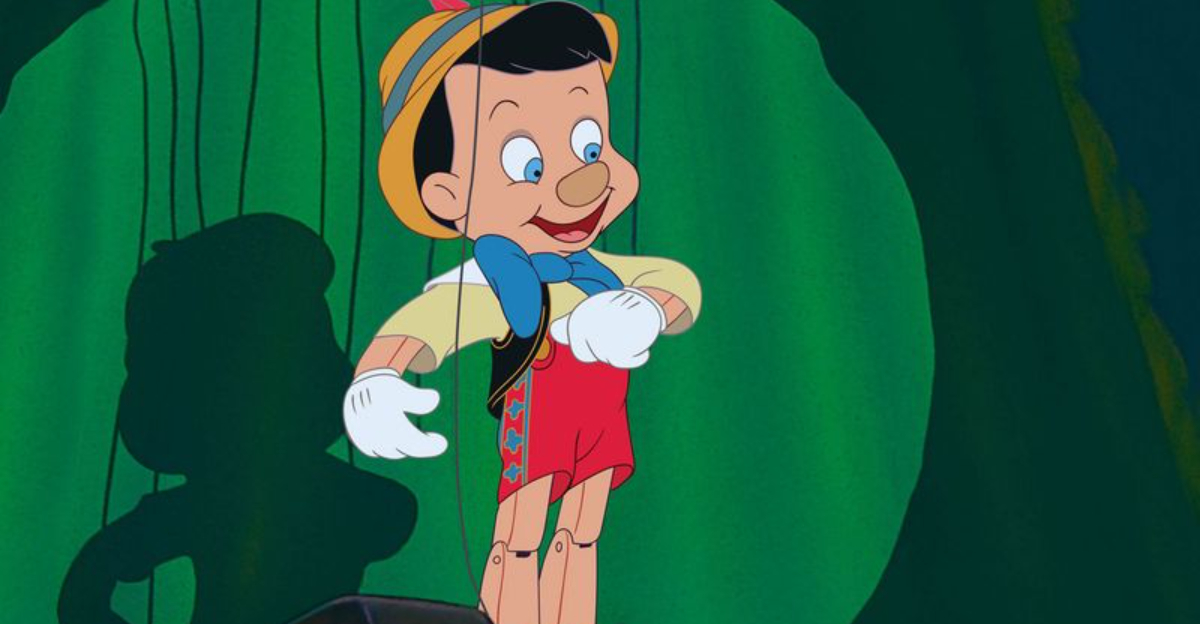
6. Pinocchio (1940)
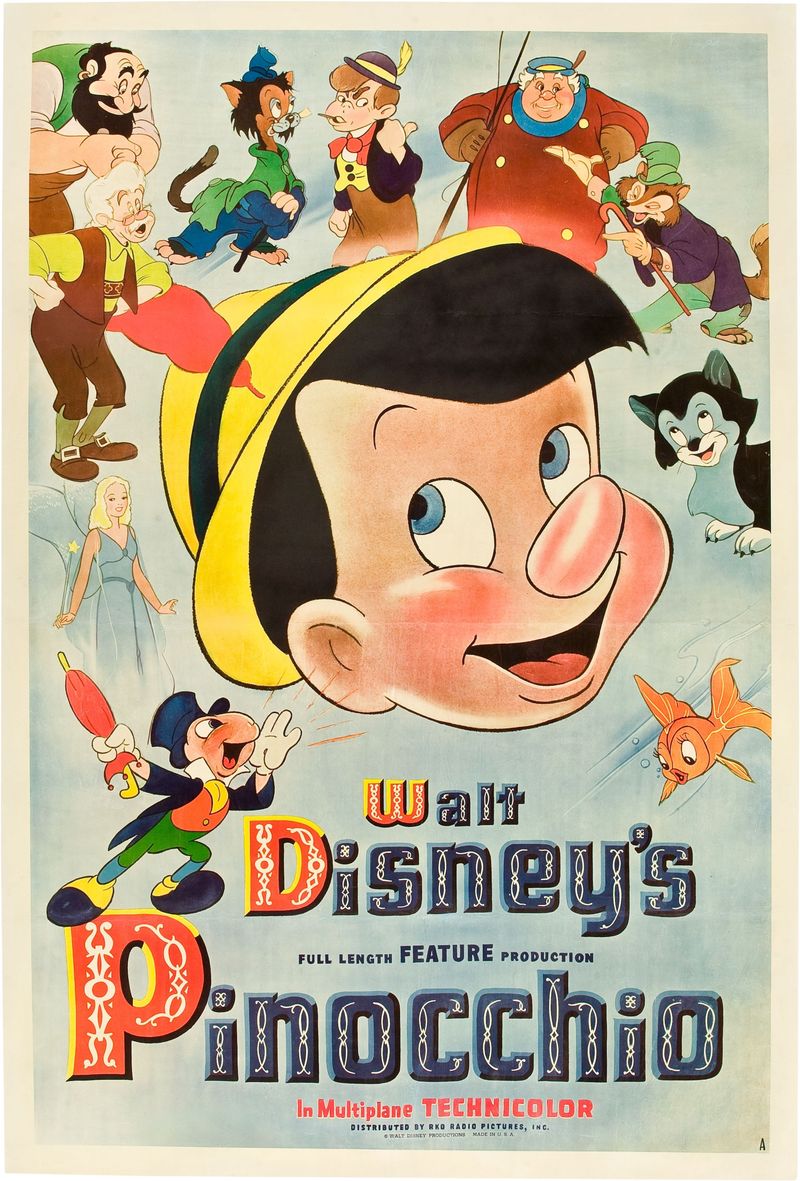
Pinocchio is technically a Disney classic, but Pleasure Island is one of the most psychologically disturbing sequences ever put into a children’s film.
Boys who smoke, drink, and misbehave begin physically transforming into donkeys—screaming, panicking, and losing the ability to speak as they change.
The horror is that they’re fully aware of what’s happening.
One boy begs for his mother while his voice fades into a bray.
Another realizes too late that nobody is coming to save him.
It’s genuinely heartbreaking and terrifying simultaneously.
Disney wrapped this nightmare in bright animation and cheerful songs, which makes the contrast even more jarring.
Generations of children watched this morality tale and came away with a very specific, very real fear of fun places that seem too good to be true.
7. Watership Down (1978)
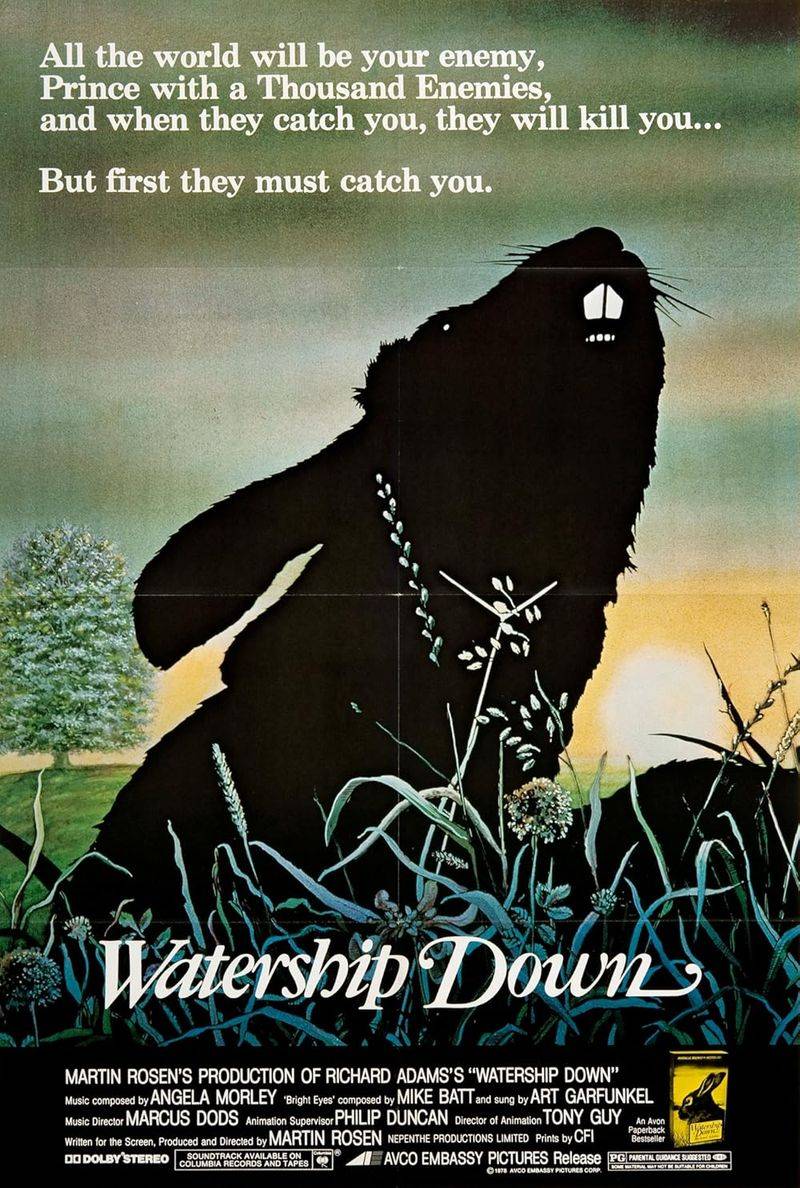
“It’s a cartoon about rabbits” is genuinely one of the most misleading descriptions in movie history.
Watership Down features bloody rabbit deaths, a fascist rabbit dictator, psychic visions of apocalyptic destruction, and one of the most emotionally devastating endings ever committed to animation.
The film opens with a rabbit creation myth that includes Death itself as a main character.
Things do not get lighter from there.
Rabbits are crushed, snared, and torn apart while the story maintains an almost relentless sense of dread throughout.
Parents who rented this thinking it was a cute bunny movie traumatized an entire generation.
The haunting Art Garfunkel song “Bright Eyes” still triggers a specific, inexplicable sadness in anyone who watched this film as a child.
That reaction never fully fades.
8. Requiem for a Dream (2000)
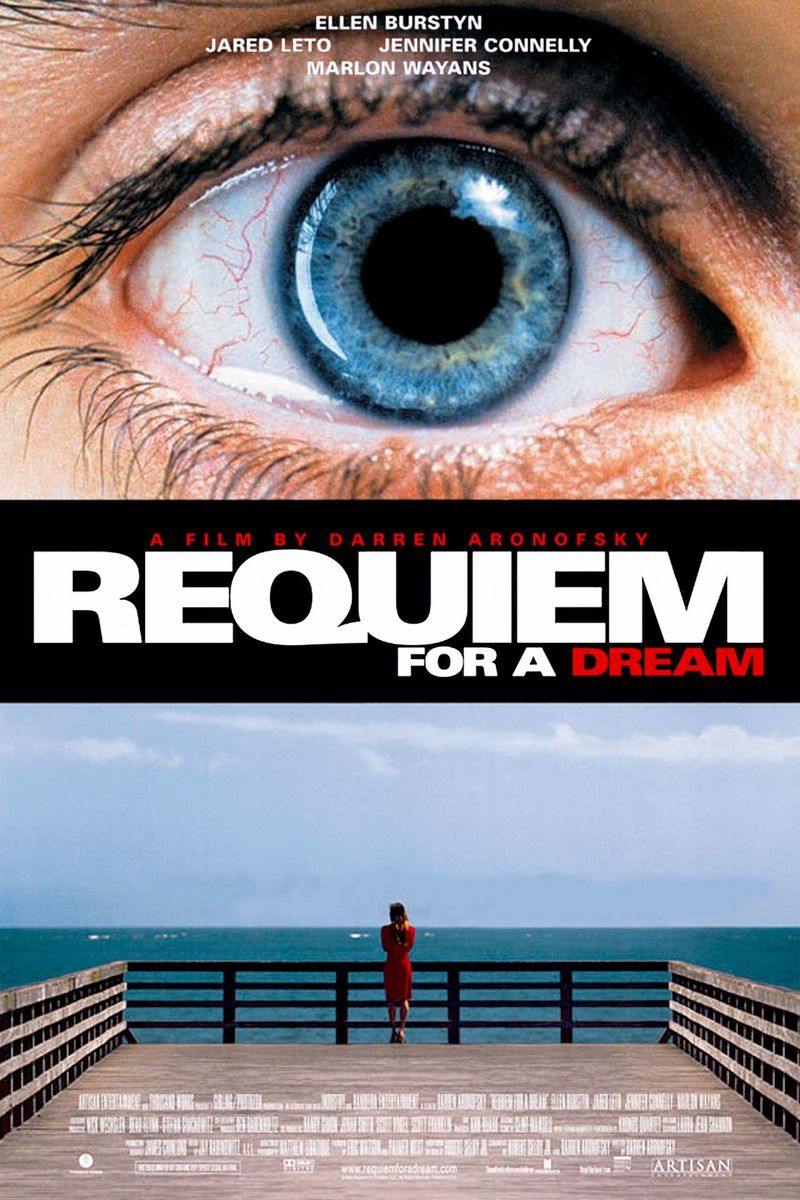
Darren Aronofsky’s film was never marketed as horror, but watching it feels like surviving something.
Four people chase their dreams through addiction, and the film methodically strips away every shred of hope, dignity, and humanity from each of them with surgical precision.
The rapid editing, disorienting sound design, and increasingly fragmented visuals mirror the characters’ mental deterioration in ways that feel physically uncomfortable.
Your heart rate genuinely rises during the film’s final act, not because of jump scares, but because of pure psychological dread.
Ellen Burstyn’s performance as a lonely widow descending into prescription drug addiction is some of the most devastating acting ever captured on film.
Many viewers have reported being unable to rewatch this movie even once—which says everything about its lasting impact.
9. E.T. the Extra-Terrestrial (1982)
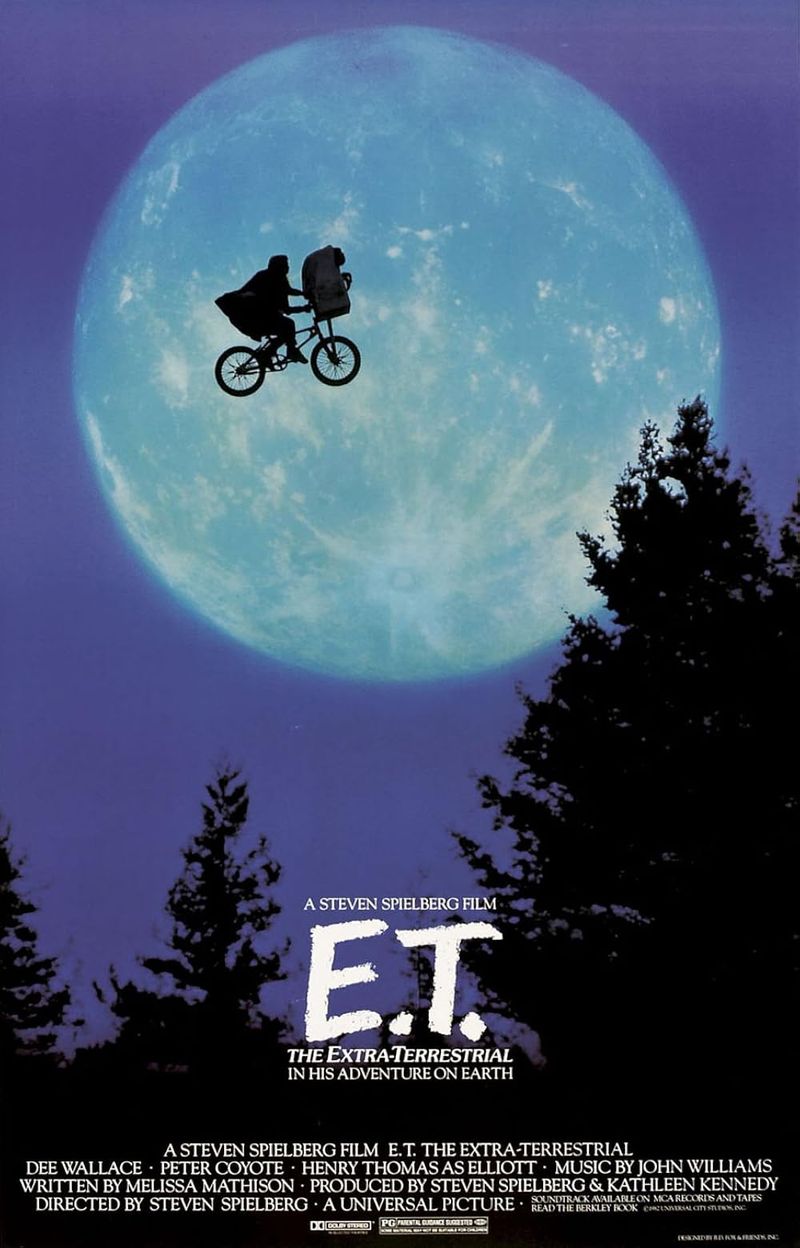
Spielberg’s beloved alien friendship story is mostly warmth and wonder—but then the government shows up, and everything shifts.
Men in hazmat suits, plastic quarantine tunnels, and cold clinical procedures transform the family home into something resembling a horror movie set without warning.
E.T. himself is also worth mentioning.
His slow, rasping voice, pale wrinkled skin, and the scene where he’s found nearly dead in a ditch genuinely frightened millions of children who were not prepared for any of that.
The hospital sequence remains deeply upsetting.
Spielberg has said the film was designed to make children feel the fear of separation and helplessness.
He succeeded brilliantly.
Ask any millennial about the quarantine scenes and watch their expression shift from nostalgia straight into something uncomfortable and unresolved.
10. The Brave Little Toaster (1987)
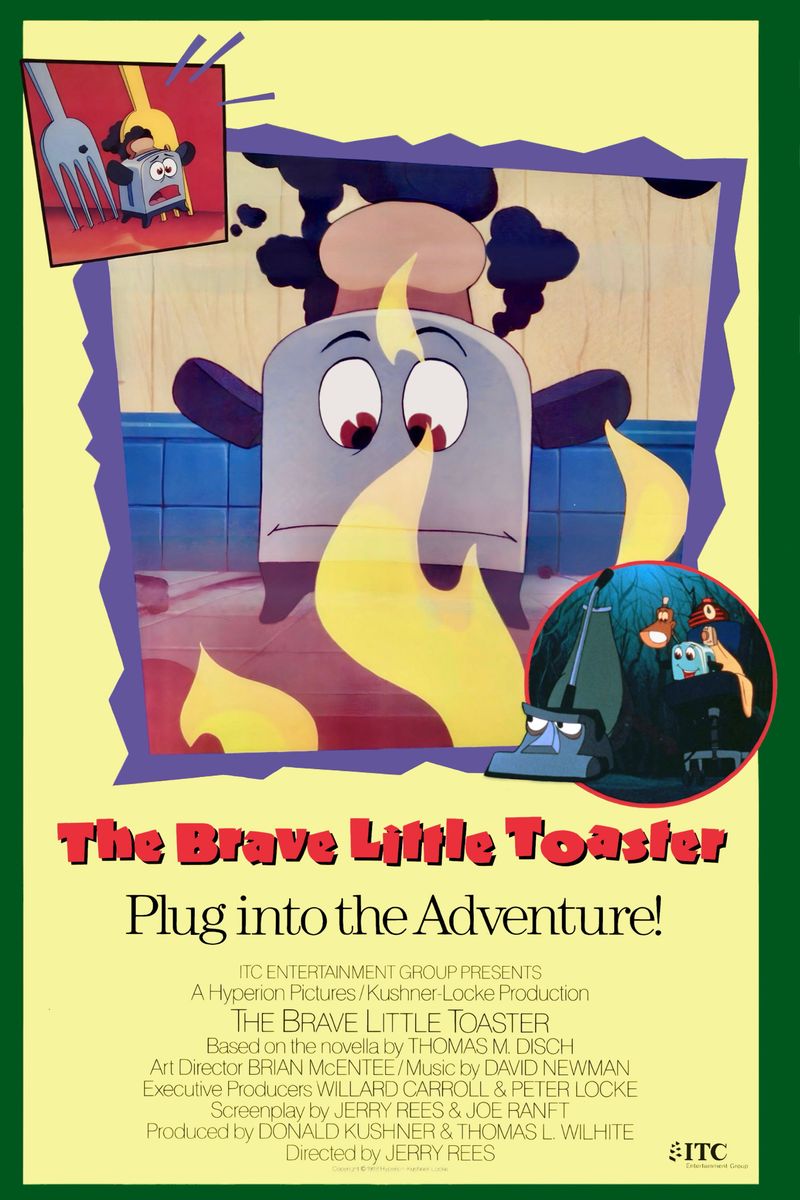
A toaster, a lamp, a blanket, a radio, and a vacuum cleaner go on a journey to find the boy who owns them.
That sounds adorable.
What it actually delivers is an extended meditation on abandonment, obsolescence, and the terrifying possibility that the objects around you have feelings and suffer.
The nightmare sequence where the toaster dreams of a demonic firefighter clown is genuinely horrifying animation.
Then there’s the junkyard scene, where discarded appliances sing sadly before being crushed—a moment that made children question whether throwing anything away was morally acceptable.
Watching it as an adult reveals just how much existential weight this film carries.
It raises questions about purpose, loyalty, and what happens when you’re no longer useful that no children’s movie has any business asking.
11. Spirited Away (2001)
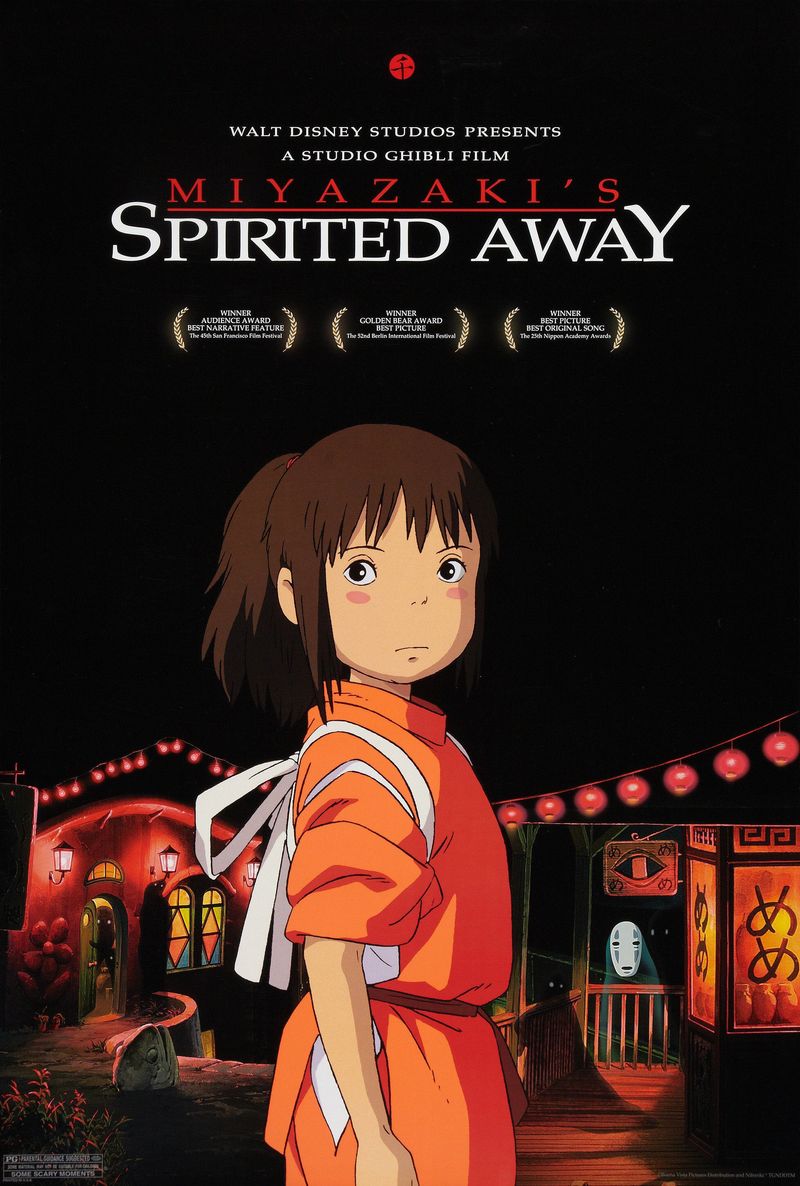
Studio Ghibli’s masterpiece begins with a ten-year-old girl watching her parents transform into pigs before being trapped in a spirit world and forced to work in a bathhouse.
Miyazaki frames this with such beautiful animation that audiences sometimes forget how genuinely terrifying the setup is.
No-Face, a silent masked entity that grows enormous and monstrous while consuming everything around it, is one of animation’s most unsettling creations.
The scene where he chases Chihiro through the bathhouse has real horror movie energy beneath its gorgeous visual surface.
What separates Spirited Away from pure horror is its emotional warmth and Chihiro’s resilience.
But make no mistake—several sequences in this film would feel completely at home in a supernatural horror anthology.
Miyazaki just made them breathtakingly beautiful at the same time.
12. Jurassic Park (1993)
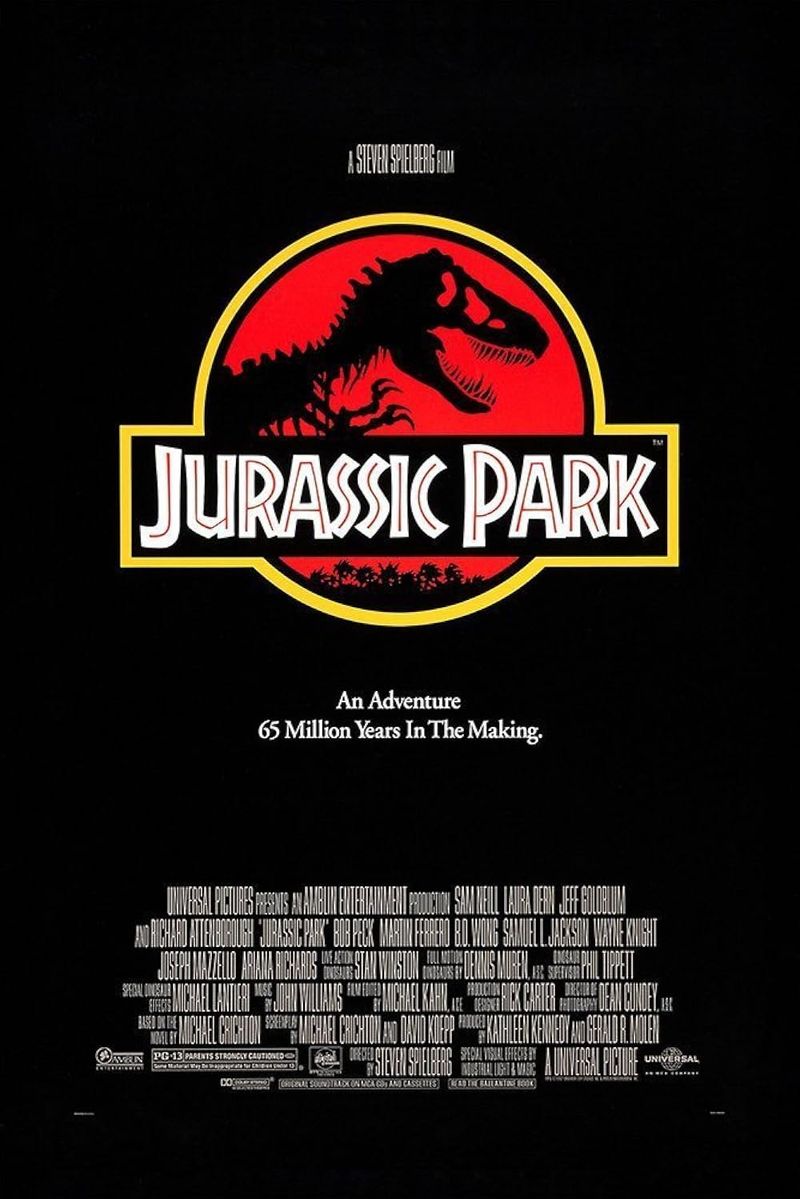
Spielberg sold this as a thrilling adventure about bringing dinosaurs back to life.
But strip away the wonder, and Jurassic Park is essentially a creature feature where highly intelligent predators systematically hunt a small group of people trapped on an island with no escape.
The raptor kitchen scene is a masterclass in suspense horror.
Two children crawl silently across floors while dinosaurs sniff for them inches away.
The T-Rex attack in the rain is terrifying in the way only the best monster movies achieve—through sound, shadow, and timing.
Children who saw this in theaters in 1993 were not prepared for how scary it actually was.
The MPAA gave it a PG-13 rating, but plenty of parents underestimated just how effectively Spielberg had made a horror movie wearing adventure movie clothing.
13. The NeverEnding Story (1984)
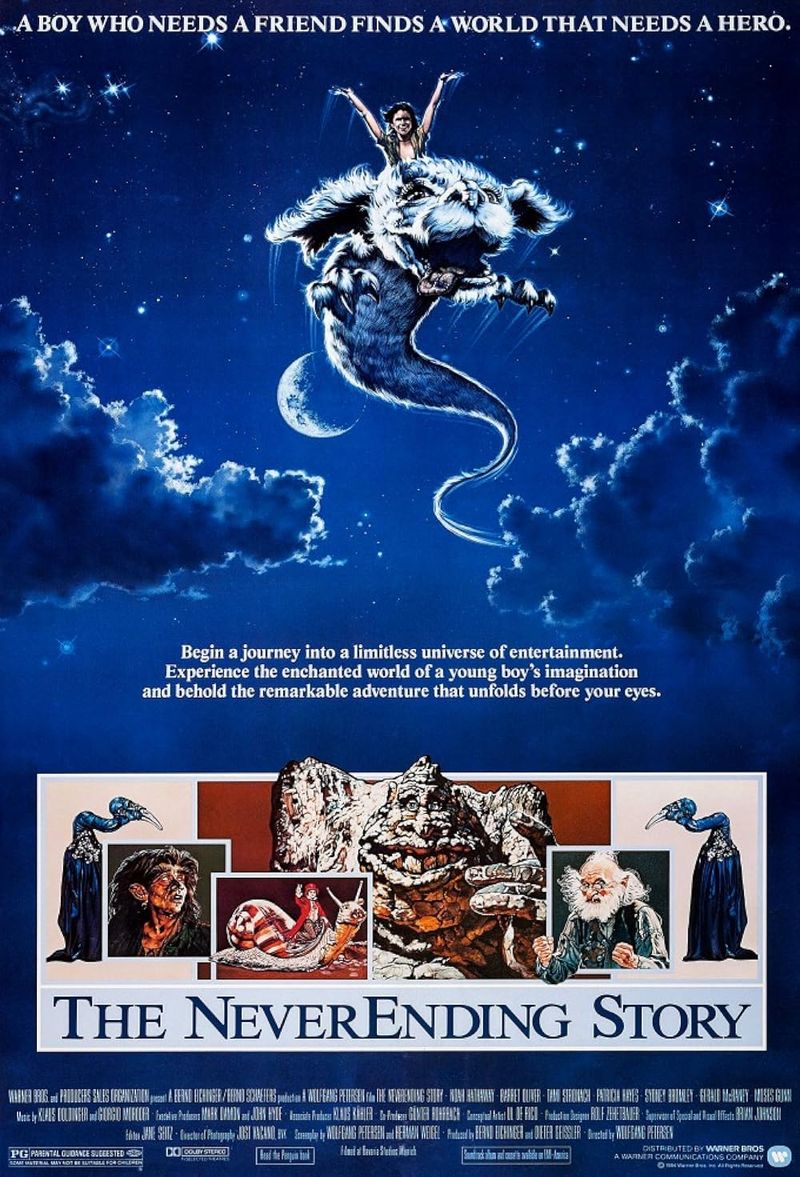
Atreyu’s horse Artax slowly sinking into the Swamp of Sadness while Atreyu begs him to fight is one of the most emotionally destroying moments ever placed inside a children’s film.
The horse gives up because sadness literally consumes him—and the movie makes you watch every second of it.
Beyond Artax, the film features the Nothing—a literal void that destroys all imagination and hope—as its villain.
That’s an existential threat that operates on a level children feel without fully understanding, which makes it somehow more frightening than any monster.
The Gmork, a wolf servant of the Nothing, delivers a speech about how destroying stories destroys people that hits harder with every passing year.
This movie was emotionally ahead of its time in the most quietly devastating way imaginable.
14. Who Framed Roger Rabbit (1988)
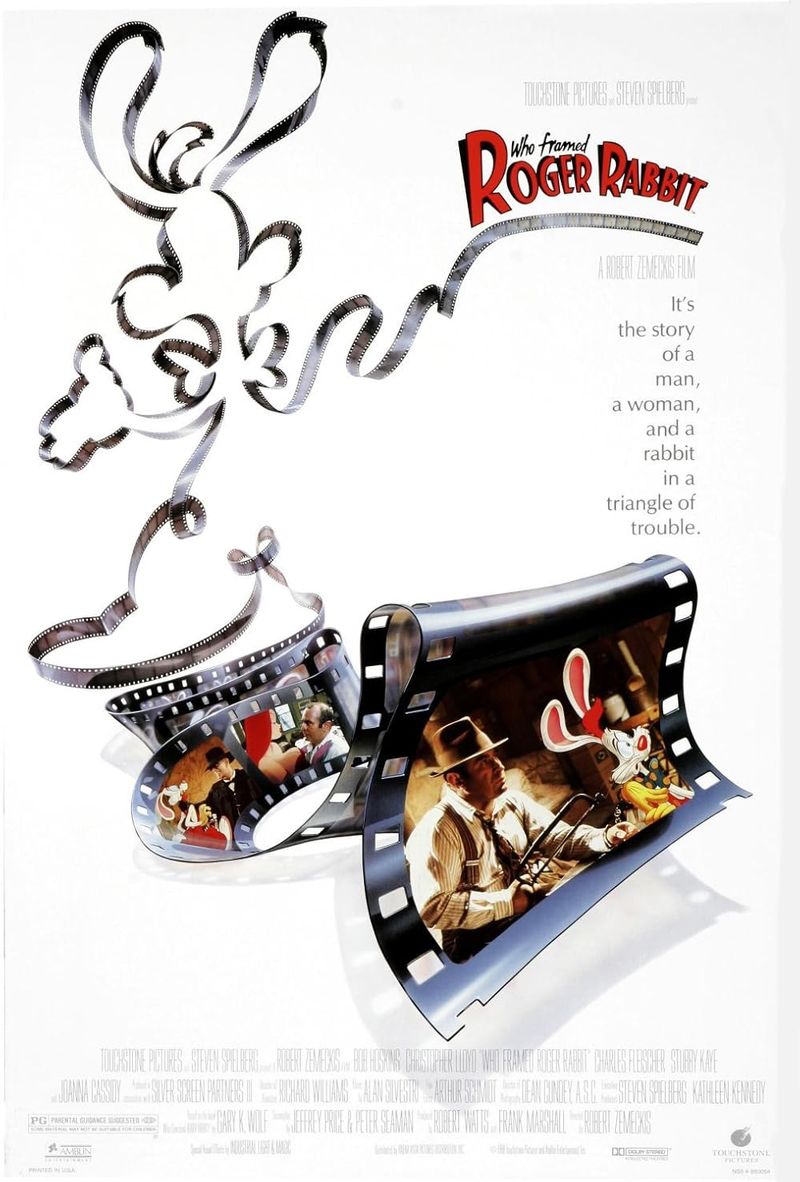
Judge Doom, played by Christopher Lloyd, spends most of the film as a cold and menacing villain.
Then the finale arrives, and he reveals himself to be a cartoon character—one who stretches his eyes wide, shifts his voice into a high shrieking register, and becomes genuinely monstrous.
The dip scene, where cartoon characters are dissolved in a vat of chemical solvent while screaming, is disturbing in ways that transcend its PG rating.
Watching a cartoon shoe die in pain while begging for mercy is not something young viewers easily process or forget.
Lloyd has spoken about deliberately making Doom as frightening as possible.
He succeeded so thoroughly that the character ranks among cinema’s most genuinely unsettling villains—animated, live-action, or hybrid—regardless of the film’s overall lighthearted tone.