 MomSkoop
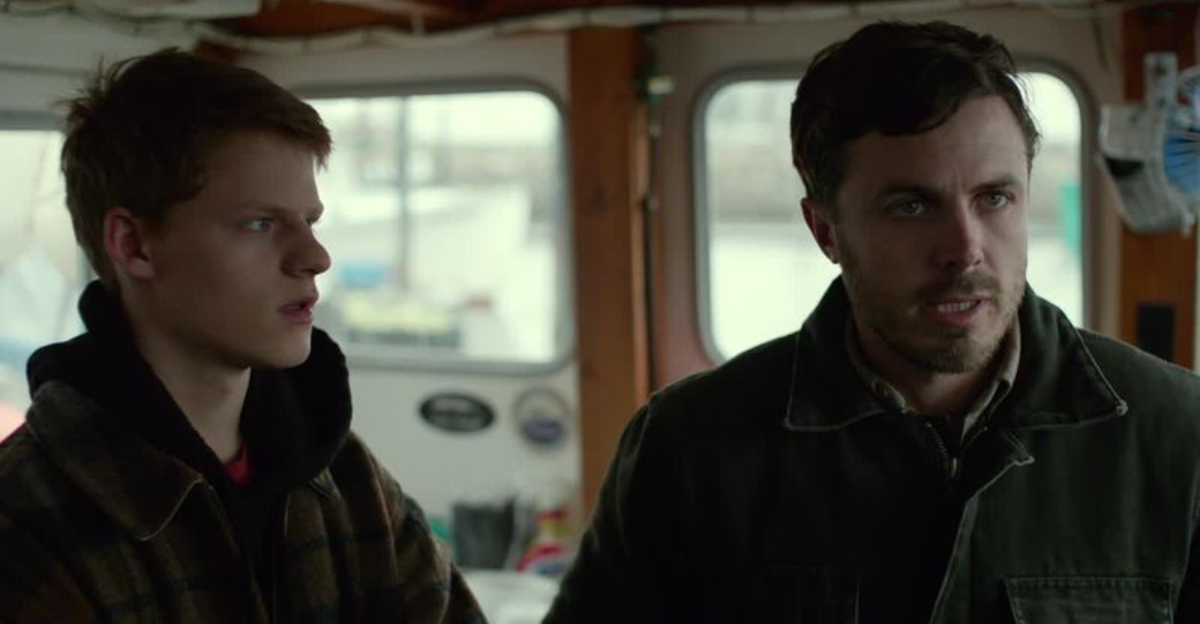
Some movies are so powerful, so perfectly crafted, that they leave a mark on your soul long after the credits roll. These are films that win awards, spark deep conversations, and remind us what storytelling can truly accomplish.
But they come with a warning: watching them once is more than enough. Here are 15 brilliant movies that are absolutely worth seeing — just maybe never again.
1. Schindler’s List (1993)
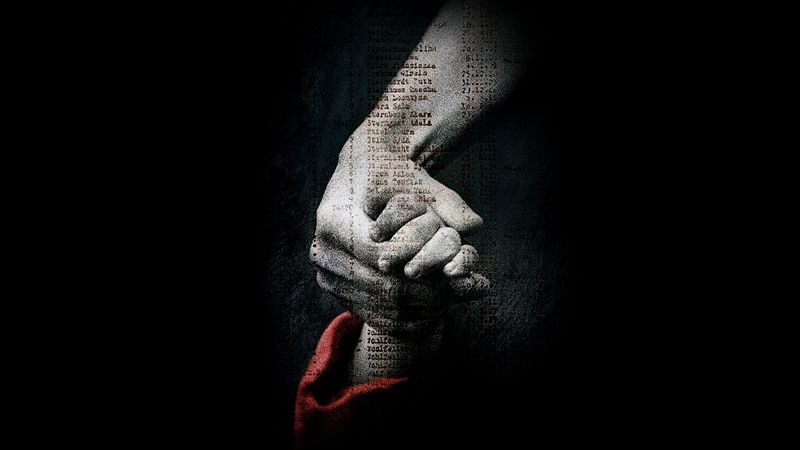
Steven Spielberg’s masterpiece about Oskar Schindler, a German businessman who saved over a thousand Jewish lives during the Holocaust, is widely considered one of the greatest films ever made.
Shot almost entirely in black and white, it feels less like a movie and more like a memory you can’t shake.
The famous “girl in the red coat” scene alone is enough to stay with you for years.
The performances, particularly from Liam Neeson and Ralph Fiennes, are staggering in their emotional weight.
Watching it once feels like a moral obligation.
Watching it twice feels like asking for heartbreak.
This film earns its place at the very top of cinema history.
2. Requiem for a Dream (2000)
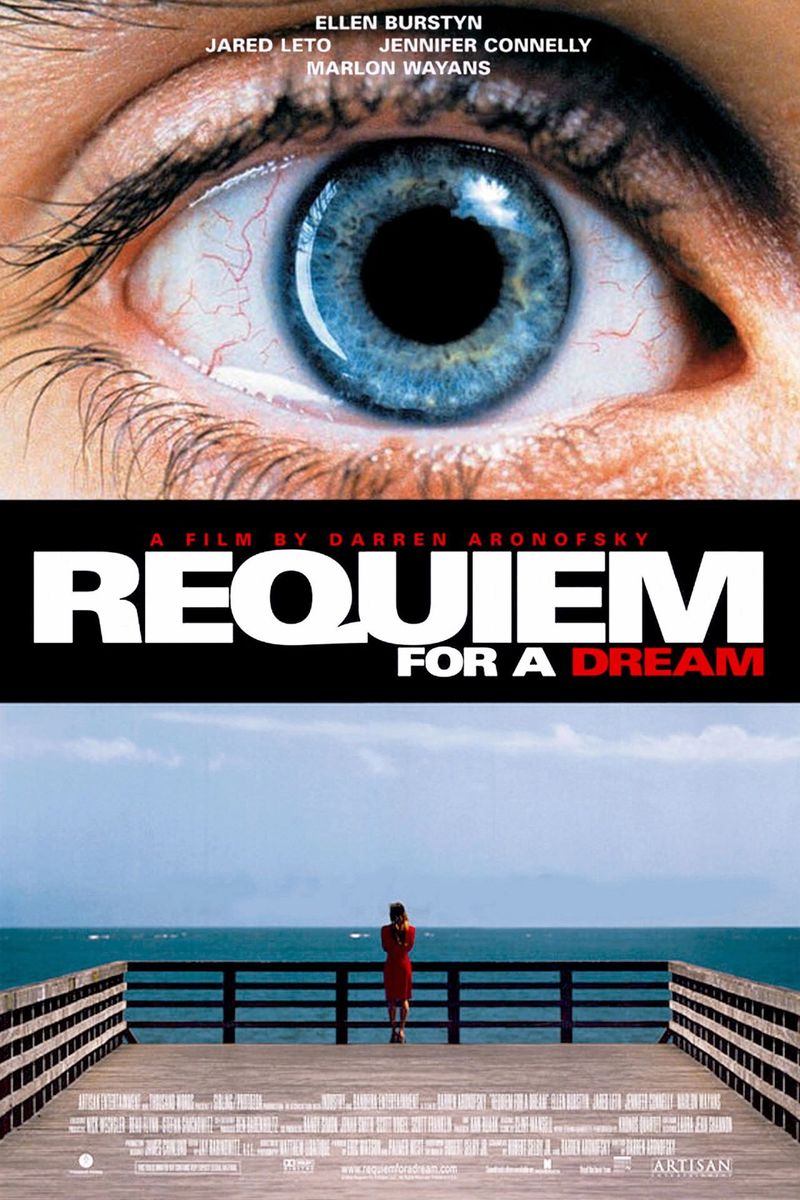
Darren Aronofsky built a film so relentlessly brutal that many viewers describe it as more of an experience than a movie.
Four characters chase their dreams — and addiction destroys every single one of them in the most devastating ways imaginable.
The rapid editing, the haunting Clint Mansell score, and Ellen Burstyn’s gut-wrenching performance as a lonely widow spiraling into prescription drug abuse combine to create something almost unbearable to witness.
There’s no redemption arc here, no silver lining waiting at the end.
Just consequence, raw and unforgiving.
It’s brilliant filmmaking that works precisely because it makes you feel genuinely terrible.
Once is absolutely, completely enough.
3. Grave of the Fireflies (1988)
Studio Ghibli is famous for bringing joy to audiences worldwide.
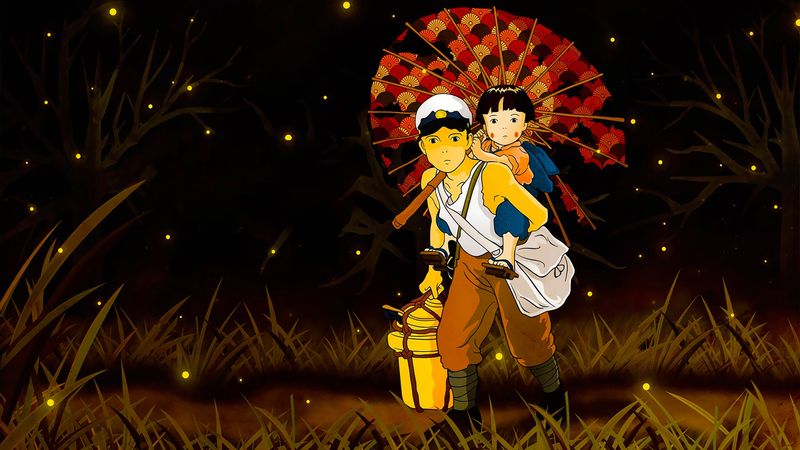
But this film — co-released alongside My Neighbor Totoro in 1988 — is a completely different kind of story.
Director Isao Takahata crafted an anti-war statement so quietly devastating that it has made grown adults sob uncontrollably.
The story follows two young Japanese siblings, Seita and Setsuko, struggling to survive the final months of World War II.
Every small moment of childhood innocence feels precious because you already sense how this ends.
Roger Ebert called it one of the greatest war films ever made.
No explosions, no heroes — just two kids trying to live.
Bring tissues.
Bring many, many tissues.
4. Manchester by the Sea (2016)
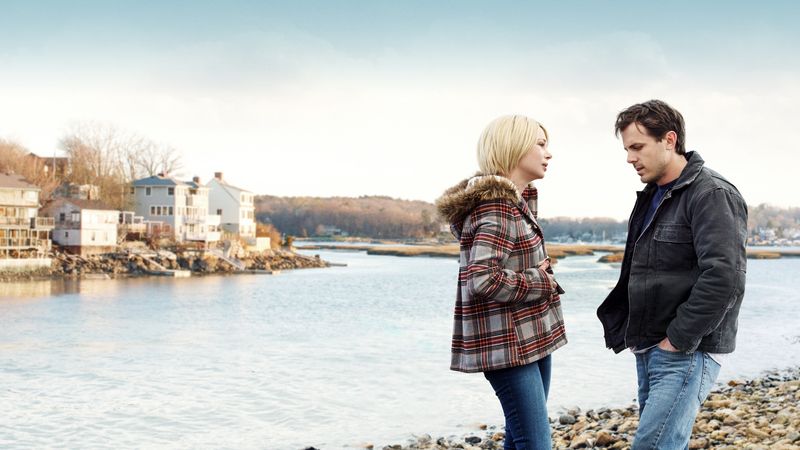
Grief doesn’t always look dramatic.
Sometimes it looks like a man who simply cannot function anymore — and that quiet, suffocating sadness is exactly what Kenneth Lonergan captured in this film.
Casey Affleck won an Oscar for his portrayal of Lee Chandler, a janitor forced to return to his hometown after his brother’s death.
What makes this film so hard to shake is its refusal to offer easy healing.
Some wounds, the movie argues, just don’t close.
The flashback structure slowly reveals a backstory so tragic it physically winds you.
It’s beautifully written and masterfully acted.
But fair warning — this is not a film you put on when you want to feel good about the world.
5. The Green Mile (1999)
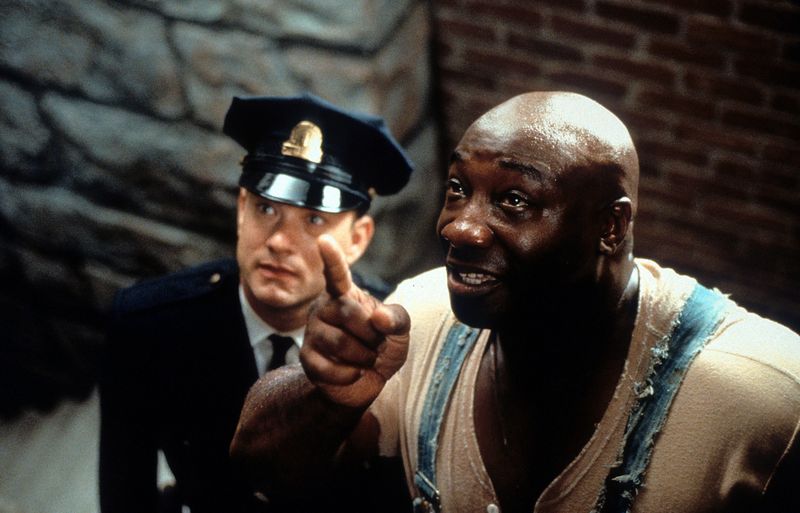
Frank Darabont adapted Stephen King’s serialized novel into a film that sneaks up on you with its warmth before absolutely demolishing you emotionally.
Tom Hanks plays a death row prison guard in 1930s Louisiana who encounters John Coffey, a massive, soft-spoken man with a miraculous gift.
Michael Clarke Duncan’s performance as Coffey is so full of gentle sorrow that every scene he appears in feels sacred.
The film builds slowly, lovingly, and then — when the ending arrives — it hits with the force of something you weren’t prepared for.
Many viewers report openly weeping during the final act.
The Green Mile is proof that a film can break your heart even when you know exactly what’s coming.
6. 12 Years a Slave (2013)
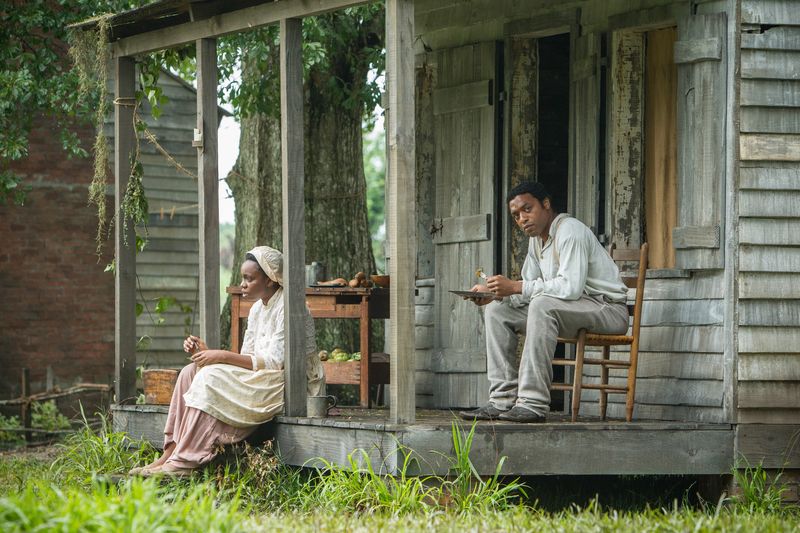
Steve McQueen’s unflinching portrait of Solomon Northup, a free Black man kidnapped and sold into slavery in 1841, is one of the most important films of the 21st century.
It won the Academy Award for Best Picture — and earned every single vote.
What separates this film from other historical dramas is its refusal to look away.
McQueen holds his camera steady during scenes of violence and humiliation that most directors would cut short, forcing the audience to truly reckon with history.
Chiwetel Ejiofor carries the entire film on his shoulders with extraordinary grace.
Watching it once feels necessary.
Returning for a second viewing, though, requires a kind of emotional courage most of us simply don’t have.
7. Hereditary (2018)
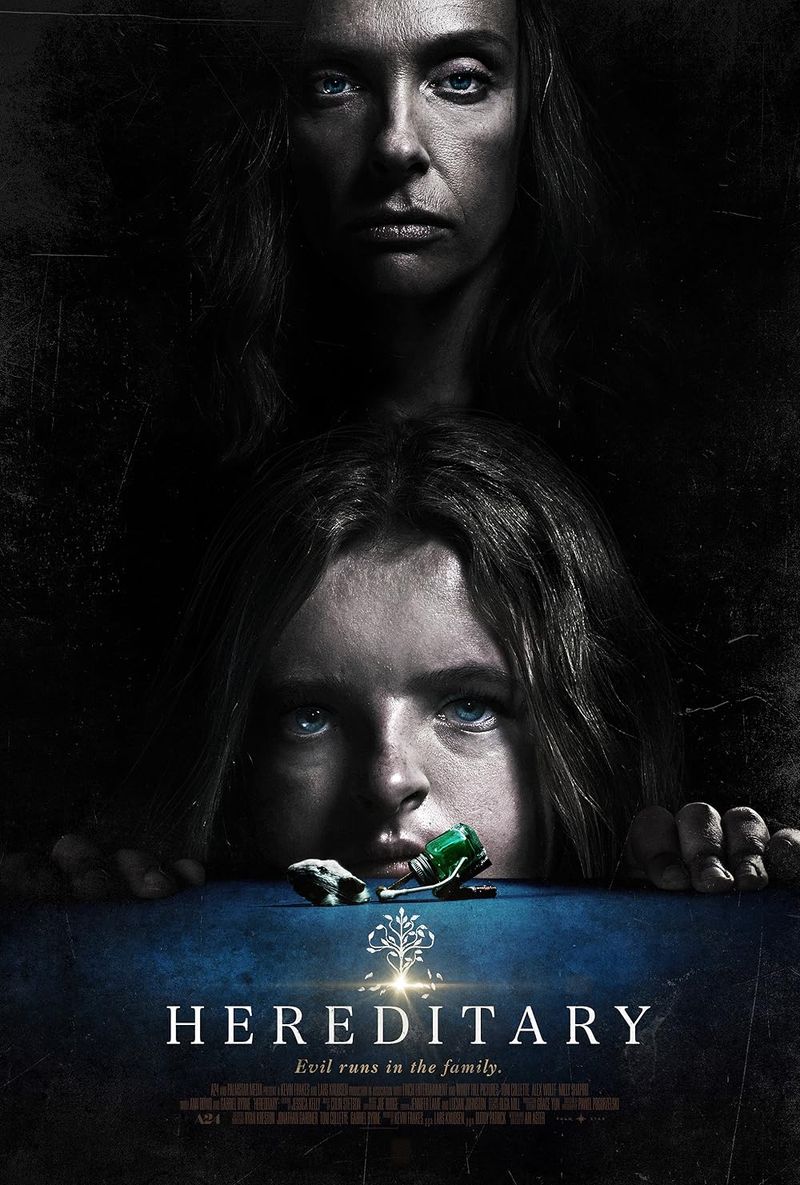
Ari Aster announced himself to the horror world with a film so deeply unsettling that audiences walked out of early screenings.
But Hereditary isn’t just a horror movie — it’s a family tragedy wrapped in supernatural dread, and that combination is what makes it so hard to forget.
Toni Collette delivers what many critics call one of the greatest performances in horror history, playing a grieving mother whose family begins unraveling in terrifying ways.
The film builds its dread slowly, methodically, until a dinner table scene that is genuinely one of the most shocking moments in modern cinema.
It lingers in your mind like a bad dream you can’t quite shake.
Brilliant, yes.
Comfortable to revisit?
Absolutely not.
8. Dancer in the Dark (2000)
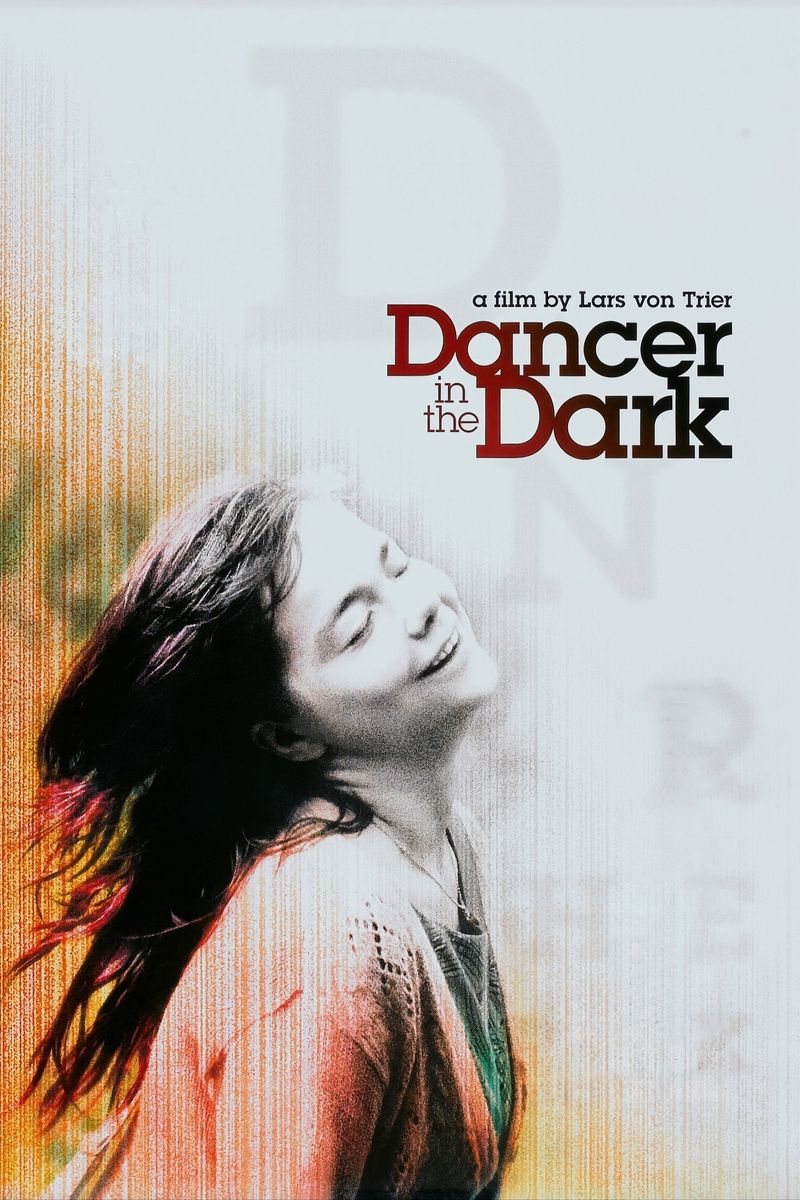
Lars von Trier has never been interested in making audiences feel comfortable, and this film is perhaps the purest example of that philosophy.
Bjork stars as Selma, a Czech immigrant in 1960s America who is slowly going blind and working desperately to save money for her son’s eye surgery.
Selma escapes her harsh reality through elaborate musical fantasies — which makes the film’s brutal conclusion land with devastating force.
Bjork won the Best Actress award at Cannes and reportedly vowed never to act again because the experience was so emotionally draining.
When the ending arrives, it arrives without mercy.
Dancer in the Dark is a musical that will make you never want to hear music the same way again.
9. Irreversible (2002)
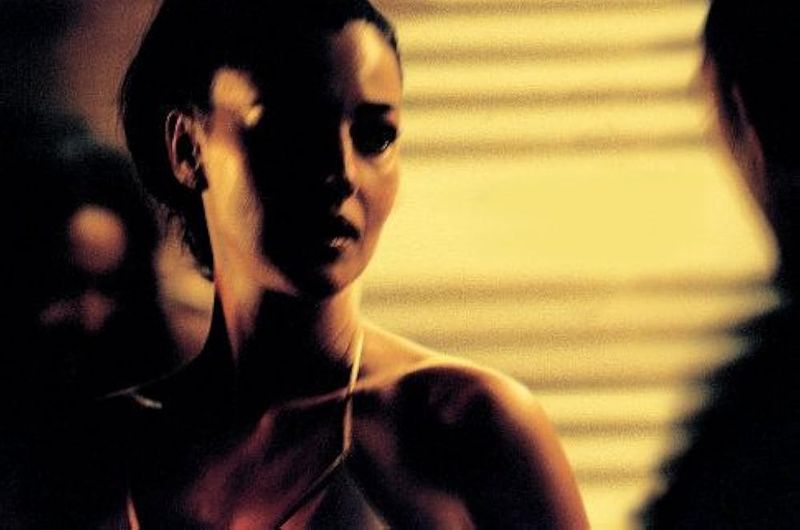
Gaspar Noe’s film is told entirely in reverse chronological order, and that structural choice transforms it from a disturbing crime story into something almost unbearably tragic.
By the time the film reaches its final, peaceful scene, you already know everything that is about to be destroyed.
Monica Bellucci and Vincent Cassel star as a couple whose lives are shattered by a brutal act of violence.
The film contains scenes so graphic and prolonged that many critics debated whether they should exist at all — and yet the film’s argument is precisely that you should not look away.
Irreversible is a challenging, controversial, and genuinely important piece of filmmaking.
It is also, without question, a one-time-only viewing experience.
10. Come and See (1985)
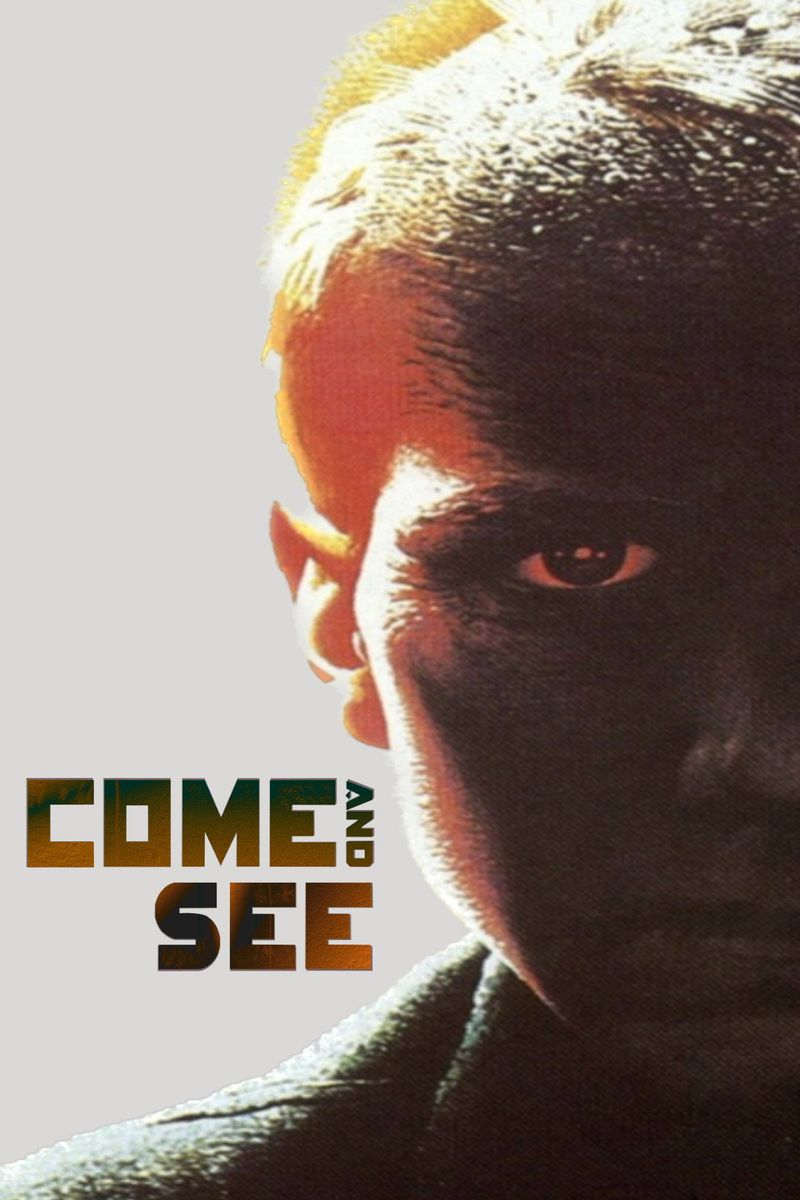
Ask any serious film critic to name the greatest war movie ever made, and Come and See will appear on almost every list.
Soviet director Elem Klimov followed a teenage Belarusian boy named Flyora as he witnesses Nazi atrocities during World War II — and the film ages him before your eyes.
The lead actor, Aleksei Kravchenko, was just 14 when filming began and reportedly underwent real psychological trauma during production.
By the final act, his face looks decades older.
That transformation is not just acting — it feels genuinely real.
Come and See is a film that changes how you understand war, history, and human cruelty.
It is not entertainment.
It is a document of horror that demands to be seen once.
11. Prisoners (2013)
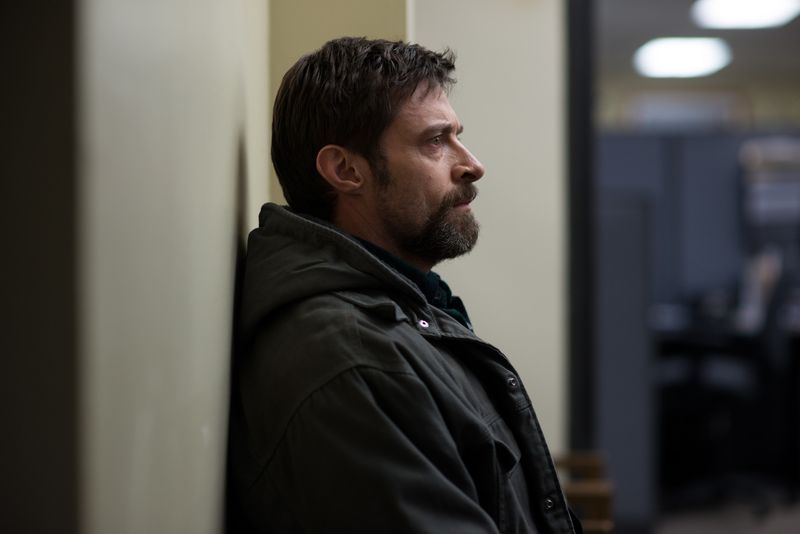
Denis Villeneuve crafted a thriller so relentlessly tense that watching it feels like being slowly lowered into ice-cold water.
Hugh Jackman plays Keller Dover, a father whose young daughter goes missing on Thanksgiving — and who takes increasingly desperate, morally complex measures to find her.
Jake Gyllenhaal is equally riveting as the detective assigned to the case, a man with his own strange habits and quiet obsessions.
Every scene tightens the screws a little further, and the film never lets up until its final, haunting shot.
Prisoners asks hard questions about justice, desperation, and how far a parent would go to protect their child.
It’s masterful filmmaking — and the kind of story that sits heavy in your chest for days after watching.
12. The Road (2009)
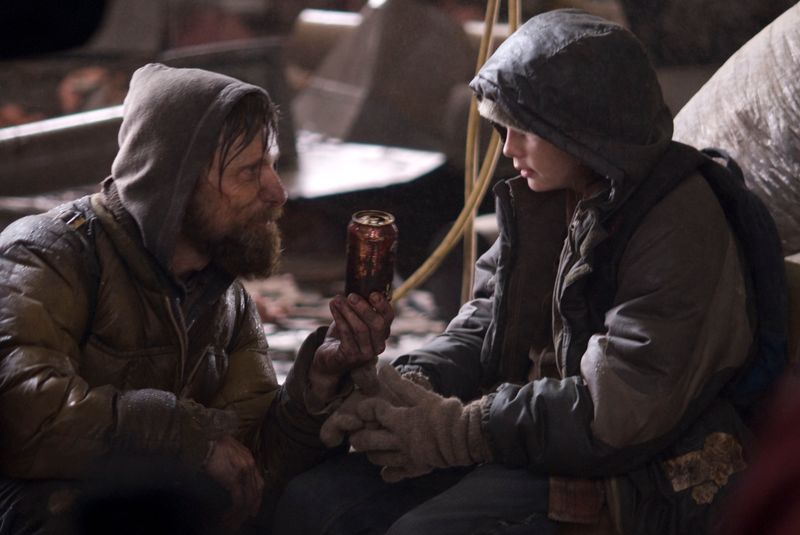
Cormac McCarthy’s novel was already considered one of the bleakest books ever written.
John Hillcoat’s film adaptation somehow captures that despair perfectly on screen.
Viggo Mortensen plays a father guiding his young son through a post-apocalyptic America where civilization has completely collapsed and almost nothing alive remains.
The world is grey, cold, and stripped of beauty.
Every moment of warmth between the father and son feels fragile, borrowed, and temporary.
The film doesn’t explain what destroyed the world — it doesn’t need to.
What matters is the love between these two people surviving inside all that darkness.
It’s a film about parenthood, mortality, and hope in the most stripped-down sense.
Stunning.
Exhausting.
Absolutely not a repeat-viewing kind of film.
13. Oldboy (2003)
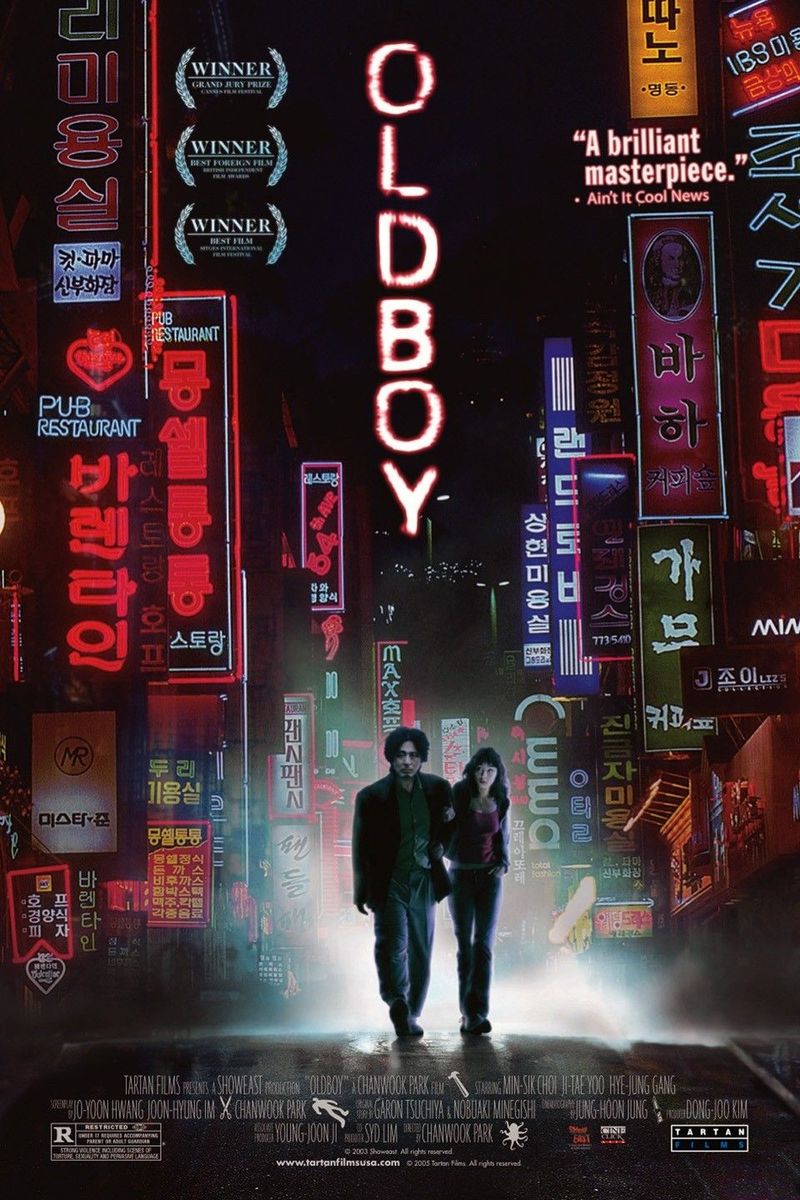
Park Chan-wook’s South Korean revenge thriller is one of the most technically brilliant and narratively shocking films ever made.
Oh Dae-su is imprisoned for 15 years without explanation and then suddenly released — and his quest to discover why leads to a twist that audiences genuinely cannot believe the first time they see it.
The famous hallway fight scene, shot in a single take with a side-scrolling camera, became one of cinema’s most iconic action sequences.
But the story’s emotional gut-punch comes from its final revelation, which rewrites everything you thought you understood.
Oldboy is a film that rewards attention and punishes it equally.
Knowing the ending on a second watch would transform the entire experience into something deeply uncomfortable to sit through.
14. Million Dollar Baby (2004)
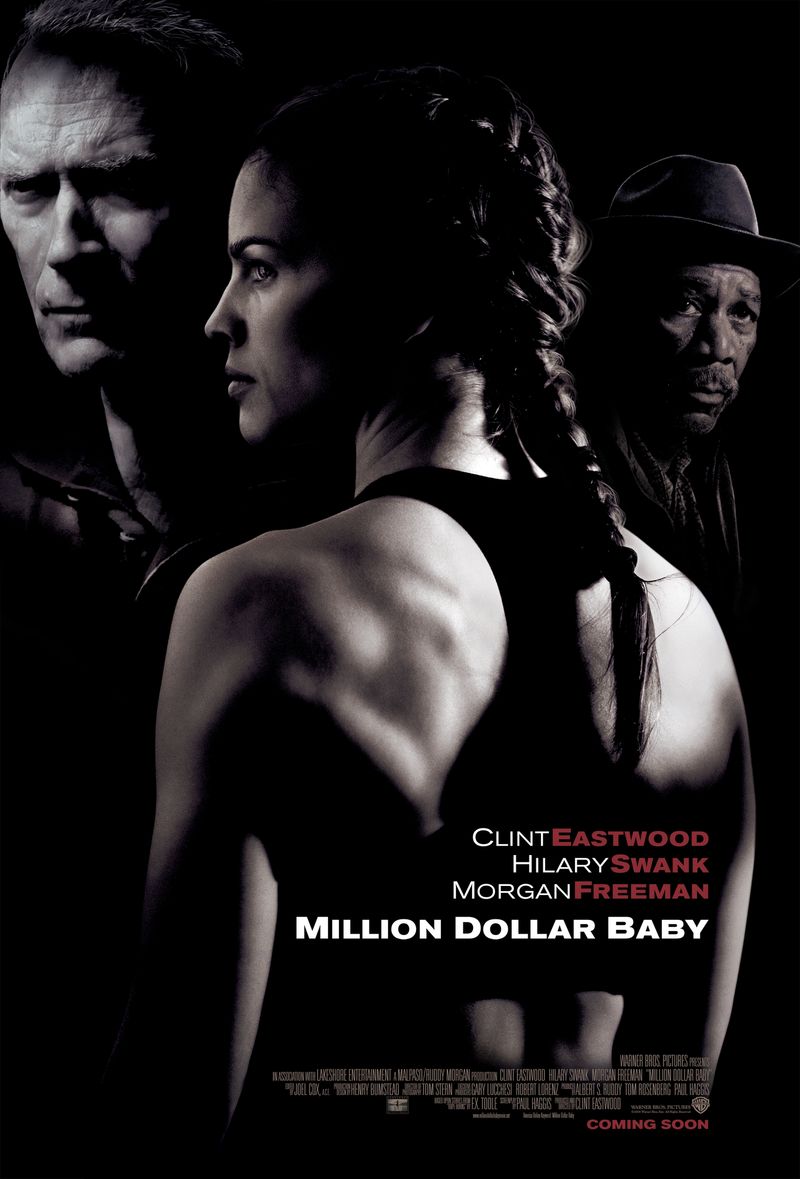
Clint Eastwood directed this film with such restraint and quiet confidence that many viewers don’t see the emotional avalanche coming until it’s already buried them.
Hillary Swank plays Maggie Fitzgerald, a determined young woman from poverty who dreams of becoming a professional boxer, trained reluctantly by Frankie Dunn, played by Eastwood himself.
The first half of the film is inspiring, warm, and genuinely uplifting.
Then everything changes.
The shift is so abrupt and so painful that it feels almost cruel — which is exactly the point.
Morgan Freeman narrates with a voice full of quiet wisdom, lending the story a grace that makes the tragedy hit even harder.
Million Dollar Baby earns its four Academy Awards and every tear that follows.
15. The Pianist (2002)
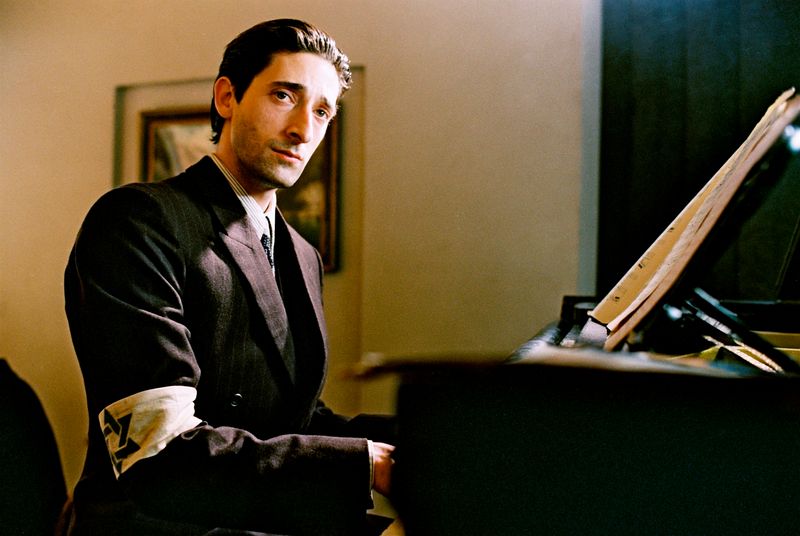
Roman Polanski — himself a Holocaust survivor — brought Wladyslaw Szpilman’s memoir to life with remarkable restraint and power.
Adrien Brody won the Academy Award for Best Actor for his portrayal of Szpilman, a celebrated Jewish pianist who survived the destruction of the Warsaw Ghetto by hiding in the ruins of the city.
What makes the film extraordinary is how it focuses on one man’s survival rather than trying to capture the full scale of the Holocaust.
That narrowed lens somehow makes the horror feel even more immediate and personal.
The final scene, in which Szpilman plays piano again after years of silence, is one of cinema’s most quietly triumphant moments.
Beautiful, brutal, and unforgettable — but once is truly enough.