 MomSkoop
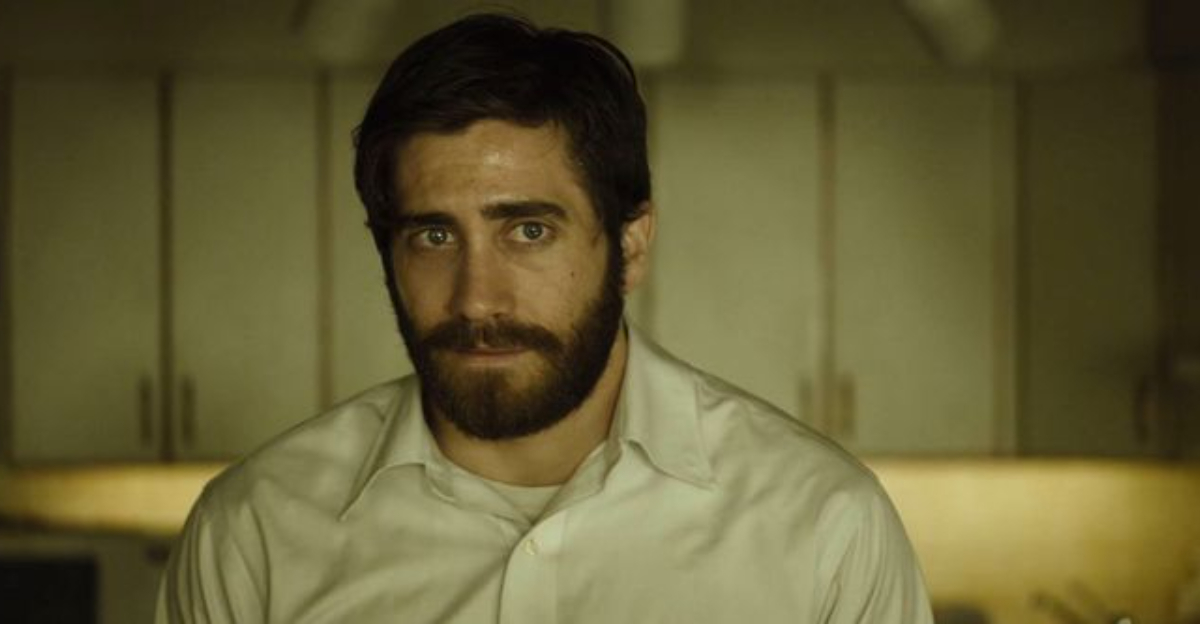
Some movies do more than entertain – they challenge the way you think. The 13 films on this list reward patience, pattern recognition, and a willingness to sit with uncertainty.
If you can follow their hidden structures, symbolic layers, and slippery realities, your analytical instincts are probably far sharper than most. Let’s look at the titles that separate casual viewing from serious interpretation.
1. Mulholland Drive (2001)
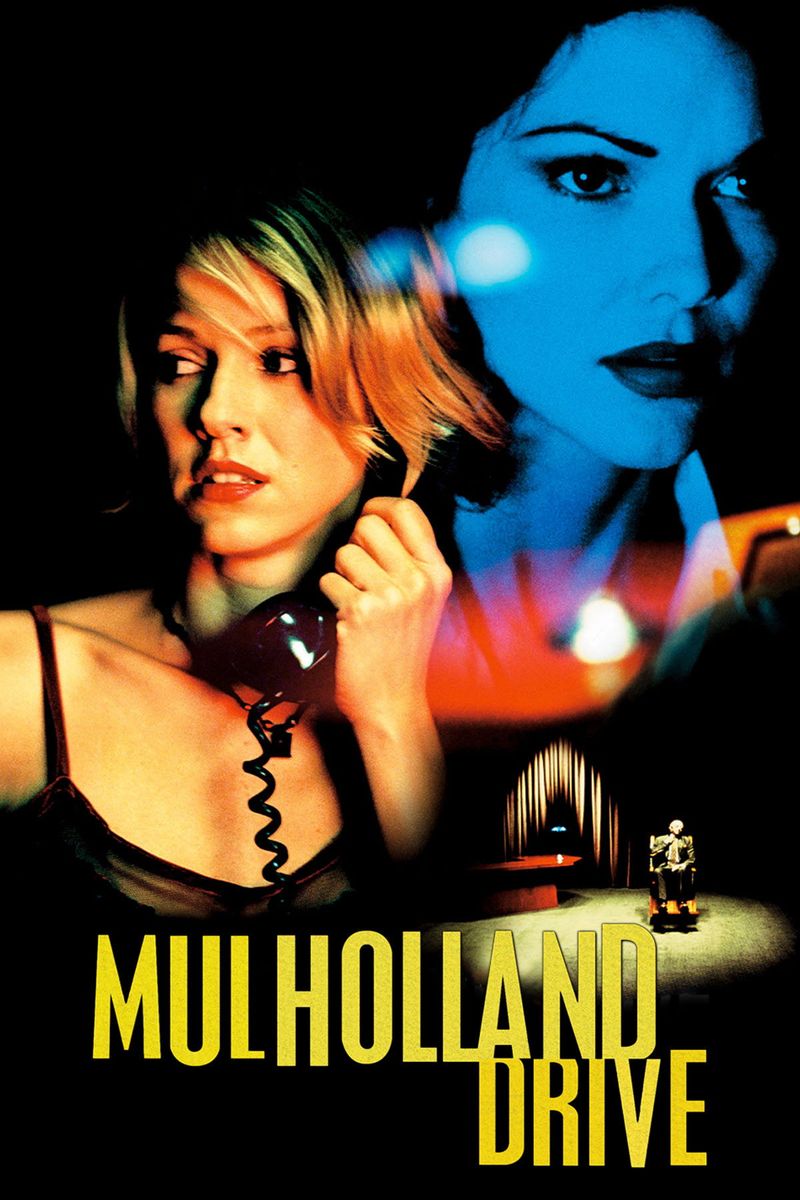
Mulholland Drive tests how well you can separate dream logic from narrative logic.
David Lynch gives you clues, but he buries them inside identity shifts, fractured memory, and scenes that feel emotionally true even when they seem impossible.
If you enjoy asking what is real rather than demanding easy answers, this film meets you there.
What makes it analytically rich is how every performance, prop, and repeated image can support more than one interpretation.
You are constantly weighing fantasy against guilt, desire against failure, and performance against selfhood.
By the end, understanding it is less about solving one neat riddle and more about recognizing how the movie builds meaning through instability.
That is exactly why it lingers.
2. Primer (2004)
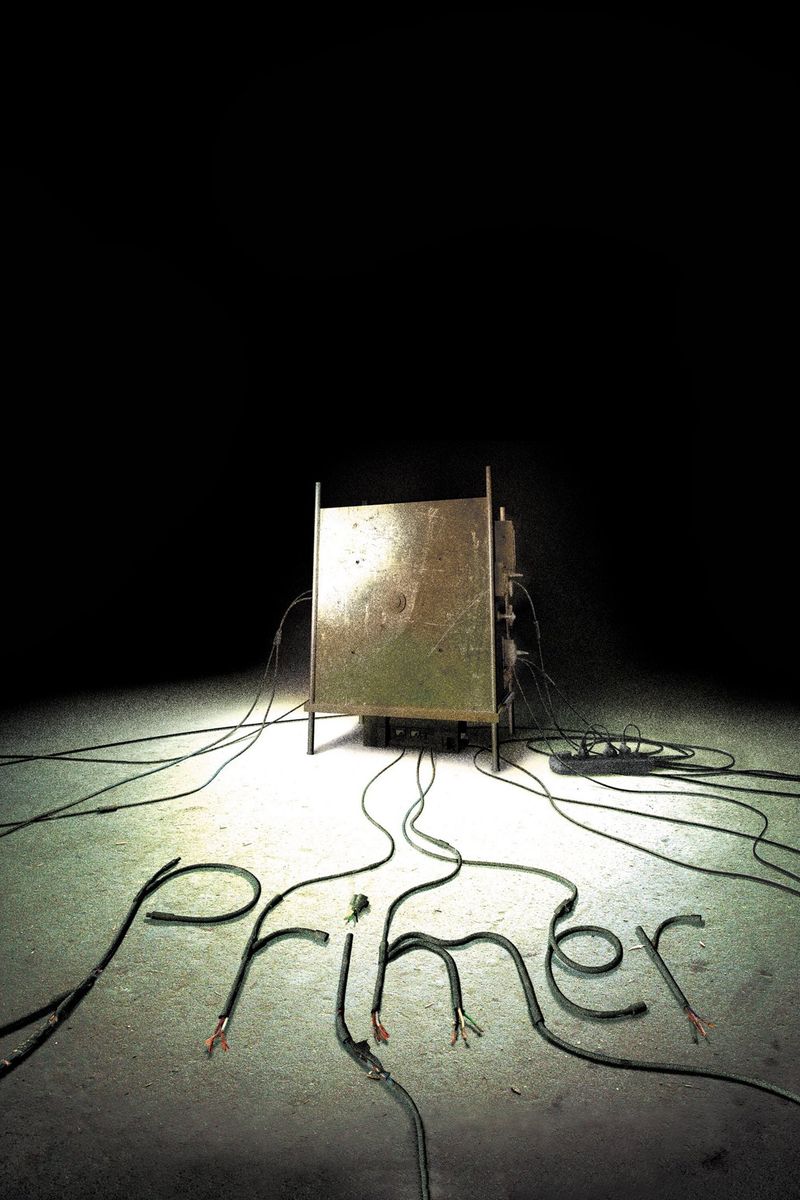
Primer does not slow down for you, and that is precisely why analytical viewers love it.
The dialogue is technical, the structure is recursive, and the timeline keeps folding back on itself until cause and effect become hard to track.
You cannot watch passively and expect clarity.
The film rewards note-taking, rewatching, and careful attention to small choices that create massive consequences.
Every conversation carries information that matters later, and every version of a character changes what you think you know.
What feels impressive is not just the time travel concept, but how rigorously the movie commits to its own internal logic.
If you can map its branching realities and understand the ethical collapse beneath the science, your pattern recognition is seriously strong.
3. Synecdoche, New York (2008)
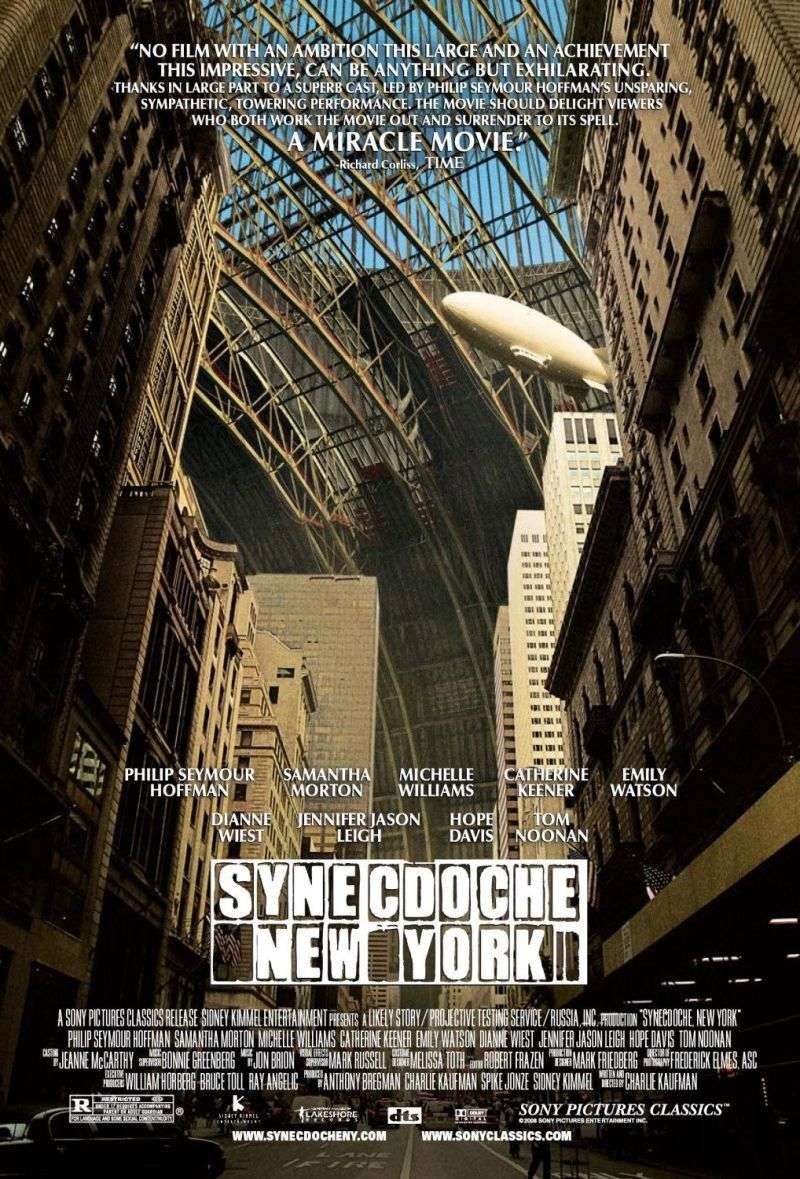
Synecdoche, New York feels like stepping inside a mind that is trying to understand life before time runs out.
Charlie Kaufman layers performance, memory, regret, illness, and self-consciousness until the boundaries between art and existence nearly disappear.
You are not just following a plot here – you are tracing a collapsing worldview.
Its analytical challenge comes from the way scale, casting, repetition, and time shifts express emotional truth more than literal realism.
The movie keeps asking whether any person can ever fully represent themselves, or truly understand how others see them.
If you connect its strange theatrical structure to its deeper fears about mortality and meaning, you start seeing how brilliant its design really is.
It is overwhelming, but intentionally so.
4. 2001: A Space Odyssey (1968)
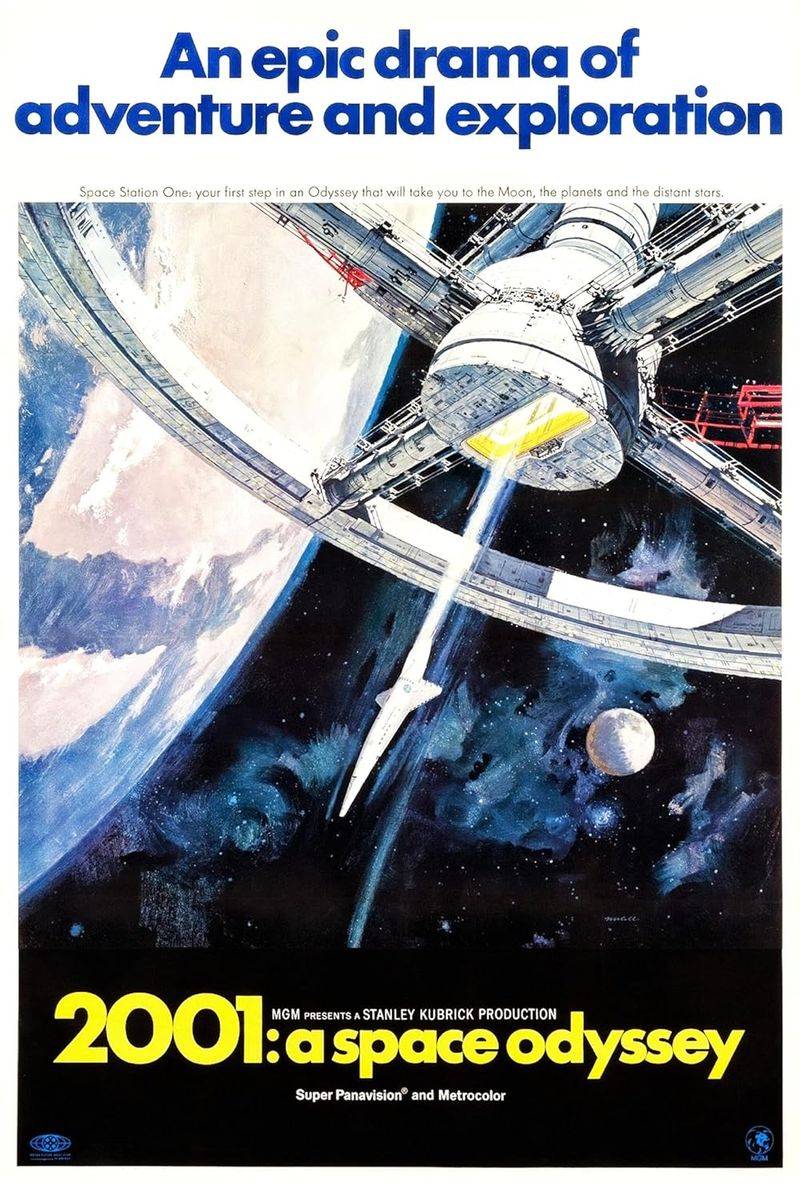
2001: A Space Odyssey asks you to think visually, philosophically, and symbolically all at once.
Stanley Kubrick strips away conventional exposition and trusts you to connect human evolution, artificial intelligence, and cosmic mystery through images, music, and silence.
That makes every cut and composition feel important.
The film becomes analytically rewarding because it never reduces its big questions to one tidy message.
The monolith can suggest intervention, awakening, or something beyond human language altogether.
HAL can be read as machine error, human projection, or the natural consequence of programming contradictions.
If you can engage with ambiguity without getting frustrated, this movie becomes an enormous intellectual playground.
It invites interpretation instead of closure, and that is exactly why serious thinkers keep returning to it.
5. The Prestige (2006)
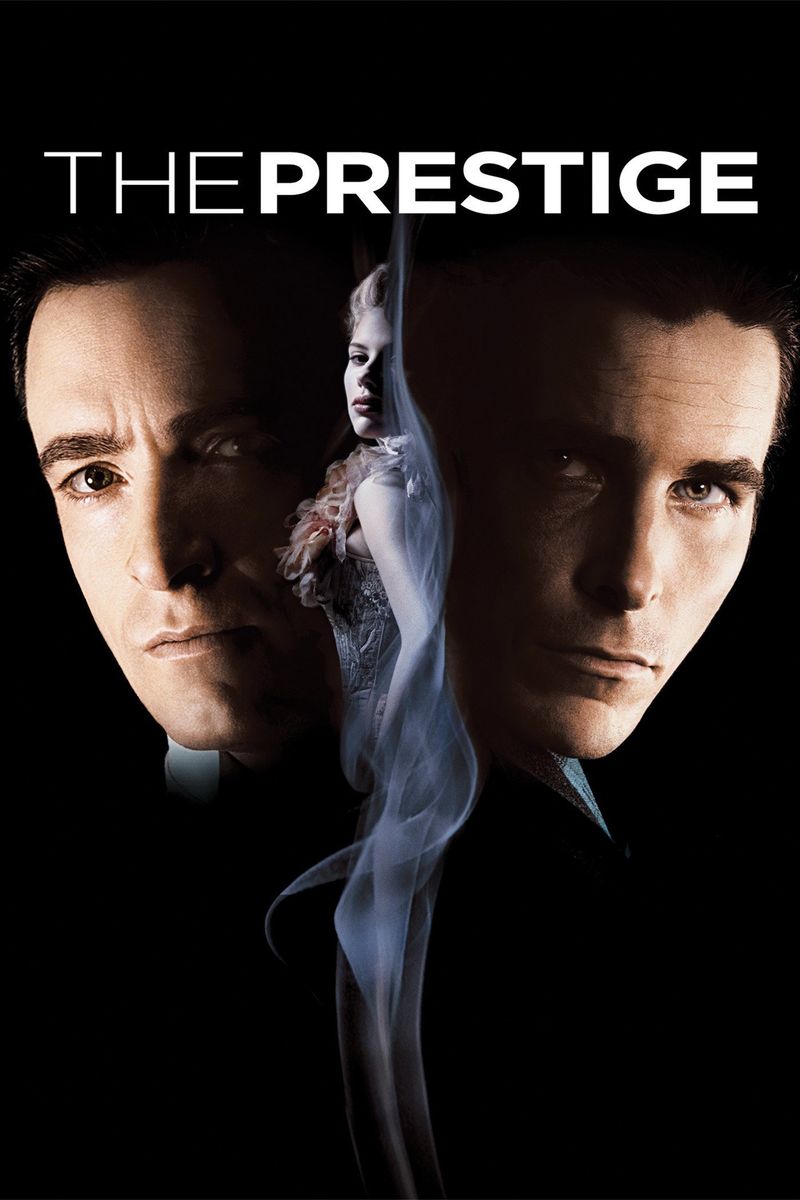
The Prestige is built like a magic trick, which means the movie keeps telling you what it is doing while still fooling you.
Christopher Nolan turns rivalry into narrative architecture, using diaries, flashbacks, and misdirection to make you question what you have really seen.
If you love structure, this one is catnip.
Analytically, the brilliance lies in how theme and form mirror each other.
Obsession drives the characters to erase empathy, and the film asks whether your own desire to be surprised makes you overlook obvious truths.
Every reveal changes the meaning of earlier scenes without feeling like a cheat.
If you understand why the ending works emotionally and mechanically, you are paying attention on several levels at once.
That is a rare viewing skill, and this film rewards it completely.
6. Donnie Darko (2001)
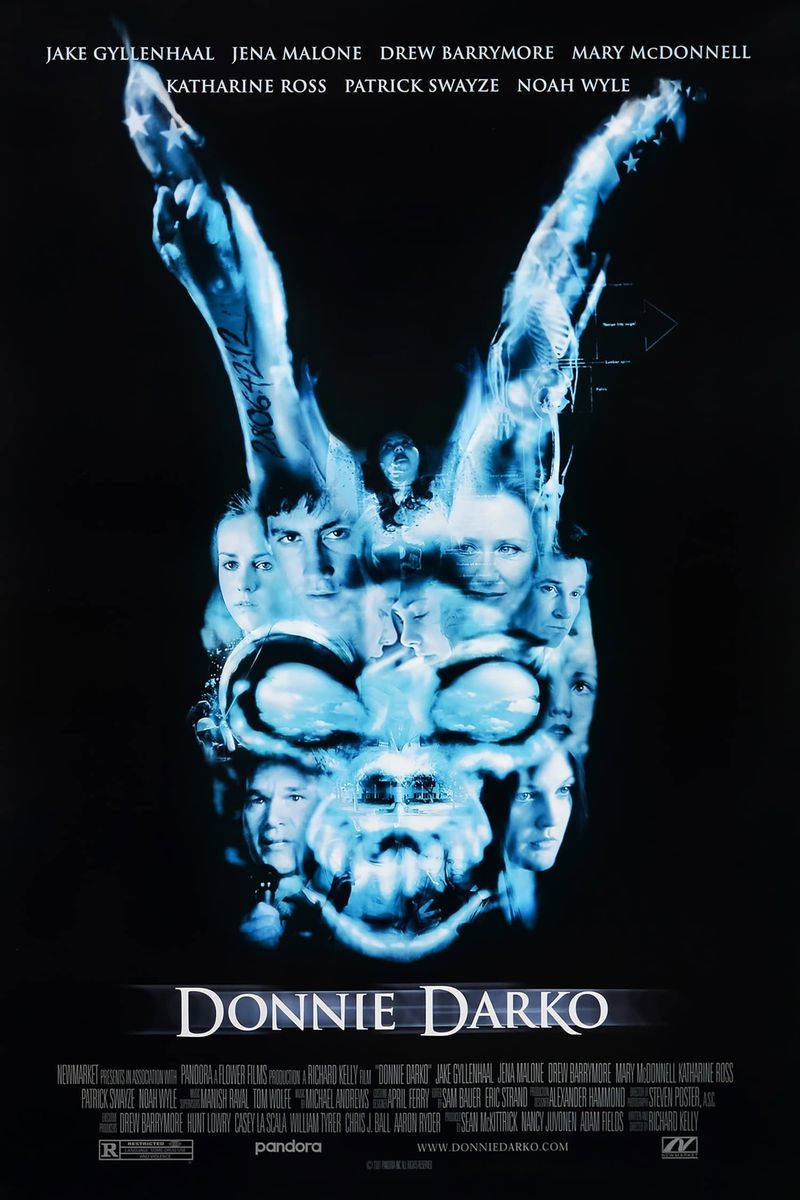
Donnie Darko stays fascinating because it never settles into one simple genre or explanation.
It blends teen drama, psychological breakdown, time travel, and apocalyptic dread into a story that keeps shifting under your feet.
You are constantly deciding whether to read events literally, symbolically, or both.
That uncertainty is what makes the film such a strong test of analytical thinking.
The tangent universe ideas, manipulated dead, and recurring imagery create a framework, but the emotional meaning matters just as much as the mechanics.
Donnie’s choices only become fully interesting when you connect science fiction rules to loneliness, sacrifice, and adolescence.
If you can balance the metaphysical puzzle with the human one, the movie opens up in a much deeper way than its cult reputation might suggest.
7. Inception (2010)
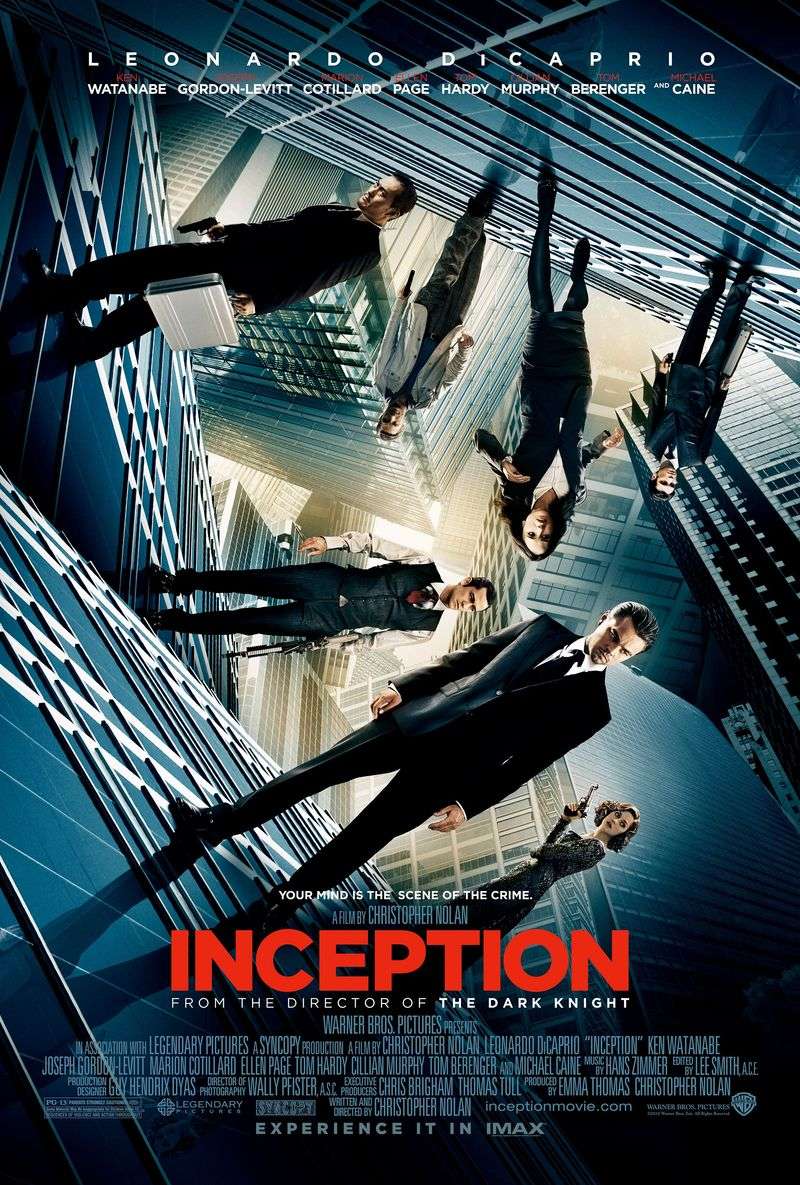
Inception is exciting on the surface, but its real power comes from how many systems it asks you to track at once.
Dream levels, time dilation, memory, guilt, and mission strategy all stack together, so understanding the story means managing several realities simultaneously.
It is a blockbuster that genuinely expects you to think.
The film becomes even richer when you look beyond the mechanics and into Cobb’s emotional architecture.
The rules of dreaming are important, but the real engine is how grief reshapes perception and traps people inside self-made narratives.
Even the famous final shot works because it ties philosophical uncertainty to personal release.
If you can follow the heist while also noticing how memory distorts reality, you are engaging with the movie on the level it deserves.
8. Stalker (1979)
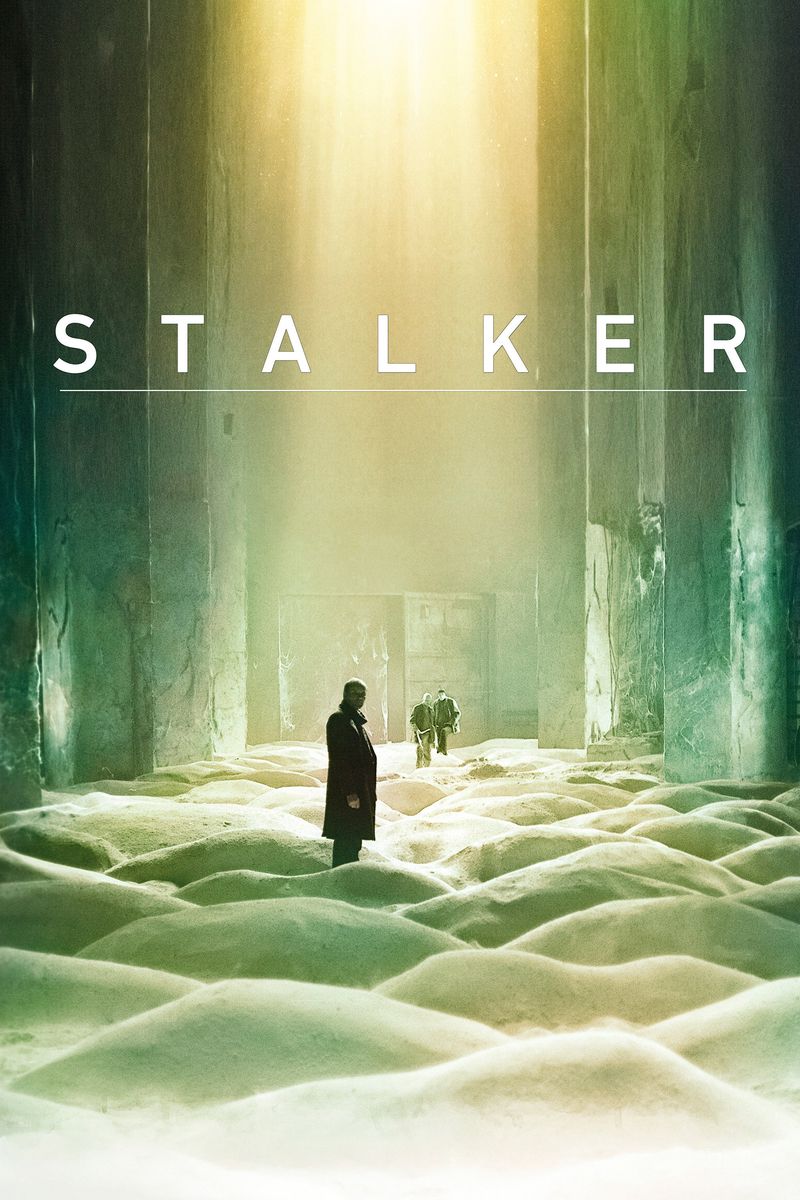
Stalker moves slowly, but that slowness is exactly what sharpens your attention.
Tarkovsky turns a simple journey into a meditation on faith, desire, knowledge, and the hidden motives people carry into sacred spaces.
You are invited to listen closely, not just to dialogue, but to silence, texture, and hesitation.
Analytical viewers connect the physical movement through the Zone with the characters’ shifting spiritual states.
The film keeps suggesting that what people claim to want is not the same as what they truly are, and that gap becomes the central tension.
Nothing is handed to you through plot twists or clear explanations.
Instead, meaning builds through atmosphere, contradiction, and moral discomfort.
If you can read symbols without forcing certainty, Stalker becomes one of cinema’s most profound intellectual and emotional experiences.
9. Enemy (2013)
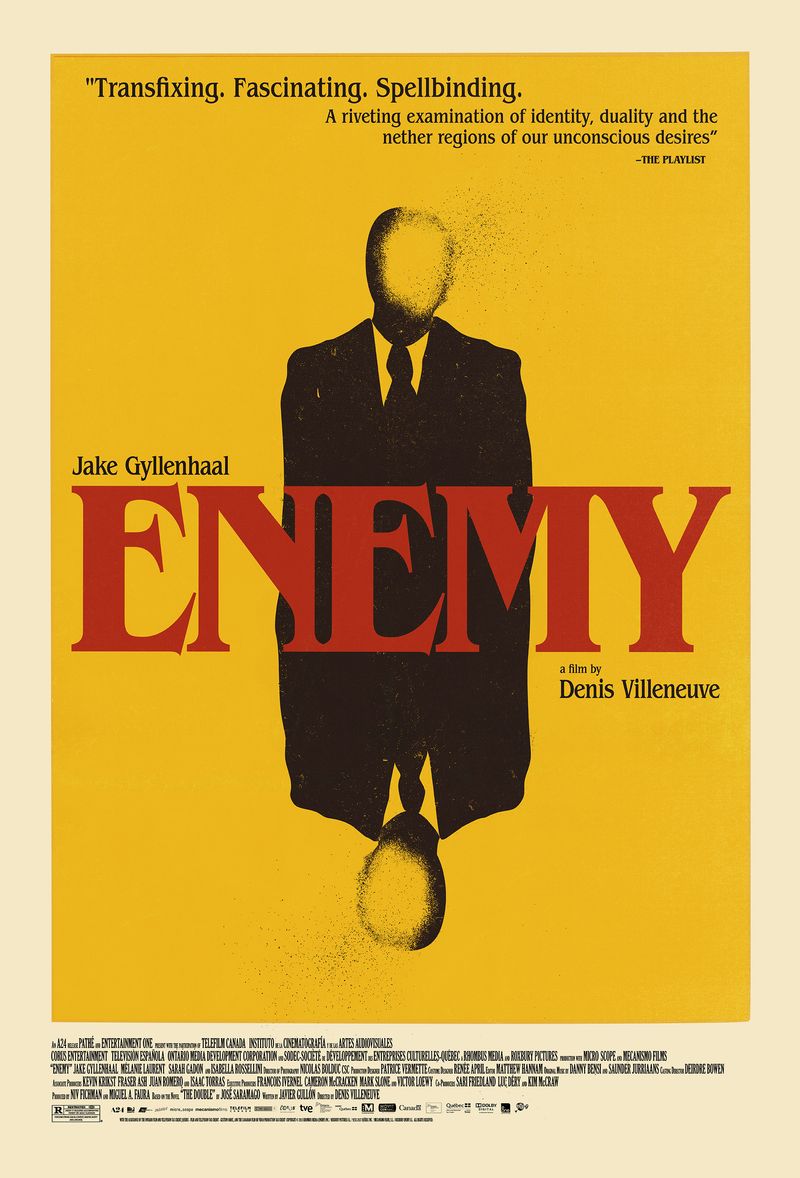
Enemy is the kind of film that dares you to interpret it before it gives you enough certainty to feel comfortable.
Denis Villeneuve uses doubles, recurring patterns, and unsettling imagery to build a psychological maze where identity feels unstable from the start.
You are always watching for what repeats and what mutates.
The analytical challenge lies in deciding how literal the story should be taken.
Is the double real, imagined, symbolic, or some fusion of all three possibilities?
The film’s famous spider imagery pushes you toward themes of control, fear, sexuality, and entrapment without locking anything into one fixed answer.
If you can hold competing interpretations at once and test them against the movie’s visual logic, Enemy becomes less confusing and far more rewarding.
It is a puzzle made of psychology.
10. The Tree of Life (2011)
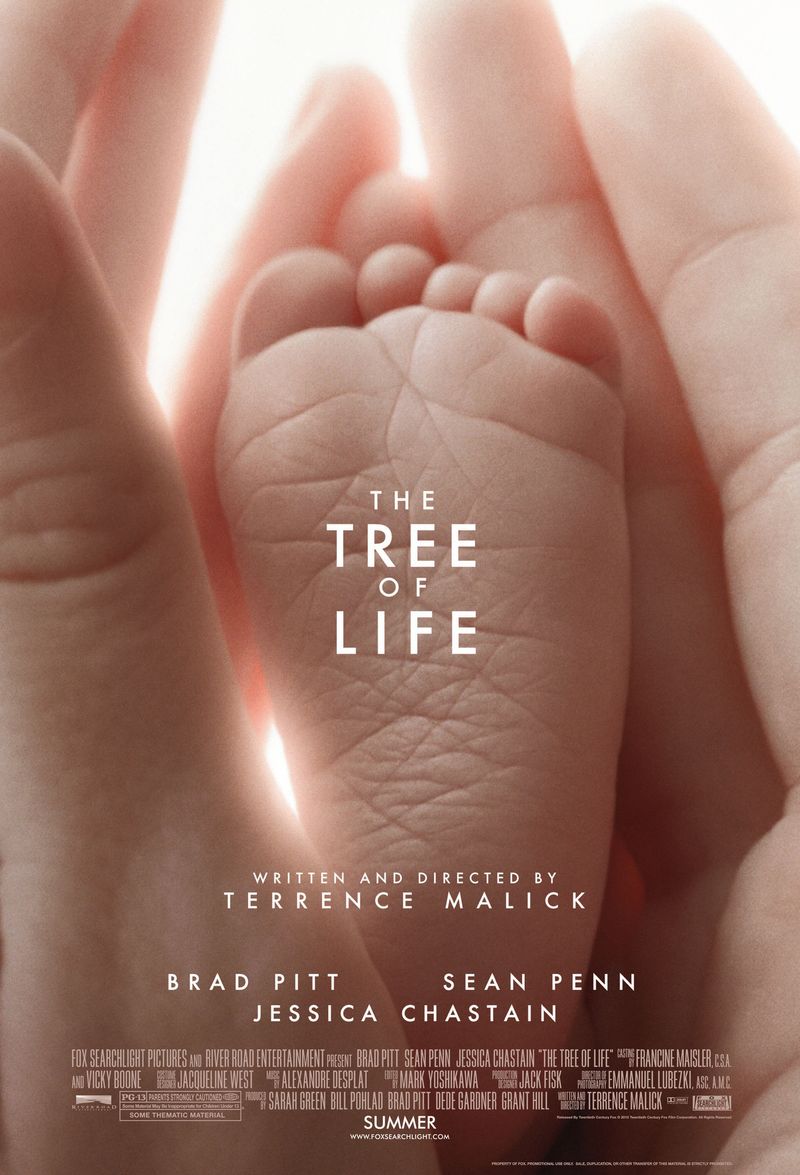
The Tree of Life asks you to connect the intimate and the cosmic without treating them as separate worlds.
Terrence Malick moves from family memory to the birth of the universe, suggesting that personal suffering and existential wonder belong to the same emotional landscape.
That leap can feel challenging, but it is also the point.
Analytical thinking matters here because the film communicates through association more than conventional plot.
Images, whispered reflections, and nonlinear moments accumulate into a meditation on grace, nature, loss, and reconciliation.
You are meant to notice how childhood experiences shape spiritual questions that never fully disappear in adulthood.
If you can read feeling as a form of structure and symbolism as a form of argument, the movie reveals a remarkably coherent vision beneath its dreamlike beauty.
11. Memento (2000)
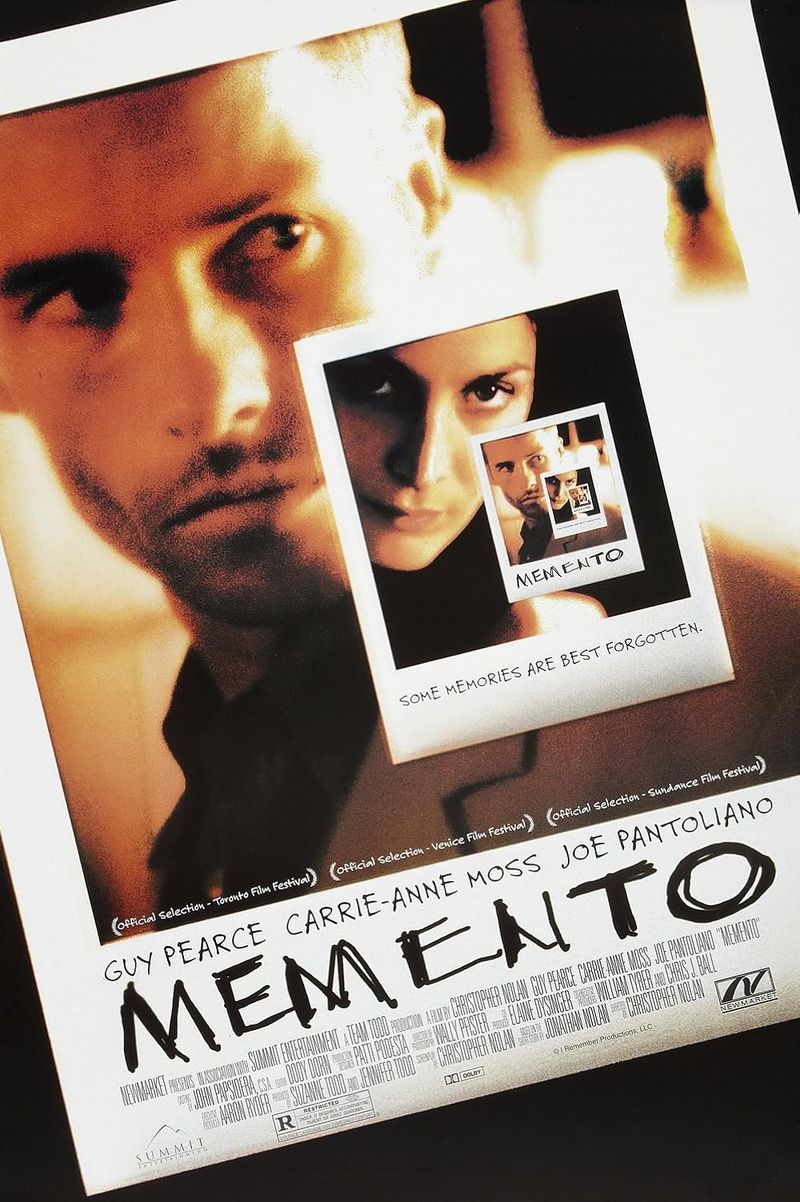
Memento makes you experience confusion as part of its design, not as a flaw to overcome.
By telling the story in reverse, Christopher Nolan forces you to reconstruct events the way Leonard does, without stable memory or reliable context.
That puts your analytical instincts under pressure immediately.
What makes the film exceptional is how form becomes theme.
You are not simply solving a mystery about who did what, but confronting how memory, self-deception, and narrative control shape identity.
Each scene changes the meaning of the one before it, which means understanding the movie requires constant reassessment.
If you catch how Leonard’s systems create both order and illusion, you see the deeper tragedy beneath the thriller mechanics.
It is a brilliant reminder that information alone does not guarantee truth.
12. Coherence (2013)
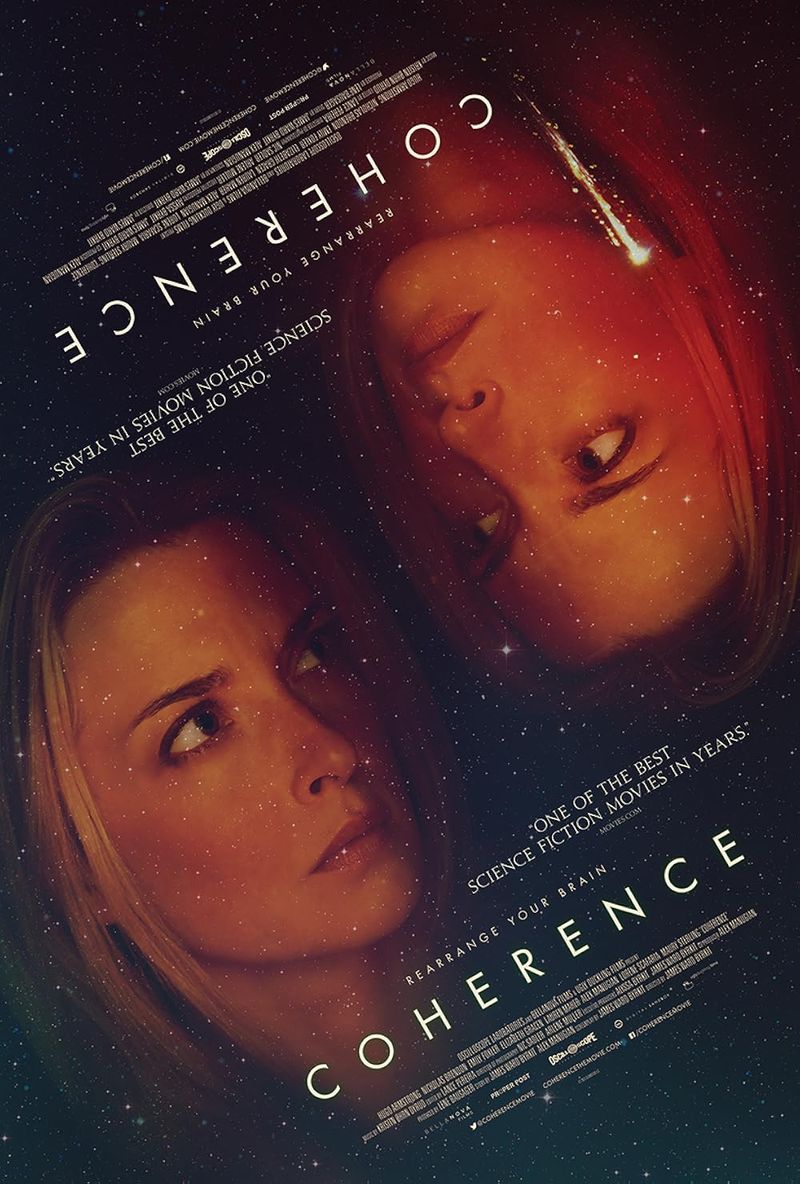
Coherence proves that a small budget can still generate a huge intellectual workout.
What begins as an awkward dinner party gradually turns into a tense exploration of parallel realities, fractured identity, and quantum uncertainty.
The movie trusts you to keep up as tiny inconsistencies become major existential threats.
Its analytical appeal comes from how efficiently it uses dialogue, behavior, and changing group dynamics to signal which reality you might be in.
You are always comparing details, testing assumptions, and realizing that certainty disappears faster than expected.
The characters’ panic also adds a human layer, because the puzzle is not abstract once trust begins to collapse.
If you can track the branching possibilities while noticing what the film says about choice and selfhood, Coherence becomes astonishingly clever for something so deceptively simple.
13. The Seventh Seal (1957)
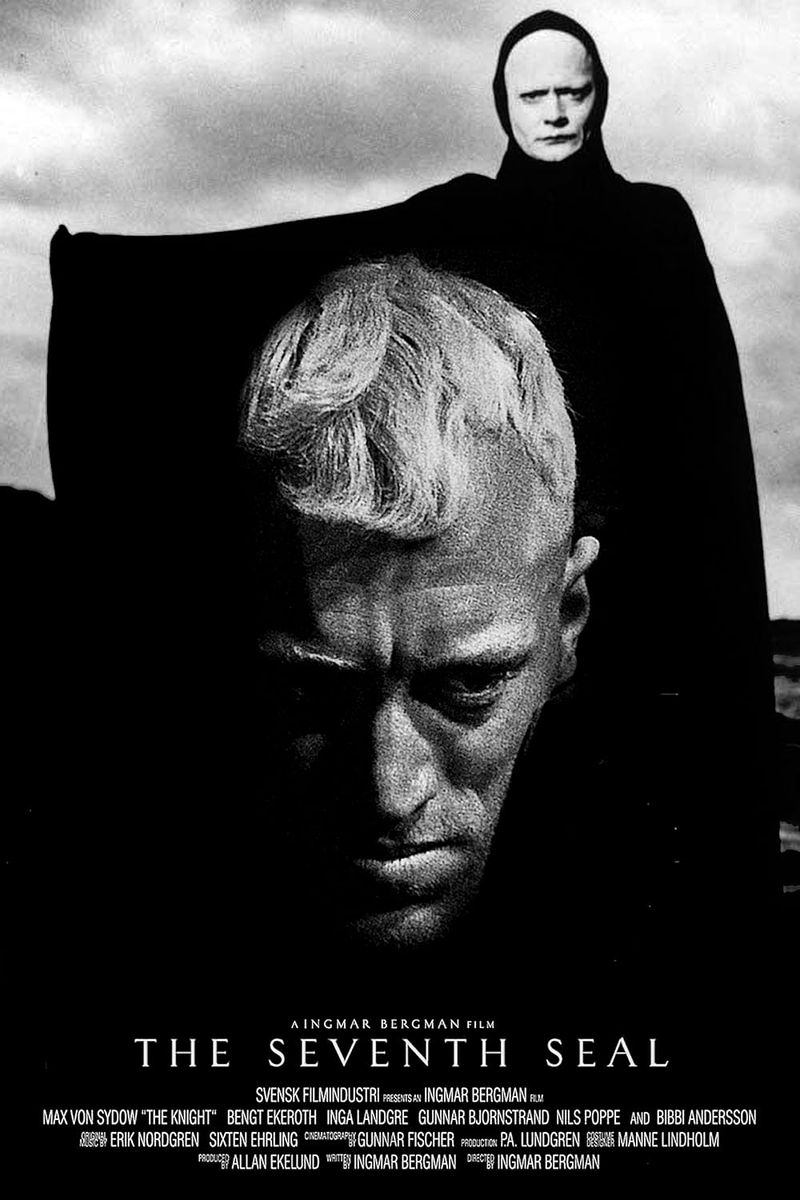
The Seventh Seal turns a simple image – a knight playing chess with Death – into one of cinema’s great philosophical frameworks.
Bergman uses that premise to explore faith, silence, doubt, suffering, and the desperate human need for meaning in a world that offers no easy certainty.
You feel the questions before you can answer them.
Analytical viewers often love it because every encounter broadens the film’s inquiry rather than narrowing it.
The knight’s search for knowledge is set against performers, peasants, and plague victims, creating a spectrum of responses to mortality.
Symbolism matters, but so does tone, contrast, and the tension between despair and tenderness.
If you can read the movie as both a historical drama and an existential argument, its power becomes undeniable and deeply moving.