 MomSkoop
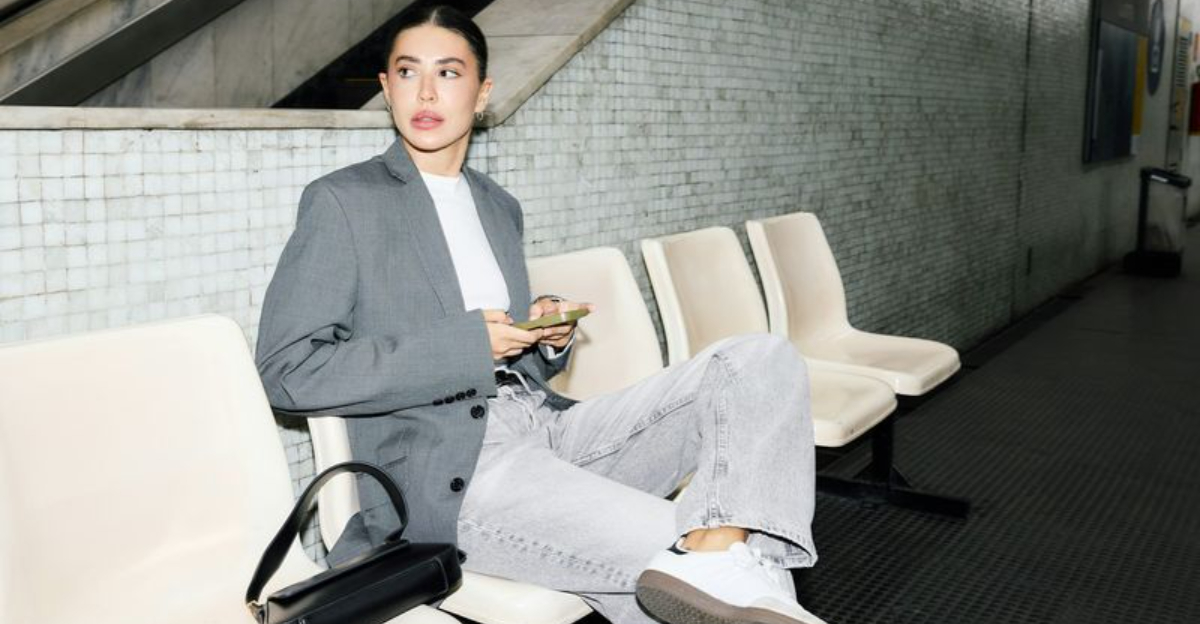
Fashion gets sold to you like a set of rules, but most people quietly break them every day. Deep down, plenty of us know that expensive labels, viral trends, and style commandments are not the same thing as looking good.
The truth is, the best outfits usually feel effortless, personal, and comfortable enough to survive real life. If you have ever questioned the fashion crowd but kept it to yourself, these opinions will probably sound very familiar.
1. Designer logos do not guarantee style
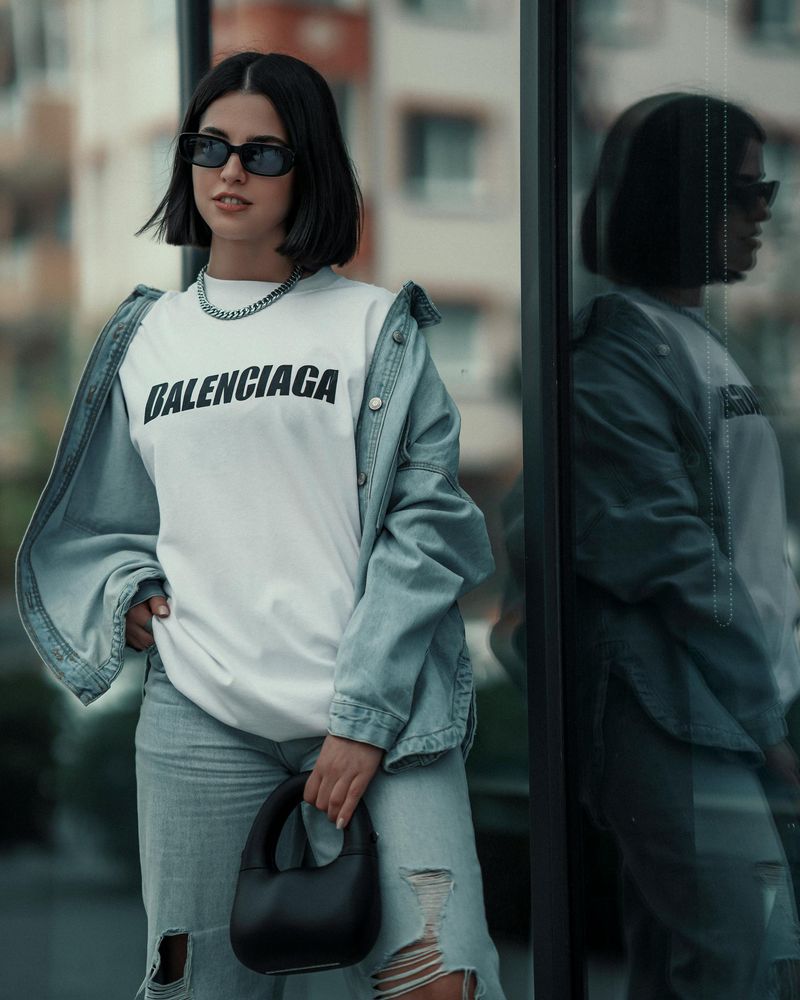
A giant logo can make an outfit look expensive, but it does not automatically make it stylish.
You can spot the difference immediately when someone wears branding instead of actual taste, proportion, and confidence.
If the first thing people notice is the label, the clothes are probably doing too much heavy lifting.
Great style usually comes from fit, color balance, and knowing what suits your body and personality.
I think many people secretly agree that some logo covered looks feel more like advertisements than outfits.
You are not underdressed or less fashionable just because your shirt is quiet and your bag is not screaming a brand name across the room.
2. Expensive does not always mean better
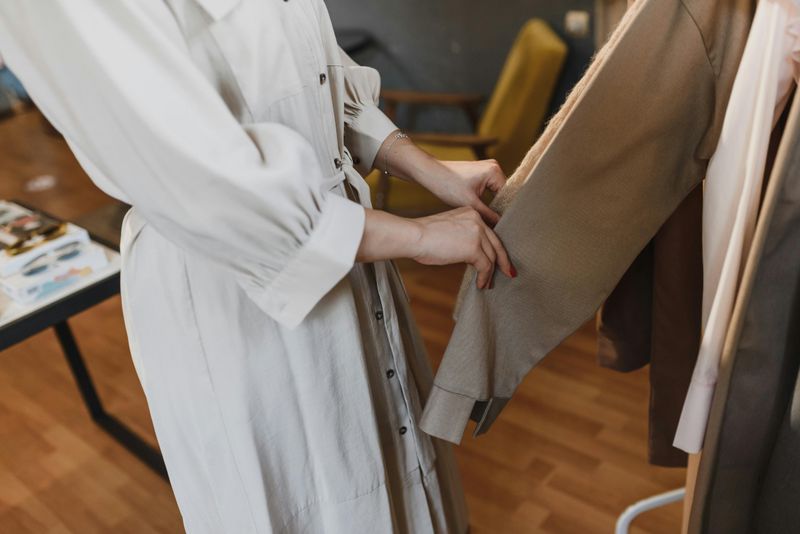
Price tags have a way of convincing people they are looking at quality, even when the garment says otherwise.
Plenty of luxury pieces use average fabrics, questionable construction, or trendy designs that date fast, yet still get treated like masterpieces.
You are often paying for marketing, exclusivity, and packaging as much as the item itself.
Some of the best things in a wardrobe come from brands that focus on fabric, tailoring, and durability rather than status.
I think people know this but feel awkward admitting it because fashion loves a luxury fantasy.
A sweater does not become magical because it costs ten times more, and a lower price does not automatically make something cheap looking or poorly made.
3. Instagram trends rarely work in real life
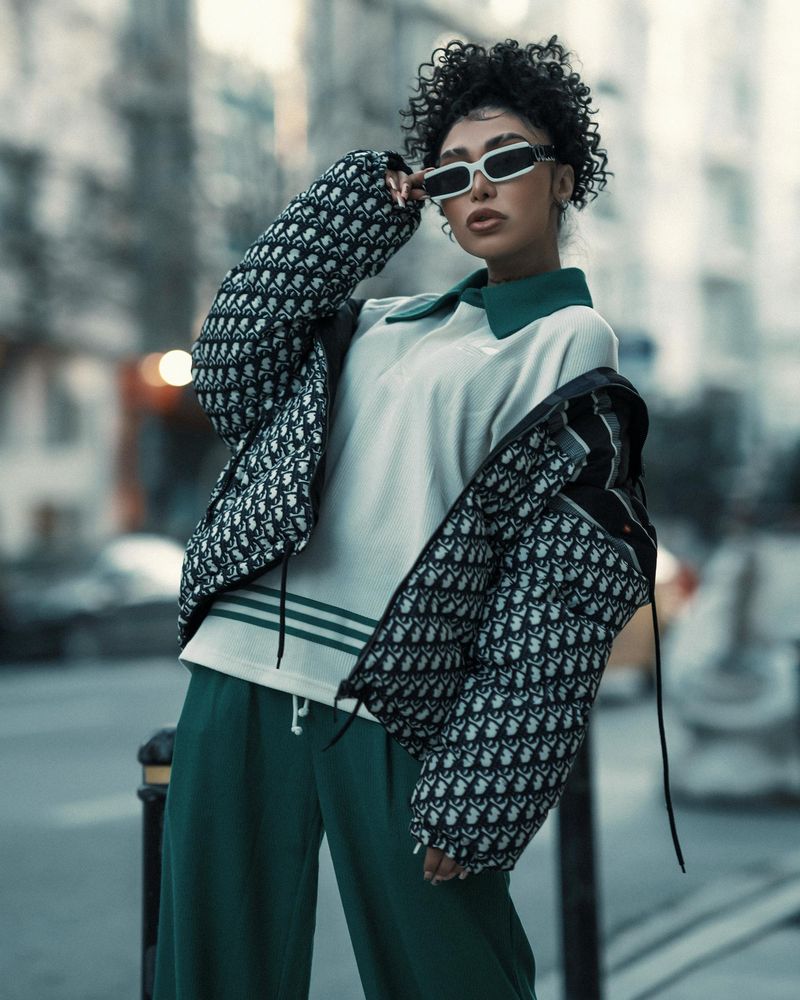
Some outfits are built for a camera angle, not for walking, sitting, commuting, or existing beyond a fifteen second clip.
On social media, exaggerated proportions, strange layering, and dramatic accessories can look exciting because lighting, posing, and editing do half the work.
In real life, those same trends often feel awkward, costume-like, or impossible to move in.
I think most people have tried a viral look and realized it photographed better than it actually wore.
You are not boring for wanting clothes that still look good when you are carrying bags, climbing stairs, or meeting friends in daylight.
Fashion should survive real life, not collapse the moment the ring light turns off and the comments stop rolling in.
4. Comfort matters more than fashion rules
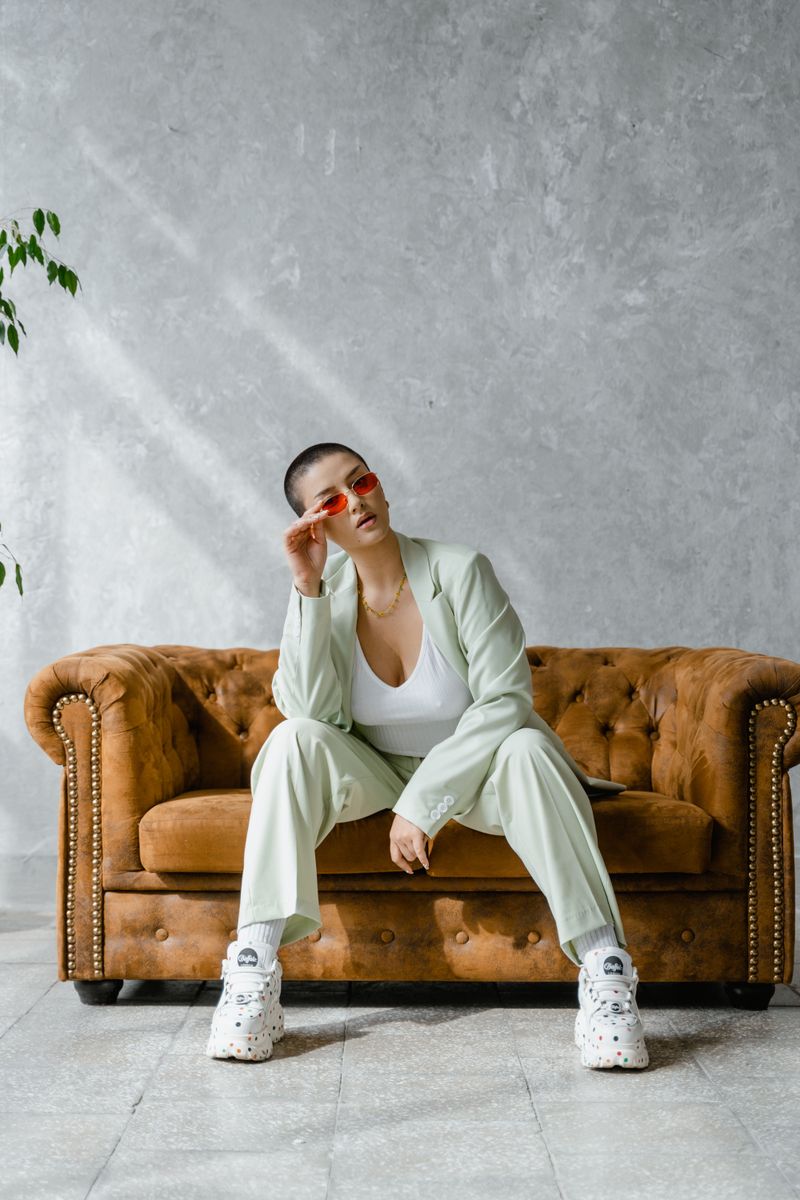
If an outfit pinches, slips, scratches, or makes you constantly adjust yourself, it is already failing.
Fashion rules love to pretend suffering is part of looking polished, but most people look better when they can actually breathe, walk, and sit normally.
You can tell when someone feels physically miserable, and it distracts from everything else they are wearing.
I would take a comfortable, well styled outfit over a painfully trendy one every single time.
You are not less fashionable because you choose shoes you can walk in or fabrics that feel good on your skin.
The best clothes support your life instead of demanding that your entire day revolve around keeping them in place and pretending you are fine.
5. Not everyone needs a capsule wardrobe
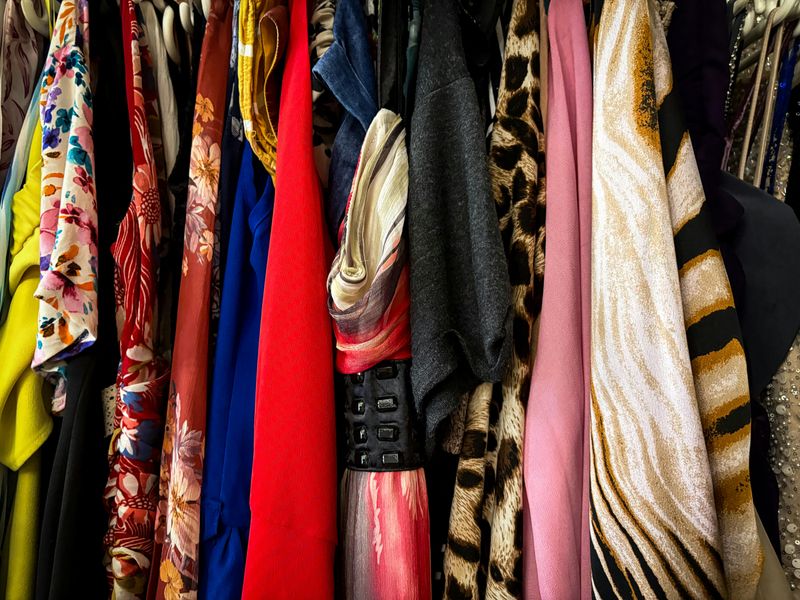
The capsule wardrobe idea works beautifully for some people, but it gets pushed like a universal cure for every closet problem.
Not everyone wants to dress from the same palette of beige, black, white, and denim every week forever.
Some people genuinely enjoy variety, color, experimentation, and the mood boost that comes from choosing something different.
I think fashion becomes less joyful when minimalism gets treated like moral superiority.
You are allowed to love options without being labeled wasteful, chaotic, or unserious about style.
A thoughtful wardrobe can include playfulness, statement pieces, and clothes that do not match one rigid formula, because personal style is supposed to reflect a person, not a spreadsheet or a trending decluttering challenge.
6. Skinny jeans never truly disappeared
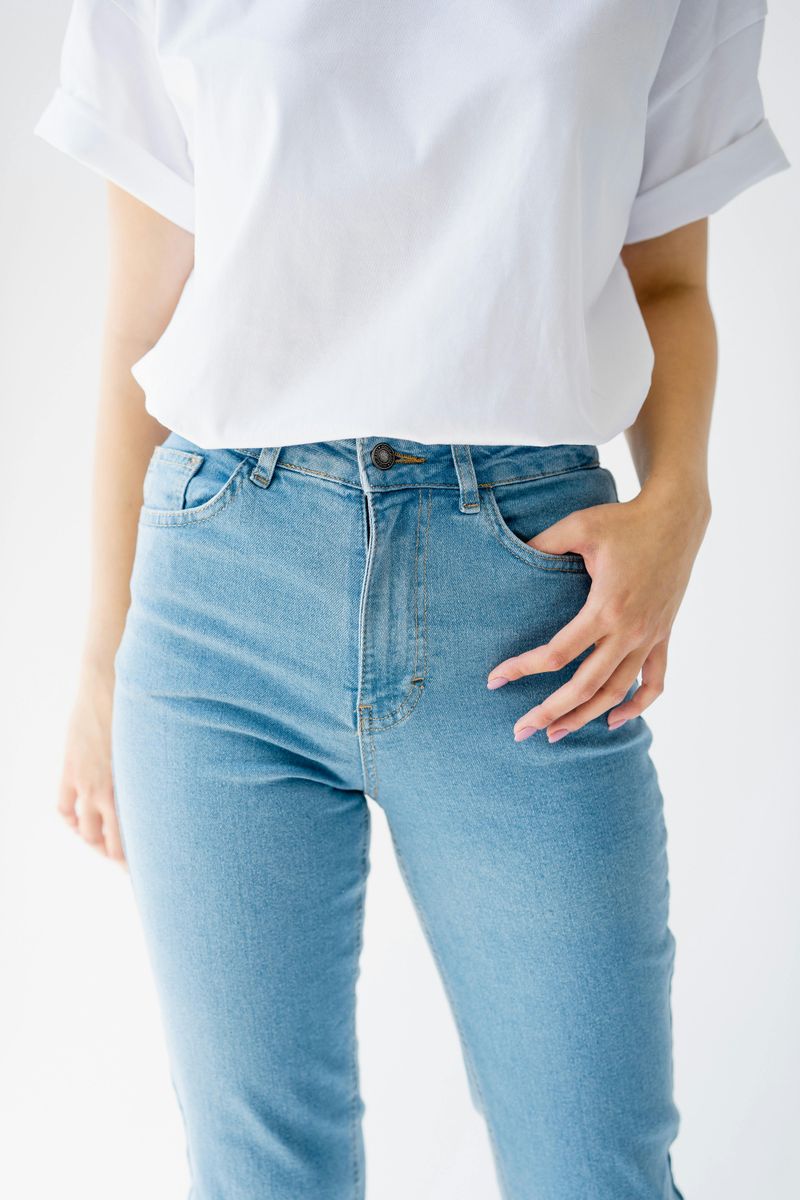
People love declaring trends dead, but skinny jeans never actually vanished from everyday life.
They simply stopped being the main topic of fashion conversation while millions of people kept wearing them with boots, blazers, sweaters, and oversized shirts.
If something remains useful, flattering for many body types, and easy to style, it is not truly gone.
I think the loudest trend cycles mostly happen online, while real wardrobes move much more slowly.
You are not outdated just because you still reach for a silhouette that works for you.
Fashion often acts like only the newest shape deserves respect, but most people quietly keep their favorite jeans because practicality and familiarity usually outlast whatever the internet is pretending to retire.
7. Most must-have pieces are not essential
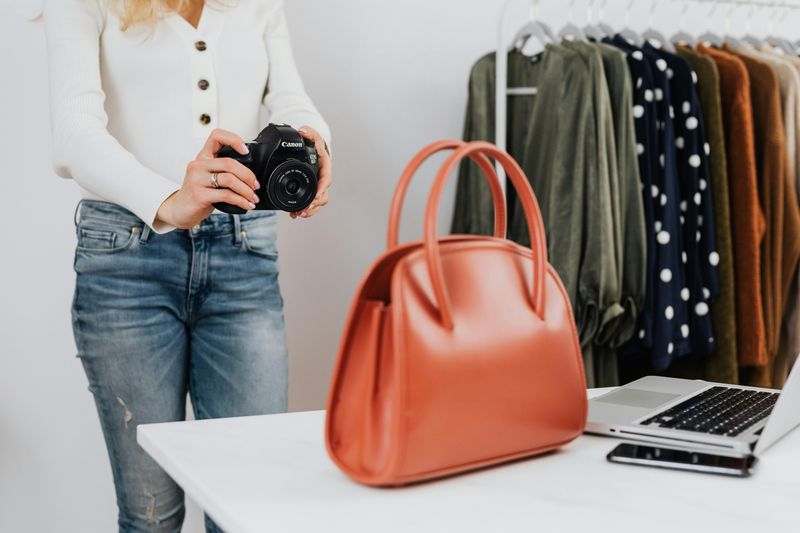
Every season comes with a fresh list of must-have items that suddenly seem urgent, life changing, and somehow necessary for becoming stylish.
Most of them are just ordinary products wrapped in clever marketing and social pressure.
You usually do not need the new bag, the viral shoe, or the latest basic that looks suspiciously like five things already hanging in your closet.
I think people secretly know how manufactured these cravings are, even while feeling tempted by them anyway.
You are allowed to pause before buying and ask whether the item actually solves a problem or just creates a fantasy.
Real style is not built from endless purchasing, and your wardrobe does not become more legitimate every time a brand invents a new essential.
8. Oversized can be just as unflattering
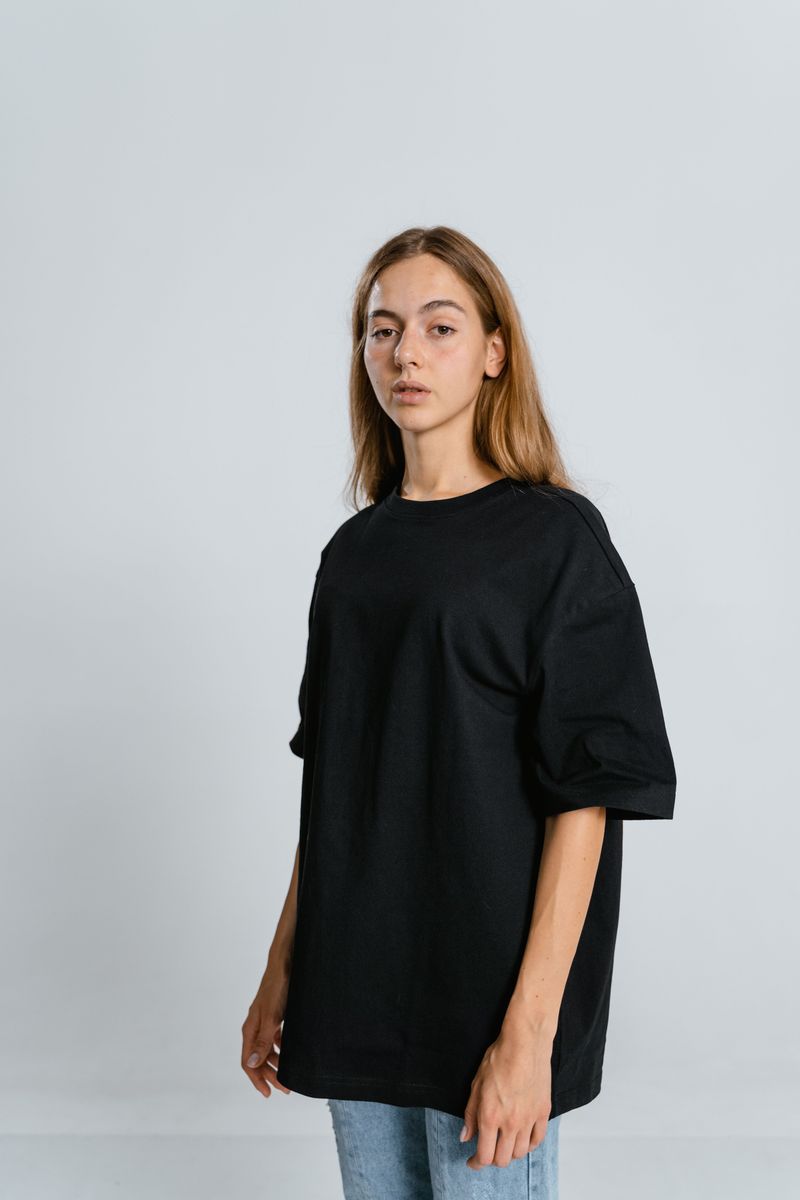
Fashion often treats oversized clothing like an automatic shortcut to looking cool, relaxed, and modern.
Sometimes it works beautifully, but sometimes it just swallows the body, hides shape in the wrong way, and makes an outfit feel lazy instead of intentional.
Bigger is not automatically more flattering any more than tighter is automatically more polished.
I think proportion matters far more than blindly following silhouette trends.
You are not failing at style if you prefer pieces that skim your frame instead of drowning it in extra fabric.
The best oversized looks still have structure, balance, and purpose, and without those things, a huge blazer or giant pants can look just as awkward as anything uncomfortably tight.
9. Trend chasing weakens personal style
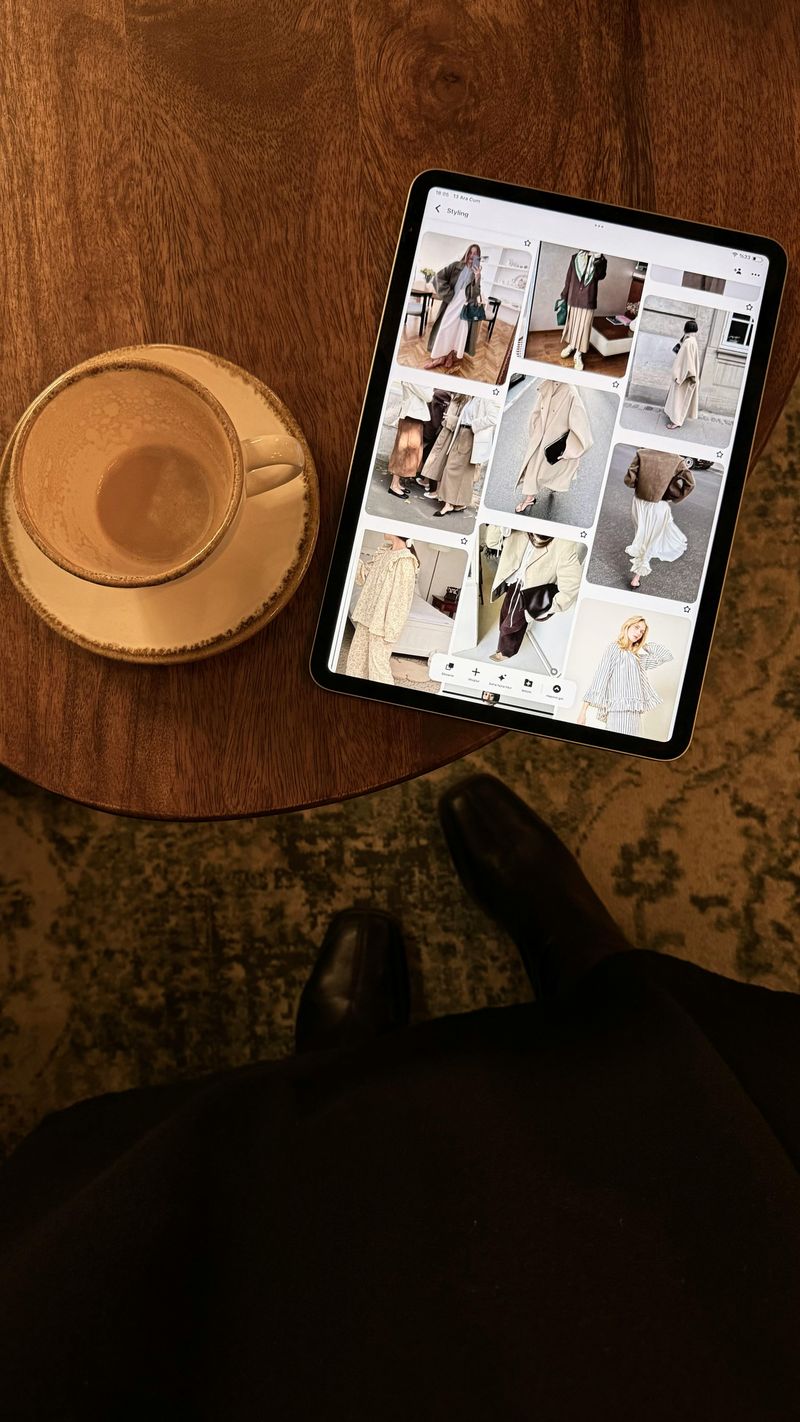
Following every trend might make you look current for a moment, but it can also make your wardrobe feel anonymous.
When your style changes completely with each new microtrend, people notice the clothes before they notice any sense of you.
The most memorable dressers usually repeat what works, refine it, and ignore whatever does not fit their identity.
I think personal style gets stronger when you stop treating every trend like a command.
You are allowed to skip popular pieces without fearing that you will become irrelevant or boring overnight.
In fact, saying no often creates more clarity than saying yes, because a wardrobe built on selective choices feels far more confident than one constantly scrambling to keep up.
10. Influencer outfits are often not practical
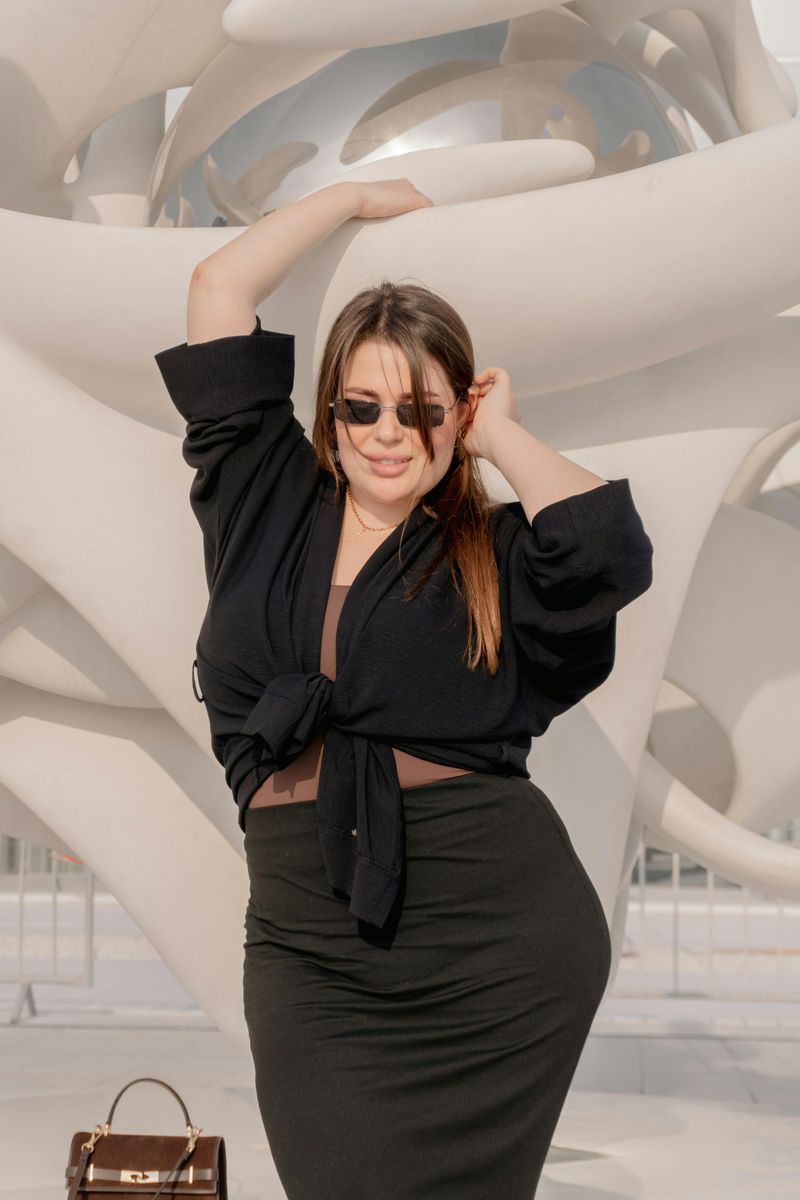
Many fashion influencers are dressing for images, not for errands, offices, weather, or long days on their feet.
That is not necessarily wrong, but it becomes misleading when highly staged outfits are presented as everyday inspiration for ordinary life.
Great photos can hide the fact that a look wrinkles instantly, restricts movement, or only works from one flattering angle.
I think people feel this gap every time they copy a content creator outfit and realize it makes no sense outside the frame.
You are not missing a styling trick if the look feels bizarre in motion.
Some outfits are meant to perform online, and once you accept that, it becomes much easier to stop comparing your real wardrobe to polished content.
11. Well-fitted basics often win
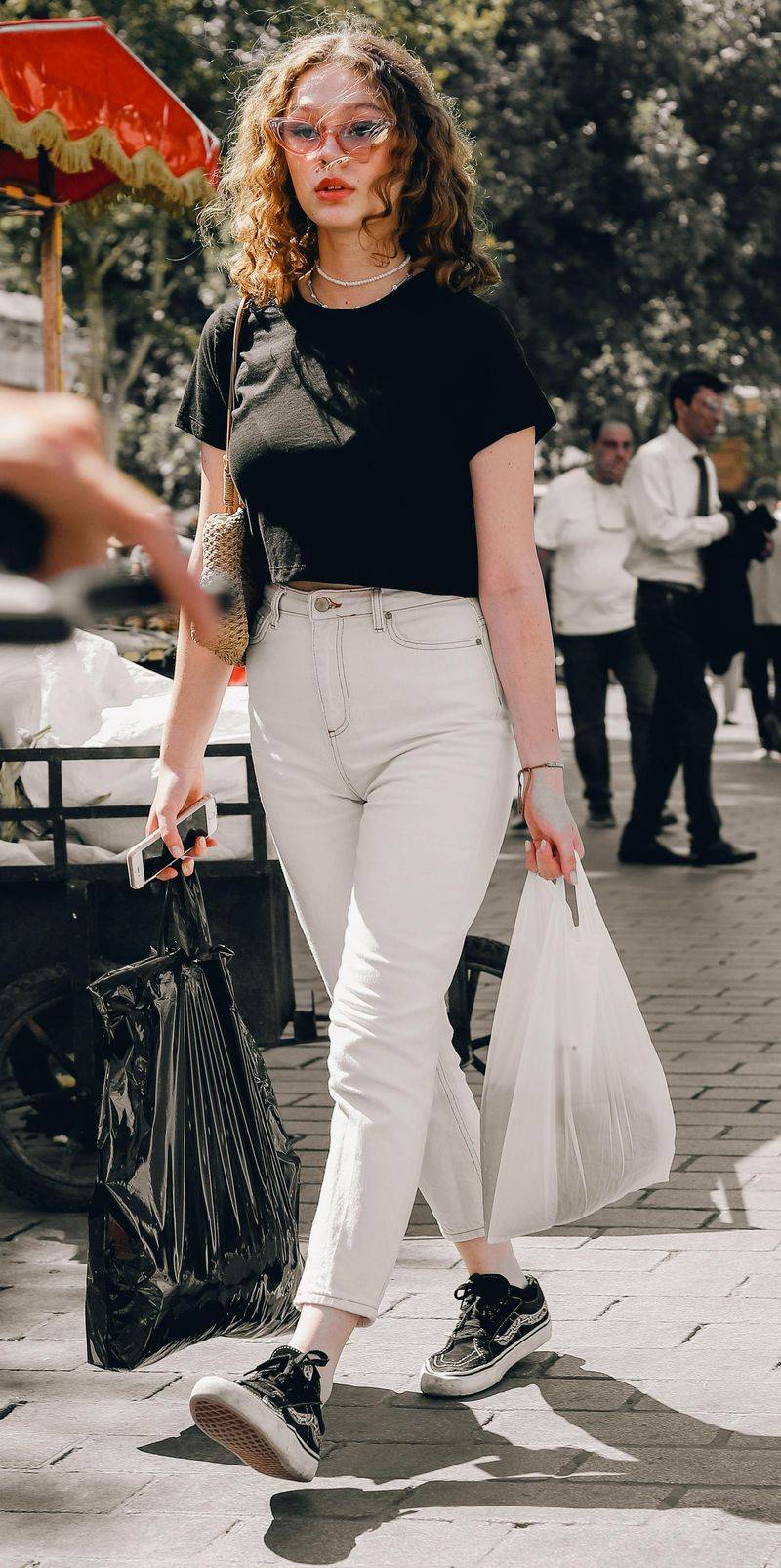
A simple outfit that fits beautifully will almost always look more expensive and more intentional than an overcomplicated one.
Good basics create clean lines, make getting dressed easier, and let your posture and confidence do some of the work.
There is a reason people consistently admire crisp shirts, tailored pants, great jeans, and uncomplicated shoes.
I think fashion sometimes overvalues novelty and undervalues precision.
You are not underdressed because your outfit is quiet, especially when everything fits properly and suits your lifestyle.
In real life, most people respond better to balance and ease than to ten competing statement pieces, and a strong basic look often leaves a much more stylish impression than something obviously trying too hard.
12. Confidence matters more than brands
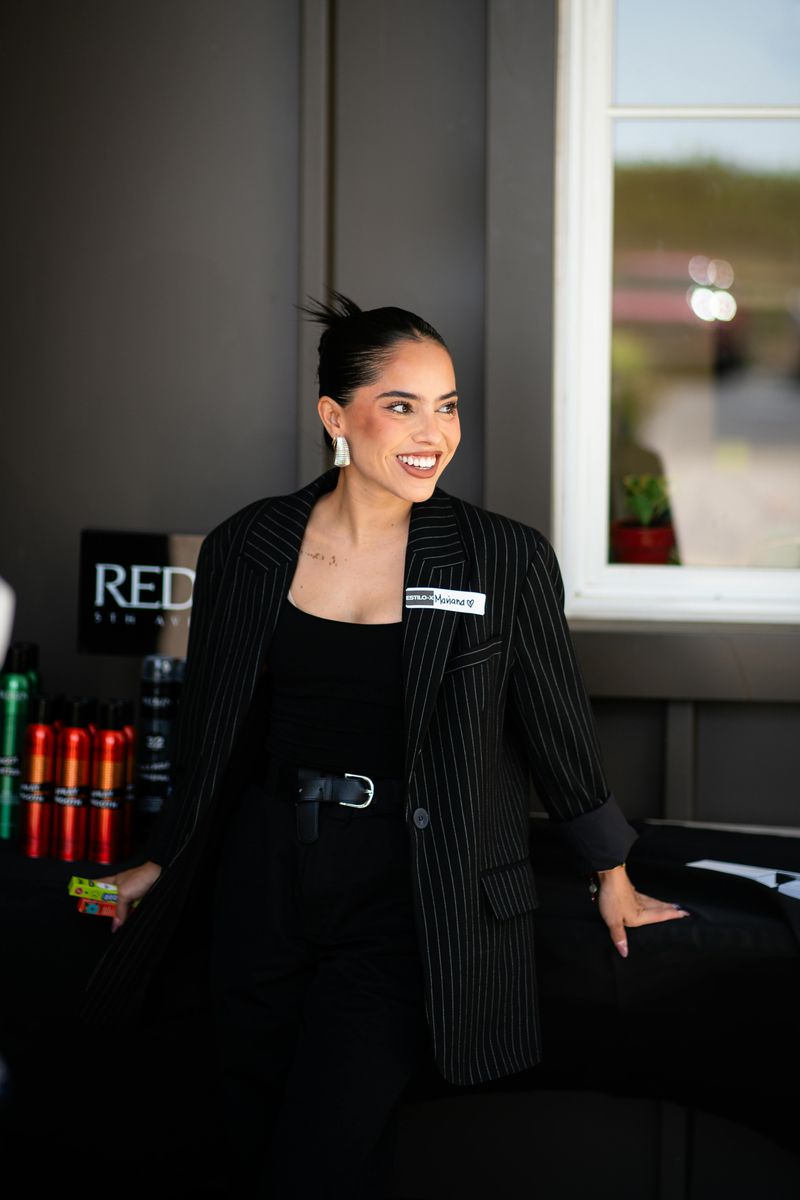
You can put someone in head to toe luxury and still end up with an outfit that feels insecure, stiff, or forgettable.
Meanwhile, another person can wear simple pieces and instantly look better because they seem comfortable in their skin and unafraid of being seen.
People notice energy, posture, and ease much faster than they notice a hidden label.
I think confidence is the styling element fashion cannot package and sell, which is exactly why it matters so much.
You are often wearing the same clothes differently depending on how certain you feel in them.
The best outfits do not just sit on your body – they come alive when you stop apologizing, stand taller, and own your choices without waiting for brand approval.