 MomSkoop

Texting is one of the easiest ways to stay connected, but some of our habits can accidentally drive people crazy. Most of us have no idea we’re doing anything wrong — we’re just texting the way we always have.
The truth is, a few small changes can make a big difference in how your messages come across. Check out these ten texting habits that might be bugging the people in your life more than you realize.
1. Leaving People on Read for Days

You see the message, you read it, and then… nothing.
Hours pass.
Days go by.
The person on the other end is left wondering if they said something wrong or if you’re even alive.
Leaving someone on read for a long time sends a pretty clear signal — even if you don’t mean it that way.
It can make the sender feel like they’re not worth a few seconds of your time.
You don’t need to write a novel back.
Even a quick “Got it, I’ll reply later” goes a long way.
People just want to know their message landed somewhere other than a digital black hole.
2. Replying with One-Word Answers

“K.” That single letter has ended more conversations — and maybe a few friendships — than almost anything else in the texting world.
It’s the verbal equivalent of a shrug, and it rarely feels good to receive.
Constant one-word replies like “Fine,” “Sure,” or “Cool” can make the other person feel like they’re bothering you.
Even if you’re genuinely busy, a tiny bit of warmth can completely change the tone.
Try swapping “K” for “Sounds good!” or “Sure, that works for me.” It takes about two extra seconds and makes a world of difference.
Your contacts will notice — and appreciate it more than you’d think.
3. Sending Multiple Texts in a Row
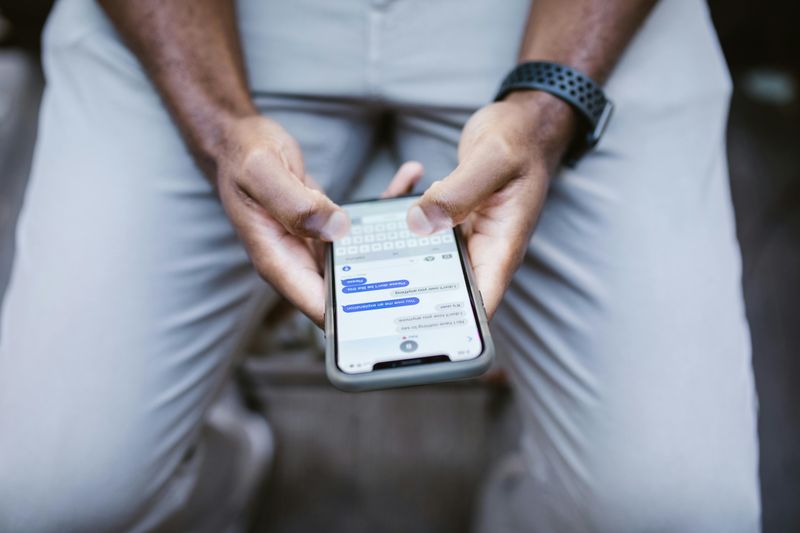
Some people text the way a machine gun fires — rapid, relentless, and a little hard to dodge.
You know the type: five messages before you’ve even unlocked your phone to read the first one.
Bombarding someone with texts before they’ve had a chance to respond can feel genuinely overwhelming.
It creates pressure to reply instantly, and sorting through a pile of fragmented thoughts is more work than it should be.
A good rule of thumb: say what you need to say in one or two messages.
Gather your thoughts, type them out together, and hit send once.
Your recipient’s notification screen — and their nerves — will thank you for it.
4. Texting Only When You Need Something

Nothing kills a friendship faster than being someone’s on-call favor machine.
When the only time a contact reaches out is to ask for something, it starts to feel less like a relationship and more like a transaction.
People notice patterns.
If your texts always begin with “Hey, quick question” or “Can you help me with something,” the people receiving them will eventually start dreading your name on their screen.
Healthy texting goes both ways.
Check in just to say hi sometimes.
Share a funny meme.
Ask how someone’s week is going — and actually mean it.
Keeping in touch without an agenda is one of the simplest ways to show someone they matter to you.
5. Ignoring Direct Questions

Picture this: you ask a friend a straightforward question, and their reply addresses everything except what you actually asked.
It’s one of the most quietly frustrating things that can happen in a text conversation.
Skipping over questions — whether on purpose or by accident — sends a message that the other person’s curiosity or concern isn’t worth addressing.
It can feel dismissive, even when that’s not the intention at all.
Before hitting send, take a quick scroll back through the conversation.
Did someone ask you something?
Answer it.
A reply that acknowledges every part of a message shows that you were actually paying attention, and that small detail matters more than most people realize.
6. Using Excessive Punctuation

Punctuation might seem like a minor detail, but in the world of texting, it carries a surprising amount of emotional weight. “Okay.” hits very differently than “Okay!” — and most people know exactly which one feels warmer.
Overdoing it with ellipses or exclamation points can make your messages sound passive-aggressive or weirdly intense. “Sure…” practically drips with unspoken frustration, even if you genuinely meant nothing by it.
Being mindful of how punctuation reads on the receiving end is a small but powerful habit.
When you’re relaxed and just chatting, let your punctuation reflect that.
Save the dramatic dots and triple exclamation points for when you actually mean them — your contacts will read your tone more accurately.
7. Expecting Immediate Responses

Not everyone lives with their phone glued to their hand — and honestly, that’s a healthy thing.
But some texters seem to forget that the person on the other end might be driving, working, sleeping, or just living their life offline for a moment.
Sending a follow-up text two minutes after the first one, then another five minutes later, puts unfair pressure on people.
It signals impatience and can make the recipient feel anxious just seeing your name pop up.
Give people a reasonable window to respond.
Unless it’s a genuine emergency, waiting a few hours is completely normal.
Trusting that someone will get back to you when they can is a sign of respect — and it makes your actual urgent messages stand out when they matter.
8. Starting Conversations Without Context

“Hey.” That’s it.
No follow-up, no context, just a single greeting dangling in the air like a question mark.
For busy people, this kind of opener is genuinely irritating because now they have to wait around to find out what you actually want.
The “hey and wait” approach forces the other person to stop what they’re doing, respond, and then wait again for the real message.
It turns a simple exchange into an unnecessarily drawn-out back-and-forth.
Do everyone a favor and lead with your point.
Instead of “Hey,” try “Hey!
Are you free Saturday?” or “Hey, quick question about the project.” Getting to the point right away respects the other person’s time and keeps conversations flowing naturally without unnecessary delays.
9. Voice-Noting When a Text Would Do

Voice messages have their place — they’re great for conveying emotion or sharing something complicated.
But sending a three-minute audio clip just to say “the meeting is at 4” is, frankly, a lot to ask of someone.
The problem with voice notes for simple information is that they can’t be quickly skimmed.
The recipient has to find a private spot, put in headphones, and listen in real time — all for something that could have been a ten-word text.
Before hitting that microphone button, ask yourself: could this be a text?
If the answer is yes, type it out.
Save voice notes for moments when tone, detail, or emotion actually adds something meaningful.
Your contacts will appreciate your thoughtfulness more than you know.
10. Changing Plans via Text at the Last Minute

Canceling plans is sometimes unavoidable — life happens, and people understand that.
But firing off a “sorry, can’t make it” text twenty minutes before you were supposed to show up is a whole different story.
Last-minute changes over text can feel especially impersonal.
There’s no tone of voice, no visible remorse, just words on a screen that the other person has to interpret on their own.
It can easily come across as careless, even when the situation was genuinely out of your control.
When you have to cancel or reschedule at the last minute, a phone call shows far more consideration than a text.
If texting is the only option, keep it sincere, apologize clearly, and offer a concrete plan to make it up to them.