 MomSkoop

Forgiveness is a powerful thing, but it does not mean you have to keep letting the same person hurt you over and over again. Some behaviors are serious warning signs that a relationship — whether it is a friendship, family bond, or romantic partnership — may be doing you more harm than good.
Knowing when to pause and protect yourself is not weakness; it is wisdom. Here are 12 behaviors that deserve serious thought before you decide to forgive and move on.
1. They Repeatedly Lie to You

Lying once might be a mistake, but lying again and again — especially after getting caught and promising to stop — is a pattern you should never ignore.
When someone keeps deceiving you, they are showing you that honesty simply is not a priority for them.
The painful part is that repeated lies chip away at your ability to trust anything they say.
You start second-guessing every conversation, every story, every promise.
That kind of mental exhaustion adds up fast.
Before forgiving a chronic liar, ask yourself honestly: has anything actually changed, or are you just hoping it will?
Actions over time tell the real story, not apologies made in the moment.
2. They Betray Your Trust in Major Ways

Trust is the foundation of any meaningful relationship.
When someone shares your deepest secrets, cheats on you, or breaks a commitment that truly mattered, that foundation cracks in a way that is very hard to repair.
Betrayal hurts differently than other kinds of pain.
It does not just sting in the moment — it lingers, making you question your own judgment and wonder how you missed the signs.
That self-doubt can follow you for a long time.
Forgiving a betrayal is possible, but it should only happen after real accountability and consistent changed behavior.
Forgiveness without change just opens the door for the same hurt to happen all over again.
3. They Manipulate Your Emotions

Emotional manipulation is sneaky.
It does not always look like someone screaming or threatening — sometimes it shows up as guilt-tripping, playing the victim, or using your fears against you to get what they want.
A manipulator makes you feel like every problem is somehow your fault, even when it clearly is not.
Over time, you may start to doubt your own feelings and wonder if you are the one being unreasonable.
That confusion is exactly what they count on.
Healthy relationships are built on open, honest communication — not pressure tactics.
If someone consistently uses your emotions as a tool to control you, that is a serious red flag worth paying close attention to before extending any forgiveness.
4. They Show Absolutely No Remorse

Everybody makes mistakes — that is just part of being human.
What separates a genuine mistake from a character problem is how a person responds afterward.
Someone who feels no remorse after hurting you is telling you something important about who they are.
No apology, no acknowledgment, no sign that they even care about the damage they caused — that kind of cold indifference is deeply unsettling.
It suggests they either do not recognize the harm or simply do not think it matters.
Real remorse looks like changed behavior, not just words.
If someone cannot even bring themselves to say sorry or take responsibility, forgiving them without serious thought could mean setting yourself up for repeated pain.
5. They Ignore Your Boundaries Completely

Setting a boundary is an act of self-respect.
When you clearly communicate what you are and are not comfortable with, you deserve to have that respected — full stop.
Someone who keeps crossing your lines, even after being told, is not forgetting.
They are choosing.
Boundaries are not about being controlling or difficult.
They are about protecting your emotional, physical, and mental well-being.
When someone treats your limits like suggestions, it signals that they do not truly value your comfort or safety.
Pay attention to how someone responds when you set a boundary.
Do they get angry?
Do they push back?
Do they agree and then do it anyway?
Those reactions reveal far more about their character than any apology ever could.
6. They Belittle or Humiliate You

Words can leave marks that last far longer than any physical injury.
Being put down, mocked, or made to feel small — whether behind closed doors or in front of others — is a form of emotional abuse that should never be brushed off as “just a joke.”
Someone who belittles you is chipping away at your confidence piece by piece.
Over time, you may start to believe the harsh things they say, which is exactly why this behavior is so damaging and so hard to recover from.
You deserve to be around people who lift you up, not tear you down.
Before forgiving someone who humiliates you regularly, make sure there is genuine understanding of the harm they caused and a real, lasting commitment to change.
7. They Gaslight You Into Doubting Yourself

Gaslighting is one of the most disorienting things a person can experience.
It happens when someone twists your words, denies things that actually occurred, or convinces you that your memory or feelings are wrong — all to avoid taking responsibility.
“That never happened.” “You are too sensitive.” “You are imagining things.” Sound familiar?
Over time, these phrases can make you feel like you are losing your grip on reality, which is incredibly damaging to your mental health.
Recognizing gaslighting is the first step to protecting yourself.
If someone consistently makes you question your own experiences rather than owning their behavior, that is not a communication problem — it is a control problem that deserves serious consideration before any forgiveness is offered.
8. They Only Show Up When They Need Something

There is a name for this kind of person — a fair-weather friend.
They disappear when life is calm, ignore your messages, and act like you barely exist.
Then suddenly, the moment they need a favor, money, or emotional support, they reappear like nothing happened.
Relationships are supposed to be a two-way street.
When one person is always giving and the other is always taking, that is not a connection — it is an arrangement that benefits only one side.
Ask yourself when the last time was that this person showed up for you without needing anything in return.
If you are struggling to remember, that answer tells you everything.
Genuine relationships require consistent effort from both people, not just when it is convenient.
9. They Keep Breaking Their Promises
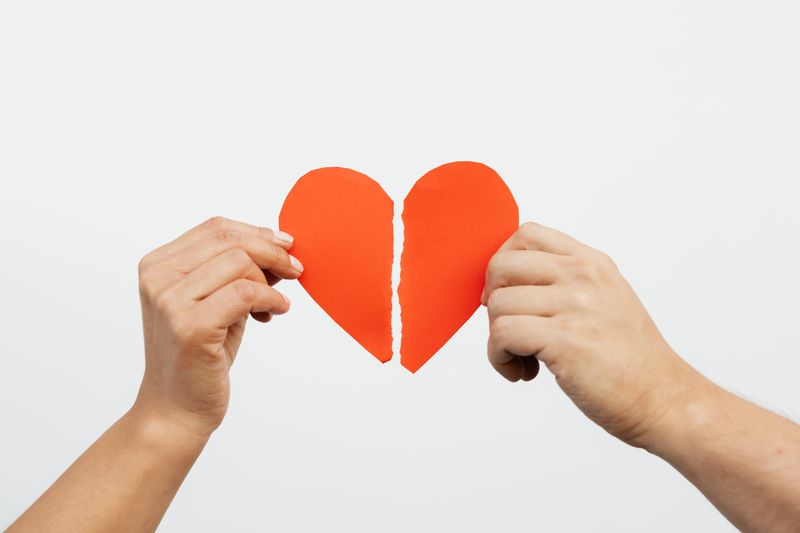
Promises matter.
When someone tells you they will do something — show up, change a habit, follow through on a commitment — and then repeatedly fails to deliver, it stops being an accident.
At some point, it becomes a pattern that speaks louder than any excuse.
Broken promises erode trust gradually.
Each time it happens, you may find yourself lowering your expectations just to avoid being disappointed again.
That slow adjustment is a sign that something is seriously wrong in the dynamic.
A person of integrity works hard to keep their word, and when life gets in the way, they communicate honestly.
Someone who constantly breaks promises without genuine effort to do better is showing you that your expectations simply do not matter to them.
10. They Blame Everyone Else for Their Problems

Nobody wants to admit they messed up — that is human nature.
But there is a big difference between struggling to accept blame occasionally and making it a permanent lifestyle.
Some people have a remarkable talent for turning every situation into someone else’s fault.
When a person never accepts responsibility, they cannot grow or change.
They stay stuck in the same cycles, leaving a trail of damaged relationships behind them — and somehow, it is always the other person who caused the problem.
Living around constant blame-shifting is exhausting and demoralizing.
It also means that when conflicts arise between you and this person, expect to be cast as the villain.
That is not a healthy or fair dynamic, and it is worth thinking hard about before offering forgiveness.
11. They Become Abusive Toward You
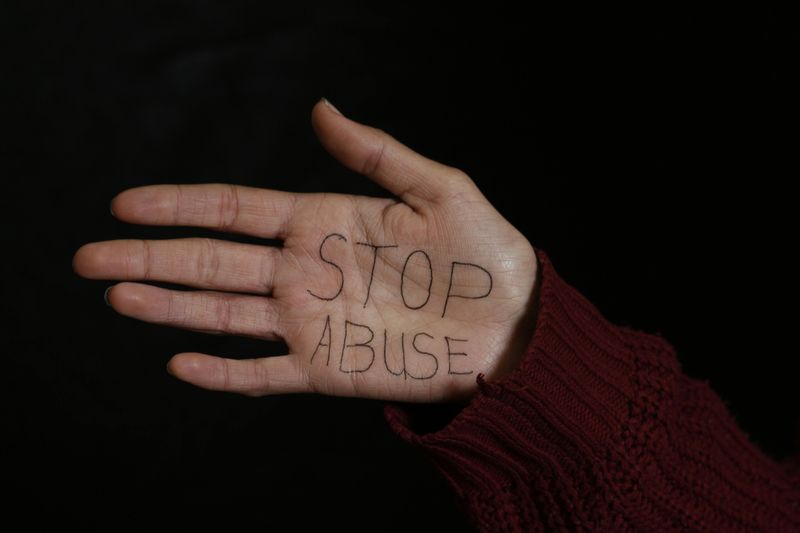
Abuse takes many forms — it can be emotional, verbal, physical, or even financial.
What all of these have in common is that they involve one person using power and control to harm another.
No matter what form it takes, abuse is never acceptable and never your fault.
One of the most dangerous myths about abusive relationships is that love can fix the problem.
It cannot.
Abuse typically follows a cycle — tension builds, an incident occurs, then comes the apology and a “honeymoon” phase before it starts all over again.
If someone has been abusive toward you, your safety must come first — above forgiveness, above the relationship, above everything.
Reaching out to a trusted adult, counselor, or helpline is always the right move when abuse is involved.
12. They Make You Feel Worse About Yourself Over Time

Healthy relationships should add to your life, not drain it.
When you spend time with someone who genuinely cares about you, you tend to leave those interactions feeling energized, valued, and seen.
The opposite experience is a warning sign worth paying attention to.
If you consistently feel smaller, more anxious, or less confident after spending time with a particular person, your emotions are sending you an important message.
That slow erosion of self-worth can happen so gradually that you might not even notice it at first.
You are allowed to protect your peace.
Before forgiving someone who has made you feel consistently worse about yourself, reflect on whether the relationship has ever truly lifted you up — and whether it realistically ever will going forward.