 MomSkoop

Stamping your passport in a dozen countries doesn’t automatically make you open-minded or culturally aware. Real cultural growth happens in uncomfortable, humbling, and deeply human moments that force you to see the world through someone else’s eyes.
Some of the most transformative experiences have nothing to do with airports or tourist attractions. Here are 15 experiences that might actually get you there.
1. Living Somewhere You Couldn’t Speak the Language

Forget the weekend trip where a translation app handles everything.
Actually living somewhere without fluent language skills strips away every social shortcut you’ve ever relied on.
You can’t charm your way through a conversation.
You can’t explain yourself easily.
You just have to sit with the discomfort and keep trying.
Grocery shopping becomes a puzzle.
Making friends feels like climbing a wall with no handholds.
But slowly, something shifts.
You start reading body language better.
You become more patient, more humble, and more grateful for small moments of connection.
This experience teaches empathy in a way no classroom can.
Suddenly, you understand what immigrants and refugees face every single day.
2. Sharing a Meal in Someone Else’s Home
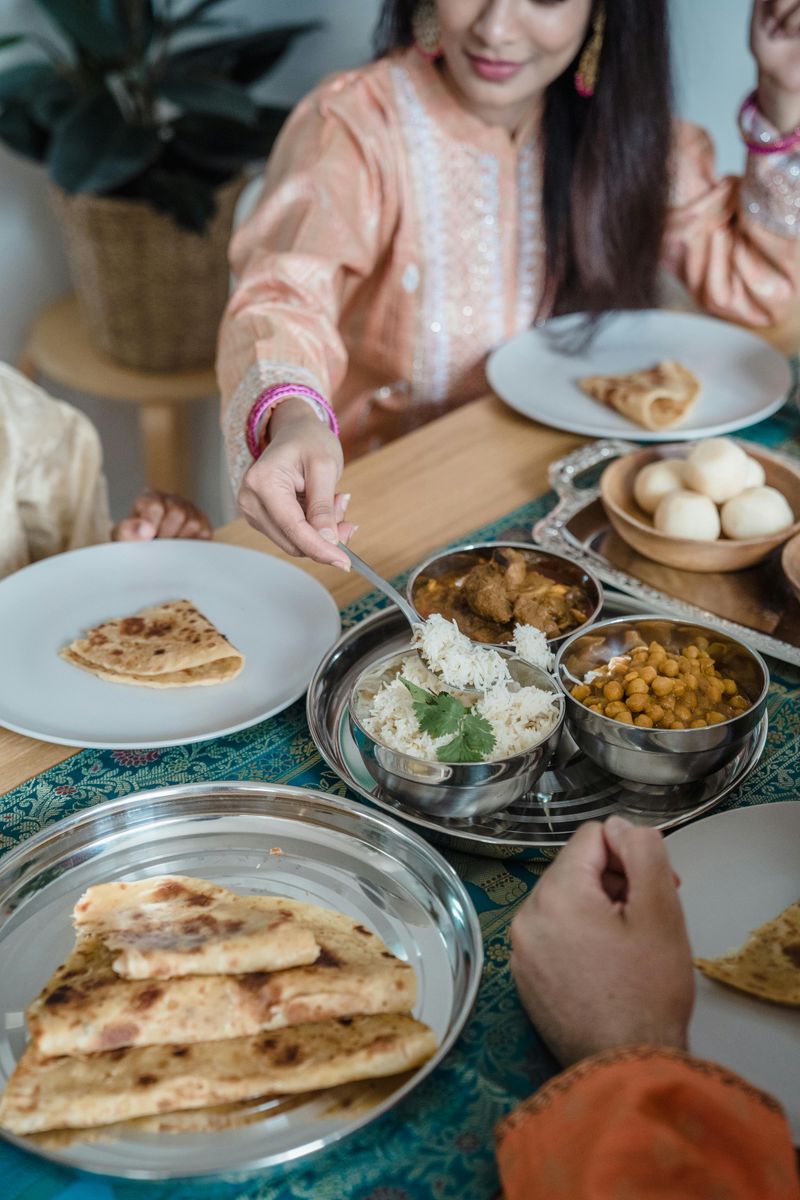
Restaurants give you a country’s flavors.
A family kitchen gives you its soul.
When someone invites you into their home to eat, they are sharing far more than food.
They are showing you how they love, how they gather, and what they value most.
Watch how a grandmother moves around her kitchen without a recipe.
Notice who serves first, who speaks most, and what stories come out between bites.
These details tell you more about a culture than any travel guide ever could.
Accepting an invitation to someone’s table is also an act of trust on their part.
Honoring that trust with curiosity and genuine gratitude is where real cultural connection begins.
3. Being the Only Outsider in the Room
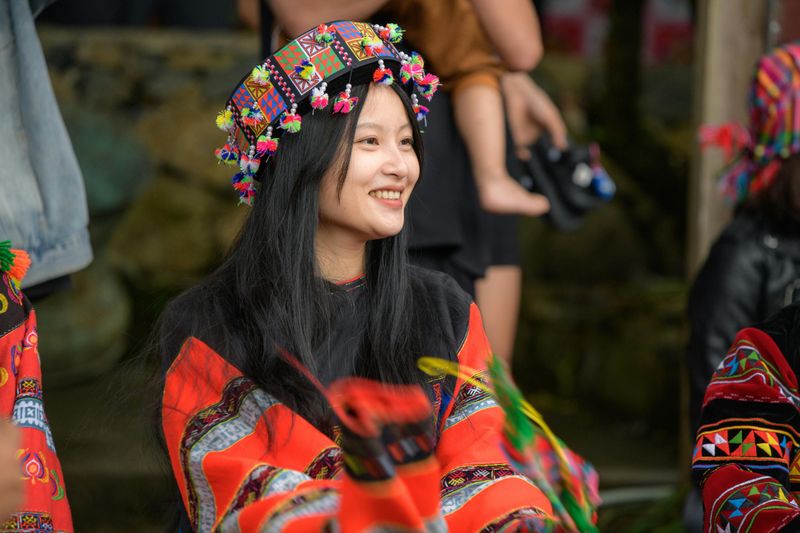
Most travelers stay safely inside tourist bubbles where the environment is designed for outsiders.
But step into a space where you are the only one who doesn’t belong, and everything changes fast.
The jokes land differently.
The references fly past you.
The unspoken rules are invisible to you alone.
It is uncomfortable, and that discomfort is exactly the point.
You get a tiny, temporary taste of what it feels like to be a permanent outsider in your own community.
That feeling sticks with you long after you leave the room.
More than anything, being the outsider builds real respect.
You stop assuming that your “normal” is universal, because you’ve felt firsthand how it isn’t.
4. Learning Another Language Well Enough to Think in It

There is a specific, almost magical moment when you stop translating in your head and simply think in another language.
It doesn’t happen quickly.
It takes months or years of practice, frustration, and small victories.
But when it does happen, something fundamental changes about how you see the world.
Languages don’t just carry words.
They carry entire ways of understanding time, relationships, emotions, and priorities.
Some languages have words for feelings that English can’t even describe.
Learning to think in another tongue means gaining access to a completely different mental landscape.
Bilingual and multilingual people often describe feeling like slightly different versions of themselves in each language.
That shift alone is one of the most culturally illuminating things a person can experience.
5. Having a Belief You Once Held Deeply Proven Wrong

Intellectual humility is the backbone of cultural awareness.
Yet most people go through life quietly protecting their existing beliefs rather than genuinely questioning them.
It takes real courage, and often a jarring experience, to admit that something you believed confidently was simply wrong.
Maybe it was an assumption about another group of people.
Maybe it was a belief about success, fairness, or how the world works.
Whatever it was, the moment of realizing you were mistaken is deeply uncomfortable and deeply valuable.
People who have had this experience tend to hold their opinions a little more loosely afterward.
They ask more questions and make fewer snap judgments.
That quality is arguably the most important ingredient in genuine cultural intelligence.
6. Witnessing How People Live With Far Less Than You
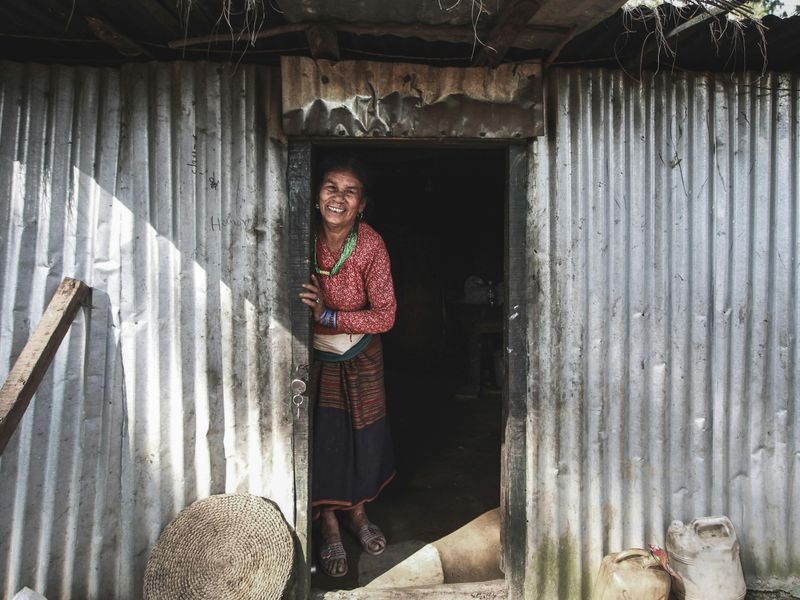
There is a particular kind of clarity that comes from spending real time, not just passing through, in communities with far fewer material resources than you grew up with.
It doesn’t take long before your assumptions about happiness, ambition, and success start to feel shakier than you expected.
You notice that joy is not proportional to income.
You see resourcefulness and community bonds that put wealthier places to shame.
You also start to see clearly how much of what you call “earning” is actually the result of circumstances you never chose.
This experience doesn’t require guilt.
It requires honest reflection.
Understanding inequality from up close is one of the most perspective-shifting things you can do, and it changes how you vote, spend, and treat others.
7. Attending a Sacred Ritual That Wasn’t Your Own
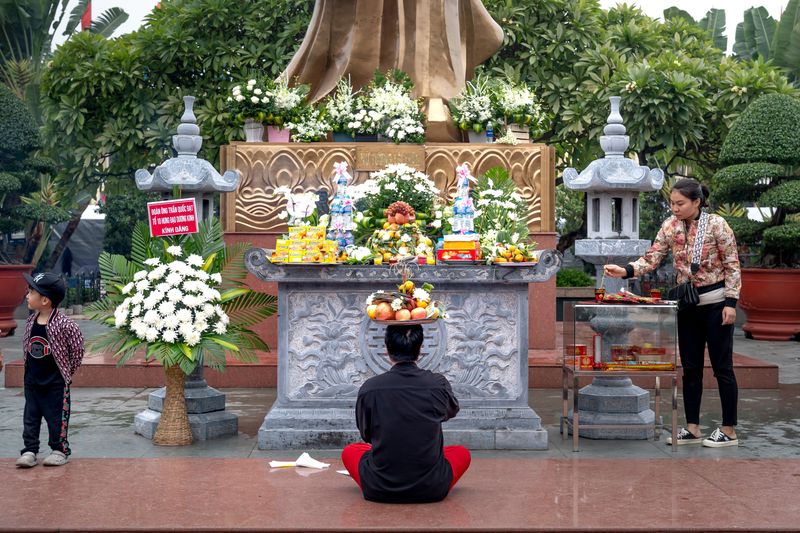
Books can describe a funeral rite, a harvest festival, or a coming-of-age ceremony.
But standing in the middle of one, as a respectful observer, is something else entirely.
Sacred rituals carry generations of meaning in every gesture, sound, and symbol.
You don’t need to share the belief to feel the weight of it.
What this experience teaches most powerfully is reverence.
When you witness how deeply another community honors its traditions, it becomes much harder to dismiss those traditions as strange or lesser.
You start to see your own rituals with fresh eyes too.
The key word here is respect.
Attending means listening, observing, and asking permission when appropriate.
It means showing up to learn, not to photograph or perform curiosity for social media.
8. Learning a Craft From Someone Who Dedicated Their Life to It
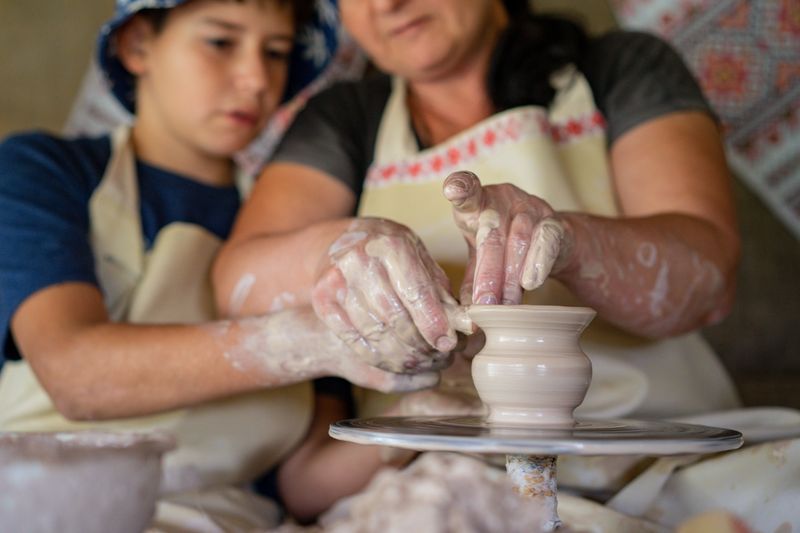
Spend an afternoon with a master woodworker, weaver, ceramicist, or calligrapher, and you will quickly understand how shallow the phrase “I could do that” really is.
True mastery takes decades.
It carries within it the fingerprints of every teacher who came before.
Learning a craft from someone who has devoted their life to it is a lesson in patience, tradition, and the quiet dignity of skilled work.
You also start to appreciate how much knowledge lives in hands and bodies rather than books or screens.
There is something quietly humbling about being a complete beginner in the presence of a true expert.
It resets your ego in the best possible way and reminds you that expertise is earned slowly, not downloaded.
9. Falling in Love Across Cultural Lines

Romantic relationships are already complicated.
Add two different cultural frameworks for communication, family roles, time, money, and conflict resolution, and you have a crash course in everything you never knew you assumed.
Cross-cultural love doesn’t just stretch your heart.
It stretches your entire worldview.
You start noticing which of your habits are personal preferences and which ones were just cultural programming you never questioned.
Why do you celebrate holidays that way?
Why does your family talk about money like that?
Why does disagreement feel so different to your partner than it does to you?
Couples who navigate cultural differences with curiosity rather than frustration often develop extraordinary communication skills.
They also tend to raise remarkably open-minded children who move through the world with rare grace.
10. Spending Extended Time Completely Alone
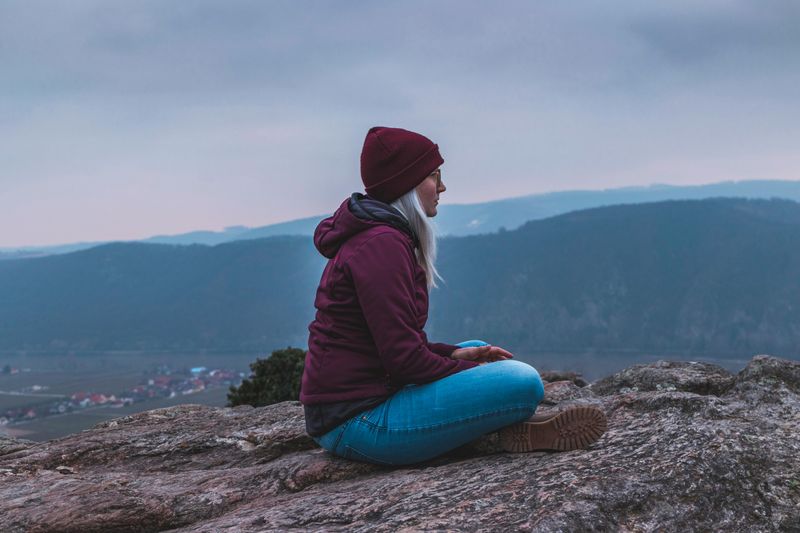
Modern life is built to prevent you from ever being truly alone with your thoughts.
Notifications, content, and social noise fill every available gap.
So when you strip all of that away for days or weeks at a time, what you find underneath can be surprising, uncomfortable, and ultimately clarifying.
Extended solitude forces honest self-examination.
The stories you tell yourself about who you are start to feel less convincing without an audience.
Your values get tested.
Your fears become harder to avoid.
Your actual preferences, separate from social pressure, begin to surface.
Many people who have done long solo retreats, wilderness trips, or silent periods describe coming back to their lives with a cleaner sense of purpose and a far lower tolerance for meaningless distraction.
11. Creating Something and Risking Public Failure

Making something, whether it’s a painting, a song, a story, a business, or a meal for strangers, and then putting it out into the world where people can judge it, is one of the most humanizing things you can do.
It cracks open a specific kind of empathy that passive consumption never can.
The moment you risk being seen and possibly rejected, you stop being a critic and become a creator.
Suddenly, every artist, writer, and performer you’ve ever dismissed too quickly earns a new level of respect from you.
You understand now what it costs to show up and be seen.
Cultures are built by creators.
Understanding creativity from the inside out, including its fears and failures, connects you to something deeply human and universal.
12. Reading Books That Challenge Your Worldview

Reading books that confirm what you already believe is comfortable.
Reading books that unsettle you, that present a worldview or a history or a set of values radically different from your own, is where real mental growth happens.
The discomfort is a sign that something important is being rearranged inside you.
Seek out authors whose lived experience is nothing like yours.
Read history written by the people who lost, not just the people who won.
Read philosophy that asks questions your culture never thought to ask.
Read fiction that makes you inhabit a life you would never have chosen.
A well-chosen book can do what years of travel sometimes can’t: place you genuinely inside another human consciousness and ask you to stay there long enough to understand it.
13. Getting Lost and Depending on Strangers
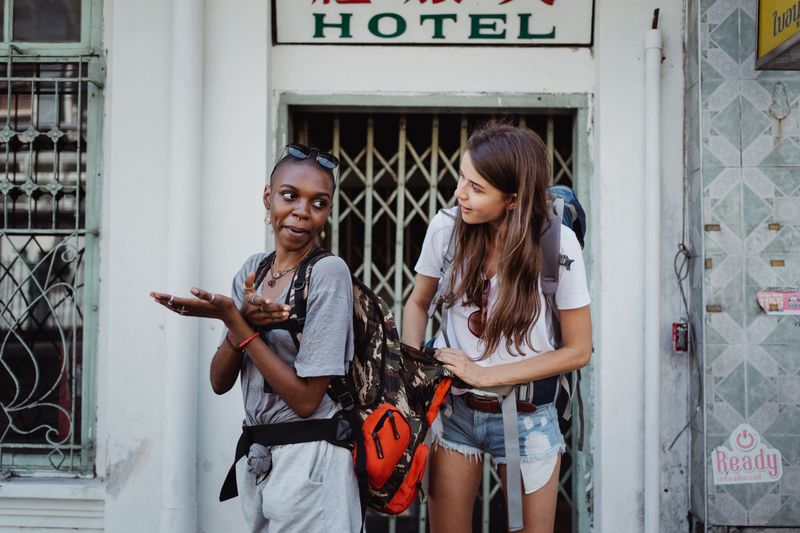
GPS has made it almost impossible to get truly, helplessly lost.
But before you reach for your phone, consider what happens when you don’t.
You have to look up.
You have to make eye contact.
You have to trust a stranger with something as basic as finding your way home.
Getting lost and depending on the kindness of people you’ve never met before reveals something extraordinary about human nature.
Most people, almost everywhere in the world, will help you.
They’ll walk you to where you need to go.
They’ll call a neighbor who speaks your language.
They’ll feed you while you figure it out.
That experience quietly dismantles a lot of fear-based assumptions about “other” people.
Trust, once extended and returned, has a way of reshaping how you see the world.
14. Facing Mortality Up Close
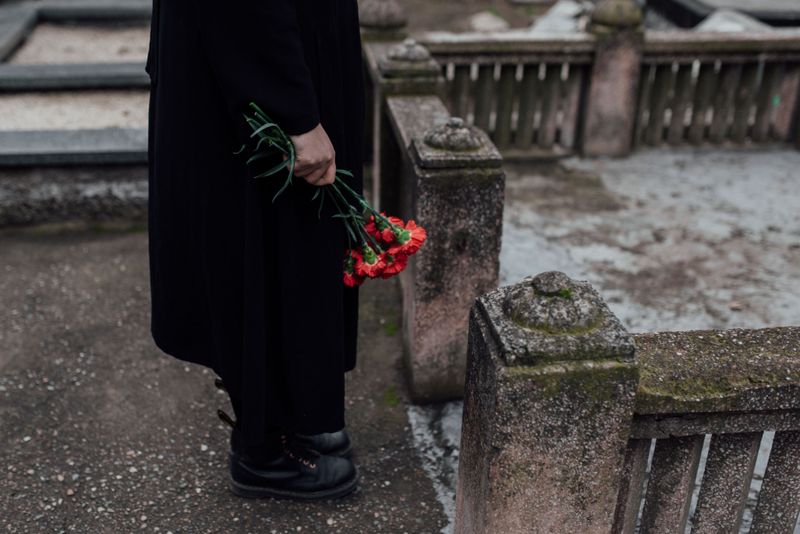
Nothing reorganizes your priorities quite like a genuine encounter with the fragility of life.
Whether it arrives through the death of someone you love, a serious illness, or a moment where your own survival felt uncertain, confronting mortality has a way of burning away everything that doesn’t actually matter.
Cultures around the world handle death very differently.
Some celebrate it openly with music and color.
Others sit in silence for days.
Some speak freely about the dying.
Others avoid the subject entirely.
How a culture faces death reveals almost everything about how it values life.
People who have faced mortality up close often describe a lasting shift in what they pursue, how they treat others, and how much time they’re willing to spend on things that feel hollow.
That shift is irreversible, and it is clarifying.
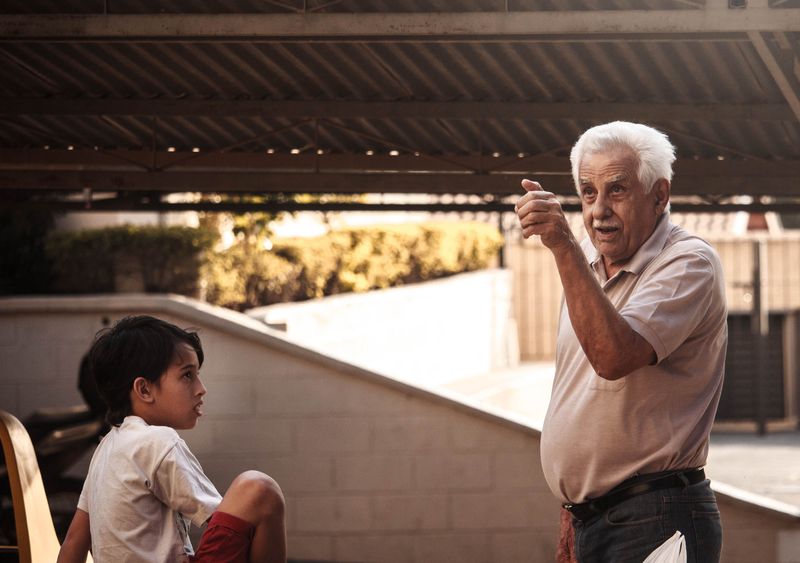
15. Listening to Someone’s Life Story Who Grew Up in a Completely Different Reality
A refugee who crossed three borders on foot.
A farmer who has never left the valley where she was born.
A monk who took his vows at fourteen.
A factory worker raising five children on a single wage.
Every one of these people carries a universe of experience that most of us will never come close to living.
Sitting down and genuinely listening, without interrupting, without comparing, without rushing to share your own story, is harder than it sounds.
Real listening is a skill.
It requires setting your own frame of reference aside long enough to actually enter someone else’s.
When you do it well, something permanent happens.
You walk away carrying a piece of that person’s reality inside you, and the world becomes slightly larger, more complex, and more worthy of care than it was before.