 MomSkoop
The 1980s gave us some of the most iconic movies in Hollywood history, packed with unforgettable characters, outrageous fashion, and moments that defined a generation. Back then, these films were box-office hits, cultural phenomena, and must-watch entertainment. But fast-forward a few decades, and some of those beloved classics haven’t aged quite so gracefully. F
rom questionable jokes and outdated stereotypes to awkward romances and storylines that would never fly today, these once-popular movies can be surprisingly uncomfortable to revisit.
1. Revenge of the Nerds
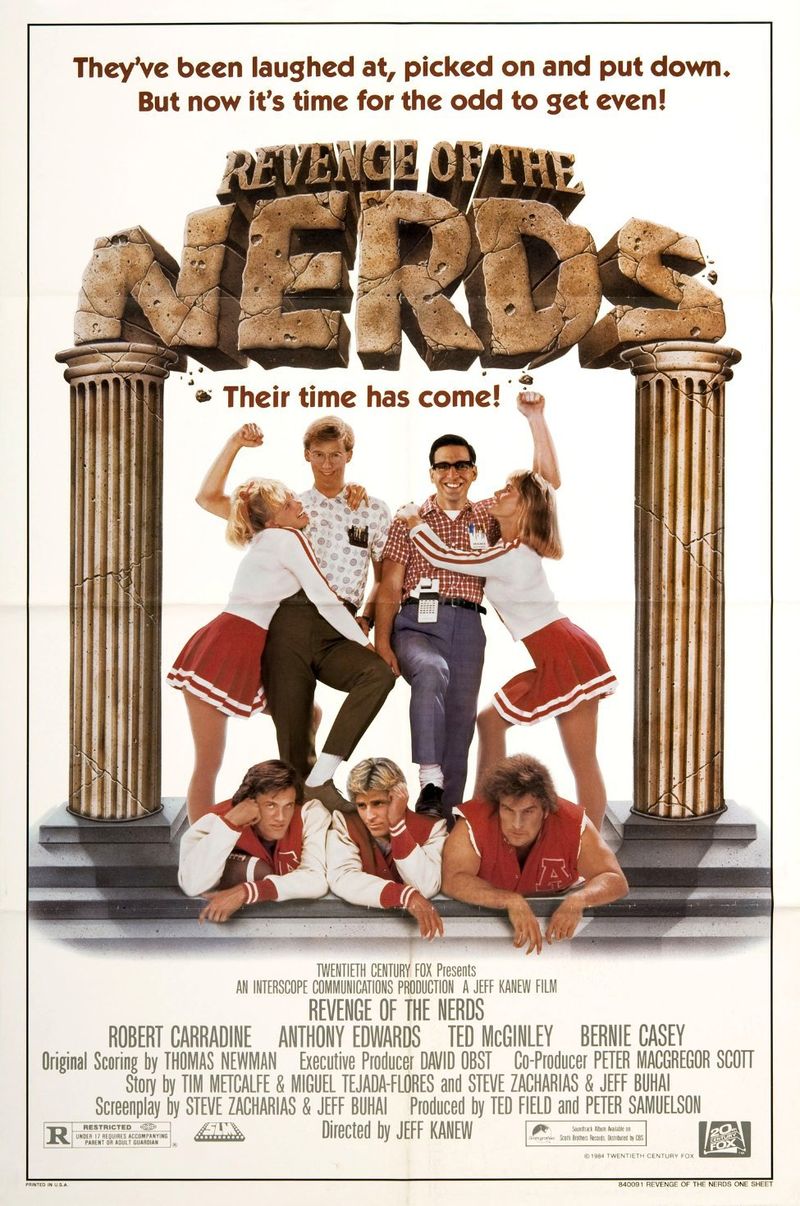
Back in 1984, this movie was considered a hilarious underdog story about brainy college kids fighting back against bullies.
Audiences cheered for the nerds and laughed at nearly every scene.
It felt like a feel-good victory for every kid who ever got picked on.
Watching it today is a completely different experience.
The film includes scenes of voyeurism and manipulation that are treated as comedy but are actually deeply disturbing.
One scene involves a character tricking a woman into sleeping with him — something no modern audience would laugh off.
What was once seen as harmless fun now reads as a troubling celebration of bad behavior.
The movie aged about as well as a gallon of milk left in the sun.
2. Sixteen Candles
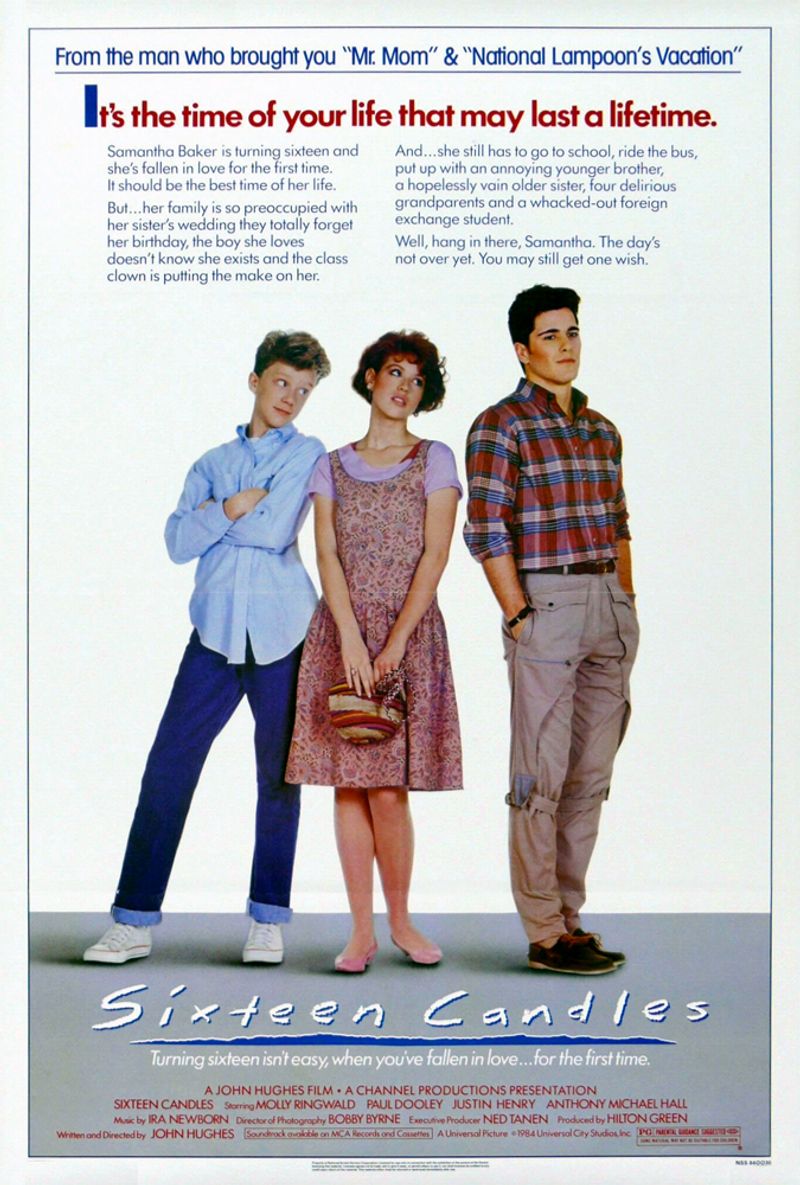
Few movies screamed “teen romance” louder than this John Hughes classic.
Molly Ringwald played a relatable teenager whose birthday gets completely forgotten, and audiences absolutely adored her journey.
It launched Hughes into superstardom and made Ringwald a household name.
Fast forward to today, and the film is loaded with moments that are genuinely hard to defend.
There is a subplot involving a drunk girl being handed off to another guy without her knowledge or consent — and the movie plays it for laughs.
That is not funny; that is a serious issue.
The casual racism toward a foreign exchange student character named Long Duk Dong is also wildly offensive by any modern standard.
This one stings because the good parts are genuinely charming.
3. Soul Man
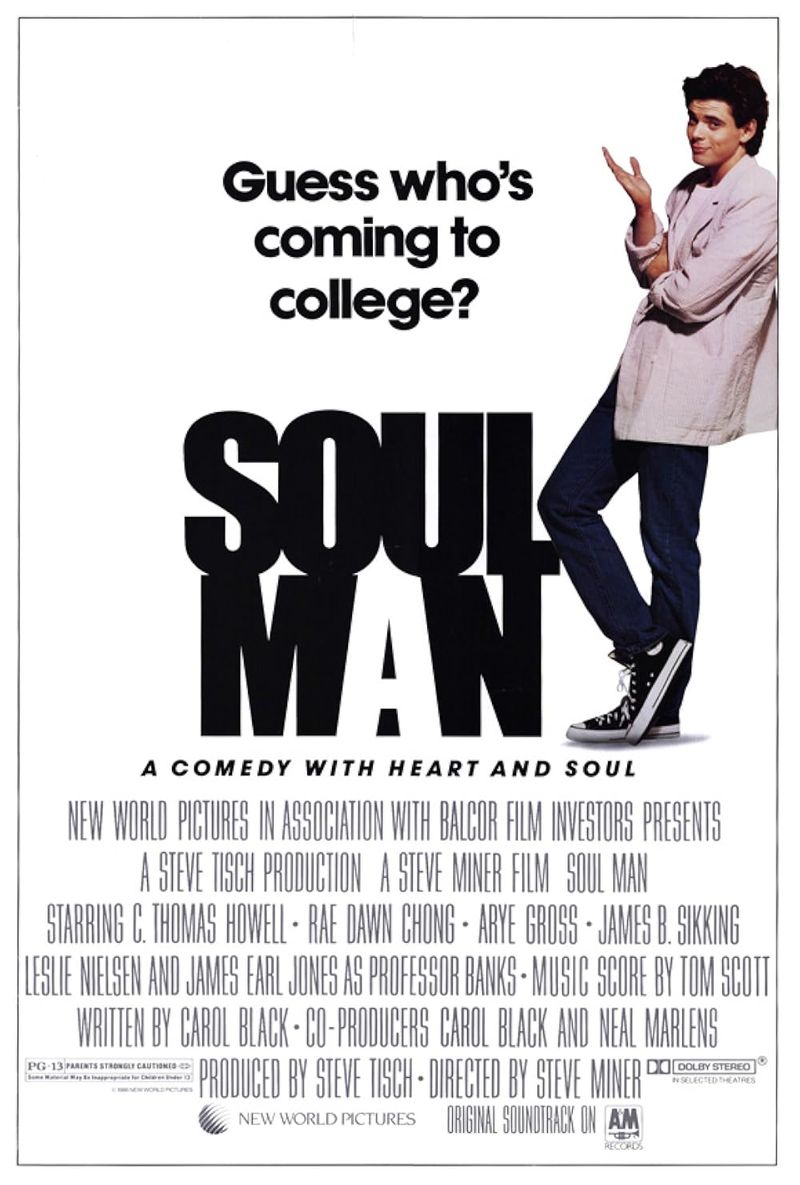
Imagine a movie where a white guy puts on bronzer and pretends to be Black to get a scholarship — and the whole thing is played as a lighthearted comedy.
That was Soul Man in 1986, and somehow it was a box office success.
People actually thought this was a fun and clever premise.
Even at the time, many critics and viewers called it out for being offensive.
But it still found a large audience and made real money at the box office.
The film starred C.
Thomas Howell, whose career never fully recovered from the backlash.
Today, this movie is practically unwatchable.
It is a textbook example of Hollywood treating racial identity as a costume, which is about as tone-deaf as it gets.
4. The Toy
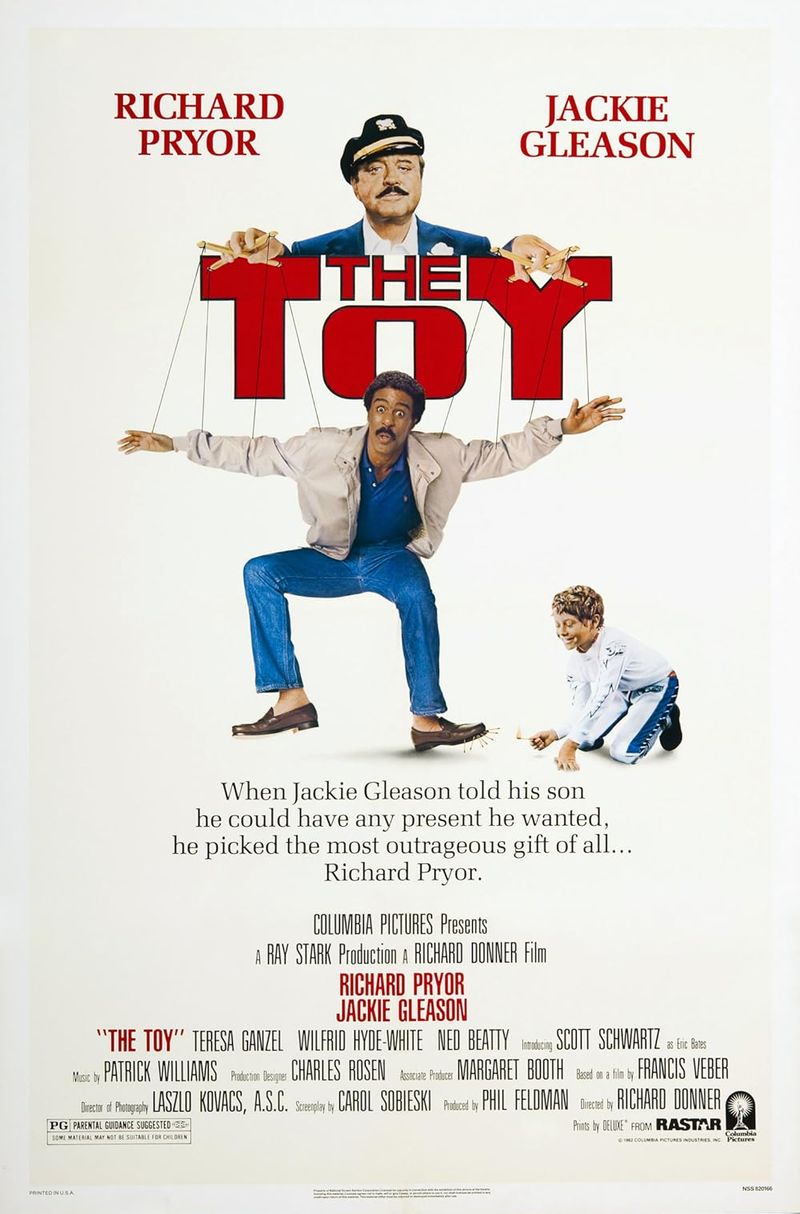
Richard Pryor was one of the funniest people alive in the early 1980s, so casting him in a family comedy seemed like a slam dunk.
The Toy featured Pryor as a man hired by a rich white child to literally be his toy — his personal plaything.
Audiences thought it was adorable and funny.
The racial dynamics at the center of this film are jaw-dropping when viewed through a modern lens.
A Black man being purchased as a toy for a white child carries enormous historical weight that the movie completely ignores.
It was tone-deaf then and feels even more so now.
Pryor himself reportedly had reservations about the role.
The film wastes his incredible talent on a premise that should never have made it past the brainstorming stage.
5. Porky’s
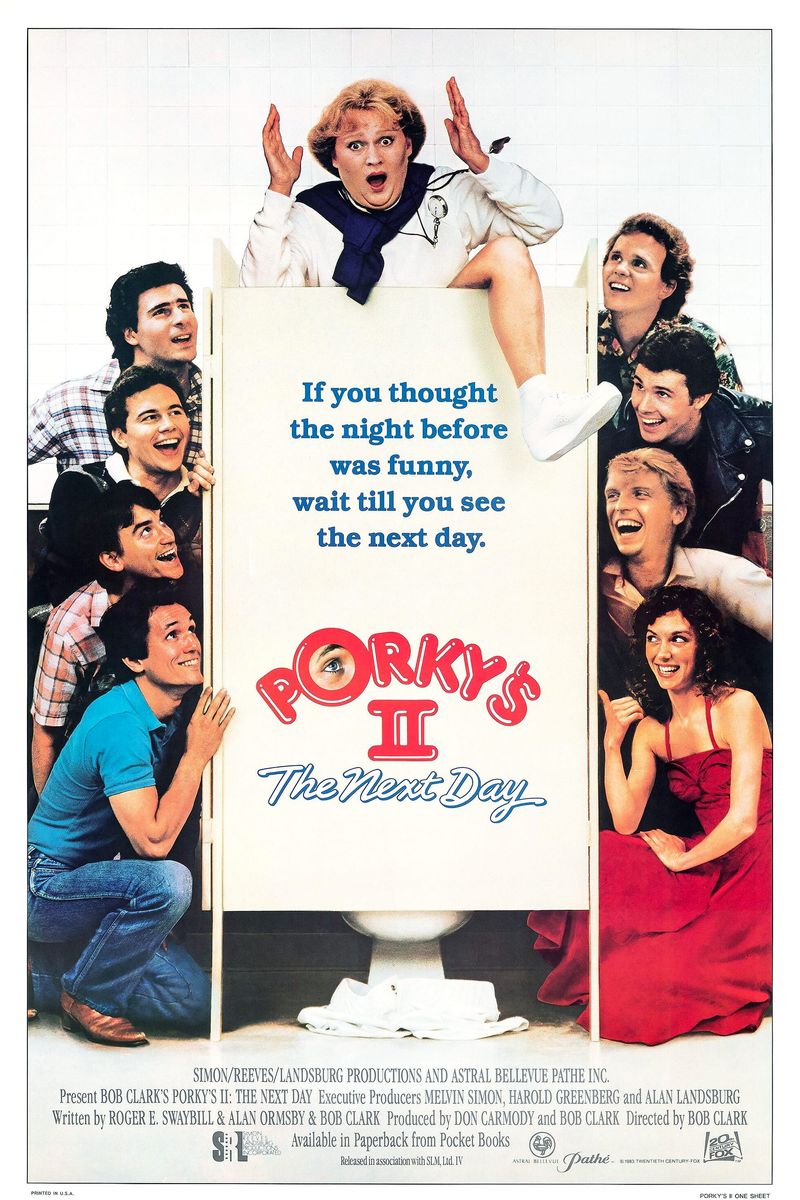
When Porky’s hit theaters in 1982, it became one of the highest-grossing Canadian films ever made.
Teenage boys flocked to see it, and it spawned two sequels.
At the time, it was considered the ultimate raunchy teen comedy — edgy, bold, and hysterically funny to its target audience.
The movie is essentially built around voyeurism, with multiple scenes of boys spying on girls in locker rooms.
These scenes are presented as harmless pranks and comedic gold.
Nobody seemed to stop and ask whether any of this was actually okay.
Modern viewers will likely feel deeply uncomfortable from the very first act.
The film mistakes invasion of privacy for comedy, and that distinction matters enormously.
It is a relic of an era with very different ideas about boundaries.
6. Short Circuit
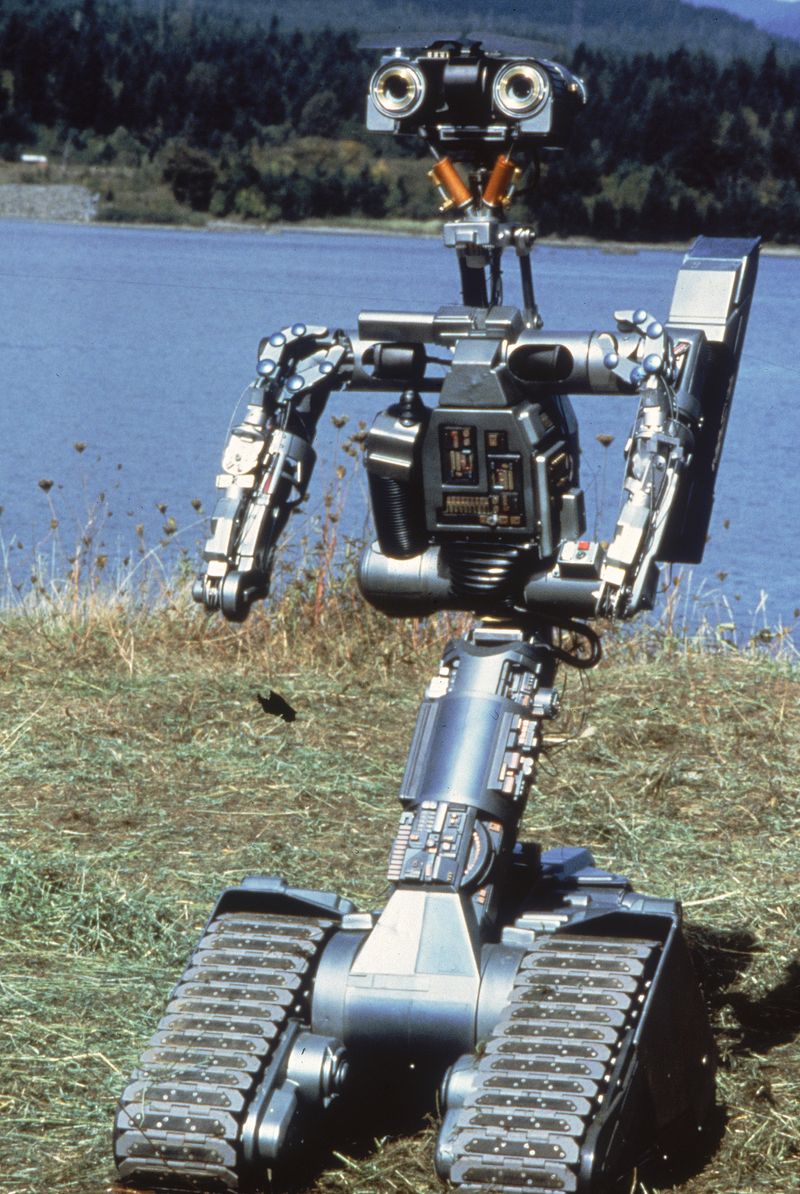
Number 5 is alive!
Short Circuit was genuinely delightful as a kid-friendly sci-fi comedy about a lovable robot who gains sentience after being struck by lightning.
The robot himself still holds up pretty well — he is charming, funny, and surprisingly expressive for a 1986 special effect.
The problem is Ben Jabituya, an Indian scientist character played by Fisher Stevens, a white actor wearing heavy brownface makeup and speaking in an exaggerated accent.
It was uncomfortable even then to many viewers, but audiences largely looked the other way because the movie was so fun otherwise.
Stevens himself has since apologized for taking the role.
Watching those scenes today feels like sitting through a very awkward history lesson about Hollywood’s long and troubling tradition of ethnic caricature.
7. Indiana Jones and the Temple of Doom
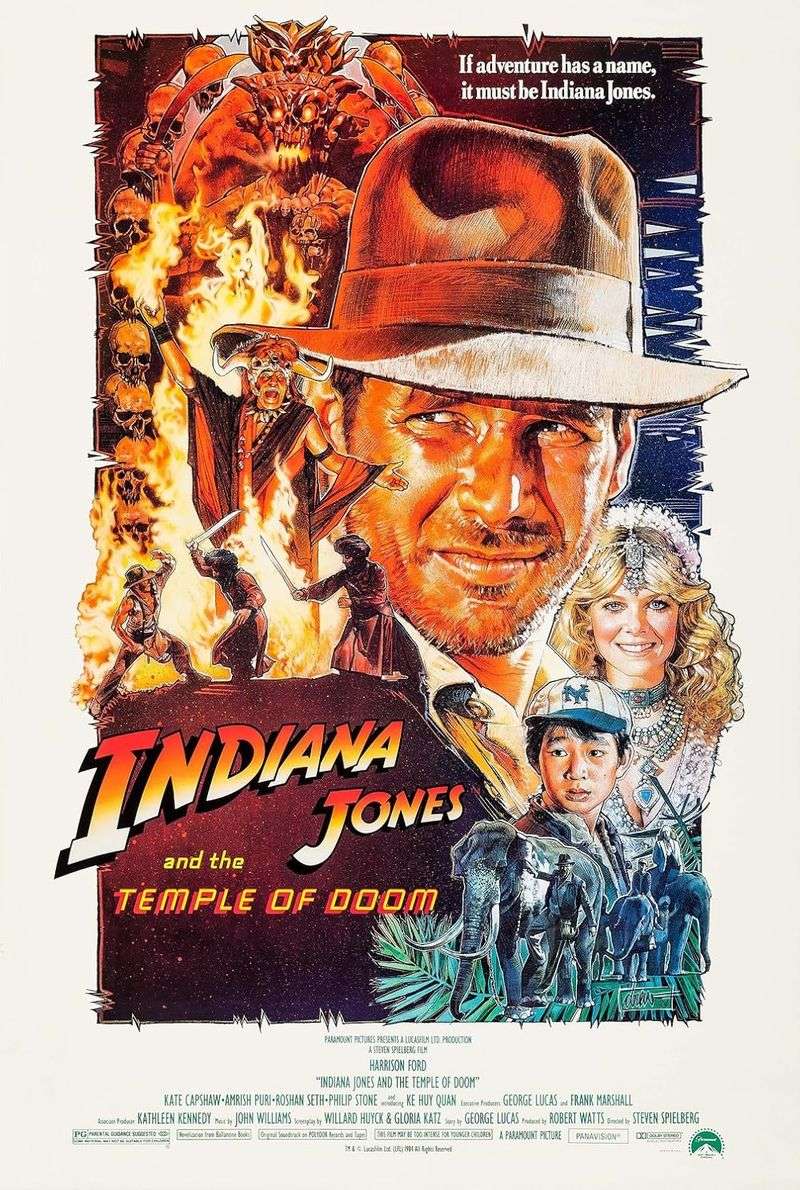
Harrison Ford was at the peak of his powers when Temple of Doom roared into theaters in 1984.
The action sequences were thrilling, the pacing was relentless, and audiences could not get enough of Indiana Jones.
It made a mountain of money and cemented the franchise as one of Hollywood’s biggest.
Looking back, the film’s portrayal of Indian culture is cringe-inducing at best and racist at worst.
The villagers are depicted as helpless and superstitious, while the film treats India as little more than an exotic backdrop for Western heroism.
The “chilled monkey brains” dinner scene stereotypes an entire culture for shock value.
Even Steven Spielberg has acknowledged the film’s problems.
It was this movie, along with Gremlins, that actually led to the creation of the PG-13 rating — so at least something useful came out of it.
8. The Breakfast Club
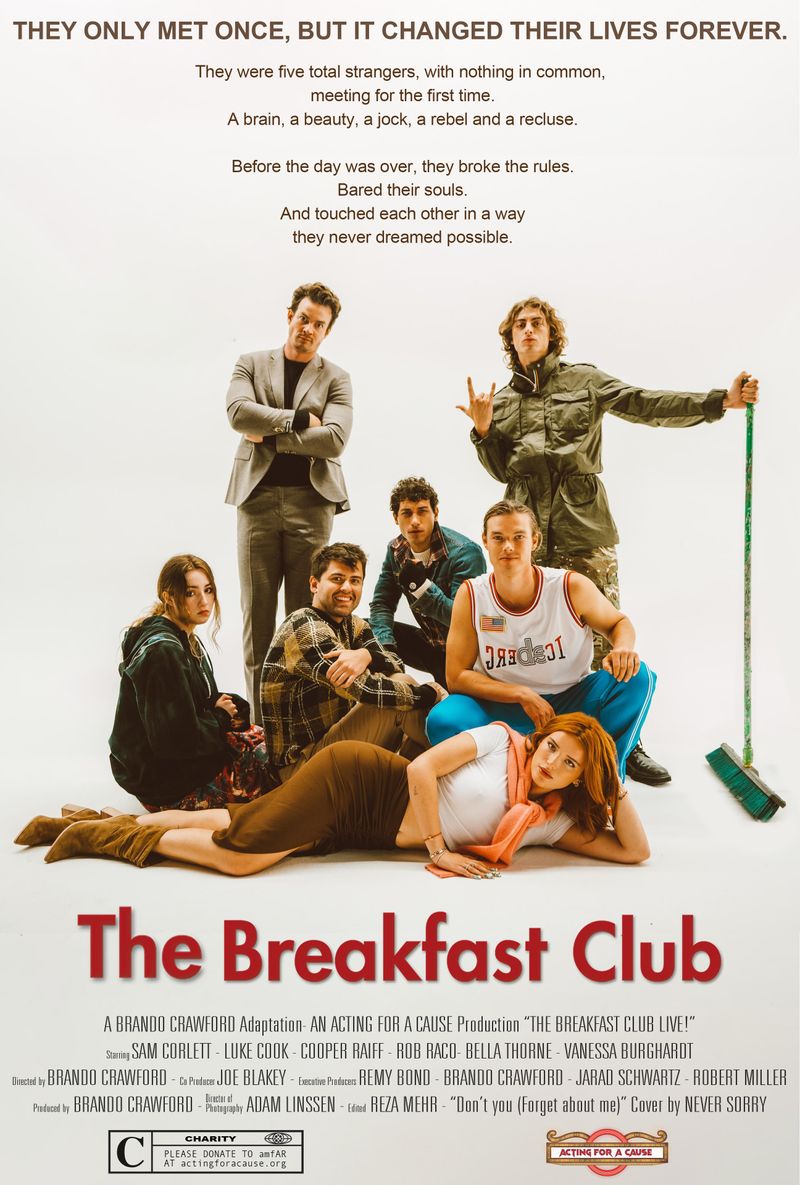
John Hughes shows up on this list twice, which tells you something about the era.
The Breakfast Club is still praised as a masterpiece of teen cinema, and honestly, much of it holds up.
The performances are raw, the dialogue is sharp, and the emotional core still resonates with teenagers today.
But there are moments that have aged poorly in uncomfortable ways.
Bender’s harassment of Claire throughout the film is persistent and aggressive, yet she ends up kissing him at the end as a reward.
That sends a message that bad behavior is romantic — a lesson no one should be teaching.
The film also handles Allison’s transformation in a troubling way, suggesting she needed a makeover to be worthy of attention.
Great movie, messy values.
It deserves both its praise and its criticism.
9. St. Elmo’s Fire
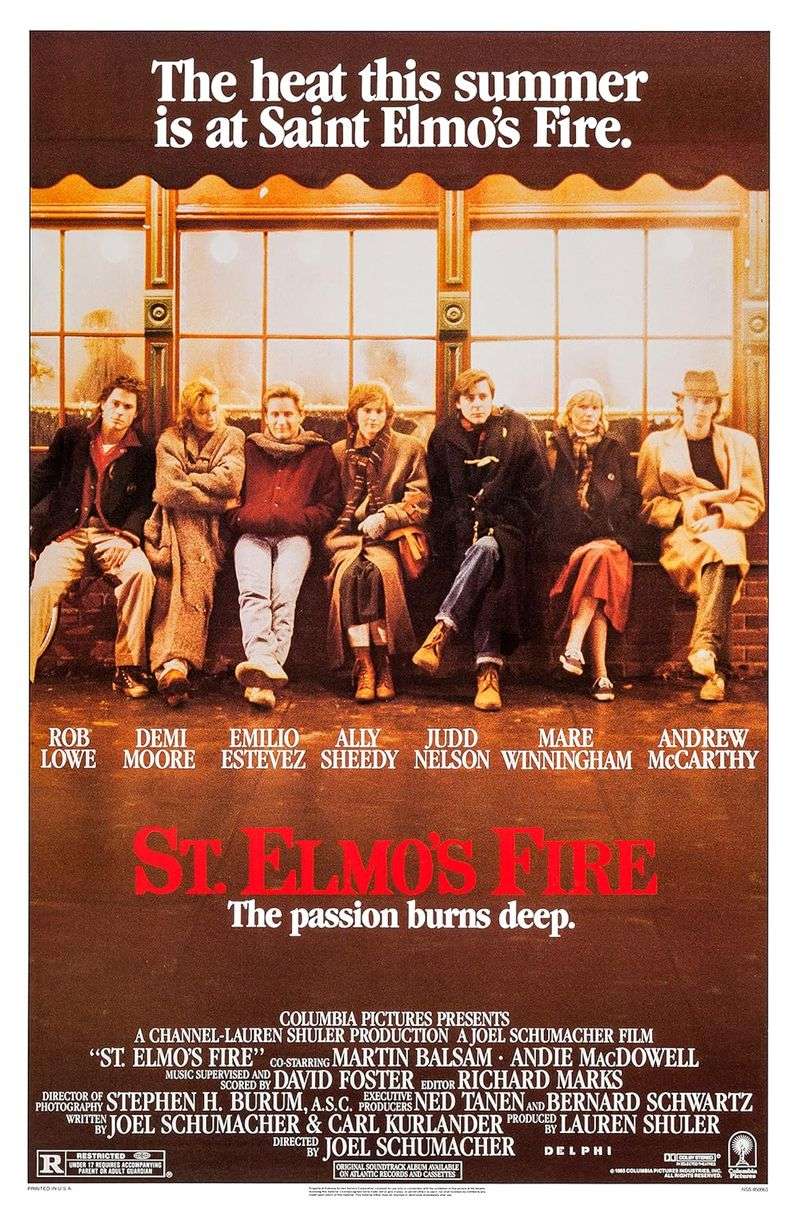
St. Elmo’s Fire was the ultimate “Brat Pack” movie, following a group of college graduates navigating love, ambition, and growing up.
It felt impossibly cool in 1985, with Rob Lowe, Demi Moore, and Emilio Estevez all at their most glamorous.
The soundtrack alone made it a cultural event.
Rewatching it now reveals a cast of characters who are almost universally terrible people.
One character stalks his ex-girlfriend relentlessly and is framed as a romantic hero.
Another character’s serious mental health crisis is treated as quirky drama rather than something requiring real help.
The film mistakes self-destruction for depth and confuses obsession with passion.
It is a time capsule of a moment when certain harmful behaviors were romanticized without question.
Beautiful to look at, painful to think about.
10. Crocodile Dundee
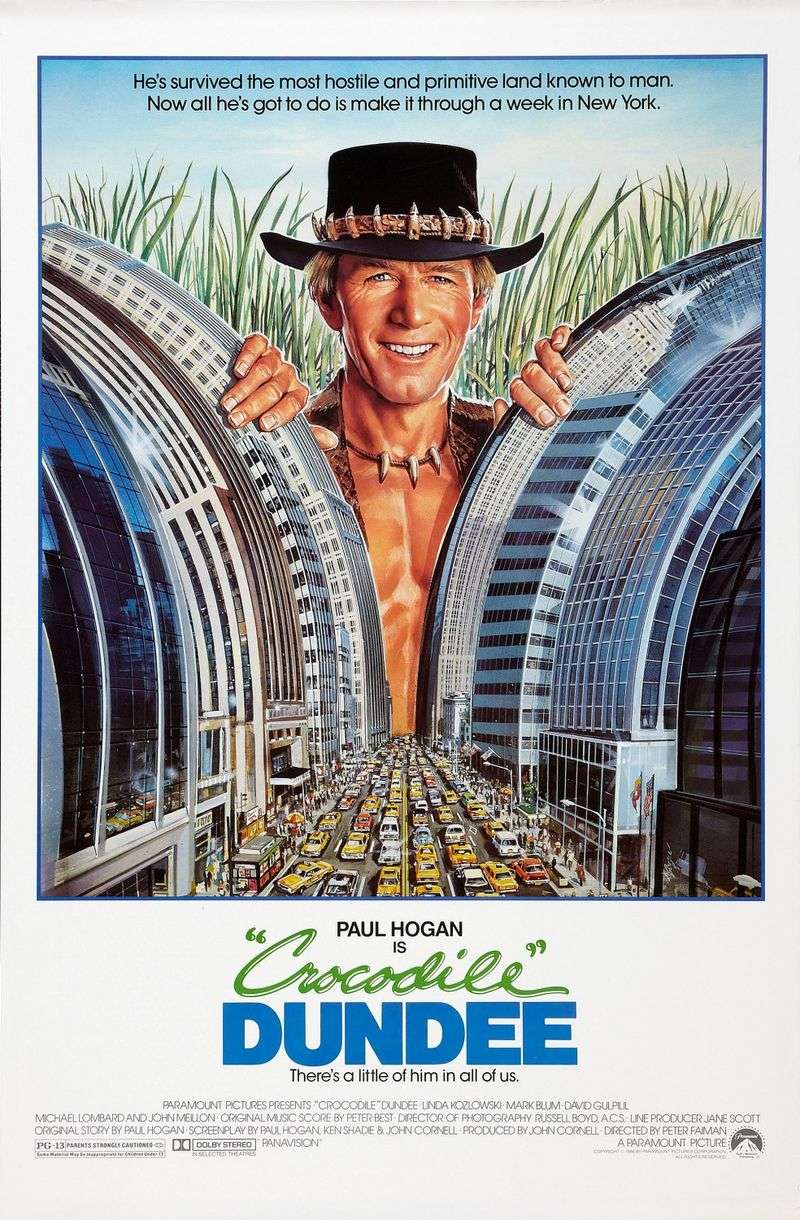
Paul Hogan’s fish-out-of-water adventure was an absolute phenomenon in 1986.
An Australian bushman comes to New York City and reacts with charming bewilderment to modern urban life.
The film was funny, warm, and genuinely crowd-pleasing — it even earned an Academy Award nomination for its screenplay.
Some of the humor, however, has not survived the trip to the present day.
There is a scene where Dundee grabs a transgender woman in a deeply invasive way, played entirely for laughs.
The joke relies on mockery and shock rather than any actual wit, and it lands very differently now.
There are also moments that lean on outdated ideas about Aboriginal Australians that feel reductive and patronizing.
The movie still has a lot of charm, but those scenes stick out like a sore thumb today.
11. Big
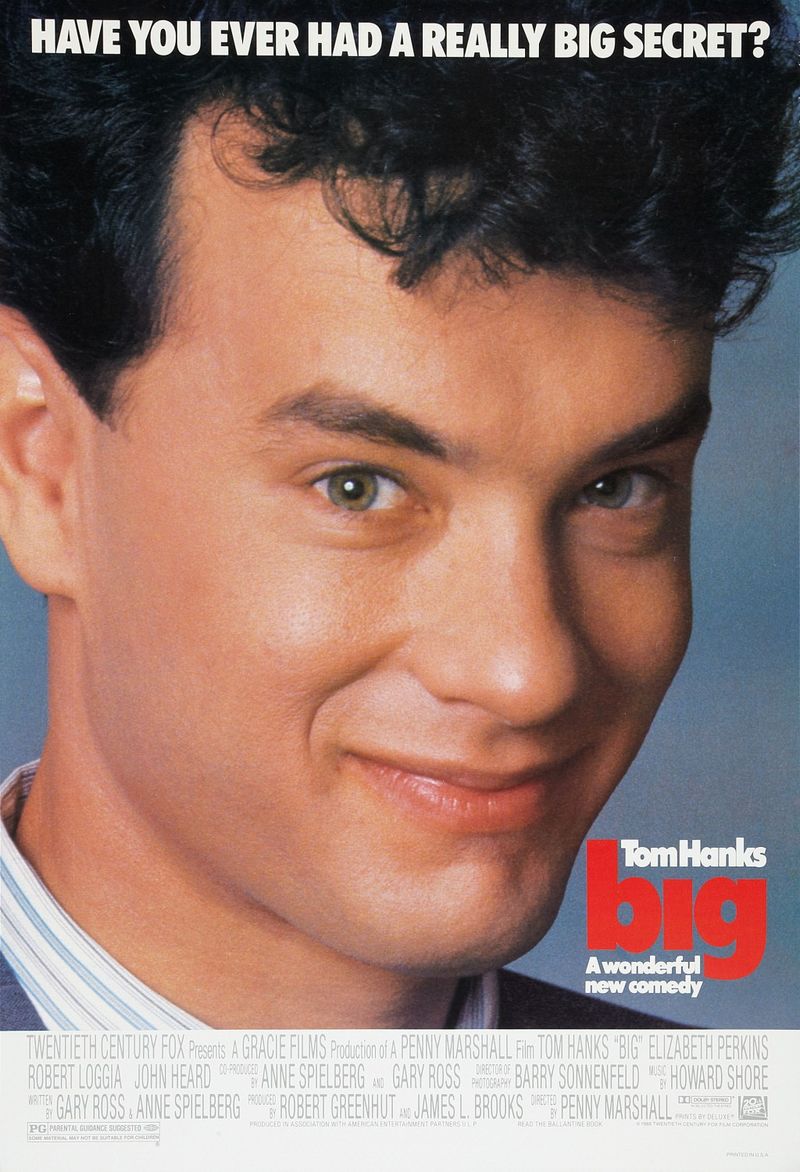
Tom Hanks was absolutely magical in Big, and his performance remains one of the most charming in Hollywood history.
The story of a 12-year-old boy waking up in a grown man’s body was funny, sweet, and surprisingly touching.
It earned Hanks his first Oscar nomination and made audiences fall completely in love with him.
Here is where it gets uncomfortable: the movie includes a romantic relationship between the adult-bodied Josh and a grown woman who has no idea she is dating the emotional equivalent of a middle schooler.
At the time, audiences just went with it because Hanks was so likable.
Viewed today, that relationship raises serious questions that the film cheerfully ignores.
It is one of those movies where you have to work hard to separate the genuinely wonderful parts from the deeply awkward ones.
12. Mannequin
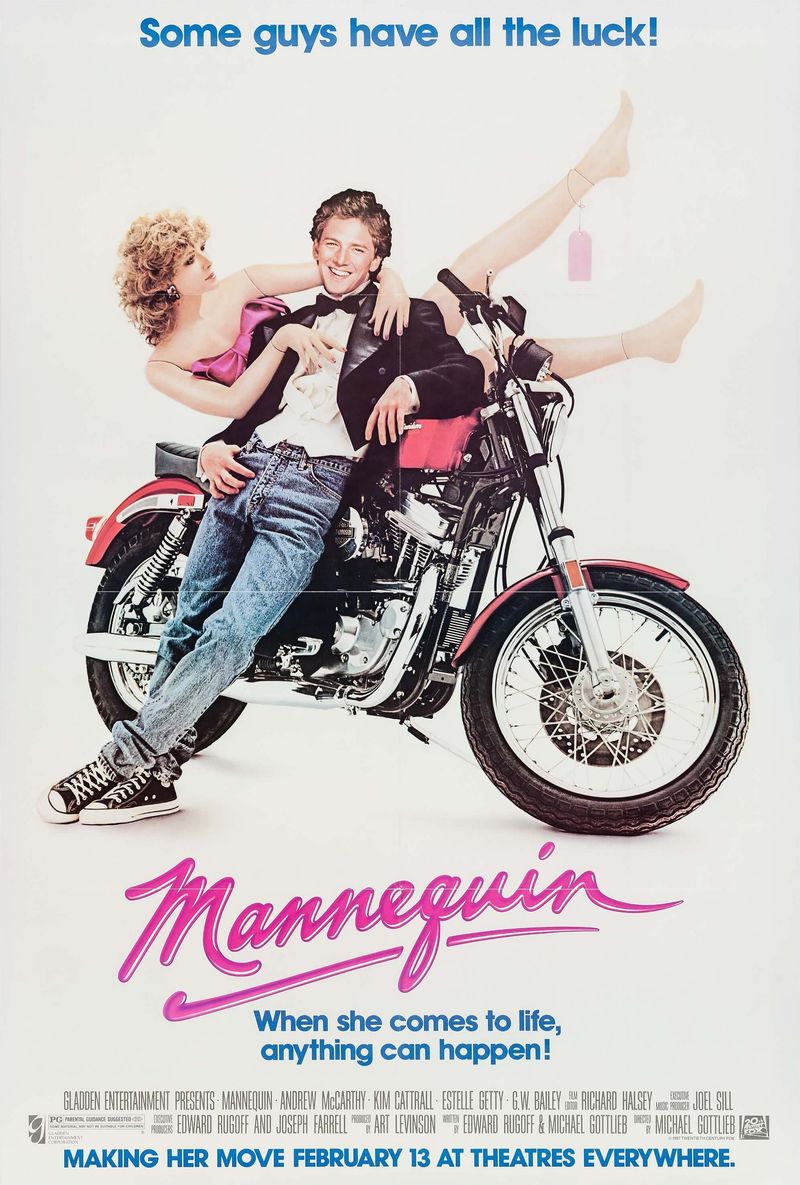
A department store window dresser falls in love with a mannequin who comes to life — only for him.
Mannequin was a quirky romantic fantasy that audiences in 1987 found totally irresistible.
It had a catchy soundtrack, fun performances, and a certain dreamy quality that made it a staple of late-night cable TV for years.
The film’s gay character, Hollywood (played by Meshach Taylor), was groundbreaking in some ways for simply existing, but the portrayal leans hard into flamboyant stereotype for comic relief.
He is funny and lovable, but the character exists mostly as a punchline rather than a fully realized person.
The central romance also gets stranger the older you get.
Falling in love with a mannequin who only comes alive for you is essentially a fantasy about a partner with no agency.
Charming on the surface, weird underneath.
13. Mr. Mom
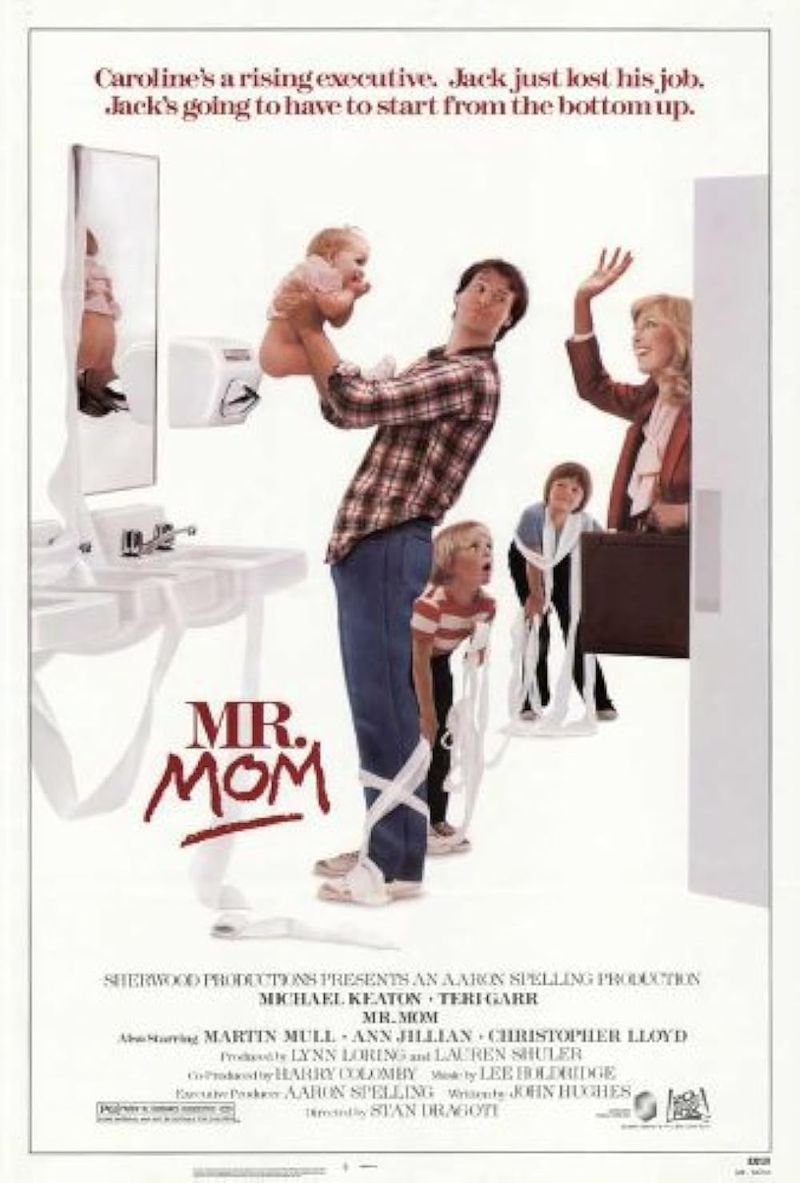
Michael Keaton was brilliantly funny in Mr. Mom, playing a laid-off engineer who stays home with the kids while his wife goes back to work.
In 1983, the idea of a man doing housework was apparently so outrageous that it warranted an entire movie.
Audiences laughed hard and the film was a genuine hit.
The whole premise rests on the idea that domestic work is inherently beneath men and naturally hilarious when they attempt it.
Every joke is built on the assumption that cooking, cleaning, and childcare are female responsibilities that men are comically ill-equipped to handle.
That framing feels pretty outdated now that millions of families have stay-at-home dads who manage just fine.
The movie means well, but it accidentally reinforces the very stereotypes it seems to be poking fun at.
14. Rain Man
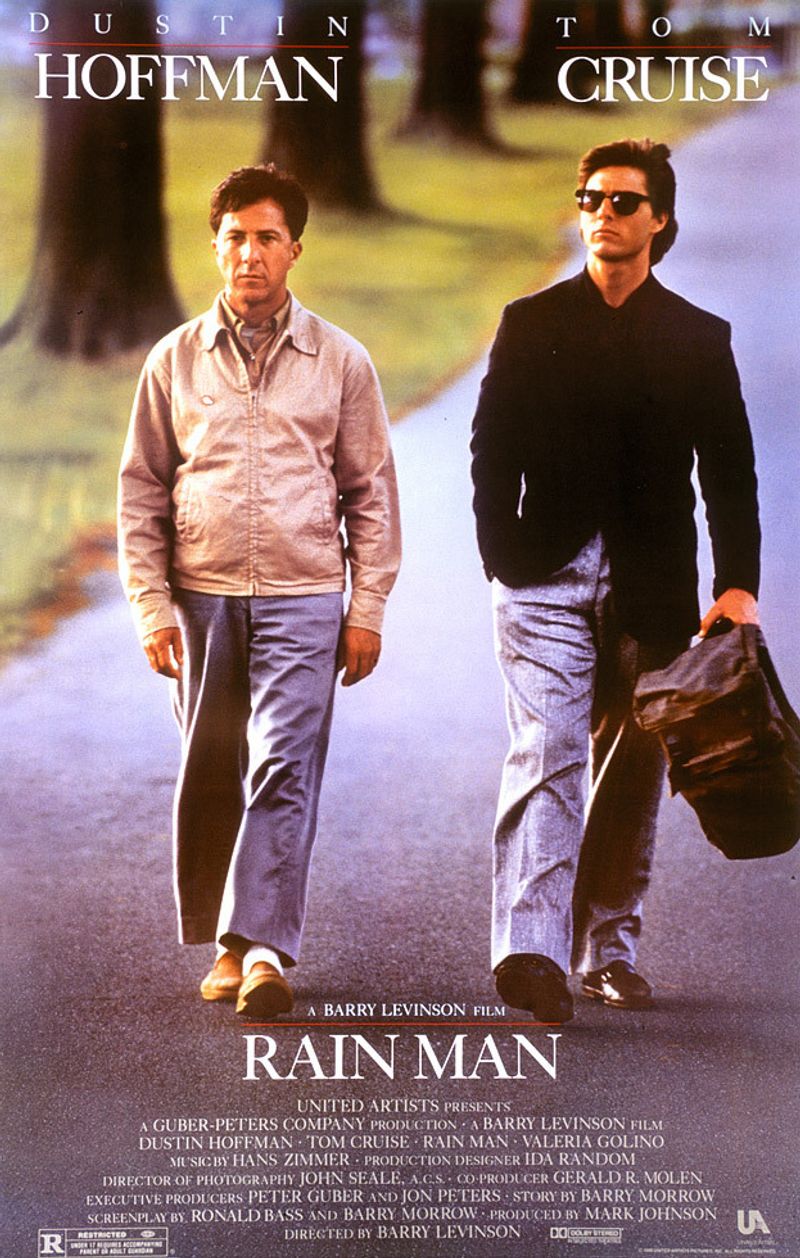
Rain Man swept the 1989 Oscars, winning Best Picture, Best Director, Best Actor for Dustin Hoffman, and Best Original Screenplay.
It was a cultural juggernaut that introduced millions of people to the word “autism” for the very first time.
Hoffman’s performance was considered one of the greatest in film history.
The autism community has had complicated feelings about this film ever since.
Many advocates point out that Raymond’s portrayal created a narrow, savant-focused image of autism that does not reflect most autistic people’s experiences.
For decades, people assumed every autistic person was a mathematical genius who could count spilled toothpicks at a glance.
The film also treats Raymond largely as a plot device for his brother’s growth rather than as a full human being with his own inner life.
Important film, imperfect representation.
15. Police Academy
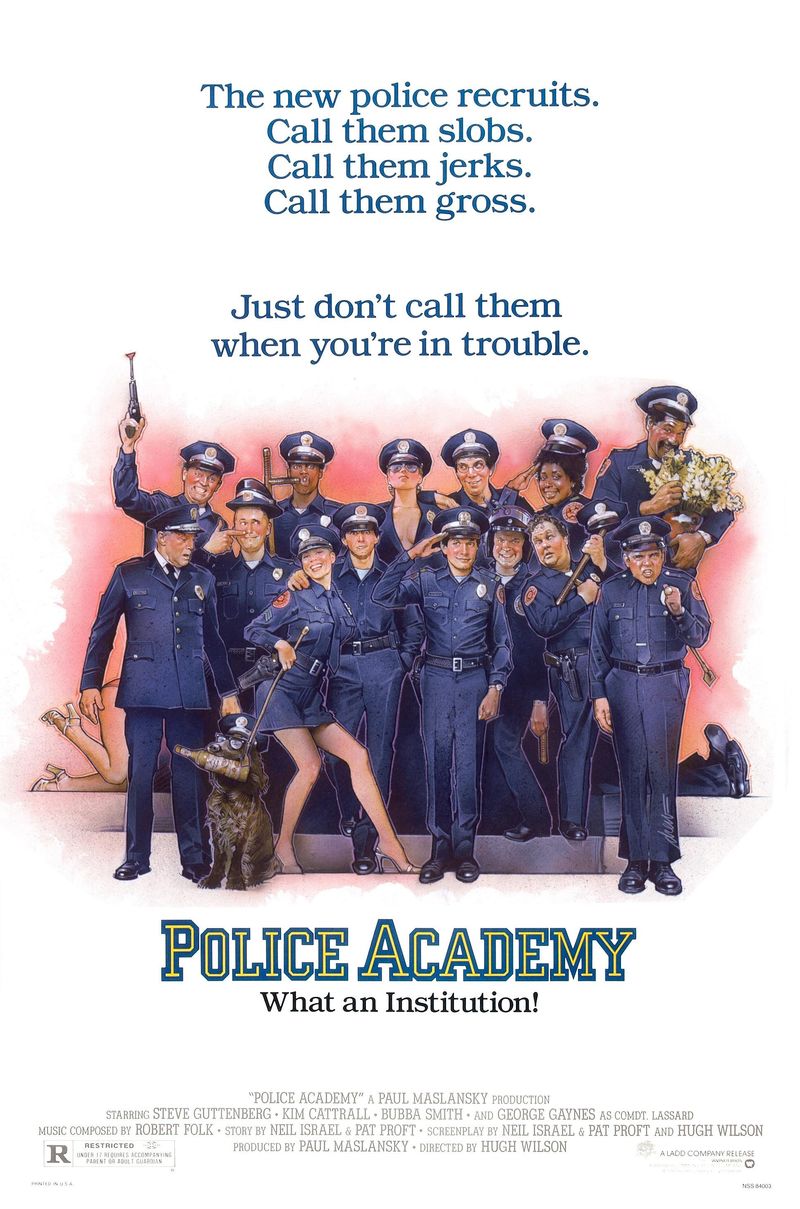
Police Academy launched one of the most improbable franchises in movie history, eventually spawning six sequels and a TV show.
The 1984 original was raucous, juvenile, and wildly popular with audiences who loved its parade of misfits bumbling their way through cop training.
It made stars out of several cast members overnight.
The humor relies heavily on stereotypes — the big dumb guy, the sex-obsessed guy, the guy who makes sound effects — and much of the comedy involves humiliating women or making jokes at the expense of gay characters.
None of it was exactly sophisticated, but in 1984 it got a pass.
There is also a notably casual attitude toward sexual harassment throughout the film that no studio would greenlight today.
Fun nostalgia for some, a minefield of outdated attitudes for everyone else.
16. Weird Science
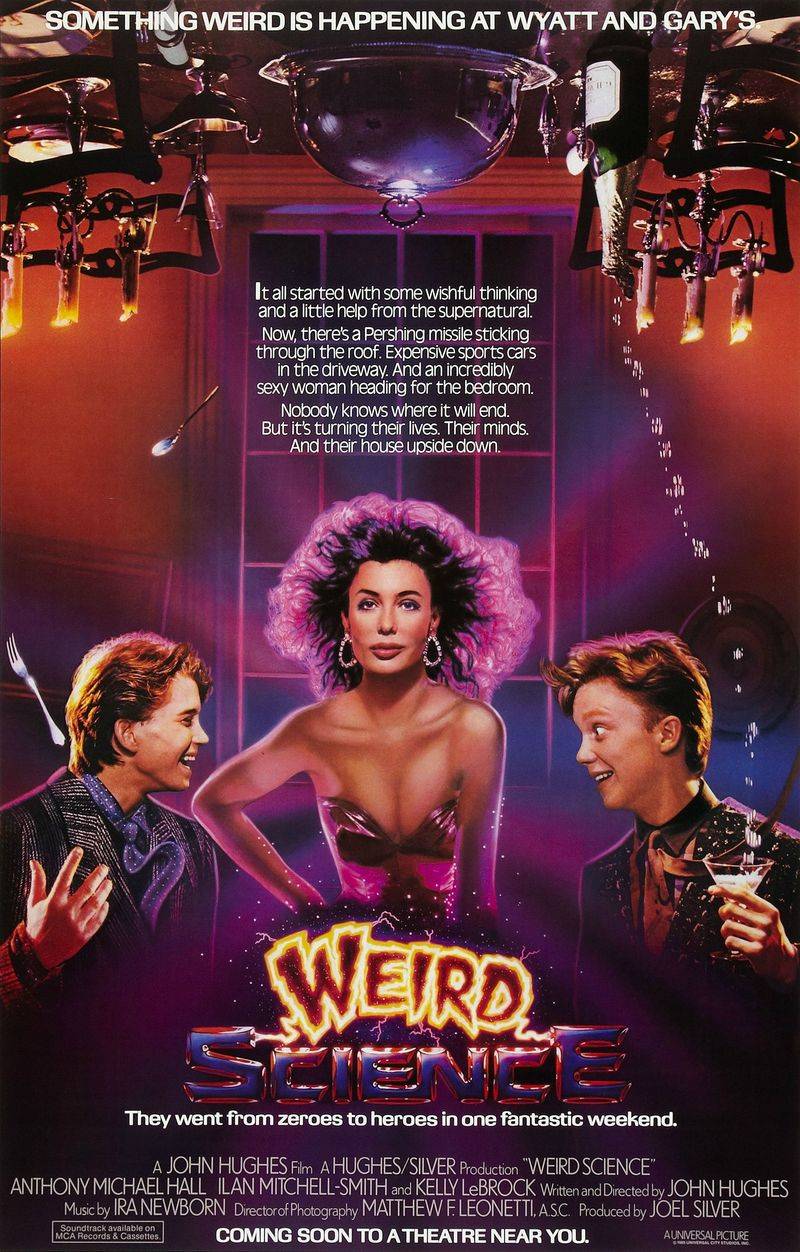
Two teenage boys use a computer to create the perfect woman — and she comes to life to fulfill their every wish.
That was the premise of Weird Science, another John Hughes production that audiences in 1985 thought was absolutely hilarious and clever.
It starred Anthony Michael Hall and Kelly LeBrock, who became a major star from the role.
The core concept is genuinely troubling when you think about it for more than thirty seconds.
Two boys literally build a woman to serve them, and the movie frames this as a fun teenage fantasy rather than something deeply objectifying.
Lisa, the created woman, exists entirely to boost the boys’ confidence and social standing.
Kelly LeBrock’s performance is actually quite charming, which makes it sadder that her character has no real purpose beyond being a wish-granting object.
Hughes made this film the same year as The Breakfast Club, which is wild to consider.
17. Bachelor Party
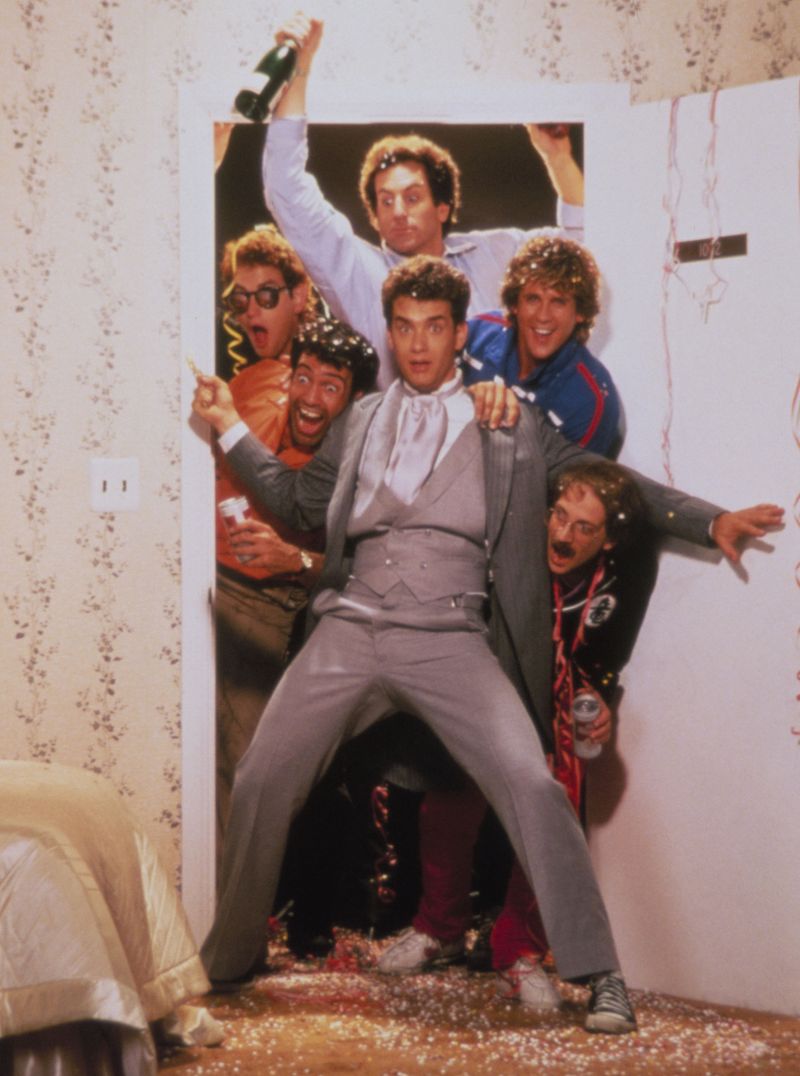
Before Tom Hanks was America’s dad, he starred in Bachelor Party — a raunchy 1984 comedy about a groom whose friends throw him the wildest, most chaotic pre-wedding celebration imaginable.
It was crude, loud, and enormously popular with young male audiences at the time.
Hanks’s natural likability carried a lot of the heavier material.
The film treats women almost entirely as objects for the men’s entertainment, cycling through a parade of female characters who exist solely to be ogled, manipulated, or used as punchlines.
There is almost no female character in the film who gets to be a full human being.
It is a fascinating piece of time-capsule cinema because Hanks himself seems almost too good-natured for the material surrounding him.
You can practically see him becoming America’s favorite wholesome actor even while the movie tries its hardest to be as offensive as possible.
18. Fletch
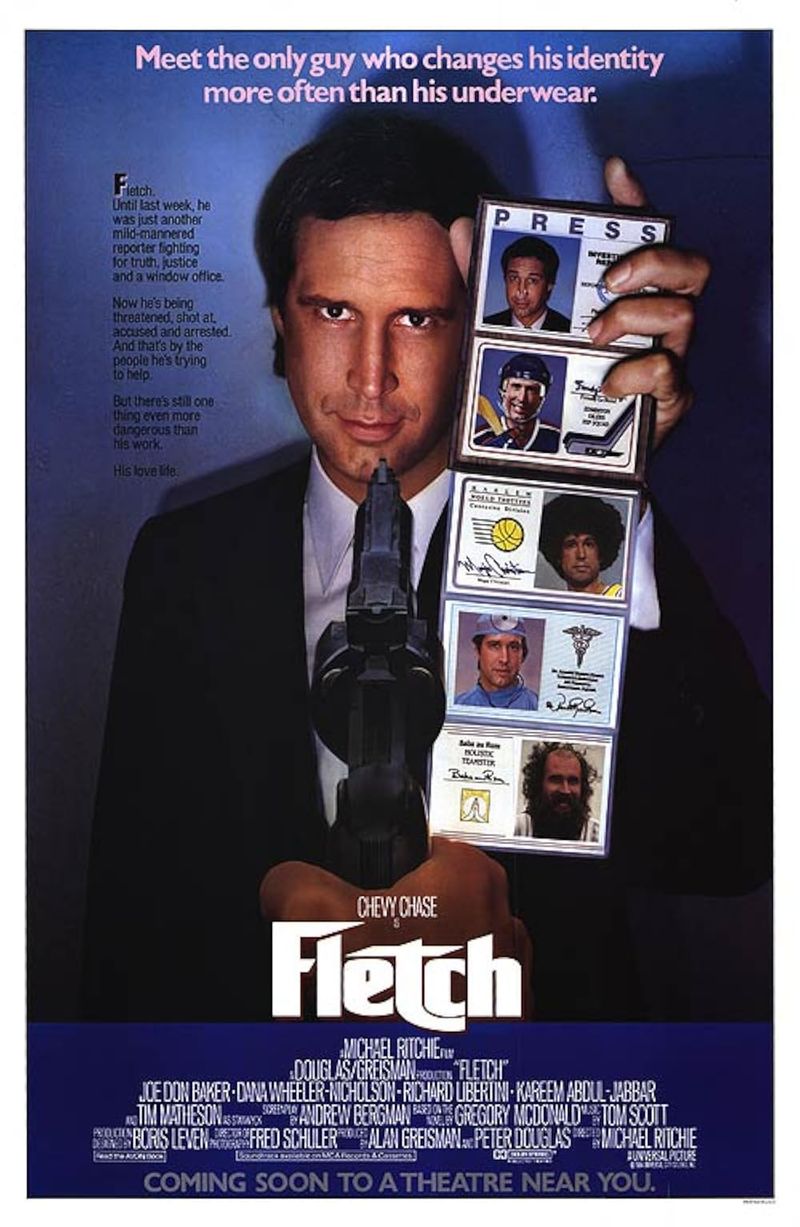
Chevy Chase turned heads in 1985 as a wisecracking reporter who changed disguises in every scene.
Audiences loved his quick mouth and silly costumes, and the film made a ton of money.
Today, a few bits land with a thud.
Some jokes poke fun at people in ways that feel mean, and the main character’s nonstop lying and smirking can wear thin fast.
Fun fact: Chase improvised many of his lines.
Some of that ad-libbing still shines, but other moments feel like a guy talking just to hear himself talk.
19. Splash
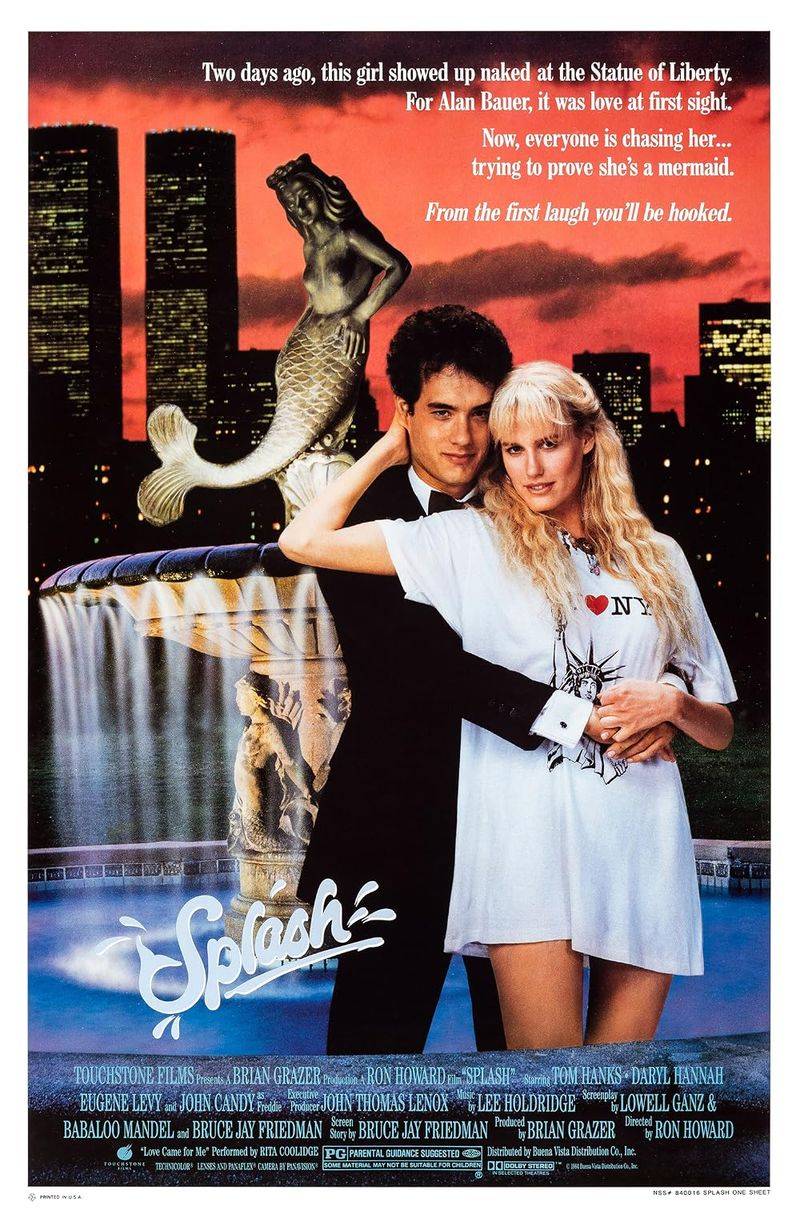
A mermaid walks out of the sea and into New York City.
In 1984, that was pure movie magic, and the film earned big laughs and even an Oscar nomination for its script.
Fast forward to now, and the story feels a bit awkward.
Her character knows nothing about the world, and the plot treats that as a joke again and again.
Some scenes also lean on tired gags about a leading lady who barely speaks.
Tom Hanks is charming, though, and that helps the film stay watchable.
20. Risky Business
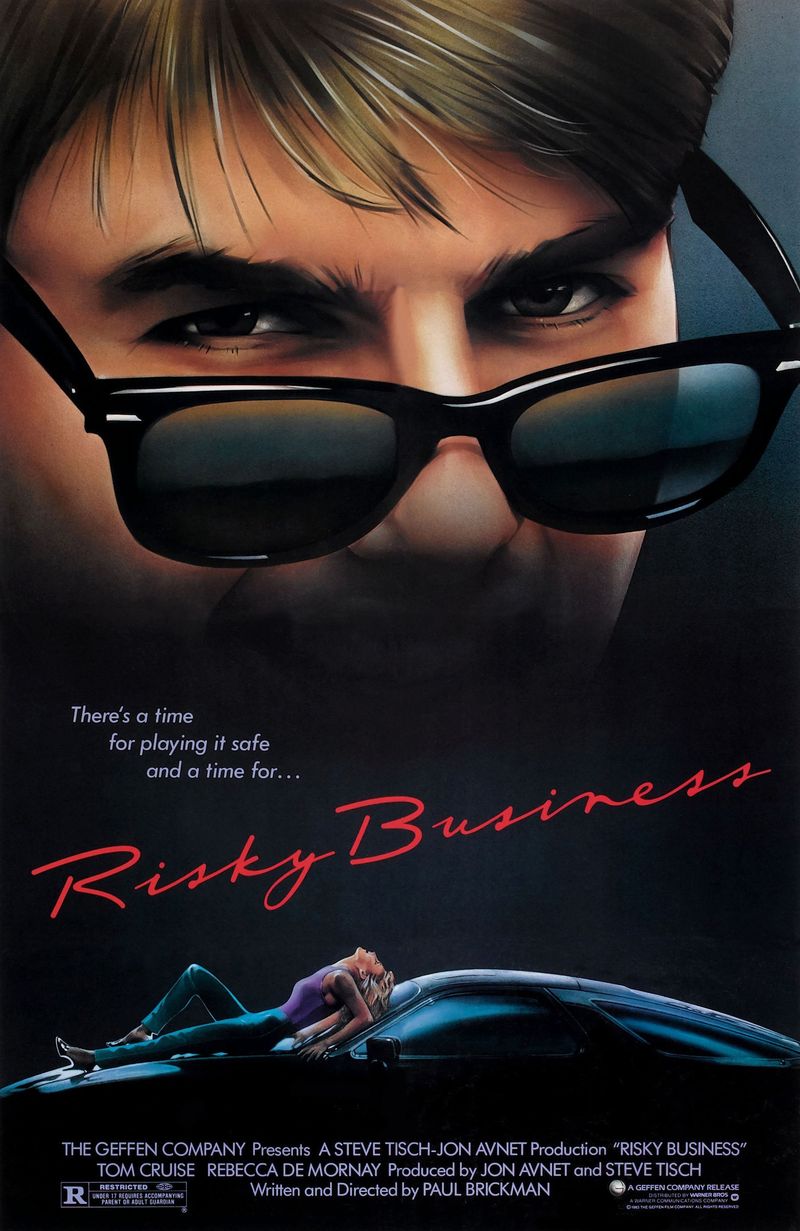
Viewers thought it was cool, edgy, and totally daring.
Look closer today and the story gets uncomfortable.
A high schooler turns his home into a money-making business, and the film cheers him on like a hero.
The movie also glamorizes greed in a way that feels shallow now.
Its moody style still looks sharp, but the message about getting rich fast has not aged well at all.