 MomSkoop

Men are often misunderstood in ways that can quietly damage relationships and create unnecessary distance. Society has built up a long list of assumptions about how men think, feel, and behave — and many of those assumptions simply aren’t true.
Believing these stereotypes can make it harder to connect with the real person standing right in front of you. Taking a closer look at these common myths might just change the way you see the men in your life.
1. Men Don’t Like Talking About Their Feelings

Picture a guy who seems quiet at first but opens up once he feels safe.
Many people assume men simply refuse to talk about emotions, but that’s far from the full story.
Men express feelings in different ways — sometimes through actions, humor, or carefully chosen words rather than long conversations.
Growing up, many boys are taught to “stay strong” and keep emotions private.
That conditioning shapes how they communicate, not whether they feel.
A man might show love by fixing something broken in your home or sitting quietly beside you when you’re sad.
Understanding that emotional expression looks different for everyone can completely reshape how you connect with the men around you.
2. Men Only Care About Physical Attraction

Sure, attraction plays a role — but so does laughter, trust, and the feeling that someone truly gets you.
Reducing men to creatures driven purely by looks does a huge disservice to who they actually are.
Most men will tell you that a meaningful connection matters far more over time than any physical quality.
Studies on long-term relationships consistently show that men rank personality, humor, and emotional compatibility among their top priorities.
A pretty face might catch attention, but shared values and genuine friendship are what keep people together.
When women assume men are only interested in appearance, it can create walls that prevent real intimacy from forming.
Men want to be known for more than just what they see.
3. Men Are Afraid of Commitment

Here’s a stereotype that gets thrown around constantly — and it frustrates a lot of men who are actively looking for something real and lasting.
Not every guy is running from commitment.
Many men dream about building a life with someone they love and actively work toward that goal.
The “fear of commitment” label often gets applied unfairly when a relationship simply wasn’t the right fit.
Timing, compatibility, and personal readiness all play a role — for both men and women.
Assuming all men are emotionally unavailable ignores the complexity of human relationships.
When men feel judged before they even get a chance to show up fully, it creates pressure that can actually push people away rather than bring them closer.
4. Men Don’t Need Emotional Support
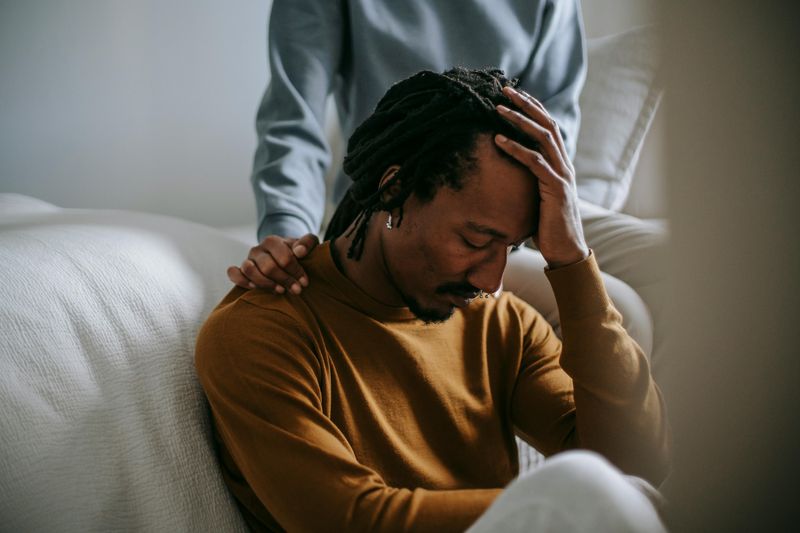
Nobody gets through life without needing a little support — and men are no exception.
The idea that men are emotionally self-sufficient islands is one of the most damaging myths out there.
It leads to men suffering in silence rather than reaching out when they’re struggling.
Men are statistically less likely to seek mental health help, partly because society tells them they shouldn’t need it.
That silence can lead to serious consequences, including depression and isolation.
Behind the strong exterior, many men are quietly carrying heavy emotional loads.
Checking in on the men you care about — asking genuinely how they’re doing and really listening — can make a bigger difference than most people realize.
Emotional support isn’t gender-specific; it’s human.
5. Men Always Want to Be in Control

The image of the domineering man who must always call the shots is more outdated than most people think.
Plenty of men genuinely prefer partnerships where decisions are made together and both voices carry equal weight.
Control isn’t something every man craves — connection is.
Modern relationships increasingly reflect a shift toward equality, and many men are not just accepting of that shift — they’re championing it.
Shared decision-making feels more respectful and less stressful for everyone involved.
Men who feel trusted by their partners tend to be more open, more communicative, and more invested.
Assuming a man needs to dominate every situation can create unnecessary conflict and prevent the kind of balanced relationship that both people actually want.
6. What Men Think About Most Often

Pop culture loves this joke, but real life tells a different story.
Men’s minds are occupied with work stress, family responsibilities, health concerns, hobbies, friendships, and a hundred other things throughout any given day.
Reducing a man’s inner world to one topic is both inaccurate and a little insulting.
Research shows that while sexual attraction is a natural part of human experience for everyone, it is far from the only thing men think about.
Many men spend more mental energy worrying about finances or career goals than anything else.
When women approach men with this assumption already baked in, it creates a dynamic where men feel underestimated.
Everyone deserves to be seen as a full, complex person rather than a walking punchline.
7. Men Don’t Notice the Little Things

He remembered your favorite coffee order without being asked.
He noticed when you seemed off before you said a single word.
Men pick up on details all the time — they just don’t always announce it with fanfare.
Quiet observation is still observation.
Many men express attentiveness through action rather than commentary.
He might not say “I love your new haircut” out loud, but he’ll smile a little differently when he sees it.
That silent acknowledgment is real, even when it goes unspoken.
Assuming men are oblivious can cause women to feel unseen in relationships when, in reality, their partner has been paying attention the whole time.
Sometimes the most meaningful noticing happens without a single word being said.
8. Men Never Feel Insecure

Confidence can look like armor, but armor is worn precisely because something underneath needs protecting.
Men deal with insecurity about their appearance, their career success, their intelligence, and whether they are truly valued by the people they love.
These feelings are real, even when they’re hidden.
Body image struggles, fear of failure, and anxiety about how others perceive them are experiences men share with everyone else.
Social pressure tells men to project strength, so many become skilled at masking doubt — but masking isn’t the same as not feeling.
Recognizing that the men in your life carry their own quiet insecurities can lead to more compassionate, honest relationships.
Everyone benefits when vulnerability is met with kindness rather than surprise.
9. Men Don’t Value Romance

Ask a man who’s deeply in love whether romance matters, and watch his face light up.
Many men put real thought into creating meaningful moments — planning surprises, choosing gifts with care, or finding small ways to show a partner they are cherished.
Romance isn’t a female-only language.
The stereotype that men are romantically indifferent often comes from the fact that they may express affection differently.
A handwritten note tucked into a lunchbox or a spontaneous road trip to a favorite place can be deeply romantic acts, even if they don’t look like a movie scene.
When women assume men don’t care about romance, they may overlook the gestures already happening right in front of them — quiet, personal, and genuinely heartfelt.
10. Men Are Less Emotional Than Women
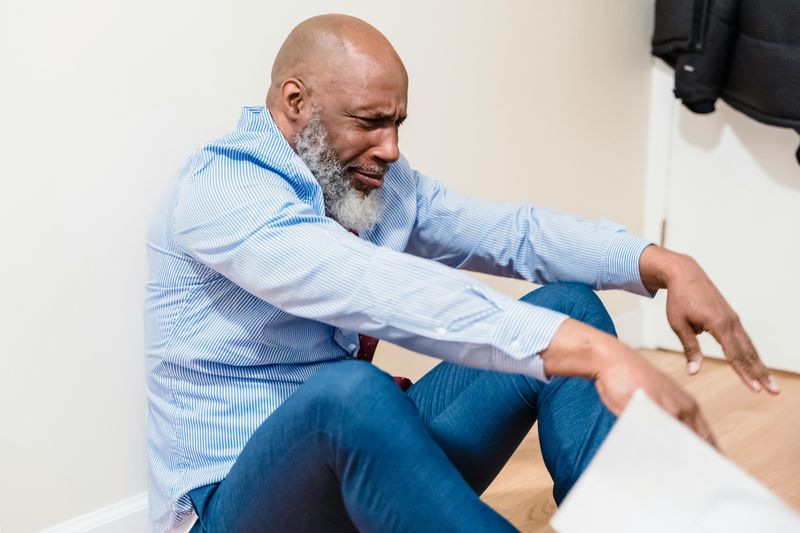
Biology doesn’t make men emotionally flat — culture does the editing.
Men experience joy, grief, fear, pride, and heartbreak with the same depth as anyone else.
What differs is often the outlet, not the intensity of the feeling itself.
A man might get choked up at his kid’s graduation, feel a fierce wave of protectiveness when someone he loves is hurting, or carry quiet grief for years without ever naming it aloud.
That doesn’t mean the emotion isn’t there — it means it’s being carried differently.
Labeling men as “less emotional” can make them feel ashamed for having feelings at all.
Everyone deserves the freedom to feel without being measured against someone else’s standard for how emotions should look.
11. Men Always Want to Fix Problems Instead of Listening
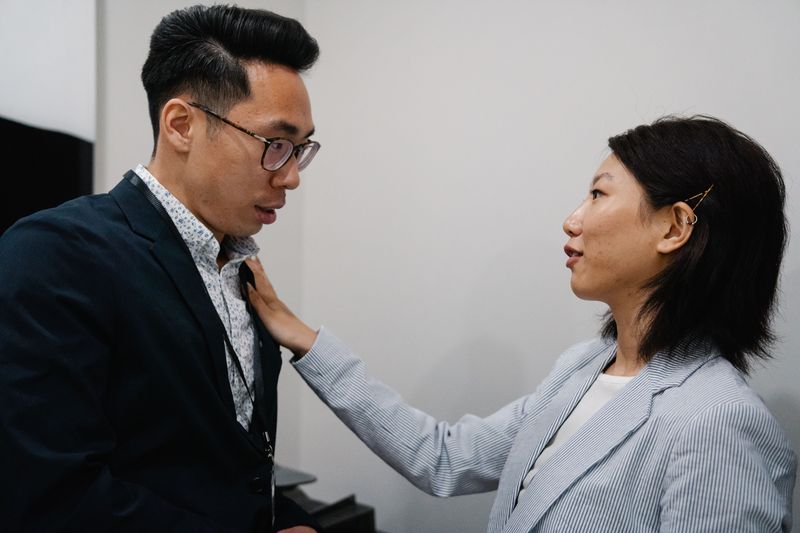
Yes, some men jump straight to solutions — but so do plenty of women.
The truth is, the urge to fix things often comes from a place of genuine care.
Men are frequently taught that helping means solving, so that’s the tool they reach for first when someone they love is hurting.
The good news is that this is a communication pattern, not a personality flaw.
Many men, once they understand that listening is exactly what’s needed, become incredibly present and attentive partners.
It’s less about unwillingness and more about wiring that can absolutely be rewired with honest conversation.
Instead of assuming the worst, try simply saying “I just need you to listen right now.” Most men will adjust quickly and gratefully when given that clear, kind direction.
12. Men Don’t Care About Being Appreciated

Everyone wants to feel seen.
Men are no different — they just might not always say it out loud.
When a man puts in effort and it goes unnoticed, that quiet sting adds up over time.
Recognition isn’t something men are too tough to need; it’s something they’re often too proud to ask for.
Small expressions of gratitude — a genuine “thank you,” acknowledging hard work, or simply saying “I noticed what you did” — can have an enormous impact on how connected and valued a man feels in a relationship.
Appreciation is the fuel that keeps people showing up.
Assuming men are indifferent to recognition can lead to unintentional neglect.
Men thrive in relationships where their contributions, big and small, are genuinely acknowledged and celebrated.
13. Men Have It Easier in Relationships

Relationships come with challenges for everyone sitting at the table.
Men face their own set of pressures — being expected to be emotionally strong while rarely being given space to be vulnerable, feeling responsible for a partner’s happiness, or navigating the fear of not being enough.
Society often frames men as the ones with all the power in romantic dynamics, but that framing misses a lot.
Men can feel deeply lonely in relationships, struggle with feeling unheard, and carry anxieties about performance and worth that rarely get discussed openly.
Assuming men have it easy can lead to dismissing their struggles before they’re even shared.
Real partnership means acknowledging that both people are navigating something genuinely complex and sometimes beautifully hard.
14. Men Don’t Worry About How Others See Them

Social acceptance matters to people across the board — and men are firmly included in that group.
Men worry about their reputation at work, how they come across to friends, whether they seem successful, and yes, how they look.
The pressure to appear capable and put-together is a constant background hum for many men.
Men may not discuss these concerns as openly, but that doesn’t mean the worries aren’t there.
Judgment from peers, family expectations, and the desire to be respected all weigh on men in ways that often go unacknowledged by the people closest to them.
Treating men as though they’re immune to social pressure creates a blind spot.
Acknowledging that men care deeply about perception can build more honest, empathetic conversations between the people who matter most.