 MomSkoop
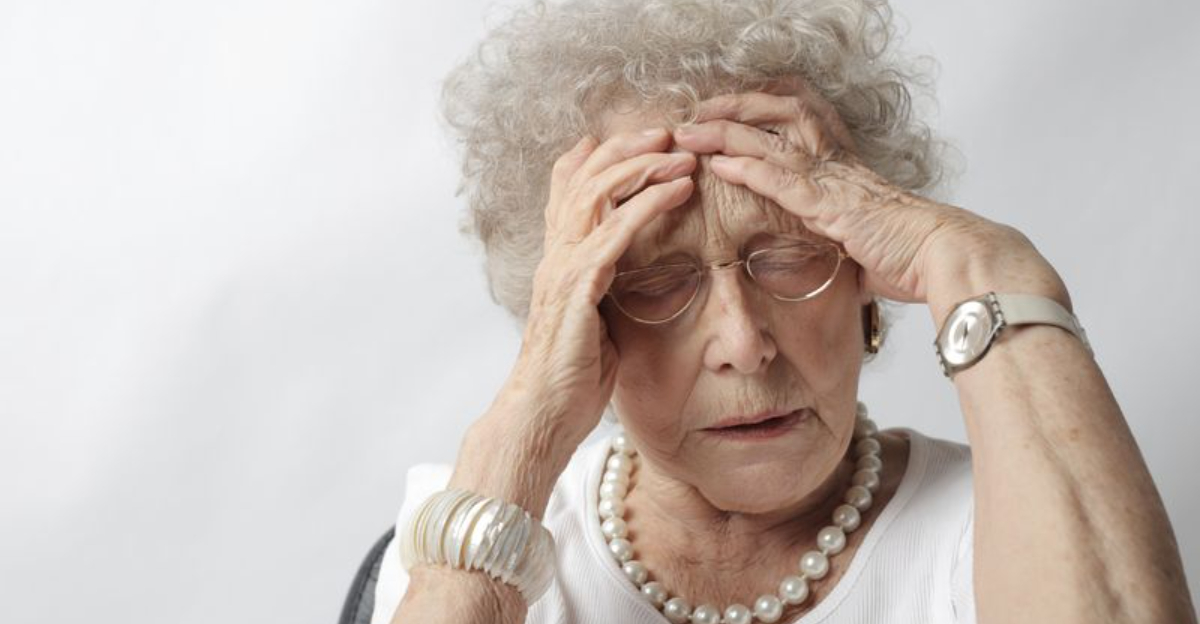
Aging well isn’t just about luck or good genes — it’s largely shaped by the choices you make every single day. Some habits quietly speed up the aging process while others protect your health, sharpen your mind, and keep your body strong.
The good news is that it’s never too late to make a change. Here are 13 things you should stop doing if you want to feel your best as the years go by.
1. Neglecting Regular Exercise

Picture your muscles as a savings account — skip too many deposits and the balance drops fast.
Without regular movement, the body loses muscle mass, bones weaken, and simple tasks like climbing stairs become harder over time.
Staying sedentary is one of the fastest ways to age your body prematurely.
You don’t need to run marathons to make a difference.
Even 30 minutes of walking, swimming, or light strength training most days can slow muscle loss, support joint health, and boost your mood.
Movement keeps your cardiovascular system working efficiently and helps your body manage weight more easily.
Starting small is perfectly fine.
Consistency matters far more than intensity when it comes to exercising for long-term health.
2. Skipping Preventive Health Checkups
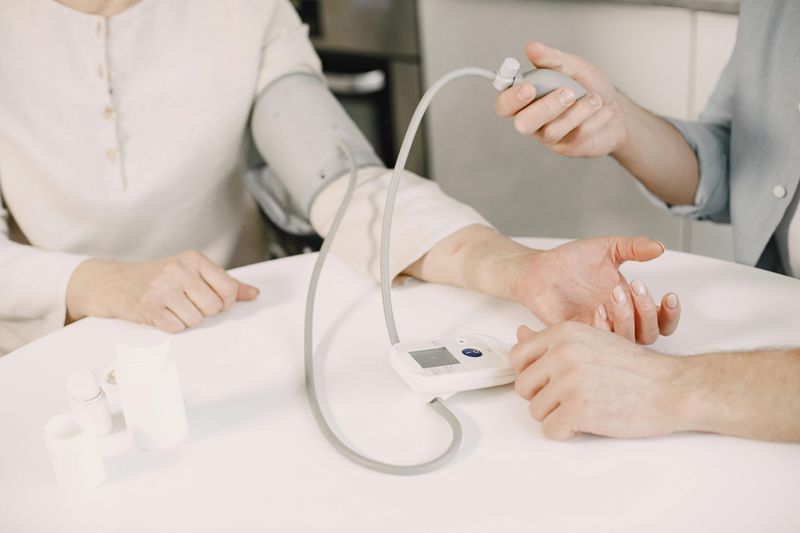
Here’s a surprising truth: many serious health conditions give almost no warning signs until they’ve already progressed significantly.
Skipping routine screenings means you could be missing early signals for conditions like high blood pressure, diabetes, or even certain cancers — all of which are far more manageable when caught early.
Regular checkups aren’t just for people who feel sick.
Blood tests, cholesterol checks, bone density scans, and cancer screenings are tools that help you stay ahead of your health rather than react to it.
Think of them as tune-ups for your body.
Scheduling annual appointments with your doctor doesn’t take long, but the information you gain can genuinely add years to your life.
3. Eating a Poor Diet

Food is essentially information for your body — and consistently feeding it the wrong messages speeds up aging from the inside out.
Diets loaded with processed snacks, refined sugars, and unhealthy fats trigger chronic inflammation, which is quietly linked to heart disease, diabetes, arthritis, and even cognitive decline.
Swapping ultra-processed foods for whole grains, colorful vegetables, lean proteins, and healthy fats like those found in nuts and olive oil can make a noticeable difference.
Your skin, energy levels, and brain function all respond to what you eat every day.
You don’t have to overhaul everything at once.
Adding one or two healthier choices per meal is a realistic and effective way to shift your eating habits over time.
4. Getting Too Little Sleep

Sleep isn’t just rest — it’s the time your body repairs cells, consolidates memories, and resets your immune system.
Chronic sleep deprivation has been linked to increased risks of Alzheimer’s disease, heart problems, weight gain, and depression.
Cutting corners on sleep regularly is like skipping maintenance on a car that never stops running.
Adults generally need between seven and nine hours of quality sleep each night.
Poor sleep habits, like scrolling through your phone before bed or keeping irregular sleep schedules, can seriously disrupt the deep sleep stages your body depends on most.
Creating a calming bedtime routine, keeping your room cool and dark, and going to bed at a consistent time each night can meaningfully improve your sleep quality.
5. Smoking
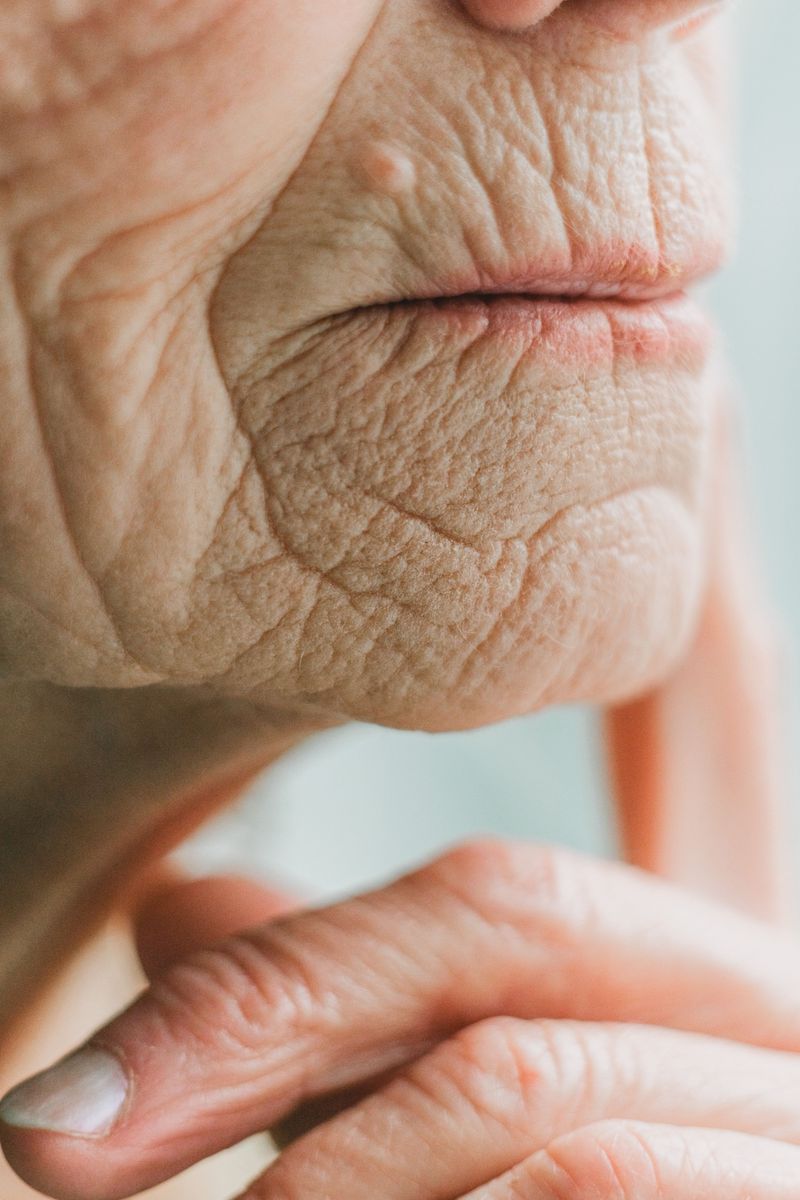
Few habits do as much damage as quietly and comprehensively as smoking.
Every cigarette introduces thousands of toxic chemicals into your body, accelerating the breakdown of collagen in your skin, narrowing blood vessels, and increasing the risk of lung cancer, heart disease, and stroke.
Smokers often look years — sometimes decades — older than their actual age.
Beyond appearance, smoking impairs nearly every organ system in the body.
It reduces lung capacity, weakens bones, and disrupts hormone balance.
Even secondhand smoke carries significant health risks for those around you.
Quitting smoking at any age produces real health benefits.
Within just a few years of stopping, the risk of heart disease drops dramatically, and the body begins a meaningful recovery process.
6. Drinking Excessively

A glass of wine with dinner is one thing, but regularly drinking heavily is a very different story.
Excessive alcohol use puts enormous strain on the liver, disrupts sleep quality, and has been shown to shrink brain volume over time.
It also interferes with the absorption of important nutrients like B vitamins and magnesium, which your body needs to function well.
Heavy drinking accelerates physical aging visibly — contributing to broken capillaries, puffiness, and dull skin.
More seriously, it raises the risk of liver disease, certain cancers, and memory problems that worsen with age.
Cutting back doesn’t mean giving up socializing.
Choosing alcohol-free nights, swapping drinks for sparkling water, or simply setting a personal limit can protect your long-term health considerably.
7. Isolating Yourself Socially

Loneliness isn’t just emotionally painful — research consistently shows it’s physically dangerous too.
Chronic social isolation has been compared to smoking 15 cigarettes a day in terms of its impact on lifespan.
People who lack strong social connections tend to experience faster cognitive decline, weaker immune responses, and higher rates of depression as they age.
Maintaining friendships, staying involved in community activities, or simply having regular conversations with people you care about can do wonders for both mental and physical health.
Human beings are wired for connection, and that need doesn’t shrink with age.
If your social circle has grown smaller over time, consider joining a club, volunteering, or reconnecting with old friends.
Small social efforts made consistently add up to big health rewards.
8. Holding On to Chronic Stress

Stress in short bursts is normal and even useful — it sharpens focus and motivates action.
But when stress becomes a permanent background noise in your life, it floods your body with cortisol, a hormone that, in excess, damages the heart, weakens the immune system, and accelerates brain aging.
Chronic stress is one of the sneakiest contributors to premature aging.
Unchecked stress also disrupts sleep, fuels inflammation, and can lead to unhealthy coping habits like overeating or drinking.
Over years, these compounding effects take a serious toll on the body and mind.
Practical stress management tools — like mindfulness, regular physical activity, journaling, or simply spending time in nature — aren’t luxuries.
They’re essential maintenance for a body that ages well.
9. Refusing to Learn New Things

The brain thrives on novelty.
When you challenge yourself to learn new skills, explore unfamiliar ideas, or pick up a hobby you’ve never tried before, you’re literally building new neural connections.
Scientists call this neuroplasticity, and it plays a key role in keeping the mind sharp and adaptable well into old age.
People who stop learning often find their mental reflexes slow down faster.
Reading, learning a new language, taking a class, or even trying a new recipe all count as mental exercise.
Curiosity really is a form of self-care for the aging brain.
Staying intellectually engaged doesn’t require formal education or expensive courses.
Free online resources, libraries, and community workshops offer countless opportunities to keep the mind actively growing.
10. Ignoring Mental Health

Mental health is health — full stop.
Anxiety, depression, and persistent loneliness don’t simply fade away on their own, and they become increasingly damaging when ignored over years.
Untreated mental health struggles can affect sleep, appetite, motivation, and even cardiovascular health.
The connection between emotional well-being and physical aging is stronger than most people realize.
Many older adults were raised to push through emotional difficulties without seeking help, but that approach carries real costs.
Therapy, support groups, medication when appropriate, and open conversations with trusted people can all make a measurable difference in daily quality of life.
Recognizing that mental health deserves the same attention as physical health is one of the most powerful mindset shifts you can make for aging well.
11. Spending Too Much Time in the Sun Without Protection

UV radiation from the sun is the single biggest external cause of premature skin aging.
Repeated sun exposure without protection breaks down collagen and elastin — the proteins that keep skin firm and smooth — leading to wrinkles, age spots, and a leathery texture that adds years to your appearance.
Worse, cumulative sun damage significantly raises the risk of skin cancer.
Wearing broad-spectrum SPF 30 or higher sunscreen every day — not just at the beach — is one of the simplest anti-aging habits available.
Protective clothing, sunglasses, and seeking shade during peak UV hours also make a real difference.
Many people underestimate daily UV exposure through car windows and overcast skies.
Consistent protection, year-round, is what actually preserves skin health over the long term.
12. Resisting Change and New Experiences
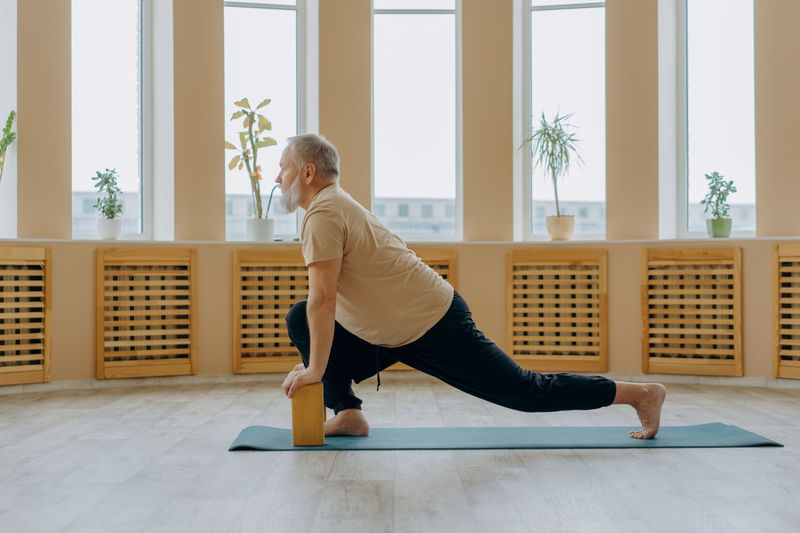
Adaptability might just be one of the most underrated aging superpowers.
Studies on healthy, vibrant older adults consistently find that those who embrace change, stay curious, and remain open to new experiences tend to report higher life satisfaction and better cognitive resilience.
Rigidity — in thinking and in lifestyle — tends to accelerate both mental and emotional decline.
Trying a new restaurant, traveling somewhere unfamiliar, or simply changing your daily routine introduces your brain to fresh stimuli and keeps your sense of wonder alive.
Flexibility isn’t weakness; it’s a form of strength that pays dividends over decades.
Clinging tightly to “the way things have always been” can quietly close doors to growth.
Staying open, even when it feels uncomfortable, keeps both the mind and spirit younger.
13. Believing It’s Too Late to Improve

One of the most limiting beliefs about aging is the idea that the window for positive change has already closed.
Science firmly disagrees.
Studies show that people who begin exercising in their 60s and 70s still gain significant muscle and cardiovascular benefits.
People who quit smoking at 60 still dramatically reduce their risk of heart disease.
The body retains a remarkable ability to respond to better care at virtually any age.
Adopting a healthier diet, building new friendships, managing stress, or starting therapy in later life all produce real, measurable improvements.
Progress doesn’t require perfection or a 20-year head start.
Every positive choice you make today contributes to how you feel tomorrow.
No matter where you’re starting from, the direction you choose right now genuinely matters.