 MomSkoop

For a lot of older men, avoiding a serious relationship is not about bitterness, fear, or giving up on love. It is often a thoughtful choice shaped by experience, hard lessons, and a stronger sense of what brings real peace.
What once felt essential can start to feel optional when freedom, stability, and emotional calm become more valuable. These honest reasons help explain why commitment no longer looks like the ultimate goal for many of them.
1. They Value Their Independence More Than Ever
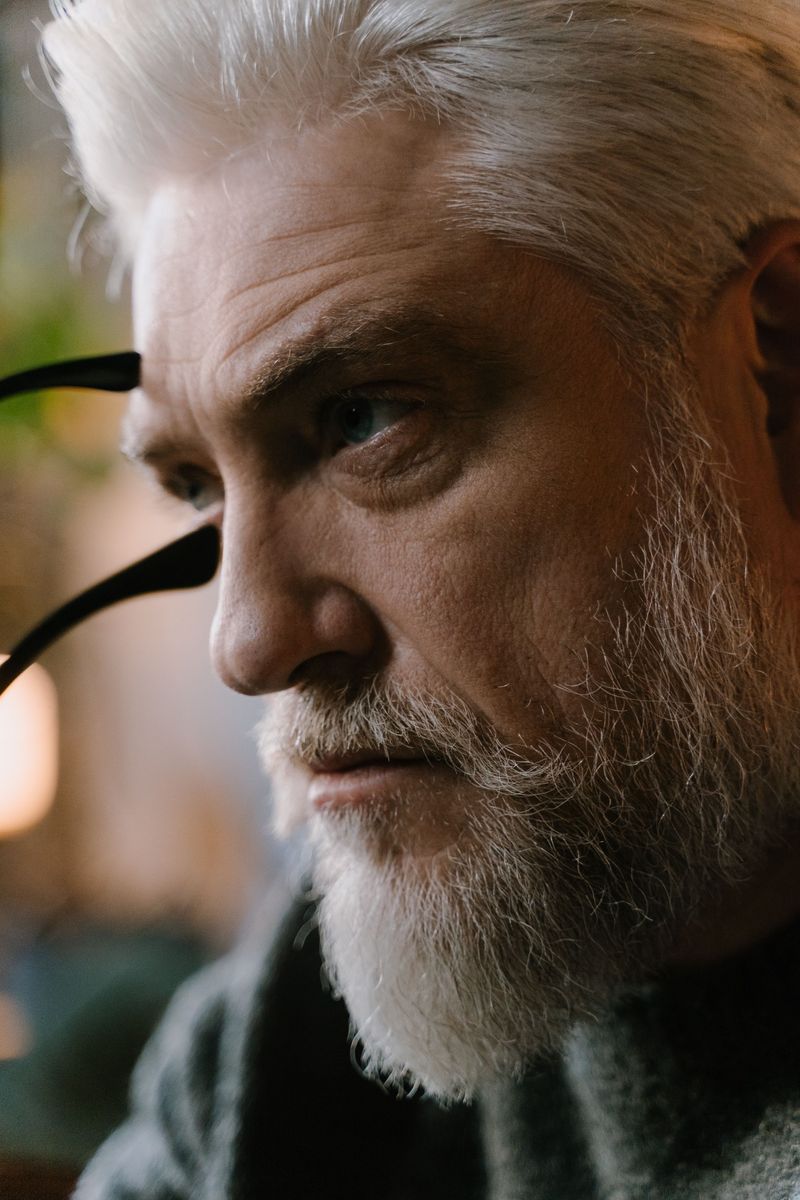
After years of work, family duties, and constant compromise, many older men deeply value the freedom they have finally created.
Being able to choose how to spend a morning, where money goes, or whether to travel next month feels rewarding.
A serious relationship can seem like stepping back into negotiation mode, even when the connection is good.
You can see why independence becomes harder to give up with age.
It is not always about rejecting love, but protecting a lifestyle that feels calm, earned, and fully self-directed.
When someone has spent decades answering to employers, spouses, children, and obligations, having complete control over time and space can feel like the happiest chapter yet.
2. They’ve Been Hurt Before

Pain changes people, especially when it comes after years of trust and shared history.
Many older men carry scars from divorce, betrayal, emotional neglect, or breakups that cost them time, money, and peace.
Because of that, the idea of opening up again can feel less exciting than risky.
You may notice that some men are warm, kind, and enjoyable to date, yet still avoid deeper commitment.
Often, it is not because they feel nothing, but because they remember exactly how much it hurt last time.
Once someone has rebuilt a life after heartbreak, protecting that hard-won stability can feel smarter than gambling it on another serious relationship that may not last.
3. They Don’t Want More Family Obligations
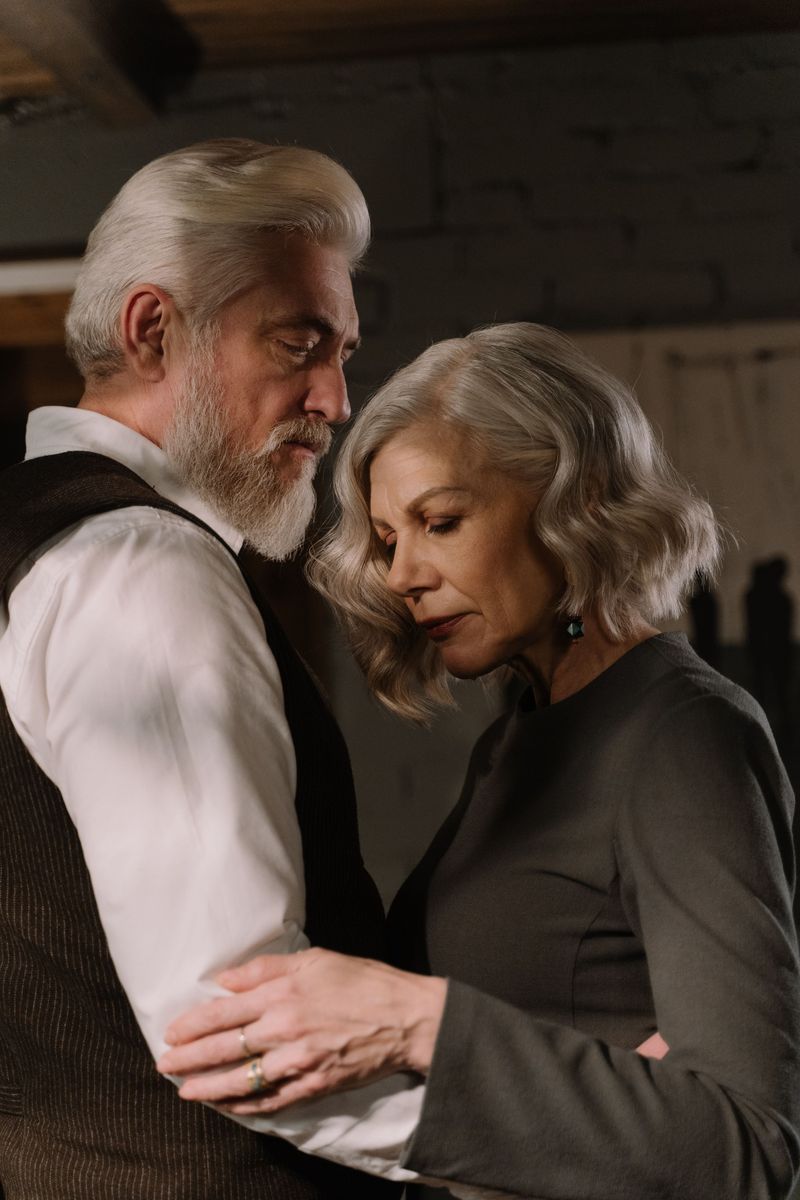
By the time many men reach later life, they have already spent years raising children, supporting a household, and carrying family responsibilities.
They may have paid for school, managed crises, attended endless events, and put their own needs aside for decades.
Starting over with new family obligations can feel exhausting rather than meaningful.
You can understand why a serious relationship may look less appealing if it brings the possibility of caregiving, stepfamily tension, or renewed domestic pressure.
Some older men simply want a season of life that is lighter and less demanding.
After giving so much to family roles in the past, they may crave companionship that does not come bundled with another long list of obligations.
4. They Enjoy Their Current Lifestyle

Many older men have built routines they genuinely love, and those routines do not always leave much room for serious partnership.
Golf weekends, travel plans, dinners with friends, exercise habits, and personal projects can fill life in satisfying ways.
A relationship may feel less like an exciting addition and more like a disruption to a lifestyle that already works.
You might assume people always want to share everything with a partner, but that is not always true.
When someone feels fulfilled by hobbies, friendships, and personal freedom, the pressure to build another long-term bond naturally fades.
If life already feels rich, comfortable, and enjoyable, protecting that rhythm can matter more than pursuing a deeper romantic commitment.
5. They Fear Losing Financial Security

Money becomes a much bigger factor in later-life relationships than many people openly admit.
Older men often think carefully about retirement savings, property, adult children, inheritances, and the stability they worked years to build.
A serious relationship, especially one involving marriage or shared housing, can raise concerns about legal complications and financial risk.
You do not have to be wealthy to feel protective of what you have earned.
Even a comfortable retirement can feel fragile when future health costs, market shifts, or family expectations are involved.
For some men, staying unattached feels like the safest way to preserve peace and avoid disputes over assets, spending habits, or obligations they no longer want added to their lives.
6. They’ve Learned They Can Be Happy Alone

One of the biggest shifts that comes with age is realizing that happiness does not have to depend on a partner.
Many older men have learned how to cook, manage a home, stay social, and care for themselves emotionally.
Once that confidence takes root, the urgency to find a serious relationship often fades.
You can still want connection while knowing you are already okay on your own.
That difference matters because it removes desperation and makes commitment feel optional instead of necessary.
For men who have built fulfilling solo lives, a relationship must truly add something meaningful to be worth the effort.
If being alone feels peaceful rather than lonely, staying single can seem like a perfectly satisfying choice.
7. They Want Companionship Without Commitment

Not every meaningful connection needs to become exclusive, permanent, or officially defined.
Many older men enjoy dating, companionship, affection, and even romance without feeling a strong need to label the relationship.
They may want someone to share dinners, trips, and conversations with, but still keep their lives largely separate.
You might see this as hesitation, yet for many men it is actually clarity.
They know they enjoy closeness, but they do not necessarily want cohabitation, remarriage, or the expectations that often come with serious commitment.
At this stage, companionship can feel ideal precisely because it offers warmth and connection without demanding a complete merging of routines, finances, families, or long-term obligations.
8. They’ve Become More Selective
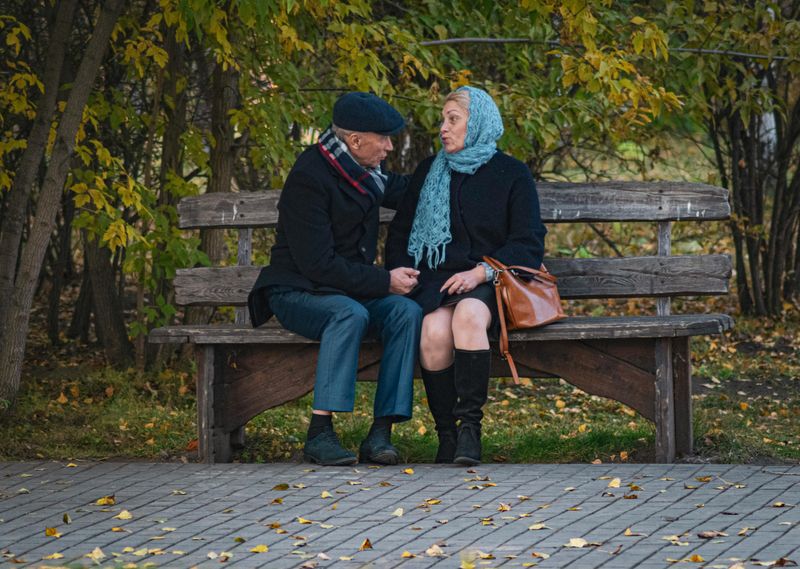
Age tends to sharpen preferences, and many older men know exactly what they can and cannot live with anymore.
They may be less willing to compromise on lifestyle habits, communication style, politics, cleanliness, finances, or emotional maturity.
What looked flexible in younger years can start to feel nonnegotiable after enough life experience.
You may interpret this as being picky, but often it is simply wisdom with boundaries.
When someone has already lived through incompatible relationships, they are less likely to ignore red flags just to avoid being alone.
Serious commitment becomes harder to reach because the standard is higher, the patience for mismatch is lower, and peace feels too valuable to trade for the wrong partnership.
9. Their Priorities Have Changed

What matters in youth often changes dramatically with time, and relationships are no exception.
Many older men now place greater value on health, low stress, sleep, personal peace, and freedom than on building a lifelong romantic bond.
The drive to settle down can weaken when other forms of well-being begin to feel more urgent and more rewarding.
You can understand this shift when you consider how much energy serious relationships require.
Emotional work, compromise, planning, and conflict resolution can feel less appealing than protecting a steady, healthy routine.
If a man has reached a stage where peace and physical well-being top the list, he may decide that a demanding relationship no longer fits the life he wants most.
10. They Don’t Feel Social Pressure to Settle Down

When men are younger, there is often strong pressure to marry, build a household, and follow a familiar life script.
As they get older, that pressure tends to fade, and many no longer feel judged for staying single or keeping relationships casual.
Without that outside push, they are freer to choose what genuinely fits their lives.
You might be surprised how much social expectation influences romantic decisions.
Once a man no longer cares about proving stability, success, or respectability through a relationship, commitment can lose much of its appeal.
If family, friends, and society are not demanding that he settle down, he may feel little reason to pursue a serious partnership unless it naturally feels right and deeply worthwhile.
11. They’ve Seen Relationships Fail Repeatedly
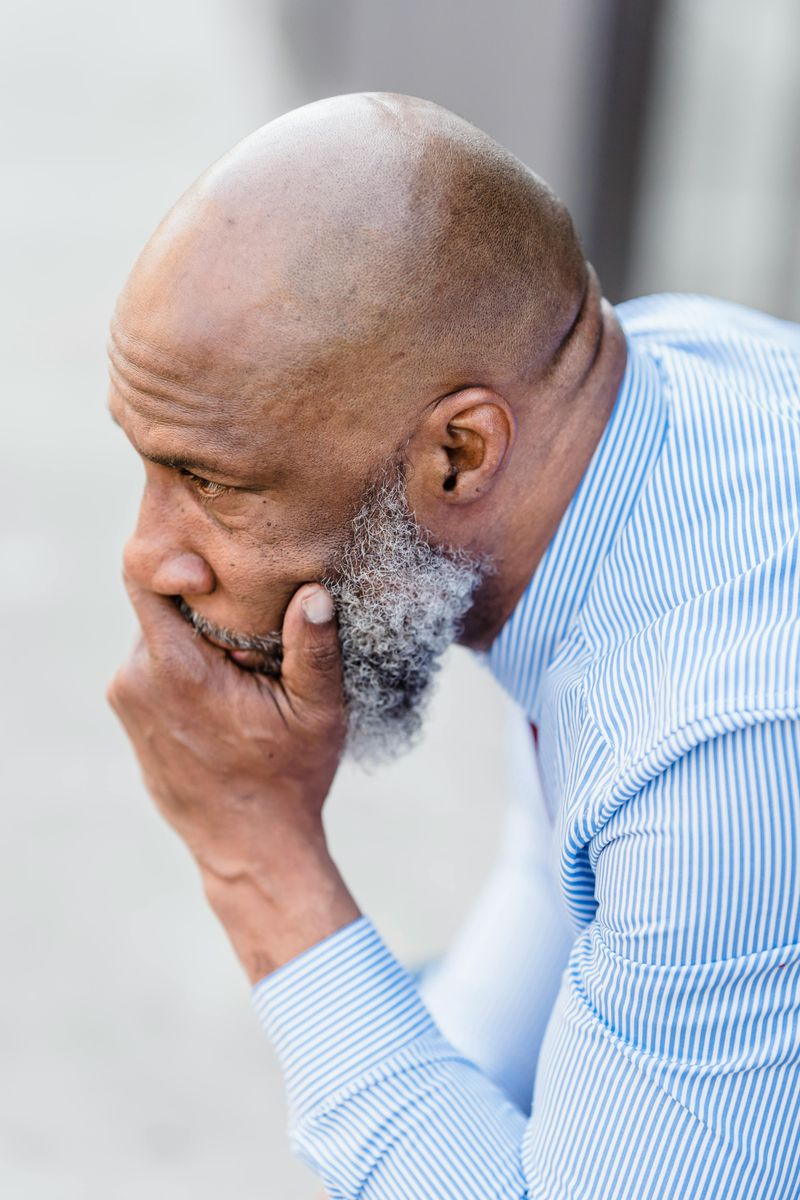
Experience can make people realistic, but it can also make them skeptical.
Many older men have watched their own relationships end, seen friends go through ugly divorces, or observed family members stay stuck in unhappy partnerships for years.
After enough examples, the promise of forever may start to feel less convincing than it once did.
You can hardly blame someone for questioning commitment when so much evidence around him points to disappointment.
Even if he still believes love is possible, he may doubt that long-term relationships reliably bring peace, loyalty, or lasting satisfaction.
That repeated exposure to failure can quietly reshape expectations, making a serious relationship seem less like a dream and more like a gamble.
12. They Prefer Low-Conflict Living

As people get older, many become far less tolerant of drama, tension, and emotional chaos.
Older men who have already lived through arguments, resentment, and complicated relationship dynamics often decide they no longer want that kind of stress in daily life.
A peaceful home and predictable routine can feel far more attractive than romantic intensity.
You may notice that some men step back the moment conflict starts to rise.
That is not always avoidance for its own sake, but a sign that calm has become a serious priority.
If a relationship threatens sleep, mood, health, or household peace, many older men will choose simplicity instead.
For them, low-conflict living is not boring, it is freedom they do not want to lose.
13. They No Longer Equate Commitment With Happiness

One of the deepest lessons age can bring is that happiness has many sources, and romance is only one of them.
Older men often find meaning in friendships, grandchildren, travel, spirituality, hobbies, volunteering, or simply enjoying quiet days on their own terms.
Because of that, serious commitment no longer holds the same automatic promise of fulfillment.
You can care about love and still reject the idea that it is the main path to a good life.
For some men, experience has shown that commitment can bring joy, but it can also bring pressure, disappointment, and sacrifice.
Once happiness is no longer tied to being partnered, staying unattached feels less like missing out and more like choosing the life that fits best.