 MomSkoop
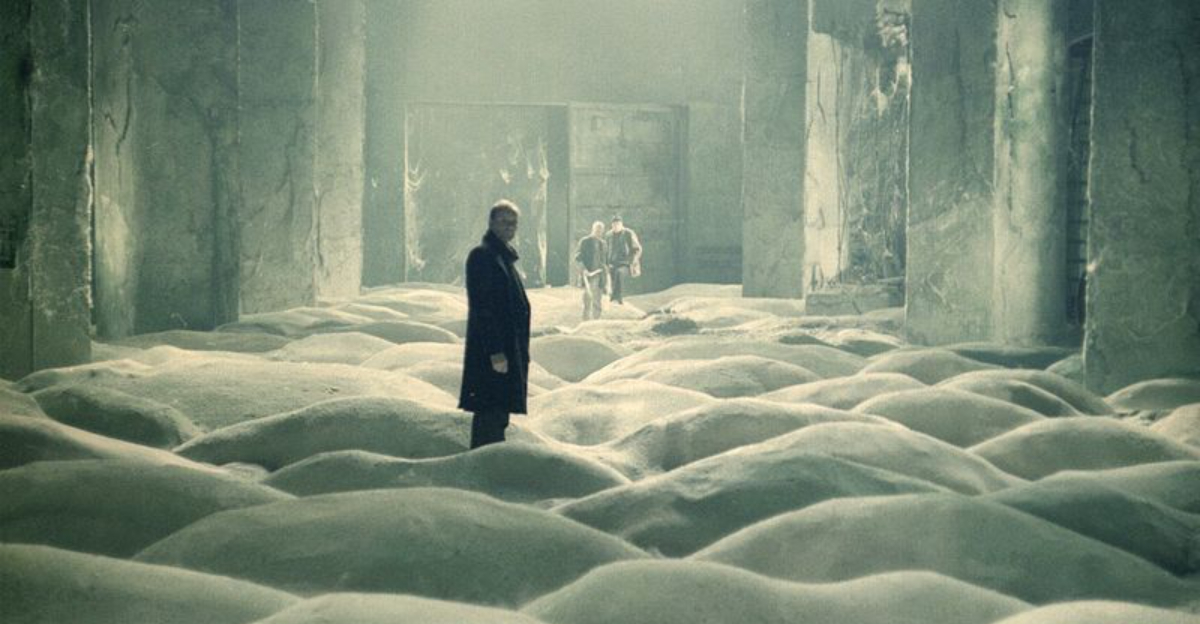
Some movies entertain you for two hours, then disappear by morning. These films do the opposite – they get under your skin, rearrange your thoughts, and leave you staring at the ceiling afterward.
If you love stories that challenge what is real, what is fair, and who you really are, this list is for you. Every pick here offers more than a plot twist – it opens a door you may not be able to close.
1. The Matrix (1999)
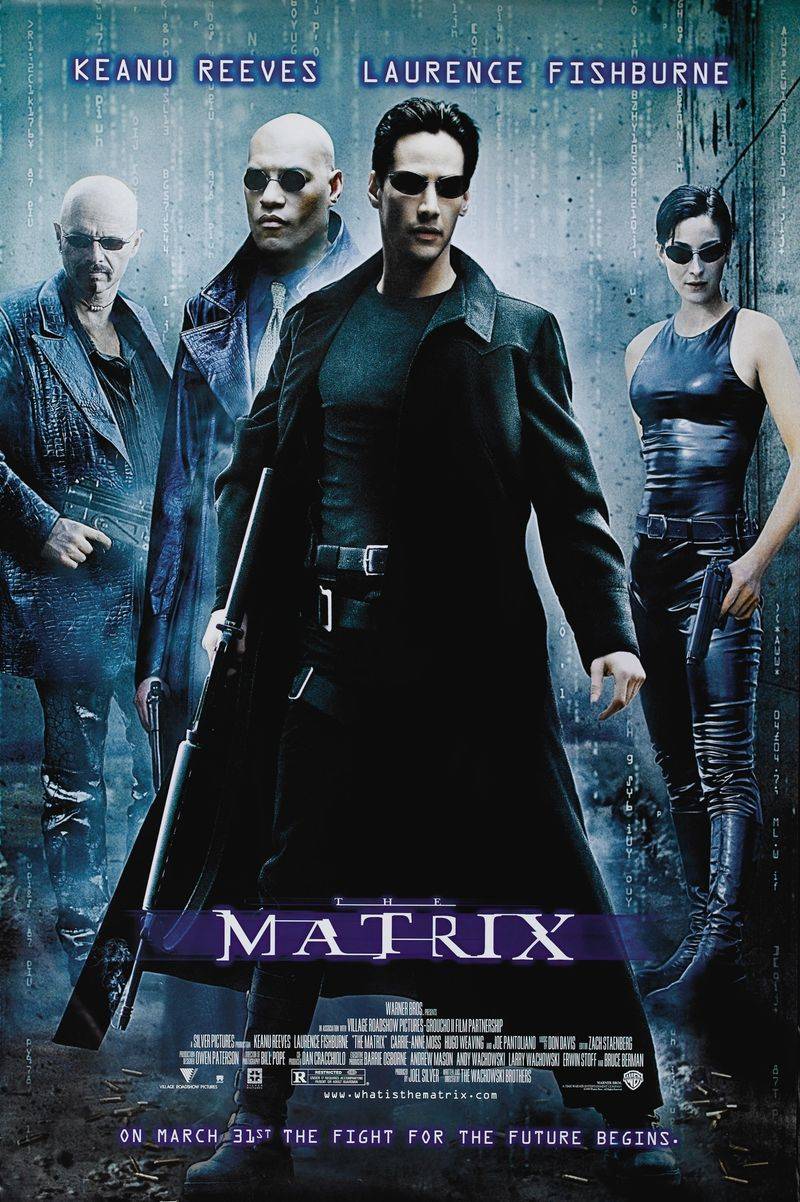
The Matrix is the kind of movie that makes you second guess the ground under your feet.
Its central question – whether reality is genuine or manufactured – still feels unsettling because it never stays safely inside science fiction.
You watch Neo wake up, but the real jolt comes when you start wondering what parts of your own life run on habit, programming, and invisible control.
Beyond the action, the film probes free will, authority, and the comfort of illusion.
It asks whether truth is worth the pain that comes with it, and that question lands harder with age.
If you like movies that turn philosophy into adrenaline, this one remains a perfect entry point into existential cinema.
2. Fight Club (1999)

Fight Club hits like a provocation disguised as a thriller, and that is exactly why it lingers.
On the surface, it is about violence, rebellion, and male frustration, but underneath it tears into consumer culture and the hollow identities people build from products, jobs, and social expectations.
The film keeps asking what is left of a person when status symbols are stripped away.
Its deeper power comes from how it frames self destruction as a twisted form of self discovery.
The story forces you to confront loneliness, performative masculinity, and the temptation of chaos when life feels numb.
Few films feel this abrasive and this honest at the same time, which makes it impossible to shake off.
3. The Truman Show (1998)
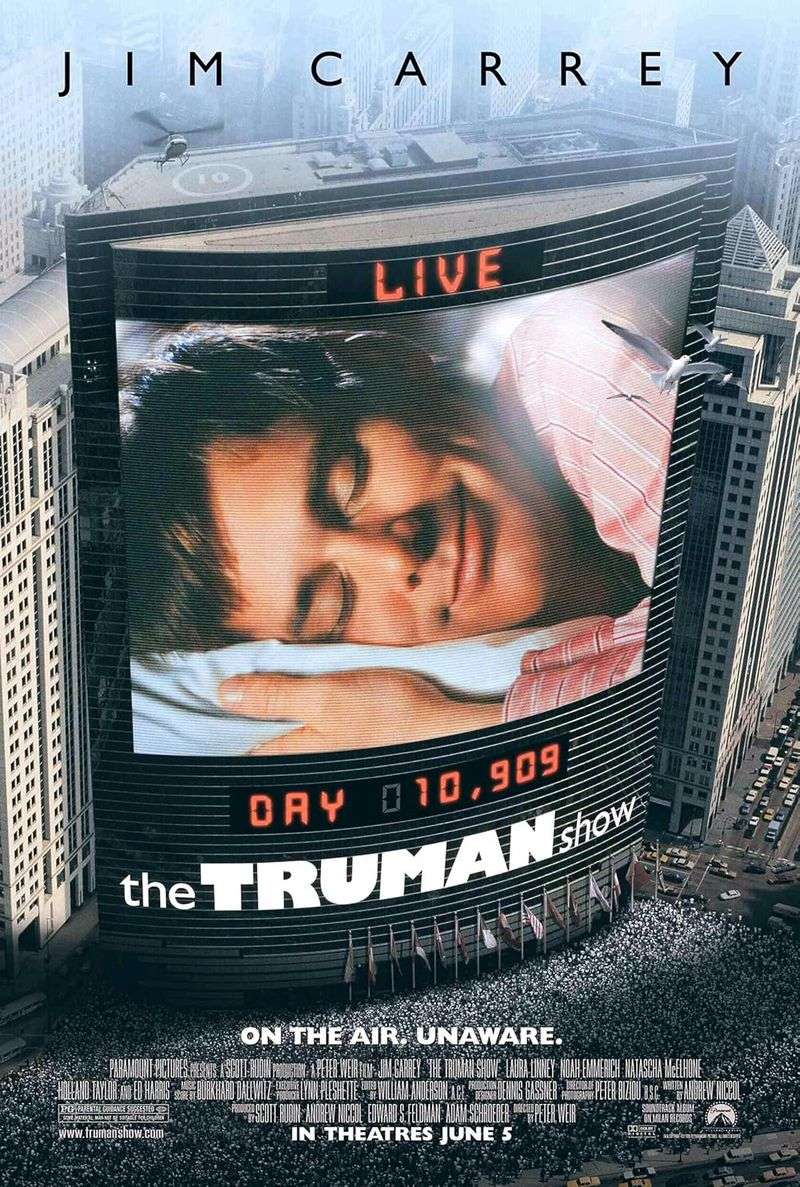
The Truman Show looks cheerful at first, which makes its ideas even more disturbing.
Truman lives inside a perfectly controlled world, yet everyone around him treats that artificial life as entertainment, and that feels eerily close to modern culture.
The movie asks how much of everyday behavior is authentic when cameras, audiences, and expectations are always hovering nearby.
What makes it powerful is how gently it pushes you toward uncomfortable self reflection.
Truman’s desire to break beyond the set becomes a metaphor for anyone trying to escape routine, manipulation, or a life designed by others.
It is funny, sad, and strangely moving, and by the end you may wonder how often comfort has kept you from wanting something real.
4. Blade Runner 2049 (2017)
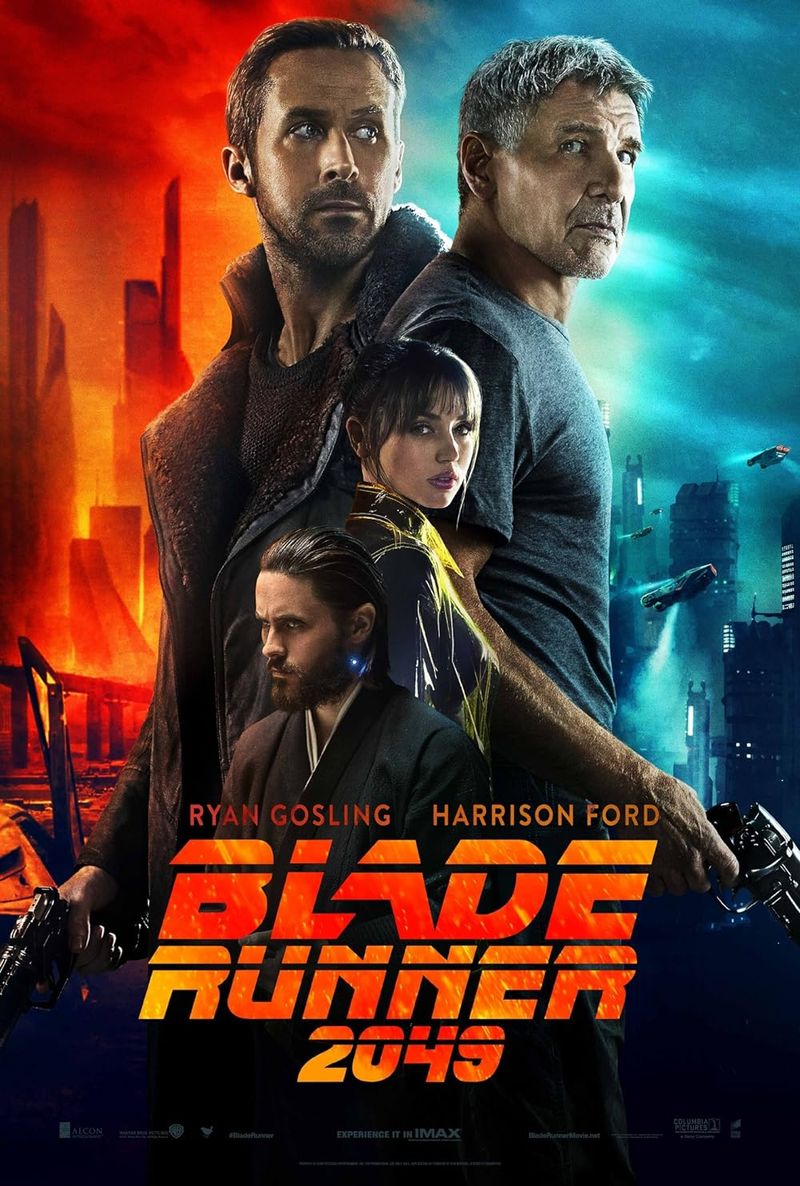
Blade Runner 2049 is stunning to look at, but its real force comes from the ache underneath the spectacle.
The film keeps circling one haunting idea: if memories can be implanted and identities can be manufactured, what actually makes someone human.
As K searches for meaning, you feel the loneliness of a world where personhood has become negotiable.
It is not just about artificial intelligence, but about the fragile stories people tell themselves in order to matter.
The movie explores memory, longing, and the need to believe your life has purpose, even when the universe offers no reassurance.
Few science fiction films feel this intimate, and that emotional depth is what makes its philosophical questions cut so deeply.
5. Everything Everywhere All at Once (2022)
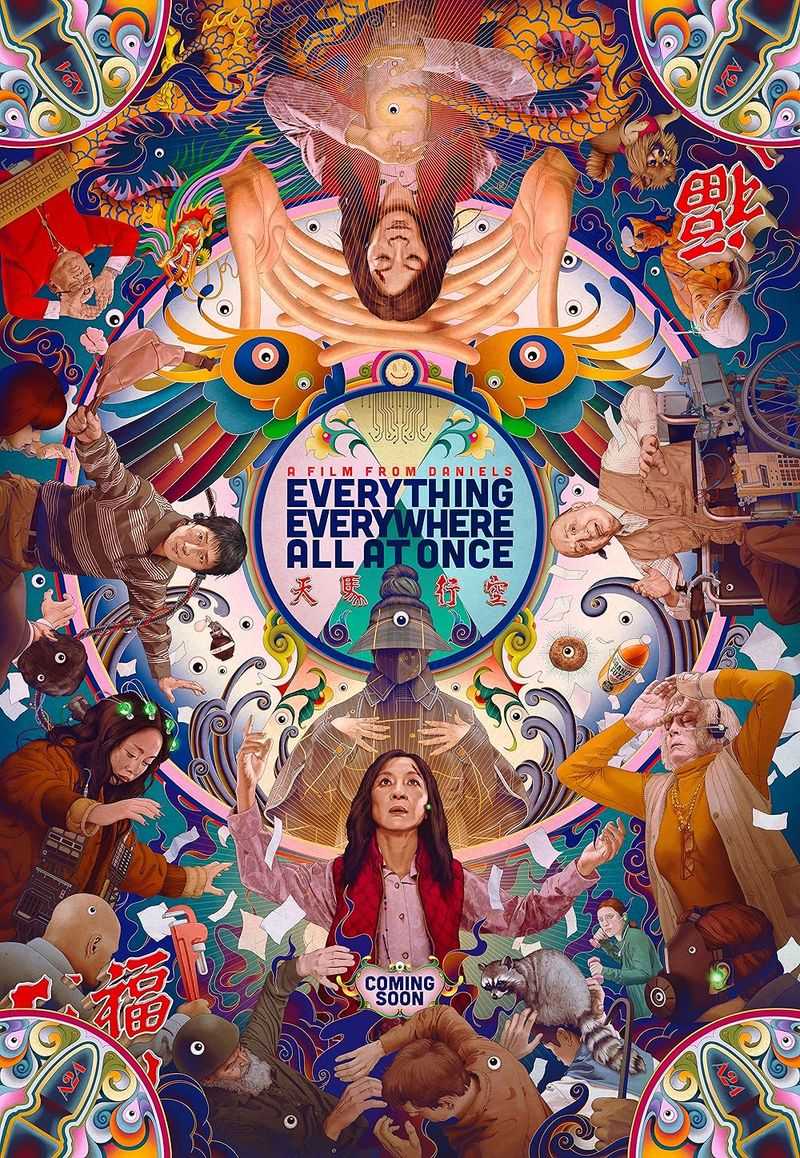
Everything Everywhere All at Once throws you into absurdity, then somehow turns that chaos into something deeply personal.
Beneath the hot dog fingers, exploding universes, and wild shifts in tone, the film wrestles with identity, regret, and the crushing weight of infinite possibilities.
If every version of your life exists somewhere, how do you decide which one matters now?
That question gives the movie its emotional sting.
Instead of treating the multiverse as a gimmick, it uses it to explore family pain, unrealized dreams, and the search for meaning in a noisy world.
What stays with you is not just the imagination, but the reminder that kindness and connection can still feel radical when existence itself starts to seem unbearably huge.
6. Synecdoche, New York (2008)
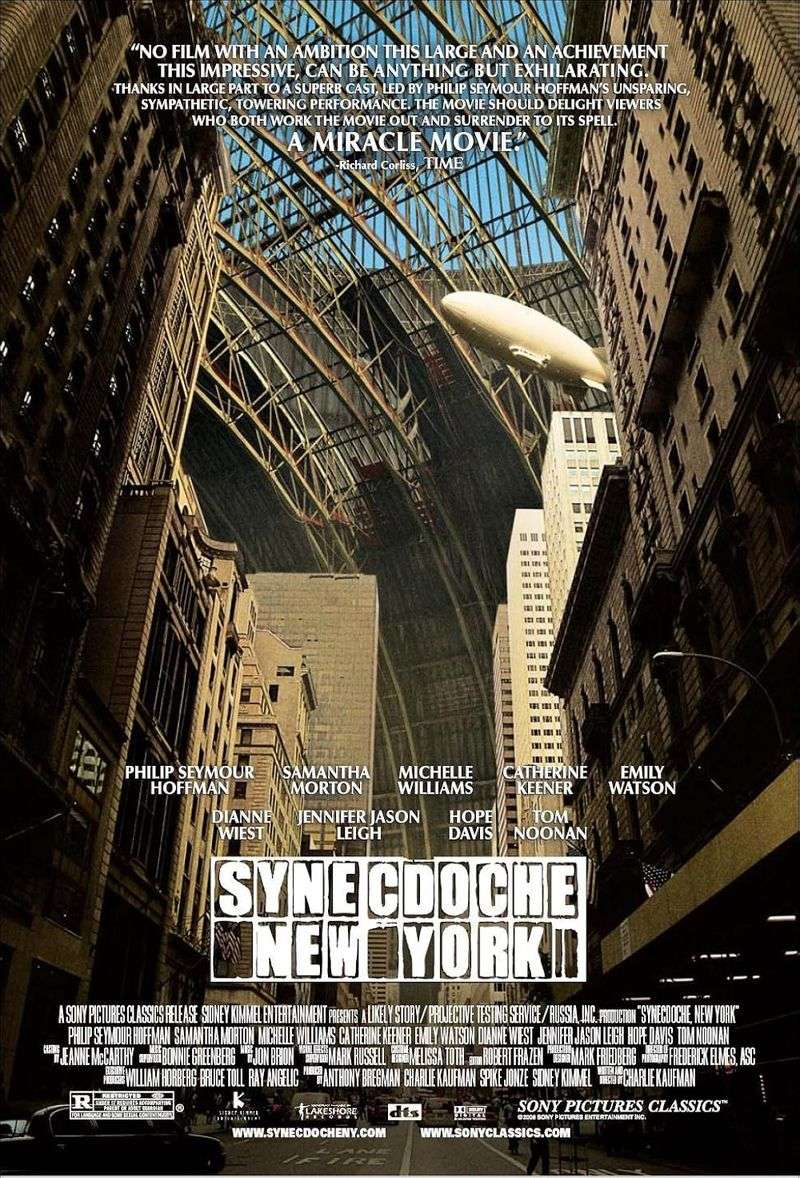
Synecdoche, New York is one of those films that feels less like a story and more like being trapped inside a mind.
It follows an artist trying to recreate life through art, only for the project to expand until it swallows everything, including time, identity, and love.
Watching it can feel disorienting because it mirrors how messy and unfinished existence actually is.
The film turns mortality into something intimate rather than abstract.
It captures the fear of wasting your life, misunderstanding people you love, and chasing meaning through work that can never fully express you.
This is not an easy watch, but if you want a movie that stares directly at loneliness, aging, and death, few hit with such devastating honesty.
7. Eternal Sunshine of the Spotless Mind (2004)
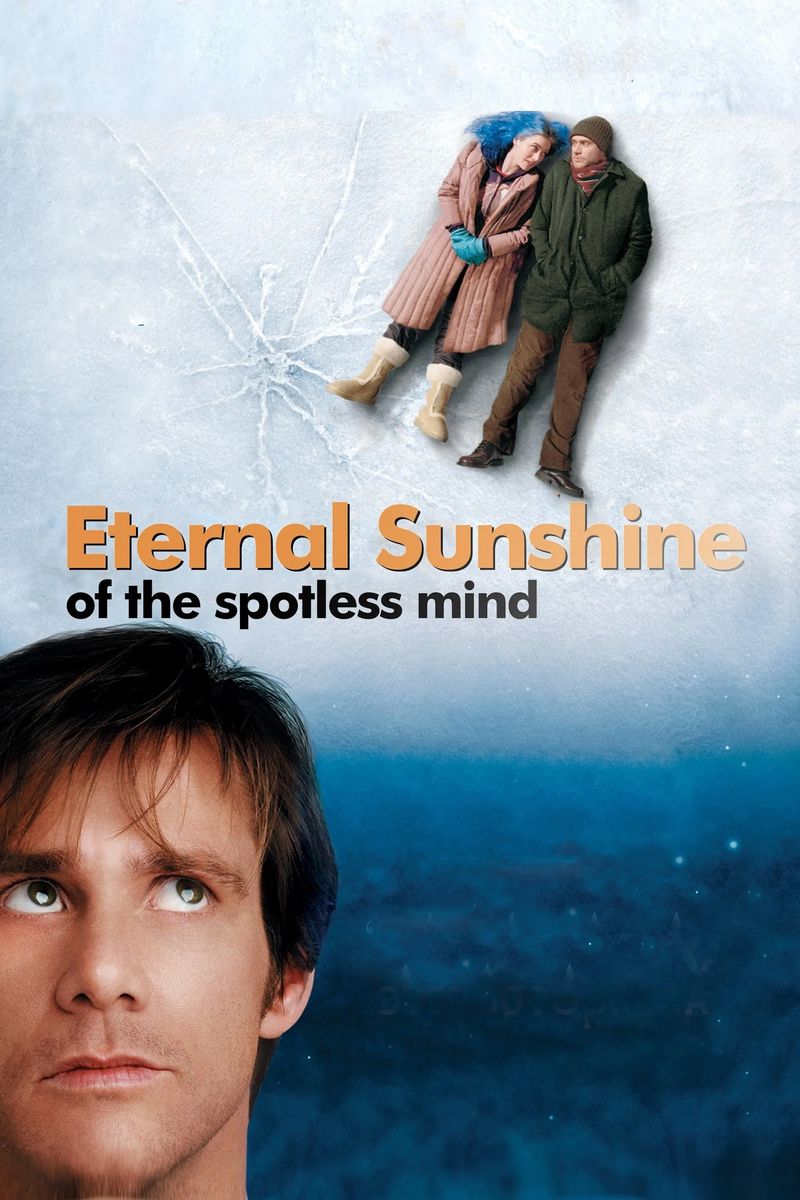
Eternal Sunshine of the Spotless Mind starts with a breakup premise, but it quickly becomes something far more haunting.
As memories are erased, the film asks whether pain is an essential part of love and whether forgetting heartbreak would also erase the growth that came from it.
That idea lands hard because most people have wished, at least once, for emotional deletion.
What makes the movie special is how vulnerable it feels beneath the surreal structure.
It captures the way relationships are built from tiny moments, contradictions, and recurring mistakes, not just grand declarations.
By the end, it suggests that being fully human means accepting both joy and damage, and that possibility makes its bittersweet ending feel painfully honest.
8. Parasite (2019)
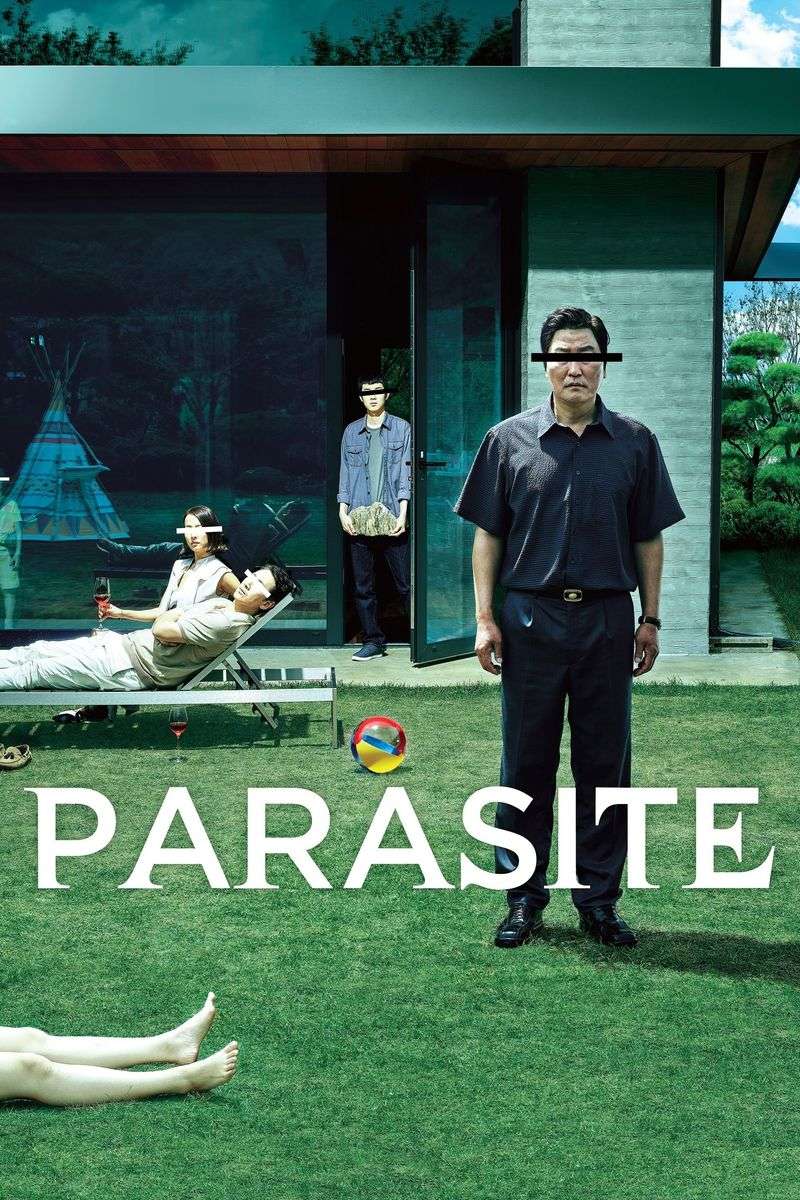
Parasite works brilliantly as a thriller, but its real sting comes from how precisely it exposes class inequality.
Every room, staircase, and awkward interaction is loaded with meaning, showing how wealth shapes access, dignity, and even physical space.
The film never lets you forget that society often runs on invisible lines people are expected to respect without question.
What makes it unforgettable is that no one is reduced to a simple symbol.
Desire, humiliation, resentment, and survival blur together until the system itself becomes the true villain.
You may start by judging individual choices, but the movie keeps pulling you back to a harder truth: when inequality becomes normal, everyone learns to perform, exploit, or hide just to endure.
9. Children of Men (2006)
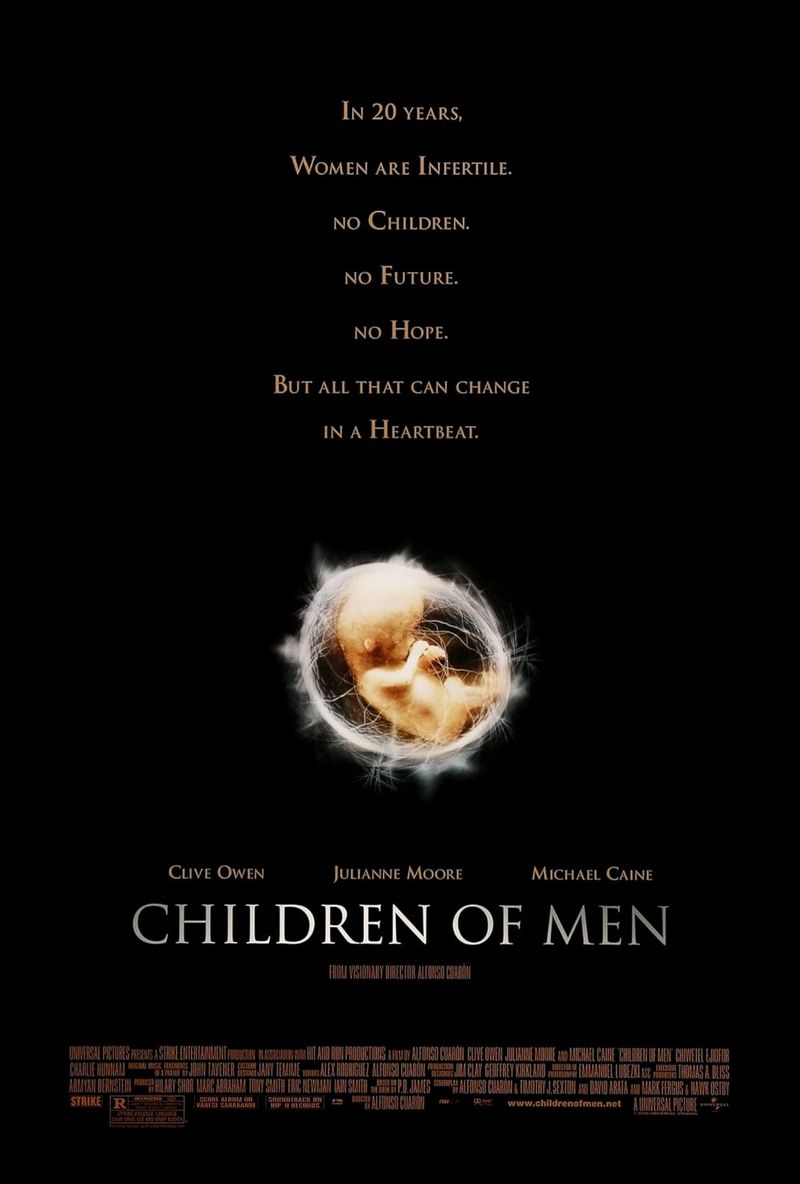
Children of Men presents a future where humanity has lost the ability to reproduce, and that premise creates instant dread.
Without a next generation, society collapses into fear, cruelty, and hopeless bureaucracy, turning everyday institutions into shells of control.
The film asks what people become when they no longer believe tomorrow exists.
Its power comes from the way it balances despair with fragile hope.
Amid violence, propaganda, and social breakdown, the story keeps searching for moments of mercy that still prove humanity is not gone.
The long immersive sequences make everything feel painfully immediate, and that realism sharpens the movie’s central question: how do you protect compassion when the world keeps teaching you to stop caring?
10. Ex Machina (2014)

Ex Machina is quiet, sleek, and deeply unnerving because it understands that intelligence is not the same as innocence.
As the relationship between human creator, human subject, and artificial being grows more tangled, the film keeps raising uncomfortable questions about consciousness, exploitation, and control.
You are never fully sure who is observing whom, and that uncertainty becomes the point.
What makes the movie linger is how calmly it exposes manipulation.
Desire, ego, and loneliness drive the human characters as much as logic does, which makes their judgments feel dangerously flawed.
Instead of offering easy answers about artificial intelligence, the film asks whether creating life without empathy simply reproduces the same power abuses people already inflict on each other.
11. A Clockwork Orange (1971)
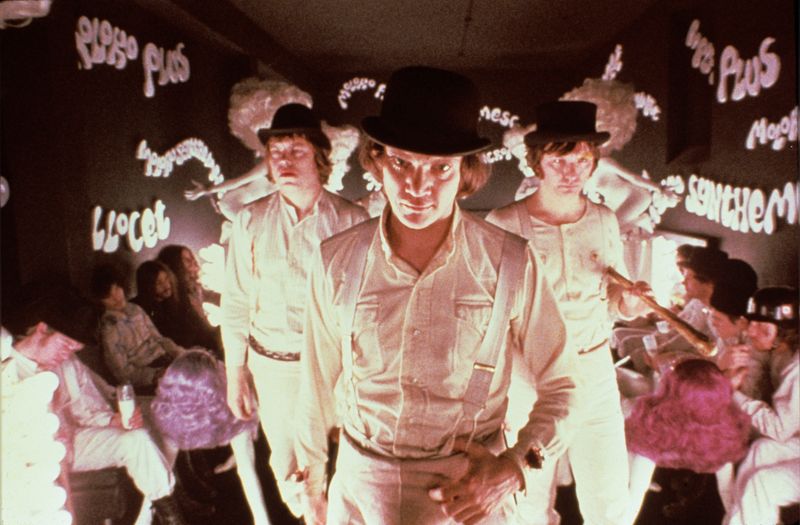
A Clockwork Orange is deliberately provocative, and that discomfort is central to its argument.
The film forces you to wrestle with a deeply unpleasant question: is a person still moral if goodness is imposed through conditioning rather than chosen freely.
By pushing that dilemma through violence, satire, and state intervention, it turns free will into something terrifyingly fragile.
The movie also critiques society’s appetite for control, especially when fear makes authoritarian solutions look convenient.
It suggests that eliminating evil behavior through coercion may destroy the very humanity such systems claim to protect.
You do not have to like what you see to recognize the power of the challenge it presents, and that tension is exactly why the film remains so unsettling.
12. The Seventh Seal (1957)
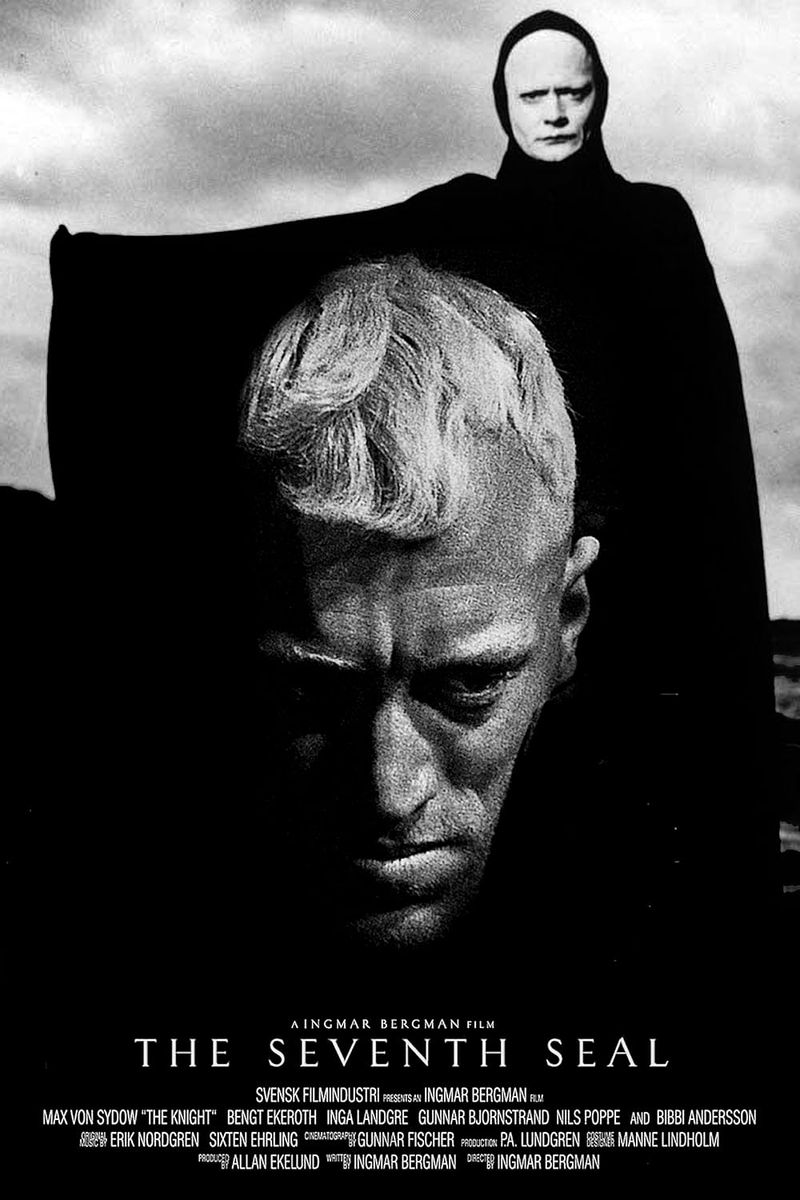
The Seventh Seal confronts death with such directness that it still feels startling decades later.
A knight returning from war meets Death in human form, and their famous chess match becomes a meditation on faith, fear, and the silence of the universe.
Few films ask so openly what meaning remains when certainty about God, justice, and survival begins to erode.
What makes it powerful is that it never turns philosophy into something dry or distant.
The characters move through plague, cruelty, tenderness, and doubt, all while searching for one convincing sign that life is more than suffering and disappearance.
If you want cinema that treats existential questions with seriousness and beauty, this one still feels piercingly alive despite its preoccupation with mortality.
13. Stalker (1979)
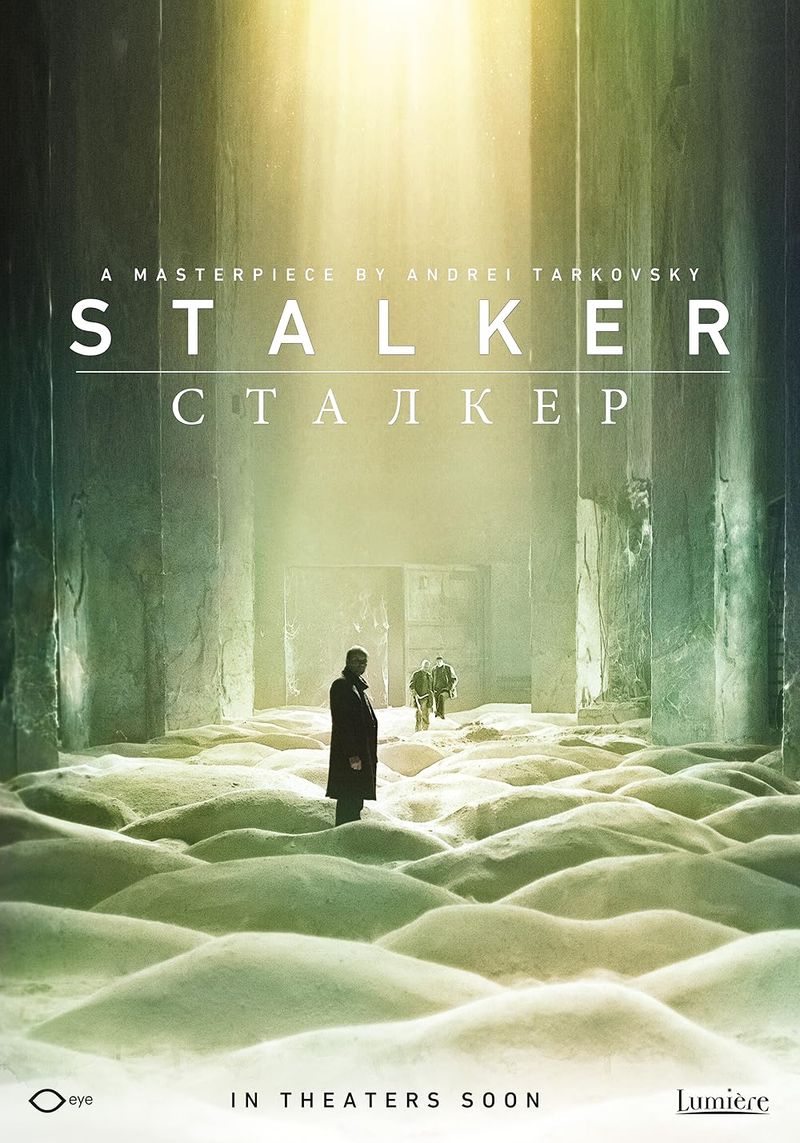
Stalker moves slowly, but that slowness is part of its hypnotic power.
The journey into the Zone feels less like a mission and more like a spiritual test, where every path, silence, and ruined landscape seems charged with hidden meaning.
Rather than explaining reality, the film invites you to sit inside uncertainty and wonder whether desire itself can be trusted.
At its core, the movie is about belief – in places, in miracles, in yourself.
Each traveler projects different hopes onto the Room at the center, and that tension reveals how often people fear their deepest wishes more than they fear failure.
If you have patience for ambiguity, Stalker becomes an immersive meditation on faith, consciousness, and the instability of truth.
14. Her (2013)
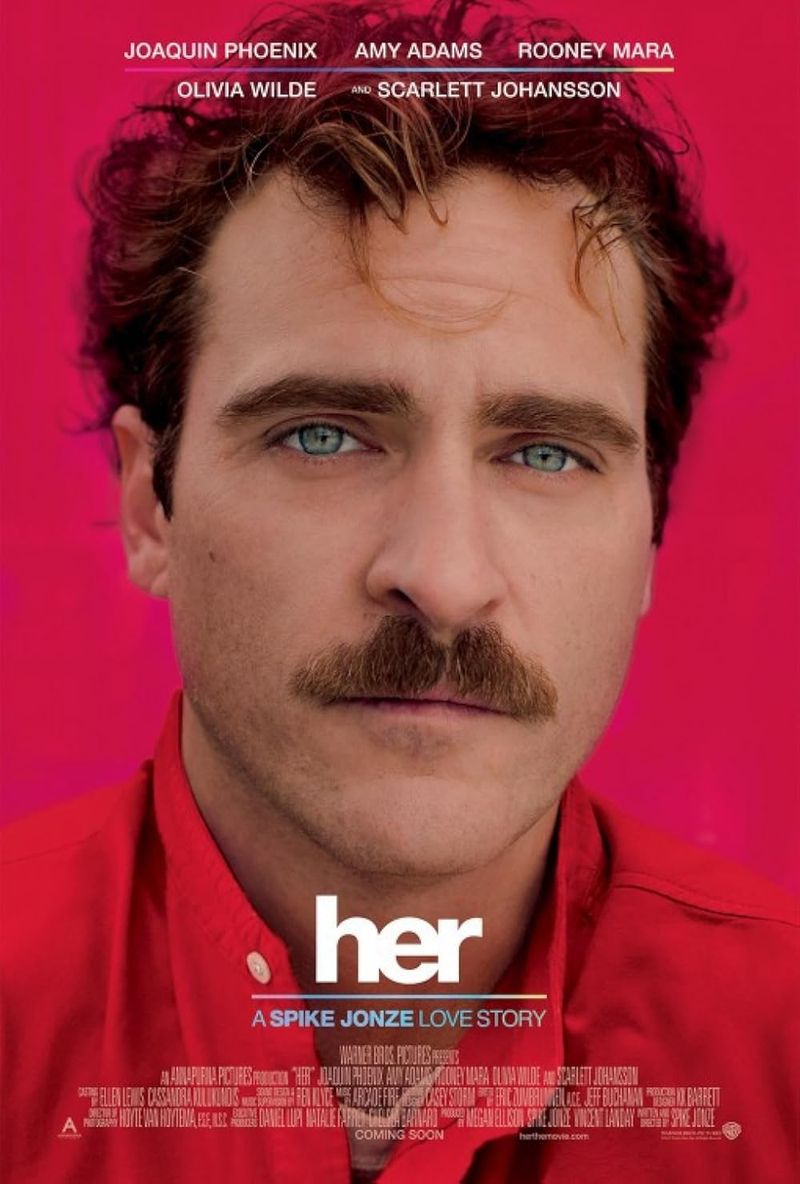
Her imagines a romance between a man and an operating system, but its emotional impact comes from how recognizable that loneliness feels.
The film explores what happens when technology becomes so intuitive that it seems to understand you better than other people do.
Instead of mocking that possibility, it treats it with surprising tenderness and unease.
What stays with you is the film’s honesty about intimacy in a mediated world.
Love here is not fake simply because it is unconventional, yet the story keeps asking whether connection without physical presence can ever satisfy the whole self.
In a culture increasingly shaped by screens, algorithms, and curated emotion, that question feels less speculative and more uncomfortably immediate.
15. The Lobster (2015)
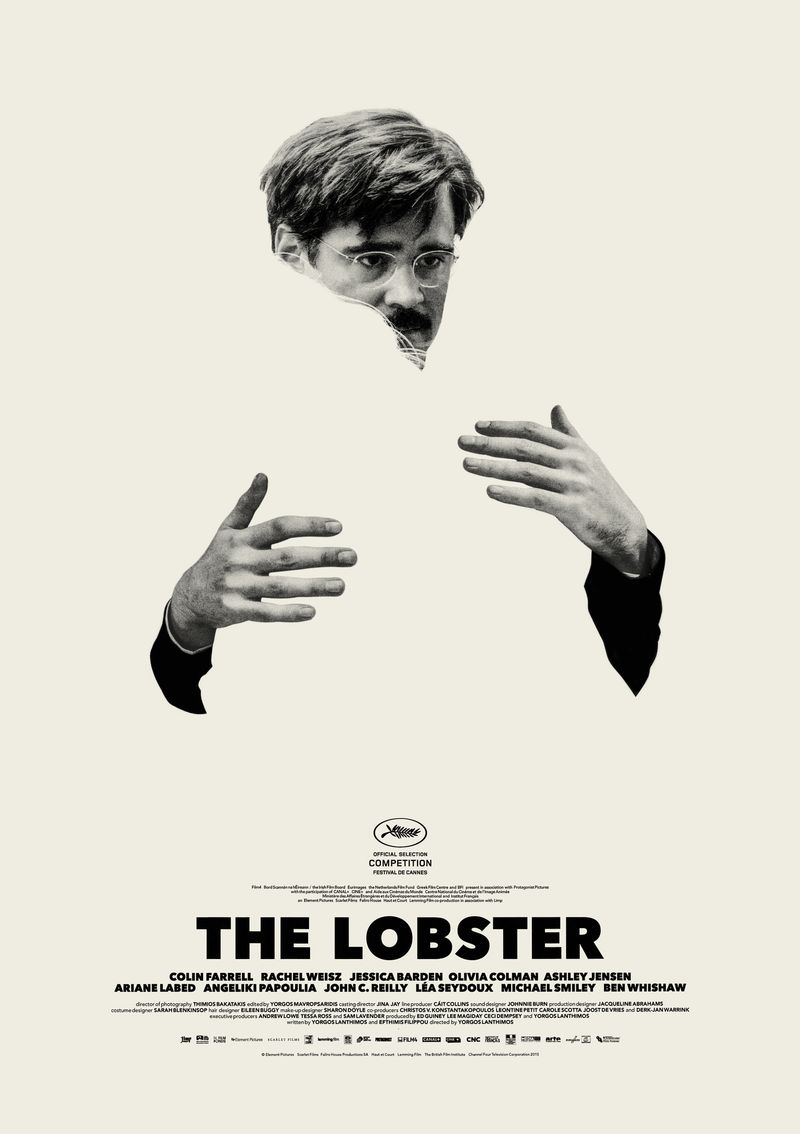
The Lobster takes the pressure to couple up and pushes it into absurd dystopian territory.
In its strange world, single people must find partners under rigid rules or be transformed into animals, which turns ordinary relationship anxiety into bleak satire.
The film’s deadpan style makes its critique sharper because the emotional cruelty feels both ridiculous and familiar.
Beneath the bizarre premise is a pointed look at conformity, performance, and the fear of being alone.
People shape themselves to fit social scripts, exaggerate compatibility, and suppress complexity just to avoid exclusion.
That exaggeration is what makes the movie sting: it reveals how often relationships are judged less by genuine connection than by whether they satisfy the expectations of everyone watching.
16. Waking Life (2001)
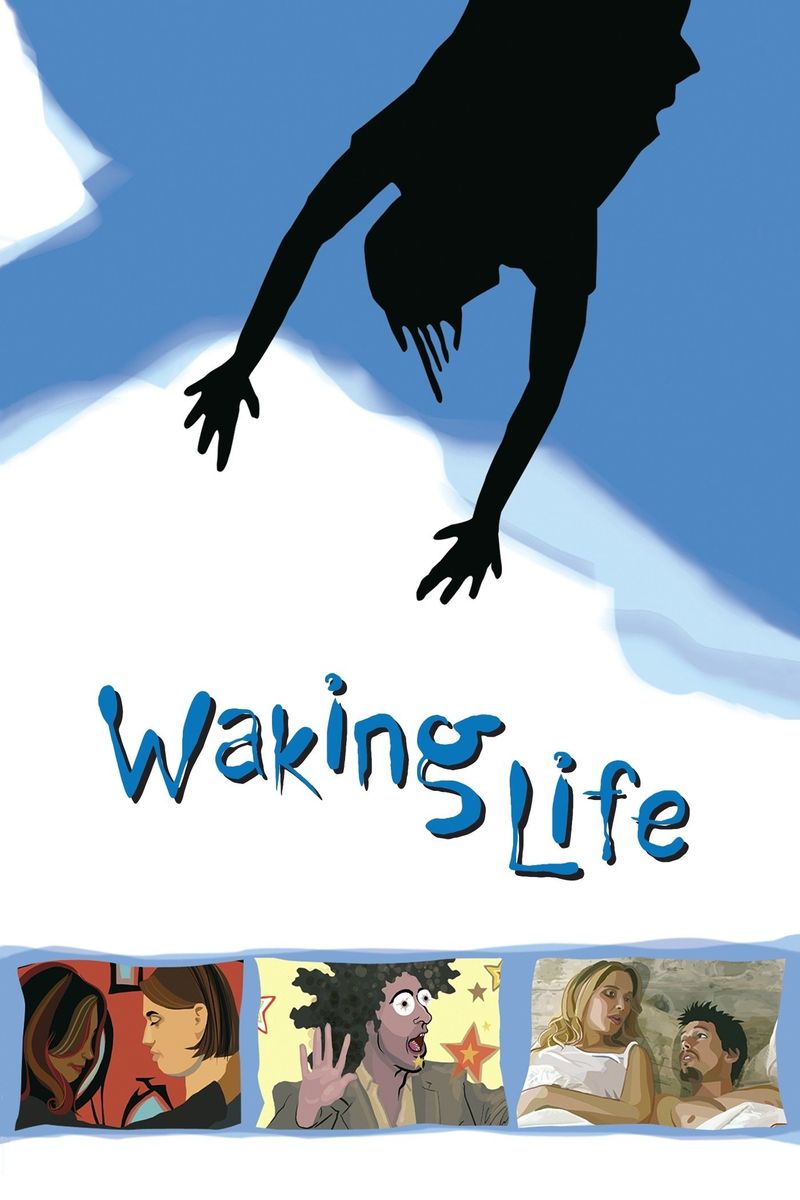
Waking Life feels like drifting through a lucid dream where every stranger suddenly becomes a philosopher.
The film is built from conversations about consciousness, free will, identity, and the possibility that waking life itself may be another kind of dream.
Rather than pushing one clear argument, it creates a restless mental space where ideas overlap, contradict, and provoke.
That structure is exactly what makes it rewarding.
You are not meant to passively consume the movie so much as wander through it, letting certain thoughts stick while others unsettle you later.
Its rotoscope visuals add to the instability, making the world look familiar and fluid at the same time.
If you enjoy cinema that feels like thinking out loud, this one is uniquely stimulating.
17. Mulholland Drive (2001)
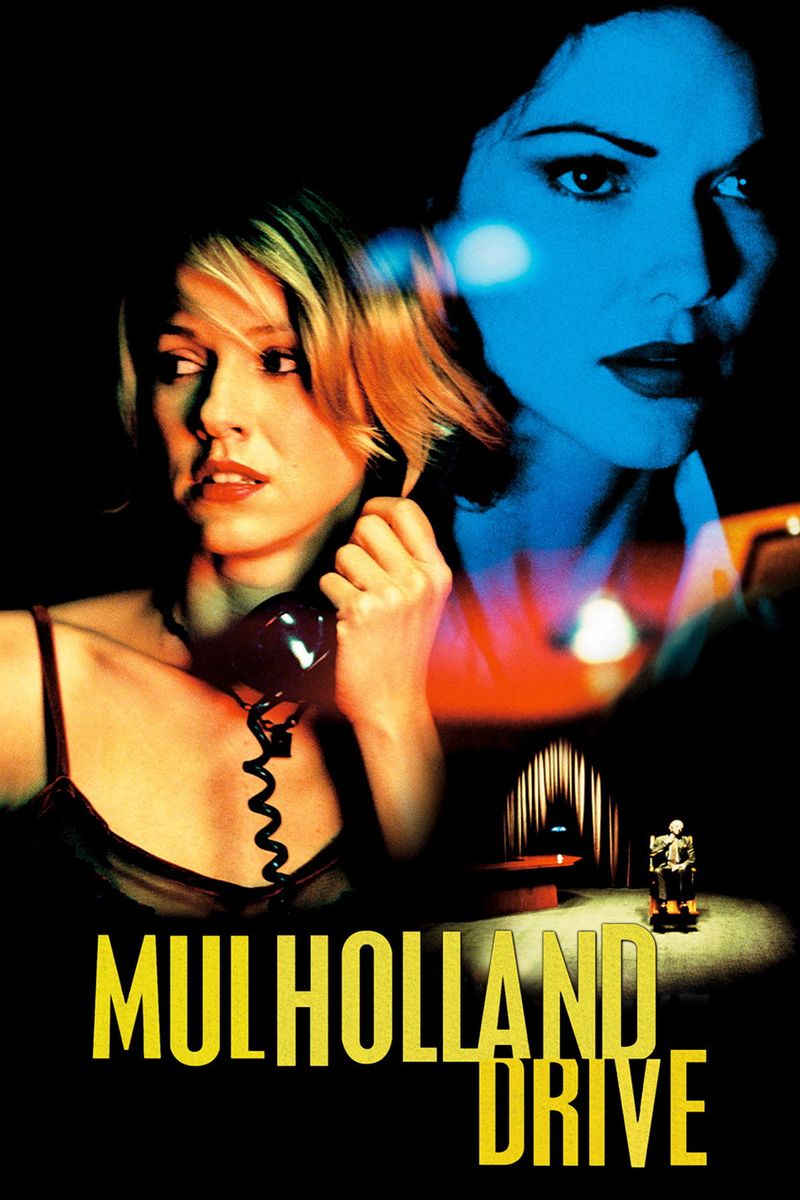
Mulholland Drive is the kind of movie that leaves you questioning not only the plot, but the reliability of desire itself.
Set against a dreamlike Hollywood backdrop, it blends ambition, fantasy, guilt, and longing into a fractured narrative that resists neat explanation.
The film feels like a puzzle, yet its emotional truth often hits before its logic does.
What makes it so haunting is how it captures self deception.
Characters slip between identities and roles, suggesting that dreams can protect you from pain while also trapping you inside it.
Hollywood becomes both a literal setting and a psychological machine that manufactures hope, illusion, and ruin.
Even if you cannot decode every detail, the film’s atmosphere of loss and unreality stays with you.