 MomSkoop
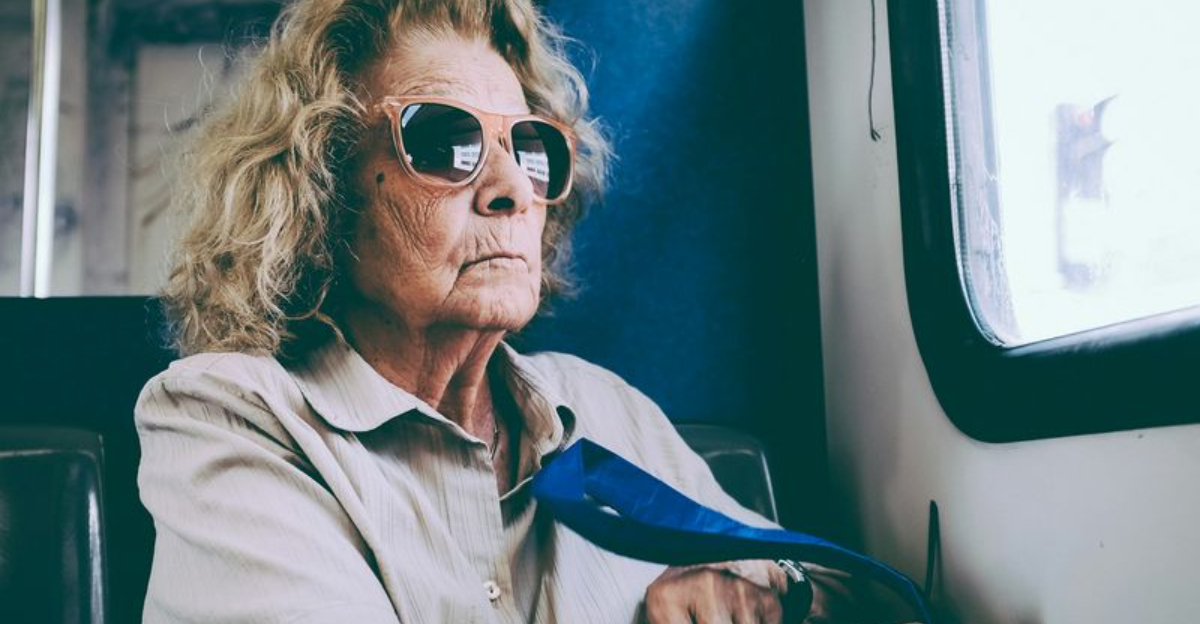
Turning 70 is a major milestone, and it often brings a fresh perspective on what truly matters in life. While age is just a number, some habits and routines that worked well in your younger years may no longer serve you the same way.
From everyday choices that affect your health to financial mistakes and unnecessary stress, certain behaviors can quietly make life harder than it needs to be. The good news is that making a few thoughtful changes can help you stay healthy, independent, and happy for years to come.
1. Ignoring Regular Health Checkups
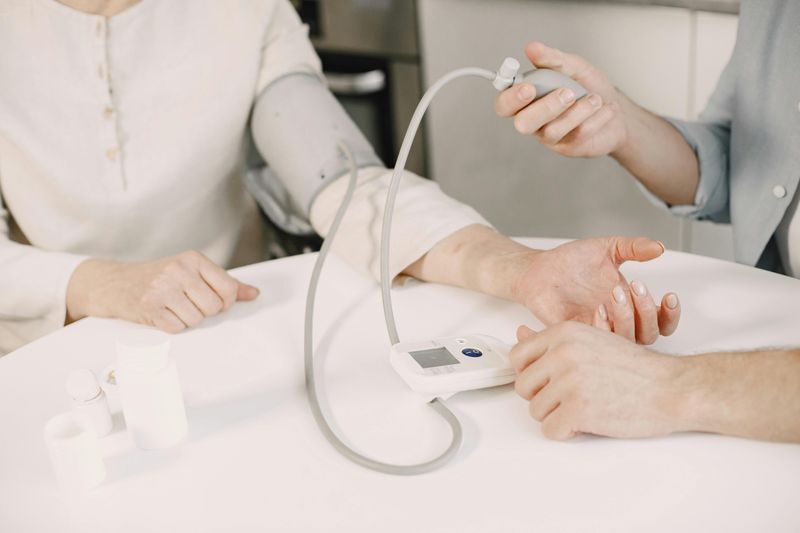
Once you turn 70, skipping routine checkups can let small problems grow into bigger ones before you notice them.
Blood pressure changes, vision issues, medication side effects, and silent conditions like diabetes often develop gradually.
When you stay consistent with appointments, you give yourself a better chance to catch concerns early and keep daily life running smoothly.
This is not about becoming obsessed with every ache or test result.
It is about giving your future self more protection, more options, and fewer emergencies.
If you have been putting off screenings, dental visits, hearing tests, or follow-ups, now is the right time to treat them as part of your normal routine, not something optional.
2. Living a Sedentary Lifestyle

Sitting for long stretches may feel harmless, but after 70 it can affect far more than your waistline.
Too much inactivity can weaken muscles, reduce circulation, stiffen joints, and make balance less reliable.
Over time, everyday tasks like climbing stairs, carrying groceries, or getting out of a chair can start feeling harder than they should.
You do not need intense workouts to push back against a sedentary routine.
Short walks, light stretching, gardening, and simply standing up more often can help your body stay responsive.
If most of your day happens in a chair, it is worth changing that pattern now, because regular movement supports your heart, your mood, your mobility, and your independence.
3. Skipping Strength and Balance Exercises
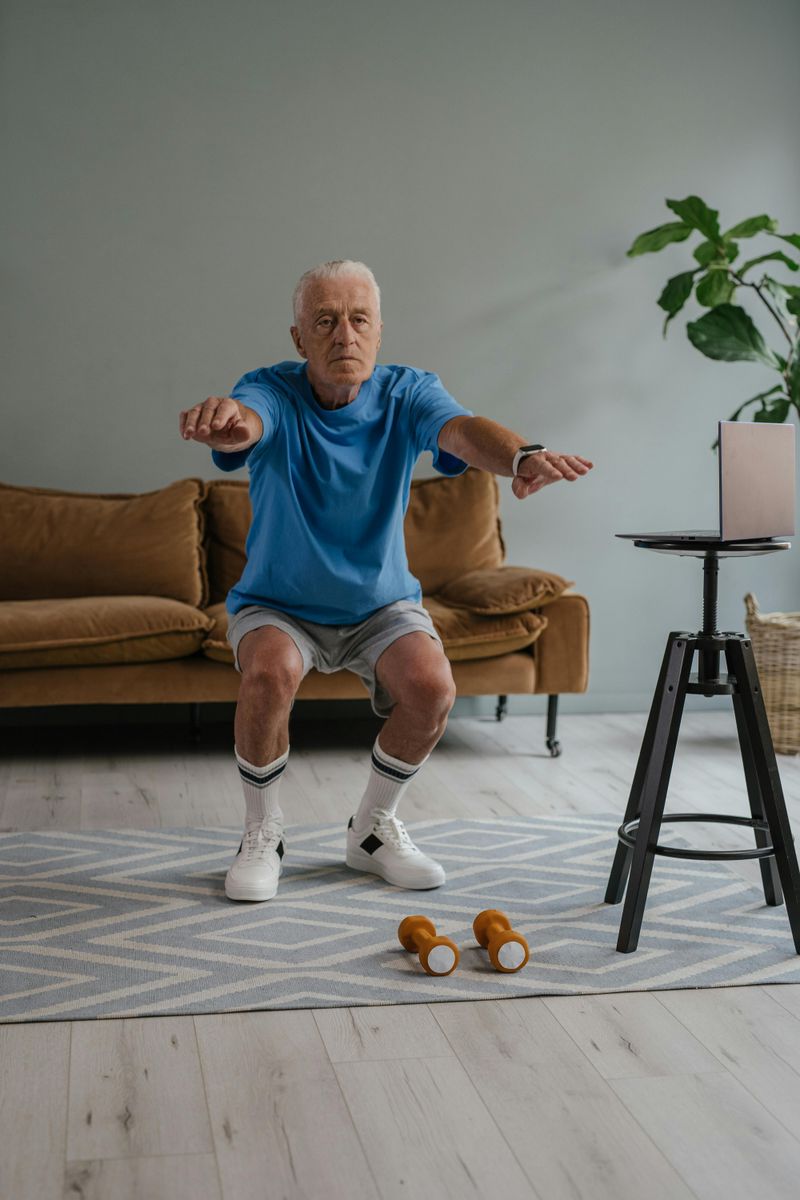
After 70, strength and balance are not extras you can ignore.
They are key to staying steady on your feet, protecting your joints, and keeping routine activities manageable.
When these abilities decline, the risk of falls rises and confidence often drops right along with it.
The encouraging part is that small efforts can make a real difference.
Chair squats, heel raises, light resistance work, and simple balance practice near a counter can help you stay stronger and more secure.
You do not have to train like an athlete to benefit.
If you have been avoiding these exercises, now is the time to start, because preserving mobility makes nearly every part of life easier, safer, and more enjoyable.
4. Neglecting Sleep Quality
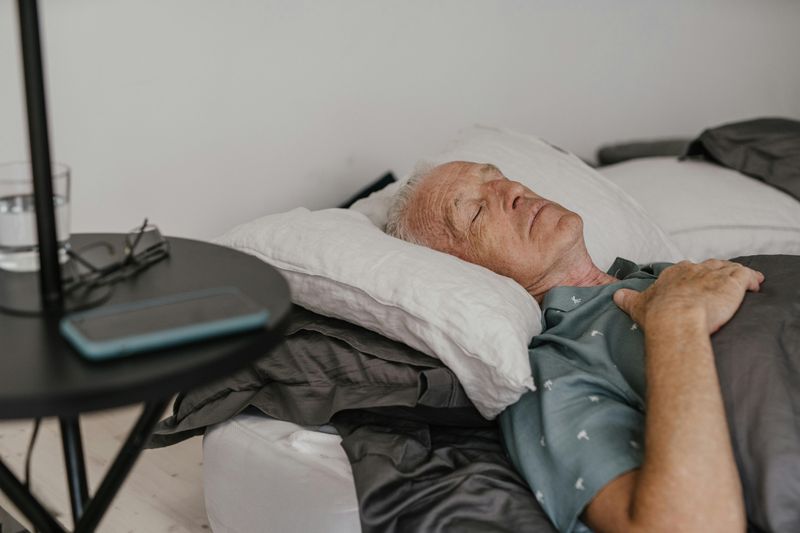
Poor sleep can sneak into your life so gradually that you start treating exhaustion as normal.
But after 70, restless nights can affect memory, mood, immune function, and even your balance during the day.
If you wake often, feel tired every morning, or rely on naps to get through the afternoon, your sleep deserves more attention.
Good sleep is not just a comfort.
It is part of protecting your brain and body.
A consistent bedtime, less late caffeine, a cooler room, and discussing sleep issues with your doctor can all help.
If you have been brushing off snoring, insomnia, or constant fatigue, stop doing that now.
Better rest can improve nearly everything else you are trying to maintain.
5. Isolating Yourself from Family and Friends

Spending too much time alone can quietly affect both emotional and physical health.
After 70, staying connected with family, friends, neighbors, or community groups can support happiness, sharpen your mind, and even improve longevity.
Isolation often grows slowly, especially after retirement, loss, or health changes, so it is easy to underestimate its impact.
You do not need a packed social calendar to feel connected.
A regular phone call, shared meal, walk with a friend, or local class can make a meaningful difference.
If you have started withdrawing because it feels easier, it may be time to gently push in the other direction.
Relationships help you feel grounded, seen, and supported when life becomes more demanding.
6. Driving When It No Longer Feels Safe

Driving represents freedom, so admitting it no longer feels fully safe can be emotionally difficult.
Still, after 70, slower reaction time, vision changes, medication effects, or reduced confidence can make driving riskier than it used to be.
Ignoring that reality does not preserve independence.
It puts you and others in danger.
Being honest with yourself is an act of strength, not defeat.
If night driving, heavy traffic, left turns, or unfamiliar routes now feel stressful, pay attention to that.
A driving assessment, updated vision exam, or reduced driving schedule may help you stay safe longer.
And if it is time to stop, planning reliable alternatives in advance can protect your freedom better than denial ever will.
7. Ignoring Warning Signs from Your Body
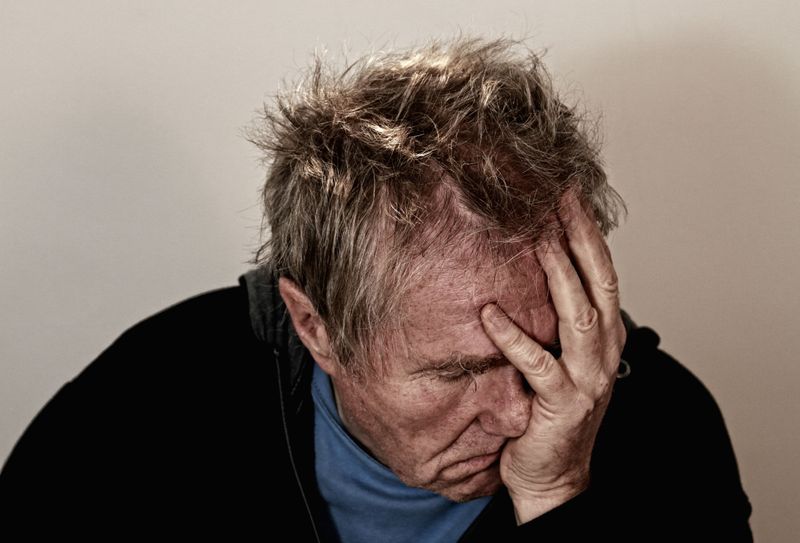
Your body often gives clues before a serious problem becomes impossible to ignore.
New pain, unusual fatigue, dizziness, swelling, sudden weight change, or shifts in appetite can all mean something deserves attention.
After 70, assuming every symptom is just part of getting older can delay treatment when early action matters most.
You know your normal better than anyone else.
When something feels off, trust that instinct instead of waiting weeks or months to see if it disappears.
Keeping notes about symptoms and discussing them promptly can help doctors spot patterns faster.
If you have been minimizing what your body is telling you, this is a good time to stop.
Listening early can prevent bigger setbacks later.
8. Holding on to Unnecessary Stress and Grudges
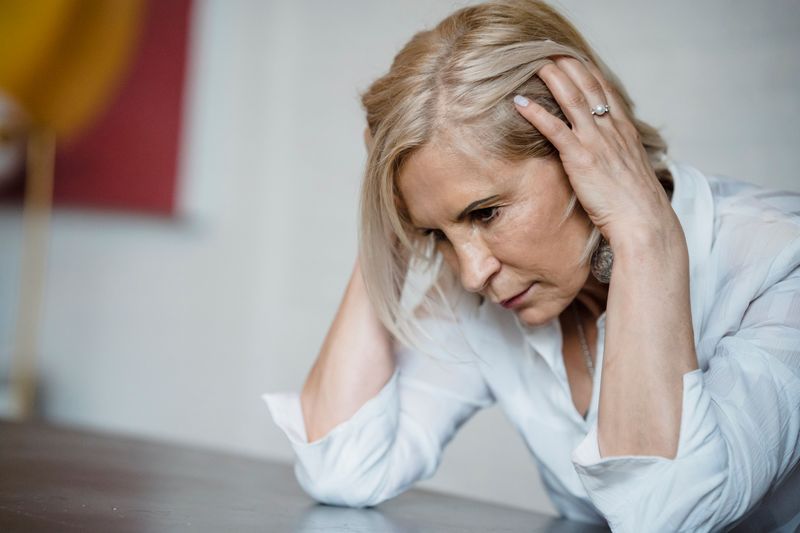
Carrying old stress and long-held grudges can weigh on you more heavily than you realize.
Emotional strain can affect sleep, blood pressure, relationships, and your overall sense of well-being.
After 70, peace of mind becomes more valuable, not less, because your energy deserves better uses than replaying old hurt.
Letting go does not mean pretending something never happened.
It means choosing not to let it keep stealing your calm.
Talking with someone you trust, praying, journaling, setting boundaries, or seeking counseling can all help lighten that emotional load.
If anger and resentment have become familiar companions, consider whether they are costing you more than they are protecting you.
Relief can be a form of strength, too.
9. Avoiding New Experiences and Learning Opportunities
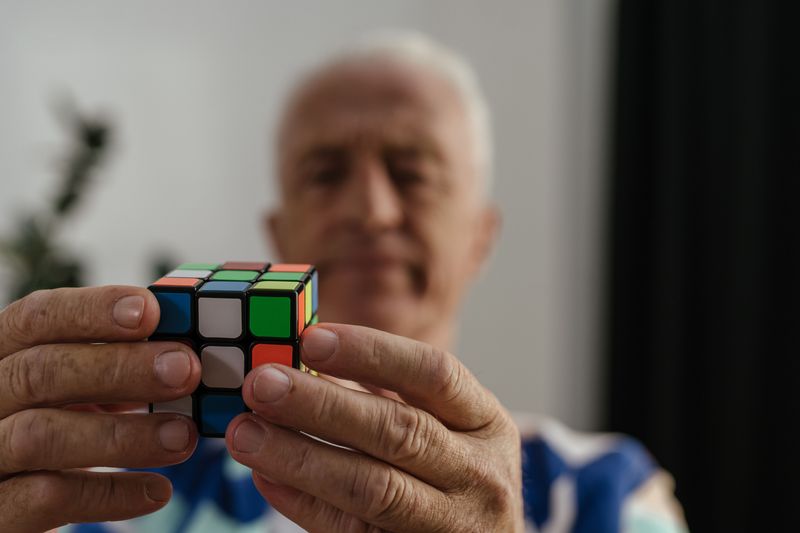
It is easy to fall into familiar routines, especially when they feel comfortable and predictable.
But after 70, avoiding new experiences can slowly narrow your world and leave your mind less challenged than it should be.
Learning, exploring, and staying curious can support cognitive function, confidence, and a stronger sense of purpose.
New does not have to mean dramatic.
It can be as simple as trying a class, learning a device, visiting a new place, reading different books, or picking up a hobby you once ignored.
The point is to keep your brain engaged and your life open.
If you have been telling yourself you are too old to learn something fresh, that belief deserves to be retired immediately.
10. Neglecting Financial Planning

Money stress can quietly drain your peace, especially when bills, insurance, savings, and estate plans are left scattered or unclear.
After 70, staying financially organized is not just about numbers.
It is about reducing confusion, protecting yourself from mistakes or scams, and making sure your wishes are easier to carry out.
You do not need a complicated system to improve your situation.
Reviewing accounts, updating beneficiaries, organizing passwords, checking for unnecessary expenses, and discussing plans with a trusted professional can bring real relief.
If you have been putting off these tasks because they feel tedious or uncomfortable, it is worth tackling them now.
Clear financial planning can make the years ahead feel more stable, manageable, and secure.
11. Taking Too Many Risks Around the House
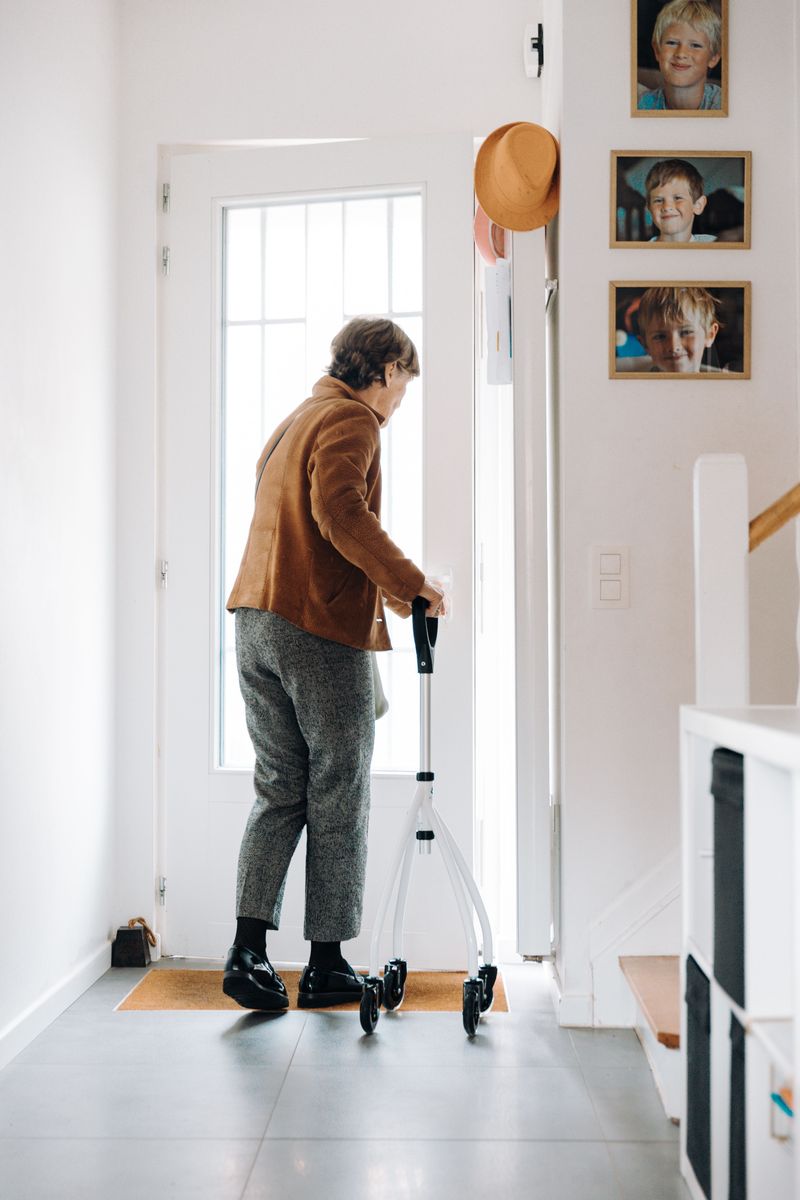
Many serious injuries after 70 happen at home during ordinary moments.
Climbing ladders, carrying heavy loads, rushing on stairs, or ignoring loose rugs and poor lighting can lead to falls that change life quickly.
Confidence is helpful, but overconfidence around household hazards can come with a very high price.
Making your home safer does not mean giving up independence.
It means protecting it.
Better lighting, grab bars, non-slip mats, handrails, safer footwear, and asking for help with risky tasks can prevent painful setbacks.
If you still do jobs that leave you unsteady or strained, it may be time to rethink them.
A small adjustment today can save you from a major injury, long recovery, or permanent loss of mobility.
12. Believing You’re Too Old to Make Positive Changes

One of the most damaging habits after 70 is believing change no longer matters.
That idea can keep you from moving more, eating better, sleeping well, asking for help, or trying something new that could genuinely improve your life.
Age may change the pace of progress, but it does not erase the value of progress itself.
Small changes still count, and they often add up faster than you expect.
A daily walk, a better breakfast, a medication review, or a stronger social routine can improve how you feel in meaningful ways.
If you have been telling yourself it is too late to bother, challenge that thought.
Your body, mind, and quality of life can still respond beautifully to care and attention.
13. Skipping Meals and Relying on Processed Foods

A cup of coffee and a few crackers may be easy, but they rarely make a balanced lunch.
After 70, your body still needs steady nourishment, even when your appetite feels smaller.
Try simple meals with protein, vegetables, fruit, and whole grains.
Eggs, beans, yogurt, and fish can help support muscles without much cooking.
Keep easy options ready, such as frozen vegetables or soup with less salt.
If shopping or cooking becomes difficult, ask about grocery delivery or local meal programs.
Tell your doctor about ongoing appetite loss or unexpected weight changes rather than brushing them off as part of aging.
14. Changing Medications Without Professional Advice

Feeling better can make stopping a pill seem harmless.
Yet some medicines need to be reduced slowly, and changing a dose yourself can cause problems.
Before stopping, adding, or sharing any medicine, speak with your doctor or pharmacist.
That includes vitamins, herbal products, and pain relievers bought without a prescription, since they can affect other treatments.
Bring an updated medicine list to appointments, including doses and how often you take them.
Ask what each medicine does and which side effects need attention.
If costs, confusing directions, or unwanted effects get in the way, ask for help finding a safer, simpler plan.