 MomSkoop

Some habits do not disappear because they are useful – they stick around because nobody ever challenged them. What once made perfect sense can look oddly exhausting, expensive, or inconvenient today.
If you have ever watched someone turn a simple task into a ritual from another decade, this list will feel painfully familiar. These outdated routines are funny on the surface, but they also reveal how hard it is to let go of what once worked.
1. Treating Voicemail Like a Formal Speech

Treating voicemail like a stage performance comes from a time when every call felt important.
You had one shot to sound clear, polite, and complete, so people learned to leave long, carefully structured messages.
Today, that same habit feels wildly oversized when most updates could fit into a short text.
The result is a rambling recap nobody replays unless they absolutely have to.
A quick call me back or running ten minutes late gets the job done faster and with less pressure.
Holding onto formal voicemail speeches is less about usefulness now and more about muscle memory from another era of phones.
It sounds thoughtful, but it often turns a simple message into homework for the person listening later.
2. Turning the Thermostat Into a Daily Battle

The thermostat battle usually starts with good intentions and ends with everyone wearing sweaters indoors.
For many older people, comfort got tied to frugality, especially after years of watching every utility bill closely.
Saving money matters, but constantly nudging the temperature up and down can make a home feel tense instead of cozy.
You can almost hear the running commentary every time someone walks past the wall control.
A few cents saved rarely outweigh the daily annoyance of rooms that are too cold, too warm, or never consistent.
This habit survives because thrift feels responsible, even when modern systems work best with steady settings and less fuss.
It is exhausting for everyone else in the house.
3. Saving Boxes, Containers, and Bags Forever
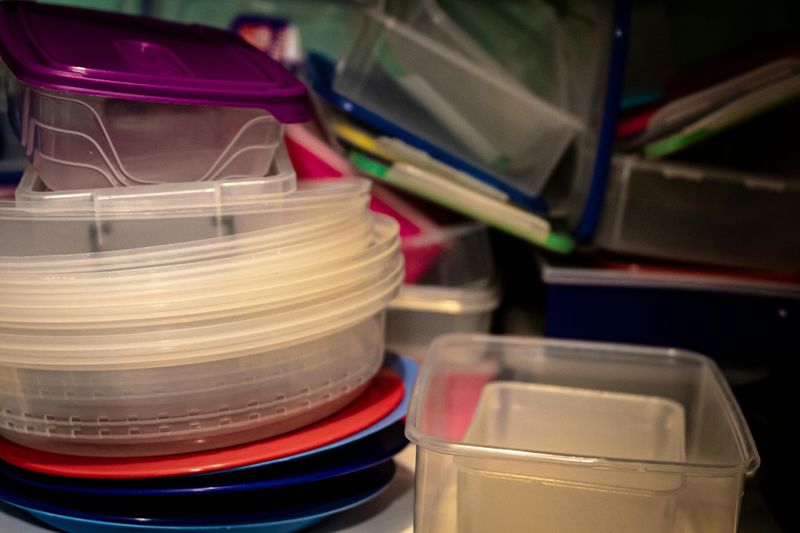
Saving every gift box, plastic tub, and shopping bag once made perfect practical sense.
Reuse was smart, storage was expensive, and throwing away something sturdy could feel almost wasteful.
The problem starts when useful backups quietly turn into towering piles that take over shelves, closets, and the space under every bed.
At some point, the collection stops being organized thrift and starts becoming delayed decision making.
You are not preserving valuable tools if half the stash is cracked, mismatched, or buried so deeply nobody can reach it.
This habit hangs on because each item carries a tiny maybe, and maybe is surprisingly hard for sentimental savers to toss when the house is already full anyway.
4. Using One Finger to Type on a Smartphone

Using one finger to type on a smartphone is the digital version of tiptoeing across ice.
It works, but it is slow, cautious, and filled with tiny corrections that make a simple message take forever.
Even after years of owning touchscreens, some people still approach them like unfamiliar machines that might betray them.
The hesitation is understandable because buttons once gave certainty and glass offers very little feedback.
Still, pecking out each letter one at a time turns conversation into a chore for everyone waiting on a reply.
This habit sticks around because it feels safer to move slowly, even when faster typing features have been sitting right there all along for them to learn.
5. Keeping Clothes That Stopped Fitting Years Ago

Closets become time capsules when clothes that stopped fitting years ago are still hanging front and center.
Some pieces represent a smaller size, a younger season of life, or the belief that everything will circle back eventually.
Instead of offering options, they quietly create guilt every time the door opens and nothing truly suits the present.
Keeping one sentimental item is understandable, but keeping twenty pairs of pants from another decade is something else.
You are not planning ahead if the wardrobe has become a museum of old measurements and expired optimism.
This habit lasts because letting go can feel like admitting change, and change is often harder than donating a few unused outfits today.
6. Telling Cashiers Their Entire Life Story

Telling cashiers your whole life story comes from a friendlier retail world where errands were also social time.
Stores felt local, people recognized one another, and a checkout lane could double as a place to connect.
Now the pace is faster, the line is longer, and the person scanning groceries probably cannot absorb a full family update.
A warm comment can brighten everybody’s day, but a ten minute monologue traps both the cashier and the people waiting behind you.
What feels charming to the speaker can feel awkward to everyone else who just wants to pay and move on.
This habit lingers because conversation once signaled politeness, even when modern settings reward brevity more than backstory.
7. Keeping an Address Book Full of Dead Numbers
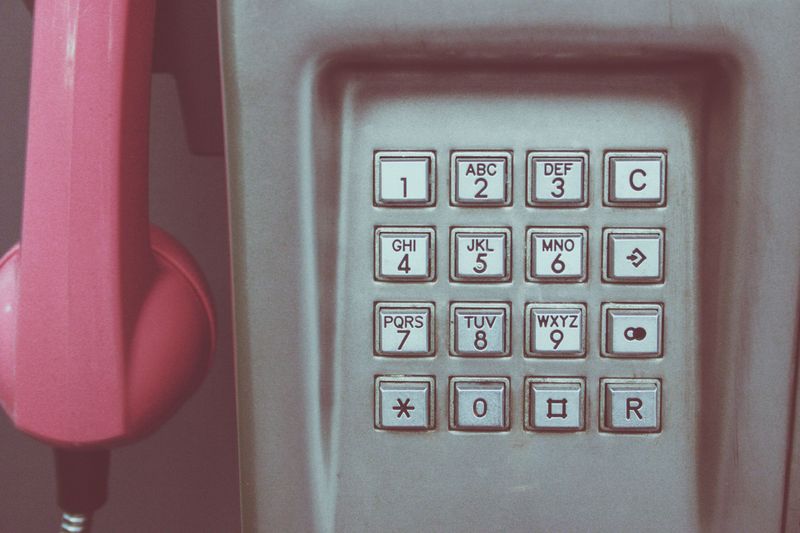
An old address book packed with disconnected numbers can feel strangely sacred.
Every page holds old neighbors, former coworkers, doctors who retired, and friends tied to phases of life that are already gone.
Even when half the entries no longer work, crossing them out feels more final than simply never calling.
The book stays tucked in a drawer because it represents preparedness, memory, and a world where important information lived on paper.
The problem is that outdated contacts create clutter without offering real help when you actually need someone fast.
This habit survives because ink feels permanent, and people often trust what is written by hand more than what has quietly changed everywhere else since.
8. Driving Around Instead of Using GPS

Driving in circles rather than using GPS is one of those stubborn habits that turns confidence into wasted time.
Many older drivers learned to rely on landmarks, memory, and handwritten directions, so asking a phone for help can feel unnecessary or even embarrassing.
Unfortunately, memory is not always as sharp as pride, especially in unfamiliar neighborhoods with endless similar turns.
The irony is that refusing guidance rarely proves independence.
It usually means arriving late, feeling irritated, and pretending the detour was intentional when everybody knows it was not.
This habit hangs on because trusting technology can feel like surrender, even though getting where you need to go should matter more than winning an argument with a screen.
9. Treating the Good Dishes Like Museum Pieces
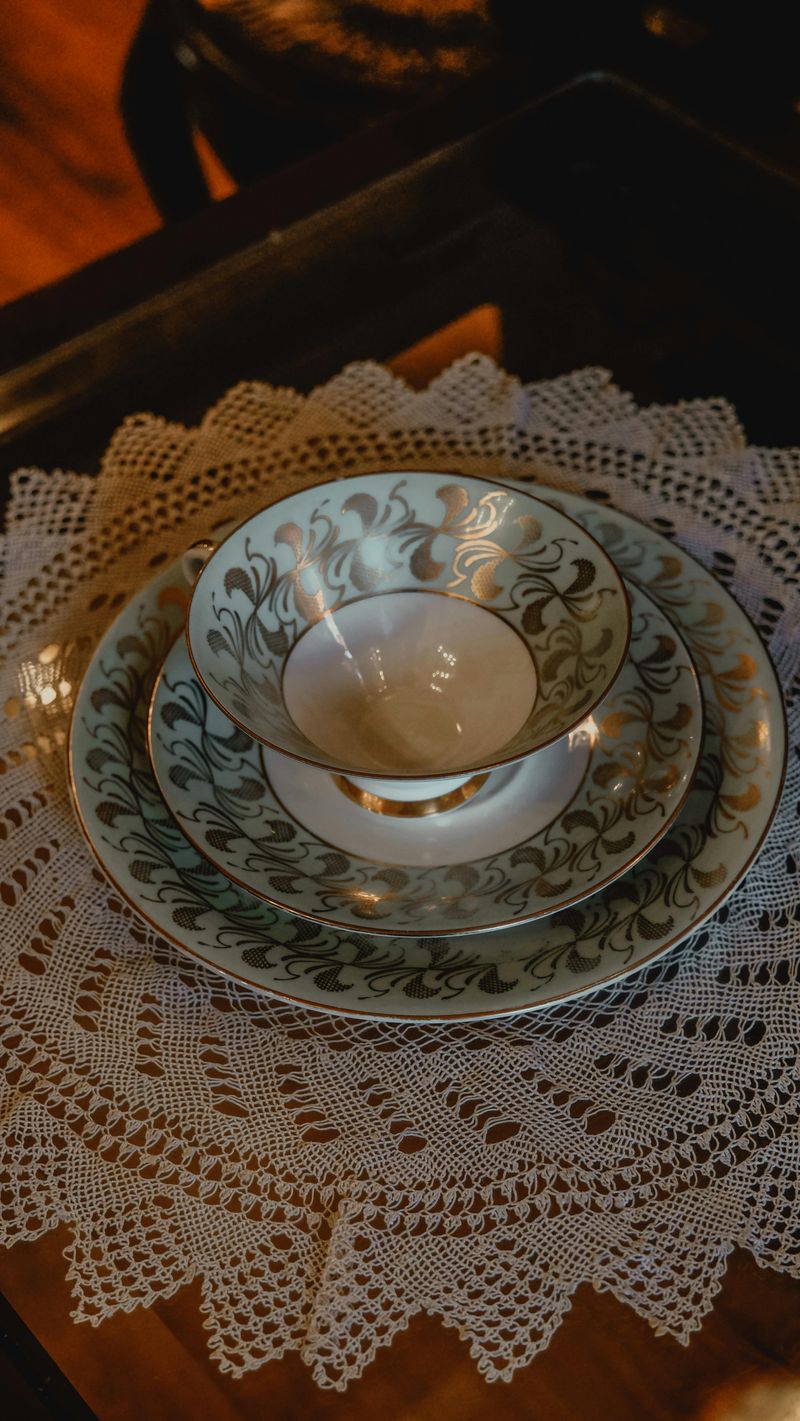
The good dishes sitting untouched in a cabinet are basically a tiny domestic exhibit on delayed enjoyment.
Plenty of people grew up protecting nicer things from everyday wear, saving them for guests, holidays, or a future moment important enough to justify the risk.
Then ordinary life keeps rolling, and the plates remain wrapped in caution instead of memories.
Using the special set on a random Tuesday would probably make dinner feel nicer, not reckless.
A chipped edge is unfortunate, but a lifetime of never enjoying beautiful things is a bigger loss than a broken saucer.
This habit lasts because scarcity once shaped households, and treating possessions gently still feels wiser than admitting everyday life is the occasion.
10. Assuming Every Unfamiliar Website Is a Scam

Assuming every unfamiliar website is a scam made more sense when the internet felt chaotic, loud, and full of obvious traps.
Caution is still smart, but blanket suspicion can shut the door on useful services like online banking tools, appointment portals, delivery apps, and community resources.
When fear leads every click, convenience disappears and small tasks become much harder than they need to be.
The goal is not blind trust.
It is learning the signs of legitimate sites so caution becomes informed instead of paralyzing.
This habit persists because the online world still feels foreign to some people, and unfamiliar things are easy to label dangerous when nobody ever taught the difference between risky and simply new.
11. Keeping Drawers Full of Mystery Cables
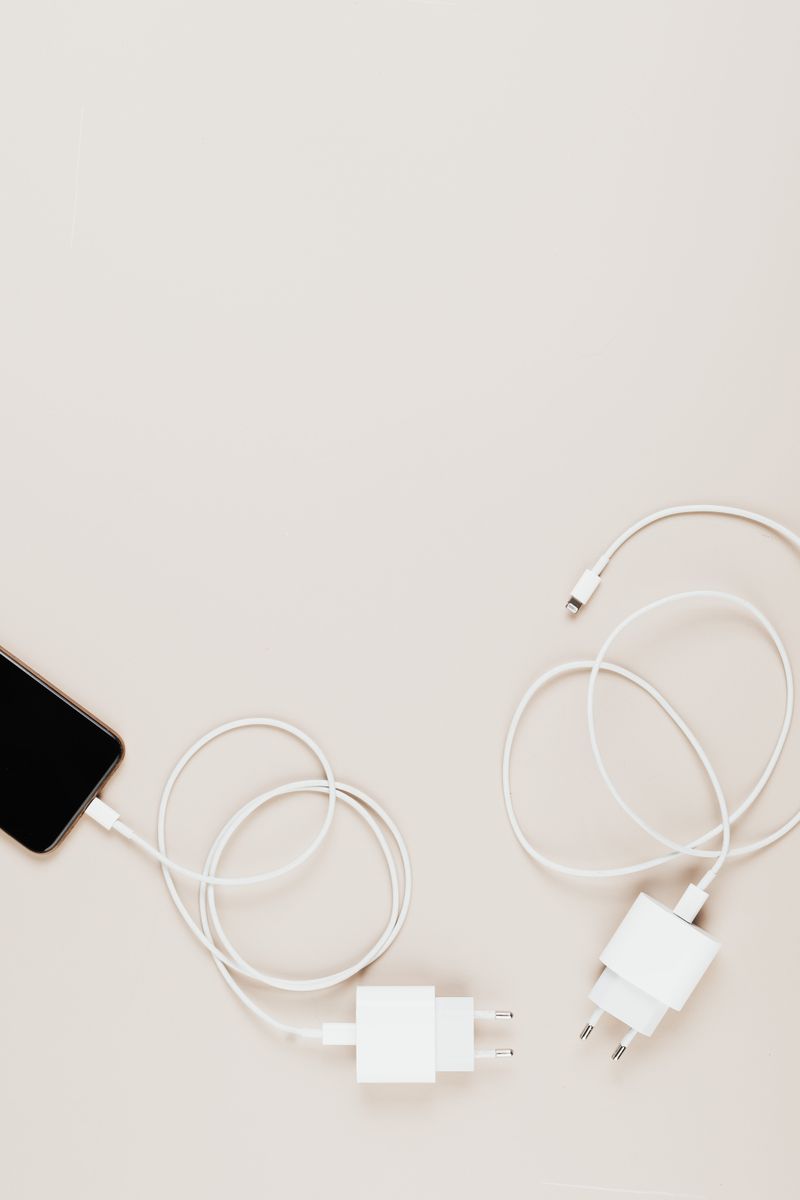
Drawers full of mystery cables are the technological cousin of saving spare buttons in a jar.
Every cord looks potentially important, and tossing the wrong one feels like guaranteeing that you will need it the very next day.
So they stay tangled together for years, collecting dust and silent authority despite the fact that nobody can identify most of them.
The trouble is that a chaotic cable drawer almost never solves an actual problem.
It usually creates a scavenger hunt where outdated chargers, duplicate connectors, and completely obsolete wires hide the one thing you really need.
This habit survives because uncertainty makes objects seem valuable, especially when throwing them away feels more dangerous than keeping a small museum of electronic leftovers.
12. Paying for Services They Stopped Using

Paying for services you stopped using is one of the quietest ways money leaks out of a budget.
Old memberships, forgotten streaming plans, unused storage accounts, and automatic renewals can sit in the background for months because canceling feels annoying and easy to postpone.
What once served a purpose turns into a recurring charge that survives on inertia alone.
The tricky part is that each individual fee often looks small enough to ignore.
Added together, though, they become a monthly bill for habits, intentions, and versions of life that no longer match how you actually live.
This pattern sticks because subscriptions are designed to be easy to start, harder to stop, and almost invisible once they blend into the routine.