 MomSkoop
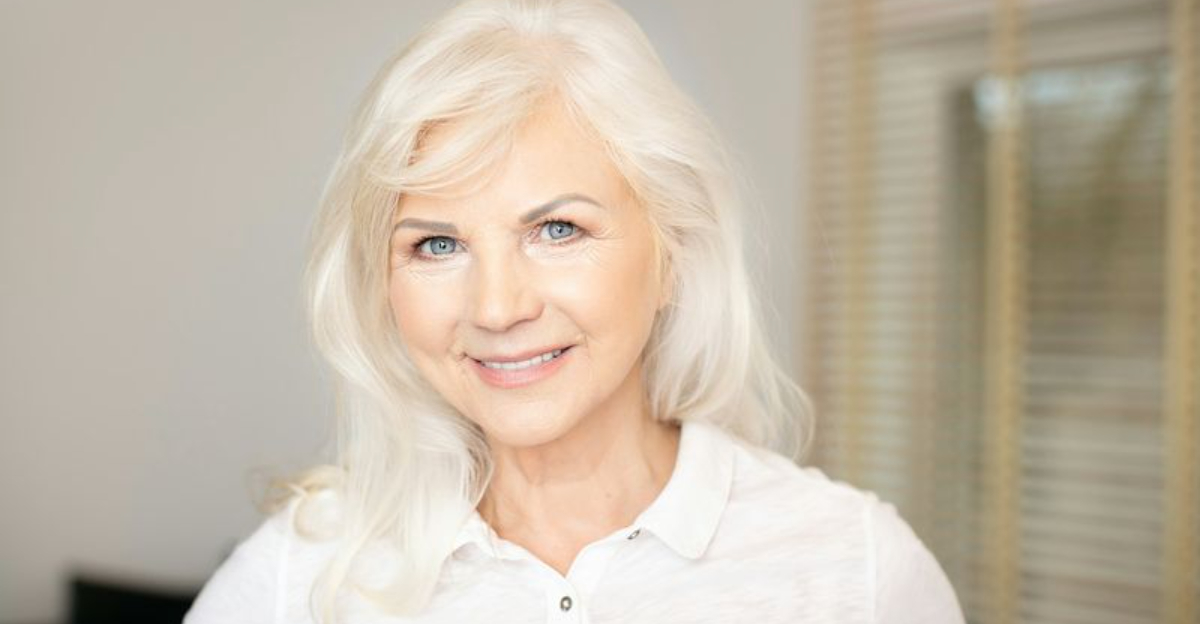
The right hair choices can brighten your features, soften your look, and make getting ready feel easier every day. But some common habits quietly add years without you ever noticing.
If your hair has started feeling flatter, duller, or harder to style, a few small changes could make a huge difference. These are the mistakes worth catching now, so your hair works for you instead of against you.
1. Keeping the Same Hairstyle for Decades
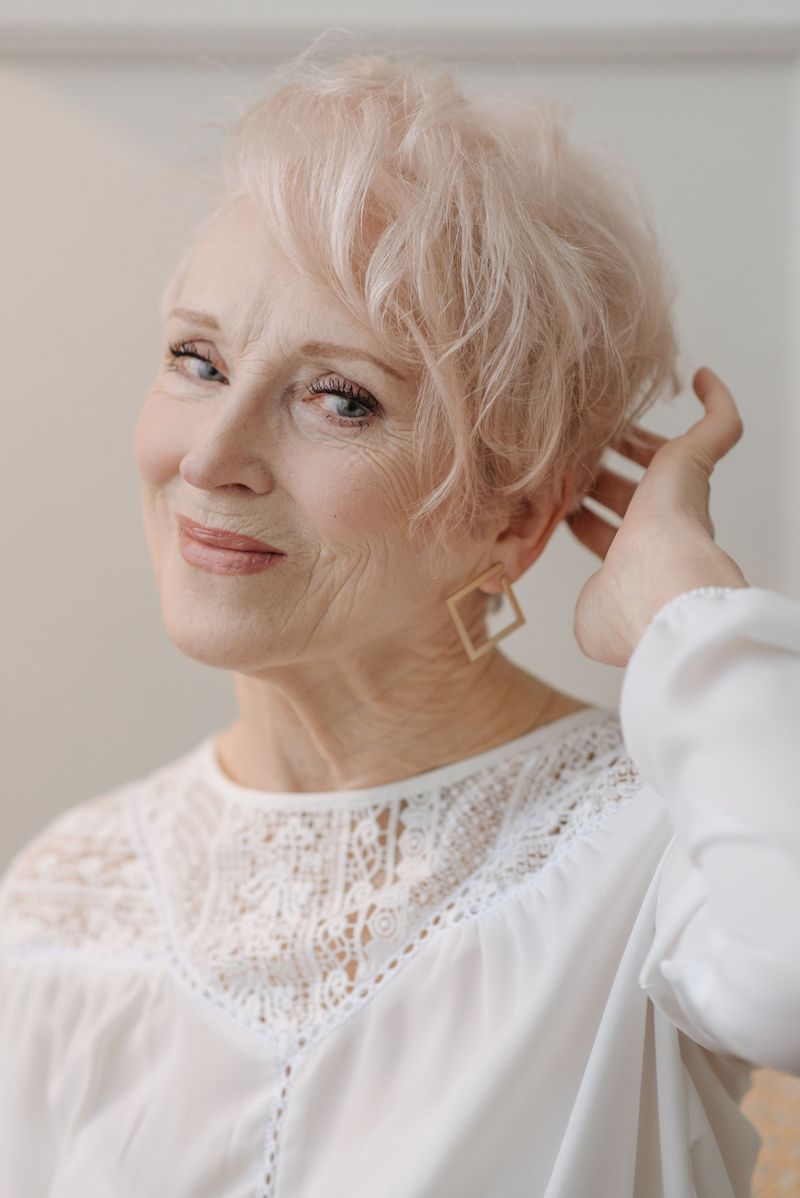
It is easy to stay loyal to the haircut you have worn for years, especially if it once felt like your signature look.
But hair changes with age, and so do your face shape, texture, and daily routines.
A style that worked beautifully at 30 may now feel heavy, dated, or harder to manage.
If your cut has not changed in decades, it may be hiding your best features instead of highlighting them.
Softer layers, face-framing pieces, or a slightly updated length can instantly make everything feel fresher.
You do not need a dramatic makeover to see a real difference.
A great haircut should support how your hair behaves now, not how it behaved years ago.
When your style evolves with you, it usually looks more effortless and flattering.
2. Going Too Dark With Hair Color
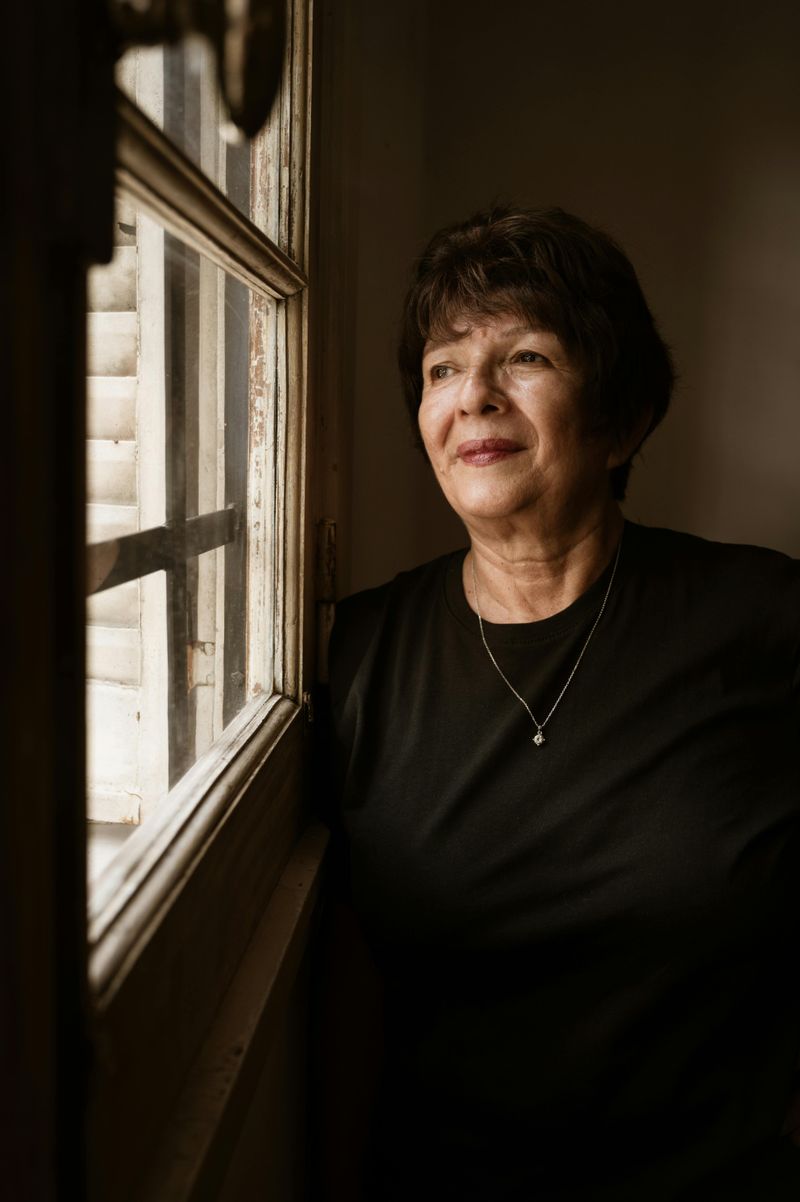
Choosing a very dark hair color can seem like a simple way to create richness and cover gray, but it often does the opposite of what you want.
Deep, flat shades can create a strong contrast against mature skin and draw attention to shadows, fine lines, and uneven tone.
Instead of looking polished, the result can feel harsher than expected.
Softer colors usually create a more forgiving, natural effect.
Warm highlights, lowlights, or a slightly lighter base can add movement and make your complexion appear brighter.
Even a subtle shift can help your features look more open and relaxed.
You do not have to go blonde or dramatically lighter.
The goal is dimension, softness, and a color that supports your skin instead of competing with it.
3. Ignoring Thinning Hair
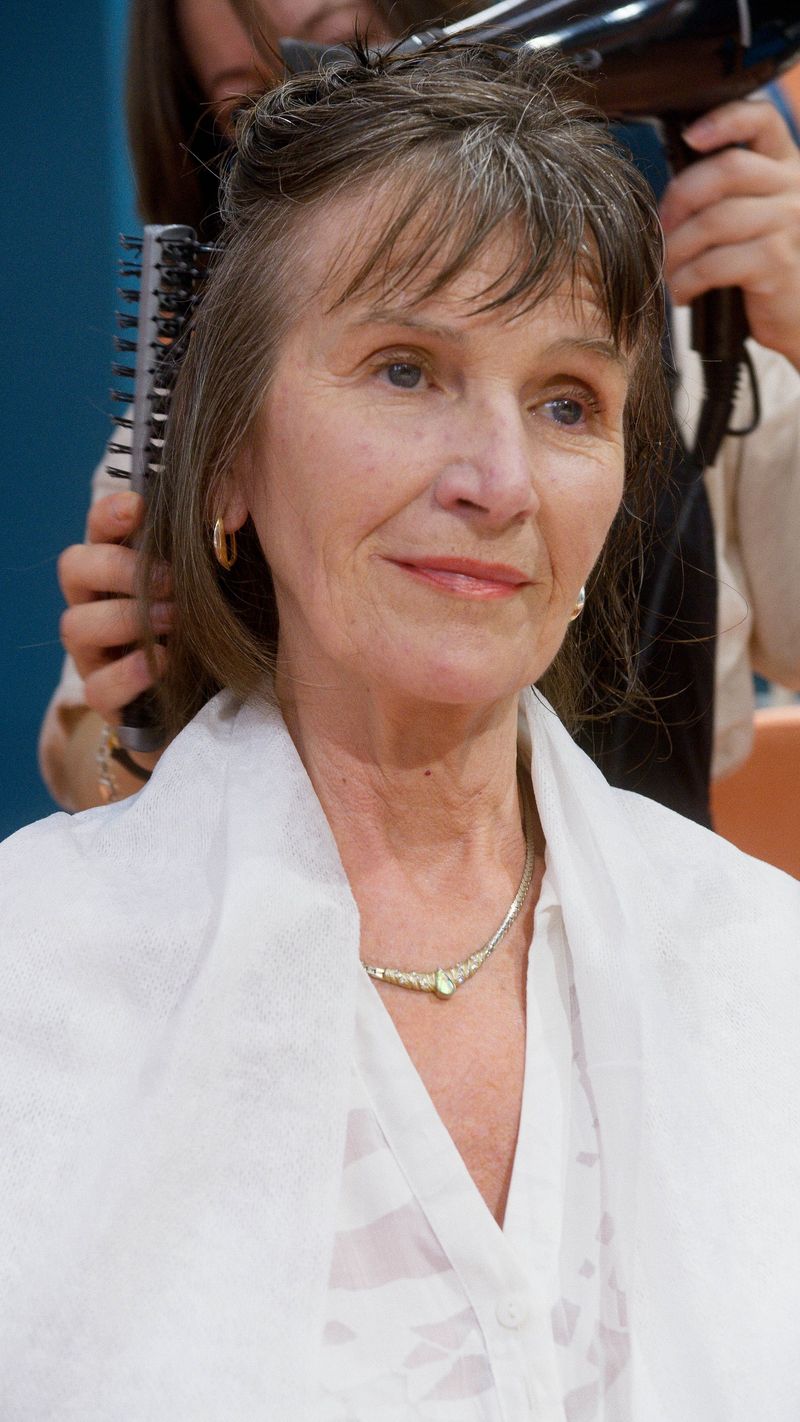
Hair often becomes finer over time, yet many women continue styling it as if it still has the same density it had years ago.
Heavy creams, thick oils, and bulky cuts can weigh hair down and make sparse areas stand out more.
What used to add control may now remove the little lift your hair needs.
The first step is noticing the change without feeling discouraged by it.
Lightweight mousses, volumizing sprays, and strategic layering can help hair look fuller without forcing it.
Small adjustments in product and cut can create a surprisingly big visual difference.
If your part is widening or your crown looks flatter, do not ignore it.
Supporting thinning hair early usually helps it look healthier, softer, and much more intentional every day.
4. Wearing Hair Too Flat
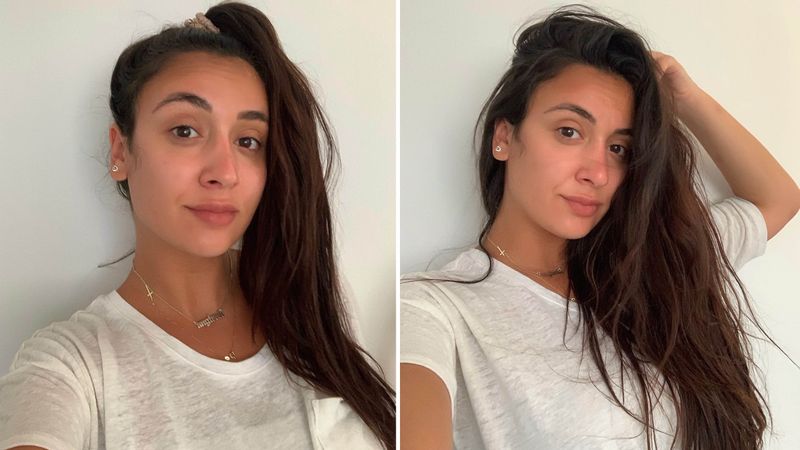
Flat hair can quietly age your whole look because it tends to pull the face downward and make features seem more tired.
As hair loses density and elasticity, styles that sit close to the scalp often look limp instead of sleek.
What feels neat in the mirror may read lifeless in daylight.
A little lift at the roots can change everything.
Volume at the crown helps balance facial features, opens up your expression, and gives hair a healthier, fuller appearance.
You do not need a teased, overly styled shape to get that effect.
Try a root spray, a round brush, or a subtle change in parting before assuming your hair has no body left.
Soft movement and height usually look fresher, lighter, and far more flattering than hair that falls completely flat.
5. Overusing Heat Tools
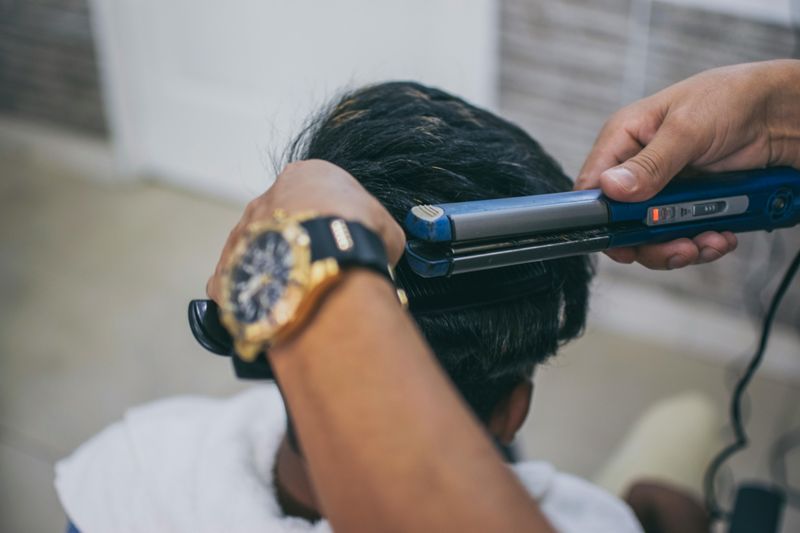
Heat tools can make styling easier, but overusing them often leaves mature hair dry, brittle, and less responsive over time.
Blow-dryers, flat irons, and curling wands can strip away moisture and weaken strands that are already more fragile than they used to be.
The damage may show up as dullness, frizz, breakage, or ends that never seem smooth.
If you style with heat every day, your hair may not be getting enough recovery time.
Lower temperatures, heat protectant, and air-drying whenever possible can preserve strength without sacrificing polish.
Even reducing heat a few times a week can improve softness and shine.
Your hair does not need to look perfectly sleek to look good.
Healthier texture often appears younger and more modern than hair that is overly processed and stressed.
6. Skipping Regular Trims
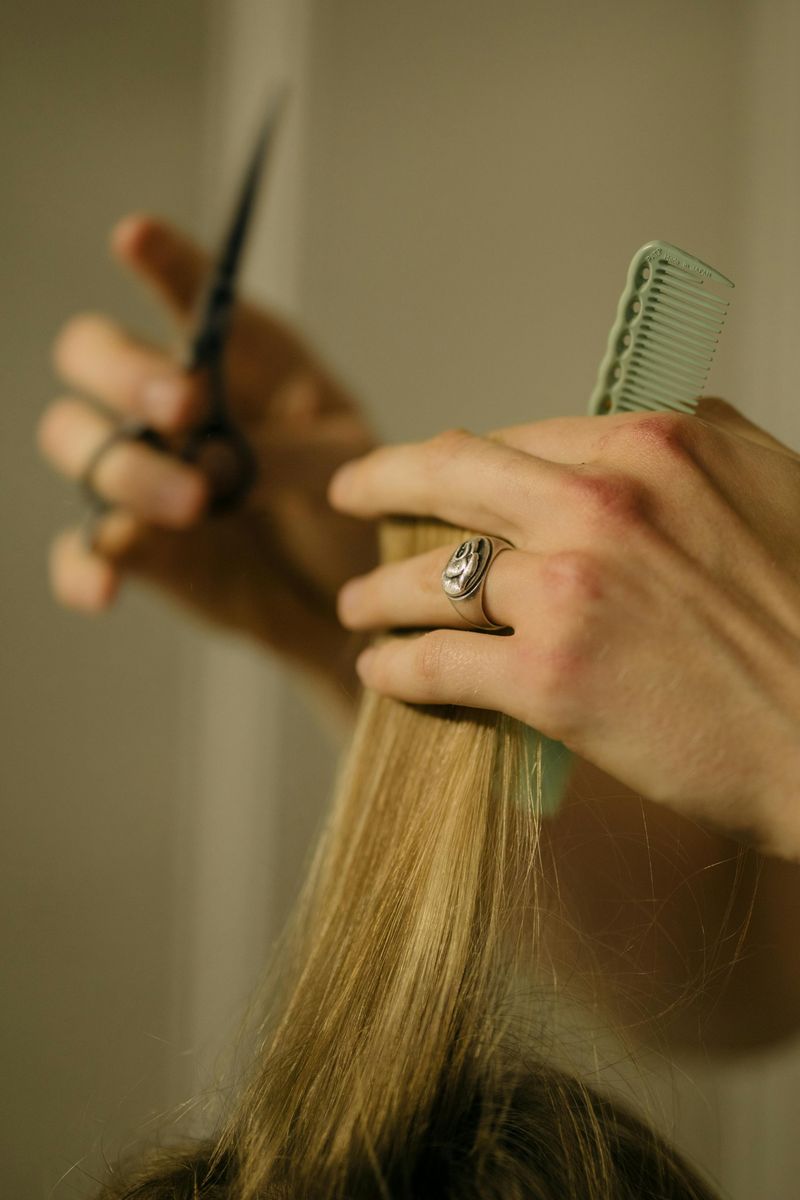
It can feel frustrating to cut your hair when you are trying to keep length, but skipping trims usually works against that goal.
Split ends travel upward, leaving the bottom of your hair thin, rough, and harder to style.
Instead of looking longer and fuller, your hair can start to look sparse and tired.
Regular trims do not mean losing all your progress.
A small dusting every few weeks helps maintain shape, improves movement, and keeps ends from becoming see-through.
Healthy ends make the entire style look thicker and more polished.
If your hair catches on clothing, tangles easily, or looks wispy at the bottom, it is probably asking for a trim.
Keeping the ends fresh is one of the simplest ways to make hair look younger and stronger.
7. Choosing the Wrong Bangs
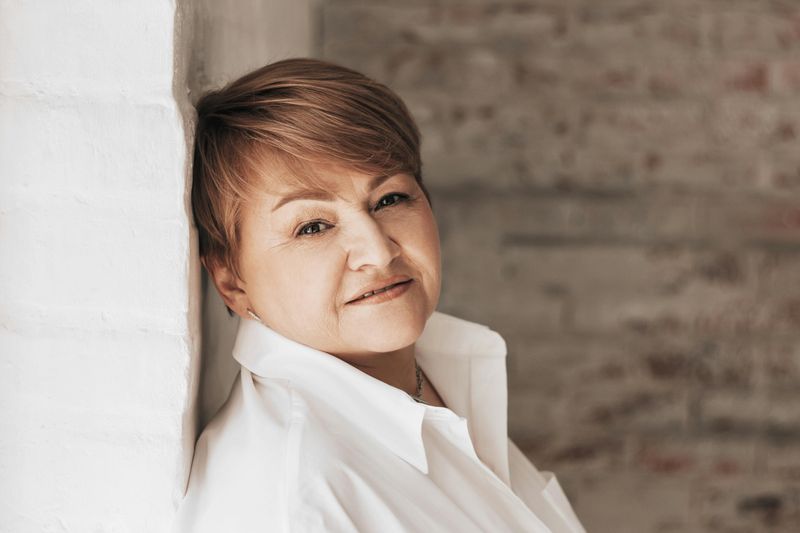
Bangs can be incredibly flattering, but the wrong kind can easily overpower your features.
Heavy, blunt bangs may draw attention downward, cast shadows on the face, and feel too severe against softer mature features.
Instead of creating a youthful effect, they can make the whole hairstyle seem heavier.
Softer bangs usually work better because they move naturally and blend into the rest of the haircut.
Wispy, side-swept, or layered fringe can frame the eyes, soften forehead lines, and add dimension without taking over your face.
The key is lightness, not density.
If you have been wearing the same thick fringe for years, it may be worth rethinking.
A gentler shape can still give coverage while making your hairstyle feel more current, balanced, and easy to wear.
8. Forgetting About Scalp Health
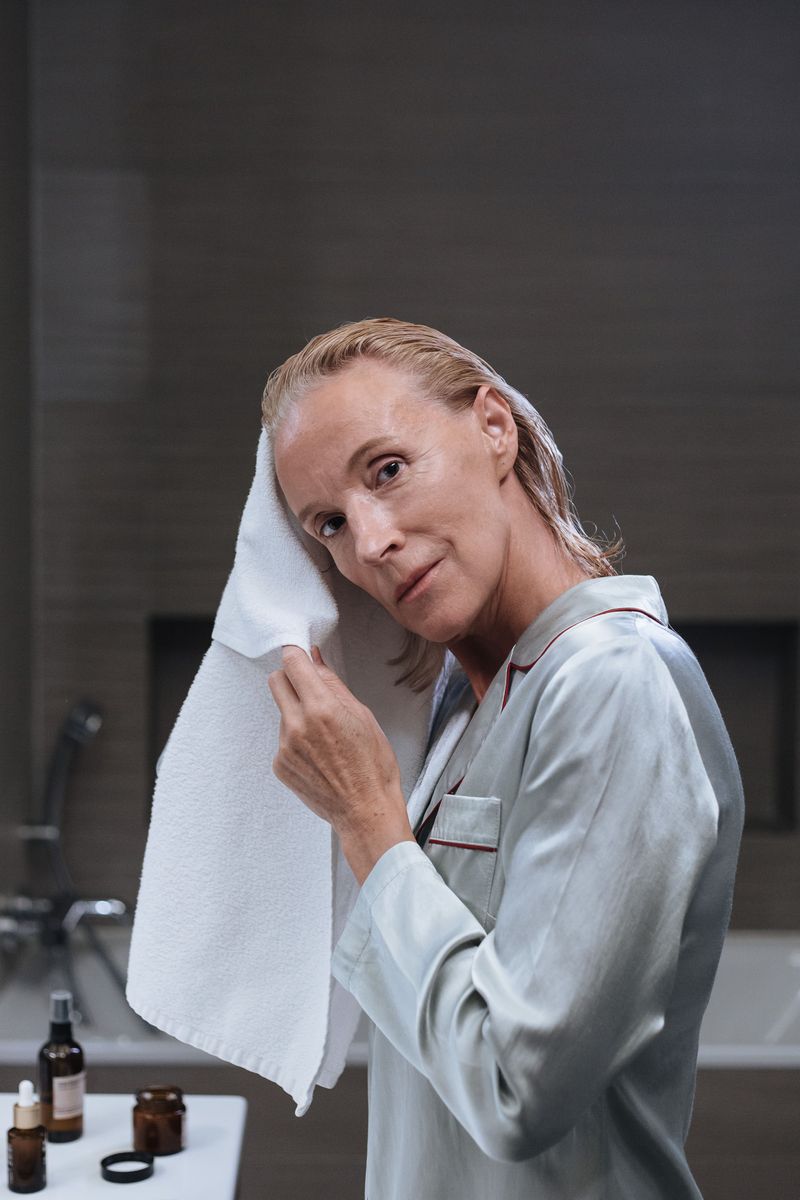
Healthy hair starts where it grows, yet scalp care is often the most overlooked part of a routine.
Dryness, buildup, irritation, and poor circulation can affect how comfortable your scalp feels and how healthy your hair appears.
If your roots feel tight, flaky, or greasy quickly, your scalp may need more attention.
Gentle exfoliation, regular cleansing, and lightweight scalp serums can make a real difference.
These steps help remove residue, support a balanced environment, and create better conditions for stronger-looking hair.
A healthy scalp also makes styling easier because hair behaves better from the root.
You do not need an elaborate routine to see improvement.
Treating your scalp like an extension of your skin can help hair look fresher, fuller, and more vibrant over time.
9. Using Outdated Styling Products
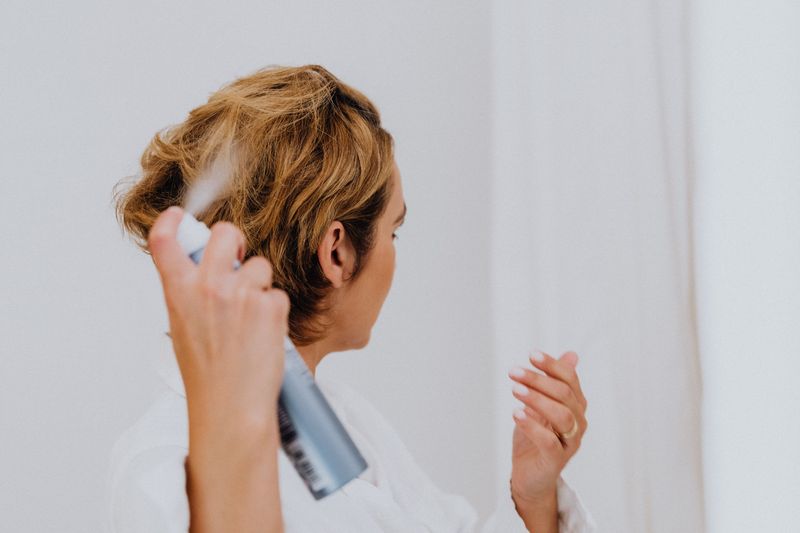
Styling products that once gave you hold and control may now be doing your hair no favors.
Older formulas, especially heavy creams, stiff sprays, and thick gels, can flatten fine hair and leave it looking dull or helmet-like.
Instead of boosting style, they can make hair appear dated and harder to touch.
Hair over 50 often responds better to lightweight products that add movement without buildup.
Flexible sprays, airy mousses, and soft texture creams can support shape while keeping the hair natural and touchable.
The difference is often visible right away.
If your style looks crunchy, greasy, or weighed down by midday, your products may be the problem.
Updating your shelf can be one of the fastest ways to make your hair feel modern, fresh, and easier to manage.
10. Believing Short Hair Is the Only Option
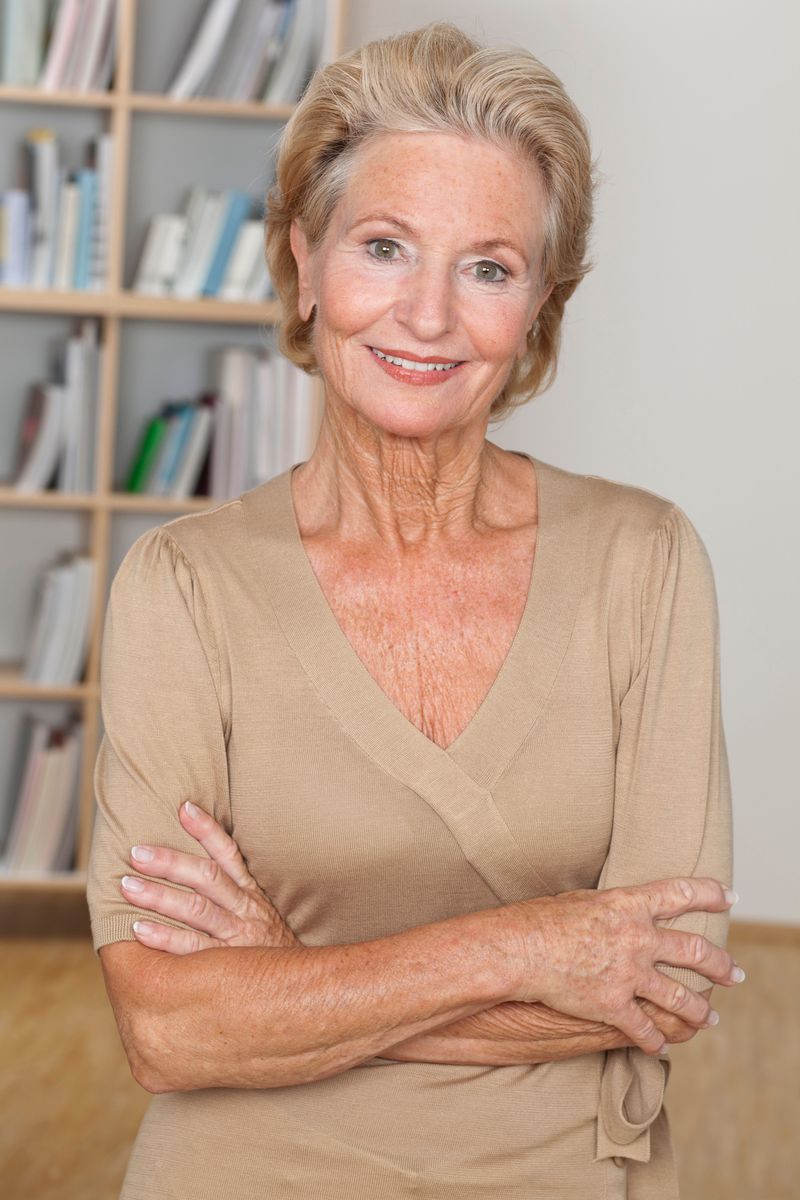
One of the most limiting hair myths is the idea that turning 50 means you have to cut your hair short.
While short styles can be chic and practical, they are not the only flattering choice.
The best length depends on your face shape, hair texture, lifestyle, and what makes you feel like yourself.
Medium and longer styles can look beautiful when they are properly shaped and maintained.
Strategic layers, healthy ends, and the right amount of movement can make longer hair appear elegant rather than aging.
It is more about condition and proportion than a strict rule.
If you love your hair with some length, there is no reason to give it up because of a number.
A flattering style should reflect you, not an outdated expectation about age.