 MomSkoop
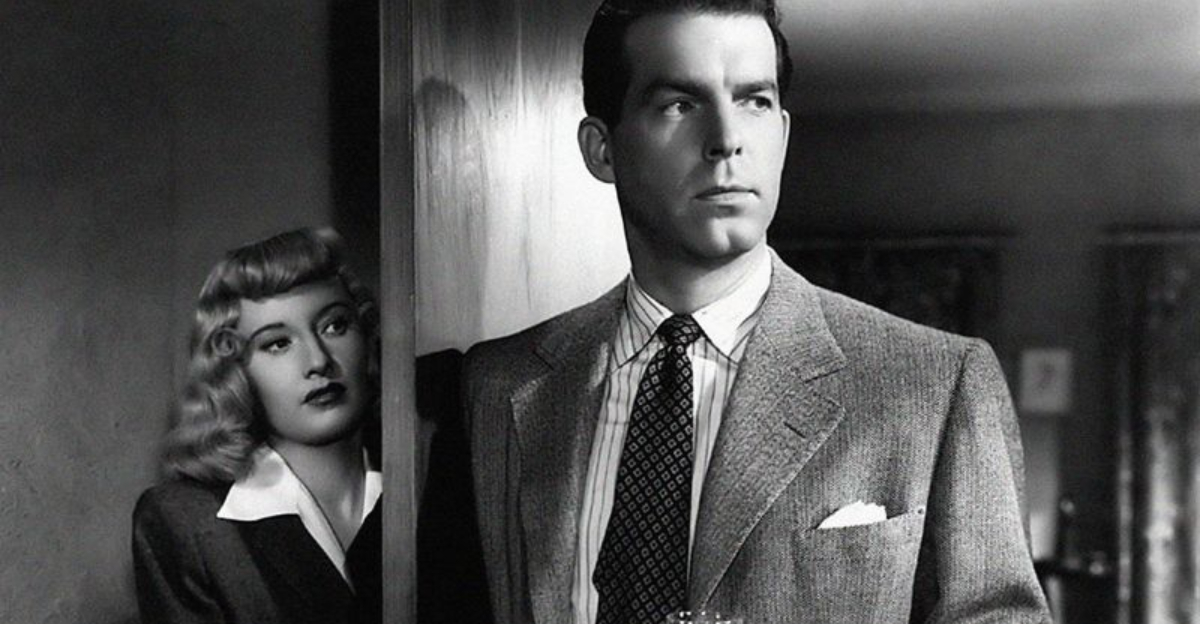
The 1940s gave cinema some of its boldest, sharpest, and most emotionally lasting masterpieces. These films still feel alive because they mix unforgettable performances with stories that cut straight to the heart.
If you want a watchlist filled with romance, noir, suspense, and human drama, this decade delivers at an astonishing level. Here are 14 essential 1940s movies that continue to define what movie greatness looks like.
1. Casablanca (1942)
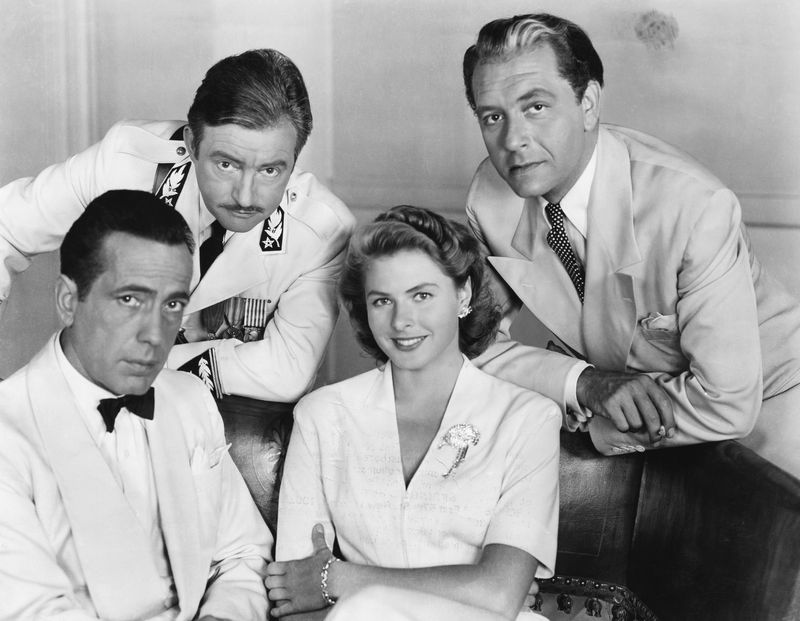
Casablanca still feels timeless because it gives you romance, sacrifice, and wartime tension in one perfectly balanced story.
Humphrey Bogart and Ingrid Bergman create the kind of chemistry that lingers long after the final scene ends.
Every glance, line reading, and painful decision adds weight to a film that somehow feels intimate and epic at once.
What makes it a true classic is how effortlessly it blends heartbreak with moral courage.
Michael Curtiz directs with confidence, turning a crowded cafe into a world of secrets, politics, and longing.
When people talk about old Hollywood at its most iconic, emotional, and endlessly rewatchable, this is usually the movie they mean.
2. Citizen Kane (1941)
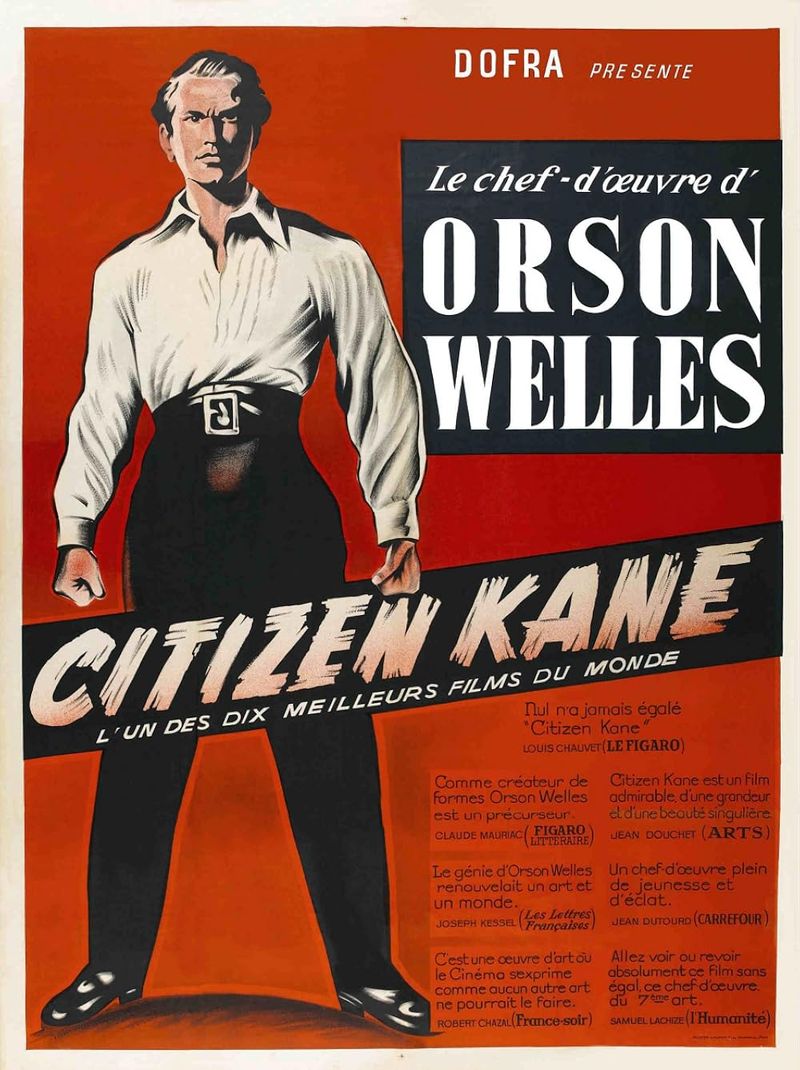
Citizen Kane remains astonishing because it still looks and sounds unlike almost anything that came before it.
Orson Welles tells the rise and unraveling of Charles Foster Kane with daring structure, deep focus imagery, and a confidence that changed filmmaking forever.
Even now, the film feels restless, curious, and unwilling to settle for easy answers.
You are not just watching a biography, but a mystery about power, loneliness, and self-invention.
Each perspective reveals another layer, yet Kane stays elusive in a way that makes the story richer.
It is one of those rare landmarks that deserves its reputation because its technical brilliance is matched by genuine emotional depth.
3. The Third Man (1949)
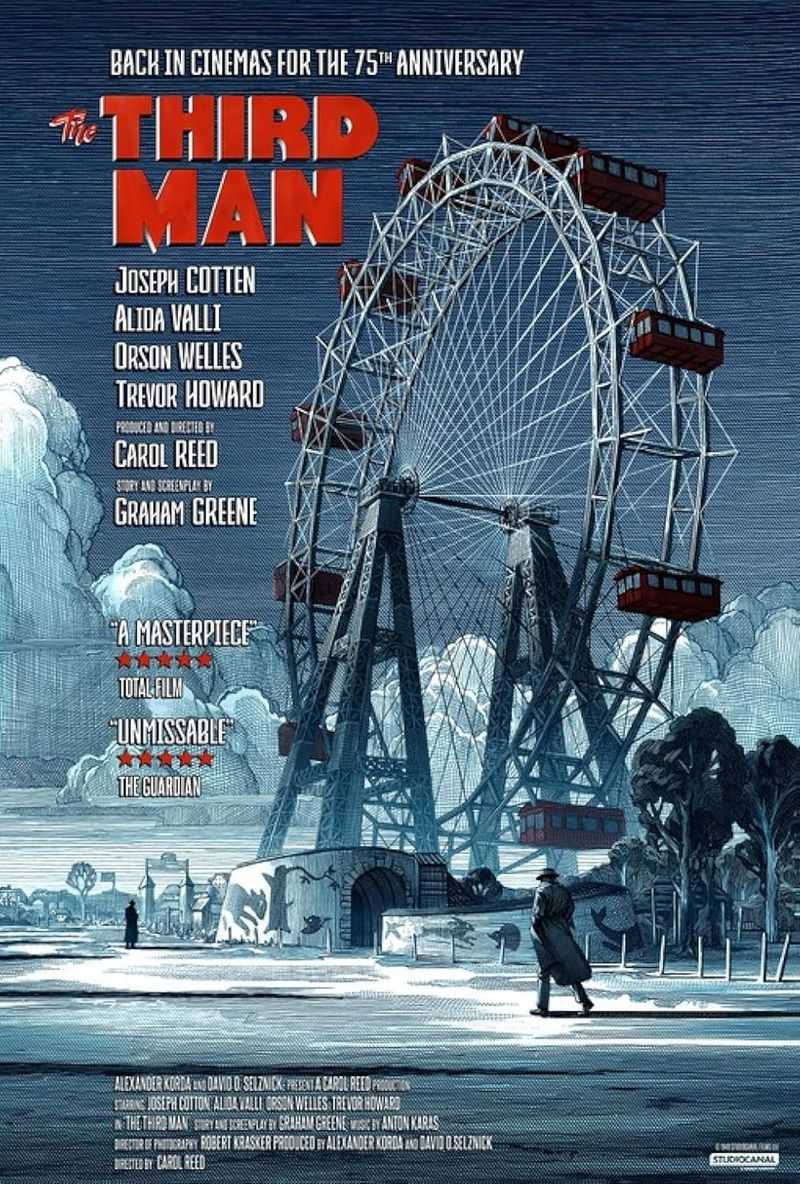
The Third Man pulls you in with atmosphere so strong you can almost feel the damp streets of postwar Vienna.
Carol Reed uses canted angles, shadows, and uneasy silences to build a thriller that looks as haunted as its characters feel.
Orson Welles appears sparingly as Harry Lime, but his presence hangs over every scene like a dark joke.
This is film noir at its most stylish and unsettling, with moral ambiguity in every conversation.
The famous zither score should not work as well as it does, yet it becomes part of the movie’s strange magic.
If you love suspense that feels intelligent, cynical, and visually unforgettable, this one is essential.
4. It’s a Wonderful Life (1946)
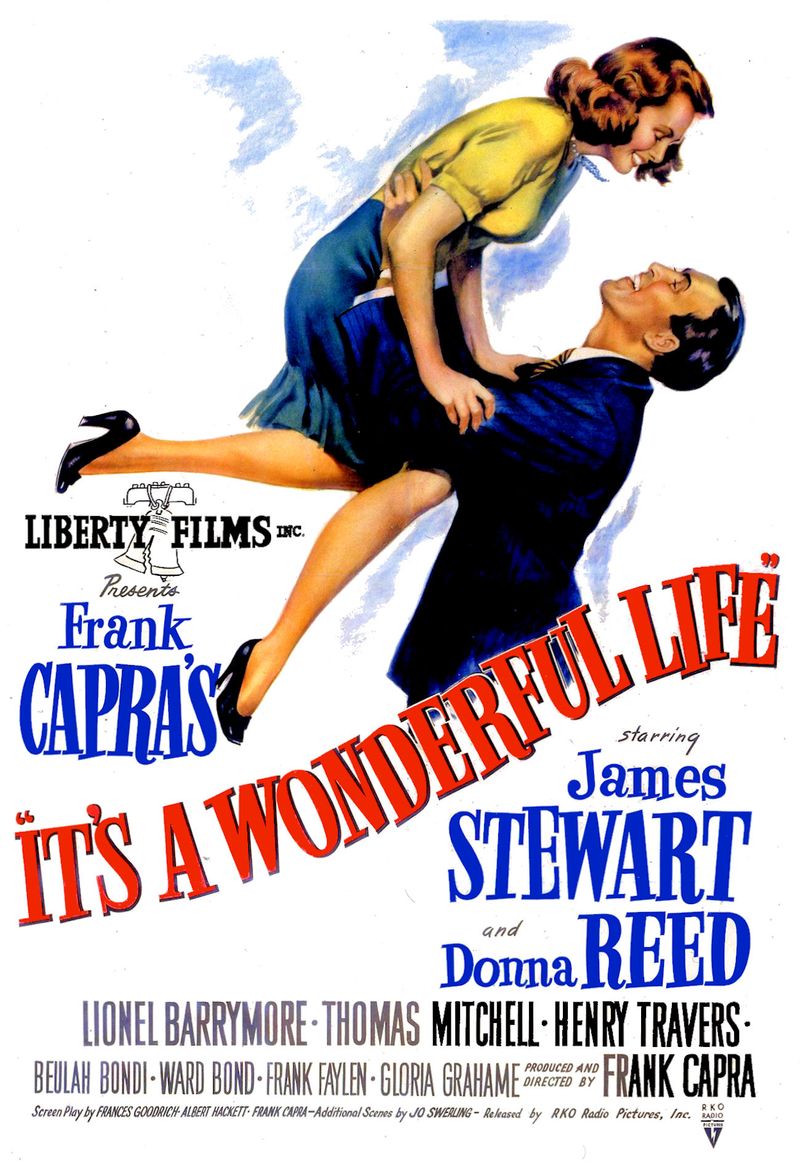
It’s a Wonderful Life endures because it understands despair without ever losing sight of hope.
James Stewart gives George Bailey a warmth and vulnerability that make his frustrations feel painfully real, not sentimental or easy.
When the story turns toward grace, it earns every emotion through the life we have watched him build and sacrifice.
Frank Capra frames ordinary decency as something heroic, and that idea still lands beautifully today.
The movie has become a holiday ritual, but it is more than seasonal comfort because its message reaches deeper than nostalgia.
If you have ever wondered whether your life matters to others, this classic answers with uncommon tenderness.
5. Double Indemnity (1944)
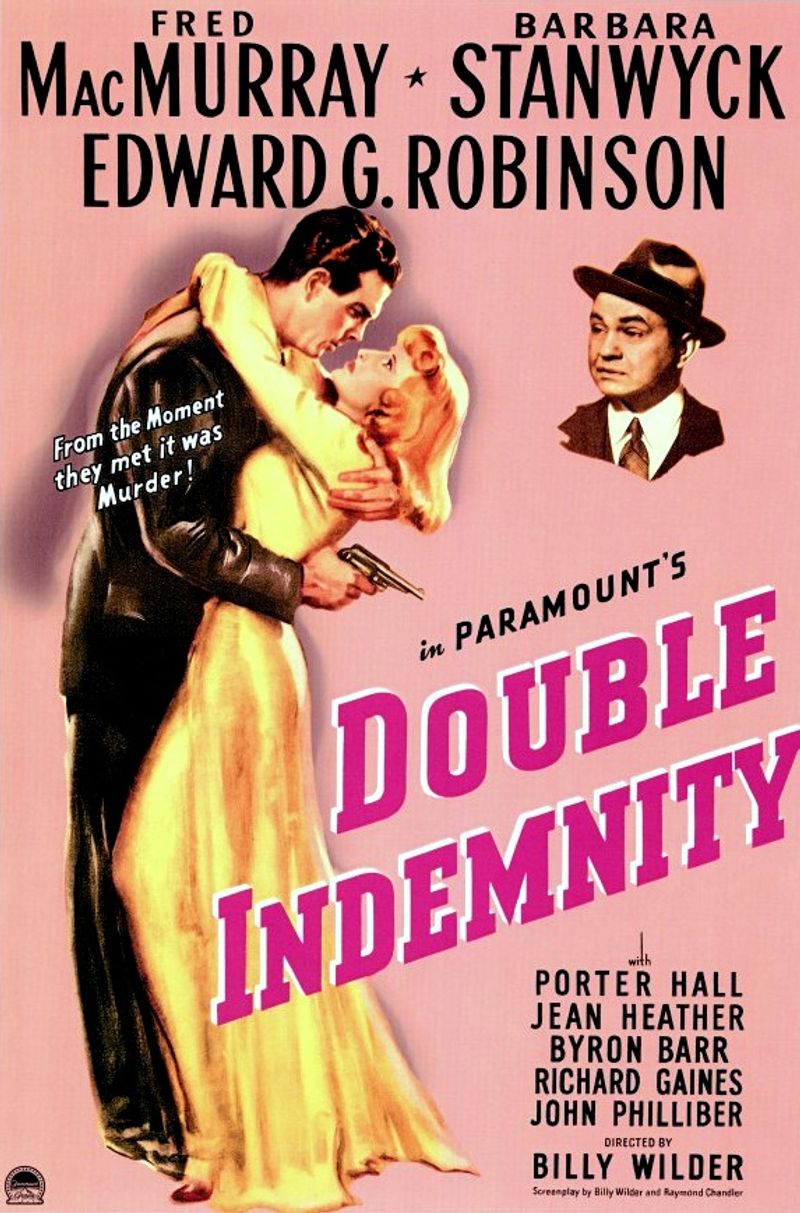
Double Indemnity is one of those movies that feels dangerous from the moment it starts.
Billy Wilder turns an insurance scheme into a dark, seductive trap, with Barbara Stanwyck and Fred MacMurray playing desire and calculation to perfection.
The dialogue is razor sharp, the pacing never slackens, and every scene tightens the moral noose.
If you want to understand why film noir became such a defining style, this is a perfect place to begin.
Venetian blind shadows, fatal attraction, and cynical narration all click into place with thrilling precision.
What lasts is not just the plot, but the way greed and lust expose weakness with almost cruel clarity.
6. The Treasure of the Sierra Madre (1948)
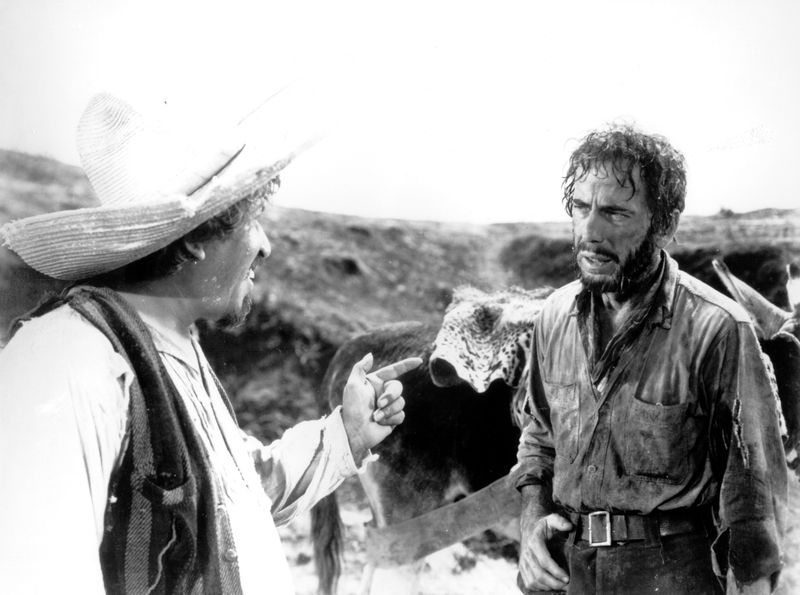
The Treasure of the Sierra Madre begins as an adventure, then slowly reveals itself as a ruthless study of greed.
Humphrey Bogart gives one of his finest performances, showing a man unraveling under suspicion, fear, and the corrupting pull of gold.
John Huston lets the harsh landscape mirror the characters, making every mile feel more dangerous.
What stays with you is how unsparing the film is about human nature when money enters the picture.
There are moments of rough humor and excitement, but the tension never really loosens its grip.
Few classics examine mistrust so vividly, and even fewer do it with this much grit, intelligence, and dramatic force.
7. The Best Years of Our Lives (1946)
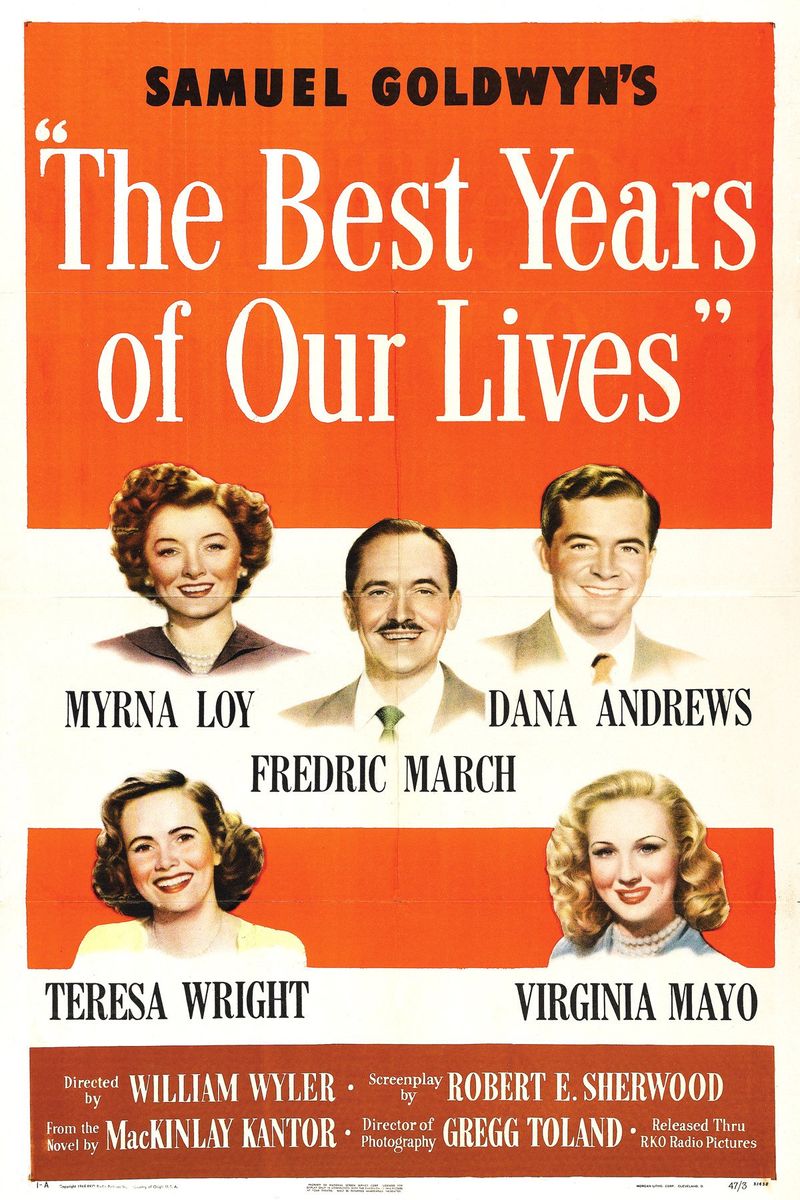
The Best Years of Our Lives feels powerful because it treats returning veterans as fully human, not symbols.
William Wyler follows three men trying to rebuild ordinary lives after war, and the emotional truth in their struggles still lands hard today.
The film is compassionate without being soft, showing how love, work, and identity become complicated after trauma.
You can feel the patience in its storytelling, giving each character room to breathe, stumble, and reconnect.
Harold Russell’s performance adds extraordinary authenticity to a movie already grounded in empathy.
Its awards history matters less than the fact that it remains one of Hollywood’s clearest, most moving portraits of readjustment and dignity.
8. Notorious (1946)
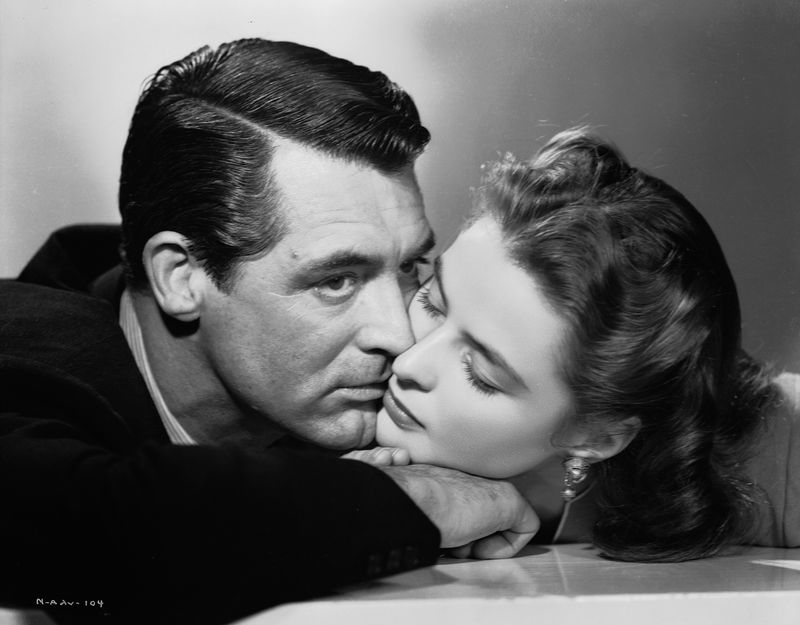
Notorious works so brilliantly because Alfred Hitchcock fuses espionage with aching romantic tension.
Cary Grant and Ingrid Bergman are magnetic together, but their connection is complicated by distrust, duty, and feelings neither can safely express.
The result is a thriller where a kiss can feel as suspenseful as a spy mission.
Hitchcock directs with exquisite control, turning keys, staircases, and wine bottles into sources of dread.
Beneath the sleek surfaces, the film digs into guilt, sacrifice, and emotional manipulation with surprising sharpness.
It is often called one of Hitchcock’s best for good reason, since few of his movies feel this elegant, intimate, and quietly devastating.
9. Bicycle Thieves (1948)
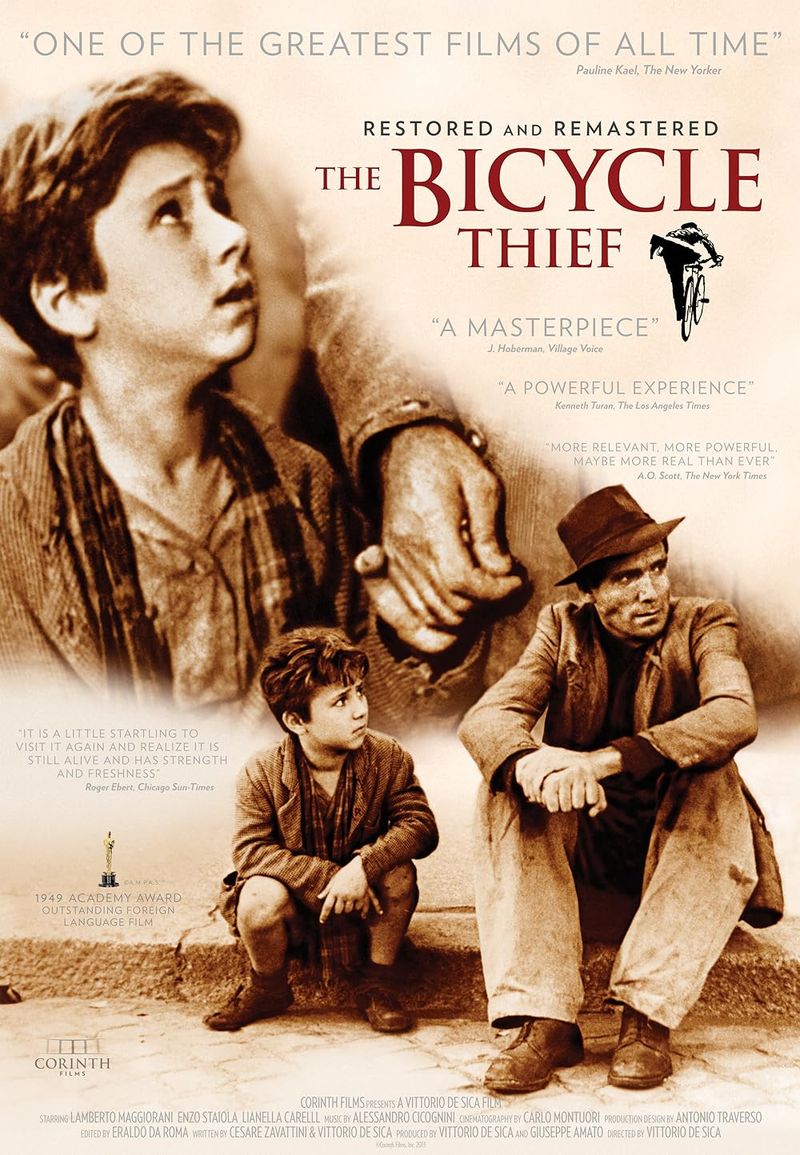
Bicycle Thieves can look simple on the surface, yet it hits with extraordinary emotional force.
Vittorio De Sica follows a father and son searching for a stolen bicycle, but the journey opens into a heartbreaking portrait of poverty, pride, and survival.
Its realism feels immediate because the film never strains for drama beyond what everyday life already contains.
That honesty is exactly why it became so influential across world cinema.
The bond between the father and child gives the story tenderness, while the city’s indifference keeps the tension painfully grounded.
If you want a movie that proves small stories can carry immense weight, this masterpiece remains one of the clearest examples.
10. Rebecca (1940)
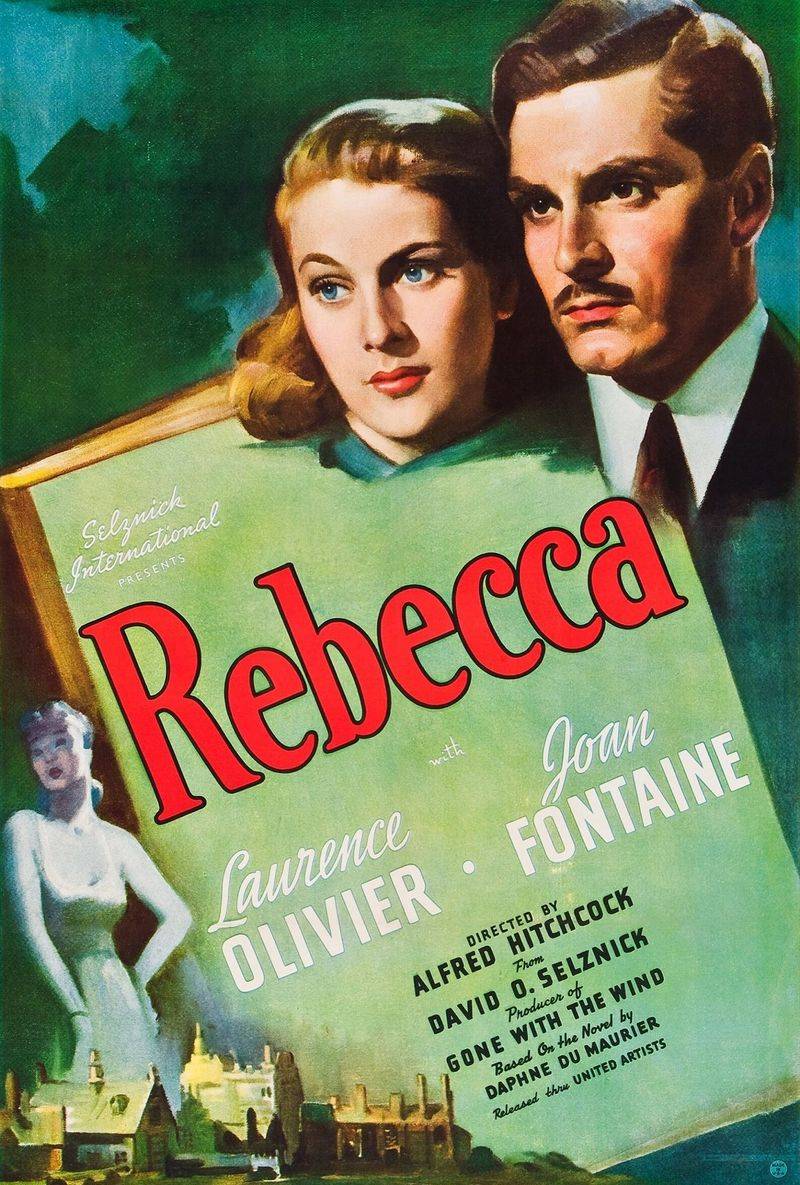
Rebecca draws you in with romance, then quietly surrounds that romance with dread.
Alfred Hitchcock turns Manderley into one of cinema’s great haunted spaces, even though the ghost is memory, jealousy, and obsession rather than anything supernatural.
Joan Fontaine’s uncertainty and Laurence Olivier’s brooding reserve make the relationship feel fragile from the start.
The film’s power comes from how effectively it traps you inside emotional intimidation.
Mrs. Danvers remains one of the most chilling figures in classic Hollywood, guiding the story with cold, almost spectral menace.
As a Gothic tale of identity and control, Rebecca is elegant, unsettling, and deeply satisfying in ways that still hold up beautifully.
11. The Maltese Falcon (1941)
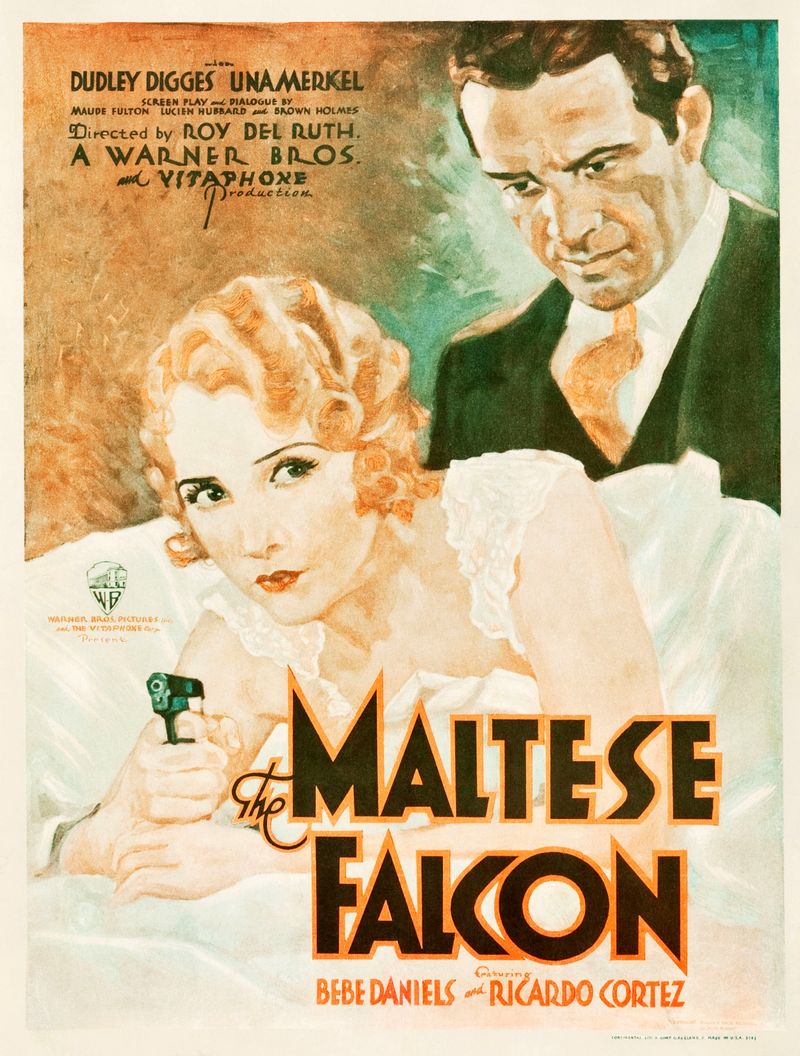
The Maltese Falcon helped write the rulebook for film noir, and it still feels incredibly confident.
Humphrey Bogart’s Sam Spade is cool, skeptical, and morally slippery enough to keep you guessing even when he seems in control.
John Huston’s direction is clean and precise, letting sharp dialogue and tense character dynamics do the heavy lifting.
The plot is full of deception, but the real pleasure comes from watching everyone maneuver for advantage.
Mary Astor, Peter Lorre, and Sydney Greenstreet give the story a gallery of memorable faces and motives.
If you are in the mood for a detective classic with wit, danger, and style, this one remains essential viewing.
12. Brief Encounter (1945)
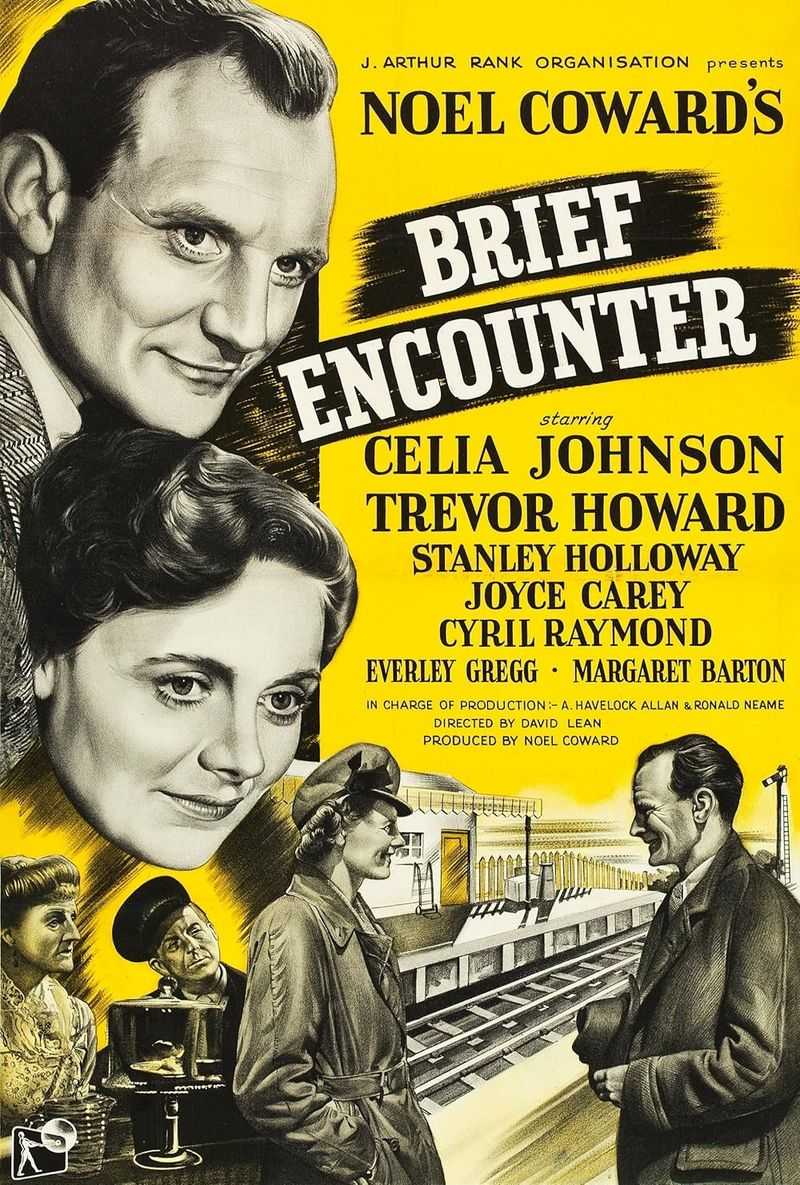
Brief Encounter is devastating in the quietest, most controlled way imaginable.
David Lean tells the story of an impossible love affair with such restraint that every small gesture feels enormous, from a glance across a table to a pause on a station platform.
Celia Johnson and Trevor Howard make longing feel both beautiful and painfully ordinary.
What makes the film unforgettable is its deep understanding of duty, desire, and regret.
It never chases melodrama, which is exactly why its emotional impact grows stronger as it unfolds.
If you have ever felt the ache of what might have been, this British classic captures that feeling with rare honesty and grace.
13. Rome, Open City (1945)
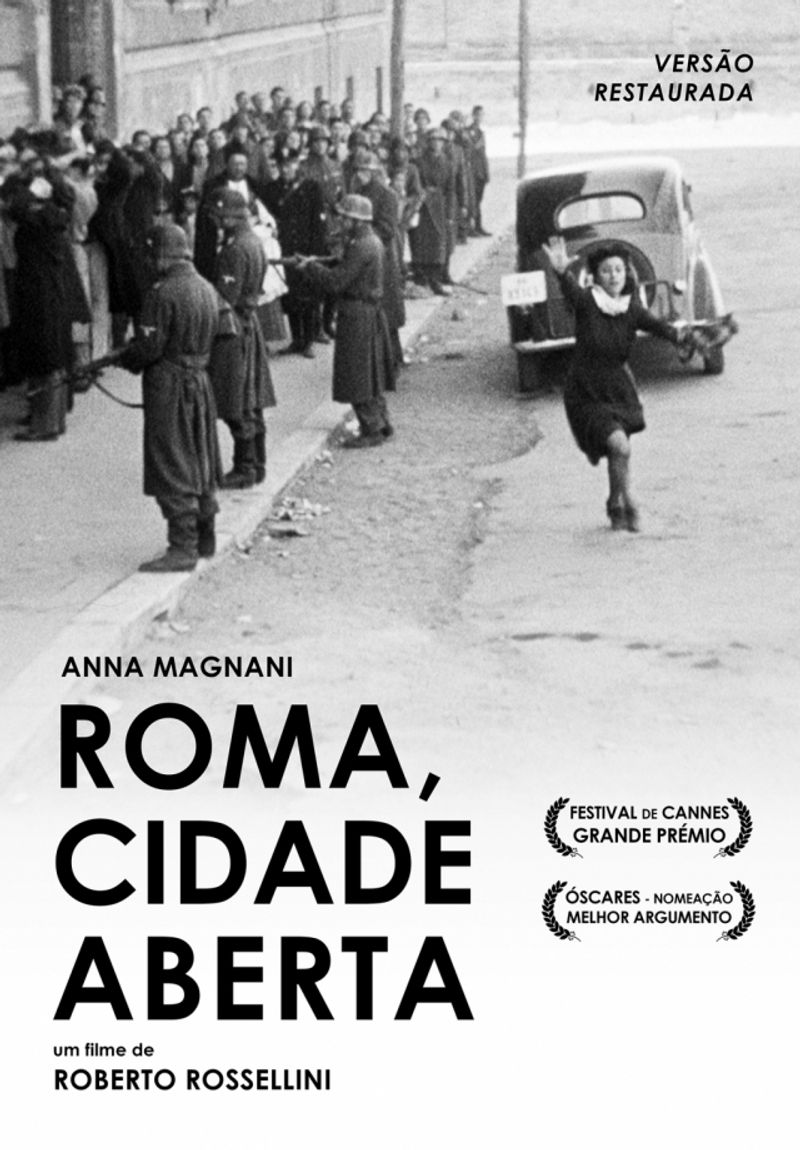
Rome, Open City feels urgent because it was made so close to the reality it depicts.
Roberto Rossellini captures occupied Rome with a raw, immediate style that gives the film both documentary force and emotional intensity.
The performances are direct and unvarnished, making acts of courage and cruelty feel frighteningly near.
You can see why this movie helped launch Italian neorealism, since it strips away polish in favor of lived experience.
Its portrait of resistance is not abstract heroism, but a harsh struggle shaped by fear, sacrifice, and loss.
Even now, it remains one of the most vital wartime dramas ever made, honest in ways that still sting.
14. Laura (1944)
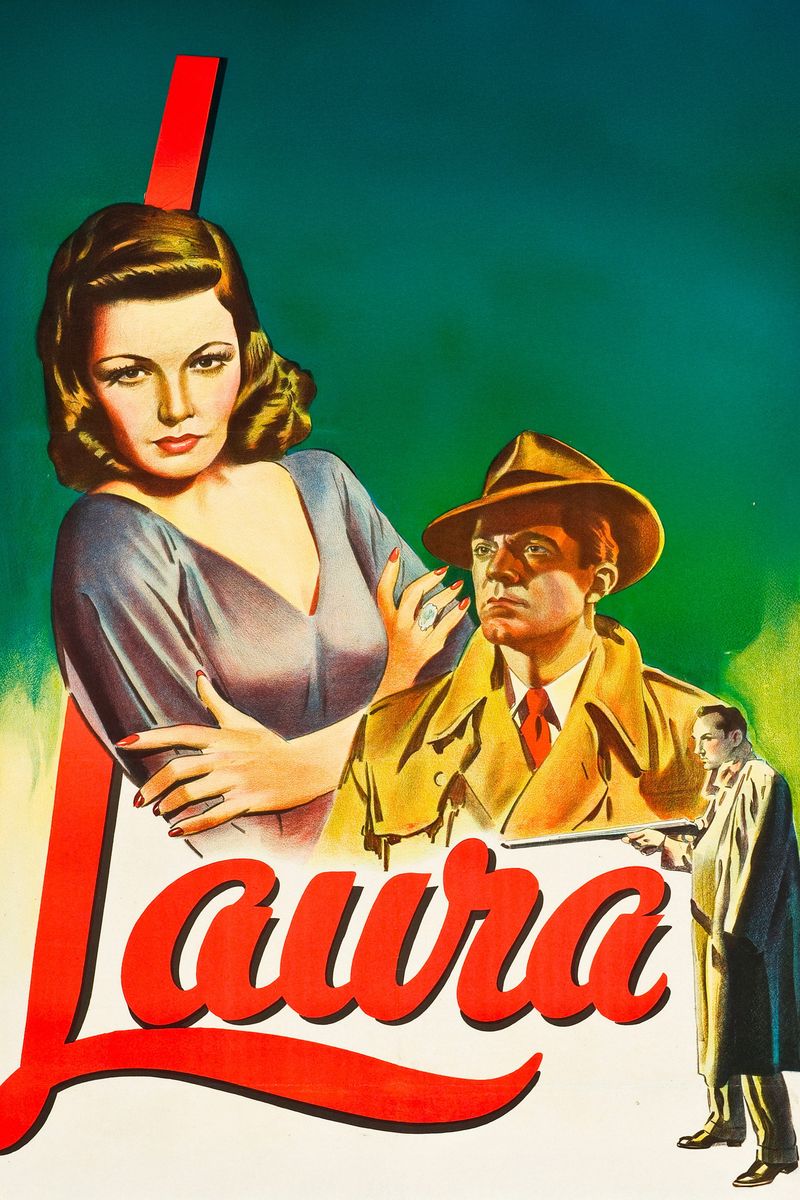
Laura stands out because it turns a murder mystery into something dreamlike, romantic, and deeply strange.
Otto Preminger gives the film a polished elegance, while Gene Tierney’s presence becomes hypnotic even before the character fully enters the story.
The famous portrait, the refined settings, and the sly dialogue all create an atmosphere of obsession.
What keeps the movie fresh is how neatly it blends noir suspicion with psychological intrigue.
Dana Andrews anchors the story well, but Clifton Webb nearly steals it with deliciously acidic charm.
If you like mysteries that feel stylish and slightly haunted, Laura offers intelligence, mood, and one of the most memorable setups in classic cinema.