 MomSkoop
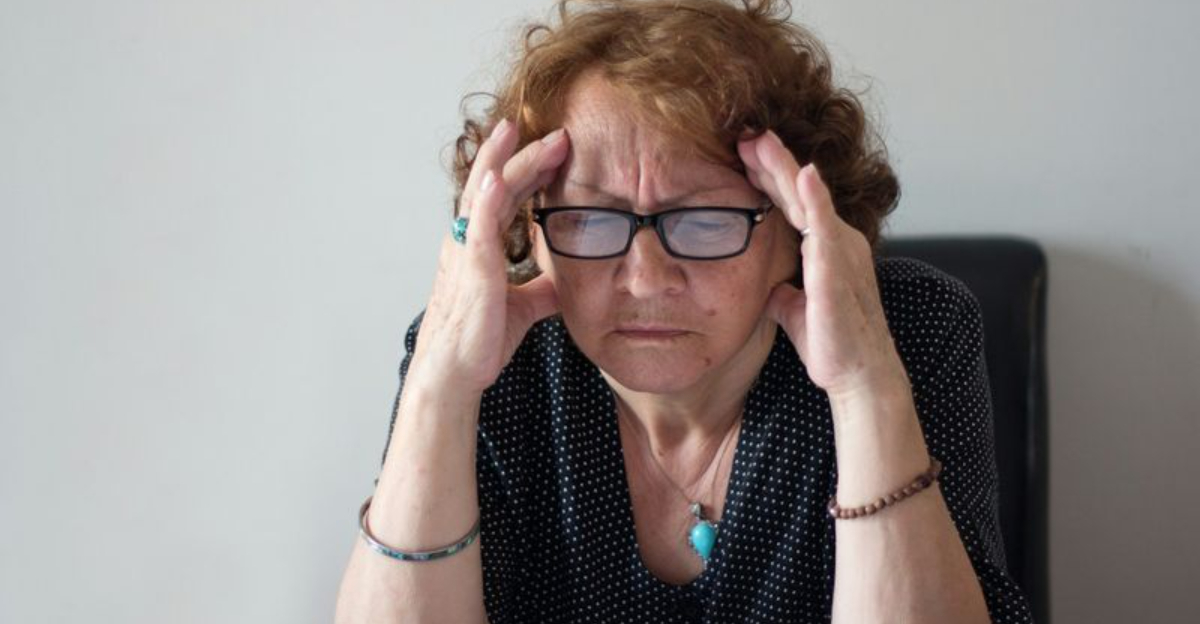
What looks like being less nice is often something more complicated and more human. Over time, many women stop shrinking themselves to keep everyone else comfortable, and that shift can surprise people who benefited from their old softness.
Psychologists say age, stress, confidence, and changing priorities can all reshape how warmth gets expressed. If you have ever wondered whether someone became colder or simply clearer, these reasons can help explain the difference.
1. They Stop People-Pleasing

When people say a woman became less nice, they may actually be noticing that she stopped performing constant approval-seeking.
With age, many women realize that being agreeable at all times can be exhausting, unfair, and emotionally costly.
Psychologists often connect this shift to stronger self-awareness and less dependence on external validation.
That change can feel jarring to friends, partners, or coworkers who were used to easy compliance and quick emotional labor.
A simple no, honest opinion, or refusal to smooth everything over may suddenly get labeled rude.
In reality, she may just be acting with more integrity, protecting her energy, and no longer confusing kindness with self-erasure.
2. Their Boundaries Get Stronger

Stronger boundaries are one of the clearest reasons some women seem less accommodating over time.
Life experience teaches you where resentment grows, where burnout starts, and how often overgiving invites more demands instead of appreciation.
Psychologists note that healthy boundaries support mental health, even when others dislike the limits being set.
A woman who once answered every call, solved every crisis, and tolerated every interruption may become far more selective with her time.
To someone who benefited from unlimited access, that can look cold or selfish.
But a firmer boundary often reflects wisdom, not meanness, because she has learned that protecting peace, rest, and emotional space is necessary for staying well.
3. They Become More Selective About Relationships

As women get older, many become more intentional about where they invest attention, affection, and emotional effort.
Research on adulthood often shows that people start prioritizing meaningful relationships over busy social circles and shallow interactions.
That selectiveness can be misread as aloofness when it is really a sign of clearer priorities.
Instead of tolerating gossip, one-sided friendships, or draining social obligations, she may pull back and reserve herself for people who feel safe and reciprocal.
Not everyone responds well when access becomes limited.
If someone expected automatic warmth, frequent availability, or endless patience, her more edited social life may look less nice, even though it is often a healthier and more honest way to relate.
4. Life Stress and Responsibilities Accumulate
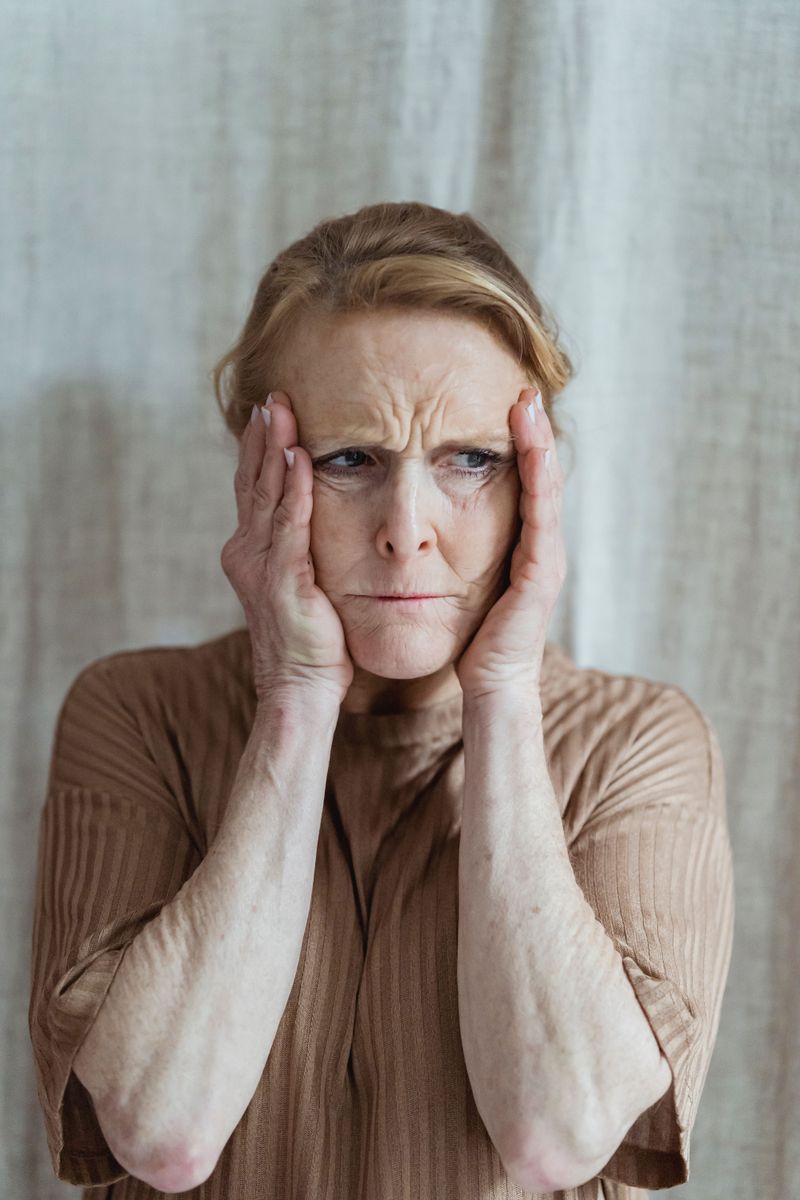
Sometimes the shift has less to do with personality and more to do with pressure.
Years of caregiving, work demands, financial strain, health concerns, and family conflict can slowly reduce patience and emotional bandwidth.
Psychologists often point out that chronic stress changes how people respond, making them shorter, more reactive, or less outwardly warm.
When a woman has spent years carrying invisible labor, her tolerance for extra demands may naturally decline.
She may sound sharper, withdraw faster, or stop cushioning every response with niceness.
That does not always mean her character worsened.
It can mean she is overloaded, depleted, and functioning in survival mode, where softness becomes harder to access consistently, even if care and concern still remain underneath.
5. They Gain Confidence

Confidence can easily be mistaken for unkindness, especially when it replaces hesitation, apology, and overexplaining.
As women grow more secure in their judgment, values, and abilities, they may become more direct about what they want and what they will not accept.
Psychologists often see this as a healthy developmental shift rather than a decline in warmth.
The problem is that many people are more comfortable with women who package truth gently and constantly soften their presence.
When that softening disappears, honesty can suddenly feel intimidating.
A confident woman may interrupt nonsense, challenge unfairness, or decline disrespect without smiling through it.
To some observers, that reads as less nice, but it is often simply self-assurance finally becoming visible.
6. They Have Less Tolerance for Disrespect
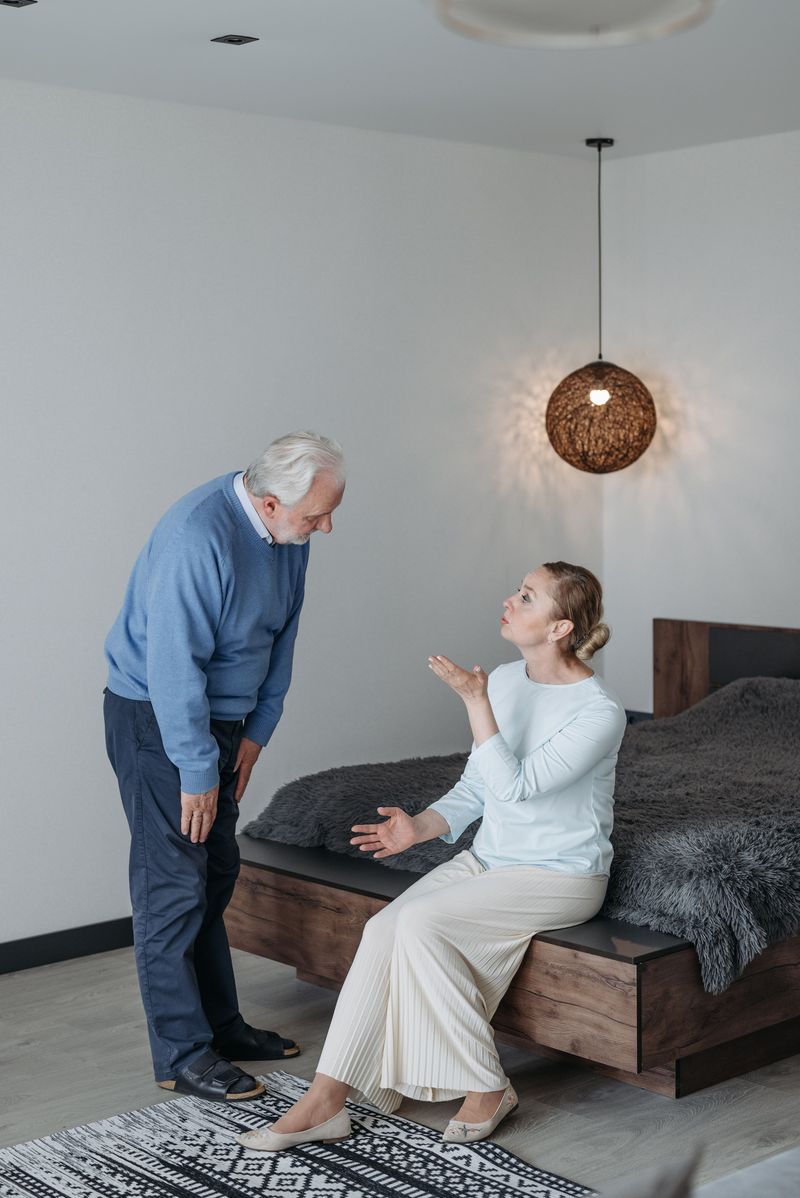
With age often comes a sharper sense of self-worth, and that tends to lower tolerance for being dismissed, patronized, or taken for granted.
Psychologists say repeated life experience helps people recognize patterns of disrespect faster and respond with greater clarity.
What once got brushed aside may now be addressed immediately and firmly.
That response can surprise people who were used to casual boundary crossing, teasing, entitlement, or thoughtless comments going unchallenged.
A woman who names the problem instead of absorbing it may be called difficult or harsh.
Yet her reaction may not signal cruelty at all.
It may show that she finally trusts her own perceptions, values herself more deeply, and refuses to reward behavior that diminishes her.
7. Personality Traits Can Shift Over Time

Personality is not frozen in early adulthood, and psychologists have long found that traits can shift across the lifespan.
Life events, losses, successes, health changes, relationships, and evolving priorities all shape how someone expresses patience, warmth, openness, and control.
So when a woman seems less nice over time, part of that change may reflect normal development.
People often assume personality should stay consistent, but adulthood keeps teaching hard lessons that refine behavior.
Someone may become less naive, less trusting, or less willing to overlook manipulation after enough experience.
These shifts are not automatically negative.
They can represent adaptation, maturity, and a better fit between inner values and outward behavior, even when others miss the growth and only notice reduced pleasantness.
8. They Stop Explaining Themselves

Another reason some women seem less nice with age is that they stop over-explaining every choice, feeling, or no. Psychologists often link this change to a stronger internal sense of authority, where outside approval no longer feels necessary for every decision.
What once looked like patience can turn into brief, direct communication when emotional energy becomes more valuable.
To people who benefited from endless access, that shift may read as coldness.
But often, it reflects maturity, self-trust, and a healthier refusal to carry other people’s discomfort.
She may not be meaner at all – just less willing to soften every truth for someone else’s convenience.