 MomSkoop

Some everyday habits can instantly reveal the generation you grew up in. What feels bold and normal to boomers can feel awkward, risky, or unnecessarily intense to Gen Z.
That difference does not make one side right and the other wrong, but it does make for some very relatable moments. Here are nine things boomers still do with total confidence while younger adults often hesitate.
1. Answering Phone Calls From Unknown Numbers
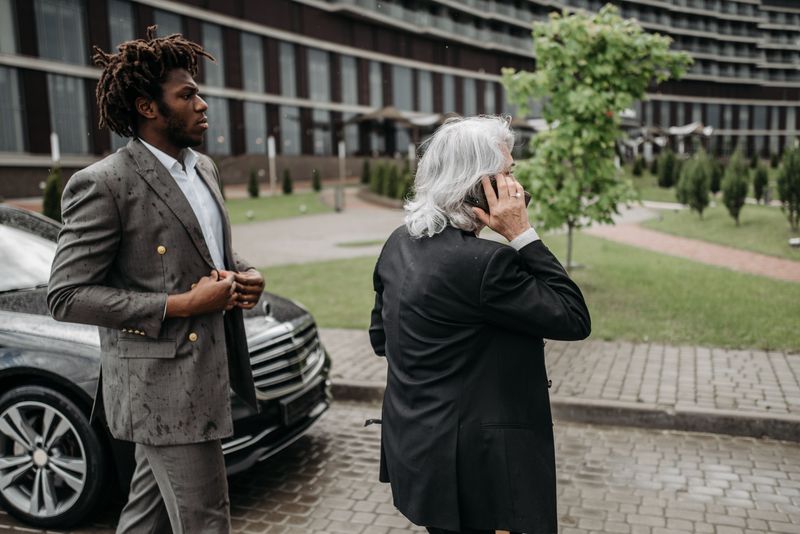
When an unknown number pops up, many boomers answer without much hesitation.
To them, it could be a doctor, a neighbor, a school, or someone with important news.
If you grew up screening every random call, that kind of confidence can feel almost reckless.
Gen Z usually sees an unfamiliar number and assumes spam, a scam, or a conversation that could have been a text.
Letting it ring feels safer, easier, and less draining than dealing with a surprise caller.
Boomers, on the other hand, often trust themselves to handle whatever is on the other end, even if it is awkward, annoying, or completely unexpected.
2. Showing Up Without Texting First
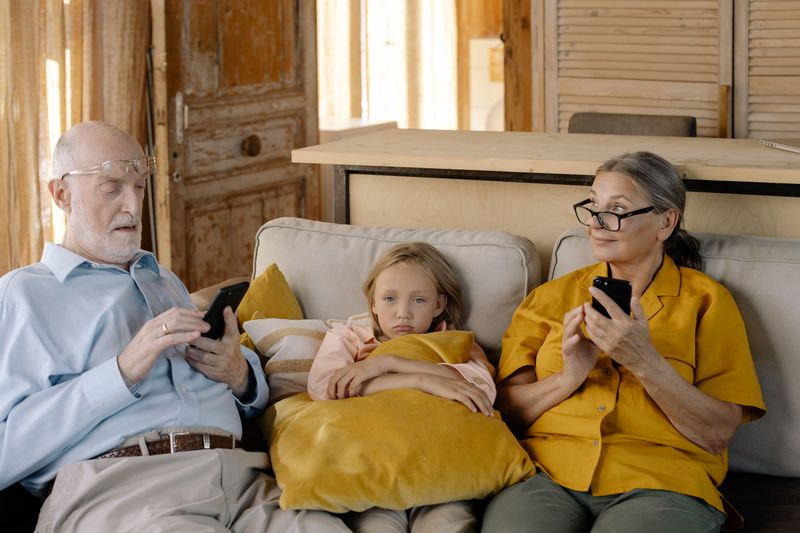
Boomers often see dropping by someone’s house as friendly, spontaneous, and perfectly normal.
If they are in the neighborhood, they might knock and expect a warm hello instead of a shocked stare.
That casual confidence comes from a time when plans were looser and availability was not constantly negotiated.
For Gen Z, showing up without texting first can feel like breaking an unspoken social rule.
A quick message gives people time to prepare, decline, or simply brace for company.
Boomers are usually less worried about interrupting because they often assume real life can handle a little surprise, and that connection does not always need a calendar invite or a carefully timed heads-up.
3. Starting Conversations With Strangers

Plenty of boomers can strike up a conversation anywhere, from the grocery line to a waiting room.
They ask questions, make observations, and treat small talk like a normal part of daily life.
If you are used to staying in your own bubble, that ease can look surprisingly fearless.
Gen Z often keeps headphones in, eyes down, and interactions brief unless there is a clear reason to engage.
It is not always rudeness, just a different comfort zone around public space and social energy.
Boomers tend to believe strangers are simply people you have not met yet, and that a quick chat can brighten a dull moment instead of creating one more awkward encounter.
4. Paying With Cash

For many boomers, cash still feels simple, reliable, and real.
You can see it, count it, hand it over, and know exactly how much is left in your wallet.
That tactile certainty carries a kind of confidence that digital spending does not always offer.
Gen Z is much more likely to reach for a card, phone, or payment app without thinking twice.
Digital options are faster, cleaner, and easier to track, but they also make cash feel almost old-fashioned.
Boomers keep using bills and coins because it works, it is familiar, and they do not need a battery, signal, or updated app to buy coffee, groceries, or gas.
5. Applying for Jobs in Person

Boomers often believe there is real value in walking into a business, introducing yourself, and handing over a resume.
It shows initiative, confidence, and a willingness to make a direct impression.
If you have only known online applications, that approach can seem bold and a little intimidating.
Gen Z usually searches listings, uploads documents, and hopes an algorithm moves things along.
Applying online is efficient, expected, and often the only option, but it can feel impersonal and detached.
Boomers still trust face-to-face effort because they were taught that presence matters, and that being memorable in person can sometimes open doors faster than another polished file disappearing into a digital queue.
6. Driving Without GPS
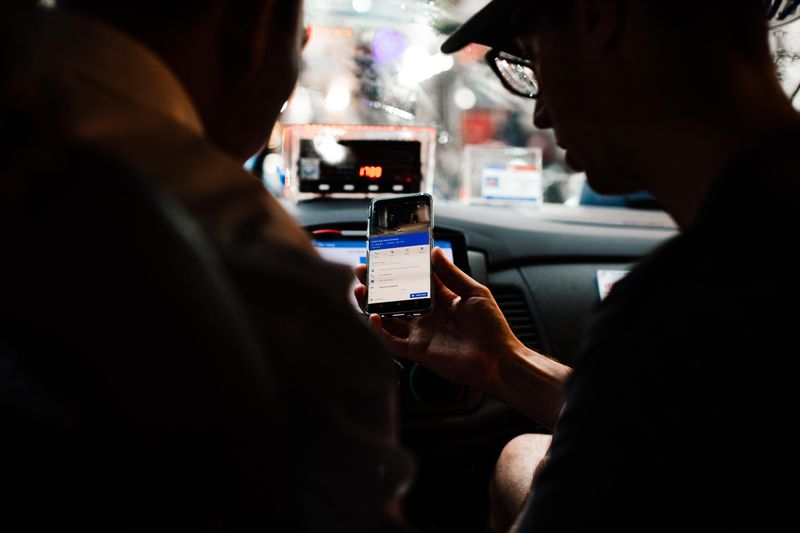
Many boomers can get across town, across the county, or across several states without relying on turn-by-turn directions.
They remember routes, study street names, and trust landmarks in a way that feels almost old-school heroic now.
If your phone dies and panic sets in, you probably get why this stands out.
Gen Z tends to use GPS for nearly everything, even familiar trips, because it saves time and avoids wrong turns.
There is no shame in using better tools, but dependence can build fast.
Boomers often drive with more directional confidence because they had to, learning how to memorize exits, ask for directions, and recover calmly when they missed a turn.
7. Making Important Calls Instead of Sending Texts

When something matters, boomers often pick up the phone and call right away.
They would rather settle details in five minutes than stretch a serious conversation across twenty messages.
To them, hearing someone’s voice adds clarity, urgency, and a human touch that text cannot always match.
Gen Z usually leans toward texting, messaging apps, or email because those methods feel less intrusive and easier to manage.
Writing things out gives more control, more time to think, and less chance of being put on the spot.
Boomers seem especially confident here because they are comfortable with directness, and they do not mind the small unpredictability that comes with a real conversation.
8. Using Facebook to Share Personal Updates

Boomers often post personal milestones, opinions, family photos, and daily thoughts on Facebook with very little hesitation.
To them, social media can feel like a big neighborhood bulletin board where sharing keeps everyone connected.
That openness can look surprisingly fearless in an era of curated privacy.
Gen Z is usually more selective about what goes public and where it lives online.
Many younger users prefer private stories, smaller circles, or platforms that feel less permanent and less exposed.
Boomers tend to share more freely because they often treat Facebook like a community space, not a branding exercise, and they are less likely to overthink whether every update fits a carefully managed digital identity.
9. Handling Problems Face-to-Face

Whether it is bad service, a misunderstanding at work, or a billing issue, boomers are often willing to address the problem in person.
They ask for the manager, explain the situation, and expect a direct conversation.
If confrontation makes your stomach drop, that level of comfort can seem almost superhuman.
Gen Z often prefers email, chat support, or a carefully worded message that avoids the pressure of an immediate response.
Digital communication gives space, documentation, and emotional distance, which can be genuinely helpful.
Boomers still lean face-to-face because they trust eye contact, tone, and real-time discussion to solve things faster, even when the conversation is uncomfortable, inconvenient, or a little tense.