 MomSkoop

Not all cowardice looks dramatic or obvious. Sometimes it hides behind politeness, sarcasm, charm, or endless excuses until you start doubting what you are seeing.
If someone consistently avoids truth, responsibility, and discomfort, the pattern usually tells the real story. These subtle signs can help you spot the difference between genuine fear and a deeply rooted lack of courage.
1. They Avoid Difficult Conversations

You can learn a lot about someone by watching what they do when a hard conversation shows up.
A deeply cowardly person rarely meets conflict head on, even when honesty would clear the air.
Instead, they dodge texts, switch topics, or suddenly become too busy to talk.
At first, this can look like stress, poor timing, or a dislike of drama.
But over time, you notice a pattern where every serious issue gets postponed until it quietly rots.
The goal is not peace – it is escape.
If you are always the one trying to address problems while they keep vanishing, pay attention.
Avoidance is not maturity when it leaves damage behind.
It is fear dressed up as convenience.
2. They Talk Behind People’s Backs

One of the clearest signs of hidden cowardice is private criticism paired with public silence.
They have plenty to say when the target is not in the room, but almost nothing when honesty would actually matter.
Gossip becomes their preferred way to release frustration without taking any risk.
You may hear sharp opinions, mocking jokes, or strong judgments delivered in a safe whisper.
Yet when the same person appears, their tone changes instantly into politeness or fake support.
That gap reveals a lack of courage more than a lack of kindness.
Speaking truth directly takes backbone, especially when it may create tension.
Talking behind someone instead protects their image while damaging someone else’s.
It is a safe performance, not integrity.
3. They Blame Others for Their Mistakes

When something goes wrong, a cowardly person often looks for a shield before they look for the truth.
Admitting fault feels too exposing, so they quickly build a story where someone else caused the problem.
Their first instinct is protection, not responsibility.
You might hear them blame bad timing, poor communication, unfair expectations, or another person’s influence.
Sometimes the excuse sounds reasonable on the surface, which is why this trait can be easy to miss.
But if every mistake somehow belongs to everyone else, the pattern becomes obvious.
Owning a failure takes emotional strength because it risks embarrassment.
Shifting blame may save face for a moment, but it erodes trust fast.
Courage says, I messed up.
Cowardice says, make sure nobody thinks I did.
4. They Stay Silent When It Matters Most

Some people know exactly when something is wrong, yet say nothing because speaking up could cost them comfort.
That silence can be more revealing than any speech.
A deeply cowardly person often chooses self protection over principle when the pressure is real.
You may see it at work, in friendships, or within a family conflict.
They nod privately, agree with you later, and admit the situation was unfair, but in the moment they disappear.
Their values seem strong only when nothing is on the line.
Not everyone is naturally bold, and fear is human.
Still, repeated silence during important moments shows a pattern of surrender.
When a person protects their image instead of doing what is right, cowardice is usually driving the choice.
5. They Constantly Make Excuses
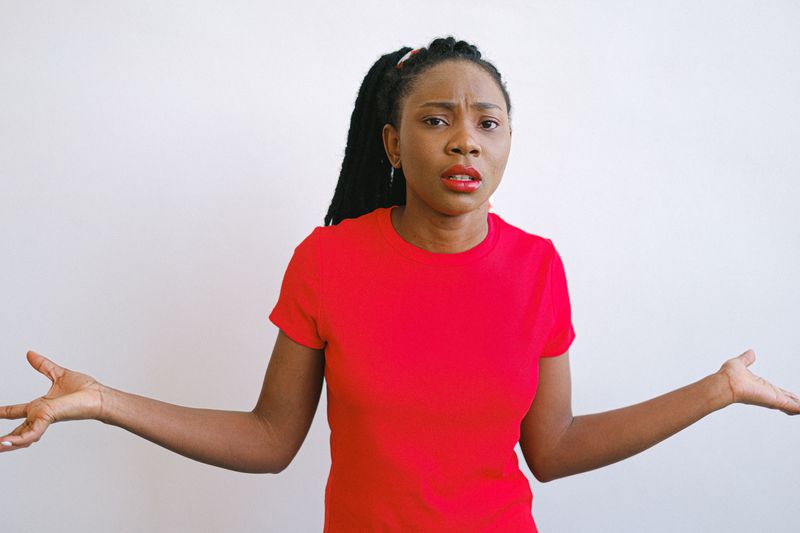
Everyone needs grace sometimes, but constant excuses tell a different story.
A deeply cowardly person treats accountability like a threat, so every failure arrives wrapped in a justification.
There is always traffic, confusion, stress, bad luck, or some sudden complication that explains everything away.
The details may change, yet the outcome stays the same: promises are missed, standards are lowered, and responsibility never quite lands where it should.
You might even start feeling guilty for expecting basic follow through.
That is how excuse making quietly shifts the burden onto you.
Courage faces consequences without needing a dramatic defense.
Excuses can sound harmless, but over time they become a strategy of escape.
When reasons are endless and ownership is absent, fear is usually running the show.
6. They Follow the Crowd Against Their Better Judgment

A cowardly person often abandons their own judgment the second standing alone feels uncomfortable.
They may know the group is being unfair, reckless, or plain wrong, but they go along anyway to avoid becoming the target.
Belonging matters more to them than integrity.
You can spot this when their opinions keep changing based on whoever has the strongest influence in the room.
Around one crowd, they act bold and certain.
Alone with you, they admit they never really agreed in the first place.
It takes courage to disappoint people when your values demand it.
Following the crowd may keep them socially safe, but it slowly empties their character.
If someone keeps betraying their own beliefs just to stay accepted, fear is making the decisions for them.
7. They Avoid Accountability

When confronted directly, a deeply cowardly person rarely stays with the issue for long.
They deflect, minimize, deny, or suddenly bring up your flaws so the spotlight moves off them.
The point is not resolution – it is escape from discomfort.
You may leave these conversations feeling confused because nothing ever gets answered cleanly.
Somehow the original problem gets buried under side arguments, vague language, or emotional theatrics.
Accountability becomes impossible because clarity is constantly being interrupted.
Owning behavior requires the strength to sit with shame, disappointment, or consequences.
A cowardly person would rather distort the conversation than face that feeling honestly.
If every confrontation turns into smoke and mirrors, you are not dealing with someone brave enough to be fully responsible.
8. They Mock People Who Take Risks

Sometimes cowardice hides behind humor.
A person who lacks the nerve to take risks may ridicule the people who do, because mocking courage feels safer than confronting their own fear.
It lets them stay passive while pretending they are simply being realistic.
You might hear them call someone’s dream childish, a bold move embarrassing, or a vulnerable moment pathetic.
Their comments often arrive with a laugh, which makes the cruelty easier to deny.
But the message is clear: do not try, do not stretch, do not stand out.
Brave people may fail, yet they still move.
Cowardly people often sneer from the sidelines because contempt is easier than action.
If someone constantly tears down initiative, they may be protecting themselves from their own unanswered doubts.
9. They Pretend Not to Care

Indifference can be a costume, and cowardly people wear it well.
Instead of admitting they care, want, hope, or hurt, they act detached so rejection cannot touch them too deeply.
If nothing matters, they never have to look vulnerable.
You may notice them shrug off meaningful opportunities, relationships, or disappointments with a practiced coolness.
They say it was not important anyway, even when their actions suggest otherwise.
This emotional distance often looks strong from far away, but up close it feels hollow.
Caring openly takes courage because it invites the possibility of loss.
Pretending not to care protects the ego while quietly starving real connection.
When someone’s apathy feels theatrical, there is often fear hiding underneath the performance, guarding a heart they refuse to expose.
10. They Break Promises Easily

Promises mean very little to a cowardly person when keeping them becomes inconvenient.
In the moment, they may sound sincere, generous, and fully committed.
But once effort, discomfort, or sacrifice enters the picture, they start looking for the easiest exit.
You end up hearing apologies, half explanations, or vague plans to make it up later.
What matters is not one broken promise, but the repeated pattern of choosing relief over reliability.
Their word bends whenever pressure appears.
Keeping commitments requires more than good intentions.
It requires character when honoring your word costs time, money, pride, or comfort.
If someone regularly escapes obligations the second they feel heavy, that is not just flakiness.
It is a quiet refusal to do the hard, honorable thing.
11. They Hide Behind Other People

Deeply cowardly people often survive by staying just behind the front line.
They let stronger personalities speak for them, protect them, or absorb consequences that should belong to them.
From a distance, this can look passive, but it is often strategic.
Maybe they encourage someone else to deliver criticism they were too afraid to say themselves.
Maybe they let a friend, partner, or coworker take the heat while they stay quiet and clean.
The pattern is the same: someone else carries the risk.
There is a big difference between needing support and using people as cover.
Courage stands in its own choices and accepts the fallout.
If a person constantly hides behind louder voices, borrowed authority, or another person’s sacrifice, they are avoiding the responsibility of standing alone.
12. They Fear Honest Feedback

Constructive feedback can sting, but a cowardly person treats it like an attack on their identity.
Even helpful, respectful criticism feels dangerous because it threatens the image they work hard to protect.
Instead of listening, they become defensive, dismissive, or quietly resentful.
You may notice them argue over every detail, shut down emotionally, or avoid people who tell them the truth.
They prefer praise, vague approval, and safe conversations where nothing about them has to change.
Growth sounds good in theory, but honesty feels too exposing in practice.
Courage allows you to hear something uncomfortable and still stay open.
Fear reacts by protecting the ego at all costs.
When someone cannot tolerate truthful feedback without unraveling, it often points to deeper insecurity and a serious lack of inner bravery.
13. They Manipulate Instead of Being Direct

Directness requires the courage to ask clearly for what you want and risk hearing no. A cowardly person often cannot tolerate that vulnerability, so they reach for manipulation instead.
Guilt, pressure, sulking, mixed signals, and passive aggressive comments become their tools.
You may feel pushed without knowing exactly why.
They hint instead of speaking, punish instead of explaining, and create emotional fog so you will do the work of figuring them out.
This keeps them from facing rejection while still trying to control the outcome.
Healthy communication is honest, even when it feels awkward.
Manipulation is usually a shortcut around that discomfort.
If someone consistently uses indirect tactics rather than straightforward words, they are not protecting peace.
More often, they are protecting themselves from the bravery of being clear.
14. They Abandon People During Difficult Times
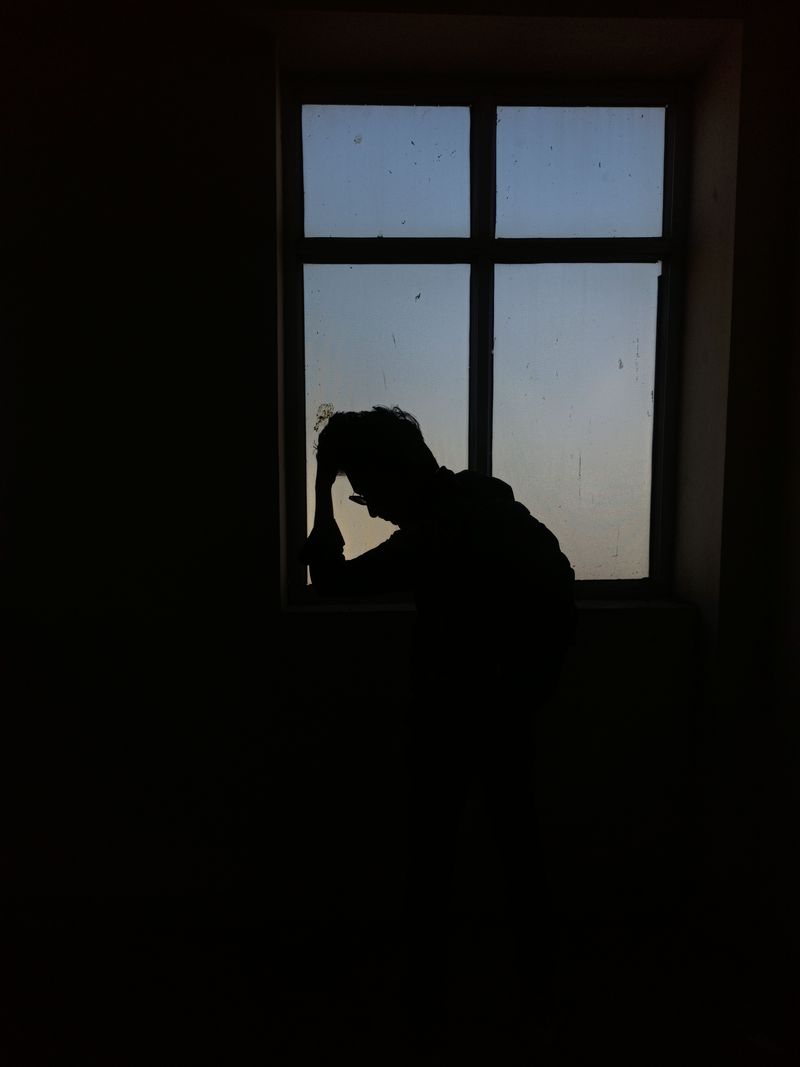
Anyone can be warm when life is easy.
A cowardly person’s loyalty often disappears the moment support becomes costly, complicated, or emotionally demanding.
When things get messy, they pull back, go quiet, or vanish completely.
You may notice they are present for fun, status, and convenience, but strangely absent during grief, conflict, illness, or public pressure.
Later, they might return with excuses that sound polished and reasonable.
Still, their absence already answered the question of who they are under strain.
Standing by someone in a difficult season takes courage because it may involve discomfort, sacrifice, or social risk.
Abandonment reveals more than poor timing.
It shows what happens when fear outweighs commitment.
If someone only stays near you when it costs them nothing, believe that pattern.
15. They Act Tough Only Around Weaker People

False bravery often reveals itself through selective aggression.
A deeply cowardly person may act loud, harsh, or intimidating around people they see as weaker, quieter, or less likely to push back.
But when real strength enters the room, their confidence shrinks fast.
You might watch them bully a timid coworker, disrespect service staff, or speak cruelly to someone dependent on them.
Then suddenly they become polite, cautious, or silent with anyone who could challenge them.
That contrast is one of the clearest tells.
True courage does not need soft targets to feel powerful.
It stays steady whether someone has status or not.
If a person’s toughness only appears where there is little danger, you are not looking at strength.
You are watching fear try to disguise itself as dominance.
16. They Refuse to Admit They’re Wrong

Few things expose cowardice faster than an inability to say, I was wrong.
For some people, admitting a mistake feels less like honesty and more like defeat.
So they dig in, rewrite the story, or argue over details long after the truth is obvious.
You may bring facts, examples, and calm reasoning, yet they still twist the conversation to preserve their pride.
Sometimes they go quiet rather than admit fault.
Other times they double down so hard that the issue becomes almost absurd.
Humility takes courage because it asks the ego to step aside for reality.
Refusing to admit wrongdoing may protect self image in the moment, but it blocks trust, repair, and growth.
When a person chooses pride over truth again and again, fear is usually sitting at the center.
17. They Let Fear Control Their Decisions

At the deepest level, cowardice is not just about one bad habit.
It is about letting fear quietly run the whole decision making process.
Instead of choosing by values, conviction, or honesty, they keep reaching for whatever feels safest in the moment.
You may notice them avoid opportunities, withhold truth, stay in unhealthy situations, or betray their own principles to reduce discomfort.
Their choices are guided less by what is right and more by what feels least risky.
Over time, that creates a life built on retreat.
Fear is part of being human, so this sign is not about never being scared.
It is about repeatedly surrendering your character to that fear.
When someone consistently chooses safety over integrity, caution over courage, and comfort over truth, the pattern speaks for itself.