 MomSkoop

Living alone has its perks – total freedom, your own schedule, and nobody stealing your leftovers. But it also comes with real responsibilities that many people overlook.
When there’s no one else around, small mistakes can turn into big problems fast. Here are 12 habits you need to drop right now to stay safer, smarter, and more prepared.
1. Never Tell Strangers You Live Alone
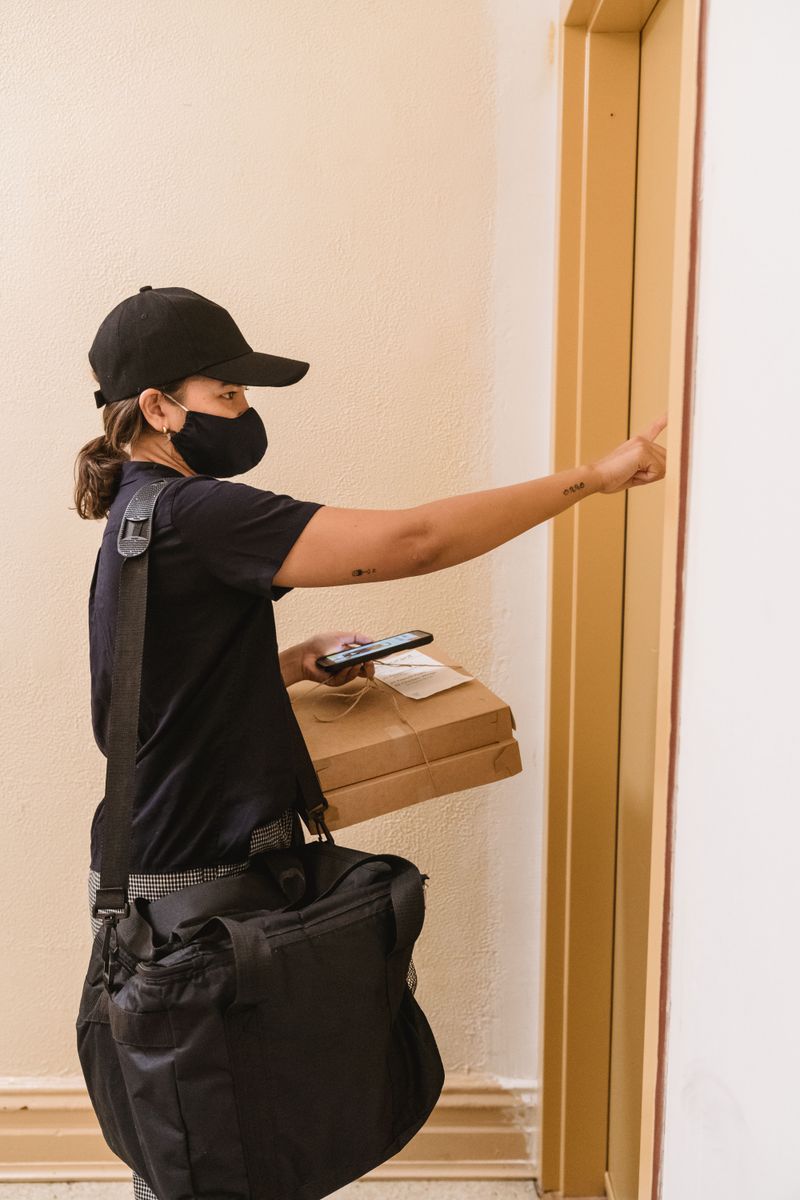
Your home address is already out there in more ways than you realize – but who lives there doesn’t have to be.
Casually mentioning to a delivery driver, a new acquaintance, or even a chatty neighbor that you live by yourself is more dangerous than it sounds.
Criminals often scout targets by gathering small details that seem harmless on their own.
Saying “I’ll be home alone all weekend” is basically an open invitation.
Instead, use vague phrases like “we’re not available” or “someone will be home.”
A little white lie for privacy is perfectly reasonable when your safety is on the line.
Protecting your personal situation is not paranoia – it’s plain smart thinking.
2. Stop Ignoring Strange Noises or Security Concerns
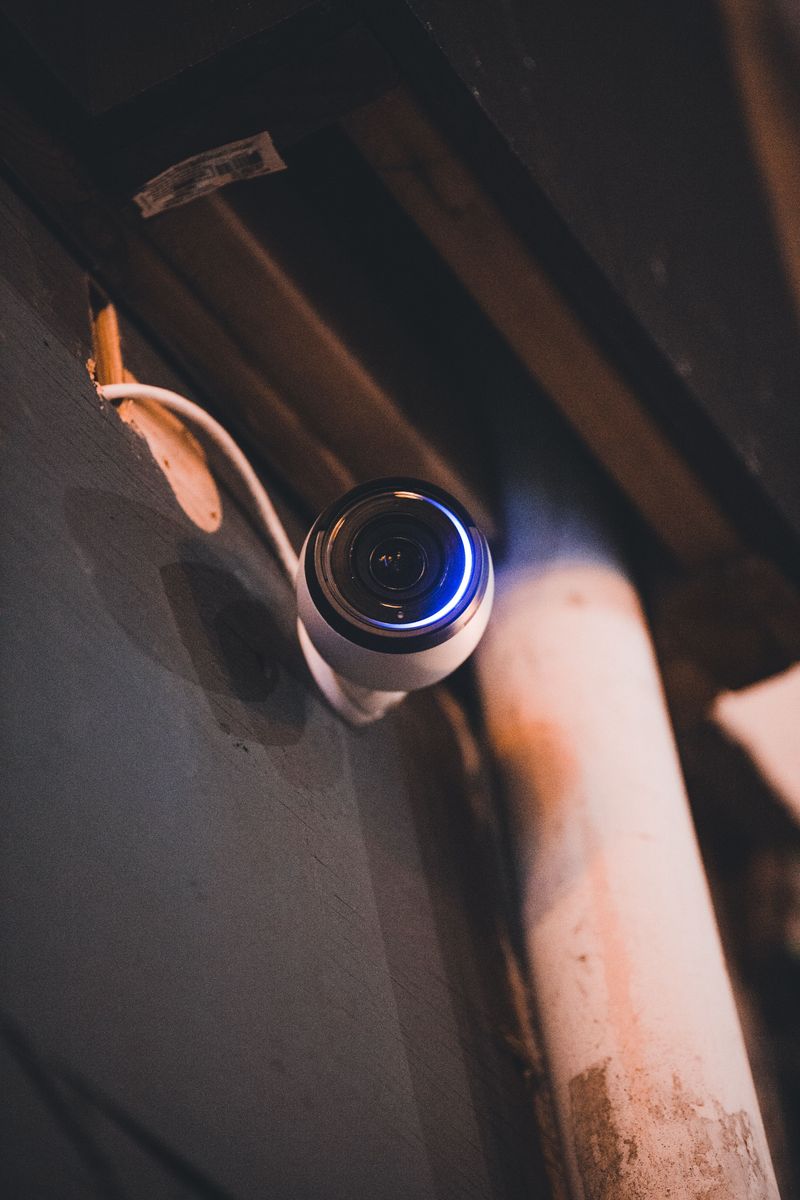
That thump at 2 a.m. probably is just the pipes – but “probably” isn’t good enough when you’re the only one home.
Brushing off unusual sounds or odd feelings can cost you in a big way.
If something feels off, check your security cameras, turn on lights, and do a quick visual scan before assuming everything is fine.
Never put yourself in direct danger by rushing toward an unknown sound – use tools like a camera app or smart doorbell to assess first.
Trusting your instincts is one of the most underrated safety skills out there.
Your gut exists for a reason, and when you live alone, listening to it could genuinely save your life.
3. Leaving Doors and Windows Unlocked Is a Huge Risk
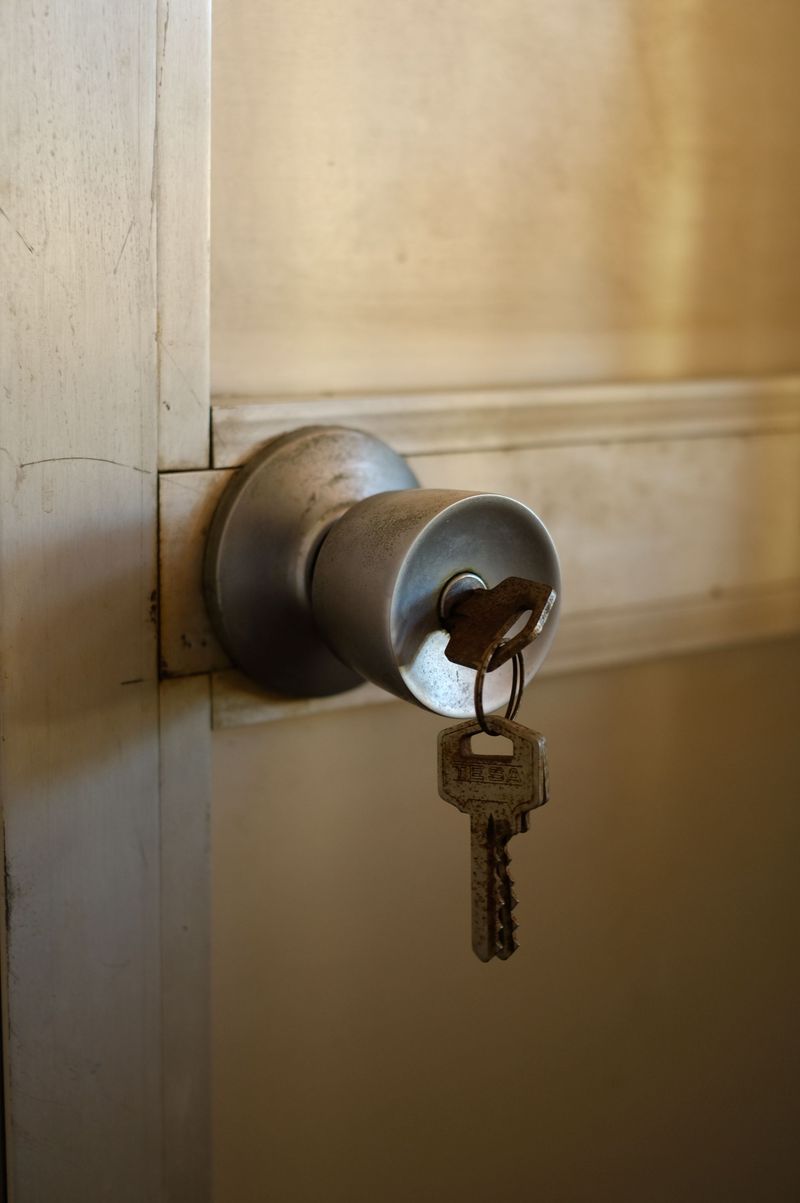
Most home break-ins aren’t elaborate heists – they’re opportunistic.
A criminal walking by sees an unlocked door or open window and simply walks right in.
It really is that straightforward, and that terrifying.
Even when you’re home, keep entry points locked.
Running out to grab mail or check on a neighbor for two minutes is all the time someone needs.
Smart locks and simple deadbolts are affordable upgrades that make a massive difference.
Get into the habit of doing a quick lock check before bed and before leaving.
Make it as automatic as brushing your teeth.
When you live alone, a locked door isn’t just courtesy – it’s your first line of defense.
4. Don’t Skip Regular Check-Ins With Family or Friends

Nobody should have to wonder if you’re okay for days at a time.
When you live alone, having at least one person who expects to hear from you regularly is one of the simplest safety nets you can set up.
It doesn’t have to be a formal system – a quick daily text or a scheduled weekly call works perfectly.
The point is that someone notices if you go silent.
If you were to fall, get sick, or face an emergency, that check-in could be the difference between getting help quickly and being stuck for far too long.
Reach out to a trusted friend or family member today and set something up.
Consistency matters more than the method you choose.
5. Never Keep Emergency Contacts Only on Your Phone

Phones die.
Phones get lost.
Phones crack at the absolute worst moments.
Relying entirely on your device to access emergency contacts is a gamble you really don’t want to lose when things go sideways.
Write down key numbers – a close friend, a family member, your doctor, a neighbor – and post them somewhere obvious like the fridge or near your front door.
Old-fashioned?
Sure.
Lifesaving?
Absolutely.
A paper list costs nothing and takes two minutes to create.
You might also consider keeping a small card in your wallet with critical contacts.
When your hands are shaking and your phone is at zero percent, that little card becomes the most important thing you own.
6. Don’t Let Packages Pile Up Outside Your Door
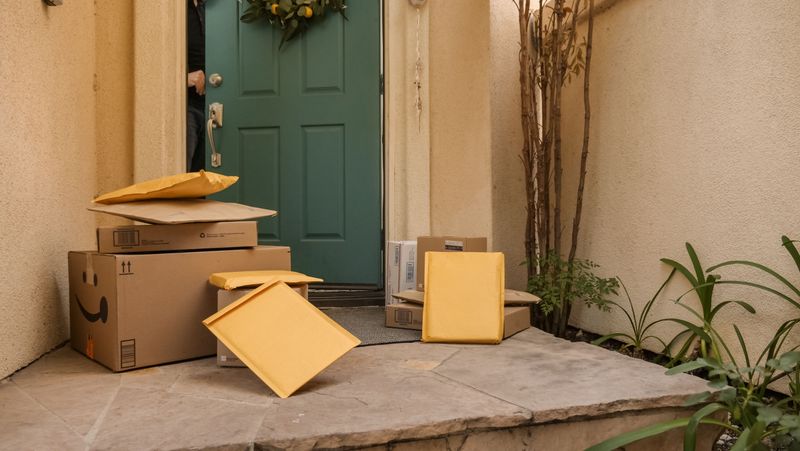
A growing stack of packages on your porch tells the world one very clear thing: nobody is paying attention here.
Thieves look for exactly this kind of signal, and porch pirates are more common than most people think.
Ask a trusted neighbor to grab deliveries when you’re away, or set up package delivery alerts so you can retrieve boxes quickly.
Many services now offer options like leaving packages with a neighbor, inside a building, or at a pickup location.
If you’re going out of town, pause deliveries or ask someone to check your door daily.
A simple step like this removes a very visible advertisement that your home is unattended and potentially easy to approach without anyone noticing.
7. Stop Posting Your Exact Location in Real Time on Social Media
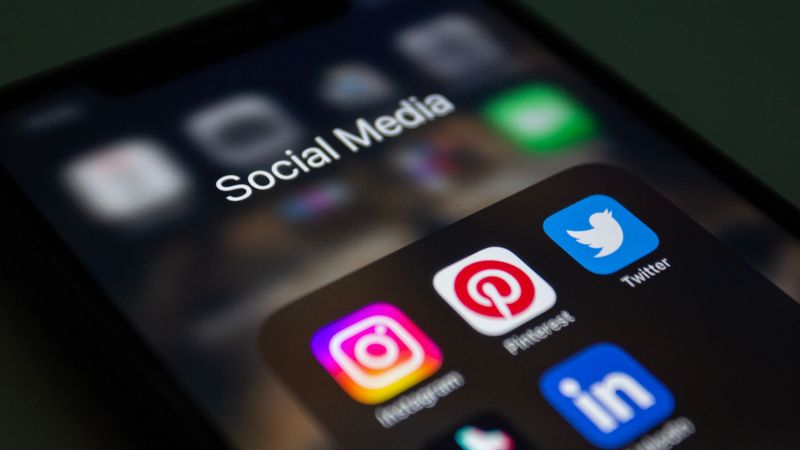
Sharing your adventures online is fun – but announcing in real time that you’re across town, at a concert, or on vacation is essentially posting a “house is empty” sign for anyone who follows you.
Burglars have been caught admitting they used social media to identify empty homes.
That’s not a scary rumor; it’s documented fact.
Even if your profile is private, you never fully know who has access to your posts or screenshots.
A better habit is waiting until you’re back home to share photos and updates.
Your followers can enjoy the recap just as much, and your home stays off the radar.
The memories will still look just as great posted a few hours later.
8. Ignoring Maintenance Problems Can Spiral Fast

A slow drip under the sink, a lock that sticks, a flickering outlet – these things might seem like minor annoyances, but when you live alone, minor problems have a habit of becoming full-blown crises with no one else around to help manage them.
Water leaks can cause mold and structural damage within days.
A faulty lock leaves you vulnerable.
Electrical issues are a fire hazard that doesn’t care how busy your schedule is.
Staying on top of small repairs is genuinely part of your safety plan.
Keep a short list of reliable local repair contacts and address issues as they pop up rather than hoping they resolve themselves.
When you’re the only resident, the maintenance buck stops with you.
9. Never Depend on Just One Way to Get Help

Picture this: you slip in the shower, your phone is in the other room, and the battery is dead anyway.
If your only plan for getting help is a single fully charged smartphone, that plan has some serious holes in it.
Keep a backup charger or power bank accessible.
Consider a medical alert device if you live alone and are older or have health concerns.
A charged secondary device or even a basic landline in the bedroom can be a genuine lifesaver.
Think through your “what if” scenarios now, while everything is calm.
Mapping out multiple ways to call for help takes about ten minutes and could matter enormously during the one moment when everything goes wrong at once.
10. Don’t Let Your Home Look Empty All the Time
A dark house with no movement, no lights, and no car in the driveway for days on end is a very obvious signal to anyone casing a neighborhood.
Looking occupied is one of the easiest deterrents available to you.
Smart plug timers are inexpensive and let you schedule lights to turn on and off at different times each evening.
Some smart home systems even allow random intervals so the pattern doesn’t look automated.
Leaving a radio or TV on a timer also adds the illusion of activity.
Ask a neighbor to park in your driveway occasionally when you travel.
Collect your mail or have someone else do it.
The goal is to make it look like someone is always just around the corner.
11. Stop Putting Off Basic Emergency Preparedness
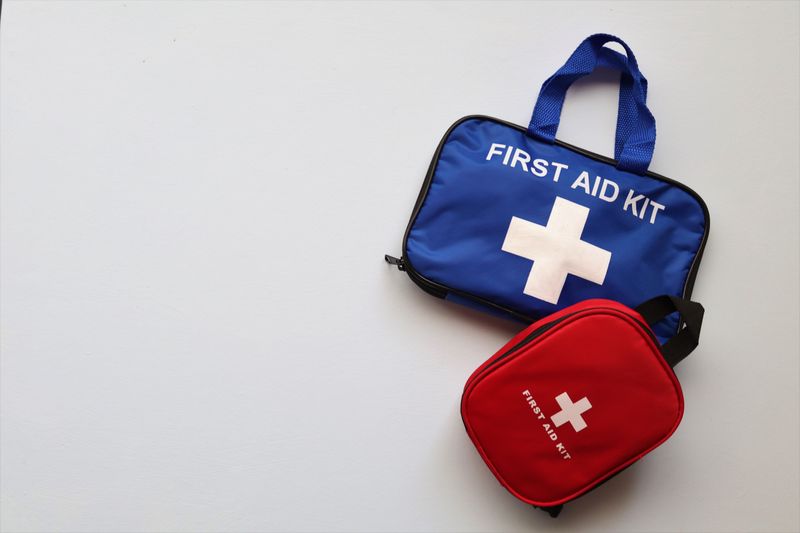
Power outages, medical emergencies, severe storms – none of these events schedule themselves around your convenience.
When you live alone, being caught unprepared isn’t just uncomfortable, it can be genuinely dangerous.
A basic emergency kit doesn’t require a bunker or a huge budget.
A reliable flashlight, extra batteries, a stocked first-aid kit, a few days of bottled water, and some non-perishable snacks cover the essentials.
Toss in any prescription medications you rely on regularly.
Set a reminder to check and refresh your supplies every six months.
Batteries expire, medications run out, and water should be rotated.
Spending thirty minutes now building this kit means you won’t be scrambling in the dark – literally – when an emergency actually arrives.
12. Don’t Isolate Yourself Completely

Living alone can quietly slide into loneliness if you’re not paying attention.
What starts as enjoying your own space can gradually become weeks of limited human contact – and that takes a real toll on both your mental health and your safety network.
Strong social connections aren’t just good for your mood; they’re a practical safety resource.
Friends who check on you, neighbors who notice your routine, and family who expect your calls all form an informal but powerful support system.
Make a deliberate effort to stay connected – join a class, schedule regular hangouts, or even just wave to your neighbors.
You don’t need a packed social calendar.
You just need a few reliable people who genuinely know you’re there.