 MomSkoop
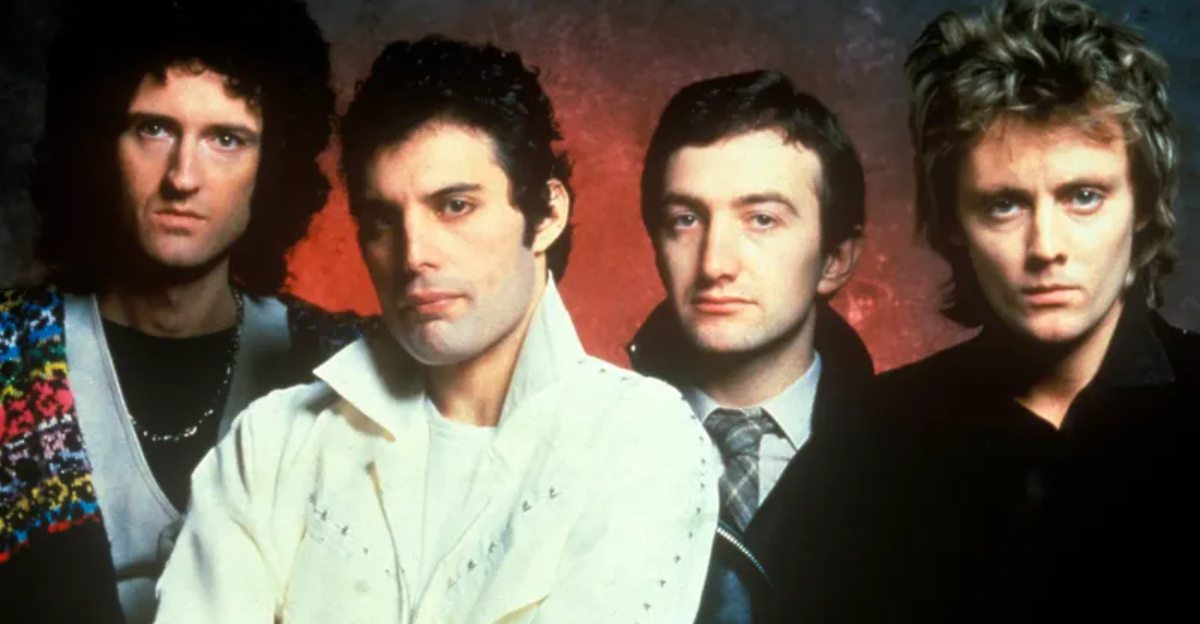
Classic rock fans love to treat certain 1970s bands like sacred institutions, but not everyone hears greatness in the same places. Some listeners think the legends on this list were overplayed, overhyped, or simply polished into predictability.
That does not mean these groups lacked talent – it means their reputations can feel bigger than their actual catalogs. If you have ever wondered whether praise and quality always line up, this list will probably hit a nerve.
1. KISS
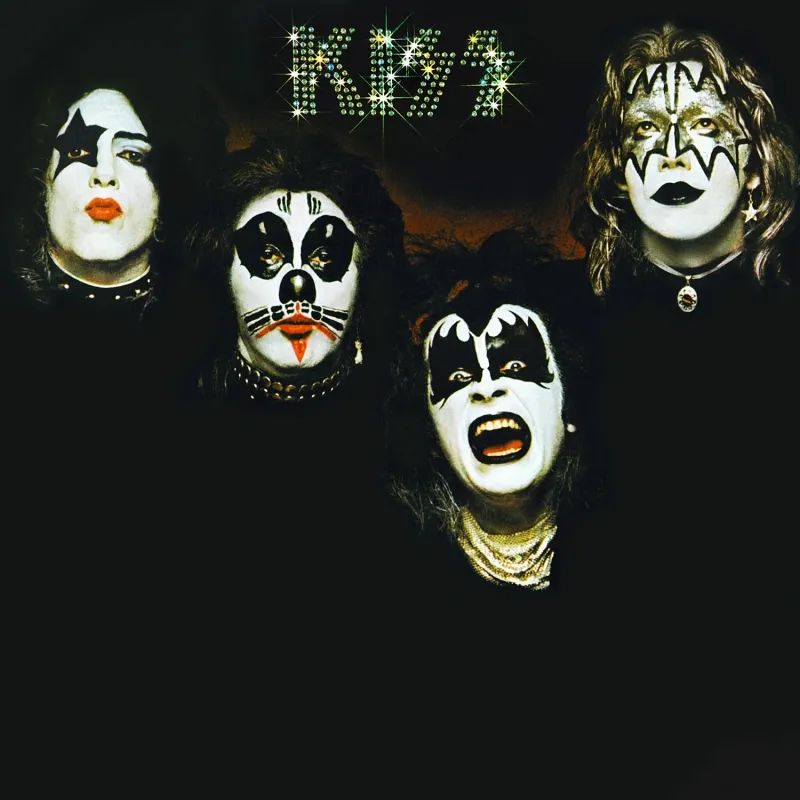
KISS built an empire on makeup, fireworks, blood-spitting theatrics, and hooks that were impossible to forget.
Even if you enjoy the spectacle, plenty of people argue the music never matched the scale of the presentation.
To those critics, the band feels like branding genius first and a truly great rock act second.
I get why fans defend them, because songs like Rock and Roll All Nite still ignite a room instantly.
But when the smoke clears, skeptics hear a catalog that can seem simplistic, repetitive, and more dependent on image than depth.
For listeners who want lyrical substance or musical complexity, KISS often sounds more like a brilliant marketing phenomenon than an untouchable seventies masterpiece.
2. Foreigner

Foreigner sold millions by delivering clean, radio-ready rock that sat comfortably between hard rock swagger and pop accessibility.
That crossover success is exactly why some critics resist the praise, arguing the band sanded away too much edge in pursuit of mass appeal.
If you prefer danger, grit, or unpredictability, Foreigner can feel almost too professional.
There is no denying the craftsmanship behind songs like Cold as Ice and Juke Box Hero, and you probably know every chorus already.
Still, detractors hear a formula at work, with polished production and big hooks doing more heavy lifting than raw personality.
To them, Foreigner represents classic rock at its most efficient, but not necessarily its most inspired or essential.
3. Journey

Journey inspires fierce loyalty, but they also trigger instant eye rolls from listeners who think the band became the definition of overplayed classic rock.
Their biggest songs are undeniably huge, yet that same familiarity makes some people hear emotional bombast instead of timeless craft.
If you never connected with the glossy sincerity, the praise can feel excessive.
Steve Perry’s voice remains the strongest argument in Journey’s favor, and it is hard not to admire that vocal power.
But critics often say the band leans too heavily on sweeping choruses, polished sentiment, and arena-sized uplift without enough bite.
For those listeners, Journey sounds less like a transcendent rock institution and more like impeccably produced emotional wallpaper.
4. Supertramp
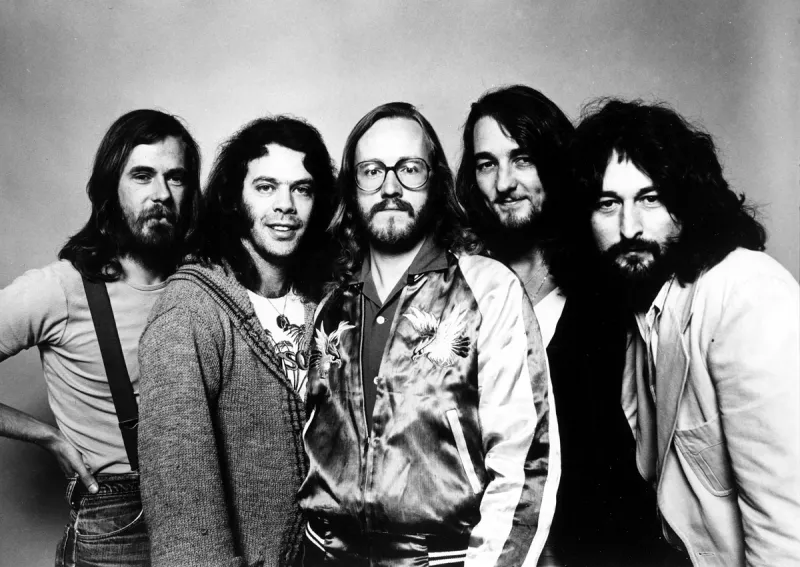
Supertramp is often praised for clever songwriting, studio precision, and a sound that blended prog ambition with pop accessibility.
Yet not everyone finds that mix as charming as devoted fans do, especially listeners who hear fussy arrangements and self-conscious quirk instead of brilliance.
For them, the band’s sophistication can come off more calculated than moving.
I understand the appeal of albums like Breakfast in America, which feel polished without losing personality.
Still, skeptics argue that Supertramp sometimes mistakes eccentricity for emotional depth, layering keyboards, vocal contrasts, and tidy structures into something a little too mannered.
If you want rock music to hit harder in the gut than in the brain, the constant praise can sound inflated rather than earned.
5. Eagles
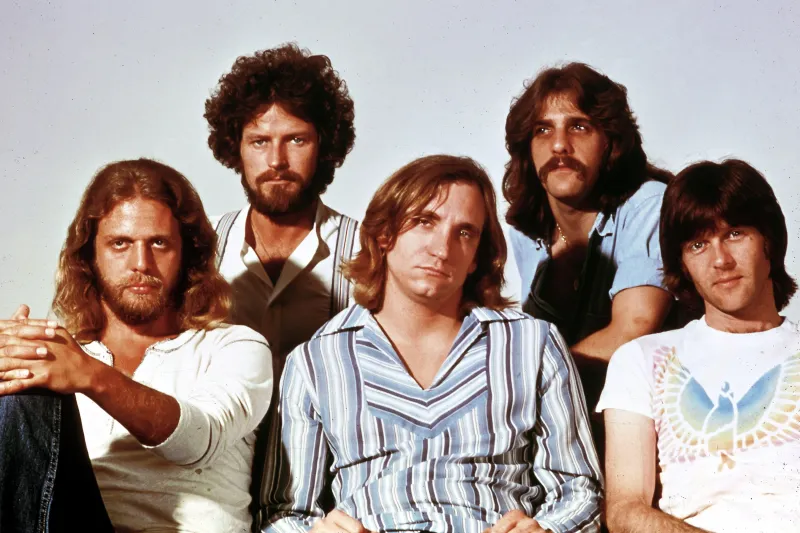
The Eagles are one of the most successful bands ever, which is exactly why some listeners push back against the near-universal reverence.
Their harmonies are pristine and the songs are expertly built, but critics often hear a kind of polished detachment that keeps the music from feeling alive.
If you want danger, the Eagles can sound almost too comfortable.
That does not erase the craftsmanship behind Hotel California or Take It Easy, both of which are deeply embedded in rock history.
But for detractors, the band’s immaculate control turns into sterility, with every vocal blend and guitar line feeling optimized rather than spontaneous.
To those ears, the Eagles represent soft-edged perfection that impresses the mind more than it truly excites the soul.
6. REO Speedwagon

REO Speedwagon developed a huge following by turning earnest emotion into radio gold, but not everyone hears greatness in that sincerity.
Some critics think the band’s blend of heartland rock and power ballads crosses too easily into sentimentality, especially when the melodies become familiar enough to feel automatic.
If you prefer sharper edges, REO can seem emotionally oversized.
There is a reason these songs connected with millions, and I would never pretend the band lacked melodic instinct.
Still, skeptics argue that REO Speedwagon often substitutes volume and feeling for nuance, creating anthems that can feel generic once the nostalgia fades.
For those listeners, the praise sounds less like recognition of exceptional artistry and more like affection for rock radio comfort food.
7. Boston
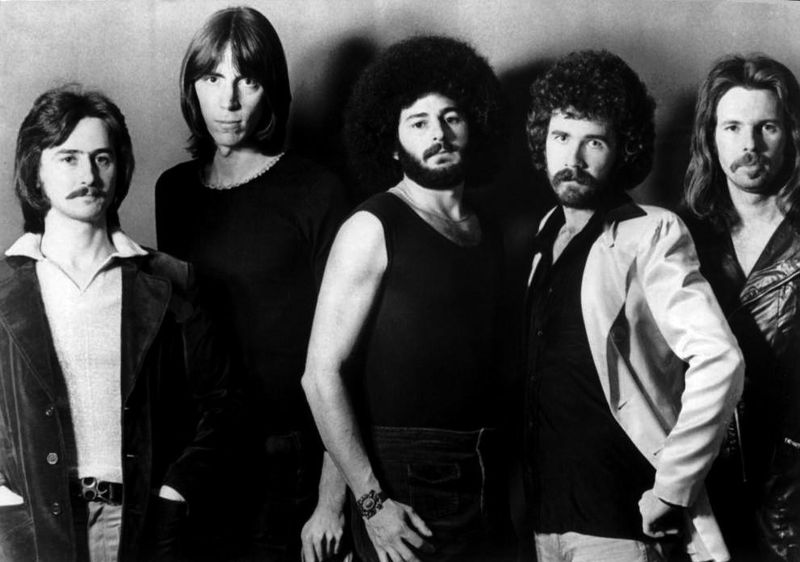
Boston’s debut alone guarantees them a place in classic rock history, but not everyone thinks the adoration should stretch as far as it does.
Their sound is massive, melodic, and beautifully engineered, yet critics often argue that the perfection comes at the cost of personality and variation.
If every song feels built from the same gleaming blueprint, the magic can fade.
I can absolutely hear why More Than a Feeling became immortal, because few records announce themselves with such confidence.
But detractors say Boston’s layered guitars, pristine production, and familiar emotional lift start to blur together over time.
To those ears, the band created a spectacular template, then spent too long repeating it while the reputation kept growing larger than the catalog.
8. Styx
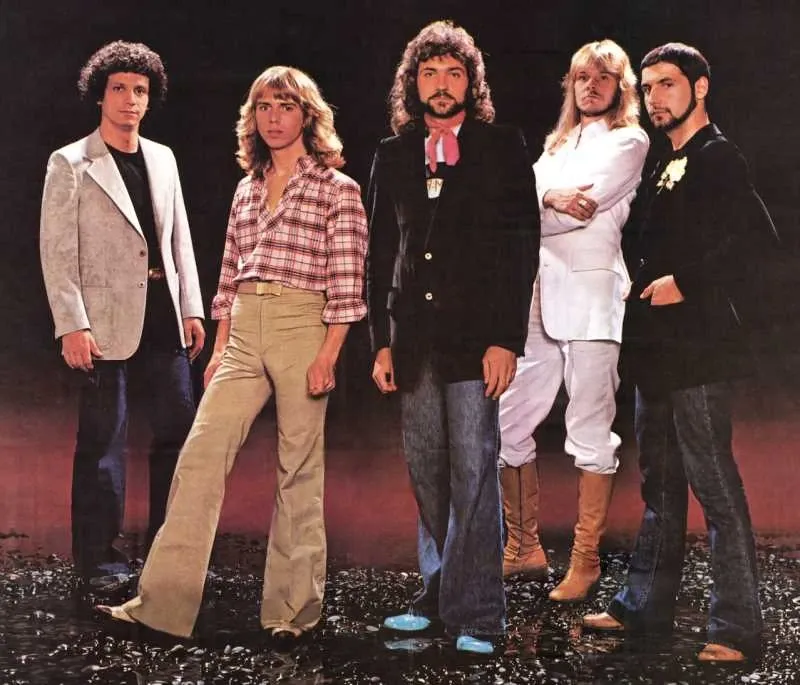
Styx aimed for grandeur, combining prog flourishes, theatrical instincts, and arena rock hooks into something unmistakably ambitious.
For fans, that blend is part of the thrill, but critics often hear a band reaching for importance so aggressively that the songs become stiff or overblown.
If you are allergic to pomp, Styx can feel like a lot very quickly.
The group certainly knew how to land a big chorus, and their theatrical streak gave them a distinct identity in a crowded era.
Still, skeptics argue that the constant push toward grandeur makes the music feel more self-conscious than natural, especially when the sentiment turns grandiose.
To those listeners, Styx earned popularity through scale and drama, not through consistently great songwriting across their catalog.
9. Aerosmith

Aerosmith absolutely has classic songs, but some listeners think the band’s legend has grown beyond what the seventies output consistently supports.
Their swagger, attitude, and bluesy riffing are undeniable, yet detractors sometimes hear sloppiness celebrated as authenticity and excess mistaken for genius.
If charisma alone does not sell you, the praise can feel larger than the evidence.
Steven Tyler and Joe Perry gave the band a dangerous chemistry that helped define American hard rock, and that matters.
But critics point out that alongside the highlights sits a fair amount of filler, with messy execution occasionally propped up by mythmaking.
For those listeners, Aerosmith is a great singles band and a thrilling presence, but not always the flawless icon status suggests.
10. Yes
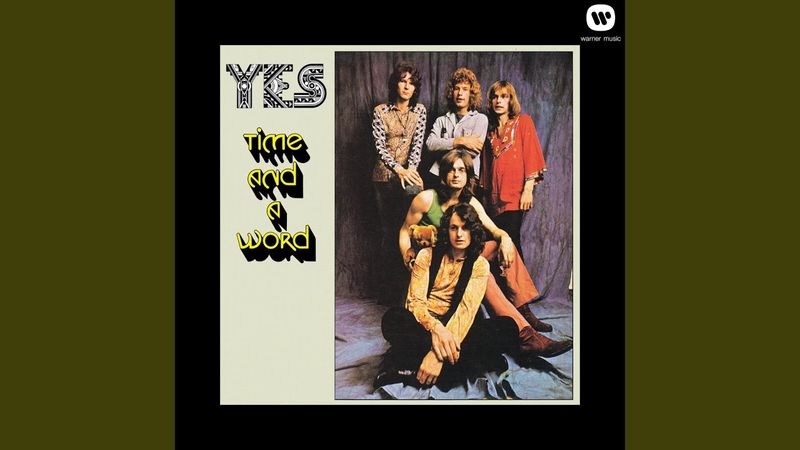
Yes remains a pillar of progressive rock, but that status does not stop plenty of listeners from finding the band exhausting.
The musicianship is astonishing, the structures are ambitious, and the sonic imagination is real, yet critics often hear technical brilliance crowding out emotional connection.
If long suites and ornate arrangements leave you cold, the worship can feel baffling.
I respect how fearlessly Yes expanded rock’s possibilities, especially when so many bands settled for simpler formulas.
Still, detractors argue that the band can disappear into complexity, turning songs into showcases where precision matters more than human immediacy.
To those ears, Yes deserves admiration for skill, but not always the sweeping praise that treats every elaborate detour like an unquestionable masterpiece.
11. Queen
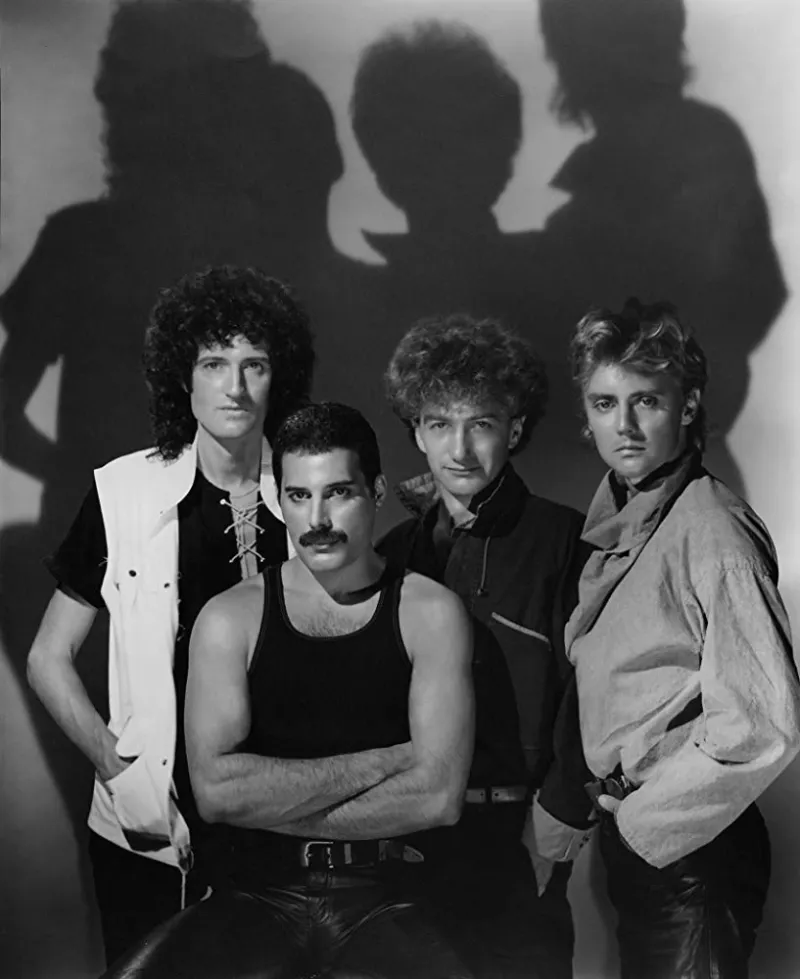
Questioning Queen can feel almost rebellious now, but not everyone responds to their mix of theatricality, virtuosity, and genre-hopping brilliance.
Fans hear fearless creativity and once-in-a-generation performance power, while critics sometimes hear a band that confuses scale with depth.
If the grand gestures strike you as too calculated, the reverence may seem over the top.
Freddie Mercury alone explains much of the devotion, and the band’s technical range gave them an identity few others could match.
Still, skeptics argue that Queen’s constant shape-shifting sometimes keeps the music at arm’s length, dazzling more than it reveals.
For those listeners, the band produced undeniable peaks, but the blanket assumption of untouchable greatness can feel broader than the full catalog justifies.
12. Fleetwood Mac
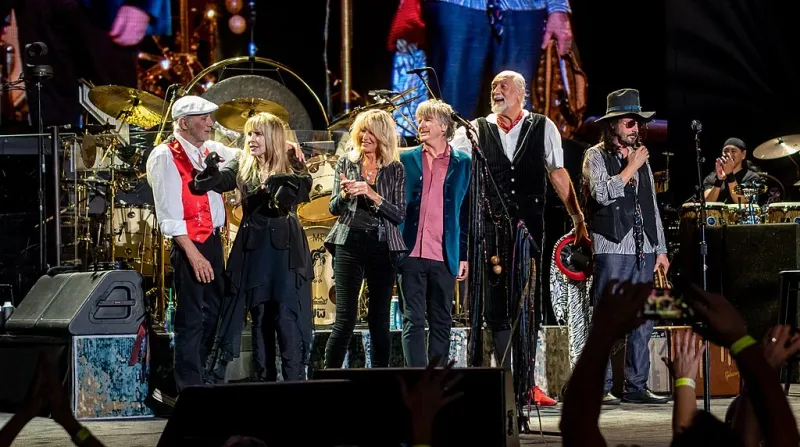
Fleetwood Mac is often treated as untouchable because the songs, harmonies, and internal drama formed a perfect cultural storm.
Even so, some listeners think the praise leans too heavily on mythology, turning a great band into one that supposedly could do no wrong.
If you are not moved by the polished melancholy, their reputation can seem oversized.
Rumours deserves its place in history, and there is real emotional intelligence in how the band transformed personal collapse into pop-rock gold.
But critics argue that outside the essential hits, the music can drift into tasteful restraint that feels more elegant than thrilling.
To those ears, Fleetwood Mac is unquestionably skilled and important, yet still not the universal masterpiece machine the legend implies.
13. Kansas
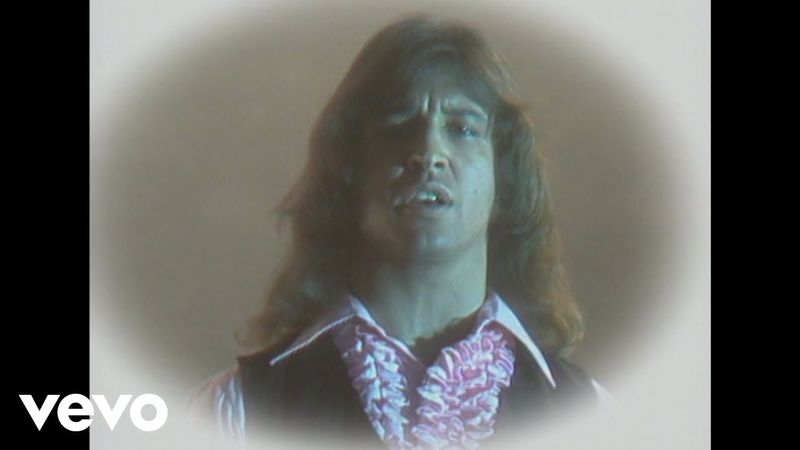
Kansas carved out a unique space by mixing heartland rock muscle with progressive structures and violin-driven drama.
Fans hear ambition and identity, but critics often hear a band stuck between complexity and accessibility without mastering either side completely.
If songs feel like they are straining for profundity, the praise may strike you as generous.
There is no denying the power of Carry On Wayward Son, which remains one of the era’s most enduring statements of melodic urgency.
Still, skeptics say Kansas frequently sounds more earnest than inspired, piling on technique, symbolism, and intensity without enough memorable payoff.
For those listeners, the band deserves respect for trying something distinctive, but not the kind of acclaim reserved for the genre’s true giants.
14. Bachman-Turner Overdrive (BTO)
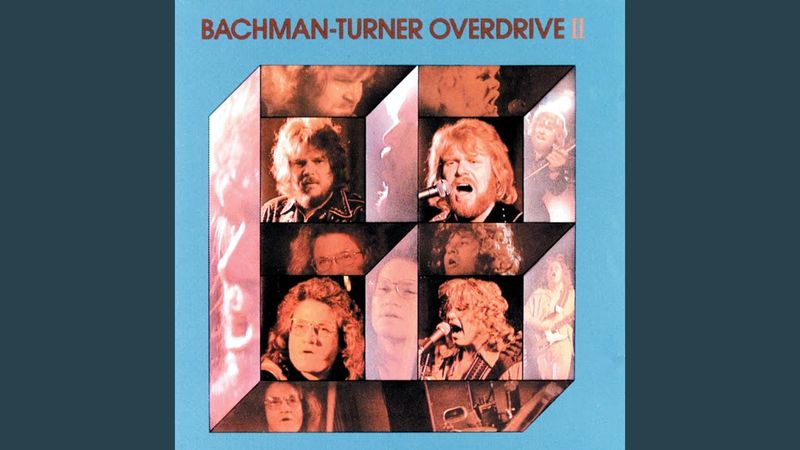
Bachman-Turner Overdrive delivered sturdy, no-frills rock that still lands when you want something direct and loud.
That simplicity is also the main complaint from listeners who think the band’s reputation rests on a handful of hard-driving staples rather than a genuinely deep body of work.
If basic boogie riffs do not excite you, the applause can sound excessive.
I understand why You Ain’t Seen Nothing Yet and Takin’ Care of Business remain durable, because BTO knew exactly how to hit a groove.
But detractors argue that beyond those signature moments, the band often feels repetitive and too straightforward to justify major classic-rock reverence.
To them, BTO was effective, fun, and reliable, but never quite as essential as the nostalgia suggests.
15. Grand Funk Railroad
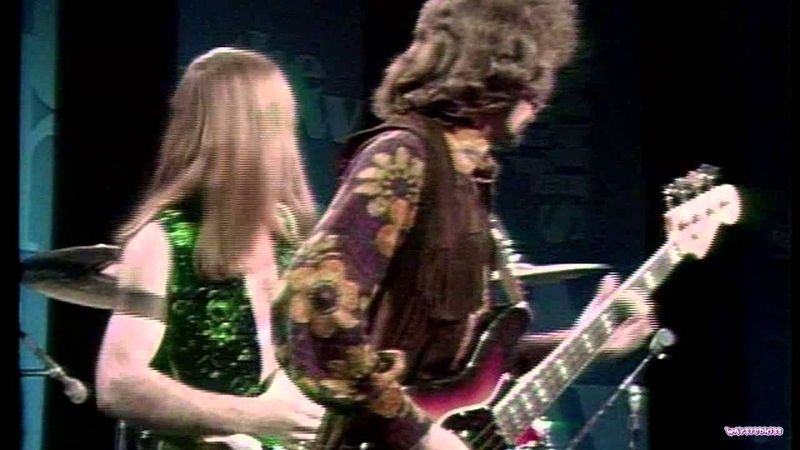
Grand Funk Railroad was once enormous, and that fact alone surprises younger listeners who mainly know the name from classic-rock shorthand.
Their appeal came from brute-force energy, big riffs, and blue-collar confidence, yet critics have long argued that the band was more loud than great.
If you value nuance, their reputation can feel like a relic of sheer momentum.
The group’s best material has a rough drive that still works, especially when you want rock stripped of pretense and delivered with conviction.
Still, skeptics say Grand Funk Railroad often lacked the songwriting sophistication or sonic variety associated with truly elite seventies bands.
For those listeners, the band was a powerful live-era phenomenon, but not one whose recorded legacy fully matches the size of its fame.