 MomSkoop
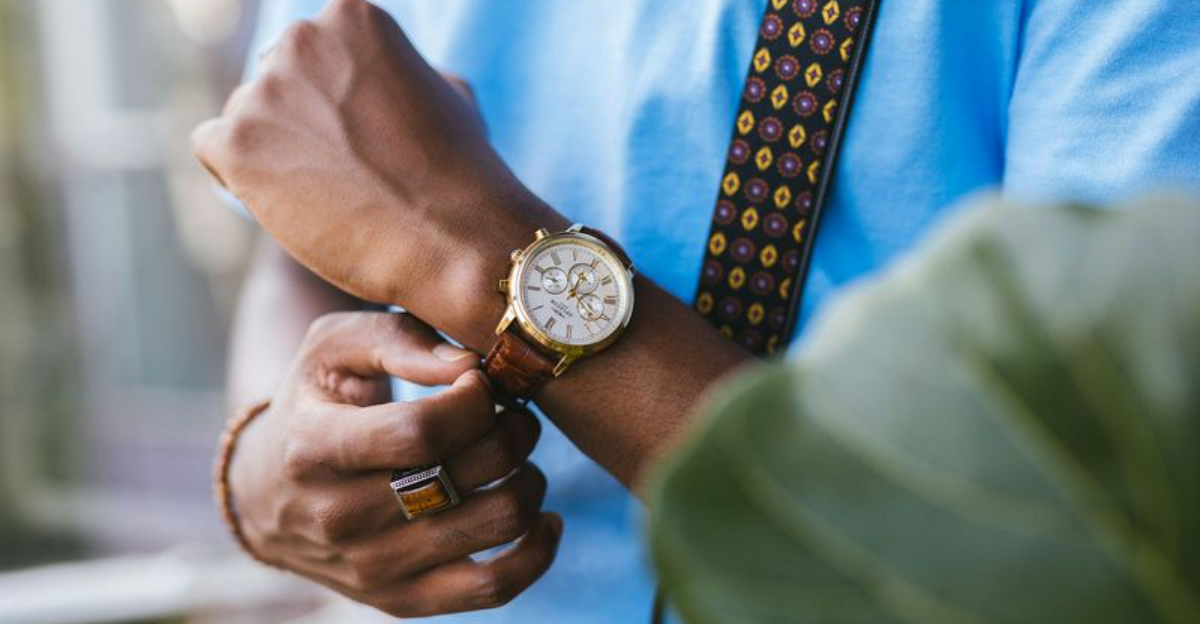
At work, people notice the details before you say a word. A sharp outfit can quietly build trust, while one wrong choice can make you seem careless, dated, or out of touch.
The tricky part is that many formal style mistakes are easy to miss when you are rushing through your morning. If you want your clothes to support your reputation instead of hurting it, these are the mistakes worth fixing now.
1. Wearing Clothes That Don’t Fit Properly

Fit is the first thing people notice, even before they register the brand or price of what you are wearing.
An oversized suit can swallow your frame, while tight shirts and trousers create strain lines that look uncomfortable and distracting.
When your clothes do not sit correctly, your whole appearance feels less intentional.
I have seen expensive formalwear lose all impact simply because the shoulders drooped, sleeves pooled, or pants bunched at the ankle.
You want your outfit to suggest confidence, not constant adjustment or discomfort.
A good tailor can turn average pieces into polished staples that help you look capable, sharp, and ready for serious work.
2. Ignoring Wrinkles and Creases
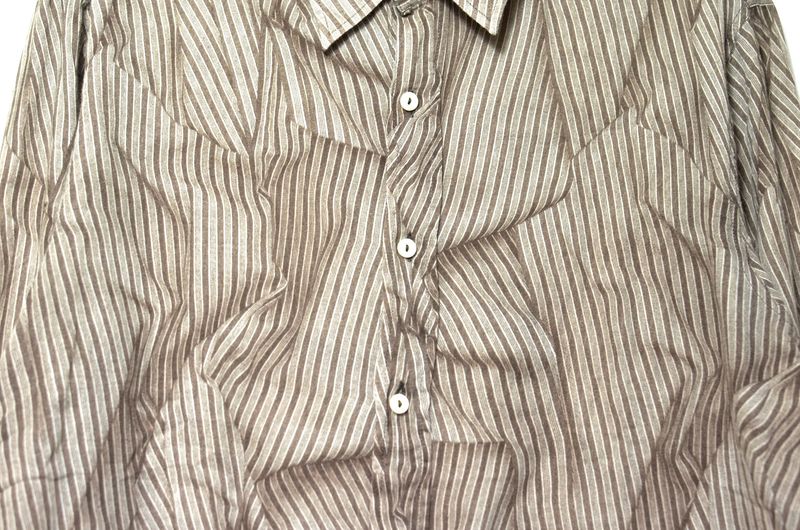
Wrinkles send a message that you did not plan ahead, even if the rest of your outfit is technically appropriate.
A creased shirt, rumpled blazer, or crushed trousers can make you look rushed, disorganized, and less prepared than you actually are.
In formal settings, that visual signal matters more than many people realize.
You do not need a perfect runway finish, but you do need clothes that look cared for and ready to wear.
A quick steam, proper hanging, or a few extra minutes with an iron can completely change how professional you appear.
If you want people focused on your ideas, do not let fabric creases speak louder than your presence in the room.
3. Choosing the Wrong Shoe Condition
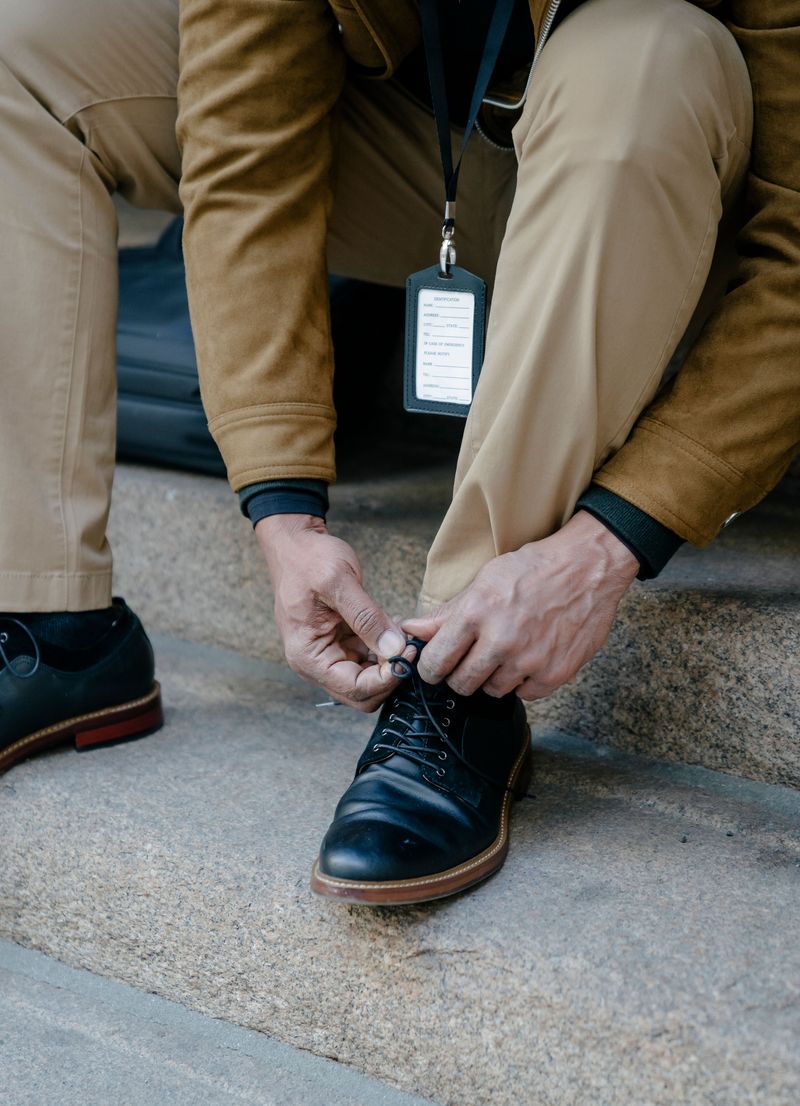
Shoes quietly reveal how much attention you pay to the details, and people absolutely notice them in professional settings.
You can wear a solid suit and crisp shirt, but scuffed leather, dirty soles, or worn heels will still pull the whole look down.
Neglected shoes often make formalwear seem unfinished and careless.
I always think of shoes as the punctuation mark at the end of an outfit.
If they look tired, your appearance loses authority, even when everything else feels mostly right.
Keep them clean, polish them regularly, and replace pairs that are cracking or collapsing.
When your footwear looks sharp, you project polish, discipline, and the kind of reliability people trust at work.
4. Overaccessorizing
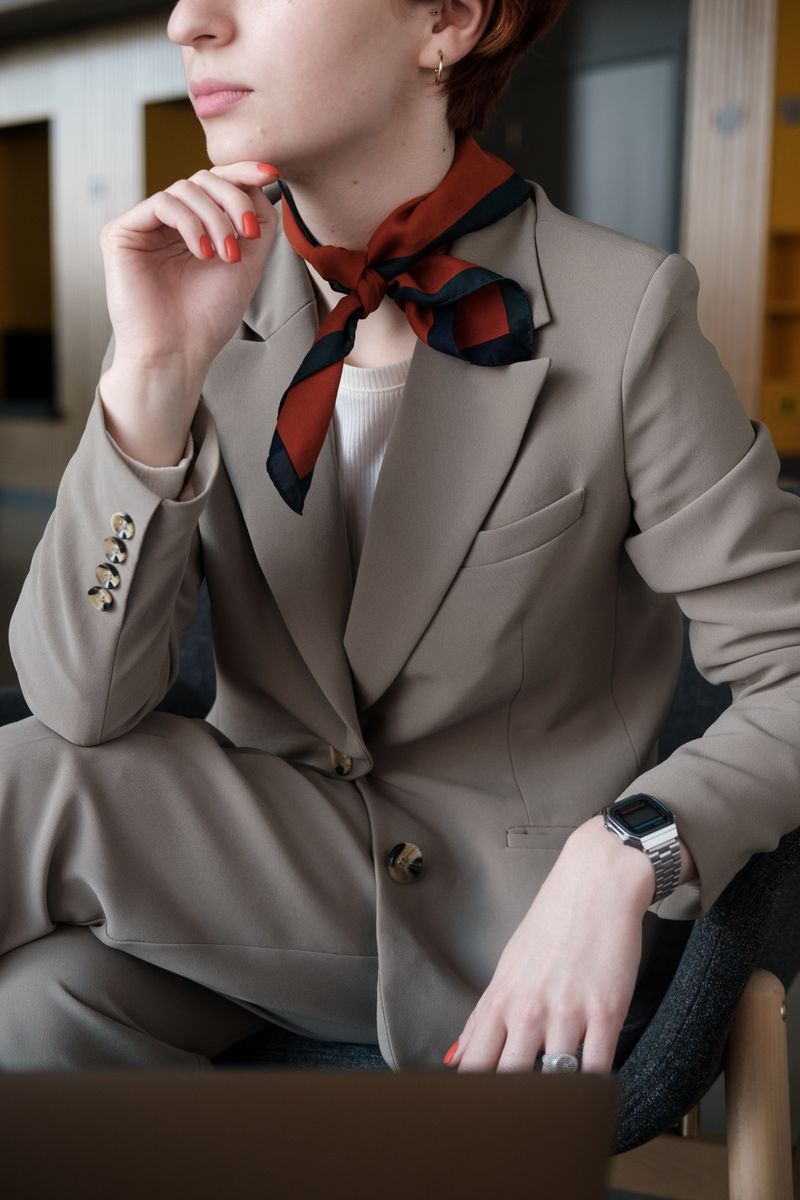
Accessories should support your professional image, not compete with it for attention.
When jewelry is too flashy, watches are oversized, or multiple pieces pile on at once, your outfit can start to feel noisy instead of polished.
In formal work environments, restraint usually communicates more confidence than excess ever will.
You want people to remember your competence, not the fact that your bracelet stack jingled through the meeting.
A well-chosen watch, subtle earrings, or one refined finishing piece is usually more than enough.
If an accessory distracts from your face, your words, or the overall balance of your outfit, it is probably doing too much.
Clean, intentional styling always feels smarter and more credible at work.
5. Wearing Mismatched Formal Pieces
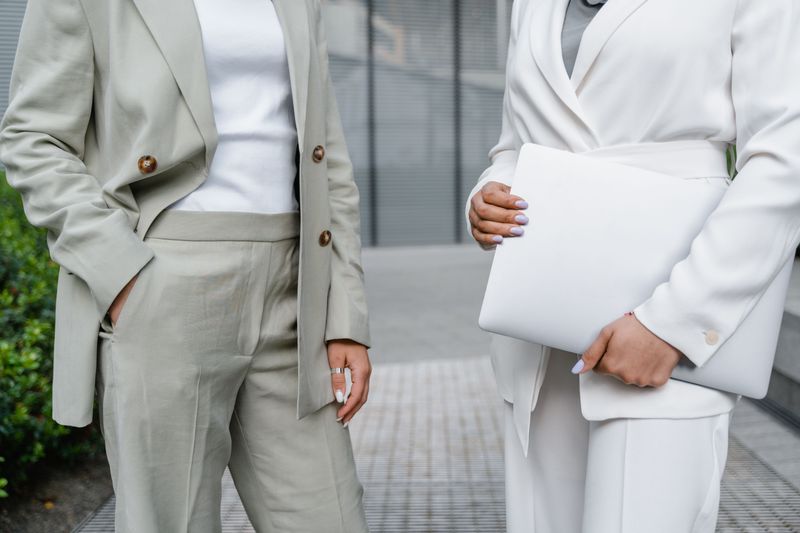
Mixing formal and casual pieces can work, but only when the combination feels deliberate and balanced.
When the blazer is sharp but the trousers are too relaxed, or polished dress shoes meet an obviously casual shirt, the whole outfit can look confused.
That disconnect makes your appearance feel less professional and less credible.
I think the problem is not creativity, but inconsistency.
You want every piece to look like it belongs in the same conversation, with similar structure, fabric, and level of polish.
If one item feels far more casual or far more formal than everything around it, people notice the mismatch immediately.
A cohesive outfit signals good judgment, and that matters just as much as style in the workplace.
6. Neglecting Grooming

Even the best suit cannot fully compensate for messy grooming.
Untidy hair, an uneven beard, chipped nails, or generally neglected personal care can make your whole look feel incomplete, no matter how expensive your clothes are.
In professional settings, people read grooming as part of your discipline and self-management.
You do not need to look overly styled or rigid, but you should look intentional and well maintained.
Clean lines, neat hair, and basic grooming habits help your formalwear land the way it is supposed to.
If your appearance suggests you skipped the finishing steps, colleagues may assume the same about your work.
A polished reputation often starts with the quiet details you handle before leaving home.
7. Using Strong or Distracting Fragrances

Fragrance is easy to overdo because you stop noticing it long before everyone else does.
In a workplace, strong cologne or perfume can become distracting fast, especially in meetings, elevators, shared offices, or close conversations.
What feels sophisticated to you may feel overwhelming or irritating to someone nearby.
I always treat fragrance like a background detail, not the main event.
A light, clean scent applied sparingly can be pleasant, but anything loud enough to announce your arrival is usually too much for professional settings.
You want your presence to feel polished and considerate, not overpowering.
When in doubt, use less than you think you need, because subtlety tends to read far better than intensity at work.
8. Ignoring Dress Code Expectations

Formal style only works when it fits the culture around you.
If you show up dramatically overdressed or noticeably underdressed, people may read it as poor judgment, a lack of awareness, or an attempt to send the wrong kind of message.
Credibility often depends on understanding the room before trying to stand out in it.
You do not need to dress identically to everyone else, but you should know the baseline expectations of your workplace.
Pay attention to how leaders dress, how clients show up, and what is considered polished in your environment.
Once you understand that range, you can refine your style within it.
Looking appropriate signals emotional intelligence, and that matters just as much as fashion in professional spaces.
9. Wearing Outdated or Worn-Out Formalwear
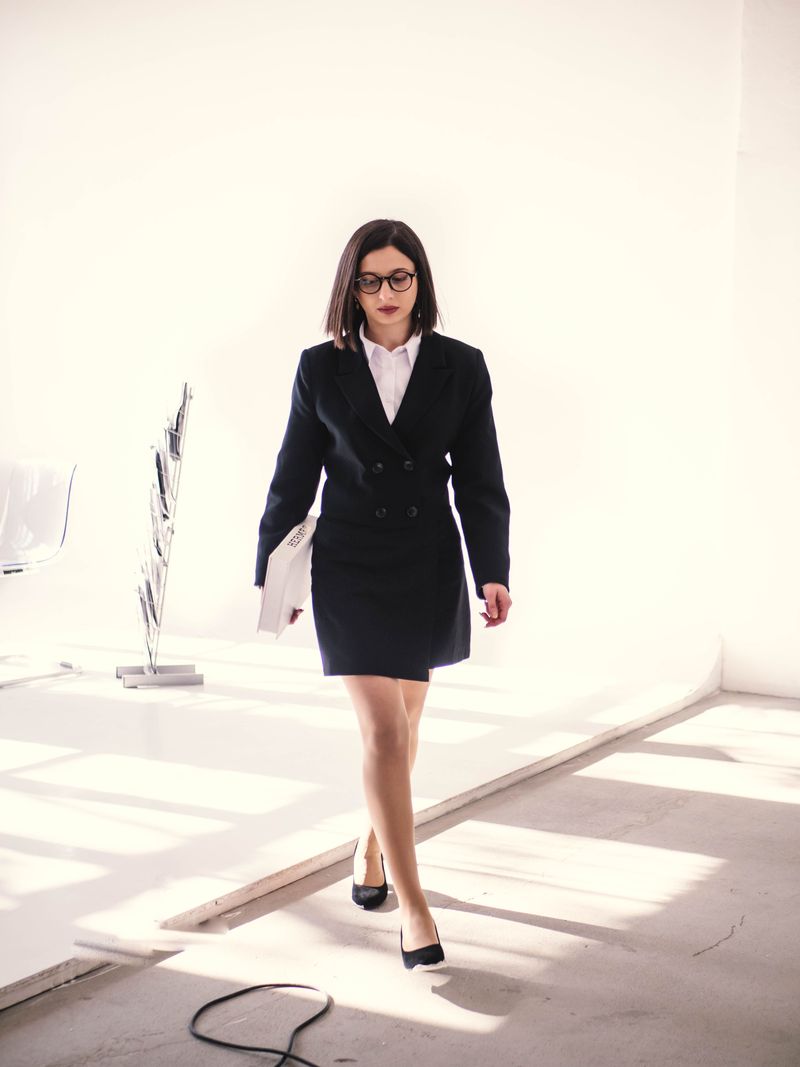
Formalwear does not need to be trendy, but it should not look tired.
Faded fabrics, shiny elbows, stretched collars, thinning cuffs, and suits that have clearly seen better years can make you look less polished than you intend.
When clothing appears worn out, people may connect that visual fatigue with your overall professionalism.
I am not saying you need a new wardrobe every season, because classic pieces can last for years when they are maintained well.
The key is recognizing when something has moved from broken in to visibly past its prime.
Replacing tired essentials, refreshing shirts, and updating dated silhouettes can sharpen your image quickly.
Clothes that look current and cared for make your presence feel stronger and more credible.
10. Poor Color Coordination

Color can elevate formalwear instantly, but poor combinations can make even nice pieces look careless.
Clashing tones, harsh contrasts, or colors that fight for attention often create visual tension that distracts from your professionalism.
In a work setting, you want your outfit to feel coordinated, calm, and intentional.
You do not have to stay locked into boring neutrals, but you should know how to balance them.
A strong tie, shirt, or accessory works best when the rest of the outfit supports it instead of competing.
If you are unsure, start with navy, gray, white, and subtle accent colors that pair easily.
When your color choices feel thoughtful, people tend to read your overall appearance as sharper and more trustworthy.
11. Forgetting the Small Details
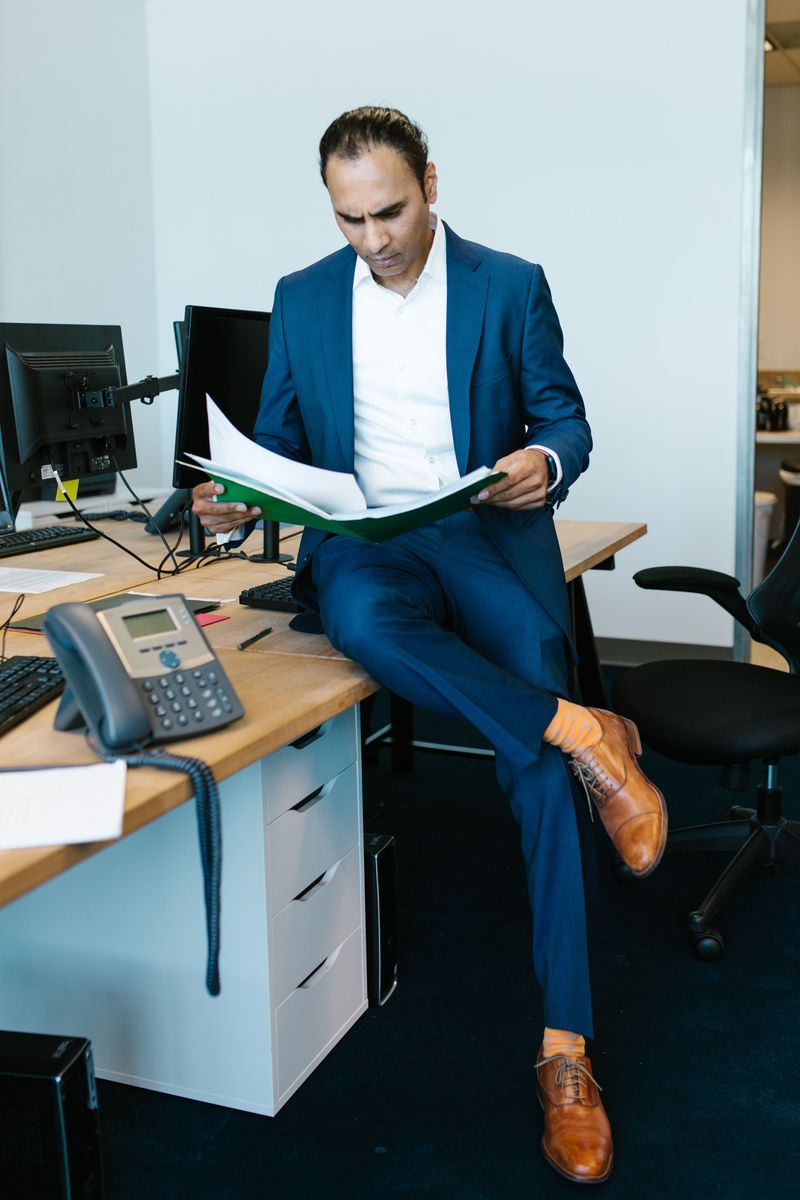
Small mistakes can undo an otherwise strong outfit faster than most people expect.
An untucked shirt, visible undershirt, loose thread, lint, mismatched socks, or unfastened cuff can make your appearance seem rushed and inattentive.
These details may sound minor, but in formal settings they often shape first impressions in a big way.
I think of this as the final thirty-second check before walking out the door.
Straighten your collar, remove lint, check hems, smooth the shirt, and make sure every piece is doing what it should.
Those tiny corrections often create the difference between looking merely dressed and looking truly polished.
At work, credibility is built through consistency, and details are where that consistency becomes visible.