 MomSkoop

Cynicism rarely shows up all at once. It creeps in through disappointments, grudges, and the quiet habit of expecting less from people and life.
If you have started feeling harder, colder, or quicker to judge, these signs may reveal more than you think. Spotting them early can help you reconnect with gratitude, trust, and a lighter way of moving through the world.
1. You assume the worst about people

You start reading hidden motives into ordinary behavior.
A compliment feels manipulative, a favor feels strategic, and even kindness makes you pause before accepting it.
Instead of giving people the benefit of the doubt, you brace for betrayal before anything bad has happened.
That mindset can feel protective, but it slowly poisons your relationships.
People sense when they are being treated like suspects instead of humans.
If every good gesture looks fake to you, cynicism may be shaping your view more than reality is.
2. Kind gestures no longer feel genuine

When someone does something thoughtful, your first reaction is no longer gratitude.
You immediately wonder what they want, what they are hiding, or whether they are trying to impress someone else.
A sweet moment gets filtered through suspicion before it has a chance to land.
This is one of the quietest signs of emotional hardening because it makes warmth harder to receive.
Life starts feeling colder when generosity never feels clean or sincere.
If genuine kindness now triggers doubt more than appreciation, bitterness may be settling in deeper than you realize.
3. You hold on to old grudges

Some hurts deserve time, but grudges that live rent free for years can become part of your identity.
You replay what happened, rehearse what you should have said, and keep emotional score long after the moment has passed.
Old pain stays fresh because you keep feeding it attention.
Holding on can feel like strength, yet it often keeps you chained to people who no longer deserve that power.
Bitterness grows when the past controls your present mood.
If forgiveness feels impossible and your memory is packed with unresolved offenses, cynicism may be taking root.
4. Other people’s success bothers you

Someone gets promoted, buys a home, or shares exciting news, and your reaction is not joy.
You immediately focus on how unfair it is, why they did not earn it, or why life seems easier for them than for you.
Their win somehow feels like your loss.
This habit quietly drains your peace because comparison turns every celebration into a threat.
Instead of feeling inspired, you feel irritated, dismissed, or left behind.
If another person’s good fortune consistently stings more than it uplifts, bitterness may be coloring how you measure your own life.
5. You complain more than you appreciate

Your conversations start revolving around what is annoying, broken, disappointing, or wrong.
Even during good moments, you instinctively point out the problem, the inconvenience, or the reason not to get too excited.
Gratitude becomes quieter while criticism gets louder and easier.
Complaining can create the illusion that you are insightful, but too much of it reshapes how you experience daily life.
The mind begins to scan for flaws automatically, even in safe and happy spaces.
If negative observations dominate your thoughts and words, cynicism may be replacing your ability to notice what is still good.
6. You think society is constantly getting worse

You find yourself saying everything is ruined, people are worse, and nothing will ever improve.
Progress feels invisible to you because your attention naturally locks onto decline, corruption, and dysfunction.
Even when things do get better, you dismiss them as temporary or meaningless.
This outlook can make you feel wise, but it often traps you in selective hopelessness.
A world seen only through breakdown becomes exhausting to live in and impossible to trust.
If you mostly talk about how society is falling apart and rarely notice real improvement, age may be feeding your cynicism.
7. You struggle to feel happy for others

A friend shares an engagement, a new job, or a personal breakthrough, and your heart does not rise with them.
You feel detached, mildly annoyed, or secretly envious instead of sincerely glad.
Their happiness lands like noise rather than something worth celebrating.
That emotional distance is often a sign that disappointment has built walls around your empathy.
When you are bitter, other people’s joy can highlight what feels missing in your own life.
If good news from people you care about stirs irritation or numbness more than warmth, cynicism may be dulling your emotional generosity.
8. You expect disappointment
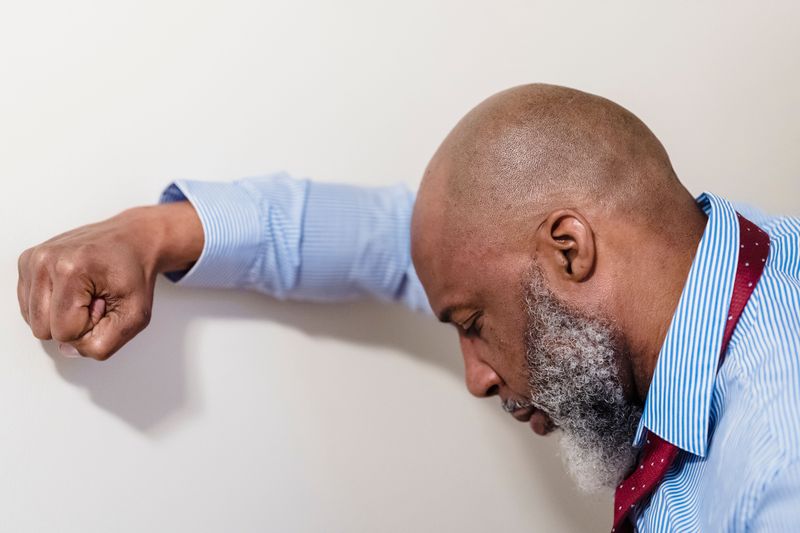
You stop hoping for much because expecting less feels safer.
Before plans begin, you already assume they will fall apart, people will cancel, and anything good will probably end badly.
Disappointment becomes your default setting, even in situations that have not earned that fear.
This mindset protects you from surprise, but it also steals anticipation, trust, and joy.
You cannot fully enjoy what might work if you are busy preparing for failure.
If your first instinct is to brace for letdown instead of staying open to possibility, cynicism may be shaping your future before it arrives.
9. You find it hard to forgive

Everyone makes mistakes, but when you are turning bitter, even small ones feel enormous.
You replay offenses, magnify intentions, and decide certain people no longer deserve grace.
Second chances start feeling naive, and forgiveness begins to look like weakness instead of freedom.
The trouble is that refusing to forgive rarely punishes only the other person.
It keeps your nervous system tense and your relationships fragile.
If you struggle to let go of everyday hurts and find yourself cutting people off over things that once felt manageable, cynicism may be tightening its grip on your heart.
10. You take pride in being proven right

You’ve stopped giving people the benefit of the doubt because experience has taught you that disappointment often follows trust.
Every mistake, broken promise, or letdown feels like further evidence that your worldview is correct.
While skepticism can be a sign of wisdom, there’s a point where it begins to harden into cynicism.
Instead of protecting you, it starts coloring how you see people, situations, and even your own future.
If you find yourself expecting the worst more often than hoping for the best, these 12 signs may reveal that age is turning you cynical and bitter.
11. You withdraw from people

You stop reaching out, sharing much, or investing deeply because distance feels safer.
The more disappointed you become, the easier it is to convince yourself that most connections are not worth the effort anyway.
Isolation starts to feel like wisdom instead of self protection.
But withdrawal often reinforces the very beliefs that made you pull back in the first place.
Without closeness, your assumptions go unchallenged and loneliness quietly hardens into resentment.
If you avoid deeper relationships because you expect people to fail or hurt you, cynicism may be turning your world smaller and colder.
12. You become overly critical

You notice what is wrong faster than what is working.
People, ideas, restaurants, conversations, and plans all seem to come with a list of flaws that you feel compelled to mention.
Critique becomes your default language, even when no one asked for your analysis.
Sharp perception can be useful, but constant criticism creates emotional distance from everything around you.
It is hard to enjoy life when your mind is always scanning for defects.
If you rarely let things be imperfect without commenting on them, cynicism may be disguising itself as discernment in your daily life.
13. You lose your curiosity

Curiosity keeps life open, but cynicism closes doors before you even look through them.
New ideas seem silly, unfamiliar experiences feel overrated, and different perspectives get dismissed before they are understood.
Instead of asking what you might learn, you assume there is nothing worthwhile there.
That loss of interest can make life feel smaller year by year.
Wonder fades when skepticism becomes your automatic response to anything new.
If you find yourself resisting fresh experiences, challenging conversations, or unexpected opportunities with an eye roll instead of genuine interest, bitterness may be replacing the part of you that still grows.