 MomSkoop
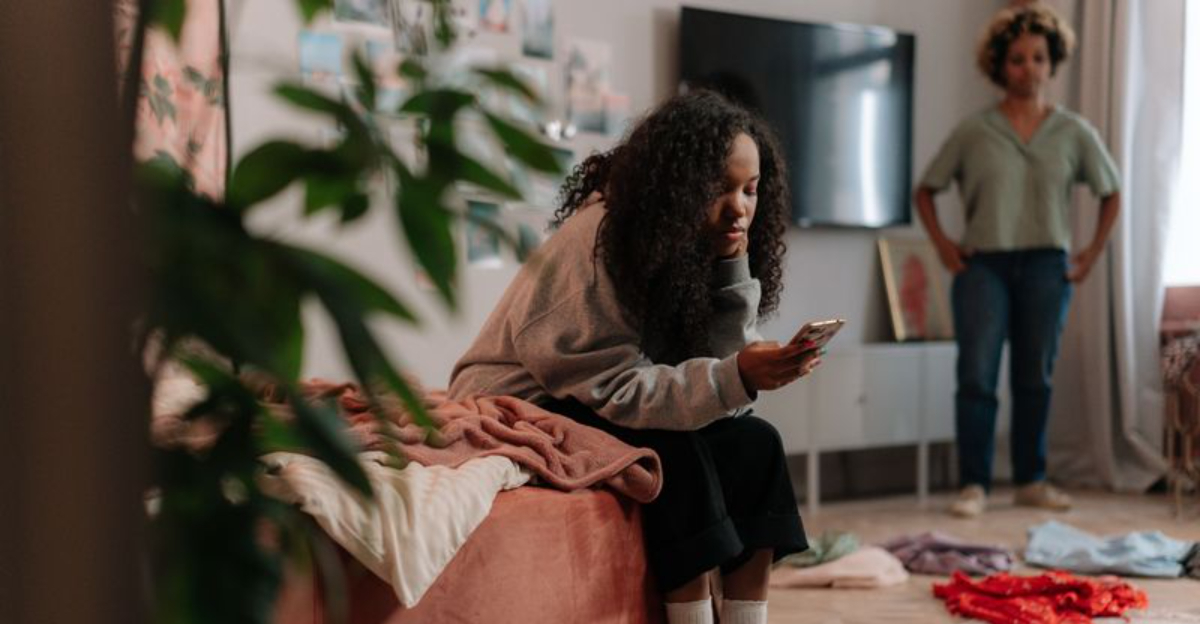
America’s social rulebook has been quietly rewritten over the past few decades, and not everyone is happy about the changes. Habits that once would have raised eyebrows or earned a sharp lecture from a grandparent are now so common they barely get a second glance.
From phone-addicted dinner guests to ghosted friendships, the shift in everyday manners has been dramatic. Here is a look at fourteen behaviors that older generations still struggle to accept as normal.
1. Using Smartphones During Meals and Conversations

Picture a Sunday family dinner where half the table is staring at glowing screens instead of each other.
Checking texts or scrolling social media while someone is speaking was once considered a serious breach of manners.
Older generations were taught that giving someone your undivided attention was a sign of basic respect.
Today, smartphones sit beside dinner plates like extra utensils.
Studies suggest that even having a phone visible on a table reduces the quality of conversation.
Many people do not even realize they are being rude because the habit has become so automatic.
For older Americans, the dinner table was sacred social time.
Watching it replaced by screen time feels like a genuine loss of human connection.
2. Watching Videos or Taking Calls on Speakerphone in Public
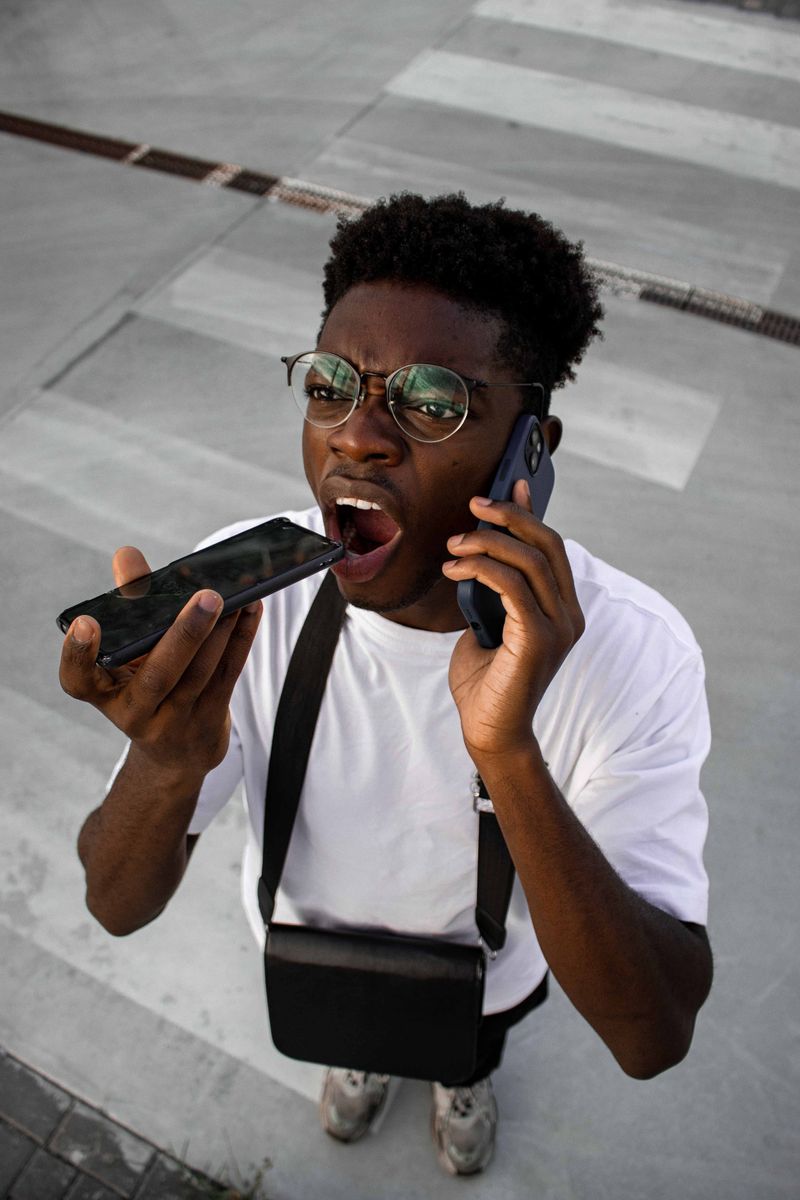
There was a time when public spaces operated on an unspoken agreement: keep your noise to yourself.
Blasting a phone call or video on speakerphone in a waiting room, on a bus, or in a restaurant would have seemed unthinkable just a generation ago.
People used headphones or stepped outside to take calls.
Now, full-volume speakerphone conversations happen everywhere without apology.
Strangers become unwilling audiences to arguments, gossip, and loud music videos.
The assumption that your audio is everyone else’s problem too has quietly crept into everyday life.
Older generations find this baffling.
They were raised to believe that public spaces belong to everyone, and that keeping noise contained was simply good citizenship.
3. Ignoring RSVPs to Invitations

Back in the day, receiving an invitation meant you had one job: respond.
The phrase RSVP comes from French and literally means “please respond.” Failing to do so was considered thoughtless and inconsiderate, because hosts needed accurate numbers to plan food, seating, and supplies.
Somewhere along the way, ghosting invitations became almost expected.
Hosts now routinely over-prepare because they know a chunk of confirmed guests simply will not show.
Event planners even have a term for it: “RSVP decay.”
For older Americans who grew up writing handwritten replies and calling ahead, the casual disregard for RSVPs feels deeply disrespectful.
Planning a gathering takes real effort, and being ignored sends the message that your time does not matter.
4. Arriving Late Without Notice
Punctuality used to be treated almost like a moral virtue.
Showing up on time meant you valued someone else’s schedule as much as your own.
Arriving late without a heads-up was seen as a statement that your time mattered more than theirs.
Today, casual lateness has become so normalized that arriving exactly on time can actually feel awkward at some events.
A loose attitude toward start times has crept into work meetings, social gatherings, and even medical appointments.
Some people treat “7 o’clock” as a rough suggestion rather than a commitment.
Older generations still bristle at this.
They were taught that being five minutes early showed respect.
Chronic lateness without so much as a text feels like a quiet but real form of disrespect.
5. Oversharing Personal Matters Online

Once upon a time, family disputes, financial troubles, and relationship problems stayed behind closed doors.
Airing personal grievances was something you did with a trusted friend or family member, not with hundreds of strangers on the internet.
Privacy was considered a form of dignity.
Social media flipped that script entirely.
Today, people post about divorces, debt, mental breakdowns, and family feuds in real time.
Some do it for support, some for validation, and some simply because it has become the new normal.
Older Americans often find this level of exposure uncomfortable and even alarming.
There is a quiet wisdom in keeping certain things private, not out of shame, but out of self-respect.
Not every personal struggle needs a public audience to be valid or real.
6. Playing Loud Media in Shared Spaces

Whether it is a park bench, a laundromat, or a hospital waiting room, many people now treat shared spaces as their personal entertainment zone.
Portable speakers and phone audio blare without headphones, turning public areas into involuntary listening parties for everyone nearby.
This shift bothers older generations deeply.
Public spaces were designed for everyone, and the old rule was simple: use headphones or keep the volume low.
Respecting the shared environment was considered basic community behavior, not an optional courtesy.
Interestingly, noise pollution research shows that unwanted sound genuinely raises stress levels.
So the irritation older Americans feel is not just nostalgia.
Being forced to hear someone else’s entertainment without consent is a real and measurable intrusion that affects wellbeing and comfort.
7. Using Profanity in Everyday Public Settings

Swearing was once reserved for moments of genuine shock, frustration, or private conversation among close friends.
Using profanity in workplaces, restaurants, or around children was considered crude and socially unacceptable.
People moderated their language based on their surroundings as a matter of course.
Casual swearing has gone mainstream in a big way.
Profanity fills popular TV shows, chart-topping music, stand-up comedy, and everyday small talk.
Many younger Americans barely register it as offensive anymore, treating colorful language as just another part of normal self-expression.
For older generations, this shift feels jarring.
They were raised to believe that choosing your words carefully in public showed self-control and respect for those around you.
Hearing f-bombs in grocery stores or school pickup lines still stops them cold.
8. Ghosting Instead of Communicating Directly
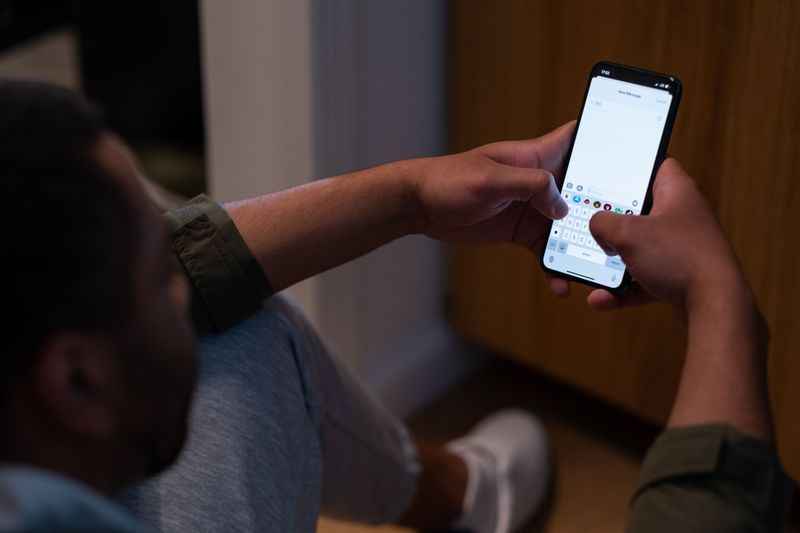
Ghosting, which means simply vanishing from someone’s life without explanation, has quietly become one of the most common ways Americans end friendships, romantic relationships, and even professional conversations.
No breakup talk, no farewell, no closure.
Just silence where a person used to be.
Older generations find this practice almost incomprehensible.
They were raised with the belief that direct, honest communication, even when uncomfortable, was the respectful thing to do.
Ending things face-to-face or with a sincere conversation was seen as the bare minimum you owed another person.
Psychologists note that being ghosted can cause real emotional harm, leaving people confused and questioning themselves.
The ease of digital disappearance has made avoidance feel costless, but the impact on the person left behind is anything but small.
9. Shopping, Texting, or Scrolling While Being Served

Cashiers, bank tellers, baristas, and store clerks used to receive something simple but meaningful: your full attention.
Making brief eye contact, saying thank you, and acknowledging the person helping you was considered the bare minimum of civilized behavior.
It cost nothing and meant something.
Now it is genuinely common to see people texting through entire transactions, barely glancing up to receive their change or sign a receipt.
The person behind the counter becomes almost invisible, reduced to a function rather than treated as a human being.
Service workers consistently report that being ignored or talked over while doing their jobs is demoralizing.
Older generations see this as a symptom of a broader problem: the slow erosion of the small, everyday courtesies that make community life feel warm and humane.
10. Leaving Shopping Carts in Parking Lots

The shopping cart test has become something of an internet philosophy.
The idea is simple: returning your cart requires no reward and no punishment for skipping it.
It is a completely voluntary act of consideration for others.
And yet, parking lots across America are littered with abandoned carts every single day.
Older Americans who grew up with stronger community norms see cart abandonment as a small but telling symbol of declining public thoughtfulness.
It takes about sixty seconds to return a cart.
Leaving it to roll into someone else’s car or block a parking space is pure convenience at another person’s expense.
Interestingly, this habit crosses all age groups and income levels.
It has less to do with ability and more to do with whether we feel personally responsible for shared public spaces.
11. Treating Customer Service Workers Disrespectfully

Public meltdowns aimed at service workers have always existed, but something about today’s environment has made them more visible and arguably more frequent.
Videos of customers screaming at fast food employees, berating airline staff, or verbally attacking retail workers go viral with unsettling regularity.
Older generations often recall a clearer social boundary around this behavior.
You might have complained to a manager, but full-blown public confrontations were considered embarrassing for everyone involved, especially the person causing the scene.
Social pressure kept extreme behavior in check.
Service jobs are genuinely hard.
Workers deal with high volumes, difficult requests, and policies they did not create.
Treating them with basic dignity was once a given.
Many older Americans feel that somewhere along the way, that expectation quietly but noticeably faded.
12. Bringing Political Arguments Into Nearly Every Setting
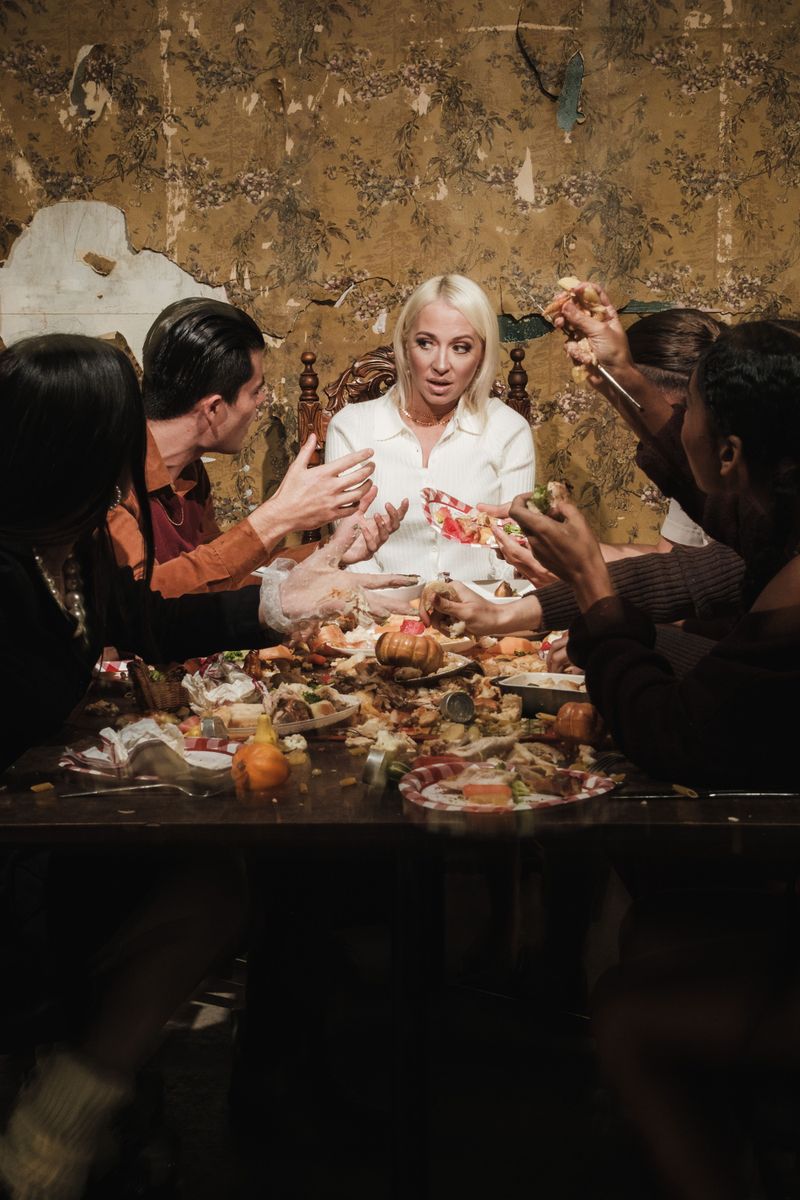
There was a time when talking politics in mixed company was considered impolite at best and inflammatory at worst.
Social gatherings, workplaces, and even family dinners operated under a quiet agreement: keep it light, keep it civil, and save the political debates for the appropriate time and place.
That boundary has largely dissolved.
Political opinions now surface in book clubs, sports commentary, holiday dinners, and casual small talk.
Social media has accelerated this, rewarding outrage and making political identity feel inseparable from personal identity.
Older generations often remember when you could share a meal with someone whose politics differed wildly from yours and simply enjoy the food.
The loss of that social buffer has made many everyday interactions feel unnecessarily charged, exhausting, and divisive in ways that feel hard to undo.
13. Declining Phone Calls and Communicating Only by Text

For older Americans, answering the phone was simply what you did when it rang.
The telephone was a direct line to another human being, and letting it go to voicemail without a good reason felt dismissive.
Calling someone back promptly was considered common courtesy, not an optional extra.
Today, many younger Americans treat phone calls as intrusive by default.
Texts, DMs, and voice memos have largely replaced the spoken word.
Some people go entire days without making or receiving a single call, and feel perfectly fine about it.
This shift baffles older generations who associate the sound of a ringing phone with connection and care.
A text can feel efficient, but it often lacks the warmth, tone, and immediacy that a real conversation carries.
Something personal gets lost in translation.
14. Recording Strangers in Public and Posting the Footage Online
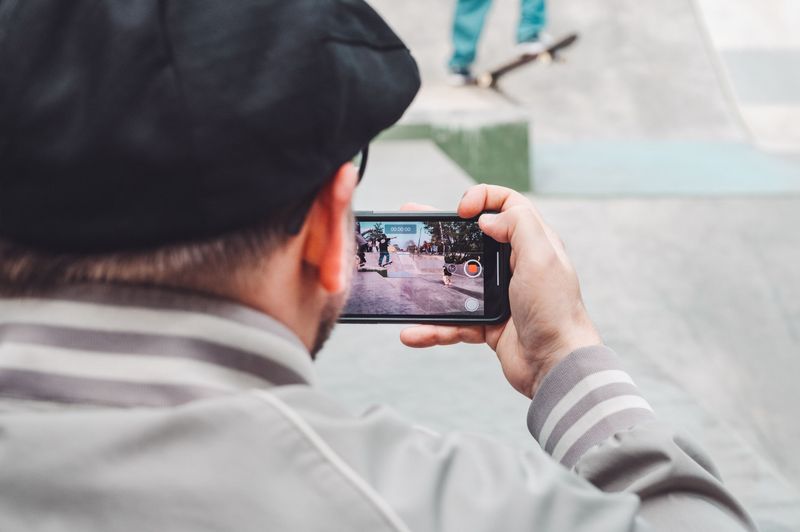
Thirty years ago, the idea of filming a random stranger during their worst moment and broadcasting it to millions would have seemed like something out of a dystopian novel.
Today, it is a Tuesday.
Cameras are everywhere, and the barrier between private moment and public spectacle has essentially collapsed.
People get filmed crying in parking lots, arguing with neighbors, or simply existing in ways someone else finds amusing or outrageous.
The footage goes online before the person even realizes they were recorded.
Consent is rarely part of the equation.
Older generations find this genuinely alarming.
Privacy was once considered a right, not a privilege you had to actively defend.
The idea that any public moment could be captured and permanently shared without permission represents a cultural shift that many Americans are still struggling to process.