 MomSkoop
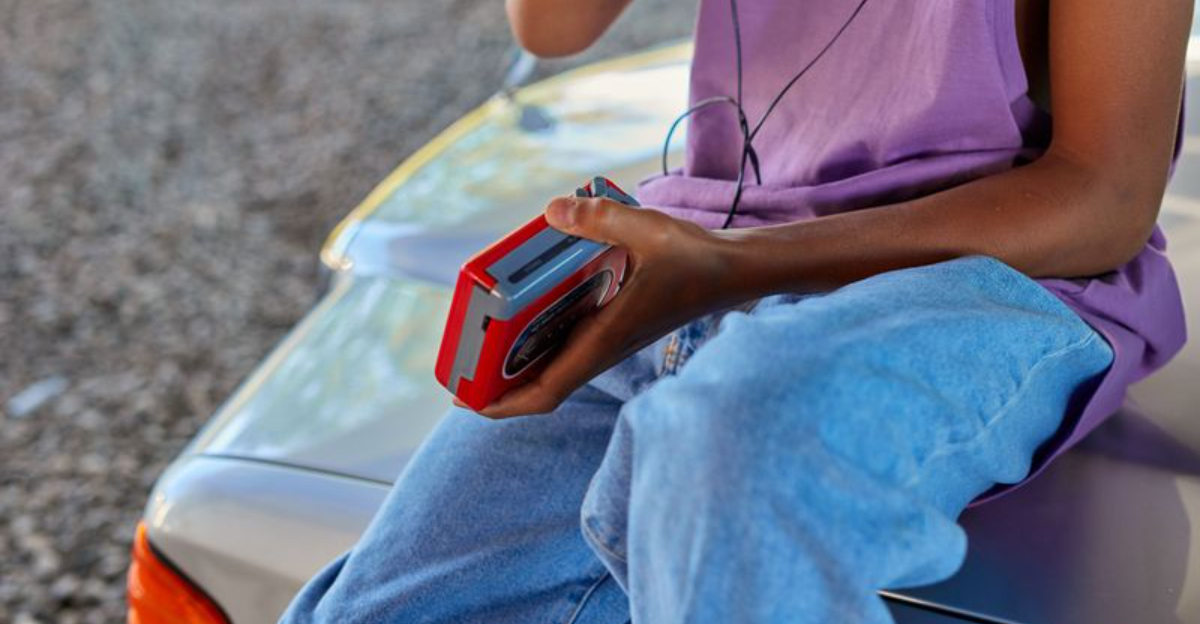
The 1980s were a decade like no other — big hair, neon colors, and some seriously iconic trends that kids absolutely lived for. Whether you grew up during that era or just wish you had, there’s no denying that the ’80s had a unique kind of cool that still holds up today.
From the hottest sneakers to the most coveted toys, certain things instantly boosted your street cred on the playground. Here’s a look at 13 things that were the ultimate symbols of cool back in the decade of excess.
1. A Sony Walkman
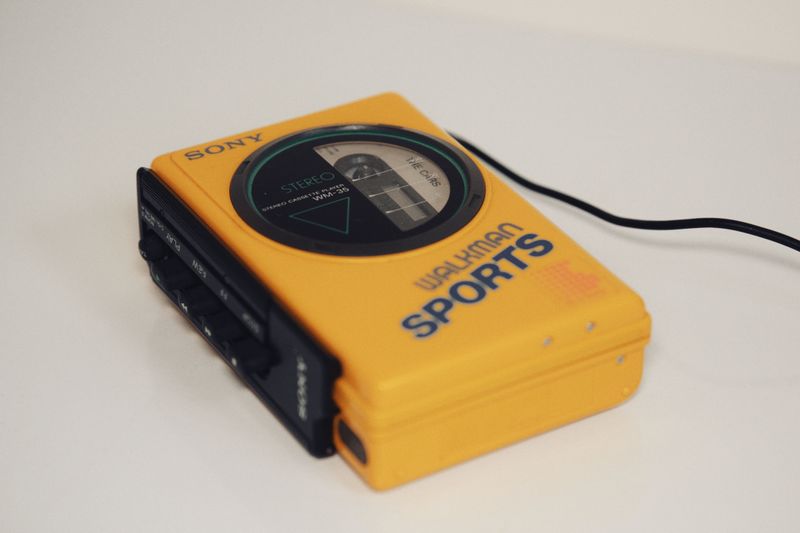
Picture this: you’re walking down the street, headphones on, completely lost in your favorite cassette tape — and everyone around you is jealous.
That was the power of the Sony Walkman.
When Sony released the first Walkman in 1979, it completely changed how people experienced music.
By the early ’80s, owning one was the ultimate status symbol.
Before the Walkman, you had to stay home to really enjoy your music.
This little device put the power of personal listening right in your hands — or pocket.
Kids would guard their Walkmans like precious cargo.
The foam headphones, the click of the play button, the rewind scramble — it was pure magic.
No app can replicate that feeling.
2. Air Jordan Sneakers
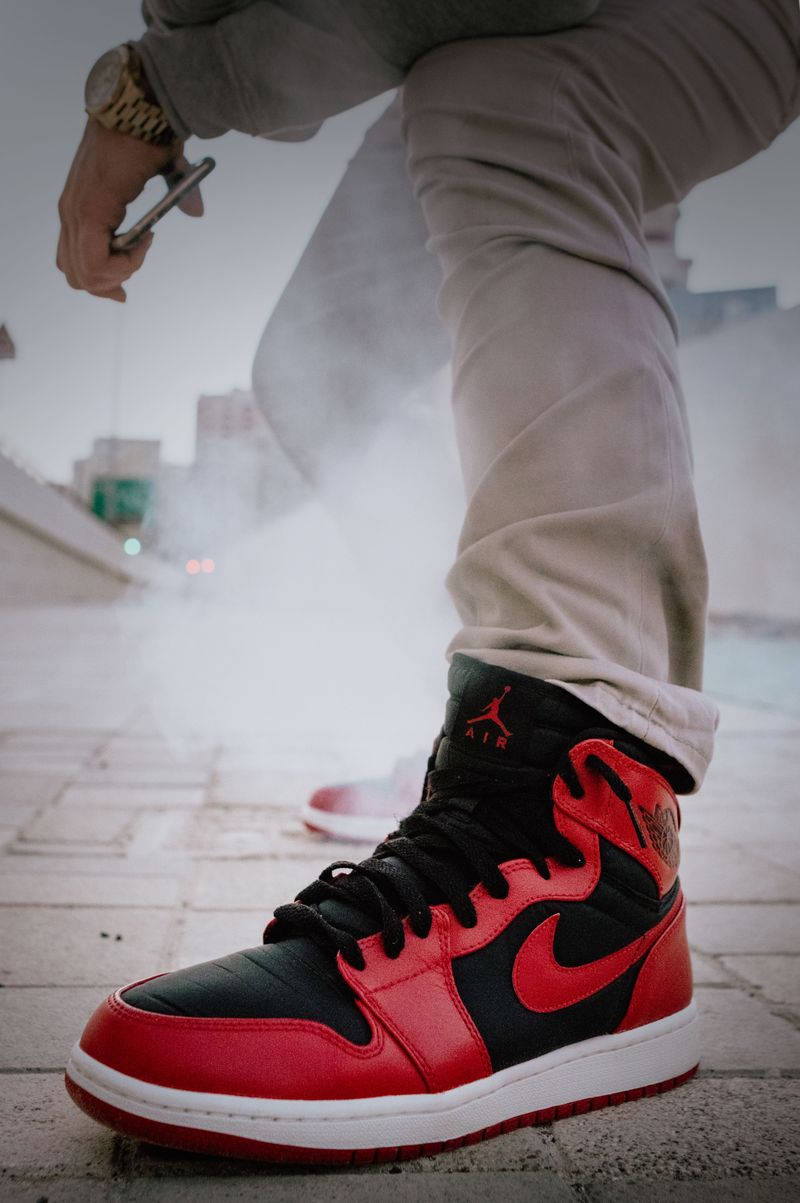
When Michael Jordan laced up his first pair of Air Jordans during the 1984-85 NBA season, sneaker culture was forever changed.
The NBA actually fined him $5,000 per game for wearing them because they didn’t match the team’s uniform — and that rebellious story only made kids want them more.
Owning a pair of Air Jordans in the ’80s wasn’t just about footwear.
It was a declaration.
You were stylish, athletic, and plugged into pop culture all at once.
Kids saved up allowances and begged their parents for months just to get a pair.
Even today, those original designs are considered collector’s items.
The legacy of the Air Jordan started right there in the ’80s, one bold sneaker at a time.
3. A BMX Bike
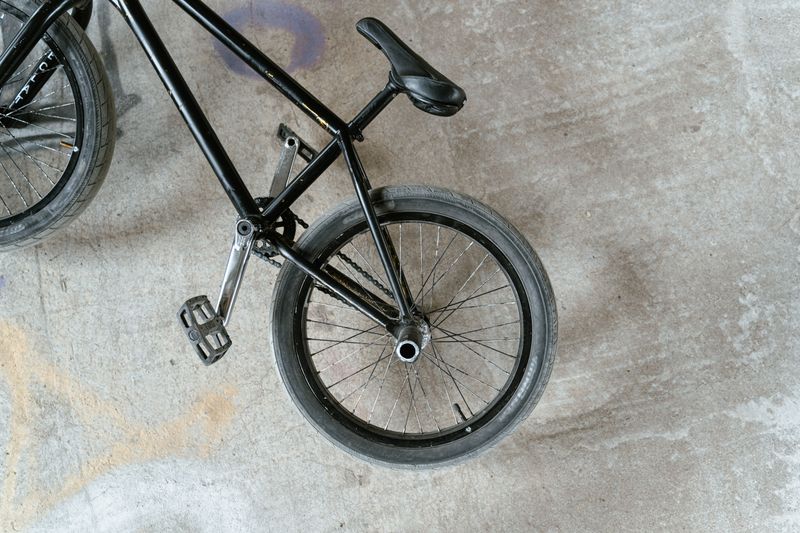
After E.T. flew across the moon on a BMX bike in 1982, every kid in America suddenly needed one.
BMX bikes weren’t just transportation — they were freedom.
You could do tricks, race your friends, and feel like a total daredevil all before dinnertime.
The bikes had a distinct look: knobby tires, padded frames, and chrome handlebars that gleamed in the sun.
Brands like Mongoose and Redline were the ones to have.
Showing up to school with a tricked-out BMX meant instant respect from your crew.
Weekend afternoons were spent building dirt jumps and attempting wheelies that almost never landed cleanly.
Scraped knees were basically a badge of honor.
BMX culture was raw, exciting, and completely ’80s.
4. A Nintendo Entertainment System (NES)
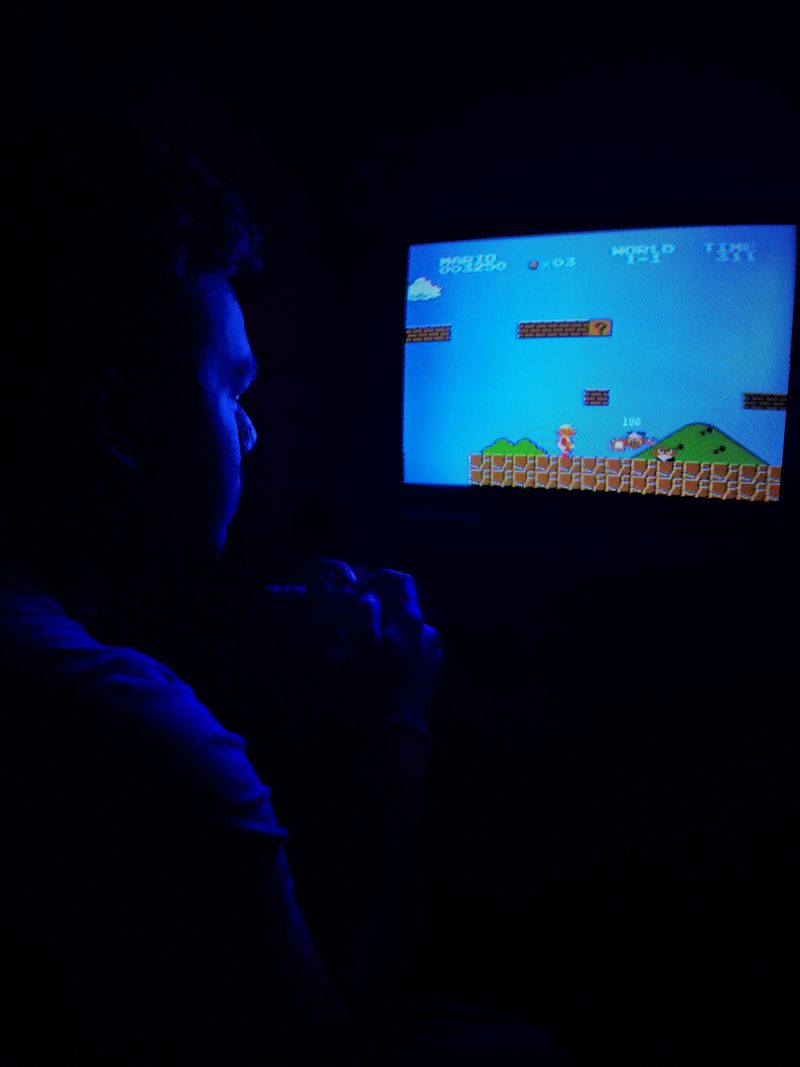
The Nintendo Entertainment System hit American shelves in 1985, and nothing was ever the same again.
If your house had one, it instantly became the most popular address on the block.
Friends would show up uninvited just hoping to get a turn on Super Mario Bros. or Duck Hunt.
The gray rectangular console had a charm that’s hard to explain to someone who wasn’t there.
Blowing into the cartridge to make it work was practically a ritual.
You’d gather around the TV for hours, taking turns and arguing over who cheated.
The NES saved the entire video game industry after the crash of 1983 — which makes it not just cool, but historically important.
Every ’80s kid remembers exactly where they were the first time they played it.
5. Rubik’s Cube Skills
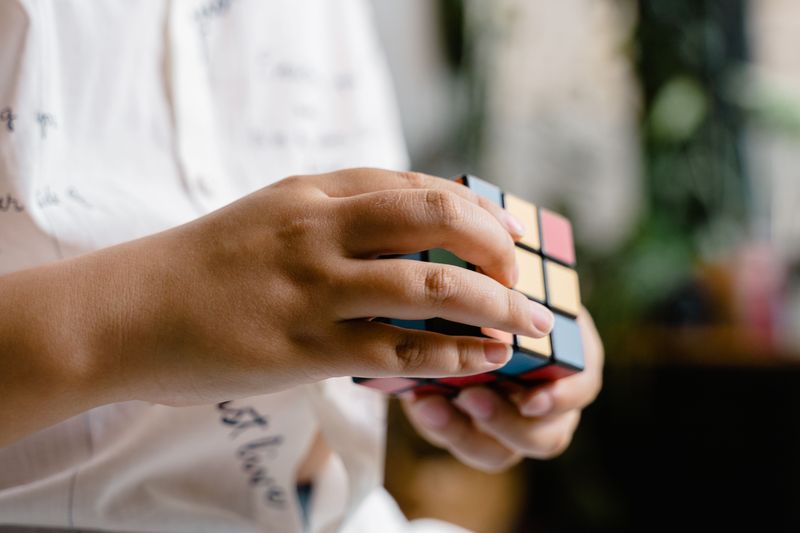
Almost every kid in the ’80s had a Rubik’s Cube sitting somewhere in their room — usually hopelessly scrambled and collecting dust.
But the rare few who could actually solve it?
They were treated like geniuses.
Seriously, solving a Rubik’s Cube in front of your classmates was the closest thing to a standing ovation the cafeteria could offer.
The cube was invented in 1974 by Hungarian professor Erno Rubik, but it exploded worldwide in the early 1980s.
Over 100 million were sold in just three years.
Speed-solving competitions started popping up, and suddenly it was a legitimate skill to brag about.
Even today, people are still obsessed with cracking it faster.
But back in the ’80s, finishing one at all felt like winning a championship.
6. Members Only Jacket

Few pieces of clothing screamed “I have arrived” quite like the Members Only jacket.
With its distinctive snap collar and shoulder epaulettes, this lightweight windbreaker was everywhere in the early-to-mid 1980s.
Celebrities wore them.
Athletes wore them.
Your cool older cousin definitely wore one.
The brand’s clever marketing made the jacket feel exclusive — like belonging to a secret club that only the stylish could join.
Kids and adults alike wore them in nearly every color imaginable, from tan to electric blue.
What made it truly iconic was how versatile it was.
Dress it up, dress it down — it always looked sharp.
Today it’s considered a full-on retro fashion symbol, but back then, wearing one meant you simply had taste.
7. A Trapper Keeper
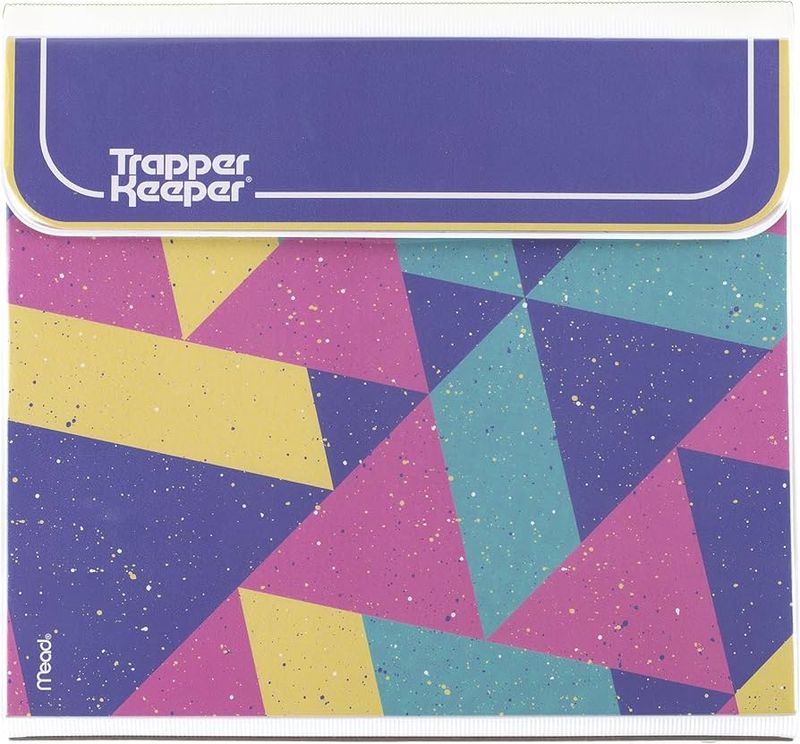
Walk into any middle school in the 1980s and you’d see them everywhere — those glorious, velcro-sealed binders covered in wild, airbrushed artwork.
The Trapper Keeper wasn’t just a school supply; it was a fashion statement you carried to every class.
Mead introduced them in 1978, but they hit peak popularity throughout the ’80s.
Choosing your Trapper Keeper design was a serious decision.
Horses?
Race cars?
Abstract neon swirls?
Your pick said something about who you were.
The satisfying RRRIP of the velcro closure became one of the most recognizable sounds of the decade.
Teachers sometimes banned them for being too distracting — which honestly made kids want them even more.
Having the coolest Trapper Keeper on the desk was a quiet flex that every ’80s student understood perfectly.
8. Cabbage Patch Kids
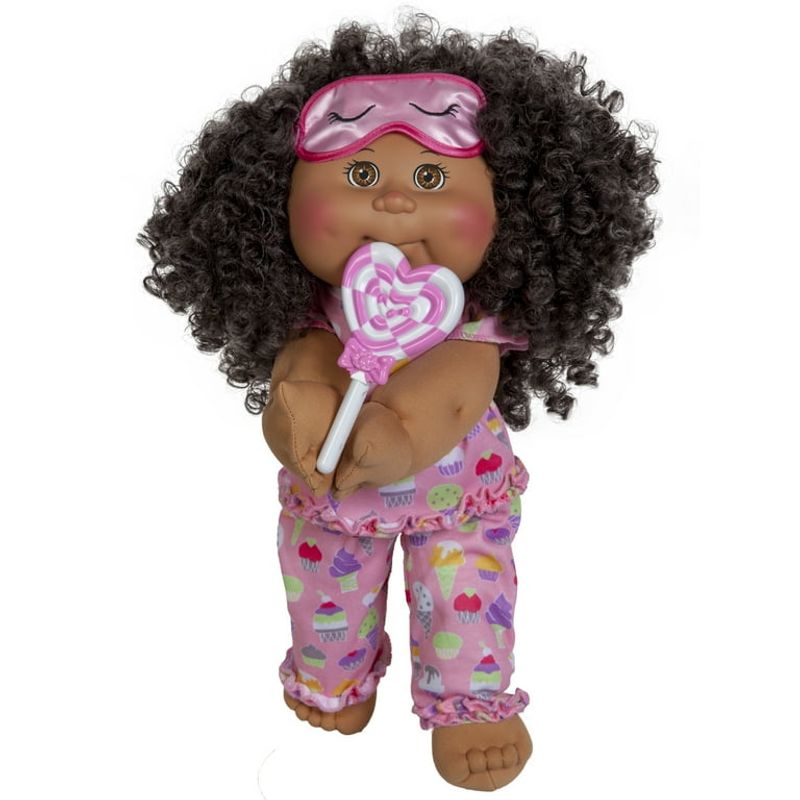
The holiday shopping season of 1983 turned perfectly reasonable adults into absolute chaos agents — all because of a chubby-faced doll with yarn hair.
Cabbage Patch Kids triggered one of the first major toy shopping frenzies in American history.
Parents pushed, shoved, and waited in lines for hours just to snag one.
What made these dolls special was the concept behind them.
Each one came with a unique name and an adoption certificate, making kids feel like they were bringing home a real baby.
That personal touch was genius marketing — and kids absolutely fell for it.
By 1985, over 20 million had been sold worldwide.
The brand tapped into something emotional that plastic action figures just couldn’t match.
Owning one felt like belonging to something bigger.
9. Ray-Ban Wayfarers

Ray-Ban Wayfarers had actually been around since the 1950s, but it was the 1980s that turned them into a full-blown cultural phenomenon.
When Tom Cruise slid across the floor in Risky Business wearing a pair in 1983, sales skyrocketed almost overnight.
Hollywood had officially made them the sunglasses to own.
They showed up in music videos, on magazine covers, and on the faces of virtually every celebrity worth watching.
The thick plastic frames and slightly retro shape gave off an effortlessly cool vibe that worked for almost any outfit.
Ray-Ban reportedly paid to have their sunglasses featured in over 60 movies and TV shows throughout the decade.
That kind of exposure made Wayfarers more than an accessory — they became a cultural symbol that still resonates today.
10. A Swatch Watch
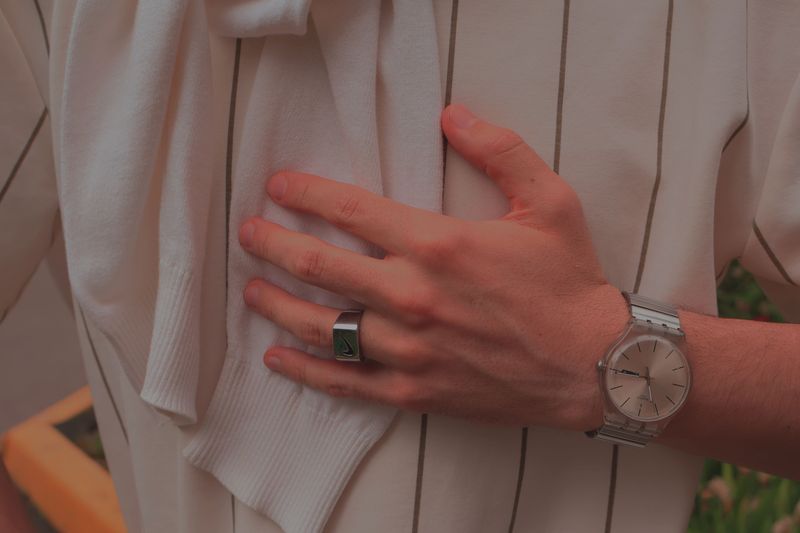
Forget gold chains or designer bags — in the ’80s, your wrist was where style lived.
Swatch watches burst onto the scene in 1983 with a bold, affordable design that made collecting them an actual hobby.
Kids stacked multiple Swatches on one arm and called it fashion.
And honestly?
It worked.
The Swiss brand introduced a new collection every six months, which kept fans constantly coming back.
Limited editions sold out fast, and certain designs became highly sought-after collector’s items.
Wearing a rare Swatch was like wearing a conversation starter.
The genius of Swatch was making a quality Swiss timepiece accessible to teenagers and kids.
You didn’t need a trust fund to be stylish — just a good eye for color and a few birthday dollars saved up.
11. An Atari or NES High Score
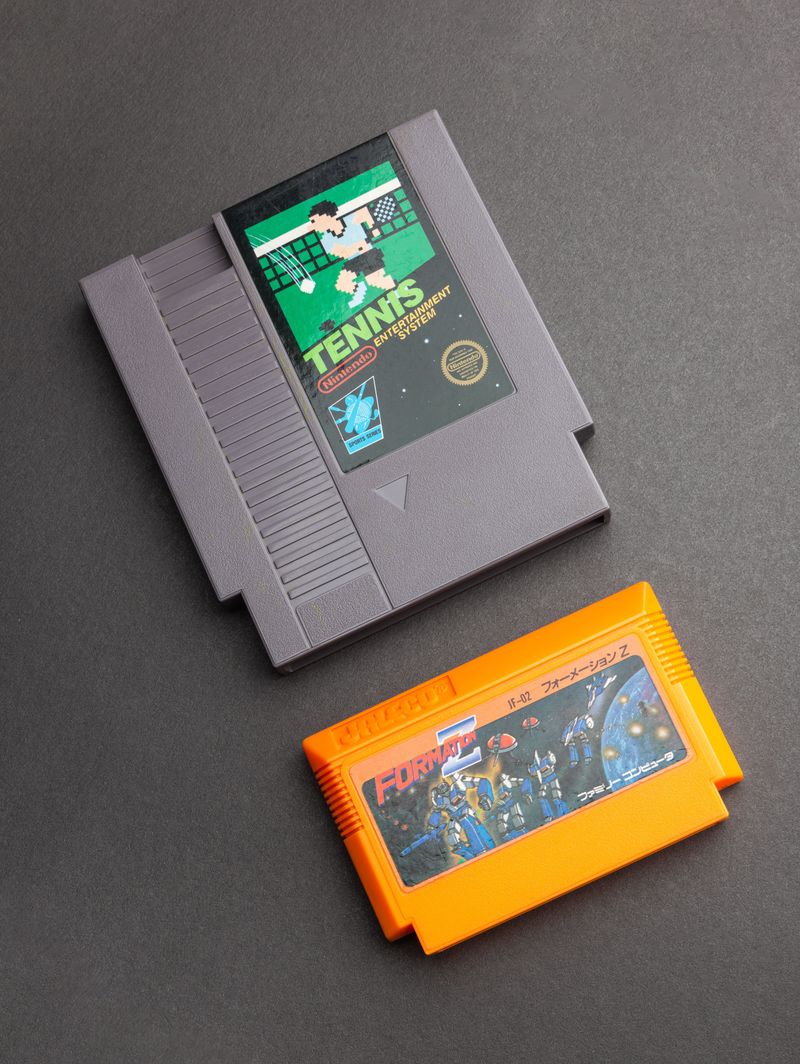
Long before online leaderboards and achievement badges, bragging rights came from one thing: the highest score in the neighborhood.
Whether it was Pac-Man on the Atari 2600 or Donkey Kong on the NES, holding the top score at your friend’s house made you a legend — at least until someone beat you the next weekend.
Kids kept mental records of who had the best scores on which games.
Sleepovers were basically unofficial gaming tournaments.
Losing gracefully was a skill nobody actually bothered to develop.
The competition pushed kids to genuinely get better at games, spending hours perfecting patterns and memorizing levels.
It was the original form of competitive gaming, and it built a community of passionate players long before esports became a thing anyone had a name for.
12. A Boom Box
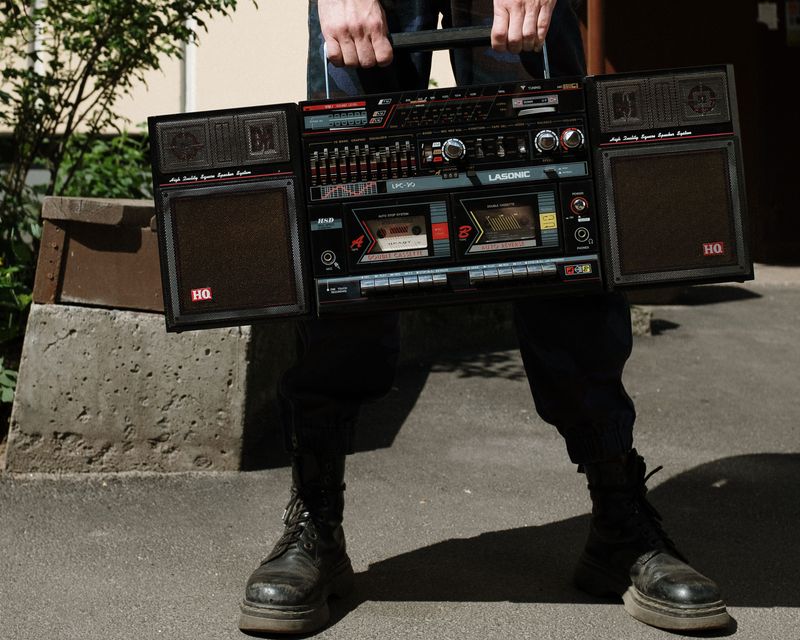
Carrying a boom box wasn’t just about listening to music — it was a full performance.
You hoisted that massive stereo onto your shoulder, cranked the volume, and walked down the street like you owned every inch of the sidewalk.
It was bold, unapologetic, and completely unforgettable.
Boom boxes became cultural icons thanks in part to hip-hop culture, which was exploding in popularity throughout the decade.
Artists like LL Cool J practically made the boom box a part of their identity.
The bigger the box, the louder the statement.
Batteries didn’t last long, and the things weighed a ton — but nobody cared.
Mix tapes played through those crackling speakers at parks, block parties, and school dances.
A boom box wasn’t just a gadget; it was a personality.