 MomSkoop

The internet connects us to millions of people every day, but not all of them have good intentions. Some people use clever tricks to deceive, manipulate, or scam others online.
Knowing the warning signs can protect you from falling into traps that are surprisingly easy to miss. Here are ten red flags that should make you stop and think before trusting someone online.
1. They Constantly Spread Misinformation
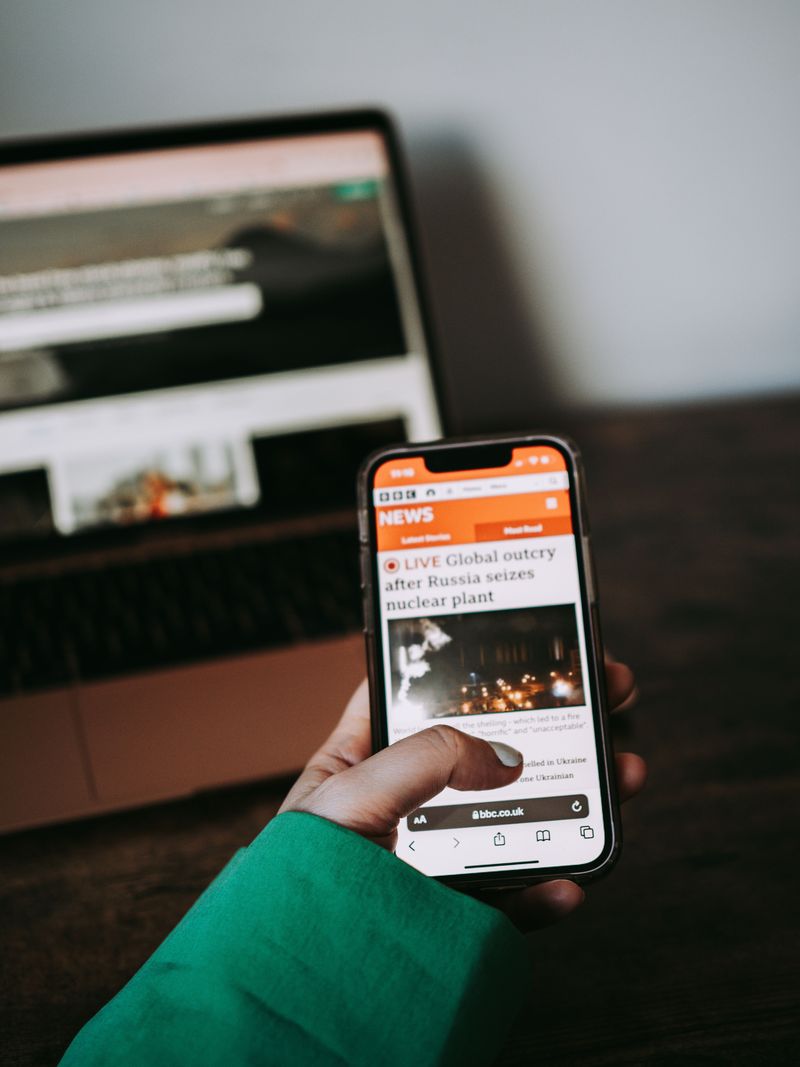
Ever scroll through your feed and see something so shocking it almost feels designed to make you angry?
That feeling might be a clue.
Some people online share dramatic, exaggerated claims without ever checking if they are true first.
They post wild stories, misleading statistics, and outright false information just to get attention or push a specific agenda.
Misinformation spreads fast because people share before they think.
Before you believe or repost anything, take a moment to fact-check using trusted sources like established news organizations or fact-checking websites.
If someone repeatedly shares content that turns out to be false, that pattern tells you something important about how much you can trust them.
2. Refusing to Back Up Claims With Real Sources

Trustworthy people can point you to real evidence when challenged.
Someone who dodges that request or links to random, unverified blogs is waving a giant red flag right in your face.
When you ask for proof and they respond with defensiveness, vague answers, or links to obscure websites nobody has heard of, something is off.
Credible information always has a trail you can follow back to reliable sources.
Reputable sources include peer-reviewed studies, government websites, or well-known journalism outlets.
If someone consistently refuses to provide these or acts annoyed when you ask, they likely know their claims cannot hold up to scrutiny.
Healthy skepticism is your best tool online.
3. Pressuring You to Act Right Now

Scammers love urgency.
Phrases like “only two spots left,” “offer expires tonight,” or “you must respond immediately” are classic tools designed to stop you from thinking clearly before making a decision.
Legitimate businesses and trustworthy people give you time to think things through.
They understand that good decisions rarely happen in a panic.
When someone online insists you have no time to pause, ask yourself why they need you to rush.
That pressure is often intentional.
The goal is to prevent you from doing research, asking questions, or consulting someone you trust.
Whenever you feel pushed to act fast online, slow down instead.
A real opportunity will still be there after you think it over carefully.
4. Asking for Sensitive Personal Information

No legitimate company, government agency, or trustworthy individual will ever ask for your password, bank account number, or verification codes through a chat message or email.
Full stop.
These requests are almost always attempts to steal your identity, drain your accounts, or access your personal profiles.
Even if the person claims to be from a well-known company, real organizations never need that information sent through direct messages.
If someone online starts asking for details like your Social Security number, PIN, or login credentials, end the conversation immediately and report the account.
Protecting your personal information is one of the most powerful things you can do to stay safe in digital spaces.
Never share it casually.
5. Their Story Keeps Changing

One week they live in California, the next week they grew up in Texas.
Their job description shifts, their age seems to vary, and the details of stories they have told before no longer match up.
Sound familiar?
Inconsistencies in someone’s background or personal history are a strong indicator that they are not being honest about who they really are.
Honest people do not need to keep track of lies because they are simply telling the truth.
Pay attention when something someone said earlier does not line up with what they are saying now.
Keeping a mental note of these contradictions can help you spot deception before it causes real harm.
Trust is built through consistency, not confusion.
6. Promising Results That Sound Too Good to Be True
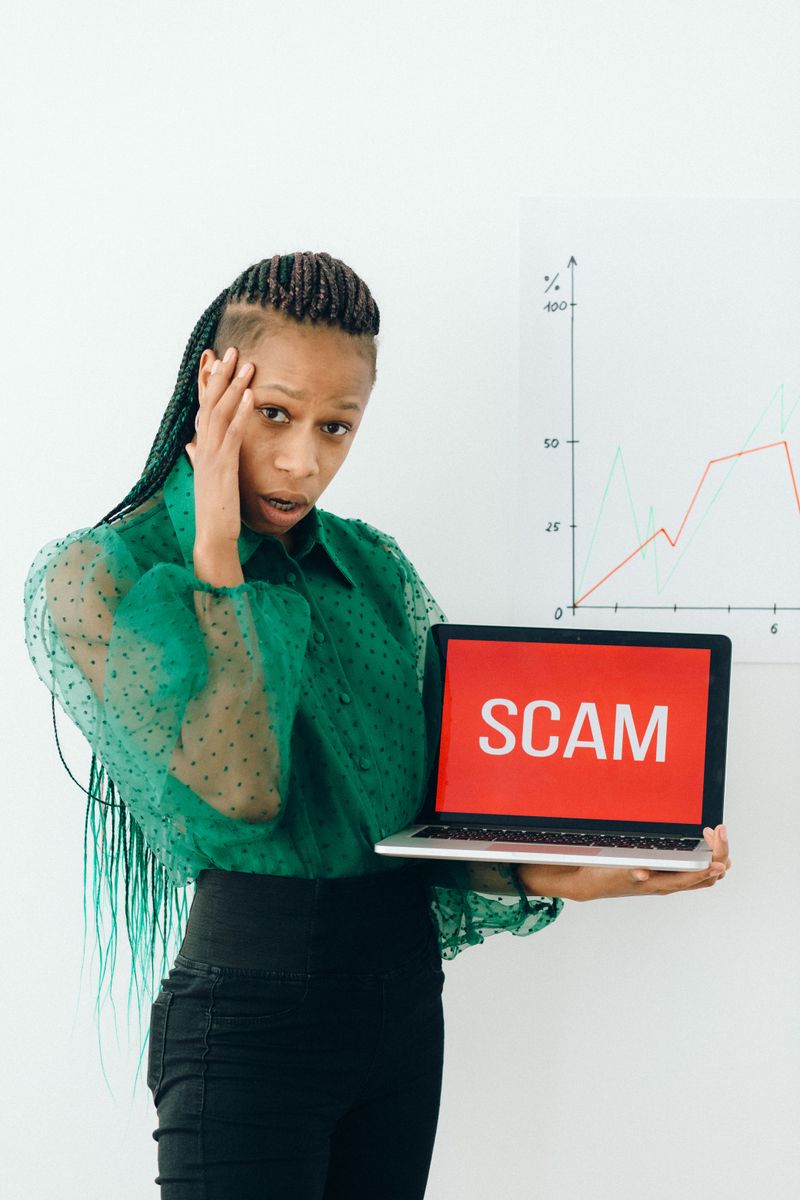
“Make $5,000 a week from home with zero effort.” “Lose 30 pounds in 10 days guaranteed.” “This one trick will change your life forever.” Sound familiar?
These promises are everywhere online, and they are almost never real.
Legitimate opportunities require work, time, and realistic expectations.
Anyone guaranteeing instant success, miracle outcomes, or foolproof profits is either deeply mistaken or deliberately trying to take advantage of your hopes.
The emotional appeal of these promises is exactly what makes them dangerous.
They target people going through tough times or looking for a shortcut.
Before engaging with anyone offering unrealistic guarantees, research their claims thoroughly and look for verified reviews from real people.
If the math does not add up, walk away.
7. Using Fake Profiles or Stolen Photos

A profile picture that looks like it belongs in a modeling catalog, zero personal photos, and an account created just last month with hundreds of followers.
These details together should raise your eyebrows immediately.
Catfishing, which is when someone pretends to be a different person online using stolen images, is more common than most people realize.
These fake identities are used to manipulate, scam, or emotionally exploit unsuspecting people who believe they are building a real connection.
You can use reverse image search tools like Google Images or TinEye to check whether a profile photo appears elsewhere on the internet.
If the same image shows up under a completely different name, you have your answer.
Authentic people leave authentic digital footprints.
8. Dodging Direct Questions With Vague Answers

Ask a straightforward question and watch what happens.
Honest people answer directly.
Dishonest people suddenly become very busy changing the subject, throwing the question back at you, or responding with something completely unrelated.
This evasion tactic is a classic sign that someone has something to hide.
Whether they are avoiding questions about their identity, their intentions, or the details of a deal they are offering, deflection is a defense mechanism for people who cannot afford to tell the truth.
Do not let someone off the hook when they sidestep your questions.
Politely but firmly repeat what you asked.
If they continue to dodge, that behavior itself is your answer.
Clarity and transparency are the foundations of any trustworthy online interaction.
9. Manipulating Your Emotions to Gain Trust

They shower you with compliments one day and make you feel guilty for doubting them the next.
Emotional manipulation online can be subtle, and that is exactly what makes it so effective and so dangerous.
Scammers and toxic individuals are skilled at using feelings like guilt, sympathy, fear, and excessive flattery to cloud your judgment.
They want you emotionally invested so that logic takes a back seat when they eventually make their move.
Healthy relationships, whether online or offline, do not rely on guilt trips or manufactured crises to keep you engaged.
If someone constantly pulls at your heartstrings in ways that feel calculated or leaves you feeling confused about your own emotions, that is a pattern worth examining very carefully before going further.
10. A Track Record Full of Complaints and Warnings

Before you trust someone online, do a quick search.
Type their name, username, or business name along with words like “scam,” “complaint,” or “review” and see what comes up.
What others have experienced can save you from making a costly mistake.
Multiple complaints from different people telling similar stories are not a coincidence.
A pattern of deception, broken promises, or unethical behavior reported across forums, review sites, or social media is one of the clearest warnings you will ever get.
People who operate with integrity rarely accumulate long lists of unhappy victims.
Take those reports seriously, even if the person has a convincing explanation for each one.
When the evidence adds up, trust it.
Your gut, combined with real data, is a powerful combination.