 MomSkoop
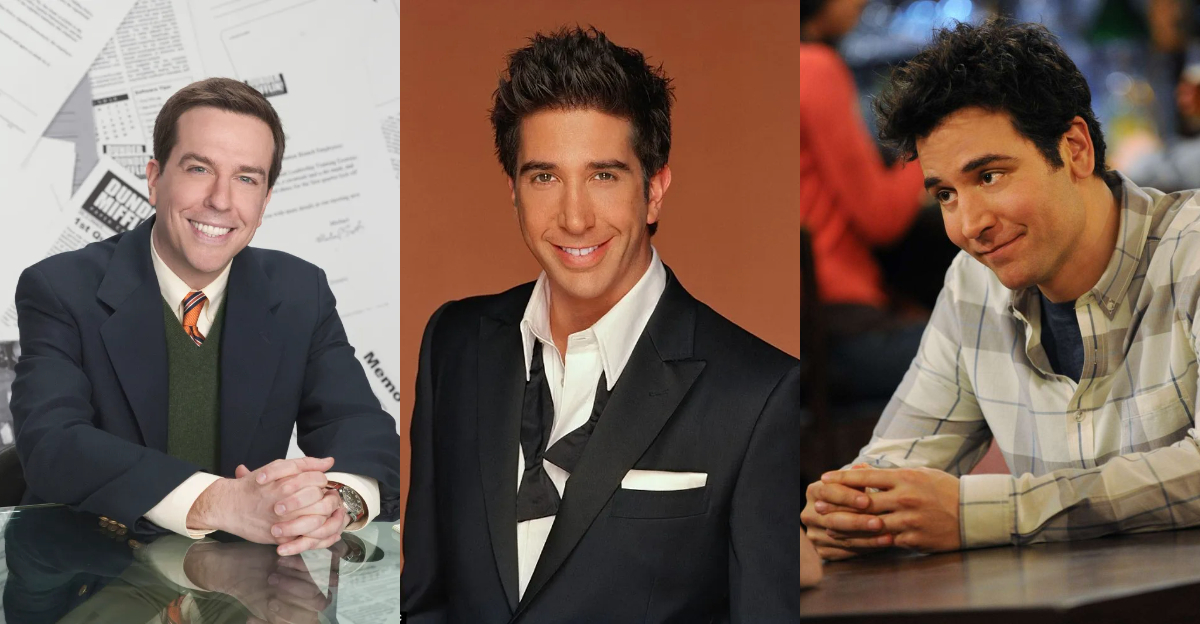
Some TV characters start out great but slowly become the most annoying part of the show. Fans have strong opinions about which characters should have been written off seasons earlier.
Whether they were added to boost ratings or just never found their footing, these characters wore out their welcome fast. Here are 16 TV characters fans agree stayed on screen way too long.
1. Andy Bernard (The Office)
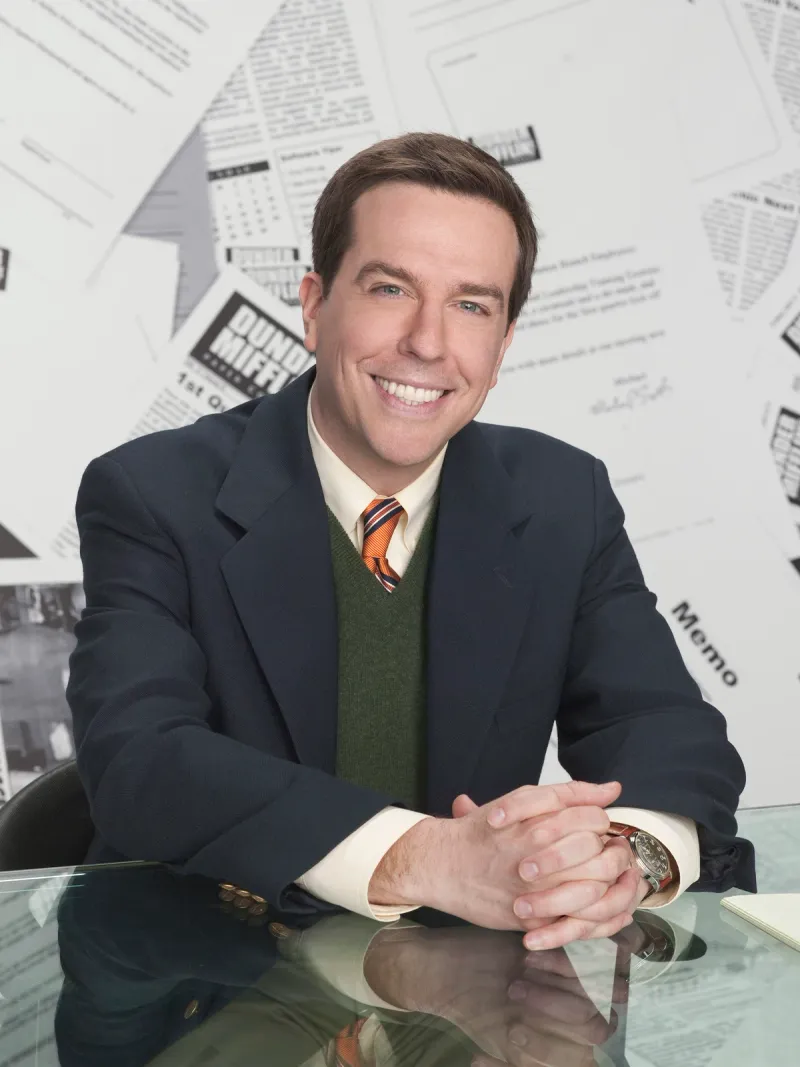
Andy Bernard started out as a perfectly punchable antagonist in the Stamford branch, and that tension made him interesting.
But somewhere along the way, the writers turned him into the main character nobody asked for.
His season-long arc about chasing fame on a reality singing show felt completely disconnected from what made The Office special.
Fans watched helplessly as Andy abandoned his coworkers, acted selfishly, and somehow still expected sympathy.
By the final season, he had become genuinely unlikable rather than lovably awkward.
Even actor Ed Helms has admitted the character’s later storylines missed the mark.
Andy is a textbook case of a supporting player getting far too much screen time for far too long.
2. Randy Pearson (That ’70s Show)
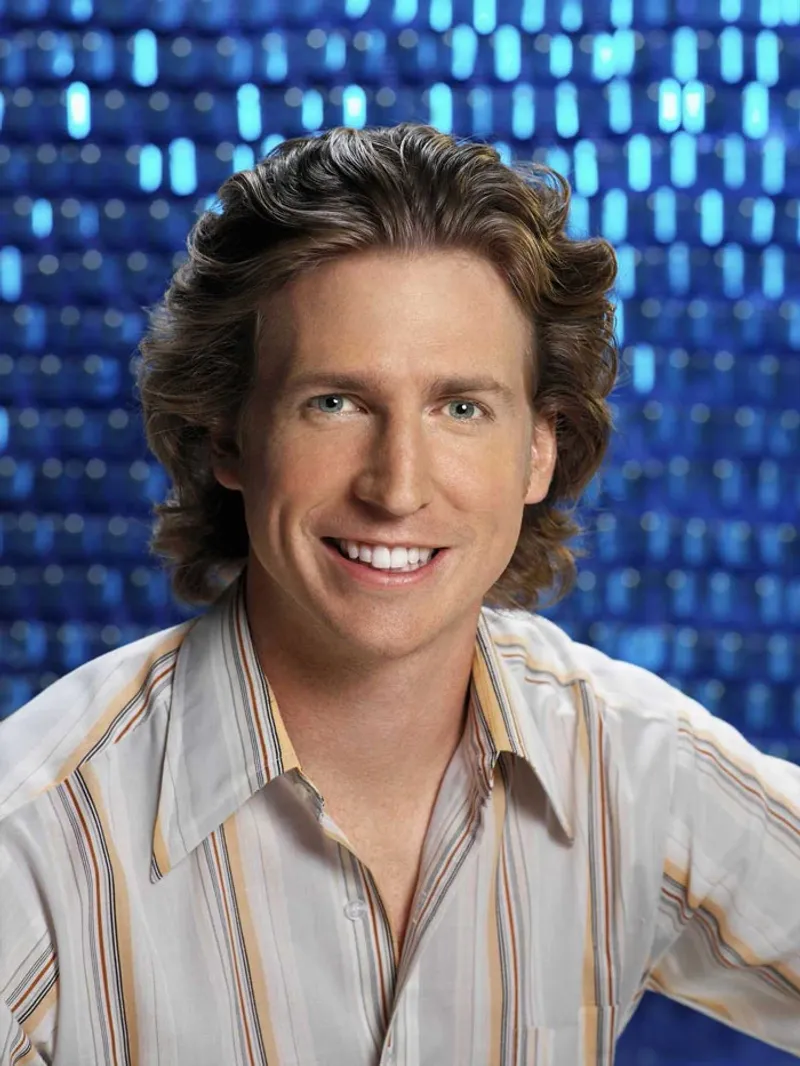
When Eric Forman left That ’70s Show, the writers made the baffling decision to replace him with Randy Pearson.
Played by Josh Meyers, Randy arrived in season eight with zero history with the gang and zero chemistry with anyone on screen.
He felt like a cardboard cutout dropped into a show that had already built years of real relationships.
Fans rejected Randy almost immediately.
He had none of Eric’s awkward charm and none of the backstory that made the original cast feel like actual friends.
The show had already lost Kelso and Eric, and Randy could not carry the weight of filling those gaps.
Most fans consider his entire run a low point in the series.
3. Scrappy-Doo (Scooby-Doo)
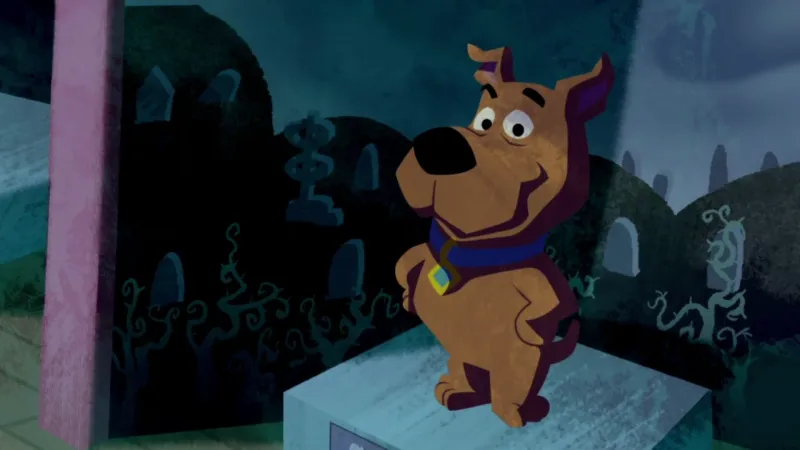
Few characters in cartoon history have generated as much eye-rolling as Scrappy-Doo.
Introduced in 1979 to boost sagging ratings, the tiny pup with a big mouth did technically save the show from cancellation at first.
But what started as a short-term fix became a decade-long headache for fans of the original Mystery Inc. crew.
Scrappy’s constant battle cries and aggressive attitude clashed badly with the goofy, laid-back vibe that made Scooby-Doo beloved.
He overshadowed the original characters and pushed the humor in a direction most viewers never wanted.
The 2002 live-action movie actually made him the villain, which felt less like a joke and more like the writers finally agreeing with the audience.
4. Ted Mosby (How I Met Your Mother)
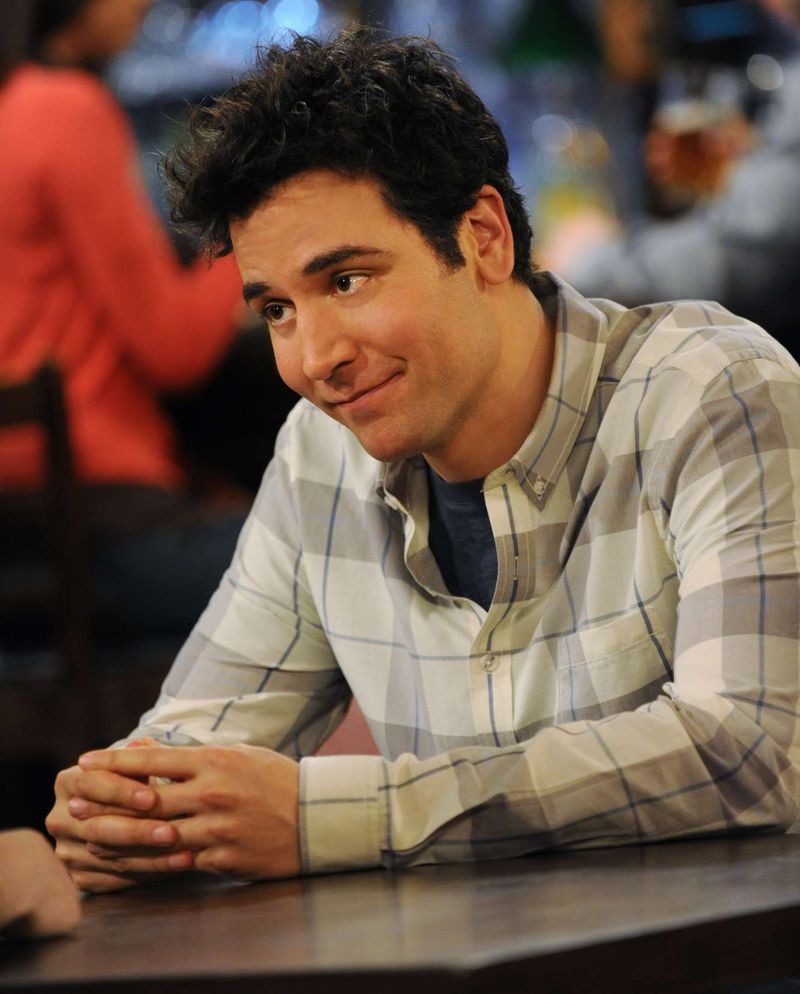
How I Met Your Mother was literally named after Ted Mosby’s journey, so it feels almost unfair to say he overstayed his welcome.
But nine seasons of Ted whining about love, making grand romantic gestures, and repeating the same emotional mistakes tested even the most patient viewers.
The show kept promising a payoff that felt further and further away.
By the later seasons, fans were openly rooting for anyone except Ted to get more screen time.
His obsession with Robin dragged on for years past the point of being charming.
When the finale undid the entire premise in one rushed hour, it confirmed what many had suspected: Ted’s story had run out of steam long before the writers admitted it.
5. Piper Chapman (Orange Is the New Black)
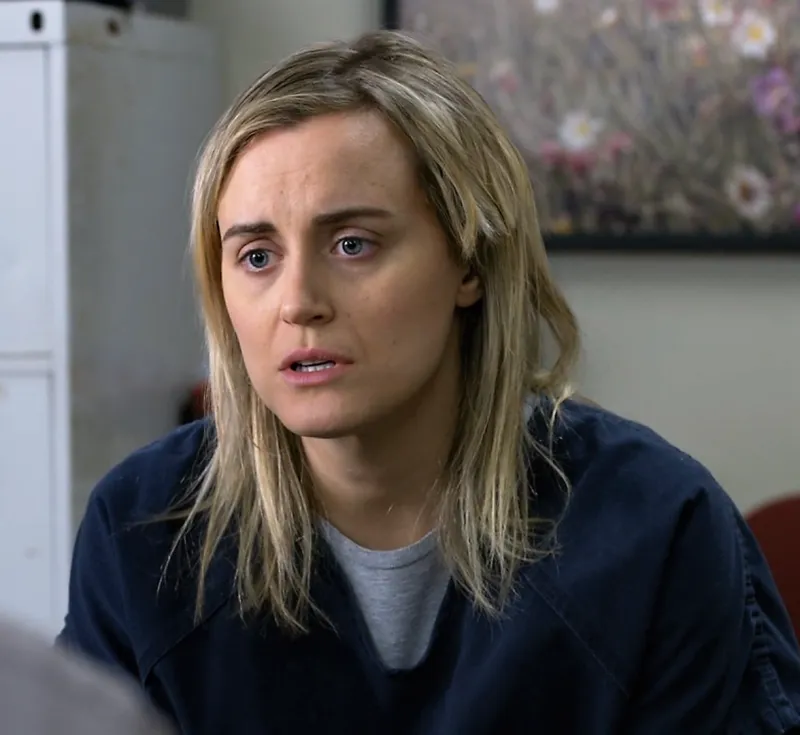
Orange Is the New Black had one of the richest ensemble casts on television, full of complex, fascinating women with deeply compelling stories.
So it was especially frustrating that the show kept centering on Piper Chapman, arguably its least interesting character.
Her privileged complaints and petty drama felt tone-deaf compared to what the women around her were going through.
Characters like Taystee, Red, and Suzanne had storylines that were far more emotionally powerful and dramatically rich.
Piper’s arc felt repetitive and self-absorbed season after season.
Many fans openly admitted they fast-forwarded through her scenes to get back to the characters they actually cared about.
The show was at its best when it forgot Piper was supposed to be the lead.
6. Izzie Stevens (Grey’s Anatomy)
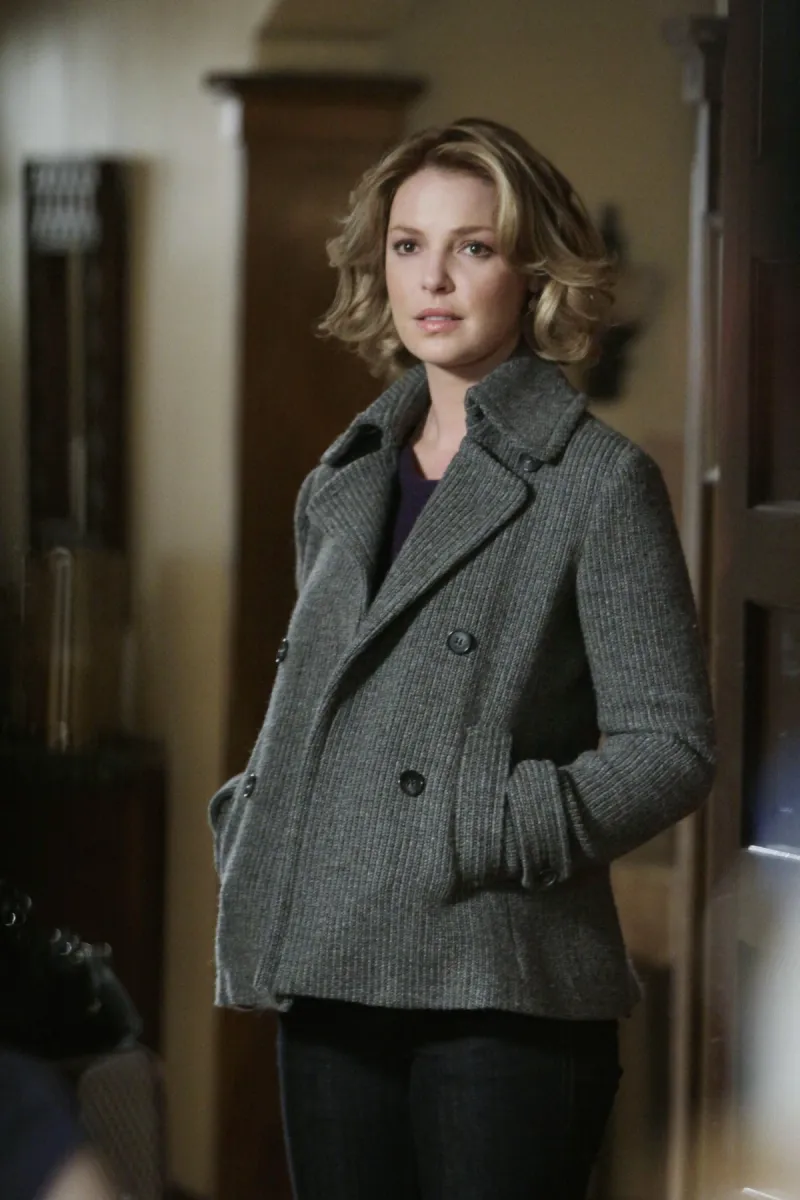
Izzie Stevens had some genuinely moving moments in the early seasons of Grey’s Anatomy, particularly during Denny Duquette’s storyline.
But her decision to cut Denny’s LVAD wire crossed a line that made it nearly impossible to root for her again.
The show asked viewers to forgive a lot, and most fans eventually ran out of patience.
Her later storyline involving hallucinations of dead Denny was polarizing at best and ridiculous at worst.
Katherine Heigl’s real-life tension with the show’s producers added another layer of awkwardness to every scene.
By the time Izzie quietly disappeared from the series, many viewers felt relief rather than sadness.
She had one of the most exhausting character arcs in the show’s long run.
7. Fez (That ’70s Show)
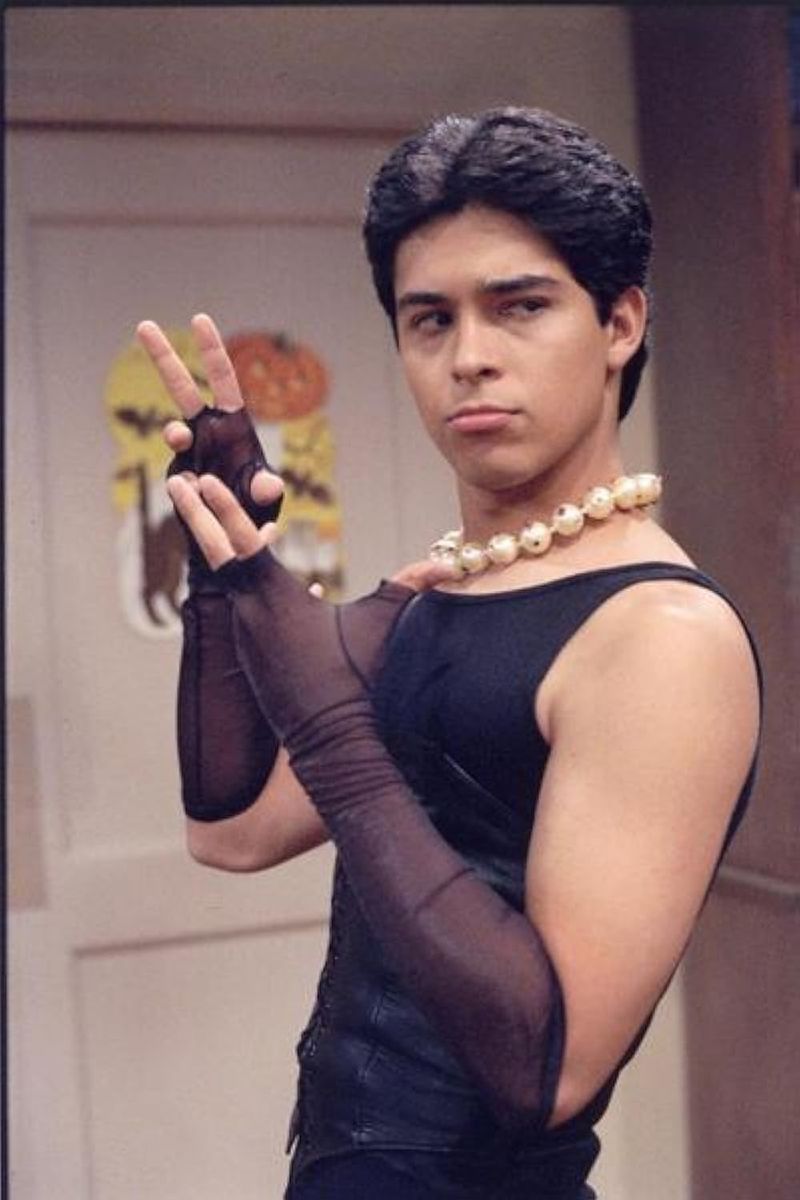
Fez was funny in small doses during the early seasons of That ’70s Show.
His fish-out-of-water confusion and earnest personality provided genuine laughs when balanced against the rest of the gang.
The problem is that the show leaned harder and harder into his one-note foreigner joke until it became the only thing defining him.
As the seasons went on, Fez’s storylines became increasingly centered on his obsession with women in ways that aged poorly and felt more uncomfortable than comedic.
His relationship with Jackie in the final seasons felt forced and out of nowhere.
What worked as a recurring gag in season one had become a tired, repetitive formula by the end.
Fez deserved better writing, and so did the audience.
8. Bran Stark (Game of Thrones)
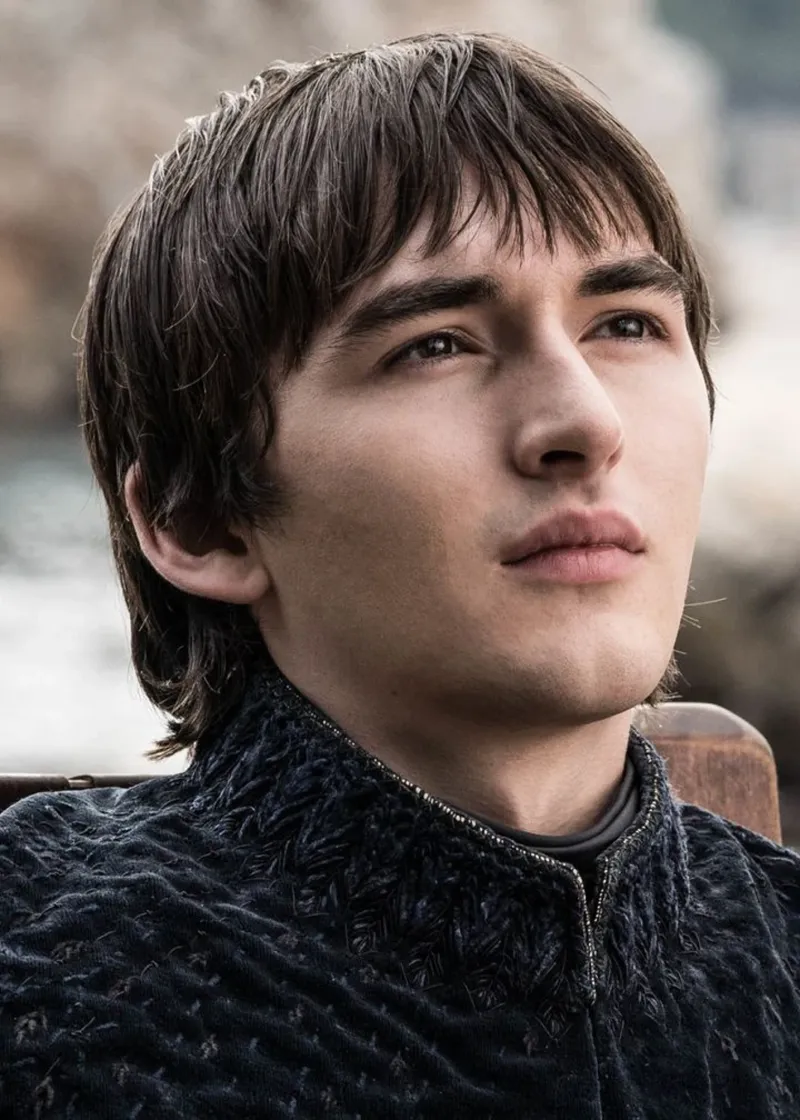
Bran Stark started Game of Thrones as a sympathetic kid thrown into impossible circumstances.
His early story arc had real emotional weight, and his journey north of the Wall introduced some of the show’s most mysterious mythology.
But somewhere around season six, Bran became the Three-Eyed Raven and essentially stopped being a character.
His blank stare, cryptic non-answers, and complete emotional detachment made him one of the most frustrating presences in the final seasons.
When the finale revealed he would become King of the Six Kingdoms, fans erupted in disbelief.
It was an ending that felt unearned and disconnected from any satisfying narrative arc.
Bran’s journey is often cited as one of the most disappointing in television history.
9. Tara Thornton (True Blood)
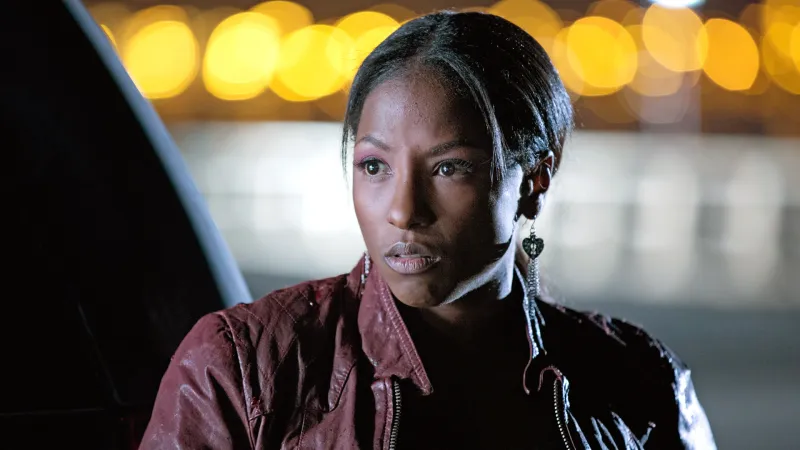
Tara Thornton had a strong start on True Blood as Sookie’s sharp-tongued, fiercely loyal best friend.
Her no-nonsense attitude and willingness to call out supernatural nonsense made her a fan favorite early on.
But season after season, the writers seemed determined to put Tara through the most relentless suffering imaginable without giving her any real payoff.
She was kidnapped, abused, turned into a vampire against her will, and generally treated as a punching bag by the plot.
Fans grew exhausted watching a character with so much potential get used as a vehicle for trauma rather than growth.
Her eventual death was handled so carelessly that it felt like an afterthought.
Tara deserved a story that matched her strength.
10. Kim Bauer (24)

Jack Bauer spent every season of 24 saving the entire country from catastrophic threats.
Meanwhile, his daughter Kim seemed to spend every season finding brand new ways to get herself into completely avoidable danger.
From cougars in the woods to abusive relationships to being held hostage yet again, Kim’s subplots became a running joke among viewers.
The problem was not the actress but the writing, which treated Kim as a distraction from the show’s main action rather than a meaningful part of it.
Every time the tension built around Jack’s mission, a cut to Kim’s latest crisis deflated the momentum completely.
Fans began dreading her scenes, and many openly wished she had been written out far earlier in the series.
11. April Nardini (Gilmore Girls)
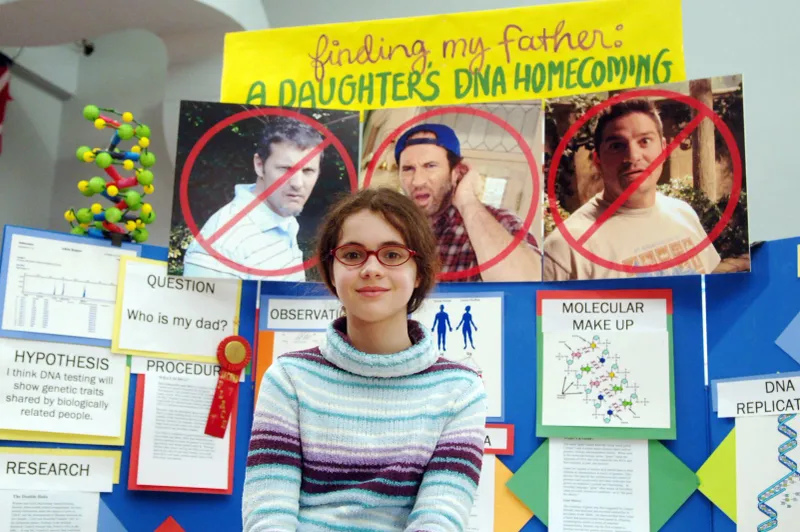
Gilmore Girls had spent years carefully building the relationship between Luke and Lorelai, and fans were deeply invested in seeing them finally get together.
Then April Nardini showed up in season six as Luke’s surprise daughter, and everything fans had waited for came grinding to a halt.
Her arrival felt less like organic storytelling and more like a deliberate obstacle.
April herself was not unlikable exactly, but her timing was catastrophic for the show’s emotional momentum.
The storyline forced Luke to keep secrets from Lorelai, driving a wedge between them right when the relationship should have been deepening.
Many fans point to April’s introduction as the moment the show lost its footing.
The revival series wisely gave her minimal screen time.
12. Conner Rhodes (Chicago Med)

Chicago Med introduced Conner Rhodes as a brilliant but arrogant cardiothoracic surgeon, and for a while the character had real dramatic potential.
His complicated family background and ethical conflicts gave the writers plenty to work with.
But as the seasons progressed, Conner’s storylines became increasingly melodramatic and disconnected from the ensemble dynamic that made the show work.
His relationship drama, family feuds, and moral crises started to feel like they belonged in a different, soapier show.
The character seemed to attract chaos at a rate that strained believability even by medical drama standards.
When Conner was written out, many viewers felt the show actually breathed easier without him.
His exit opened space for characters with steadier, more grounded energy to step forward.
13. Maggie Pierce (Grey’s Anatomy)
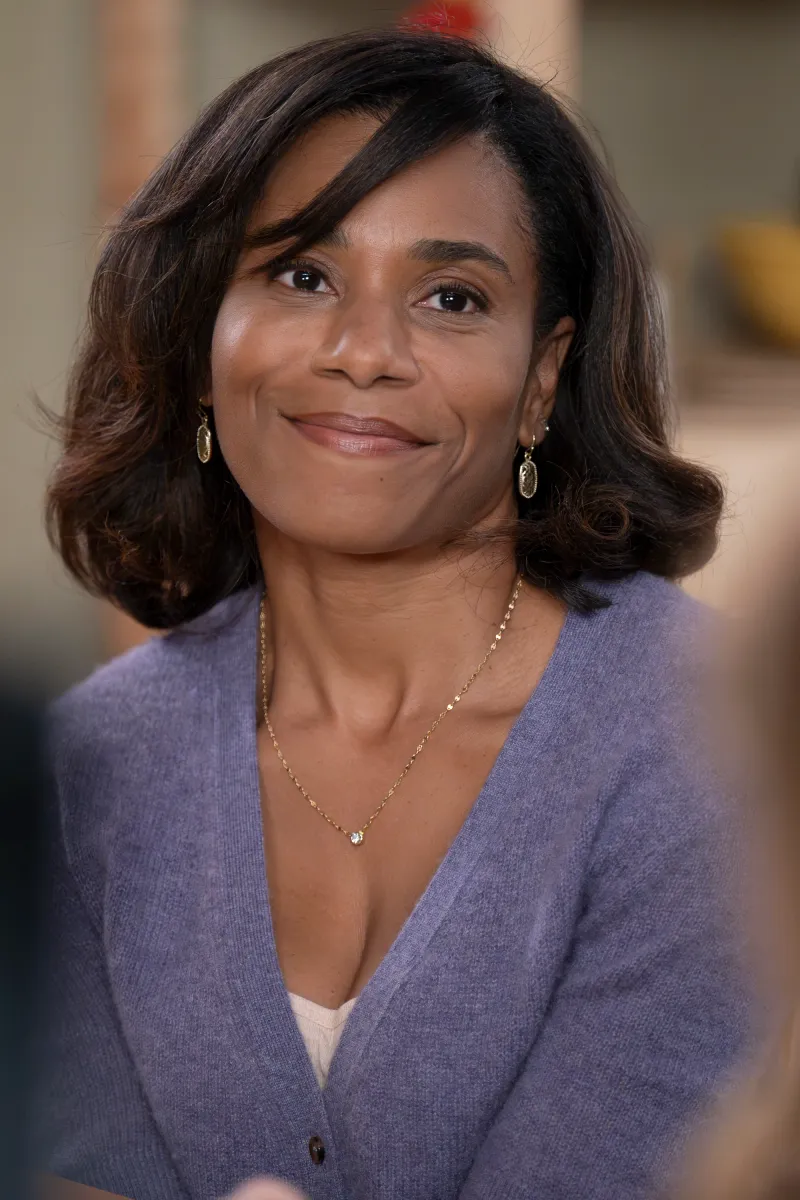
Maggie Pierce arrived on Grey’s Anatomy as Meredith’s secret half-sister, a reveal that felt more like a soap opera twist than a natural story development.
Her introduction came at a time when the show was already struggling to replace beloved characters who had left.
Maggie was clearly meant to fill an emotional gap, but the fit never felt quite right to many fans.
Her romantic storylines have been particularly divisive, especially her relationship with Jackson Avery, which fans largely found unconvincing.
Maggie also has a habit of making major situations about herself in ways that can feel frustrating rather than relatable.
Years into her run, she remains a polarizing presence.
Many viewers feel the show could tell stronger stories without her in the center of them.
14. Ross Geller (Friends)
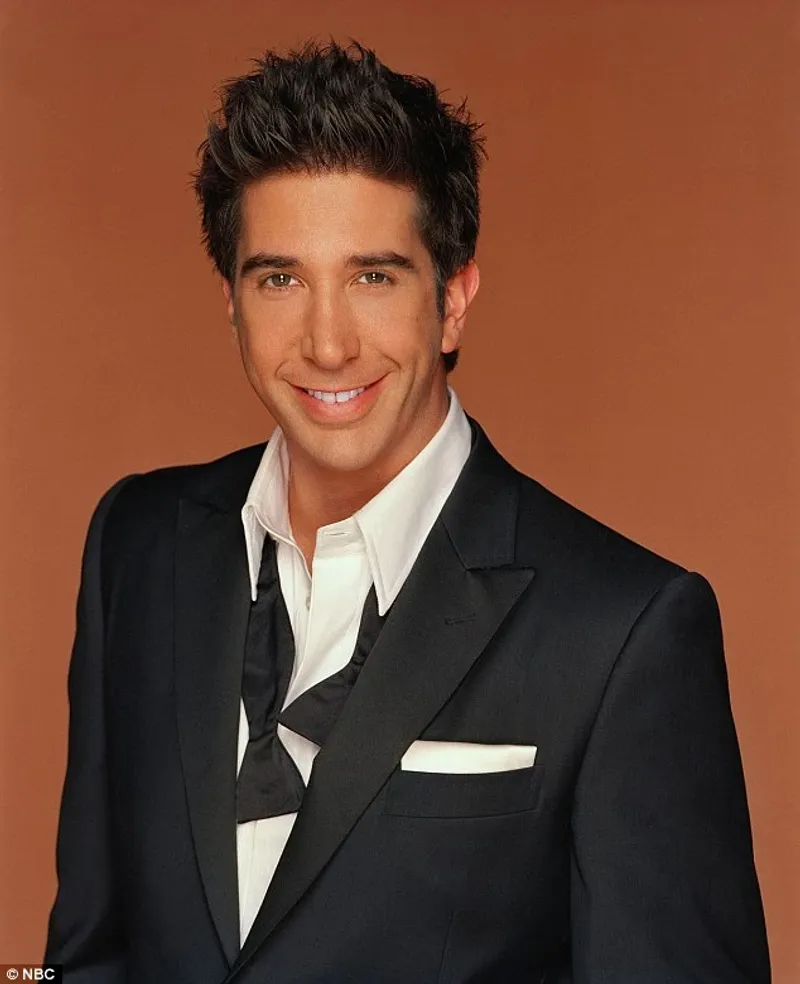
Friends would not exist without Ross Geller, and David Schwimmer brought real comedic talent to the role.
But over ten seasons, Ross evolved from a lovably nerdy paleontologist into one of television’s most exhausting characters.
His jealousy, possessiveness, and constant victimhood became defining traits that wore thin well before the finale.
The infamous “we were on a break” argument is funny the first time.
By the hundredth callback, it felt like the writers had run out of ideas.
His treatment of Rachel, his three failed marriages, and his general inability to grow up made him genuinely hard to root for.
Fans have increasingly revisited Friends with fresh eyes and found Ross far less charming than the show intended him to be.
15. Dawn Summers (Buffy the Vampire Slayer)
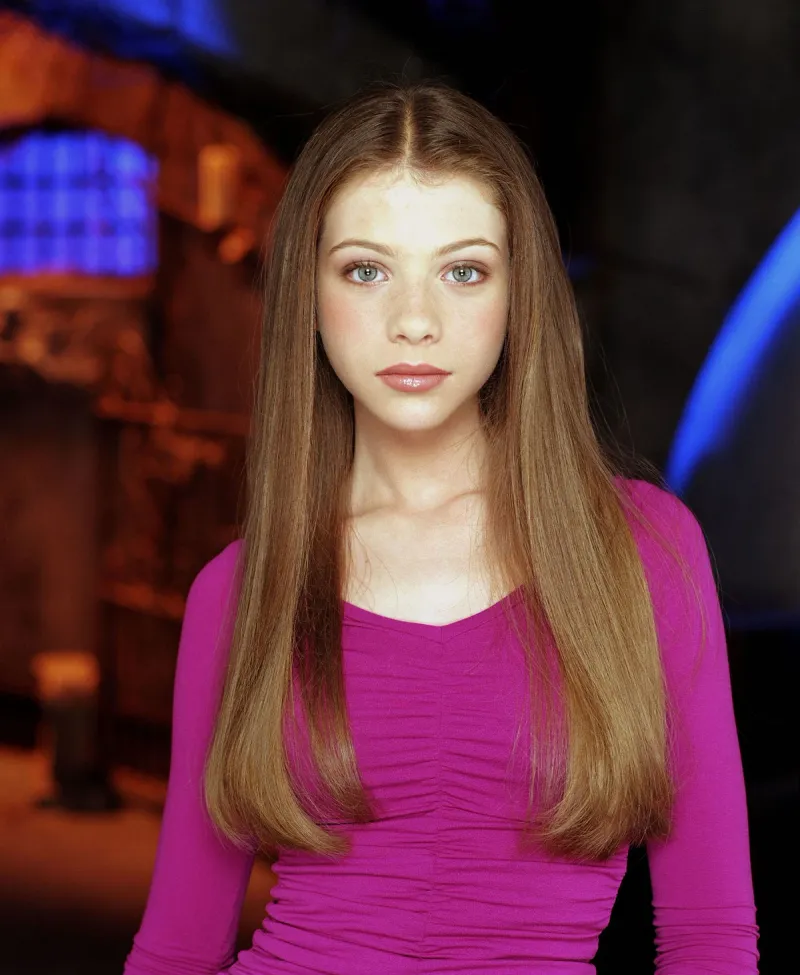
Buffy the Vampire Slayer was already a cultural phenomenon when Dawn Summers appeared out of nowhere at the start of season five.
The show handled her magical origin story reasonably well, and her role as the Key gave the season a strong villain in Glory.
But once that storyline concluded, Dawn struggled to justify her continued presence on the show.
Her constant whining, poor decision-making, and tendency to need rescuing made her one of the most complained-about characters in the fandom.
Season six and seven Dawn felt like a character the writers kept around out of obligation rather than creative necessity.
Michelle Trachtenberg did what she could with the material, but the scripts rarely gave Dawn anything meaningful to contribute.
Most fans agree she peaked in season five.
16. Cousin Oliver (The Brady Bunch)
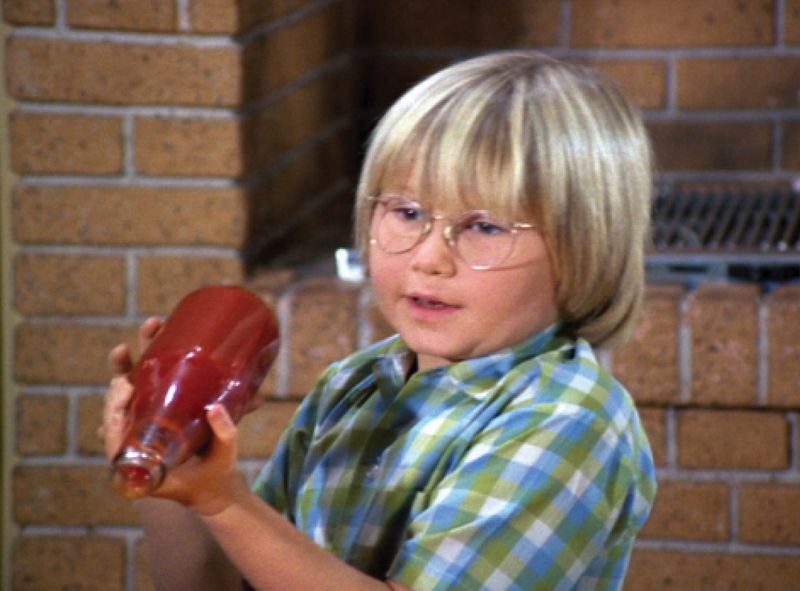
Cousin Oliver holds a special place in television history as the original example of what fans now call “jumping the shark.” Introduced in the final season of The Brady Bunch, Oliver was brought in as an attempt to inject fresh energy into a show that had clearly run its course.
Instead, he became a symbol of creative desperation.
The character appeared in only six episodes but left such a strong negative impression that his name became shorthand for any unnecessary new addition to a struggling show.
Oliver had no real purpose beyond being young and occasionally clumsy, which was not enough to save a series past its prime.
His legacy is less about the character himself and more about what his arrival represented: a show that had already said everything it had to say.