 MomSkoop

Every generation has its quirks, but it turns out some of the habits boomers are famous for are secretly winning over Gen Z. Whether it’s carrying cash or striking up conversations with strangers, these old-school behaviors are starting to look less cringe and more cool.
Gen Z might roll their eyes in public, but behind closed doors, they’re quietly picking up these timeless habits. Here are 13 boomer behaviors that younger generations are lowkey obsessed with.
1. Remembering People’s Names

There’s something almost magical about meeting someone who remembers your name days, weeks, or even months later.
Boomers have turned this skill into an art form, recalling the cashier from three weeks ago, the neighbor’s dog, or the waiter from their go-to diner.
In a world where most interactions feel rushed and forgettable, that kind of attentiveness is genuinely refreshing.
It makes people feel like they actually matter instead of just being another face in the crowd.
Gen Z, raised on usernames and avatars, is starting to realize how powerful a simple name can be.
Remembering someone costs nothing but leaves a lasting impression that no emoji can replicate.
2. Chatting With Everyone in the Room

Walk into any elevator, waiting room, or community event with a boomer, and watch what happens.
Within minutes, they’ve learned someone’s name, their job, and probably their life story — all through genuine, easy conversation.
Gen Z might joke about how awkward small talk is, but there’s something undeniably impressive about a person who can make any space feel warmer and less tense.
It’s a social superpower that no app can teach.
Younger generations are starting to notice that talking to real people builds real connections.
Unlike a comment section, face-to-face conversation has texture, humor, and spontaneity that makes life feel a little less lonely and a lot more interesting.
3. Refusing to Pay for Things They Don’t Need
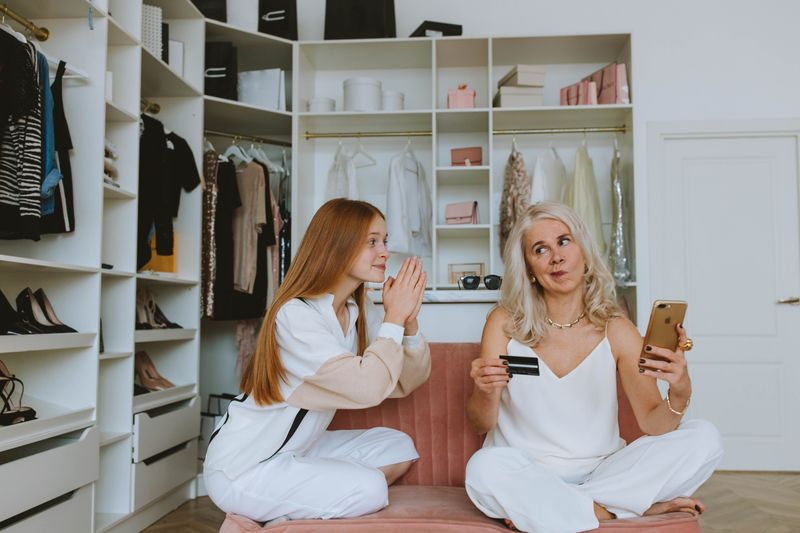
Subscription creep is real.
Between streaming platforms, app upgrades, and limited-time bundles, younger generations are constantly being pressured to spend money on things they barely use.
Boomers?
They simply say no.
Whether it’s skipping the extended warranty, passing on the premium version, or ignoring flash sales, their ability to resist unnecessary spending looks increasingly wise in today’s consumer culture.
Gen Z is slowly catching on.
With rising costs and economic uncertainty, the boomer habit of only paying for what you actually need is starting to feel less like frugality and more like financial genius.
Sometimes the smartest purchase is the one you don’t make at all.
4. Carrying Actual Cash
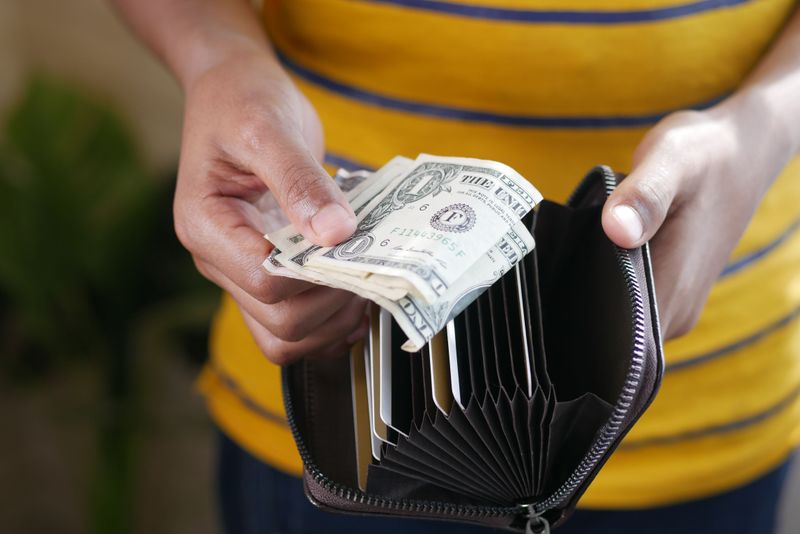
Picture this: the card reader crashes mid-transaction, the Wi-Fi drops, and the payment app spins forever.
Everyone freezes — except the boomer in line who calmly pulls out exact change and walks away with their coffee.
Carrying cash used to seem old-fashioned, but Gen Z is quietly starting to appreciate the backup plan.
It’s the financial equivalent of keeping a spare tire in your trunk instead of assuming the road will always be smooth.
Cash also creates natural spending boundaries.
When you can physically see money leaving your hand, you think twice before buying something unnecessary.
That tactile awareness of spending is something digital wallets simply can’t replicate in the same way.
5. Giving Directions Without GPS
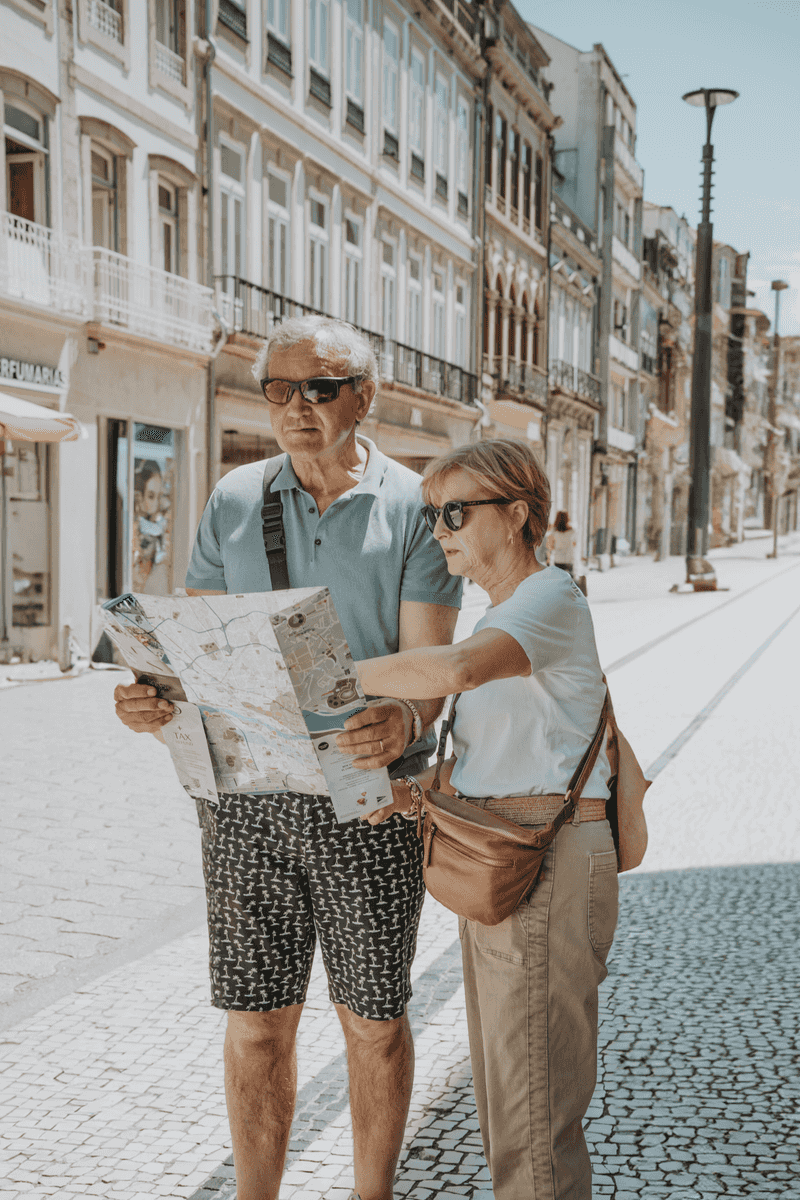
“Take a left at the old church, go past the red barn, and you’ll see it on the right.” No app required, no signal needed — just memory, spatial awareness, and a lifetime of paying attention to the world around them.
Watching a boomer navigate an entire city using landmarks and common sense feels like witnessing a rare superpower.
Gen Z, who panic when GPS loses signal for two seconds, secretly finds this deeply impressive.
Beyond the practical skill, there’s something grounding about actually knowing your surroundings.
Boomers built mental maps of their communities over years.
That kind of local knowledge creates a sense of belonging that no satellite signal can fully replace.
6. Making Friends With Local Business Owners

Boomers don’t just visit places — they become regulars.
They know the owner’s name, ask about their kids, and keep coming back for years.
That kind of loyalty creates a relationship that goes far beyond a simple transaction.
Gen Z loves the idea of belonging somewhere, of having a spot where people know your order before you speak.
But that level of connection requires showing up consistently and caring enough to actually ask questions.
As big-box stores and delivery apps dominate daily life, the boomer habit of supporting and befriending local business owners feels both rebellious and heartwarming.
It’s community-building in its most natural form, and younger generations are starting to crave exactly that.
7. Showing Up Early for Everything
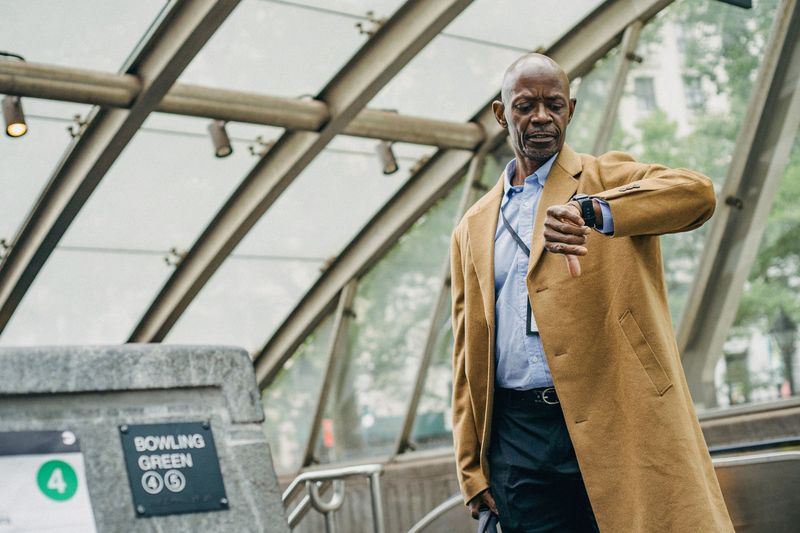
Being early used to be considered basic courtesy.
Now it feels like a rare personality trait.
While most people sprint through doors two minutes past the start time, boomers are already seated, relaxed, and ready to go.
What once seemed overly cautious now looks surprisingly stress-free.
There’s no rushing, no apologizing, no scrambling to find parking at the last second.
Early arrivals have time to breathe, collect their thoughts, and actually settle in.
Gen Z is starting to recognize that being chronically late isn’t a quirky personality trait — it’s exhausting for everyone involved.
Showing up early is beginning to feel less like a generational habit and more like a quiet form of self-respect worth adopting.
8. Taking Care of Their Stuff

Somewhere in a boomer’s home, there’s probably a jacket from 1987 that still looks great, a toaster that’s been running for 20 years, and a set of tools passed down from their own parents.
Nothing gets tossed just because something newer exists.
This habit of maintaining belongings instead of constantly replacing them is gaining serious respect from Gen Z.
As sustainability conversations grow louder, the boomer approach to ownership looks less old-fashioned and more visionary.
Buying less, repairing more, and treating possessions with care reduces waste and saves money over time.
It’s anti-consumerism in its most practical form — no manifesto required, just a screwdriver and the patience to fix what’s broken instead of discarding it.
9. Actually Reading Signs

Before asking anyone for help, boomers do something surprisingly effective — they look for a sign.
Parking rules, store hours, restroom locations, event schedules: if it’s posted somewhere, they’ll find it and read it fully before making a move.
In an era of information overload and endless scrolling, that kind of focused, deliberate observation feels almost countercultural.
It’s not flashy, but it’s incredibly efficient.
Gen Z, accustomed to searching online for answers that are often posted right in front of them, is quietly impressed by this habit.
Reading the room — literally — is a form of awareness that reduces confusion, saves time, and signals a level of patience that feels increasingly rare in fast-paced daily life.
10. Complimenting People Face-to-Face

“That color looks amazing on you.” “You handled that really well.” Simple words, said out loud, directly to someone’s face.
Boomers hand out genuine compliments without needing a comment section or reaction emoji to do it.
There’s a completely different energy to receiving a compliment in person versus seeing a heart react on a post.
Eye contact, tone of voice, and a real smile make the words land differently — and Gen Z is noticing that difference more and more.
As digital communication dominates social interaction, face-to-face kindness is becoming a surprisingly bold act.
Boomers have been doing it naturally for decades, and younger generations are starting to understand just how much a well-timed, sincere compliment can genuinely brighten someone’s entire day.
11. Bringing Something When They’re Invited Somewhere

Invited to dinner?
They bring dessert.
Stopping by a friend’s house?
They arrive with fruit, flowers, or a small treat tucked under their arm.
Boomers never show up empty-handed, and it creates an atmosphere of generosity that’s hard to manufacture.
This habit might seem small, but it communicates something meaningful — that you thought about the host before you even walked through the door.
It’s a gesture of gratitude that predates social media gift registries and digital tip jars.
Gen Z finds this unexpectedly charming, especially in a culture where everything feels transactional.
Bringing something tangible to share is an old-school way of saying, “I’m glad to be here, and I wanted to contribute.” That spirit never really goes out of style.
12. Knowing How to Be Bored

Waiting at the doctor’s office.
Sitting on a bench between errands.
Standing in a slow-moving line.
Boomers often just exist in these moments without reaching for a screen every ten seconds to fill the silence.
That might sound unremarkable, but for a generation that grew up with entertainment available at every swipe, the ability to simply be present without stimulation is genuinely rare.
It looks calm from the outside because it actually is calm on the inside.
Gen Z is increasingly recognizing idle time as something worth protecting rather than eliminating.
Boredom can spark creativity, rest the mind, and create space for actual thought.
Boomers never needed a productivity guru to tell them that — they just lived it naturally.
13. Treating Public Spaces Like Shared Spaces

Returning the shopping cart.
Picking up a piece of litter that isn’t theirs.
Keeping their voice low in a library or restaurant.
Boomers often move through public spaces with an unspoken awareness that other people exist and deserve consideration too.
These aren’t dramatic gestures — they’re small, consistent acts of civic responsibility that quietly make shared spaces more pleasant for everyone.
No applause required, no social media post needed.
They just do it.
Gen Z notices these moments more than boomers probably realize.
In a culture that often prioritizes individual experience above all else, watching someone act for the collective good feels quietly radical.
It’s the kind of behavior younger generations are starting to wish was simply the default for everyone.